An entrepreneurship ecosystem built inside Bidi Bidi Refugee Settlement has trained 500 entrepreneurs, incubated 14 businesses, supported 125 women through agricultural enterprises in just eight years. It has also established a 3,000-seat innovation and arts hub and created 27 direct jobs.
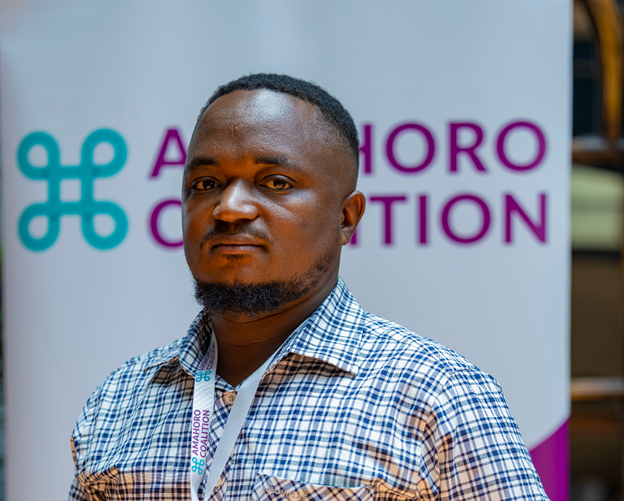
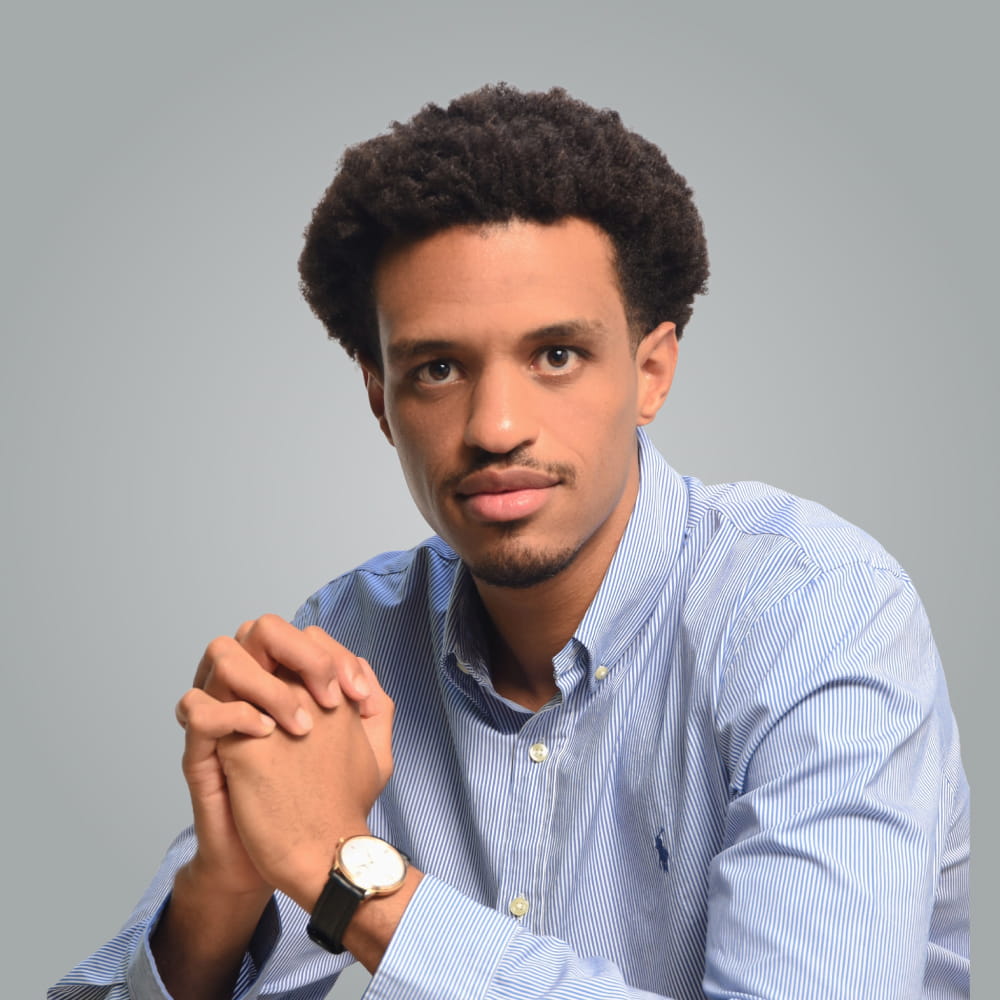
Its founder, Sylvain Himbana, arrived in Uganda from the Democratic Republic of Congo in 2010 with a high school diploma. Unable to afford university education after displacement, finding a meaningful job was impossible.
What began as a response to that experience has evolved into a platform serving both refugees and host communities. Himbana is raising job creators.
Humanitarian funding fell by 40% in 2025, according to the UN Office for the Coordination of Humanitarian Affairs, the sharpest cut ever recorded for displacement-affected communities.
With aid flows projected to decline further in 2026, refugee settlements are under increasing pressure to generate their own livelihoods. Bidi Bidi is already doing it.
Himbana’s model follows a simple logic: unemployment persists when aspiring entrepreneurs lack the infrastructure to build businesses.
Since 2019, his organisation has worked to close those gaps through entrepreneurship training, business incubation, agricultural enterprises, and shared community infrastructure.
Humanitarian funding fell by 40% in 2025, according to the UN Office for the Coordination of Humanitarian Affairs, the sharpest cut ever recorded for displacement-affected communities.
With aid flows projected to decline further in 2026, refugee settlements are under increasing pressure to generate their own livelihoods. Bidi Bidi is already doing it.
Himbana’s model follows a simple logic: unemployment persists when aspiring entrepreneurs lack the infrastructure to build businesses.
Since 2019, his organisation has worked to close those gaps through entrepreneurship training, business incubation, agricultural enterprises, and shared community infrastructure.
The Incubation Model
Himbana’s conviction is to equip young people who will create jobs for themselves and others.
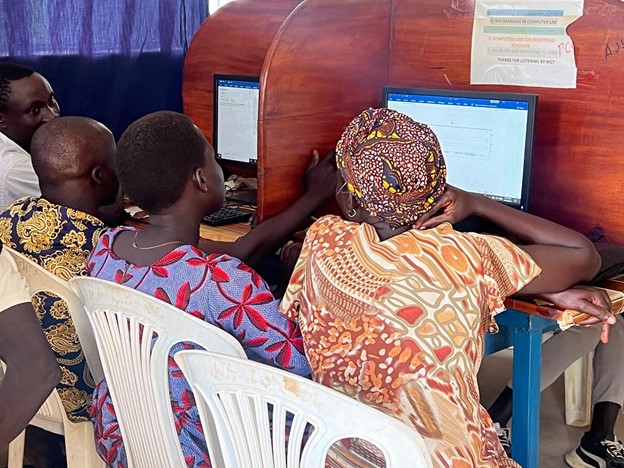
He established SINA Loketa, an incubation centre in 2019 where entrepreneurs are trained in business planning, pitching, public speaking, and enterprise development. Every quarter, 30 participants complete a three-month programme designed to move ideas from concept to enterprise.
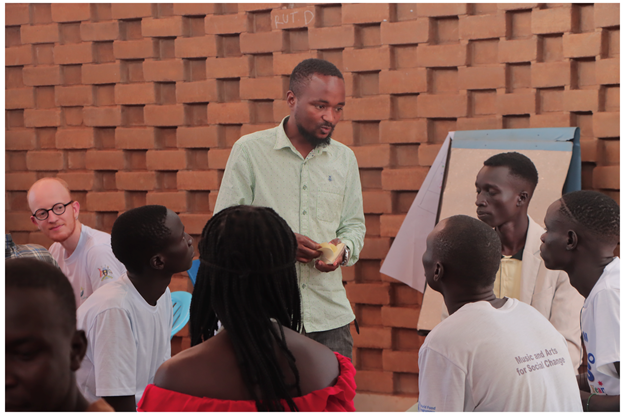
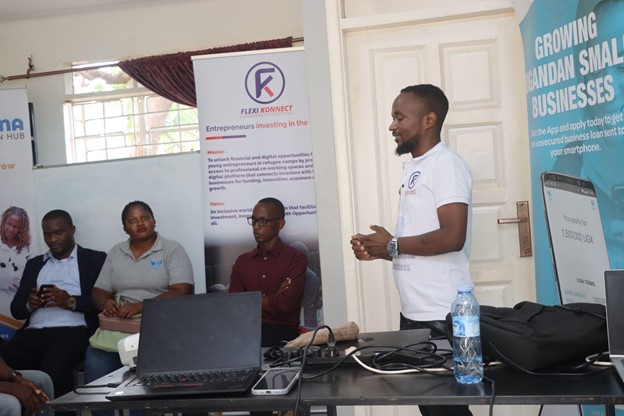
Fourteen businesses operating across agriculture, nutrition, ICT, and recycling sectors have been incubated through the centre. Selection is anchored on each business’s ability to solve community challenges.
Five businesses are fully established and employ teams of five to seven people. Eight more are in the acceleration phase, generating profits and creating jobs as they scale. For Himbana, entrepreneurship is not the end goal. It is the mechanism through which communities build economic resilience.
Five businesses are fully established and employ teams of five to seven people. Eight more are in the acceleration phase, generating profits and creating jobs as they scale. For Himbana, entrepreneurship is not the end goal. It is the mechanism through which communities build economic resilience.
Infrastructure Creates Opportunity
Many entrepreneurs in displacement settings struggle with limited internet access, unreliable electricity, inadequate workspaces, and weak professional networks.
That gap inspired Flexi Konnect, Himbana’s digital-first platform bridging underserved entrepreneurs, particularly refugee and host community youth, with investors, mentors, and growth programmes.
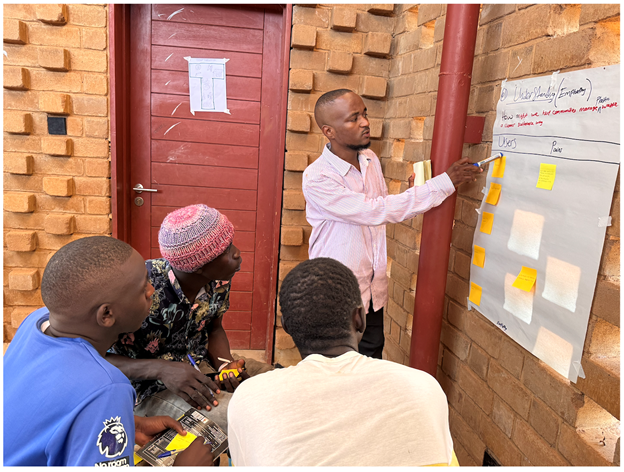
The first co-working hub launched inside Bidi Bidi, giving over 30 young entrepreneurs access to workspace, training, and investment-readiness support. An E-Pitching Boot Camp is already running, with selected startups receiving capacity building and mentorship.
Through Flexi-Link, investors can browse verified businesses, review their goals and funding needs, and engage directly with the team. The African Development Bank estimates the SME financing gap in Africa at more than $330 billion. Flexi Konnect is building the infrastructure to close part of it, starting inside displacement settlements.
Through Flexi-Link, investors can browse verified businesses, review their goals and funding needs, and engage directly with the team. The African Development Bank estimates the SME financing gap in Africa at more than $330 billion. Flexi Konnect is building the infrastructure to close part of it, starting inside displacement settlements.
Women and Agricultural Enterprises
The entrepreneurship ecosystem extends beyond business incubation.
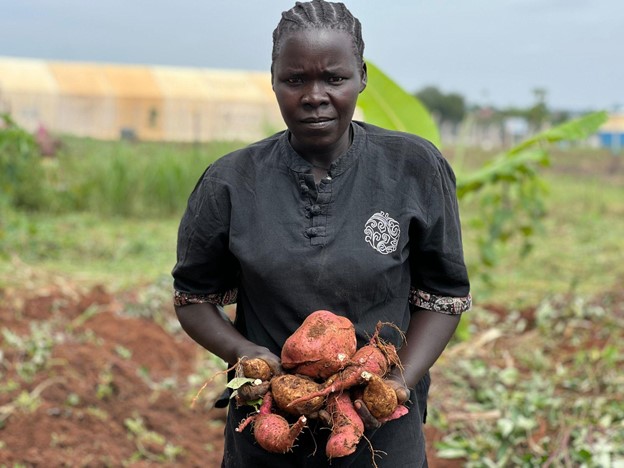
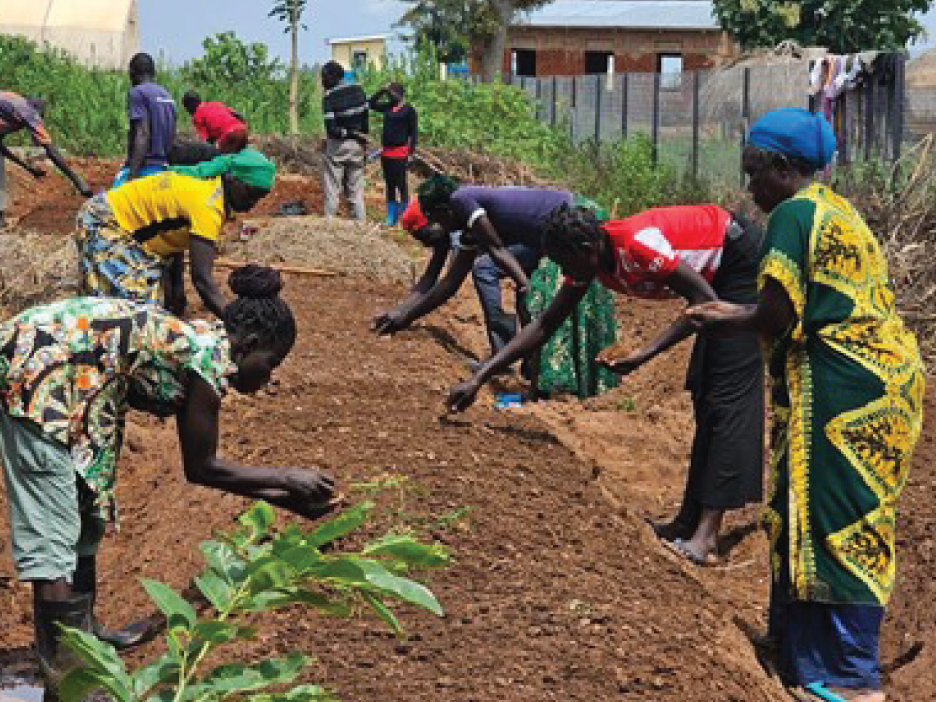
Five women’s agricultural groups, each made up of 25 members, work land leased in collaboration with the Office of the Prime Minister, the government department responsible for refugee affairs in Uganda.
Himbana provides farming tools, seeds, and sustainable farming training. In return, the groups contribute 20% of their harvest to cover costs – a model that keeps the programme self-sustaining. The initiative improves household food security while generating income for women who would otherwise perform that labour entirely unpaid.
Five women’s agricultural groups, each made up of 25 members, work land leased in collaboration with the Office of the Prime Minister, the government department responsible for refugee affairs in Uganda.
Himbana provides farming tools, seeds, and sustainable farming training. In return, the groups contribute 20% of their harvest to cover costs – a model that keeps the programme self-sustaining. The initiative improves household food security while generating income for women who would otherwise perform that labour entirely unpaid.
The Arts Hub and Social Integration
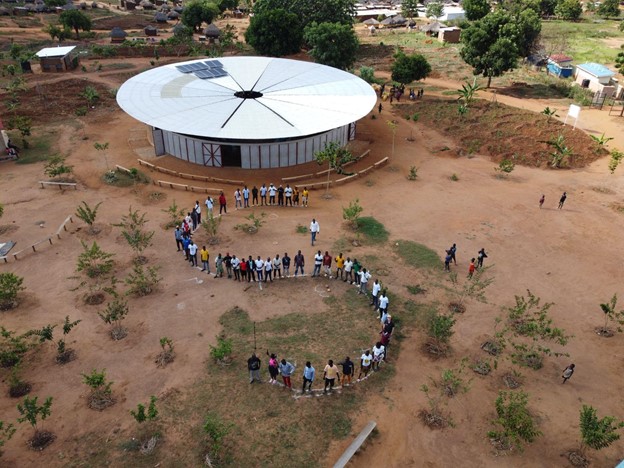
At the centre of the broader ecosystem sits the 3,000-seat innovation and arts hub.
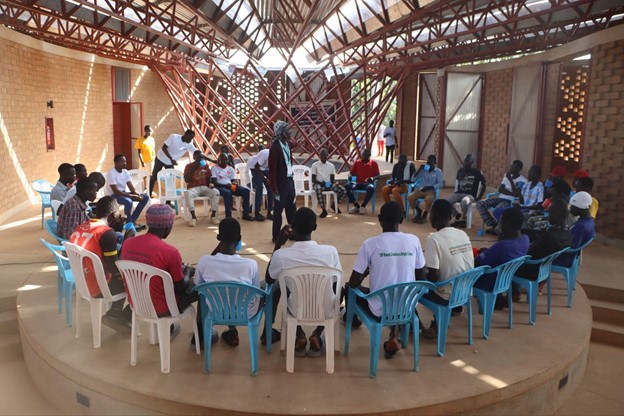
Built in 2023, the facility functions as an event venue and recording studio. Community leaders also use it to host community dialogues between refugees and host communities.
Himbana believes economic inclusion and social inclusion are inseparable. When people work, trade, create, and solve problems together, conflict becomes less likely. Shared spaces help build the relationships that make economic collaboration possible.
The result is an ecosystem where refugees and host communities are not competing for opportunities. They are creating them together.
Built in 2023, the facility functions as an event venue and recording studio. Community leaders also use it to host community dialogues between refugees and host communities.
Himbana believes economic inclusion and social inclusion are inseparable. When people work, trade, create, and solve problems together, conflict becomes less likely. Shared spaces help build the relationships that make economic collaboration possible.
The result is an ecosystem where refugees and host communities are not competing for opportunities. They are creating them together.
From Donor Dependency to Sustainable Growth
The organisation relied heavily on grants and donor funding. After joining the Amahoro Coalition fellowship in 2024, Himbana began exploring revenue-generating approaches that could support the organisation’s operations sustainably. The arts centre now charges international organisations and commercial users while remaining free for refugees and local community members. The change has strengthened operational flexibility and reduced dependence on external funding.
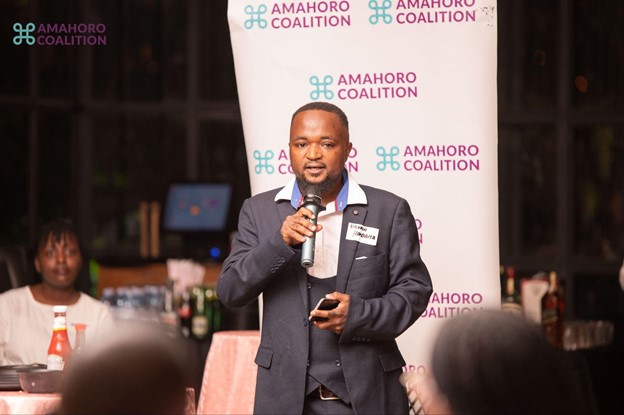
The fellowship mentorship programme also pushed him to delegate and distribute roles across team members and focus on the areas where he adds most value. Further, the fellowship’s cohort network has become a practical problem-solving resource. When Himbana encounters a complex operational or business challenge, he draws on peers who have navigated similar situations, faster and more specifically than a formal mentor can always provide.
Within five years, Himbana envisions a regional entrepreneurship hub connecting thousands of entrepreneurs directly with investors.The ecosystem emerging in Bidi Bidi demonstrates that when infrastructure exists, displaced people do more than rebuild their own lives. They create businesses, jobs, and institutions that strengthen entire communities. It is time for investors and private sector partners to engage with what is already working.
Within five years, Himbana envisions a regional entrepreneurship hub connecting thousands of entrepreneurs directly with investors.The ecosystem emerging in Bidi Bidi demonstrates that when infrastructure exists, displaced people do more than rebuild their own lives. They create businesses, jobs, and institutions that strengthen entire communities. It is time for investors and private sector partners to engage with what is already working.