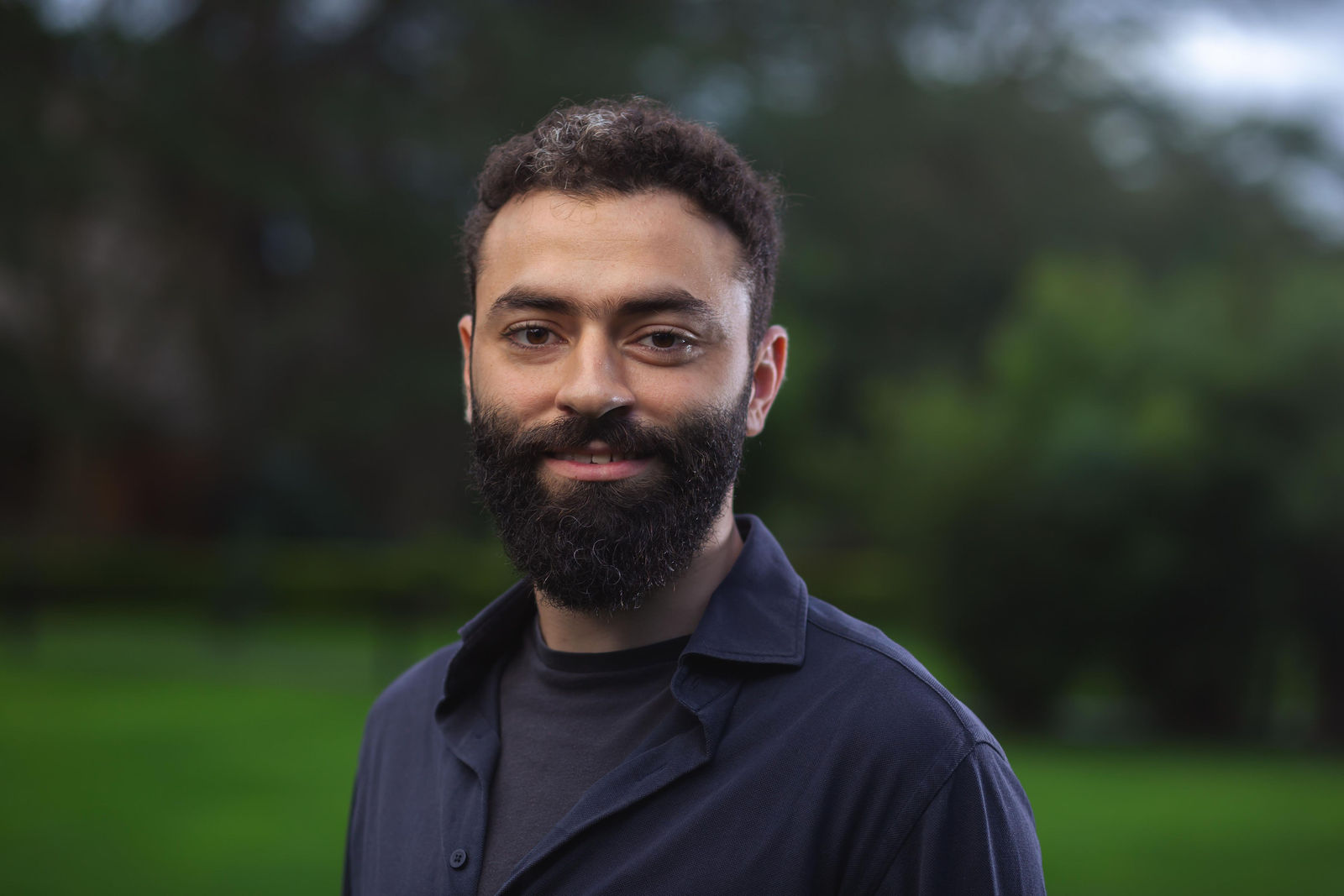
Duma Toys’ revenue grew ninefold in early 2025. For founder Abo Obaida Alazem, that number confirmed that a refugee livelihoods programme had become a commercially viable manufacturing business. It was time to scale.
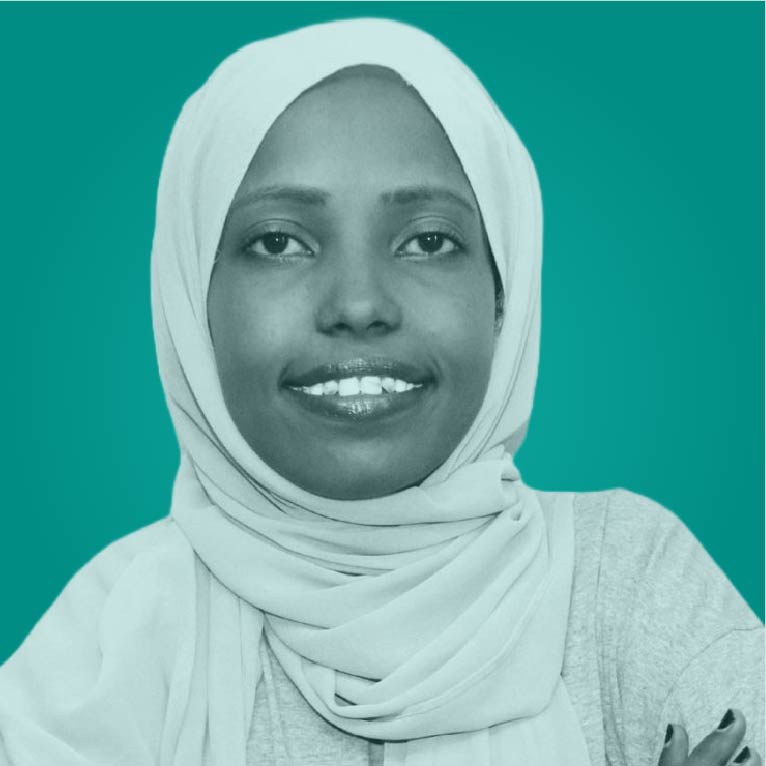
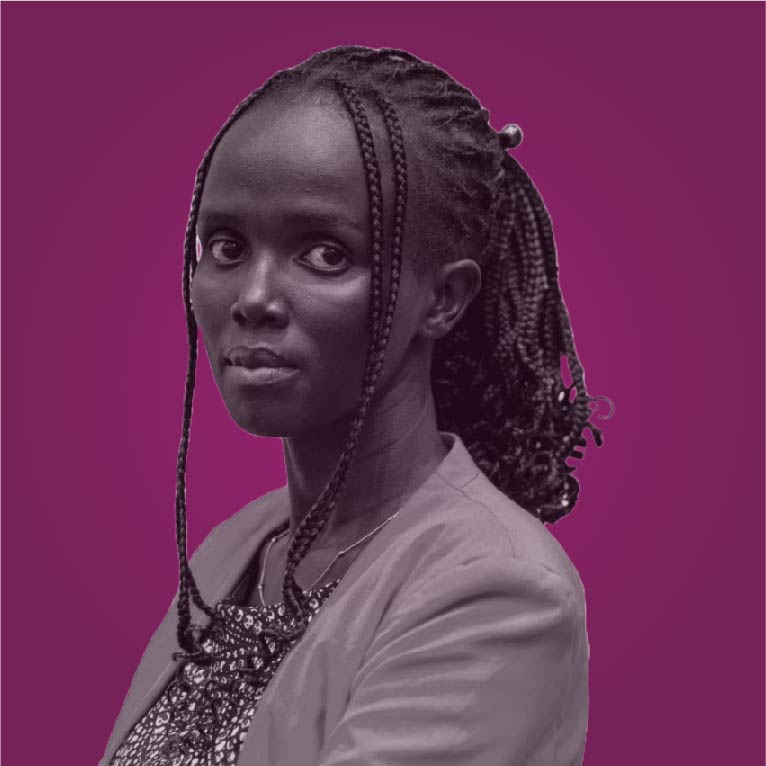
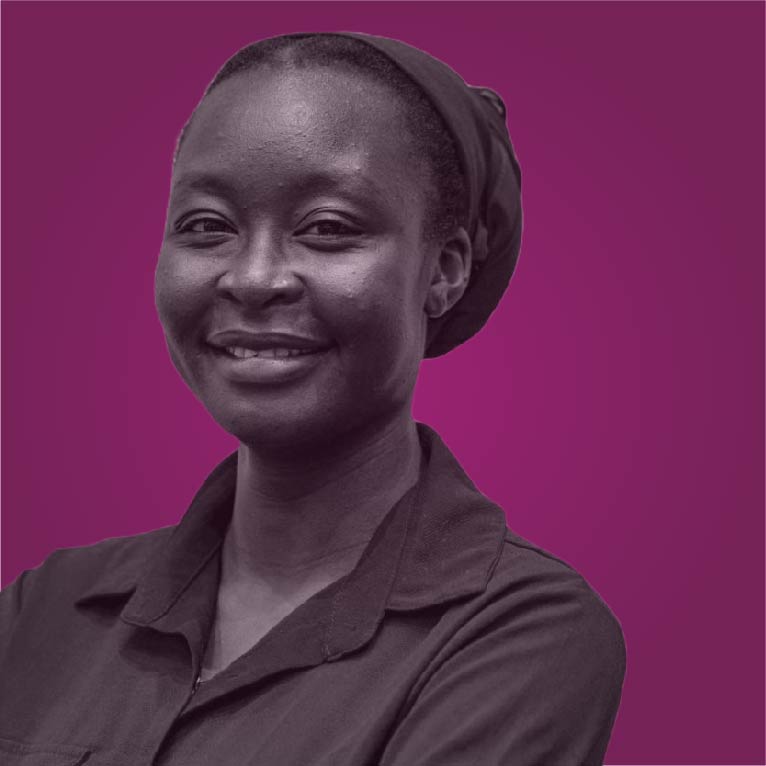
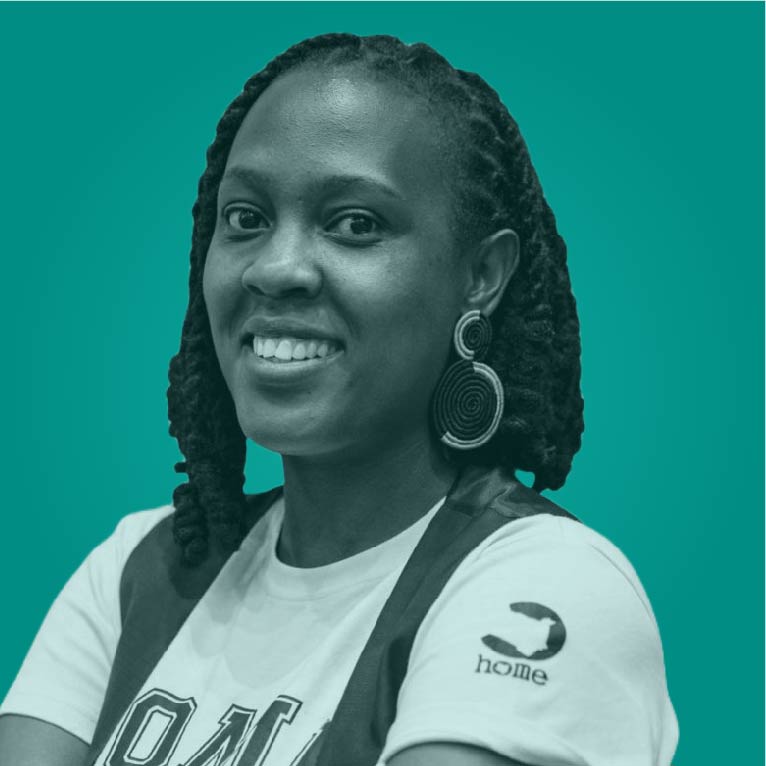
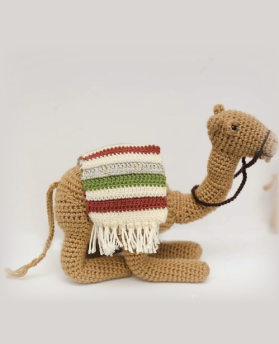
Duma Toys is an Egyptian ethical manufacturing company producing handmade crochet toys, fashion accessories, and lifestyle products through a distributed workforce of over 500 Syrian, Sudanese, and Egyptian women working from their homes across five governorates.
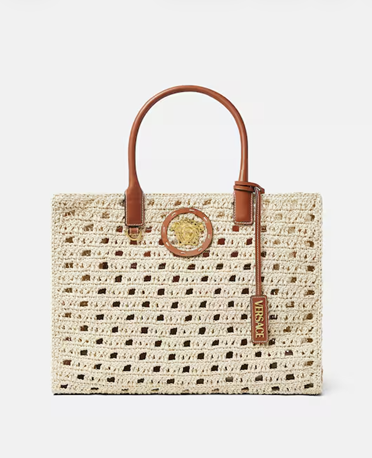
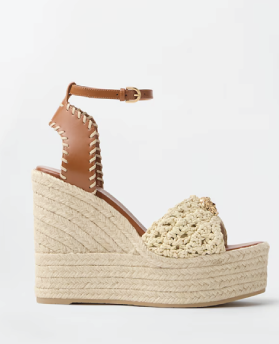
Its products are sold in Egypt, France, the United Kingdom, Belgium, and Spain. In 2025, the company developed a full collection for Versace.
Three things transformed Duma Toys into a scalable business. Alazem identified that displaced women lacked structured access to markets. Duma Toys replaced donor-dependent production with a unified commercial brand capable of competing internationally on quality and design.
The company built a distributed manufacturing model that eliminated factory overhead while allowing women to work from home at scale. The global sustainable and ethical consumer goods market is valued at $17.3 billion and growing at a CAGR of 10.5% through 2030. Duma is already operating at the level that the market is moving toward.
Three things transformed Duma Toys into a scalable business. Alazem identified that displaced women lacked structured access to markets. Duma Toys replaced donor-dependent production with a unified commercial brand capable of competing internationally on quality and design.
The company built a distributed manufacturing model that eliminated factory overhead while allowing women to work from home at scale. The global sustainable and ethical consumer goods market is valued at $17.3 billion and growing at a CAGR of 10.5% through 2030. Duma is already operating at the level that the market is moving toward.
The training worked, the business model failed
Alazem began his working life at 17 as a volunteer with organisations supporting Syrian refugees in Cairo. The work initially focused on emergency assistance: food, housing, cash support. As displacement stretched from crisis into long-term reality, the focus shifted toward livelihoods.
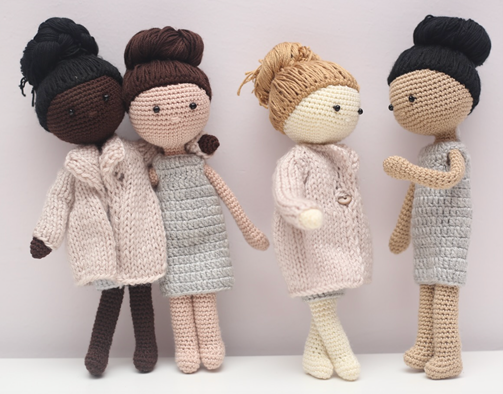
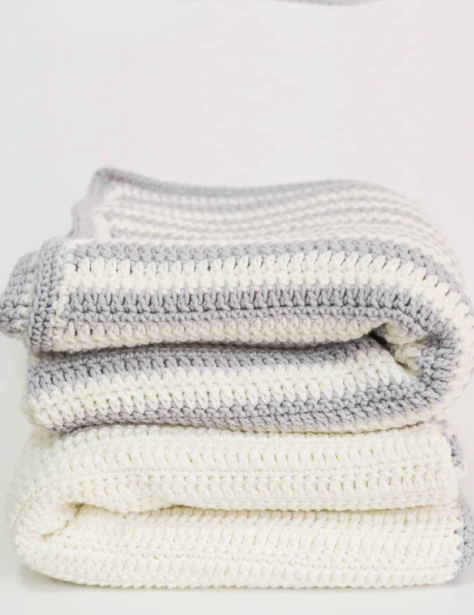
One programme taught women crocheting but inconsistent designs made products difficult to sell. Production lacked standardisation. Buyers could not reliably reorder products and the programme depended on donor funding to survive. The problem was not a skills gap, it was a market access gap.
Alazem began his working life at 17 as a volunteer with organisations supporting Syrian refugees in Cairo. The work initially focused on emergency assistance: food, housing, cash support. As displacement stretched from crisis into long-term reality, the focus shifted toward livelihoods.
One programme taught women crocheting but inconsistent designs made products difficult to sell. Production lacked standardisation. Buyers could not reliably reorder products and the programme depended on donor funding to survive. The problem was not a skills gap, it was a market access gap.
We needed something sustainable. Not just training people and hoping products would sell
Abo Obaida
He founded Duma Toys in 2018 as a separate for-profit company. The separation from the nonprofit structure was intentional. Duma means “dolls” in Arabic.
A business survives only if customers genuinely want the product.
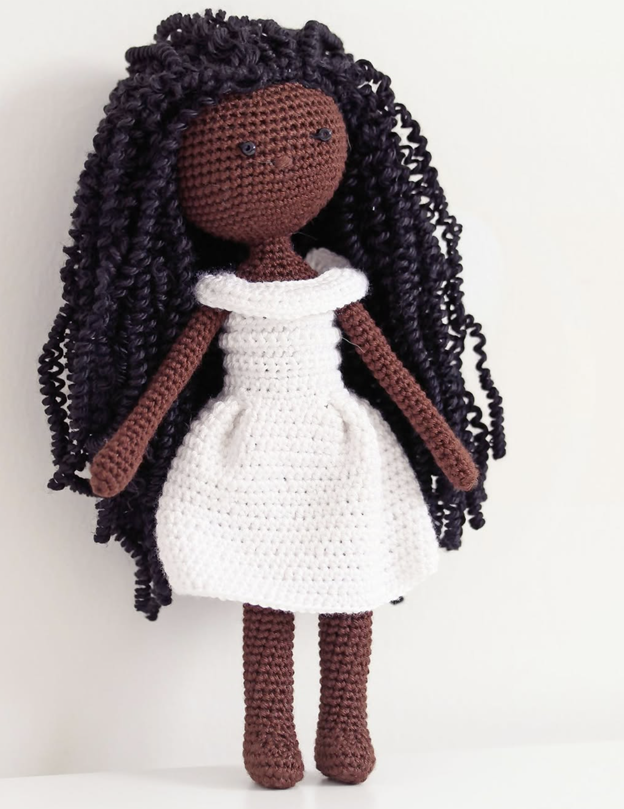
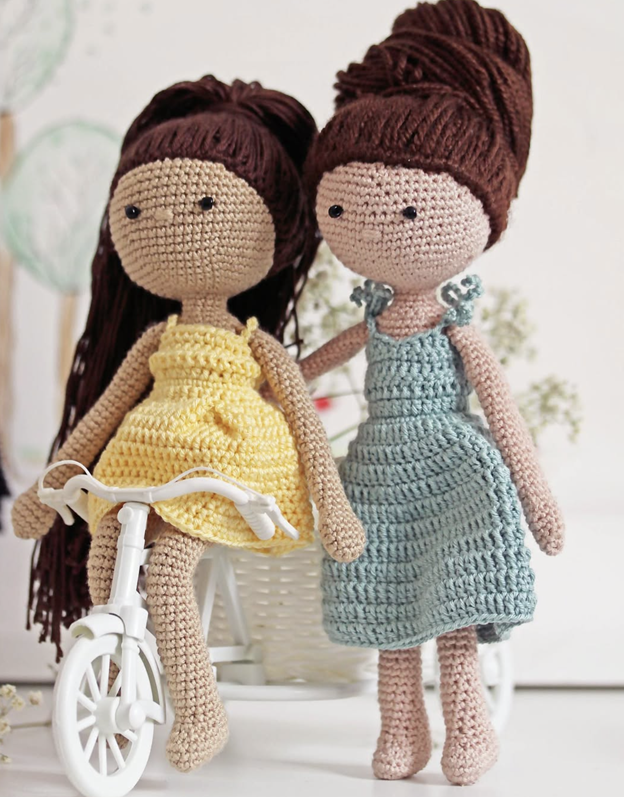
Duma specialised in amigurumi, the Japanese art of handmade crochet dolls. One product changed the company’s trajectory: Lala, a curly-haired Black doll designed to reflect children rarely represented in mainstream toy markets, became Duma’s best-selling product.
A business survives only if customers genuinely want the product.
Duma specialised in amigurumi, the Japanese art of handmade crochet dolls. One product changed the company’s trajectory: Lala, a curly-haired Black doll designed to reflect children rarely represented in mainstream toy markets, became Duma’s best-selling product.
Research from YouGov and Nursery Today shows 53% of toy buyers actively seek products promoting diversity and inclusion and 33% prioritise toys made from materials that are better for the planet. Parents, educators, and children want to see themselves reflected in the toys they buy. The market was already searching.
The factory is the community
Duma operates without a central factory. Women work from their homes in neighbourhood production units supported by supervisors and quality control teams. The model was designed around the realities many displaced women face: caregiving responsibilities, transport costs, legal restrictions, and cultural barriers that prevent them from working away from home. Flexibility determines whether employment is possible at all.
The supervisors began as beginner crochet trainees inside the original refugee livelihood programmes. As production expanded, experienced workers moved into leadership roles managing neighbourhood production groups, monitoring quality standards, and coordinating deliveries.
They receive monthly retainers alongside completed product income, creating stability inside communities where formal employment remains limited. The progression system retains skilled workers while strengthening quality control as production scales.
Duma operates without a central factory. Women work from their homes in neighbourhood production units supported by supervisors and quality control teams. The model was designed around the realities many displaced women face: caregiving responsibilities, transport costs, legal restrictions, and cultural barriers that prevent them from working away from home. Flexibility determines whether employment is possible at all.
The supervisors began as beginner crochet trainees inside the original refugee livelihood programmes. As production expanded, experienced workers moved into leadership roles managing neighbourhood production groups, monitoring quality standards, and coordinating deliveries.
They receive monthly retainers alongside completed product income, creating stability inside communities where formal employment remains limited. The progression system retains skilled workers while strengthening quality control as production scales.
The business directs more revenue toward workers, training, and production systems instead of rent and infrastructure. Production is broken into specialised components, while every product is guided by technical files containing patterns, measurements, and visual references to maintain consistency across hundreds of workers.
To scale, quality control becomes everything.
Abo Obaida
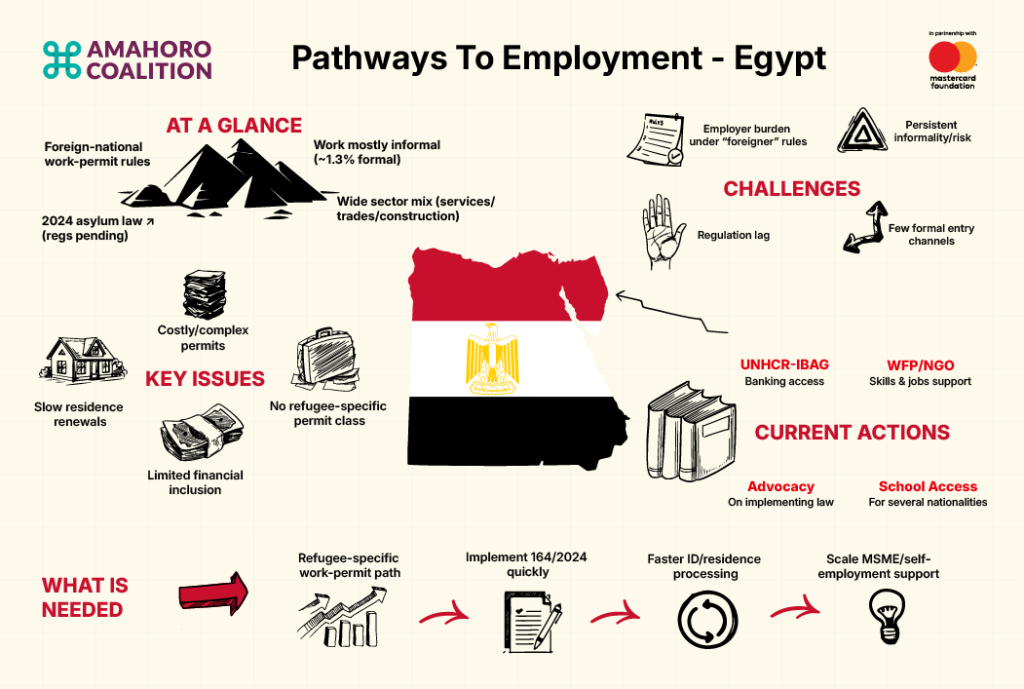
Workers are compensated through a fair-trade structure benchmarked against Egypt’s statutory minimum wage of approximately $147–$160 per month. Working five to six hours a day from home, most earn between $120 and $150 monthly. For displaced women, the value goes further: no transport costs, no childcare expenses, and no hours lost commuting, costs that would absorb a significant share of formal wages.
Beyond income, the production groups have evolved into informal social and mental health networks, a secondary return that reduces turnover and deepens commitment to the work.
The competitive advantage inside displacement
Growth was initially slow. Alazem had no formal business training and learned operations, pricing, and manufacturing systems through experimentation. The business had matured enough by 2025 and shifted its strategy from grants dependency to pursuing investment at scale.
Beyond income, the production groups have evolved into informal social and mental health networks, a secondary return that reduces turnover and deepens commitment to the work.
The competitive advantage inside displacement
Growth was initially slow. Alazem had no formal business training and learned operations, pricing, and manufacturing systems through experimentation. The business had matured enough by 2025 and shifted its strategy from grants dependency to pursuing investment at scale.
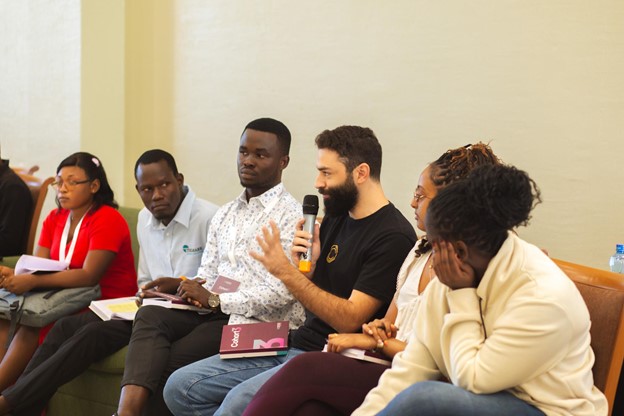
International trade fairs became the growth infrastructure. Entry costs start at under £2,000 for Spring Fair UK and €3,000 for Who’s Next Paris, modest against the contracts they generate.
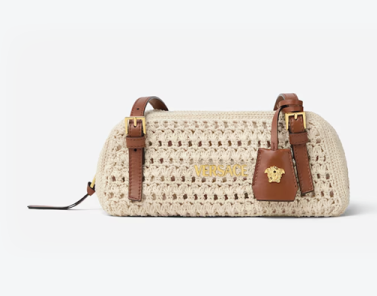
Participation connected Duma Toys to museum gift shops, retailers, and commercial buyers across Europe. The company diversified into fashion bags and accessories, securing a collaboration with Versace and developing a full crochet collection launched the same year.
Participation connected Duma Toys to museum gift shops, retailers, and commercial buyers across Europe. The company diversified into fashion bags and accessories, securing a collaboration with Versace and developing a full crochet collection launched the same year.
“Displaced people bring commitment, resilience, and different cultural perspectives,” he says. “That becomes an advantage inside a business.”
Alazem’s perspective is personal as well as commercial. His father was forcibly displaced from Syria in the 1960s, a history that shaped how he understands displacement not as weakness, but as resilience, adaptability, and drive. The workforce Duma has built gives the brand its supply chain, its story, and its market credibility simultaneously.
Alazem’s perspective is personal as well as commercial. His father was forcibly displaced from Syria in the 1960s, a history that shaped how he understands displacement not as weakness, but as resilience, adaptability, and drive. The workforce Duma has built gives the brand its supply chain, its story, and its market credibility simultaneously.
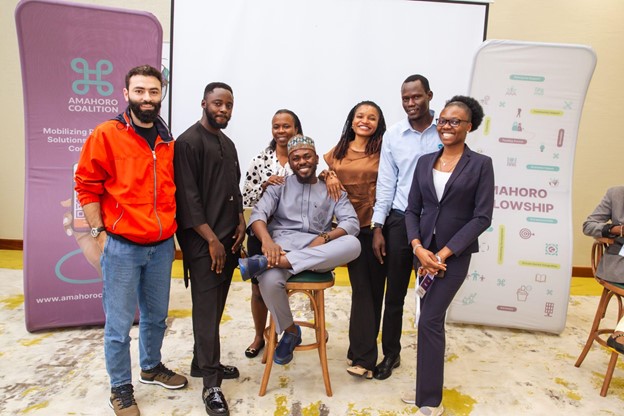
His target is employment for thousands of women across the region and a brand recognised globally for setting trends rather than following them by 2030.
For investors, retailers, and brands sourcing ethical manufacturing at scale, Duma Toys is not a future prospect. It is a present opportunity.
For investors, retailers, and brands sourcing ethical manufacturing at scale, Duma Toys is not a future prospect. It is a present opportunity.