
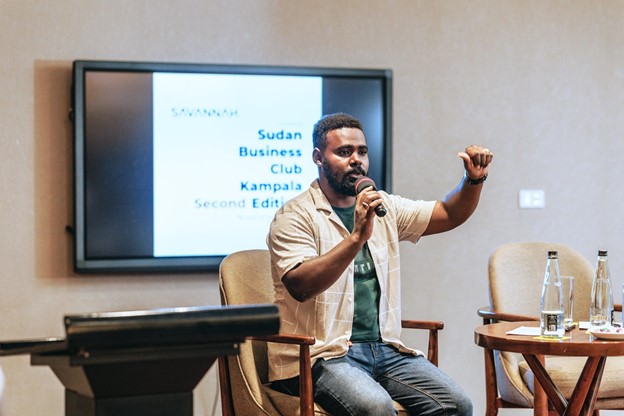
Across 10 of Sudan’s 18 states, Sudanese microbusinesses increased sales by up to 200% after adopting simple digital tools including better product photography, WhatsApp marketing, and stronger branding. For Yousif Yahya, the bigger question was obvious: if basic digital access can produce that kind of growth, what happens when entrepreneurs get real investment, stronger networks, and professional support?
Africa has 244 million small and informal enterprises providing livelihoods for 83% of its population, according to the International Labour Organization, yet many remain locked out of markets by poor digital literacy, weak branding, and limited access to customers. The gap is not talent or demand. It is the infrastructure that helps businesses grow.
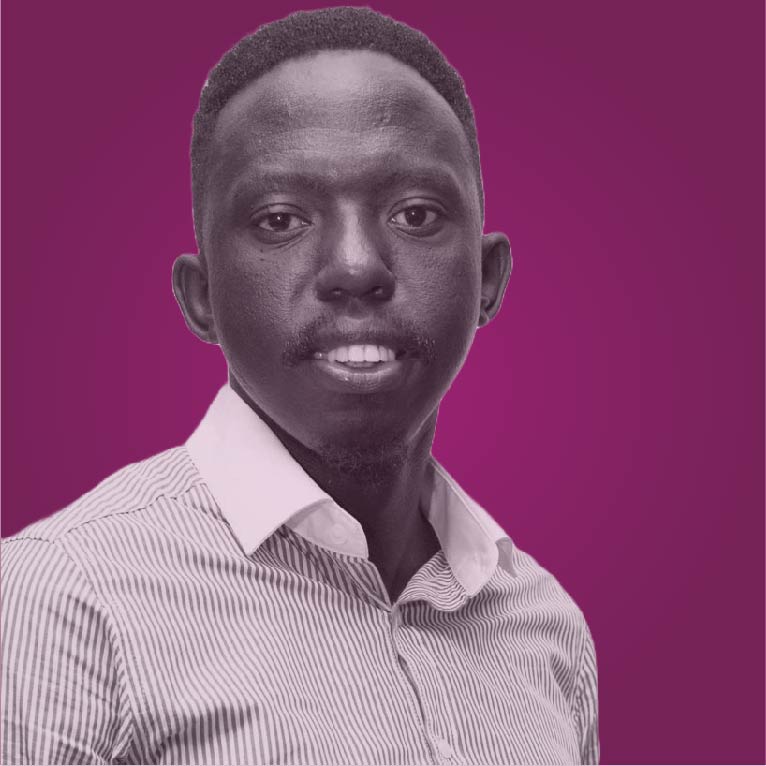
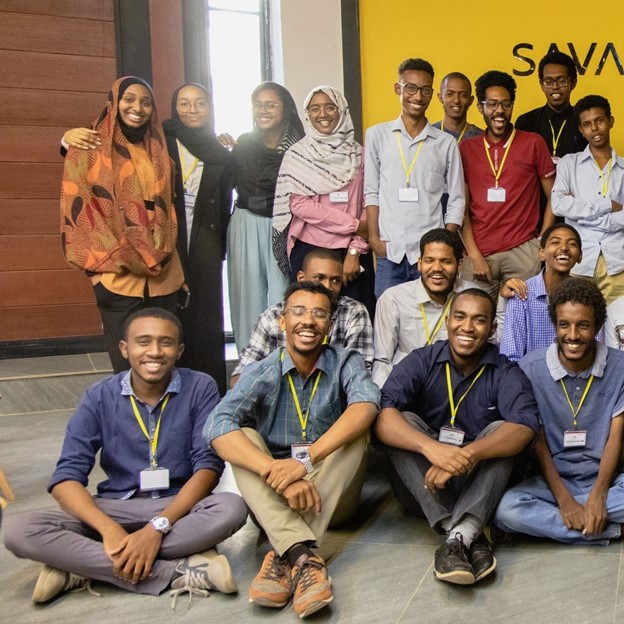
Since founding Savannah Innovation Labs in 2018, Yahya has built programmes designed to close those gaps through digital transformation, multidisciplinary training, business incubation and ecosystem development. The approach has supported more than 7,000 people across Sudan and, following the 2023 war, expanded into Egypt, Uganda, and Kenya. The organization has survived a revolution, a pandemic, a coup, and a civil war along the way, tests that would have ended most organisations. Yahya is currently completing an MBA at Oxford.
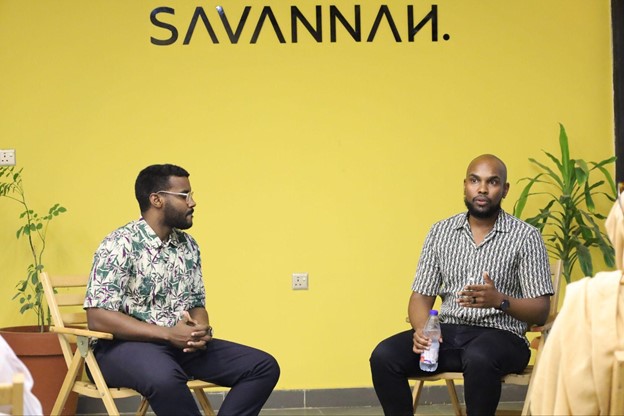
Most of the businesses Savannah worked with were already operating. The challenge is the absence of the systems that help businesses find customers, access capital, and scale.
One entrepreneur in Darfur was producing peanut butter and selling it under the name “Mother of Muhammad.” Outside her neighbourhood, nobody knew what Mother of Muhammad was, what it sold, or why they should buy from it.
“Nobody knows who Muhammad is,” Yahya recalls telling her. “You need to change the name of your store. Here’s a logo. Here’s a WhatsApp community you can join.”
“Nobody knows who Muhammad is,” Yahya recalls telling her. “You need to change the name of your store. Here’s a logo. Here’s a WhatsApp community you can join.”
The intervention was simple. Savannah helped entrepreneurs strengthen their branding, improve product photography, and market through digital channels such as WhatsApp. Across programmes in three Darfur states, sales doubled.
The lesson was consistent: many small businesses do not need new products or more training. They need customers. And customers cannot buy from businesses they cannot find.
The team advantage
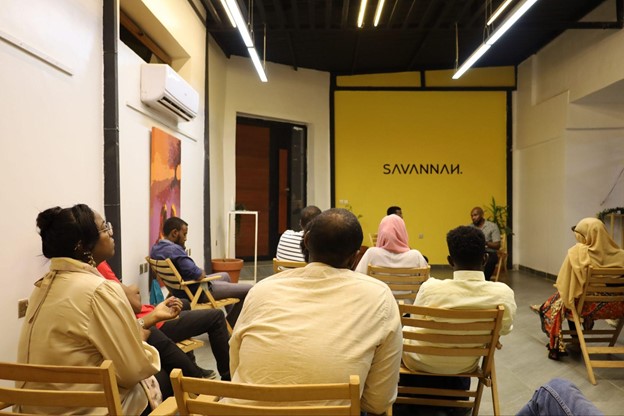
Savannah’s Tech Works programme brings together students from computer science, marketing, business, and data analytics to solve local challenges through hackathons. The goal is both technical training and teaching entrepreneurs how to work across disciplines.
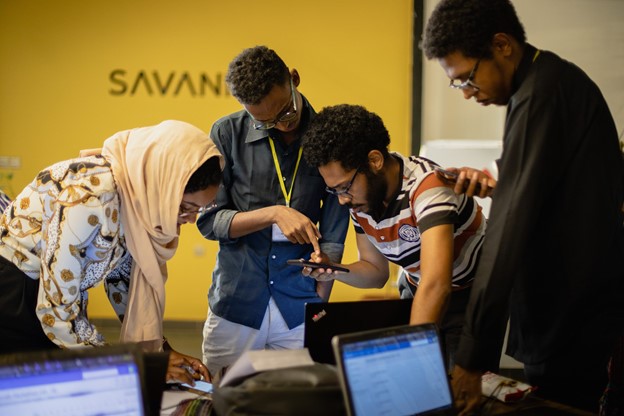
When artists were integrated into the same space as tech entrepreneurs, the results surprised both groups. Artists left with web design skills. Tech founders developed a stronger understanding of communication, branding, and storytelling. A computer science student who cannot explain an idea to a customer, investor, or partner is a limited entrepreneur. Tech Works addresses that gap before the business is even built.
Participants develop leadership, teamwork, communication, and professional accountability alongside technical skills. Yahya’s premise is simple: businesses are rarely built by individuals acting alone. They are built by teams with complementary skills that learn how to solve problems together.
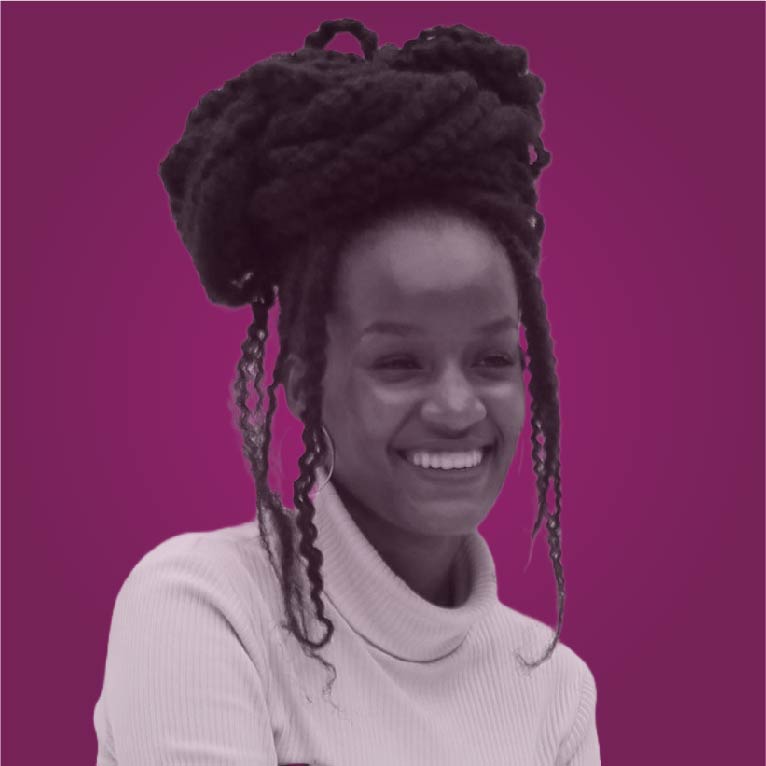
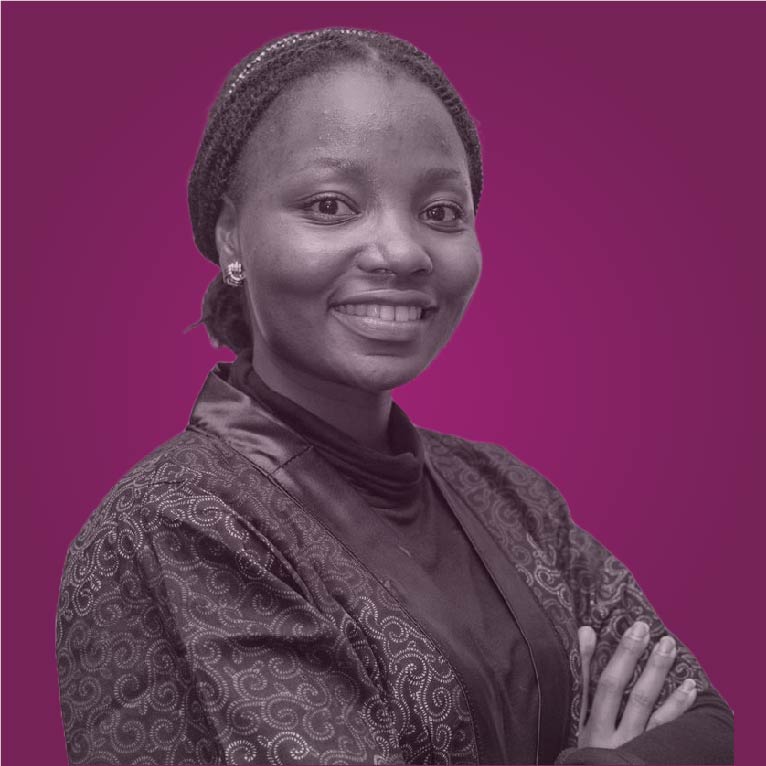
Among the entrepreneurs who passed through Savannah’s programmes was Nahla Omer, founder of SUKAR Cosmetics, also an Amahoro Coalition fellow, now rebuilding her brand from Egypt.
Women are the economy
Savannah’s work revealed another pattern. The entrepreneurs most eager to adopt new tools were often women.
In non-urban regions like Darfur, women are often their families’ primary economic providers. They are masons, carpenters, tailors, and food producers, running home-based microenterprises while participating in informal savings cooperatives known as mini-saccos, where neighbours pool resources and share skills.
When Savannah ran programmes across three of Darfur’s five states, women consistently showed higher levels of engagement. They returned day after day, often bringing their daughters and sons to help set up Facebook pages and WhatsApp groups.
“The women of Darfur are masons. They are carpenters. They are very strong women,” says Yahya. “When you tell them you are going to teach them something, they come and do it.”
Savannah’s women’s boot camps focused on practical growth barriers including product packaging and financial and organisational structure. Across Sudan, approximately 3,000 active microenterprises have been supported through the organisation’s programmes.
Resilience is infrastructure
Savannah Innovation Labs was founded during Sudan’s revolution. It survived COVID. It survived a military coup. Then war broke in Khartoum.
Yahya spent nine days under fire before evacuating to Cairo. The organisation lost its permanent offices and staffing fell from 15 full-time employees to a core team of five.
Savannah opened new offices in Kassala and Port Sudan. Both closed within months. Yahya then adopted a more flexible model. The team remained operational inside Sudan, renting halls and workshop spaces when programmes needed to run rather than maintaining fixed addresses.
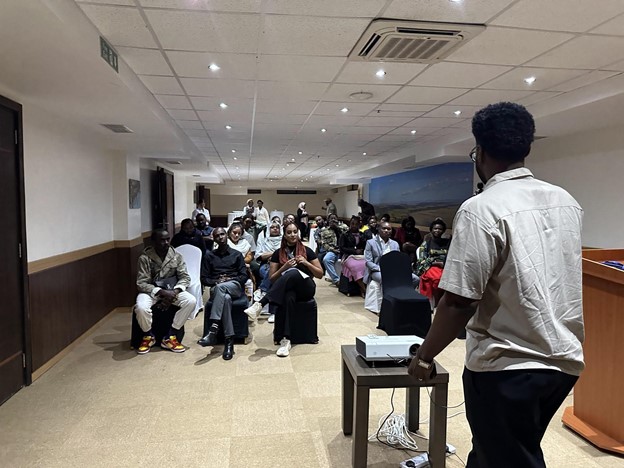
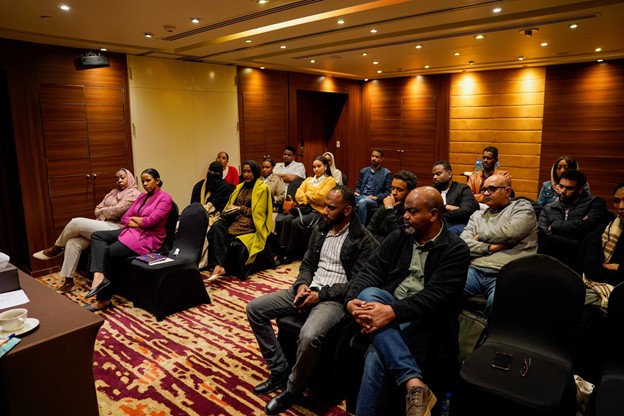
The shift also expanded Savannah’s reach. In Cairo, the organisation partnered with Egyptian institutions to launch Sudan’s first refugee mapping exercise, documenting the status of Sudanese refugees in a country that had absorbed the largest share of those fleeing the conflict. New projects and partnerships followed in Uganda and Kenya.
The work continued. The geography expanded.
A Healing journey with Amahoro Fellowship
For Yahya, who is an Amahoro fellow, the Amahoro Coalition fellowship arrived at the moment it was most needed, as a place to process what had been lost. The war had taken his country, his office, and a business identity he had spent years building.
Amahoro was not a business journey, it was a healing journey.
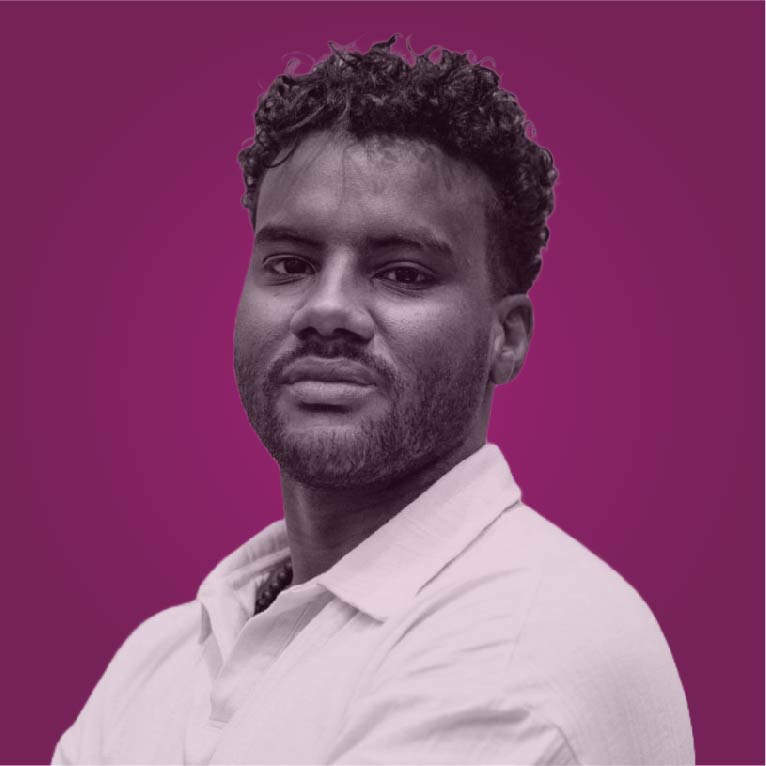
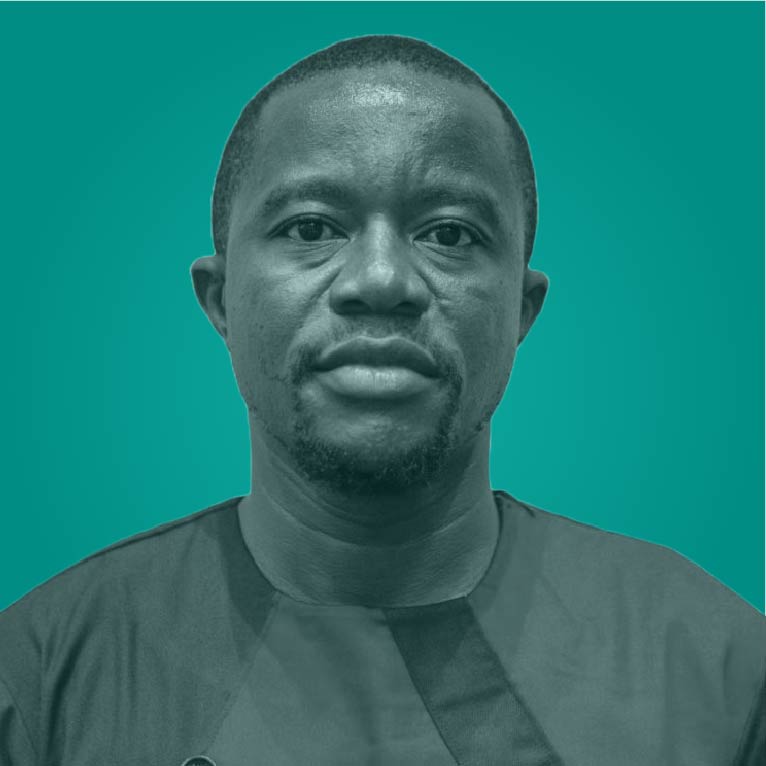
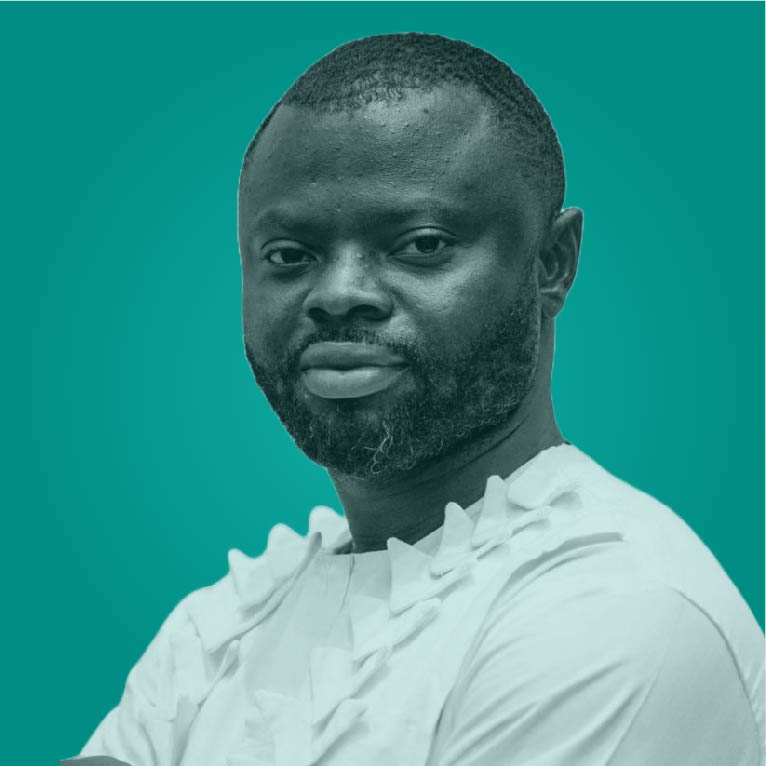
Yousif Yahya
The collective therapy sessions, the peer network, and the structured support gave him the language and the tools to rearticulate his vision during a period when everything felt finished. That recovery is now embedded in how he leads.
The proof is already there
Savannah Innovation Labs is already building the connective tissue, between entrepreneurs and markets, between talent and investors, between local knowledge and global capital. The infrastructure that turns a peanut butter seller in Darfur into a brand with customers across Sudan costs less than most due diligence processes. The return, as the data shows, is extraordinary.
For investors, corporates, and development partners looking for proof that entrepreneurship support in displacement economies generates real commercial returns, Savannah has been running that proof since 2018.