West Africa is home to Africa’s largest consumer market, one of its fastest-growing technology ecosystems, and industries that supply the world with everything from cocoa to critical minerals.
It is also home to millions of people displaced by conflict, many of whom are no longer simply rebuilding their lives.
They are building businesses, creating jobs, attracting investment and reshaping the economies in which they were forced to begin again.
The Amahoro Coalition Fellowship was created on the premise that displaced entrepreneurs should not have to build alone.
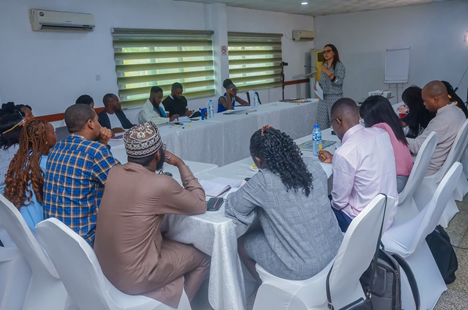
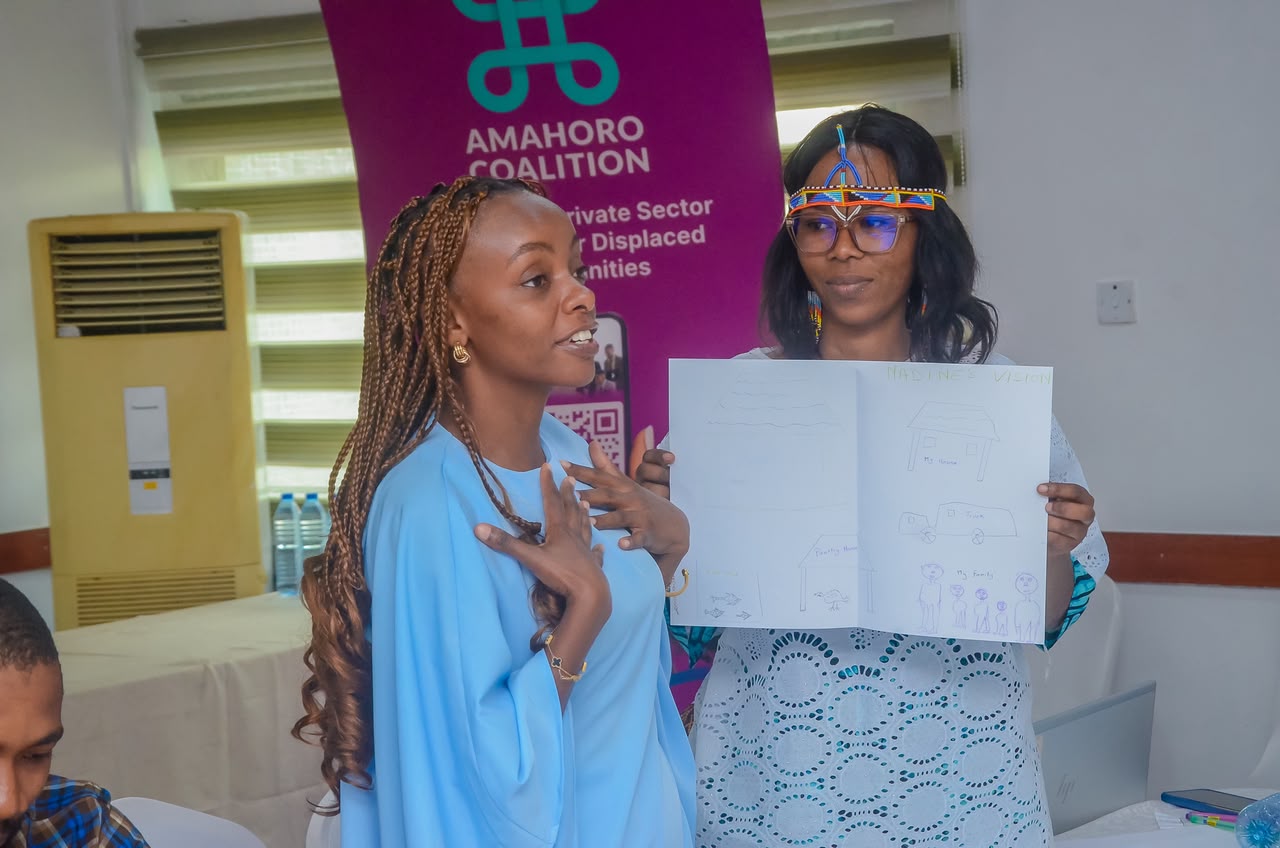
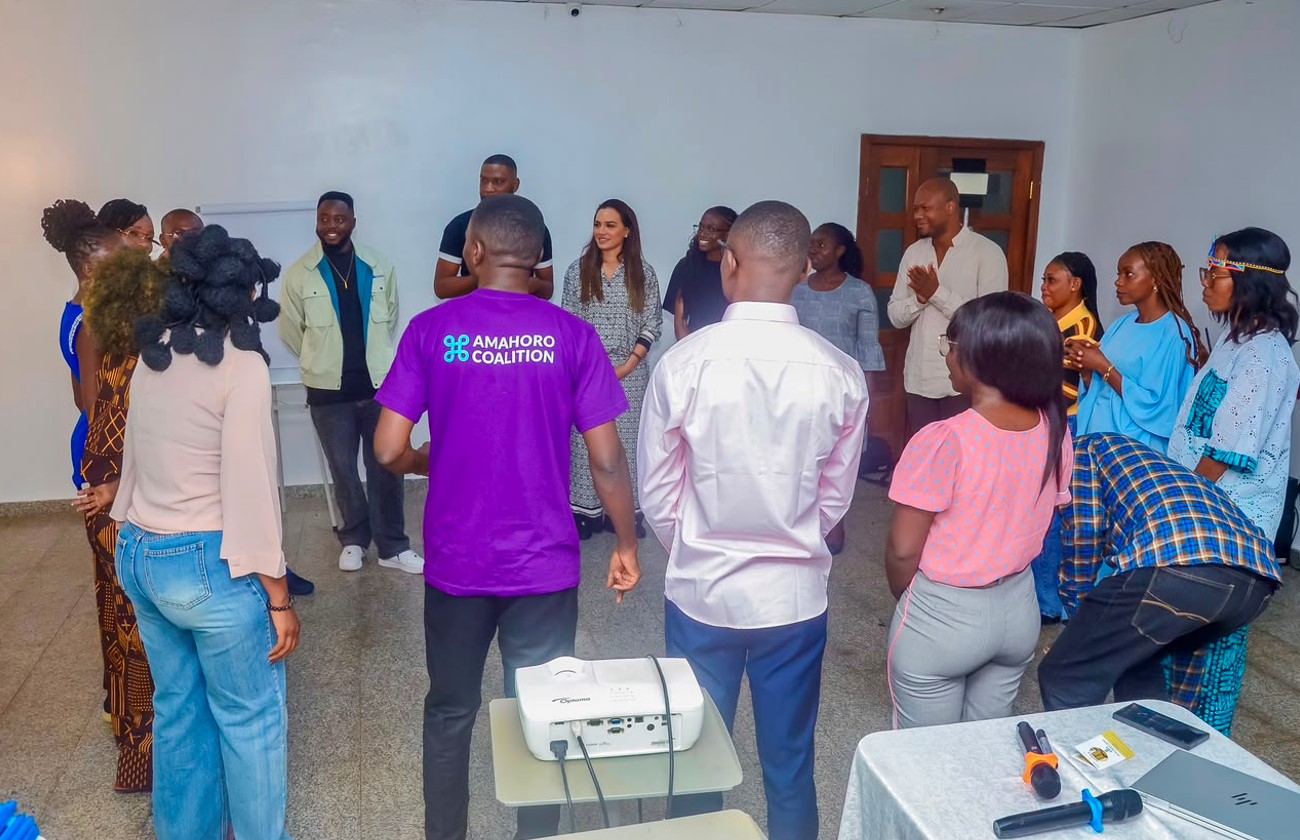
Over five days, they challenged one another’s thinking, reflected on how their businesses had evolved, and exchanged the kind of practical lessons that rarely appear in business schools. Those conversations revealed three shifts quietly reshaping refugee entrepreneurship across Africa.
- Community Compounds Value
Together with previous cohorts, the Fellowship has grown into a community of 129 entrepreneurs whose ventures now support more than 2,244 jobs and have secured over $6.5 million in combined funding.
As the community grows, so does its value.
That became clear during a fireside conversation with Agwu Kalu Ibe, President of the Amahoro United Alumni Network. When Ibe founded LevelUp Recyclers in 2020, persuading banks that plastic waste could become a profitable business proved almost impossible. One banker laughed off his loan application, unable to see waste collection as a viable enterprise.
Today, LevelUp Recyclers employs 670 people, predominantly displaced women and young people, making it one of the Fellowship’s largest employers.
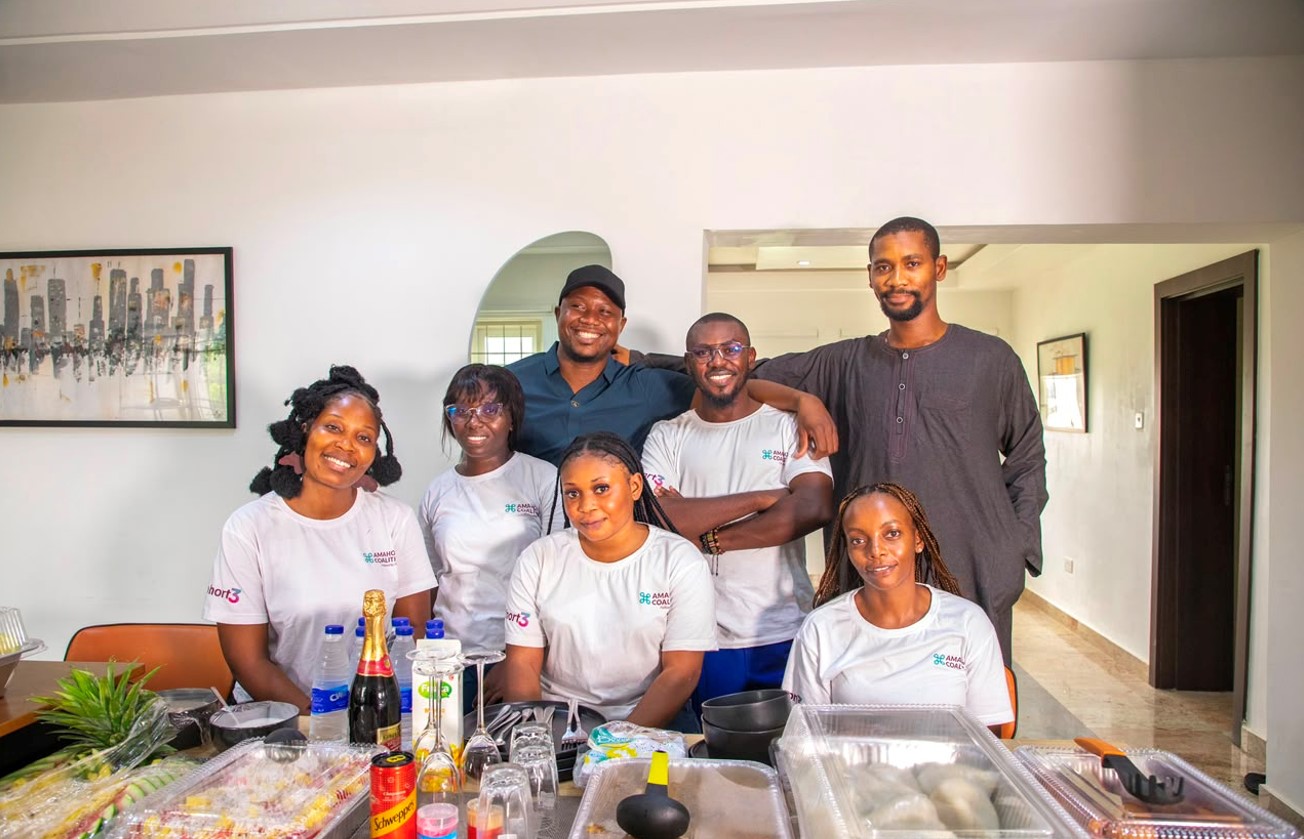
Around the room sat founders wrestling with many of the same questions Ibe had faced years earlier. Among them was Kabir Olaosebikan, whose company converts discarded plastic into construction materials. As Ibe spoke about disciplined record-keeping, steady revenue growth and the patience required to earn investors’ confidence, the conversation quickly shifted from inspiration to implementation.
“My aspiration for the Amahoro United Alumni Network is to make it easier for every cohort that comes after us,” he reflected. “I don’t want them to make the same mistakes we made.”
That model is familiar. Communities such as Y Combinator, the world’s biggest startup accelerator, have shown that the lasting value of an accelerator often lies less in the programme than in the network it creates. Every successful founder leaves behind more than a business. They leave behind knowledge, credibility and opportunities that compound for everyone who follows.

2. Refugee enterprises are becoming increasingly tech-enabled
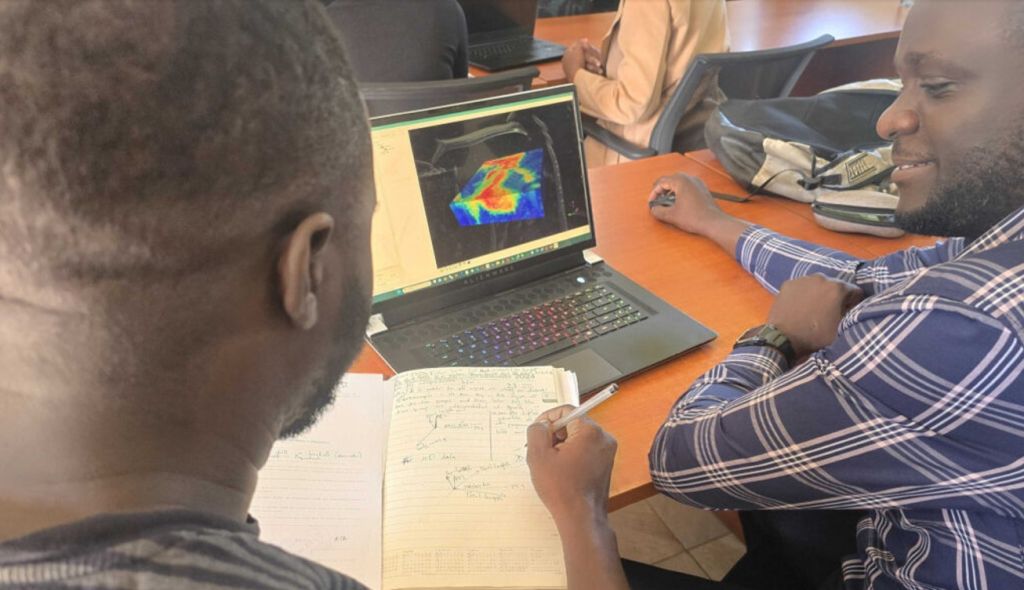
The stereotype of refugee entrepreneurship has long been one of necessity, characterised by small, informal businesses serving local markets. That picture is changing.
The founders gathered in Abuja were building businesses shaped by technology, data and digital infrastructure, regardless of their industries.
Mary Katambi, a survivor of the 2014 Chibok abduction, is building an e-commerce platform promoting sustainable shopping and the circular economy. She is working to onboard 100 merchants, creating a marketplace where products find new owners instead of ending up as waste.
“Logistics is still our biggest challenge,” she says. In Africa, logistics can account for as much as 75% of the final cost of goods, compared with 6 to 8% in many developed markets, making delivery as critical to success as the technology itself.
Technology is also reshaping industries rarely associated with innovation. Nzem Luka’s business strengthens local supply chains through sustainable mineral processing, a sector traditionally defined by heavy machinery rather than data. He believes artificial intelligence will fundamentally change how the industry operates.
“Artificial intelligence is becoming increasingly important in mining,” he says. “We’re looking at how it can help us identify higher-quality deposits, improve processing, reduce waste, and make better decisions from the data we collect.”
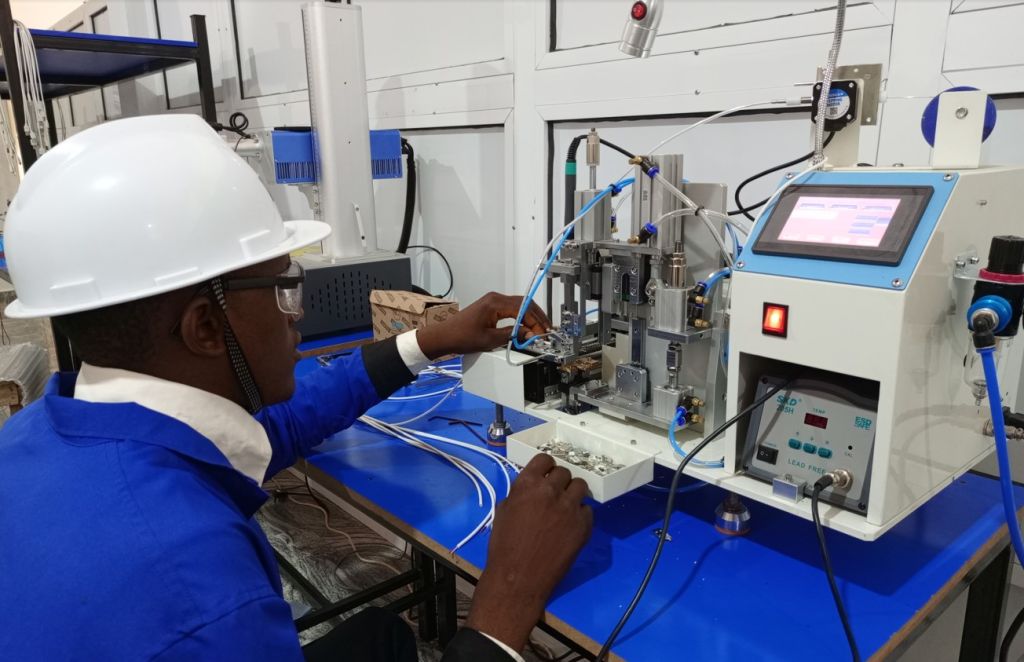
The shift is already underway. In Zambia, KoBold Metals is using AI to analyse geological data and identify deep, high-grade copper deposits at the Mingomba project. In Mali, Resolute Mining’s Syama gold mine is using AI to automate drilling and haulage as it moves towards fully autonomous operations.
3. Profit is King
When Noel Balogun Samuel joined the Fellowship in 2025, he led the Interfaith Women’s Network, supporting displaced women and girls with disabilities, a group too often overlooked by livelihood programmes despite overwhelming evidence of their entrepreneurial potential.
His perspective sharpened after a conversation with Esther Kitumaini, founder of Wise Baby Porridge and Secretary General of the Amahoro United Alumni Network. Esther had built a business improving child nutrition while creating jobs for refugee women, proving that commercial success and social impact could reinforce one another.
Today, he leads AGRI-ABLE, an enterprise that equips forcibly displaced women and girls with disabilities with farmland, modern farming tools and the support needed to build sustainable livelihoods.
“I realised I could still be profitable while pursuing social impact,” he reflected during the intensive.
The same commercial instinct surfaced elsewhere in the room.
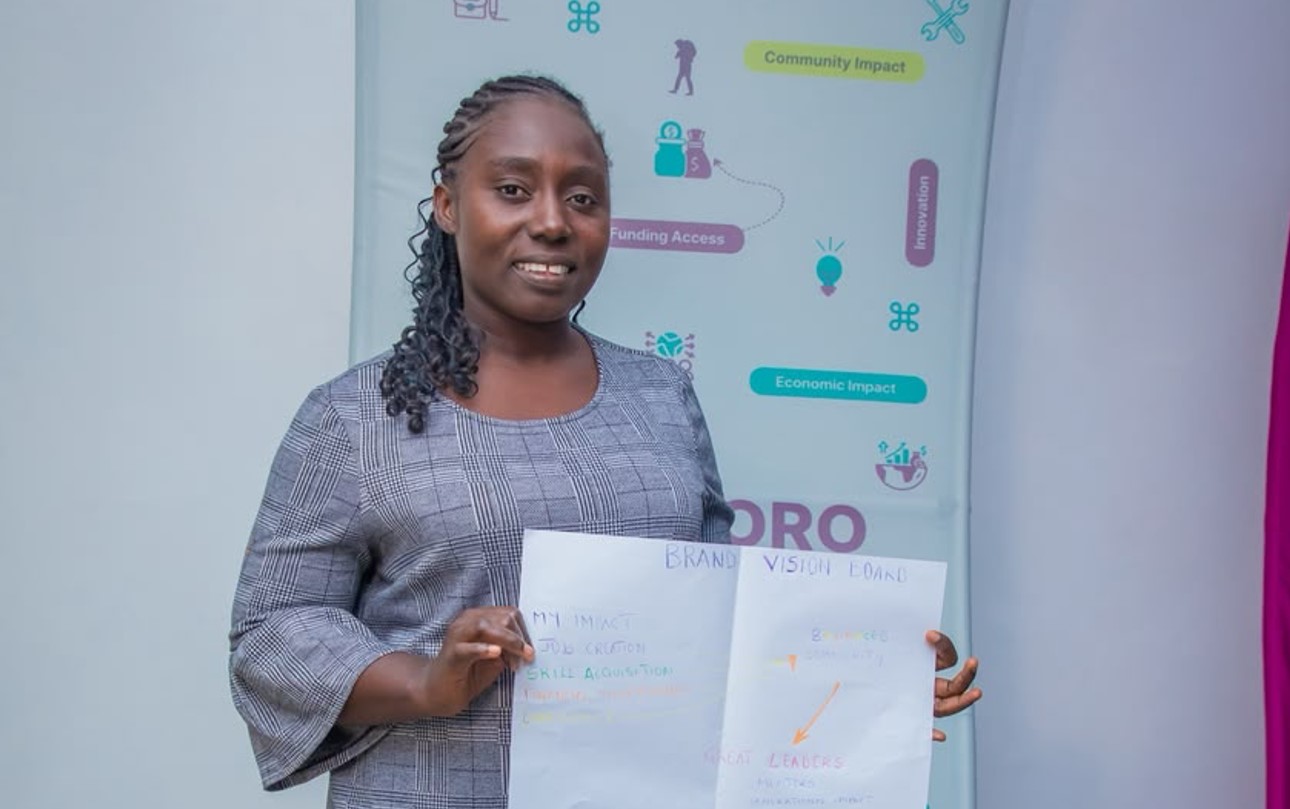
Patricie Zawadi, who runs Patzad Beauty Services in Oyibi, Ghana, is widening her customer base beyond university students, convinced there is still more growth to unlock in the community around her. . “When students leave the nearby university for the holidays, business slows,” she explained.
During the Brand and Storytelling workshop, Patrice revealed she has turned to TikTok to reach new clients and recently approached a neighbouring primary school, hoping to introduce her services to parents and teachers already within her catchment area.
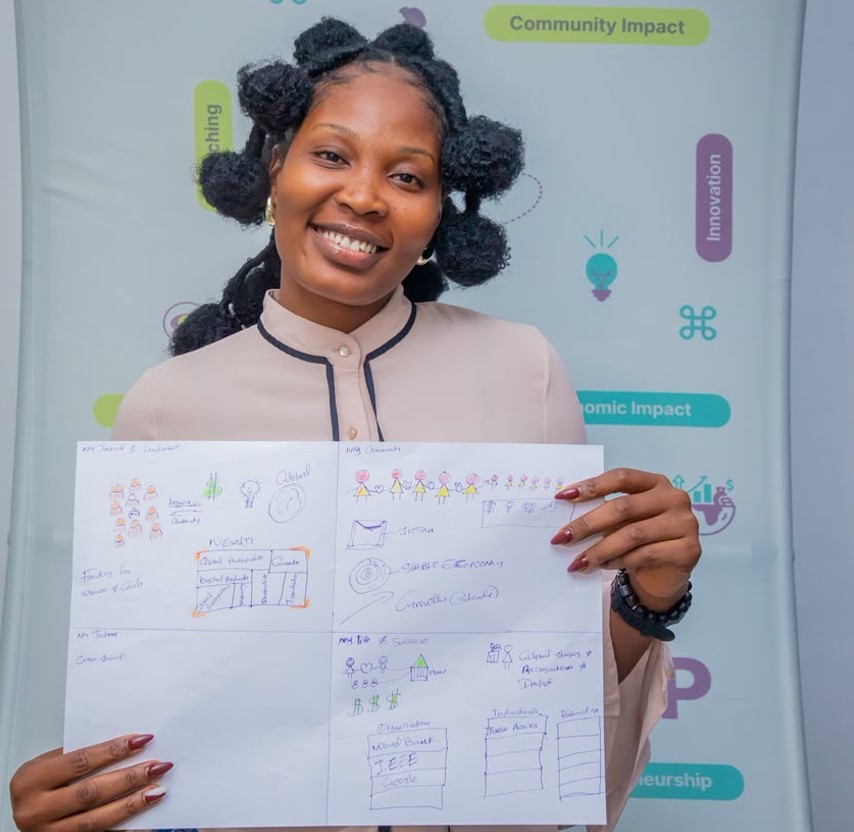
The conversations in Abuja suggested that refugee entrepreneurship is entering a new phase. Founders are learning from one another, partnering with one another, and building businesses with an eye on growth. As the Fellowship grows, so does the value of the community around it.
Every successful business leaves jobs and revenue, but it also leaves behind hard-earned lessons, trusted relationships and a path that makes it easier for the next founder to build a little further, and a little faster.