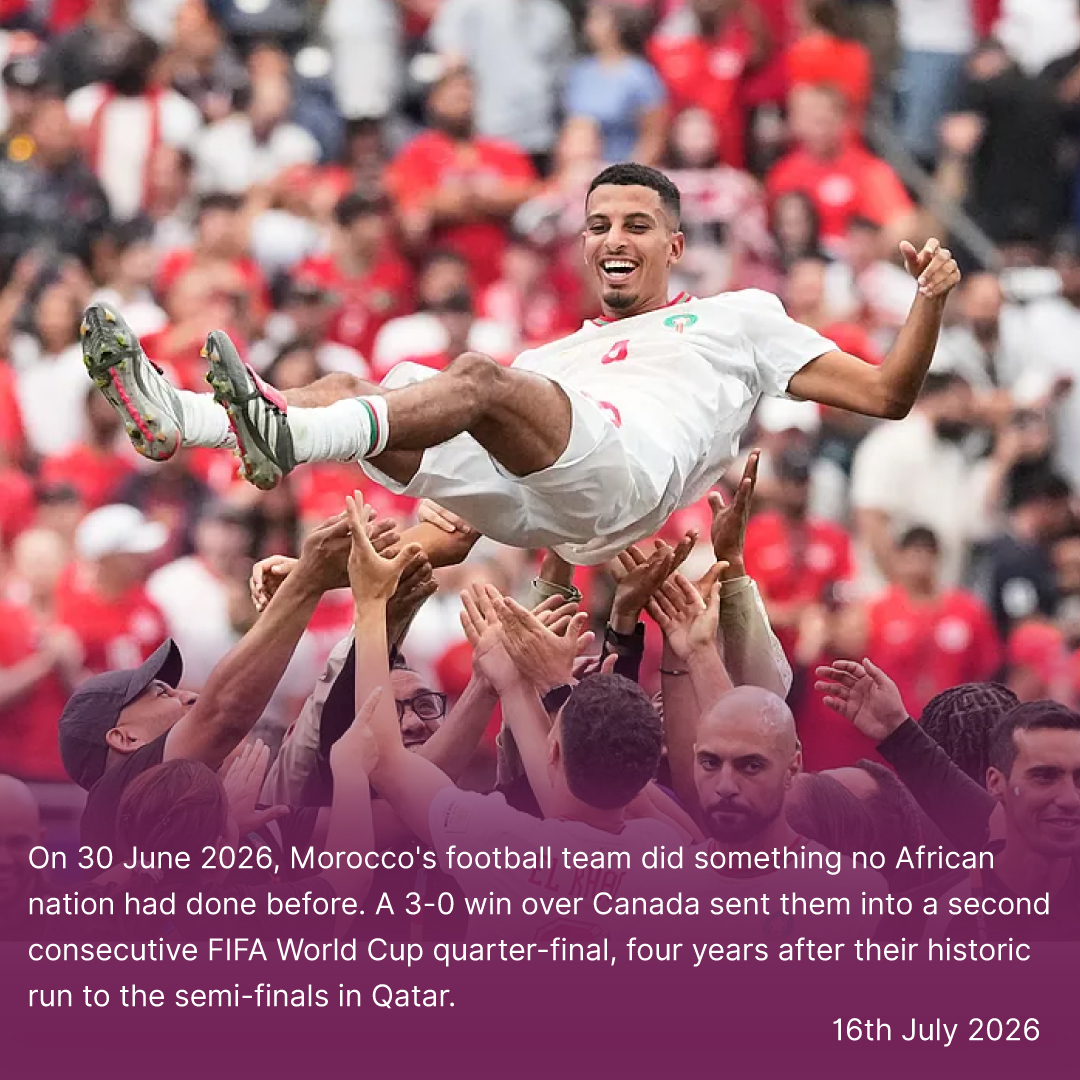
On 30 June 2026, Morocco’s football team did something no African nation had done before. A 3-0 win over Canada sent them into a second consecutive FIFA World Cup quarter-final, four years after their historic run to the semi-finals in Qatar.
To much of the football world, Morocco’s rise has looked extraordinary. To those who have watched it closely, it has looked deliberate.
Morocco invested in grassroot football and world-class infrastructure for nearly two decades. Today, its players feed Europe’s biggest leagues, and in 2030, Morocco will co-host the FIFA World Cup alongside Spain and Portugal.
But Morocco’s success is less interesting than what it suggests for the rest of Africa. If sustained investment can transform one country’s football fortunes, what could it achieve economically across a continent rich in sporting talent?
The answer begins nearly two decades earlier.
How Morocco Built a World-Class Football Talent Pipeline
In 2008, Morocco’s football fortunes had fallen far enough to demand action. In a letter, King Mohammed VI addressed Morocco’s National Conference on Sport, asking them to stop waiting for talent to appear and start building the conditions for it to thrive. A year later, construction began in Salé, near the capital Rabat, on what would become the Mohammed VI Football Academy.
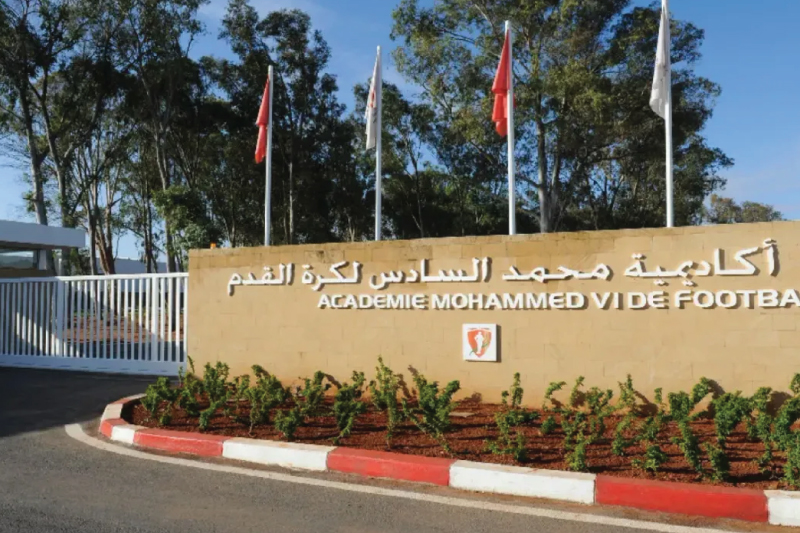
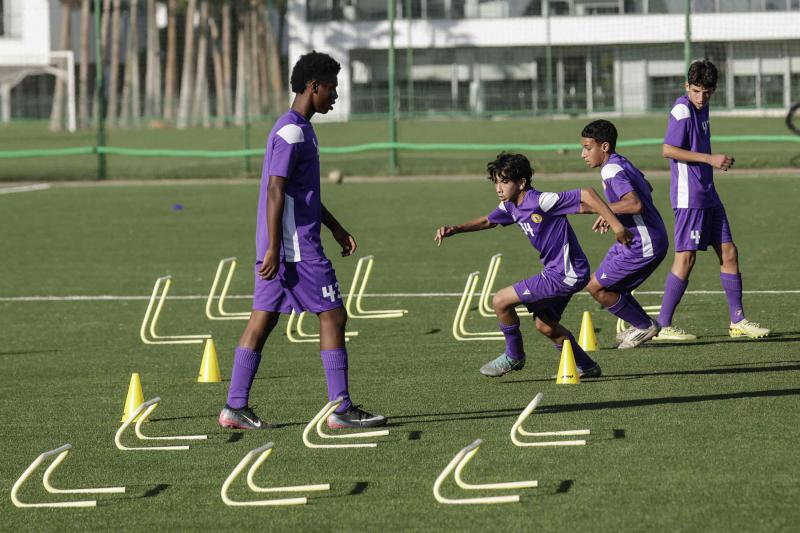
The academy opened its doors in September 2010 on 17 hectares of what had once been empty land. Each year, around 120 boys arrive to the academy from across Morocco. Most come from low-income families, and many are spotted through a nationwide scouting network that begins looking for talent as young as six.
Once admitted, everything is covered, from school and accommodation to healthcare and elite football training.
Today, 26 academy graduates have played in Morocco’s top division, while around 30 compete professionally across Europe. In 2022, one of them, Youssef En-Nesyri, a former Sevilla striker, scored the goal against Portugal that sent Morocco into the World Cup semi-finals.
Morocco’s investment also helped change another long-standing trend. For decades, many footballers of Moroccan heritage who grew up in Europe represented the countries they’d been raised in. But that began to change.
Achraf Hakimi, Hakim Ziyech, Sofyan Amrabat and Noussair Mazraoui all committed their international careers to Morocco, where years of investment had created the facilities, talent and ambition to compete on the global stage.
As Morocco’s ambition grew, so did the scale of investment.
In 2017, the country launched an ambitious bid to host the 2026 FIFA World Cup, pledging US$16 billion to modernise and expand its sporting infrastructure. This was a level of commitment no previous African bid had attempted. The tournament ultimately went to the joint Canada, Mexico and United States bid, but Morocco’s investment plans did not disappear with the vote.
Instead, they gathered pace.
Morocco hosted the Africa Cup of Nations in 2025 and is now preparing to co-host the 2030 FIFA World Cup alongside Spain and Portugal. Around US$4.4 billion has been committed to tournament infrastructure, including US$500 million for the 115,000-seat Grand Stade Hassan II outside Casablanca, set to become the world’s largest football stadium.
The Investments are Already Paying Off
When Morocco hosted the 2025 AFCON, the tournament created more than 100,000 jobs and generated over €1.5 billion in direct revenue, according to Industry and Commerce Minister Ryad Mezzour.
Nearly 80 percent of that revenue is going into covering the infrastructure costs for the 2030 World Cup. More importantly, thousands of young Moroccans were trained to international standards, leaving them with skills that remain valuable long after the tournament.
The 2030 World Cup is expected to multiply that effect. Valoris Securities estimates the broader impact at between 200,000 and 250,000 jobs, alongside a US$1.2 billion injection into the economy.
But Morocco’s football is only one country’s story. Its biggest lesson belongs to the rest of the continent.
A Blueprint for Africa’s Sports Economy
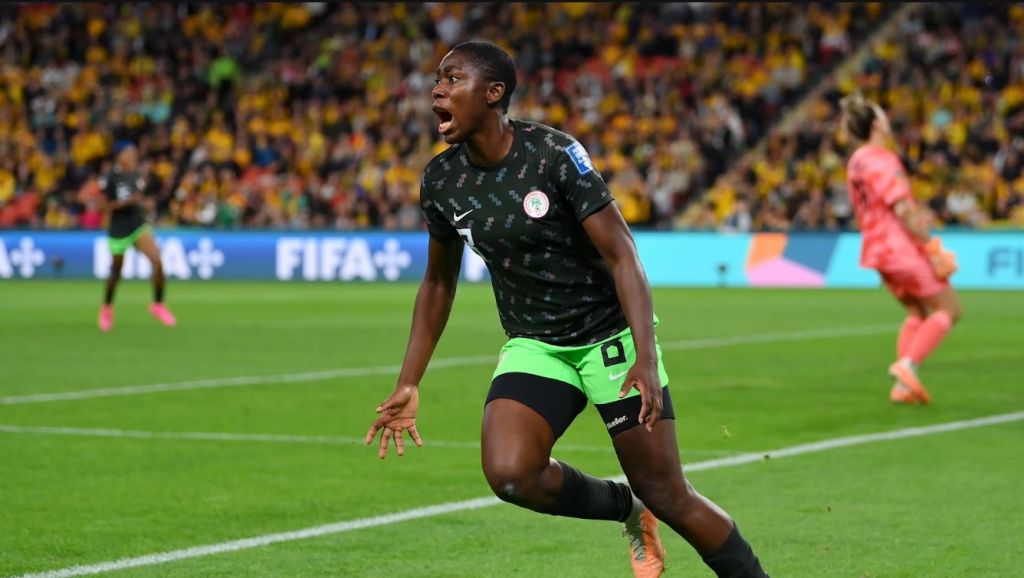
For decades, Africa has supplied the world with sporting talent. Cameroon’s Samuel Eto’o became one of football’s most decorated strikers, while Nigeria’s Asisat Oshoala (pictured below) has won a record six CAF Women’s Player of the Year awards.
Now, the world is recognizing Africa beyond just a supplier of talent. This year, Dakar will host the Youth Summer Olympic Games, the first Olympic event ever held on African soil. Four years later, Morocco will co-host the FIFA World Cup.
Those events will be remembered for the medals won, but their longer legacy will be measured in the businesses, infrastructure, and jobs they leave behind.
Turning that opportunity into jobs will take governments, sports federations, development institutions, and the private sector pulling in the same direction.
And to achieve this, two recommendations stand out:
1. The Private Sector Needs to Play
For decades, the private sector has largely engaged with sport through sponsorships. A logo on a jersey. Naming rights for a tournament. A television advert during a major competition.
Morocco suggests a much bigger opportunity, and its construction sector was among the first to seize it.
More than 3,000 industrial companies took part in the infrastructure programme for the 2025 Africa Cup of Nations, helping build and upgrade stadiums across the country.
Among them was SGTM, one of Morocco’s largest construction companies. It built Prince Moulay Abdellah Stadium in Rabat and now forms part of the consortium constructing the 115,000-seat Grand Stade Hassan II. When SGTM went public in 2025, demand for its shares far outstripped supply, attracting more than 170,000 individual investors.
Hospitality soon followed.
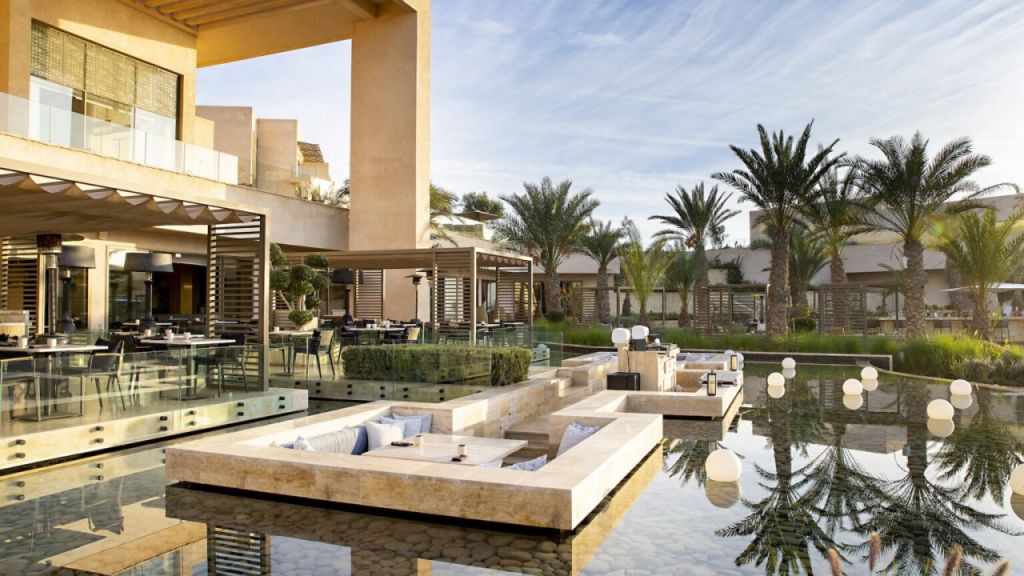
Morocco plans to add 25,000 hotel rooms through a US$4 billion public-private investment programme before 2030. Hilton is expanding from 12 hotels to 27, while Radisson aims for 30 properties. Accor, IHG and Wyndham are growing their presence too, investing in tourism demand that will outlast the World Cup.
But the business opportunity doesn’t stop at bricks and concrete. It reaches the talent pipeline too.
Built at a cost of 140 million dirhams ($14 million), the Mohamed VI Football Academy in Morocco was funded by the King alongside private partners including Maroc Télécom and Attijariwafa Bank.
In Ghana, Right to Dream proves the model can scale commercially. Acquired by Egypt’s Mansour Group for US$120 million in 2021, the academy develops players through FC Nordsjælland before reaching Europe’s top leagues. Mohammed Kudus alone has generated well over €100 million in transfer fees across moves from FC Nordsjælland to Ajax and West Ham. Since the acquisition, the Danish club has generated more than €65 million in player transfer revenue.
2. Design the Sports Economy for Inclusion
Sport is one of the fastest job creators available to Africa’s youth. It needs no degree and little starting capital, only early access to a system built to find talent.
Morocco understood that early. Its academy scouted children as young as six, 90% from low-income communities. And the wider the search, the deeper the talent pool, and the bigger the sports economy built around it.
Africa’s next generation of sporting investment should follow the same principle, reaching women, people with disabilities, underserved communities and displaced populations whose talent often goes unseen. We have already seen what that can look like.
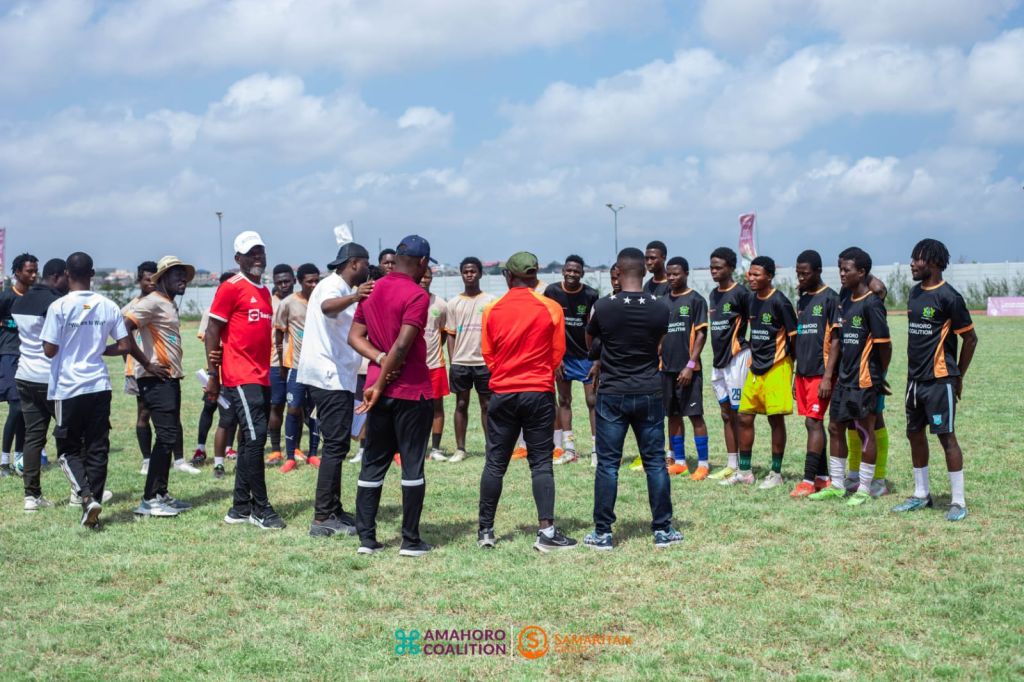
In 2025, Amahoro Coalition partnered with Samaritan Group to host Ghana’s first Refugee Football Scouting Tournament. More than 120 refugee and host-community players took part. By the final whistle, 17 had earned structured training opportunities and trials with Division One and Premier League clubs.
Morocco’s football story began with a decision to invest long before the results were visible. Two decades later, it is creating jobs, attracting investment and preparing to host the world’s biggest sporting event. Africa already has the talent. The opportunity now is to build the industries that allow that talent to power economies as well as score goals.