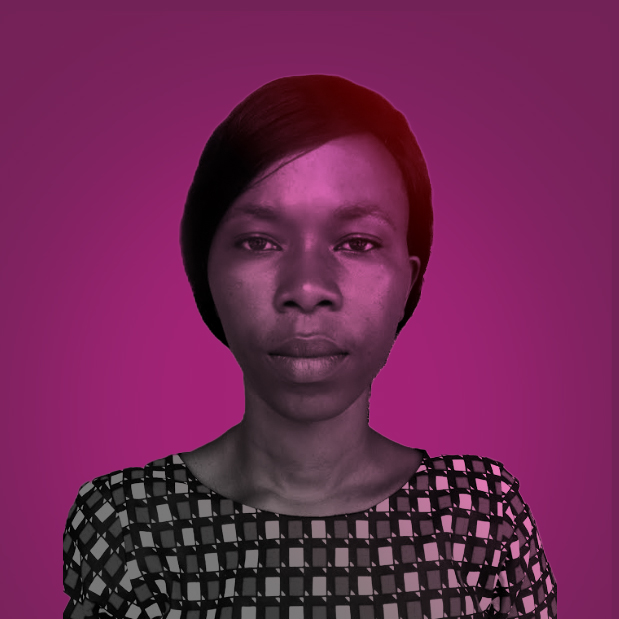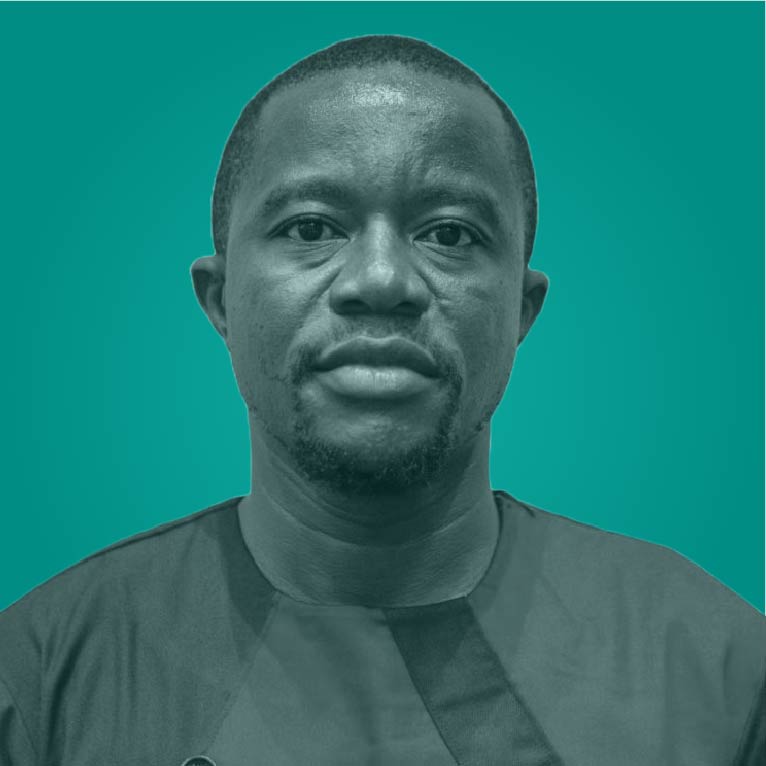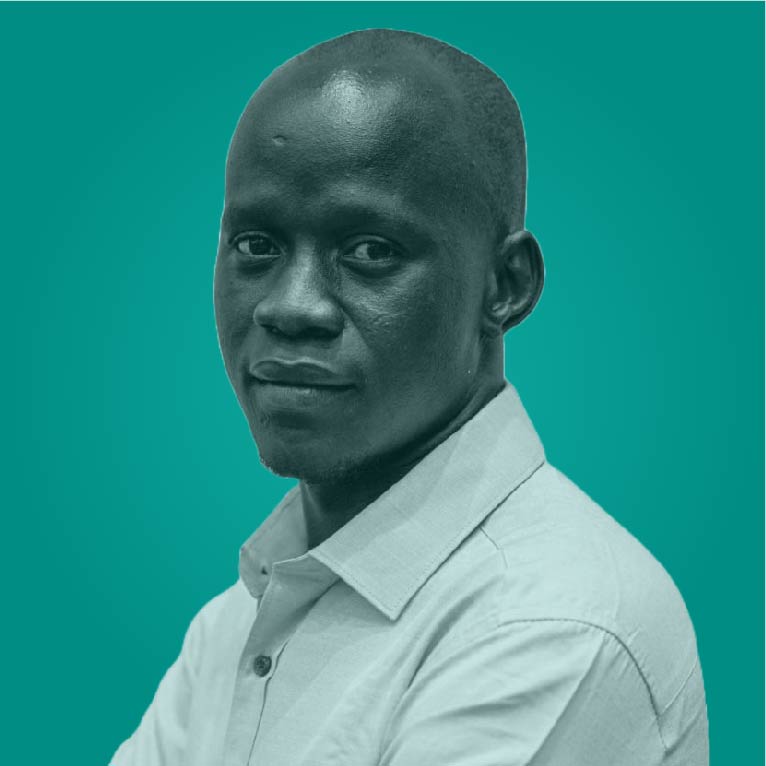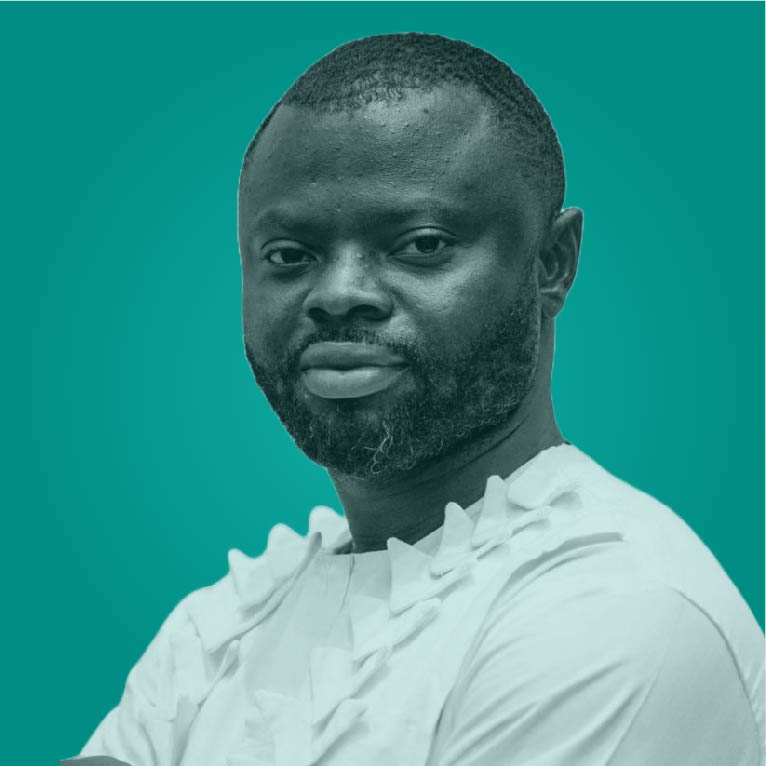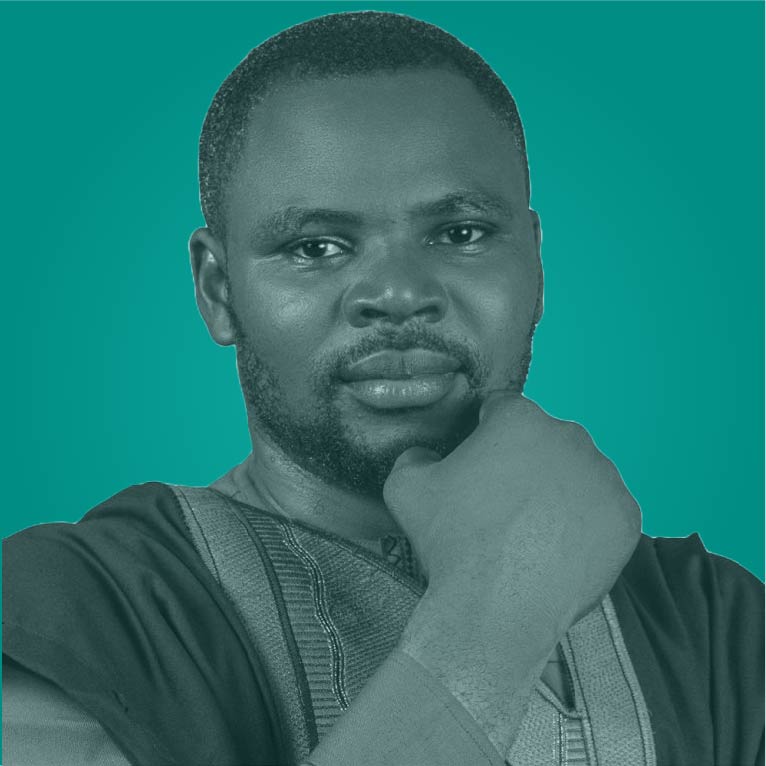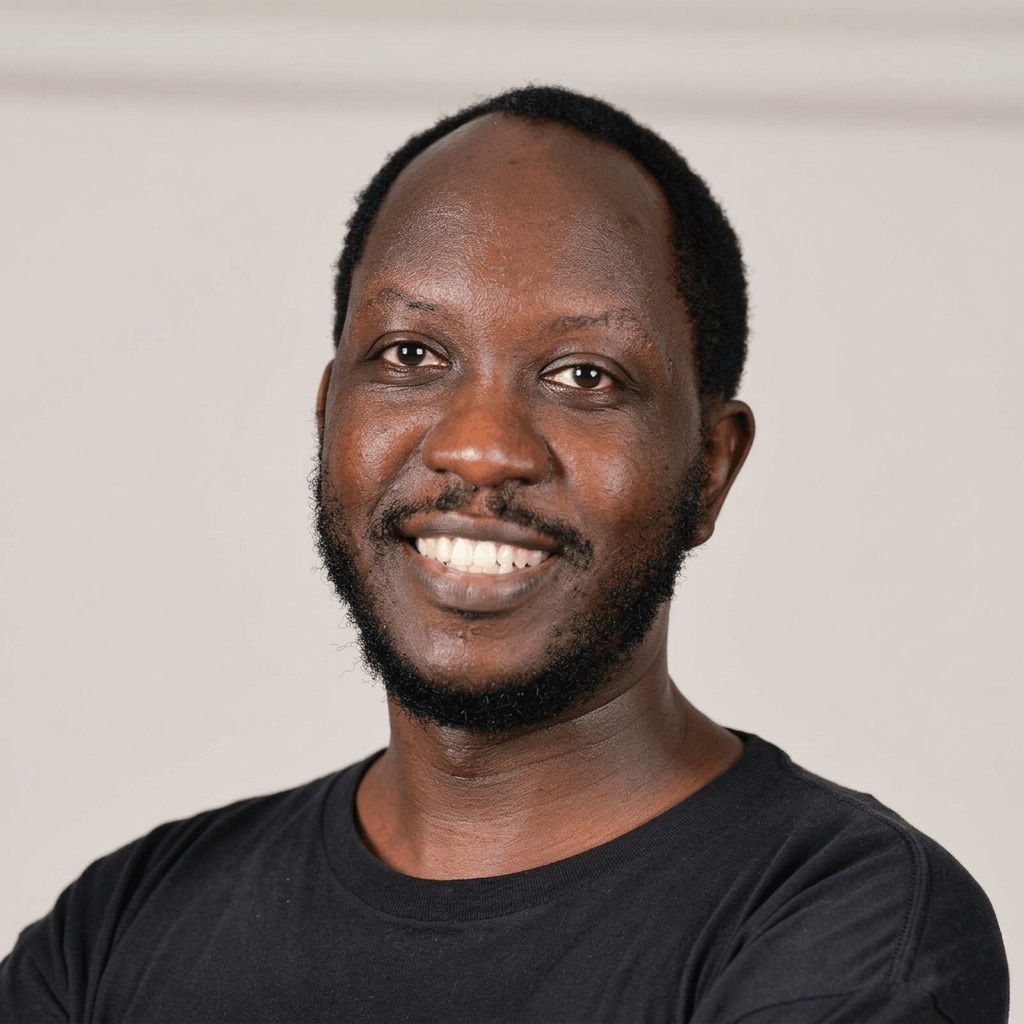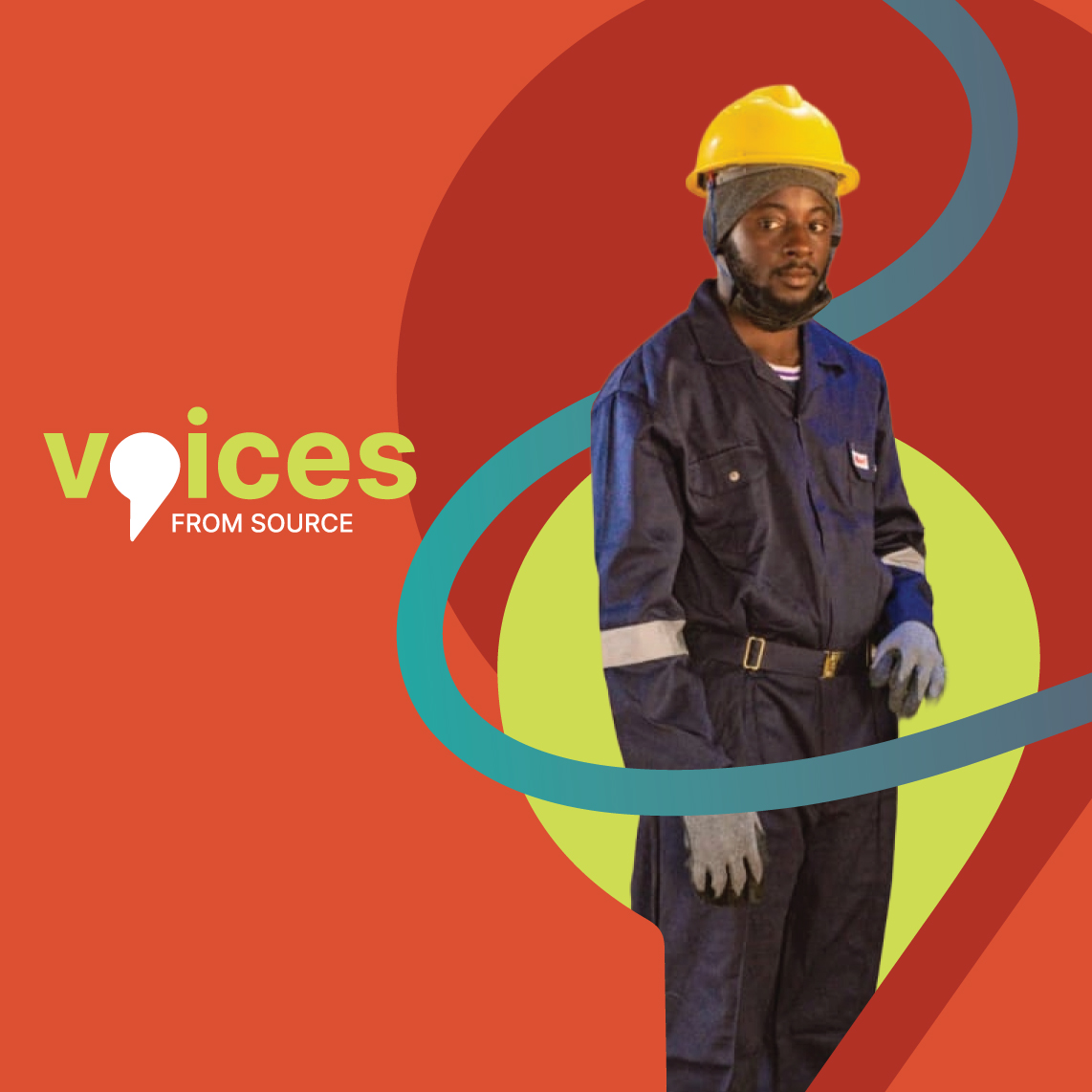
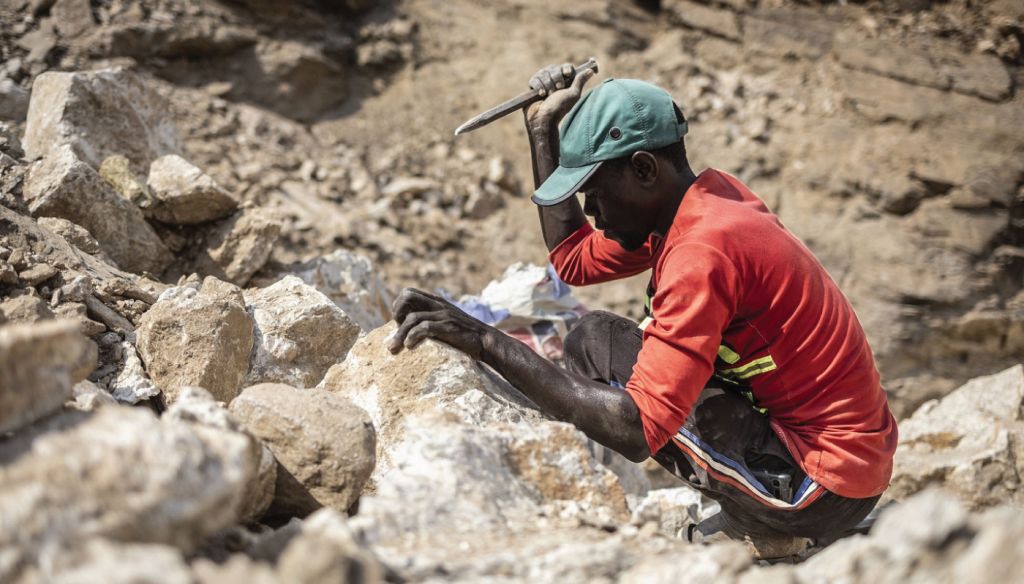
Nzem Luka was fifteen when he began accompanying his mother to mining sites in Plateau State, the heart of Nigeria’s minerals industry.
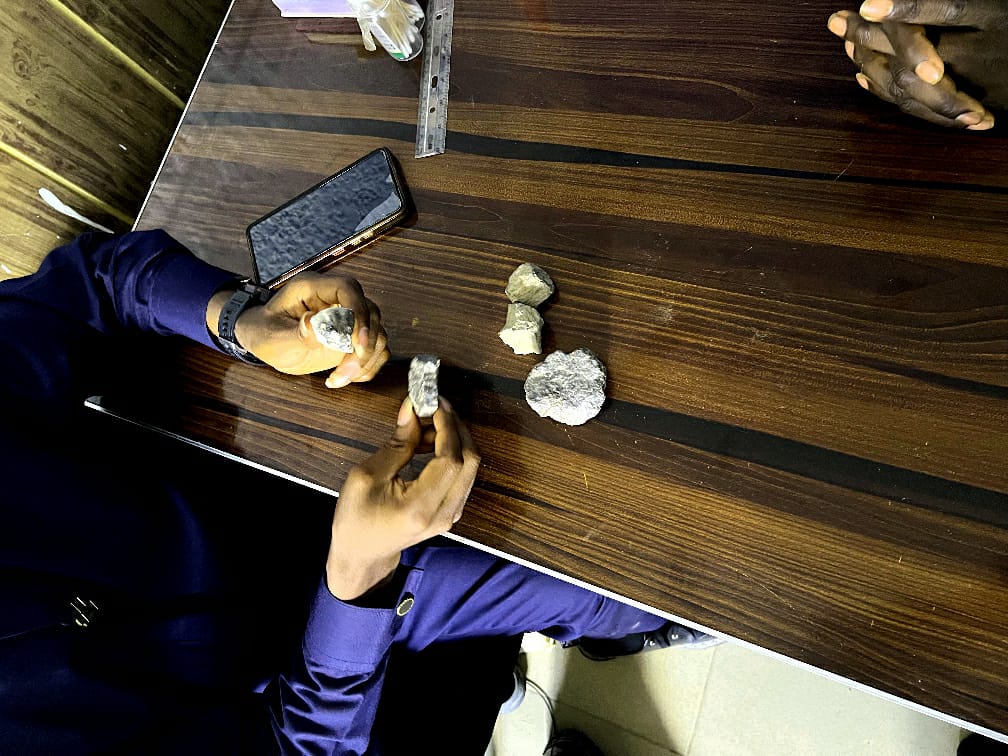
There, he learned the business through minerals such as tin, monazite and iron ore, raw materials that feed industries from electronics and steel to electric vehicles and renewable energy.
He also saw where much of their value was being created. The minerals left Nigeria largely as raw materials, while the processing, skilled jobs and higher-value industries took shape overseas.
In 2020, Luka founded Zang Mineral Resources (ZMR), a mineral processing startup focused on capturing more of that value closer to where the minerals are found.
Processing Nigeria’s Minerals at Home
Luka started Zang Mineral Resources with 20 million naira, savings he built while working as a labourer in the same mines his mother worked in. Today, the company processes around 20 tonnes of mineral ore every month.
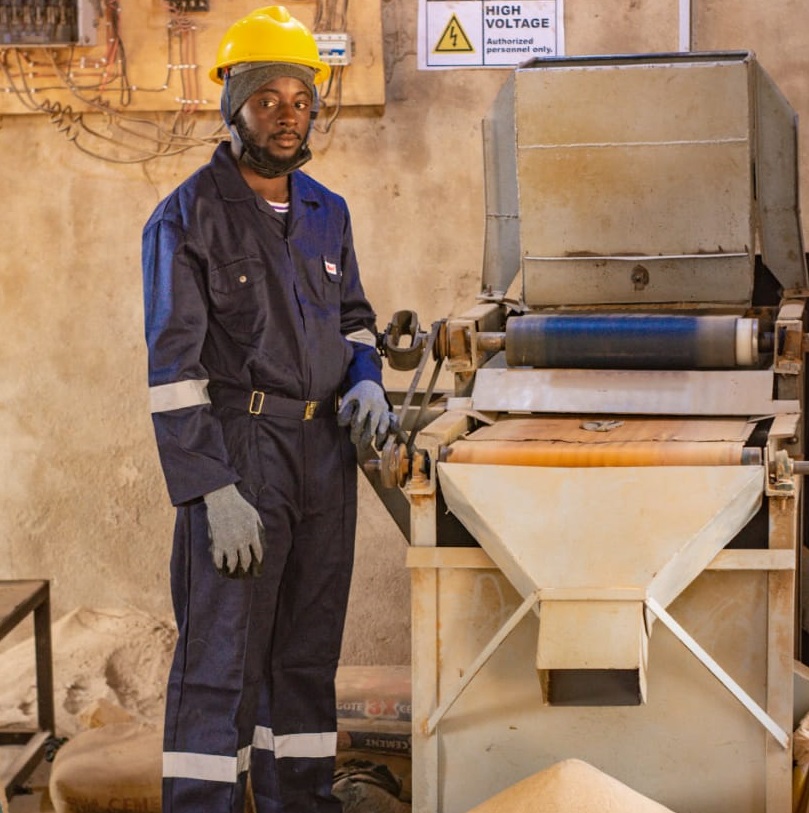
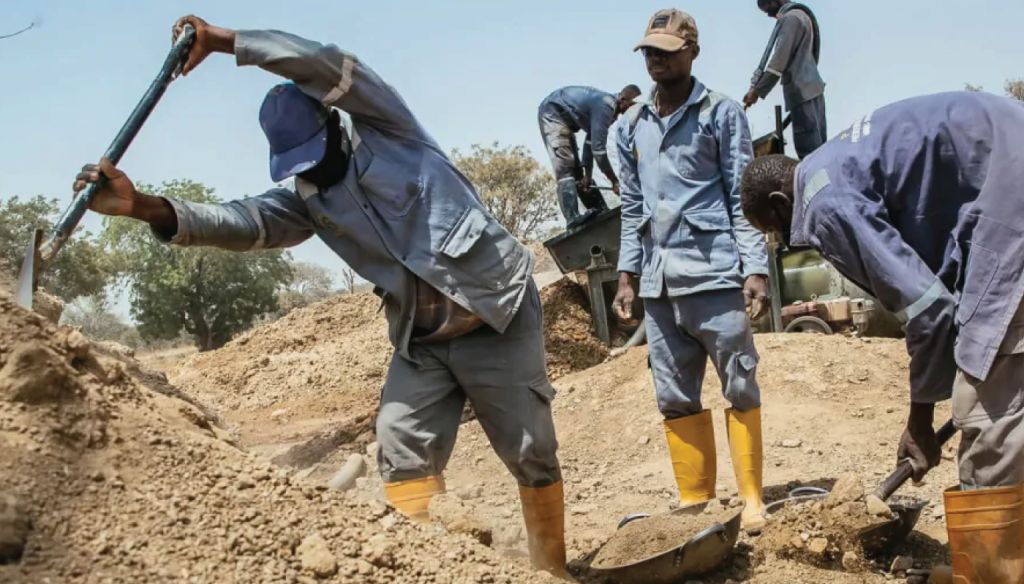
The process starts once the raw ore comes out of the ground. ZMR washes and dries it, then crushes it where necessary before running it through machines that sort the material by size and grade. The company processes tin, columbite, zircon, monazite and iron ore, selling the finished concentrate to licensed local exporters and Chinese buyers operating in Jos, Plateau State.
The market at the other end is substantial.
- Tin anchors global electronics manufacturing, used mainly in solder, the metal that fuses components onto circuit boards, and prices have climbed above $35,000 per tonne in 2026.
- Columbite is refined into niobium, used in the high-performance alloys found in jet engines, a market valued at $4.1 billion in 2026 and projected to reach $7.4 billion by 2035.
- Zircon has applications across ceramics, electronics and electric vehicles, an industry where BYD alone delivered over 2.25 million all-electric vehicles in 2025, more than Tesla’s 1.64 million global total that same year.
Jobs, Trust, and What Zang Owes the Ground It Works
Luka believes host communities should share in the value extracted from their land. Before mining begins, Zang agrees terms with landowners, including how proceeds will be divided. He calls it a “win-win” model and sees transparency as good business.
That same thinking shapes who gets hired. Women make up between 18% and 50% of small-scale artisanal miners globally, yet few progress beyond the informal, lowest-paid levels of the industry.
At ZMR, four of roughly ten direct employees are women, working in formal roles within a mineral processing company.
The company supports close to fifty more people indirectly across its supply chain, while Luka puts its wider network of clients and partners across different communities and regions at roughly 500.
But the commitment to local communities also includes the land. “We have built land rehabilitation into our process,” Luka says, committing Zang to returning mined sites to a usable state. The company is also exploring water treatment for the communities where it operates. For Luka, extraction should not be the end of a company’s relationship with the place where it works.
Getting Schooled by the Business
At university, Luka graduated with a degree in Archeology in 2024, four years after founding Zang. But building the business turned out to be its own kind of education.
His biggest hurdle has been capital. Mining requires expensive machinery, licences and substantial working capital. His initial investment of 20 million Naira was enough to secure two permits, one to process minerals and another to buy and sell them locally. An export licence, which would allow Zang to sell directly to international buyers rather than through intermediaries, remains out of reach for now.
Regulation has added another complication.
We don’t have stable regulations. This government comes and brings a different reform. Another government comes and brings a different reform, which affects the predictability of the mining sector.
Nzem Luka
As he works through those constraints, Luka has also been strengthening the parts of the business he can control. The Amahoro Coalition Fellowship, the first fellowship he has joined, has helped on that front.
He points to business visibility as one of its most immediate benefits.
Before Amahoro, he had not considered a digital presence, particularly on platforms like LinkedIn, useful for a mining business.
Through workshops on using the platform, alongside Amahoro’s own amplification of its Fellows, Zang has since secured partnerships through LinkedIn and recruited one of its employees there.
There has been a broader education too. Luka describes the Fellowship as “iron sharpening iron,” giving him access to other business leaders whose industry experience he continues to learn from, alongside a curriculum that has strengthened his leadership.

Thinking Beyond the Mine
Twenty tonnes a month is still a small operation relative to where Luka wants to take Zang Minerals Resources Ltd. Over the next five years, he plans to expand ZMR into three regions within Nigeria. And within ten, he wants the company operating in other African markets.
His ambitions reach further than his own supply chain, towards a bigger argument about Africa building and owning entire mineral value chains rather than sending pieces of them overseas.
Nigeria has tin and other solid minerals, Ethiopia has tantalum, while the Democratic Republic of Congo produces roughly 70% of the world’s cobalt.
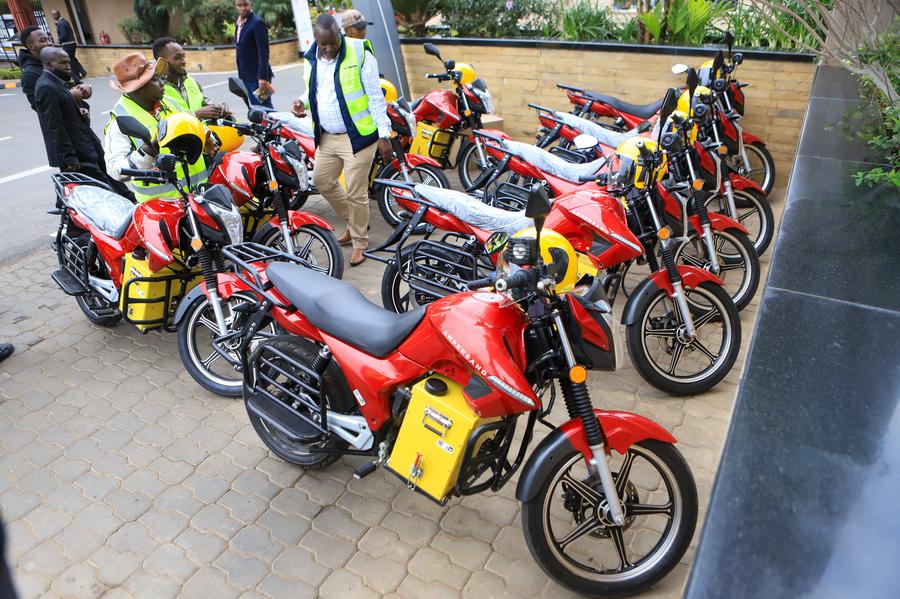
Luka sees an opportunity for the three countries to combine those strengths and build an electric vehicle battery industry within Africa. “They put their efforts together,” he says, “and they will be able to produce batteries that can power electric vehicles and bikes.”
What Comes Next
To build Zang into the pan-African mineral processing company he envisions, Luka is already thinking about what the business will need at its next stage.
He wants to introduce AI technology for site monitoring, safety and bookkeeping, and points to mining software such as MineX as an example of tools that could make the company’s operations easier to manage as it grows.
The next stage would also mean modern machinery, higher processing volumes and eventually the licences needed to sell directly into international markets. Each step brings Zang closer to the business Luka has been arguing for from the start, one that processes more of Africa’s mineral wealth where it is found.