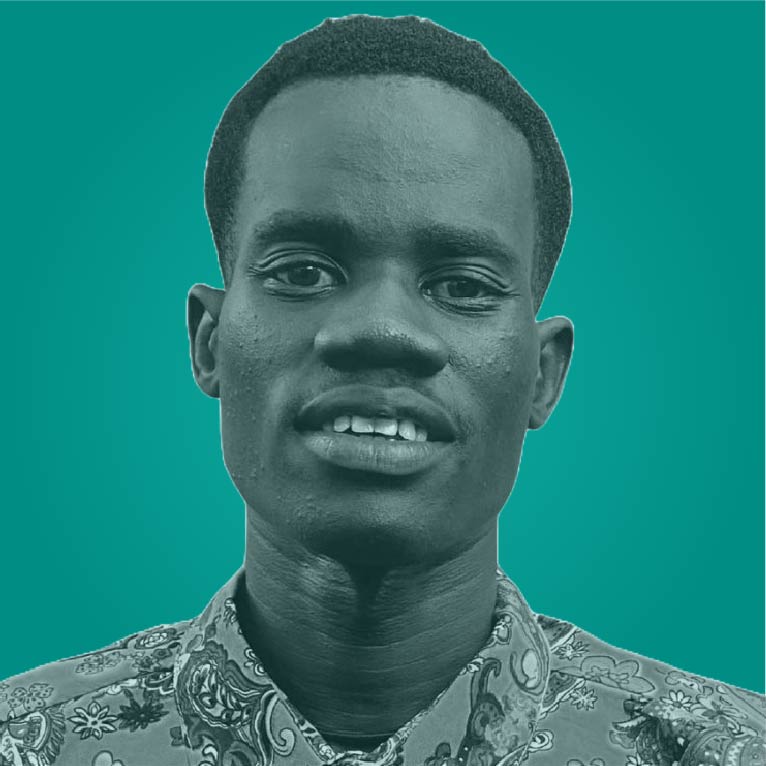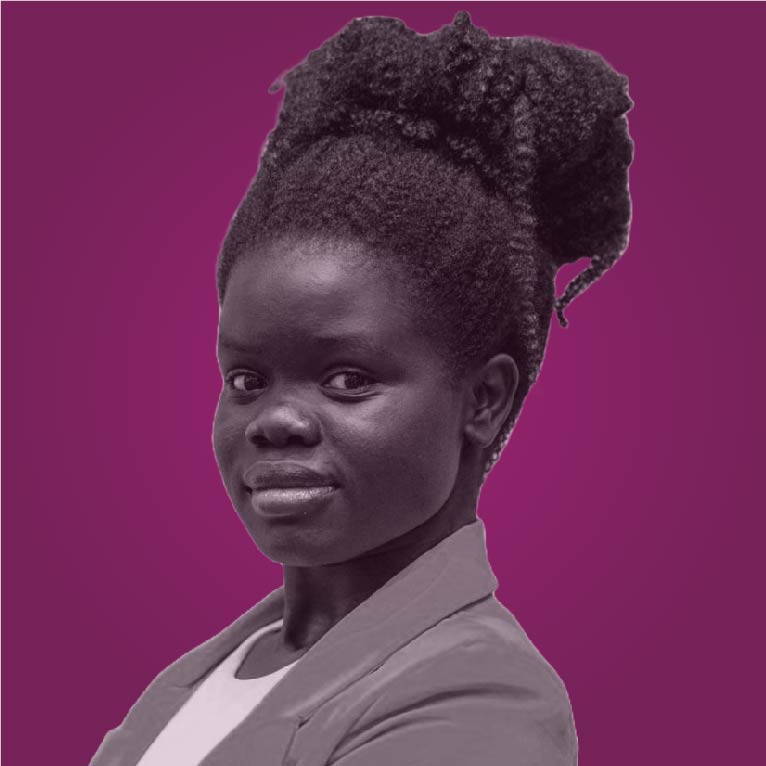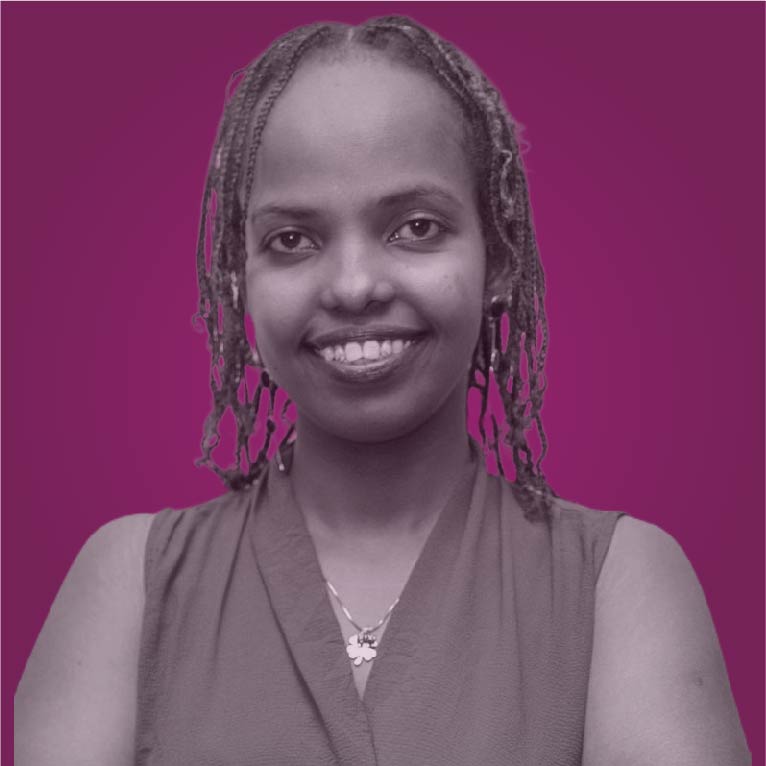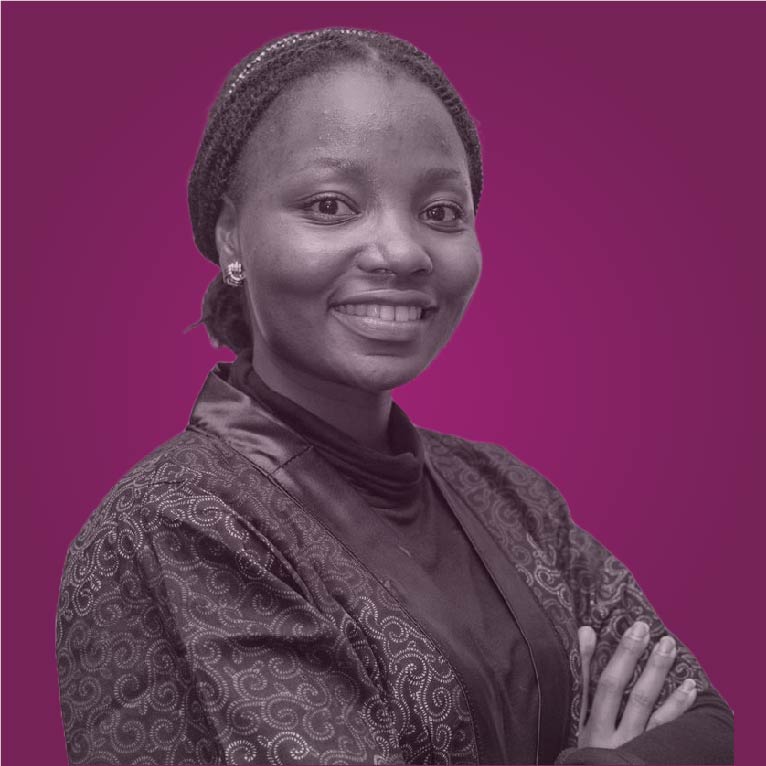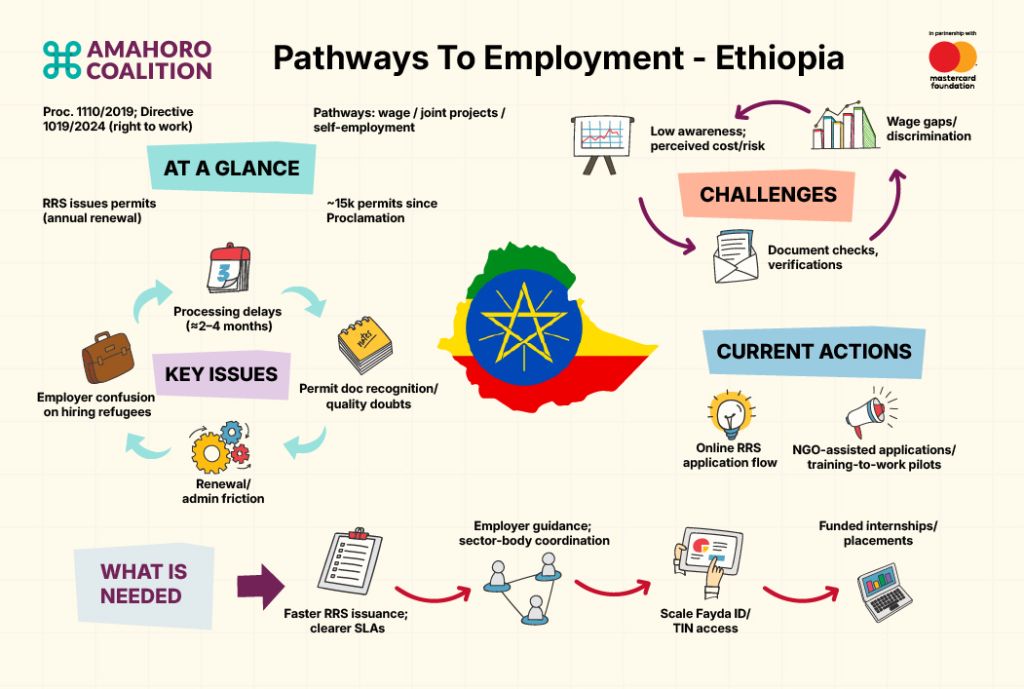
Talk about displacement in most rooms and the conversation turns to need, aid, and vulnerability.
But that story feels incomplete when you see what forcibly displaced people are building in their communities.
Take Uganda, which hosts nearly 2 million refugees. It has one of the largest displaced populations on the continent, 80% of them women and children.
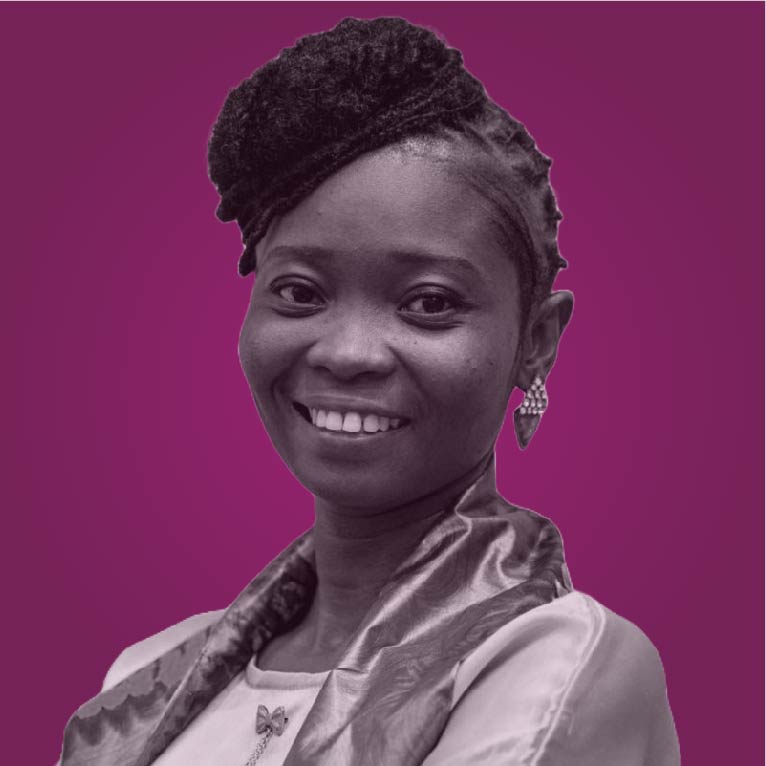
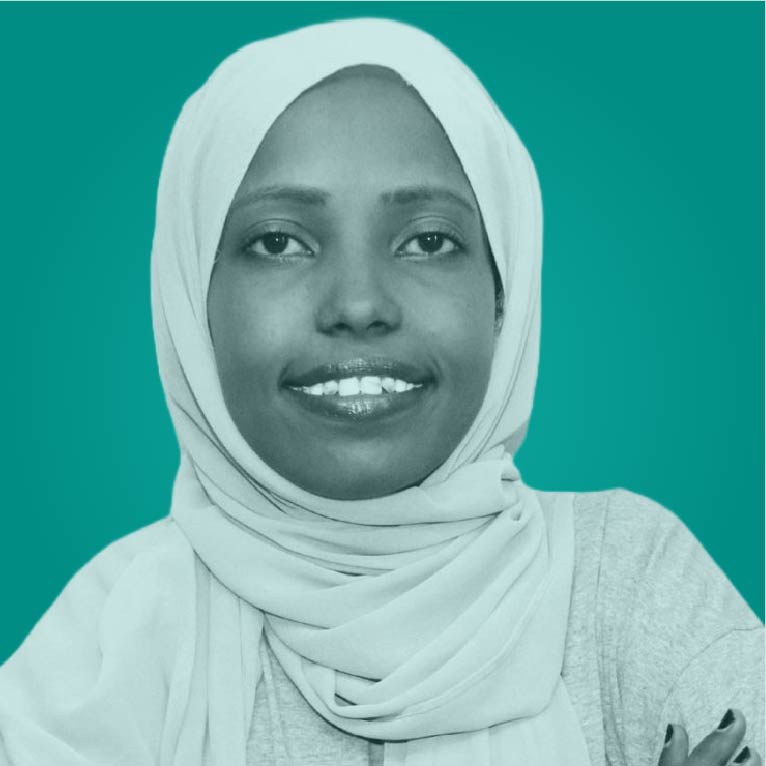
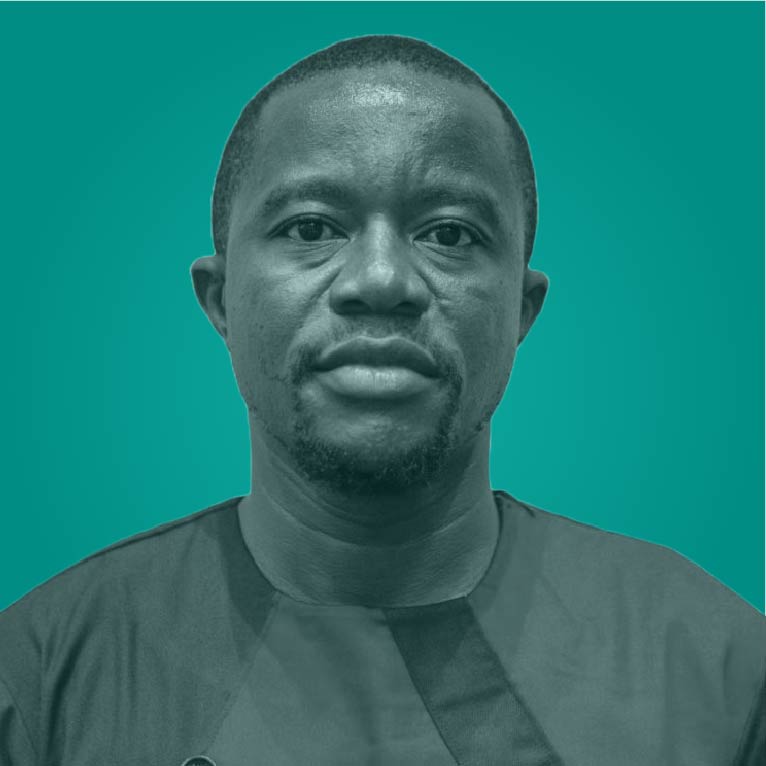
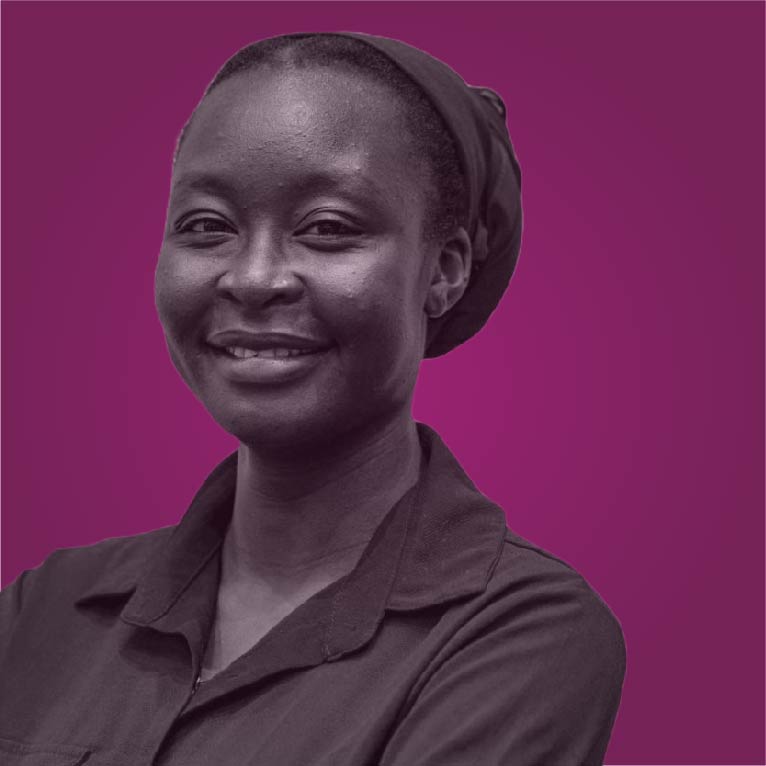
We followed six women in Uganda from the Amahoro Coalition Fellowship, each building a scaling business. Together, they have created 62 jobs across sectors ranging from organic beauty and infant nutrition to menstrual health, leather goods, mental health, and ecological farming.
The Businesses Behind the Numbers
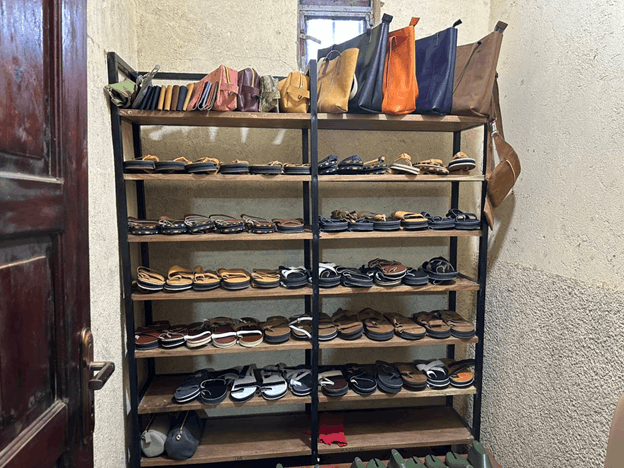
Leather, Jobs, and Education
Vanessa Ishimwe
She resettled in Uganda from Rwanda in 2008, and her model ties income to opportunity, with part of every sale funding secondary education for displaced girls.

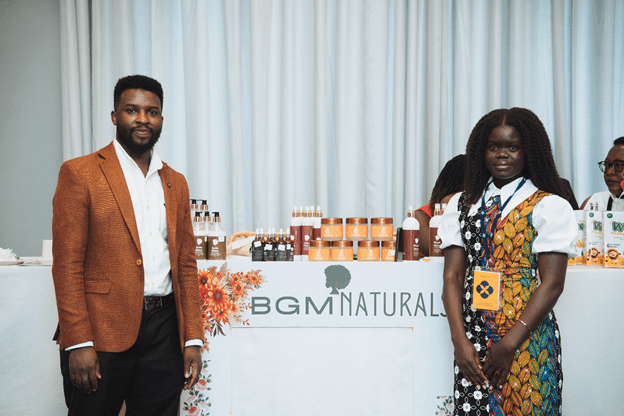
Beauty, Built for Scale
Catherine Isaiah
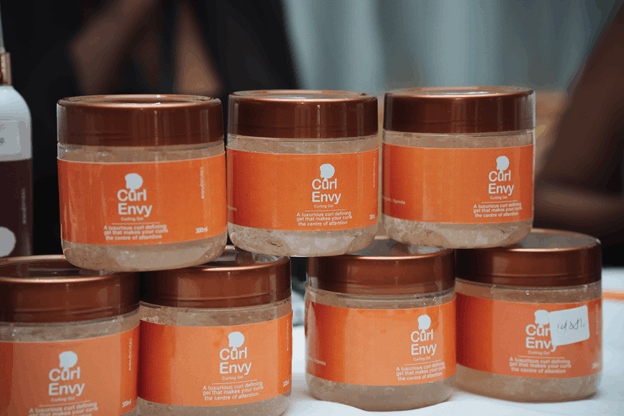
She has also built a strong distribution base, with over 260,000 followers across her platforms, and that gives her a direct line to customers that many brands spend years trying to build. What started as a belief in natural beauty has grown into a business with a supply chain, trained staff, and consistent demand.
Solving for Childcare and Work
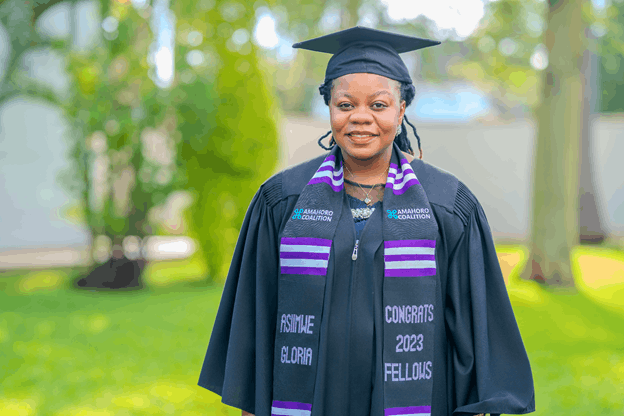
Gloria Asiimwe
The initiative has created 31 jobs and operates across Kampala, Busia, and Tororo. Gloria, who is originally from the DRC, also produces affordable menstrual pads for underserved communities, addressing a gap that directly affects whether girls stay in school and women stay in work.

Nutrition Meets Market Access
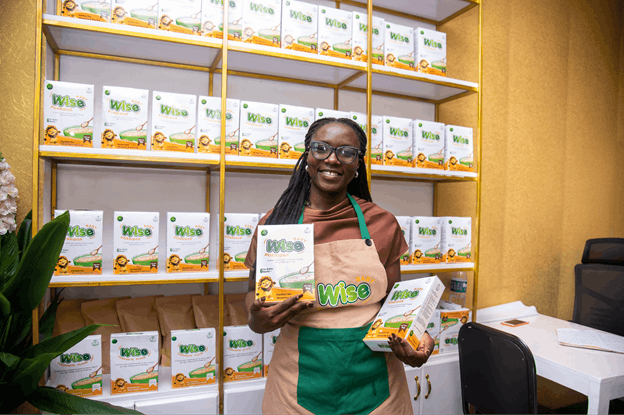
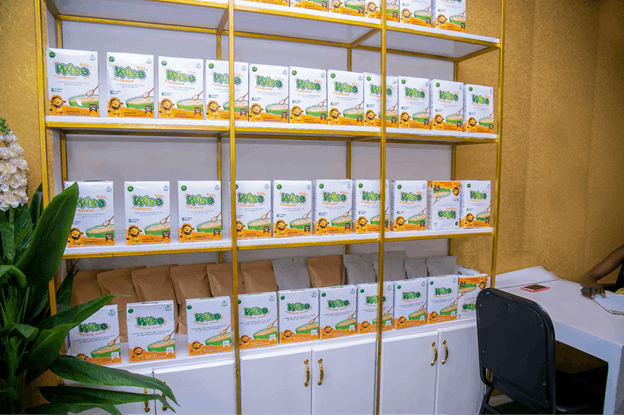
Esther Kitumaini
She joined Amahoro’s second cohort with an idea, and within a year she had a product in the market, employed nine people and operations running across borders. The fellowship supported her growth, but the business was already taking shape.
Mental Health as Infrastructure
Nyibol Racheal
Her work shows how mental health shapes economic participation, because without stability it becomes much harder to sustain work or build anything long term.
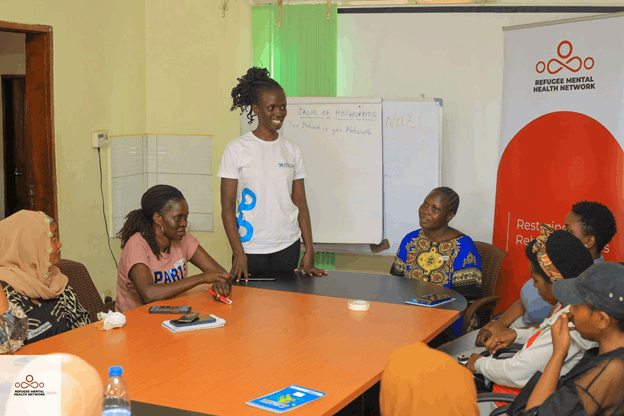
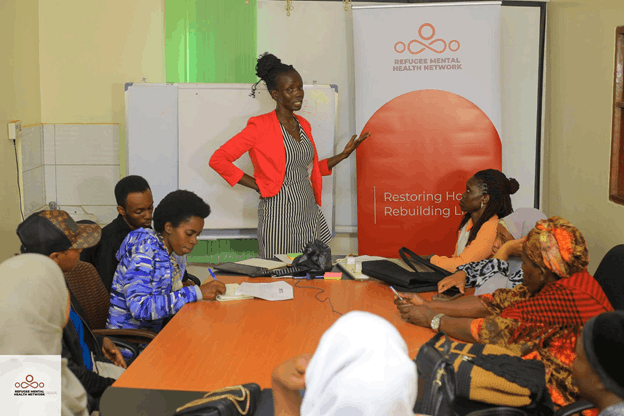
Ansiima Rolande Casinga
FOLONA connects land, knowledge, and sustainable practice to income, and that foundation matters because displacement often disrupts all three.
Beyond Potential: The Economic Reality of Displacement
The Amahoro Fellowship was the catalyst, providing the visibility, critical mentorship, peer learning, and networks to accelerate their growth. Today, the opportunity is undeniable. It is now time for capital and institutional partners to engage with this untapped economic engine.