Kapera Munguzo Jean’s path into technology started with determination long before he ever touched a computer. After arriving in Uganda as a teenage refugee, he was inspired by a character in the TV show 24 to learn about technology. With no money for a computer, he struck a deal: he would volunteer his time and labor for an organization in exchange for access to a PC. That simple barter was the first step on a journey that would see him become one of the most vital tech innovators in the Nakivale refugee settlement.

Today, he is the founder of two interconnected initiatives: Connect Refugee, a mobile app designed to provide essential information to displaced people, and Compass Digital Hub, a training center that equips them with the skills to build their own futures.

Jean’s life was upended by a violent family land dispute in his native Congo. As the only son, he was specifically targeted, and a pastor who was a friend of his father helped him escape the country. He has not seen his family since. Arriving in Uganda, he faced a steep learning curve, teaching himself English through YouTube videos while navigating the challenges of life in a settlement.
His entry into tech was born from a desire to solve problems. But when he started developing the Connect Refugee app, he hit a wall. He put out a call for collaborators in the settlement and found no one with the required digital skills. “I couldn’t find anyone to help me. I was frustrated,” he says. He also observed that the digital training offered by large organizations was often basic and repetitive, trapping people in a cycle of learning Microsoft Word without ever advancing.
Jean realized that before he could connect his community with information, he first had to connect them with skills. The idea for Compass Digital Hub was born during his time in the Amahoro Fellowship. “I said instead of just going with the mobile app, let me first do the training,” he explains.
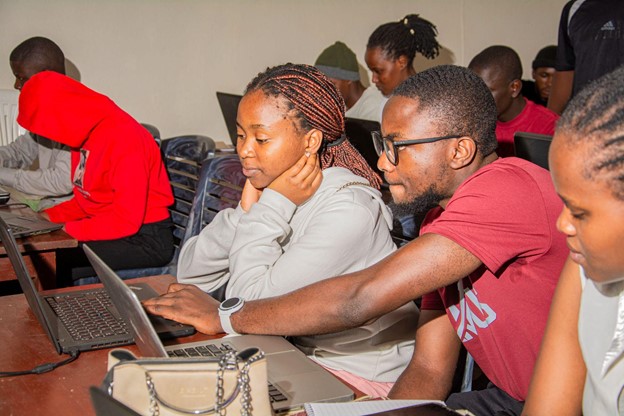
The need was urgent. With aid funding cuts, the monthly cash assistance for refugees in Nakivale had dwindled to almost nothing. Jean secured a role as a trainer for a project run by the International Labour Organization, becoming the only applicant in a settlement of over 200,000 people with the skills for the job. In just four weeks, he trained 100 youths in online gig work. The impact was immediate. “Some are earning… it is more than what we used to receive monthly,” he says.
The impact was immediate. “Some are earning… it is more than what we used to receive monthly.”
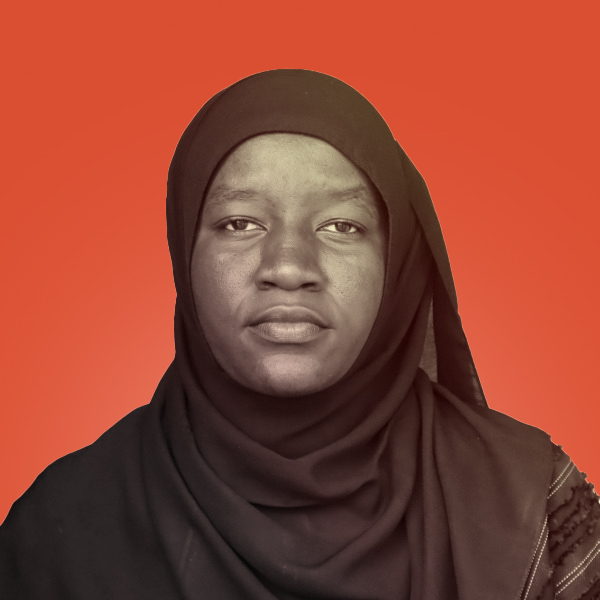
Kapera Munguzo
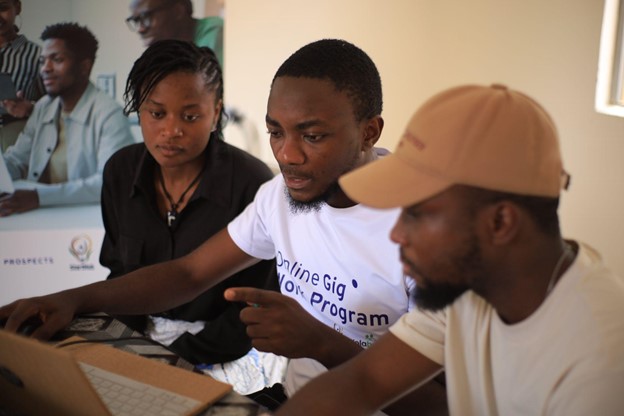
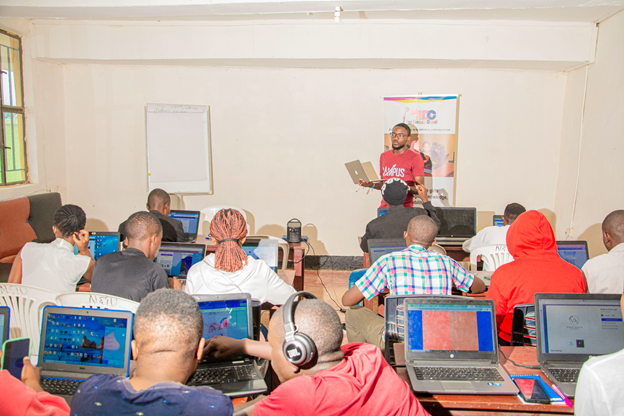
Jean’s model is designed to multiply. He shares the story of Ed Mumbi, one of his first students. After learning web development, Ed earned over 1.2 million Ugandan shillings creating websites and is now a trainer at Compass Digital Hub himself. Today, 60-70% of Jean’s 11-person team are his former trainees. His organization is now recognized as the first refugee-led technology solution in Nakivale.
The Amahoro Fellowship was the catalyst for this growth, giving him the confidence to speak publicly and a network that provided crucial support. It shaped his core philosophy. “Just start,” he advises. “You don’t have to wait to be perfect to make it happen”.
His vision is to create a “digitally connected society” where everyone has equal access to opportunities. He plans to expand Connect Refugee across all 13 of Uganda’s refugee settlements, then to East Africa, and eventually, the entire continent. For him, the path forward is clear. “Just do it,” he says with a smile. “You will ask for forgiveness later”.