the Curator
Over the past year, I have found myself returning to the same question in different rooms, with different partners and in different countries across Africa. How do we respond to displacement in ways that honour dignity, unlock potential and last? The scale and nature of displacement on the continent continue to challenge traditional humanitarian responses. Crises are lasting longer, needs are growing and fragmented and short-term interventions are no longer enough.
What has become increasingly evident to me is that this reality is not defined by urgency alone. It is reinforced by evidence, lived experience, and a growing convergence around what actually works. Again and again, we see that durable solutions require moving beyond pilots and isolated initiatives toward systems that can sustain opportunity over time.
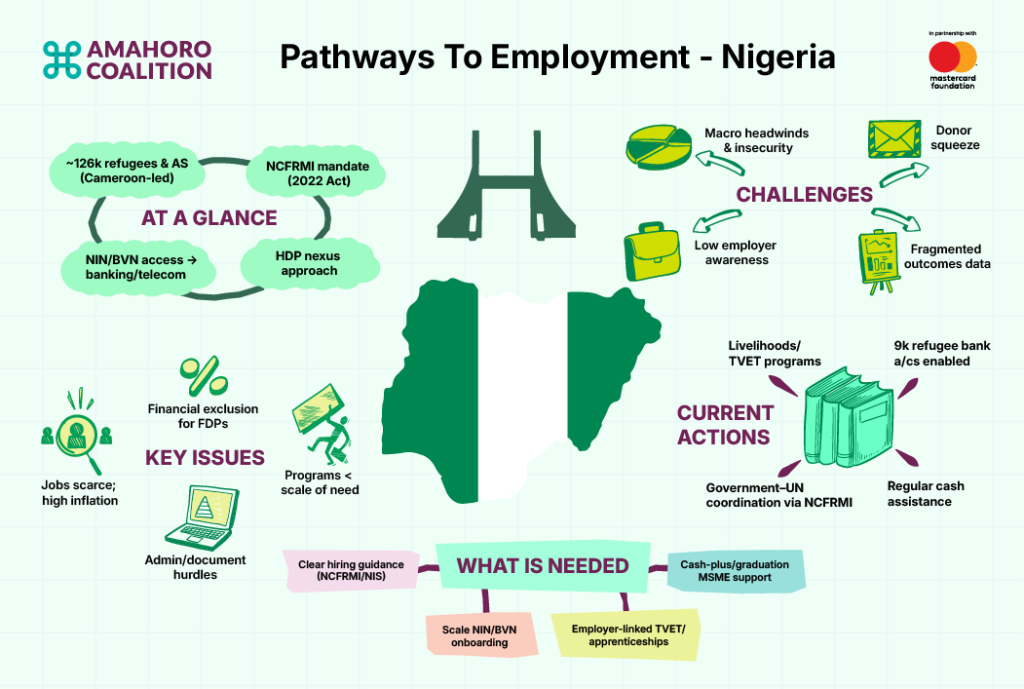
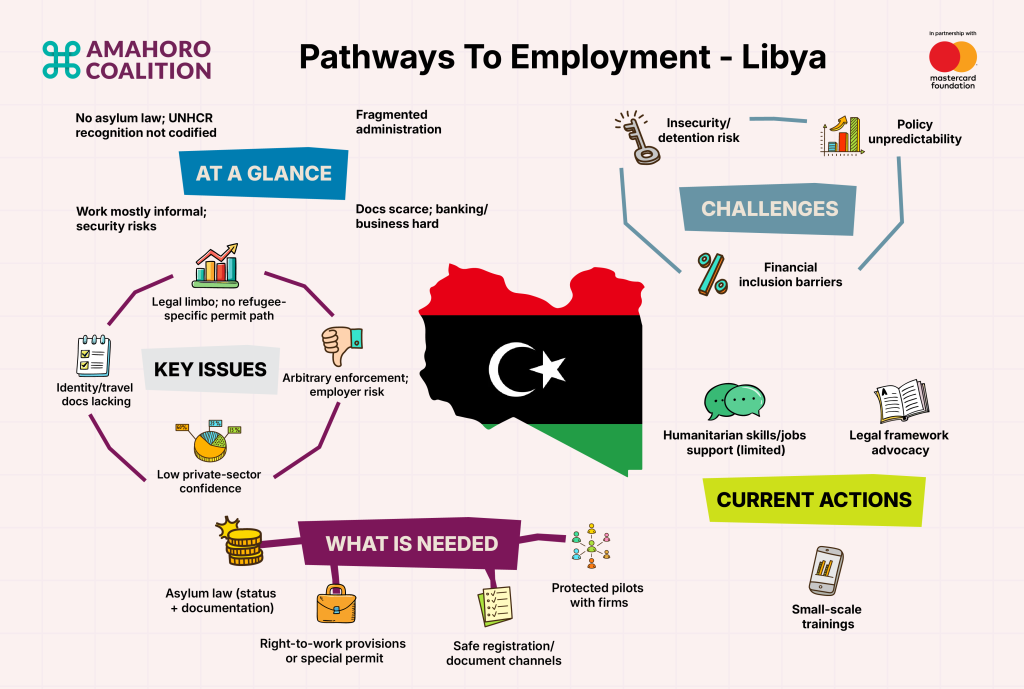
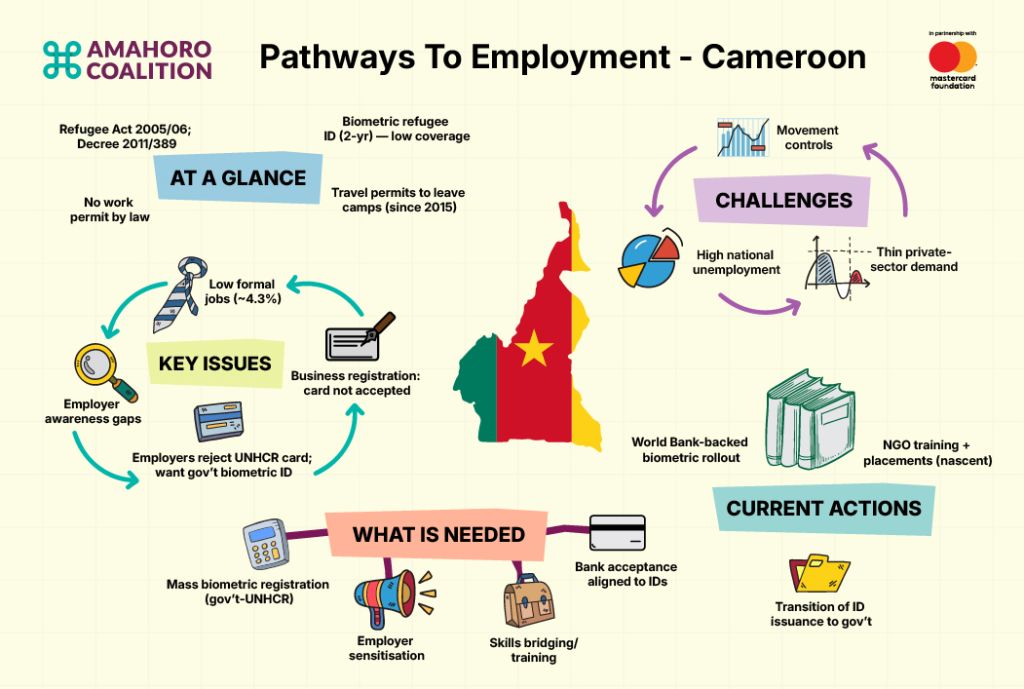
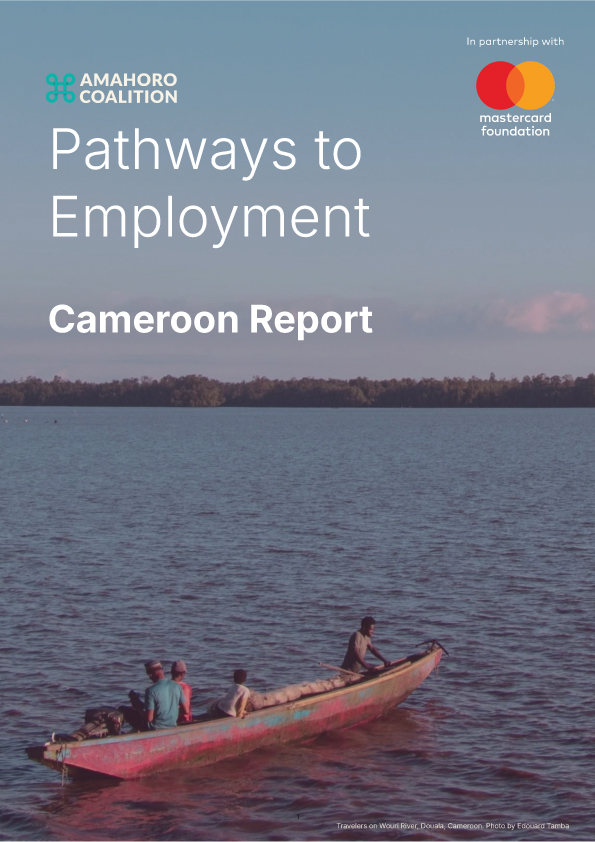
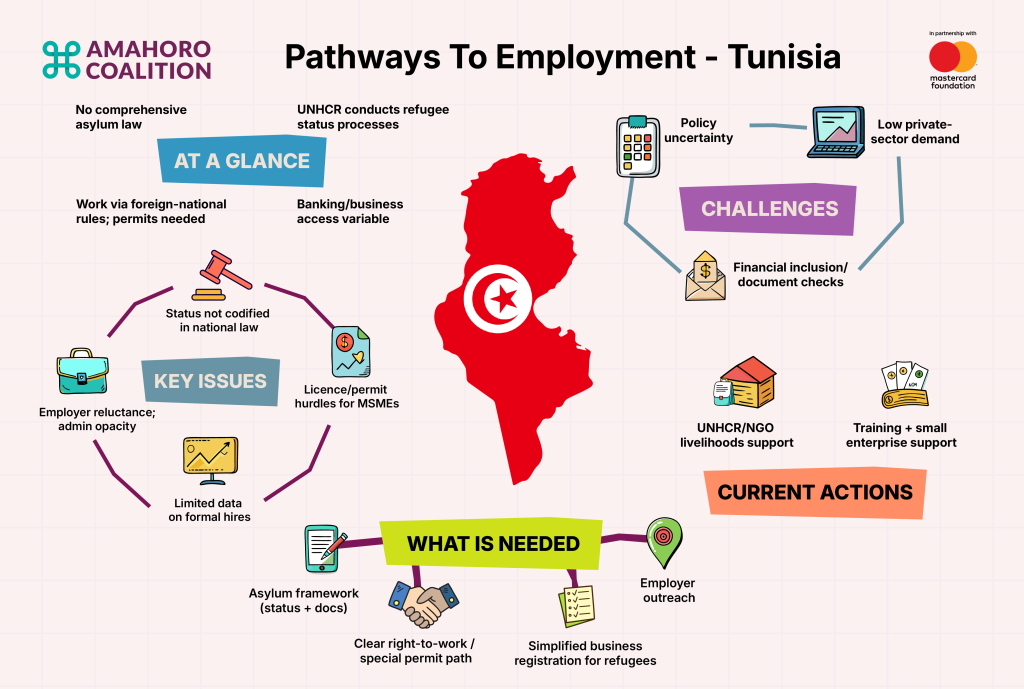
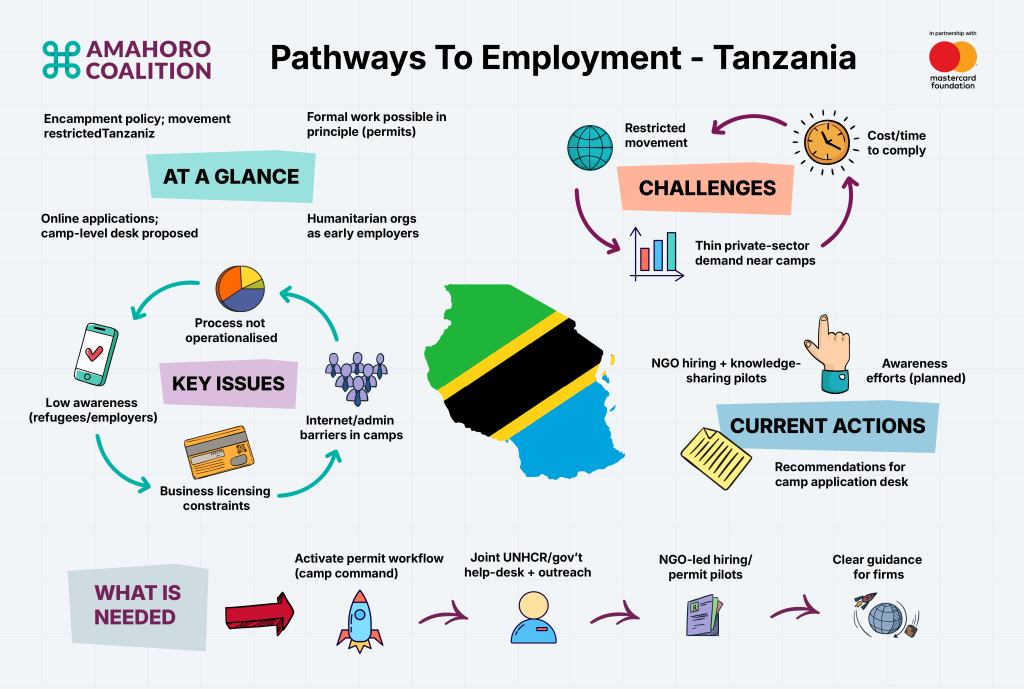
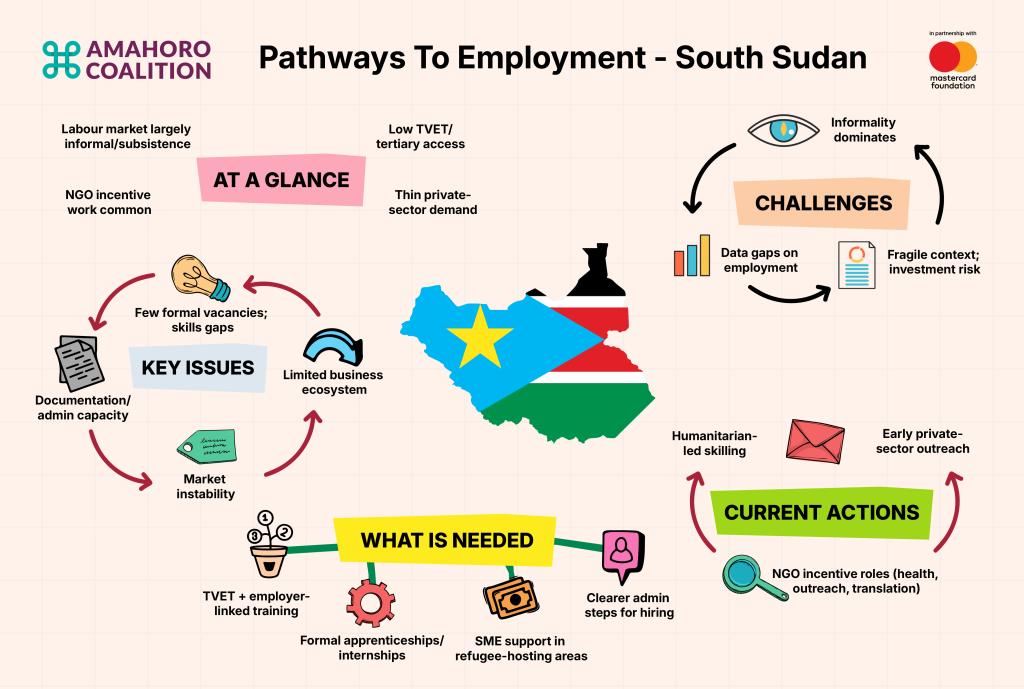
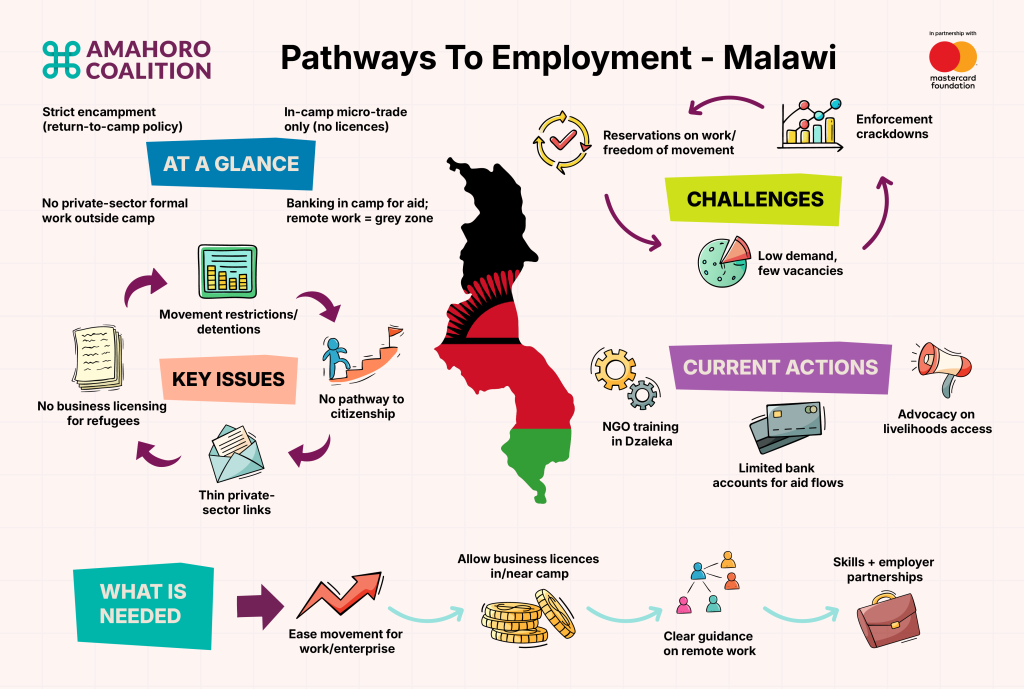
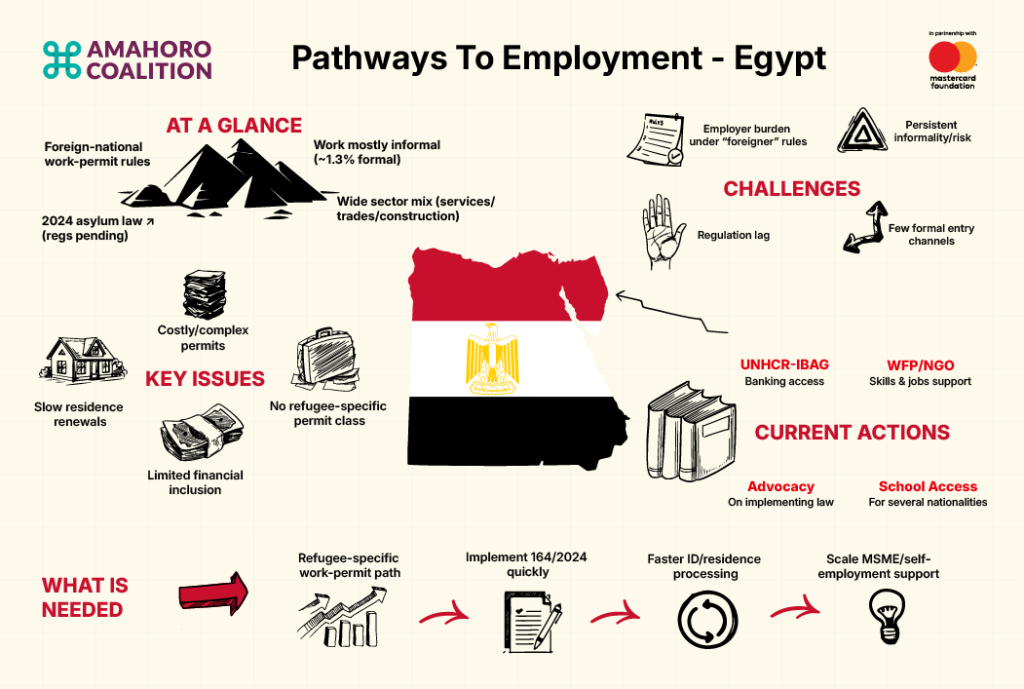
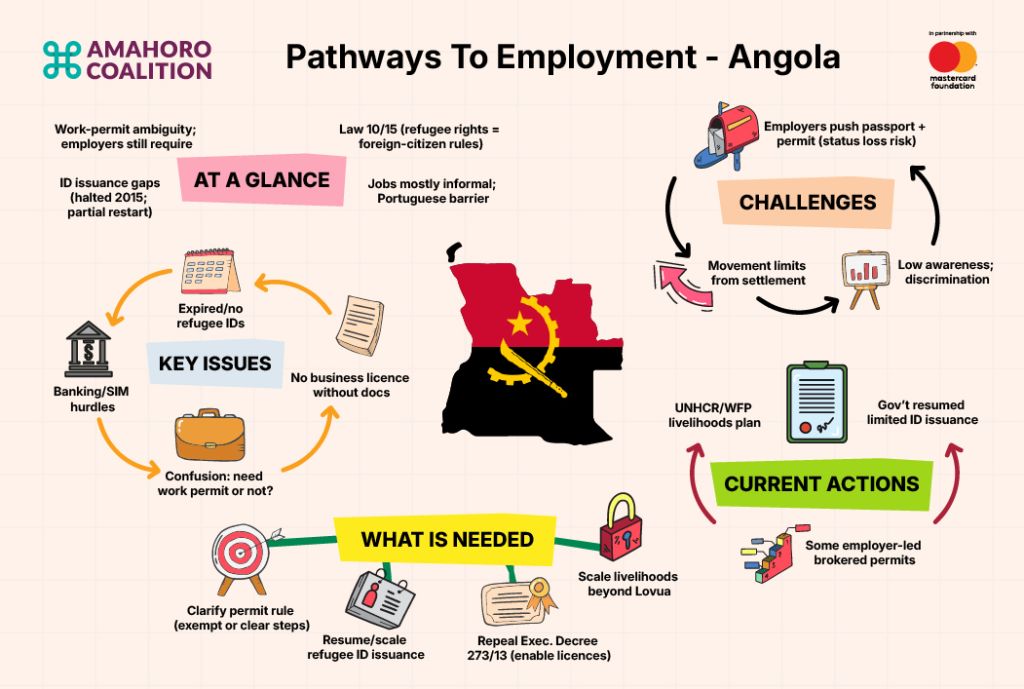
On World Refugee Day last year, we launched the Pathways to Employment report series across 15 countries. The insights from that work are woven throughout this report. They point to a clear conclusion. If we are serious about expanding economic opportunity, we must align policy with labour market demand. We must recognise skills, enable mobility and unlock cross-border pathways. And we must finance these efforts not as short-term projects, but as long-term investments in shared prosperity.
At Amahoro Coalition, our conviction has always been that employment is the most durable solution we can offer. Not only for refugees and internally displaced people, but for host communities as well. When displaced people are able to work, we have seen businesses grow, labour shortages ease and local markets become more vibrant. This is responsibility sharing at its most practical. It is not abstract. It is economic logic made human.
Progress, however, is not inevitable. It depends on the choices we make together. Governments have a critical role to play in leading with courage and creating enabling policy environments. The private sector must move from the margins to the centre of this agenda, engaging not only through corporate responsibility, but through core business decisions and investment. And throughout all of this, people with lived experience of displacement must remain co-designers of solutions, not passive recipients of them.
Scaling what works also requires discipline and focus. One lesson that stood out clearly last year is the importance of prioritising sectors with real potential for job creation at scale. Agriculture is one such sector. It employs more than half of Africa’s population, and in some countries as many as 85 percent of people rely on it for their livelihoods. This understanding shaped our partnership with the Bank of Agriculture of Nigeria to support the creation of over 200,000 jobs for refugees and internally displaced people across the country. For me, this commitment is about more than numbers. It is about demonstrating what becomes possible when ambition, policy and private sector leadership align.
As we look ahead, the task before us feels both demanding and hopeful. We must turn commitments into measurable outcomes. We must take what works and scale it across borders, sectors and systems. And we must be honest with ourselves, measuring progress not by intentions or announcements, but by jobs created, pathways opened and lives transformed.
I warmly invite you to continue this important conversation with us at the fourth Africa Forum on Displacement, taking place later this year. Building on the momentum of Kigali, Accra and Nairobi. The Forum will once again bring together private sector leaders, policymakers, and practitioners from across the continent to reflect, learn, and commit to doing more.
I remain deeply grateful to our partners and friends for their leadership, their trust and their willingness to challenge old assumptions. I look forward to advancing this work together, guided by a shared belief that inclusive labour markets are not only possible, but essential to Africa’s shared prosperity.