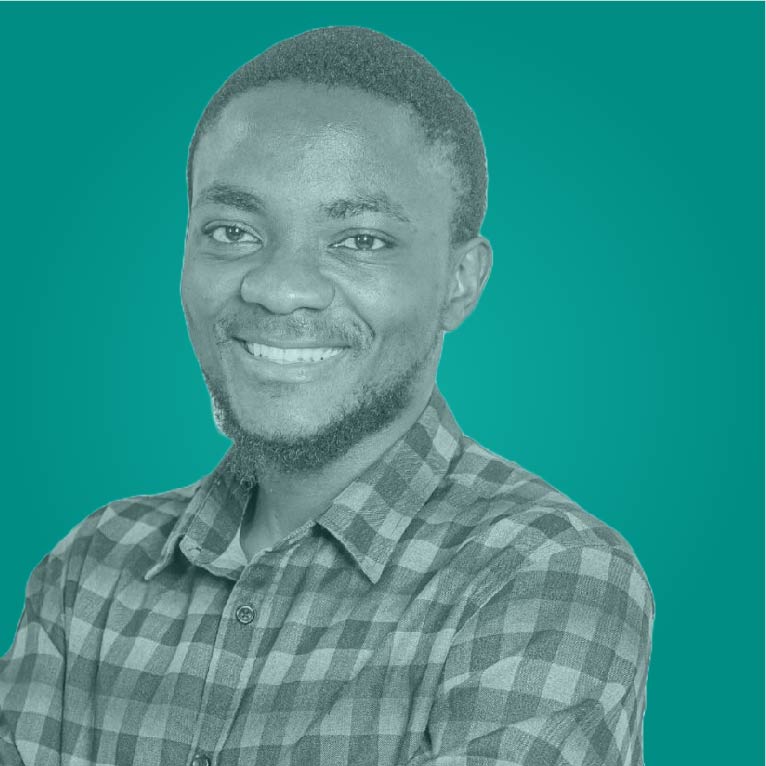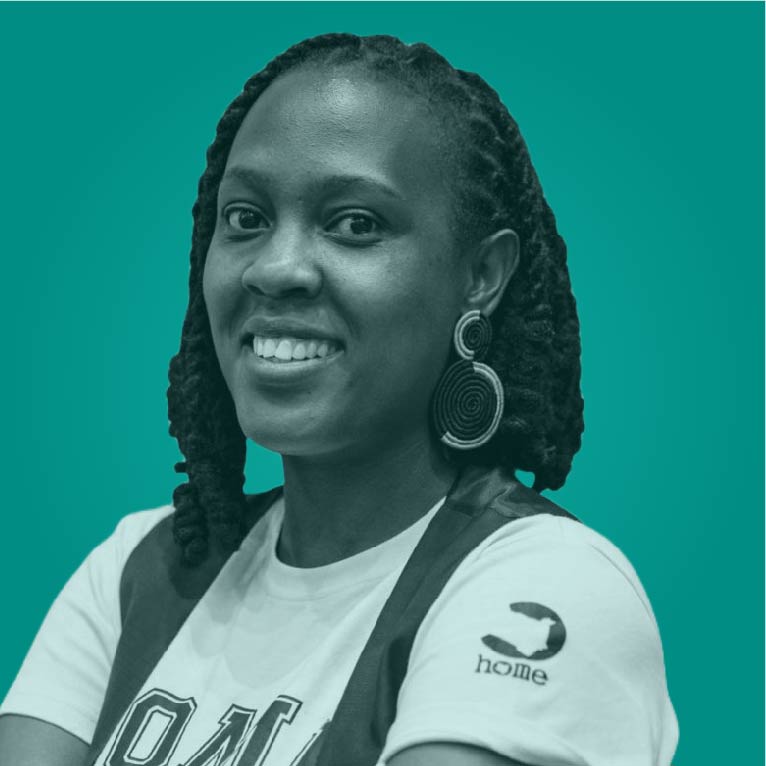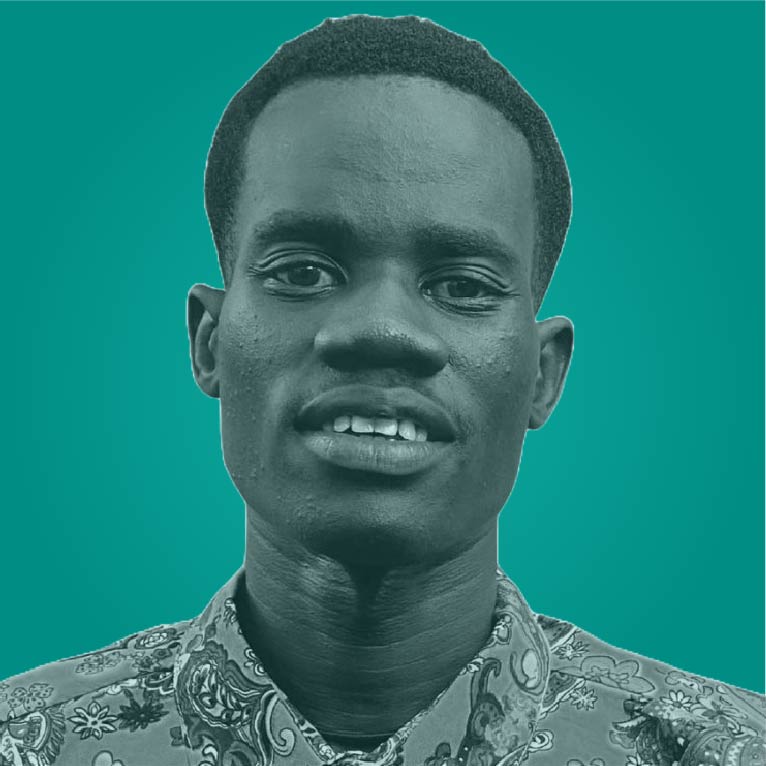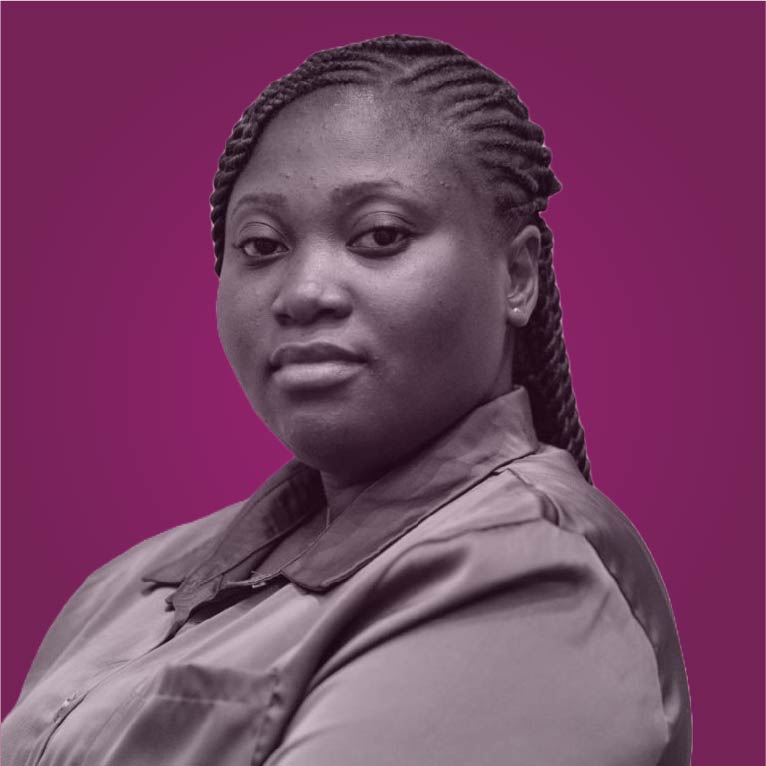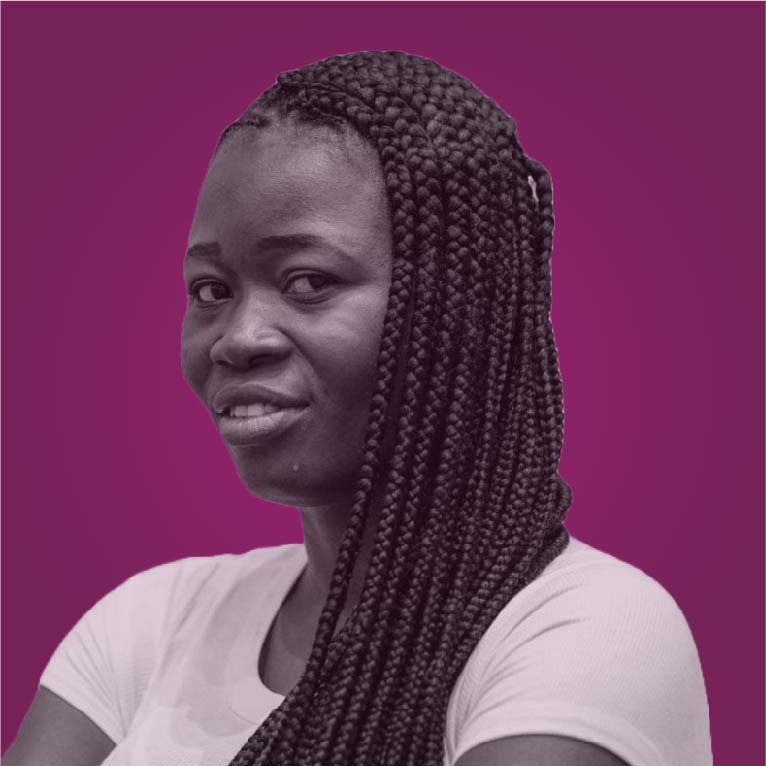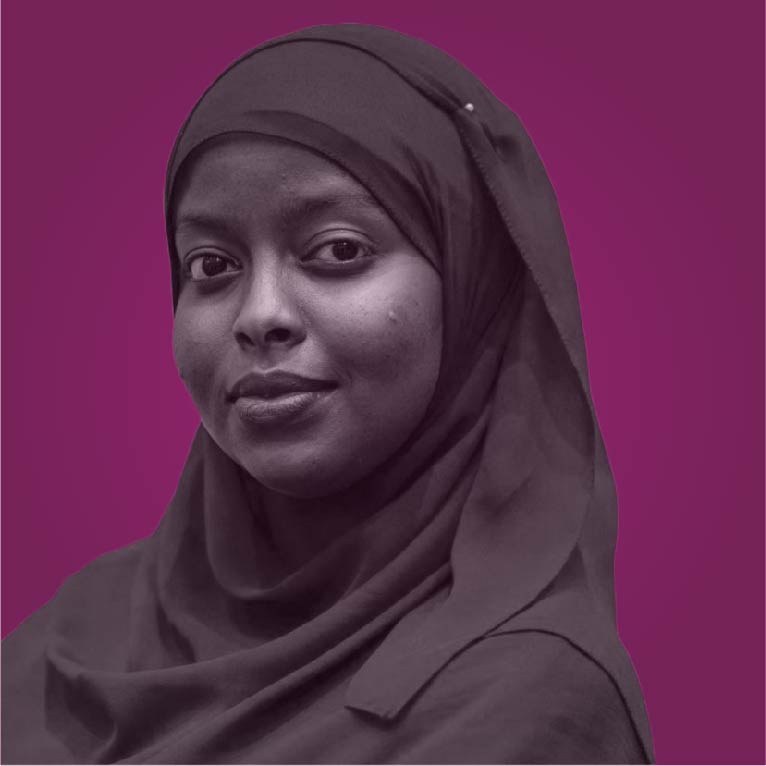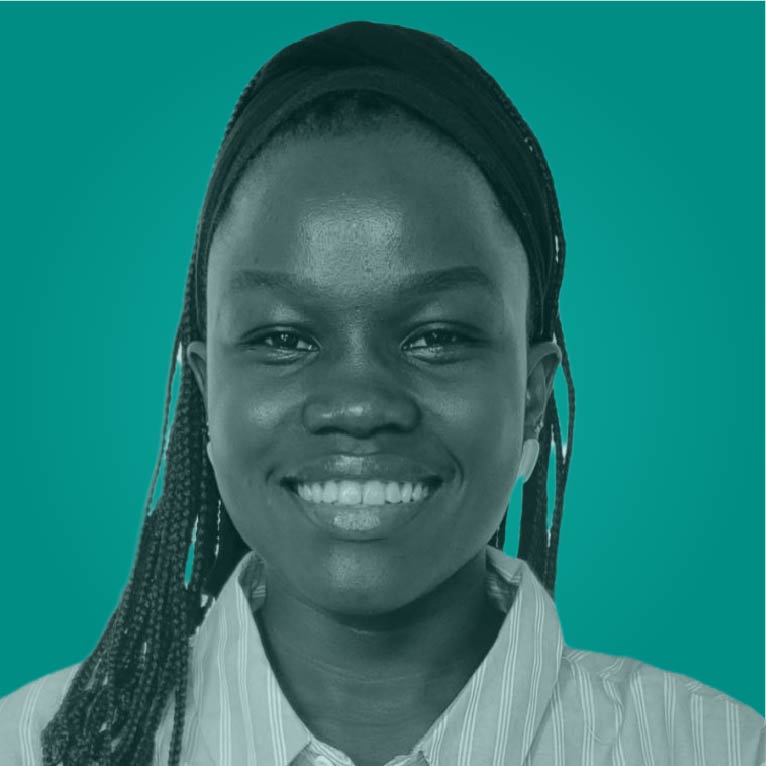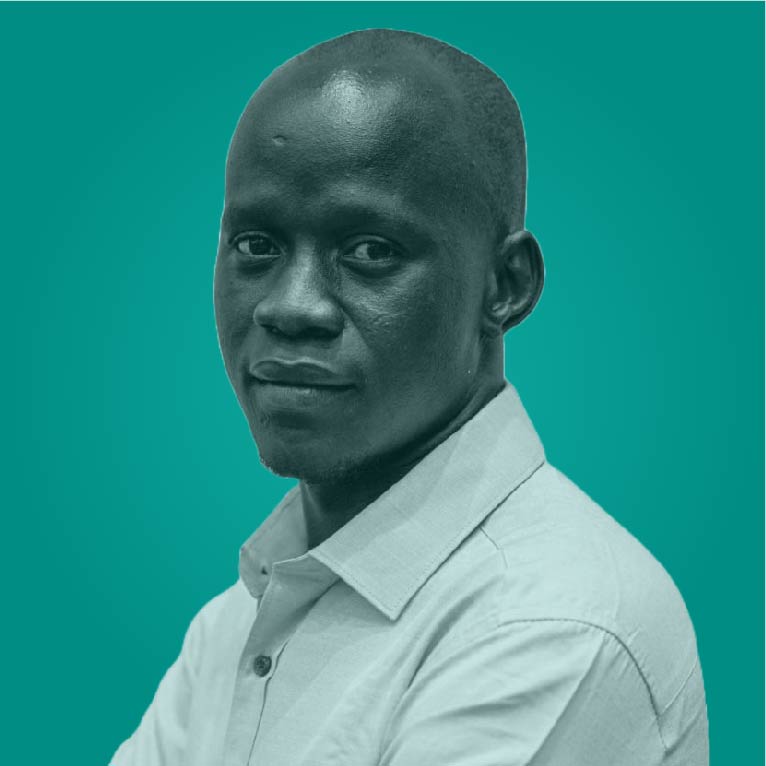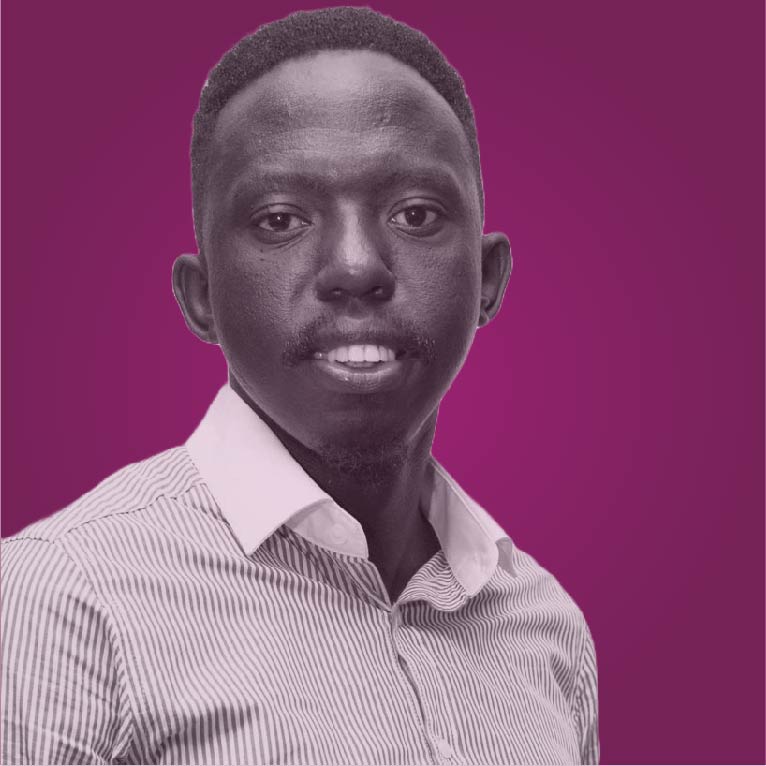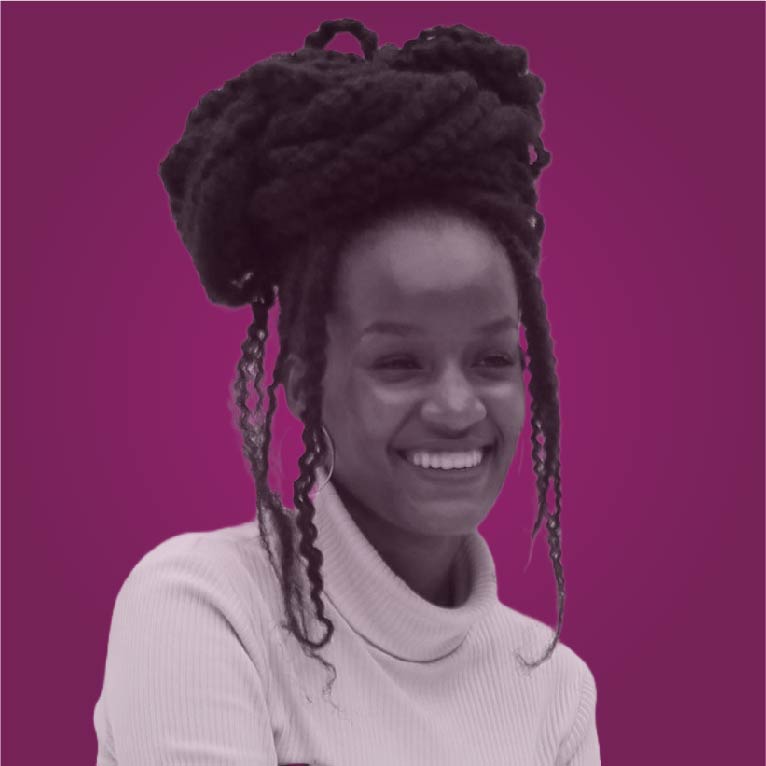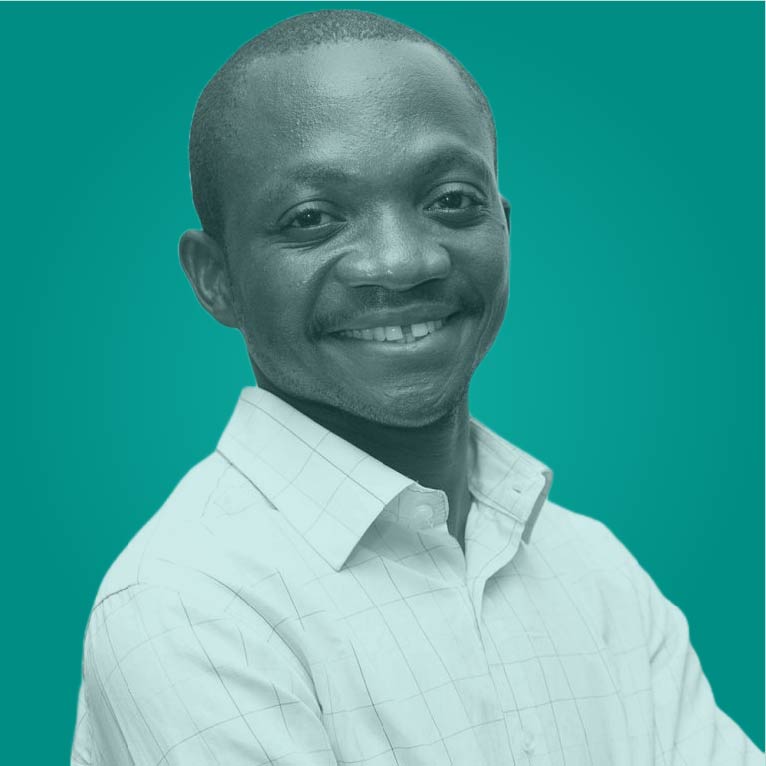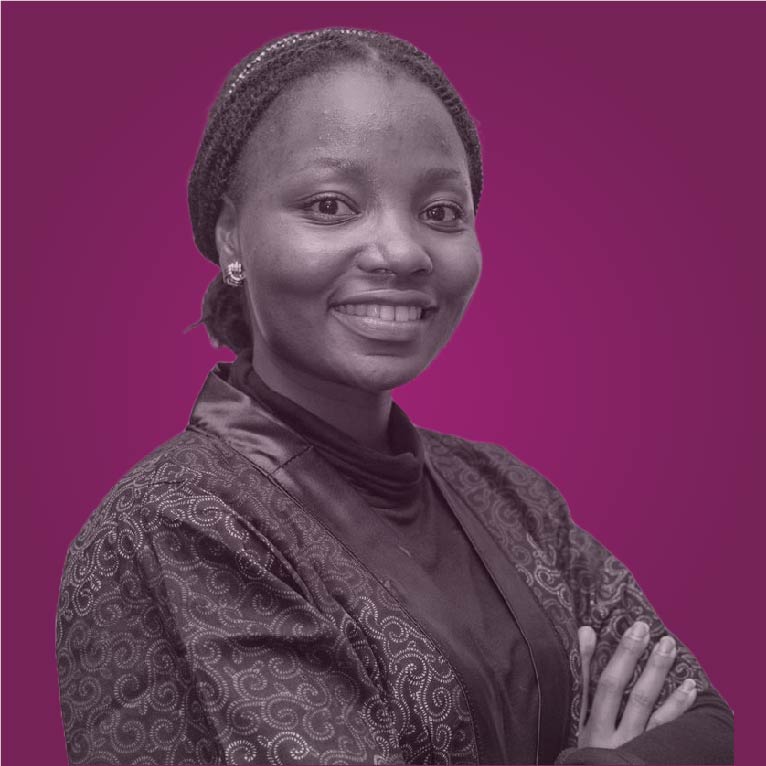
Over the past two weeks, Amahoro Coalition teams travelled across Kenya, Uganda, Ethiopia, the Democratic Republic of Congo, Ghana, Nigeria, and South Africa to meet fellows. We spent time with them on site, seeing how their businesses run day to day and the markets they serve. The insights that follow draw from those visits and set out what we learned about how these businesses are growing.
Lubumbashi (DRC): Processing is where the real margin is
Lubumbashi is the second largest city in the Democratic Republic of Congo. It’s nestled in the Katanga copperbelt, where mining draws in labour and capital. As the city expands, so does the pressure for reliable food supply.
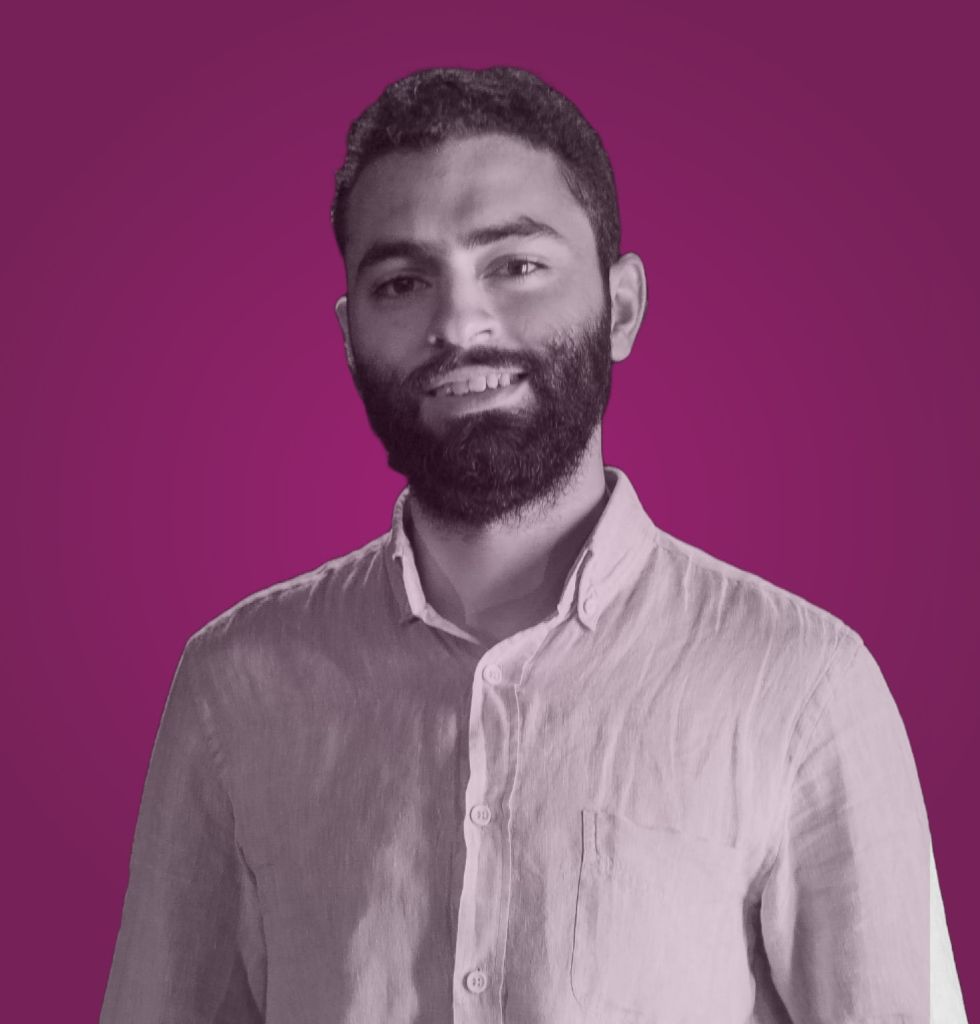
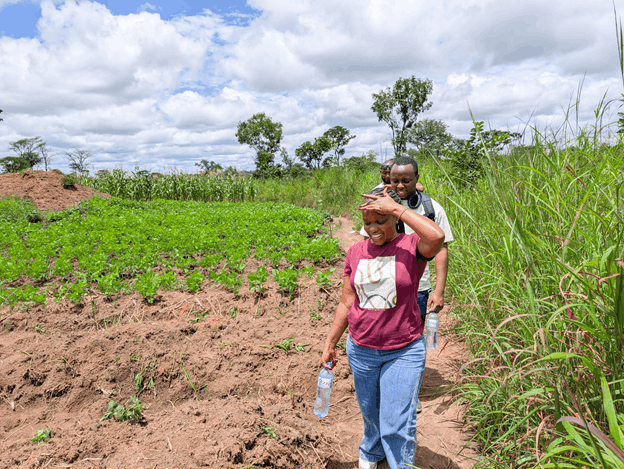
In this setting, our team visited Espoir Bahirwe, who is building Agrownest. The agricultural enterprise cultivates maize, beans, and cassava, while supplying inputs and training to smallholder farmers in the area. Agrownest operates on 40 hectares of land. Five hectares are currently under cultivation as the rest get prepared for expansion. Across its operations, the business has created work for 136 people, from seasonal field crews to a small permanent team. All of them are Internally Displaced Persons within DRC.
What stood out for Julius and Tilda was how the business is evolving beyond cultivation and positioning itself further up the value chain.
In this setting, our team visited Espoir Bahirwe, who is building Agrownest. The agricultural enterprise cultivates maize, beans, and cassava, while supplying inputs and training to smallholder farmers in the area. Agrownest operates on 40 hectares of land. Five hectares are currently under cultivation as the rest get prepared for expansion. Across its operations, the business has created work for 136 people, from seasonal field crews to a small permanent team. All of them are Internally Displaced Persons within DRC.
What stood out for Julius and Tilda was how the business is evolving beyond cultivation and positioning itself further up the value chain.
Agrownest is already producing into a market that is large, active, and undersupplied. The DRC imports up to 1 million tonnes of maize annually, mostly from Zambia, and Espoir is building to supply that demand. But production is only one part. Most of the value is captured after the harvest, so Espoir plans to set up a maize processing facility to produce flour for the Lubumbashi market.
“At current projections, we’re targeting 23 metric tonnes a month, with costs at around $9,100 and revenues of $13,000. We already have retail relationships in place and will distribute in 25 kg bags,” he tells Julius.
This move changes how the business captures value. Instead of selling raw output, Agrownest will now process and supply directly into retail, participating across production, processing, and distribution. It will also expand the structure of the business, creating roles across milling operations, packaging, quality control, warehousing, and last-mile distribution.
“At current projections, we’re targeting 23 metric tonnes a month, with costs at around $9,100 and revenues of $13,000. We already have retail relationships in place and will distribute in 25 kg bags,” he tells Julius.
This move changes how the business captures value. Instead of selling raw output, Agrownest will now process and supply directly into retail, participating across production, processing, and distribution. It will also expand the structure of the business, creating roles across milling operations, packaging, quality control, warehousing, and last-mile distribution.
Accra (Ghana): Distribution barriers don’t hold when technology is in play
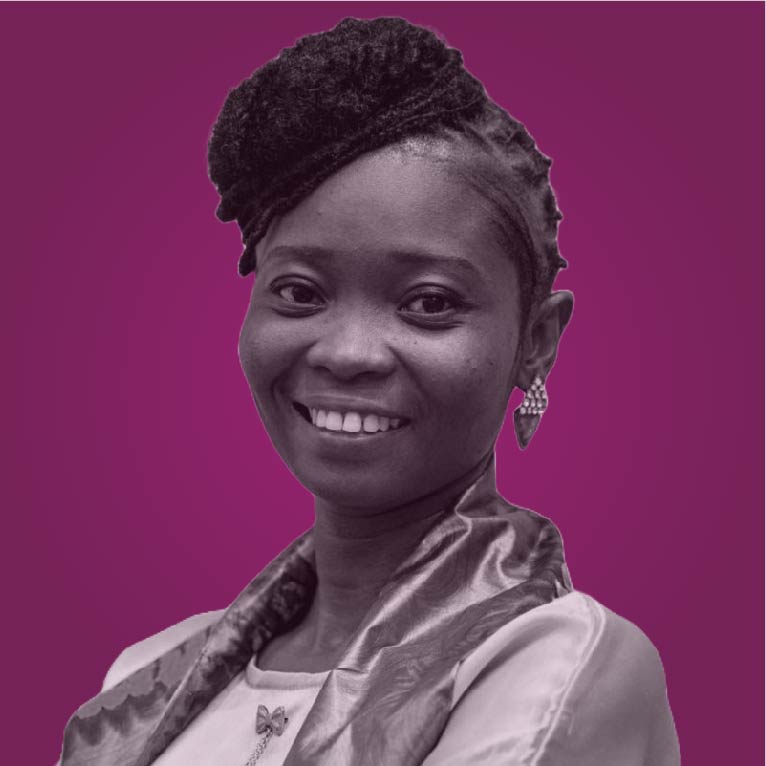
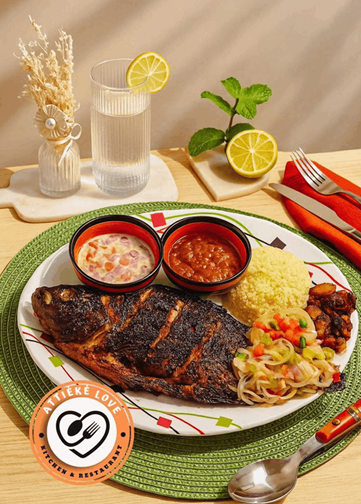
Attiéké, a fermented cassava dish from Côte d’Ivoire, is widely consumed across West Africa. For Grace Bogui, who was displaced from Côte d’Ivoire to Ghana, it became the foundation of her business.
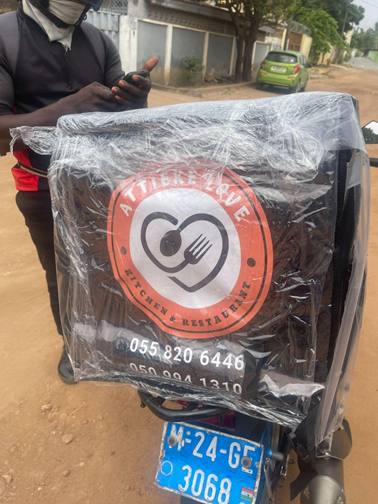
In Accra, she runs Attiéké Love, a home-based food delivery business that started in her dorm room. Michael, leading our fellowship team in Ghana, visited her business in Achimota, Accra.
From a home kitchen, the business generates around GHS 58,000 a month, producing 25 to 30 plates a day at about 35 percent margins. Grace traces the growth to taking control of how orders are received and fulfilled.
“Our growth came from tightening control over how orders come in,” Grace tells Michael. “Bringing delivery in-house with a motorcycle meant orders no longer depended on third parties. Then, partnering with Bolt Food pushed us into a wider customer base almost overnight.” “Social media has stopped being marketing and has become the storefront,” she adds. “It now drives more than 80 percent of our daily orders, and we’re able to deliver all the way to the UK and Canada.”
To deliver efficiently, the business employs five staff directly and works with about 10 delivery riders every day. It reaches roughly 240 riders a month and creates over 250 income opportunities across its value chain.
In Accra, she runs Attiéké Love, a home-based food delivery business that started in her dorm room. Michael, leading our fellowship team in Ghana, visited her business in Achimota, Accra.
From a home kitchen, the business generates around GHS 58,000 a month, producing 25 to 30 plates a day at about 35 percent margins. Grace traces the growth to taking control of how orders are received and fulfilled.
“Our growth came from tightening control over how orders come in,” Grace tells Michael. “Bringing delivery in-house with a motorcycle meant orders no longer depended on third parties. Then, partnering with Bolt Food pushed us into a wider customer base almost overnight.” “Social media has stopped being marketing and has become the storefront,” she adds. “It now drives more than 80 percent of our daily orders, and we’re able to deliver all the way to the UK and Canada.”
To deliver efficiently, the business employs five staff directly and works with about 10 delivery riders every day. It reaches roughly 240 riders a month and creates over 250 income opportunities across its value chain.
For Attiéké Love, technology has already improved how the business reaches its customers. Distribution is no longer tied to location or foot traffic. What comes next is capital.
With Amahoro Fellowship funding, Grace’s monthly sales grew from GHS 8,000 to GHS 58,000, with projected annual profits of over GHS 240,000. She is now planning a move into a larger kitchen, where she’ll need 10–12 additional staff. She’ll also set up a local attiéké production chain linked to more than 30 cassava farmers in Accra. This way, she’ll no longer have to import from Côte d’Ivoire
This next phase depends on funding that matches that pace, allowing her to increase output, expand its supply chain, and reach more customers. As Michael noted, “The enterprise has demonstrated commercial viability and has strong potential to create additional employment across the value chain.”
With Amahoro Fellowship funding, Grace’s monthly sales grew from GHS 8,000 to GHS 58,000, with projected annual profits of over GHS 240,000. She is now planning a move into a larger kitchen, where she’ll need 10–12 additional staff. She’ll also set up a local attiéké production chain linked to more than 30 cassava farmers in Accra. This way, she’ll no longer have to import from Côte d’Ivoire
This next phase depends on funding that matches that pace, allowing her to increase output, expand its supply chain, and reach more customers. As Michael noted, “The enterprise has demonstrated commercial viability and has strong potential to create additional employment across the value chain.”
Cape Town (South Africa): Financing for refugee businesses should evolve with scale
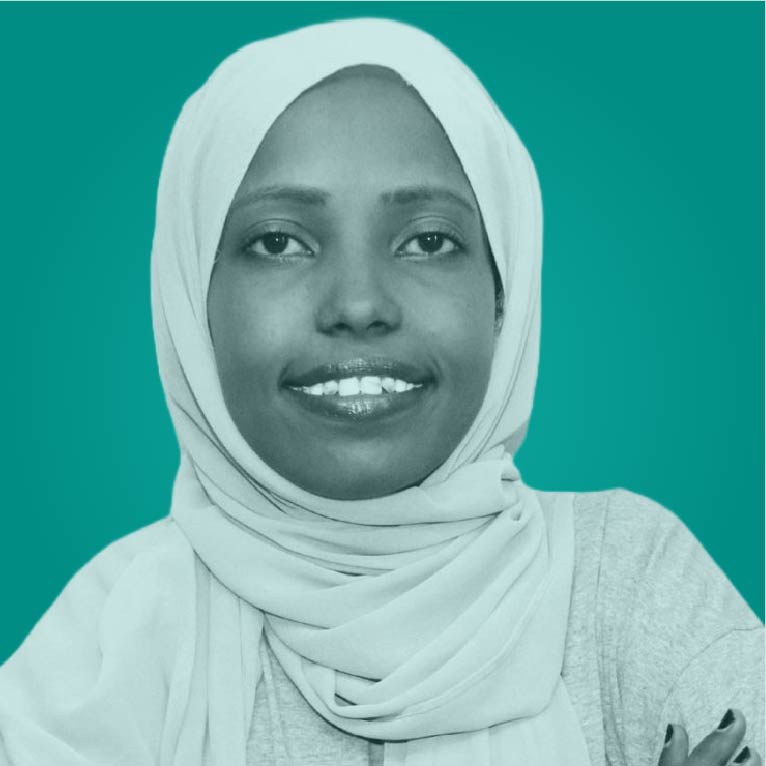
In Cape Town, Ariane runs Oasis Inclusive Center, a business that combines school transport for children with autism and inclusive tourism.
She built it from her own experience as a parent of a child with autism. And she’s leveraged that trust to get referrals from hospitals, repeat clients, and a steady stream of new families looking for specialised support.
She built it from her own experience as a parent of a child with autism. And she’s leveraged that trust to get referrals from hospitals, repeat clients, and a steady stream of new families looking for specialised support.
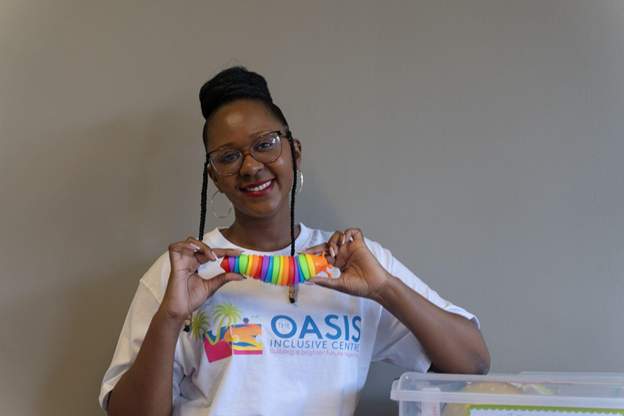
School transport runs twice a day, serving 18 children who each pay $270 per month. Between those routes, the same vehicle is used for guided tours to Table Mountain and Robben Island, generating over $7,000 a month through online bookings.
Today, the business generates close to $10,000 a month, employs four full-time staff, and works with up to 15 part-time drivers. Demand is already ahead of capacity. Parents are waiting for transport slots, and tour bookings depend on when the vehicle is available.
Today, the business generates close to $10,000 a month, employs four full-time staff, and works with up to 15 part-time drivers. Demand is already ahead of capacity. Parents are waiting for transport slots, and tour bookings depend on when the vehicle is available.