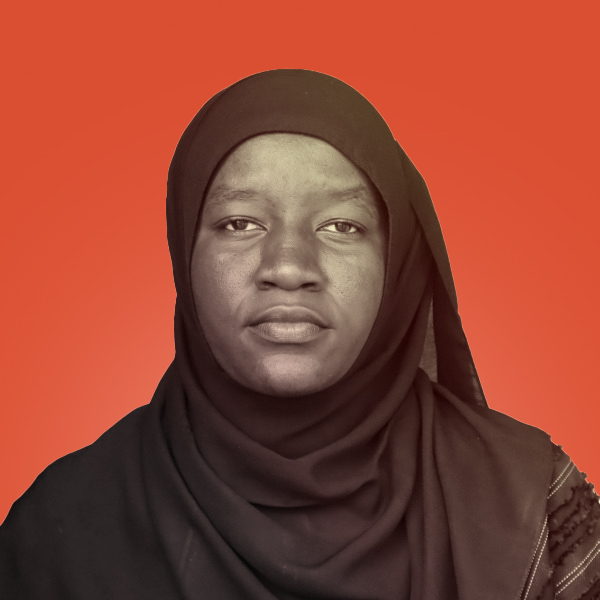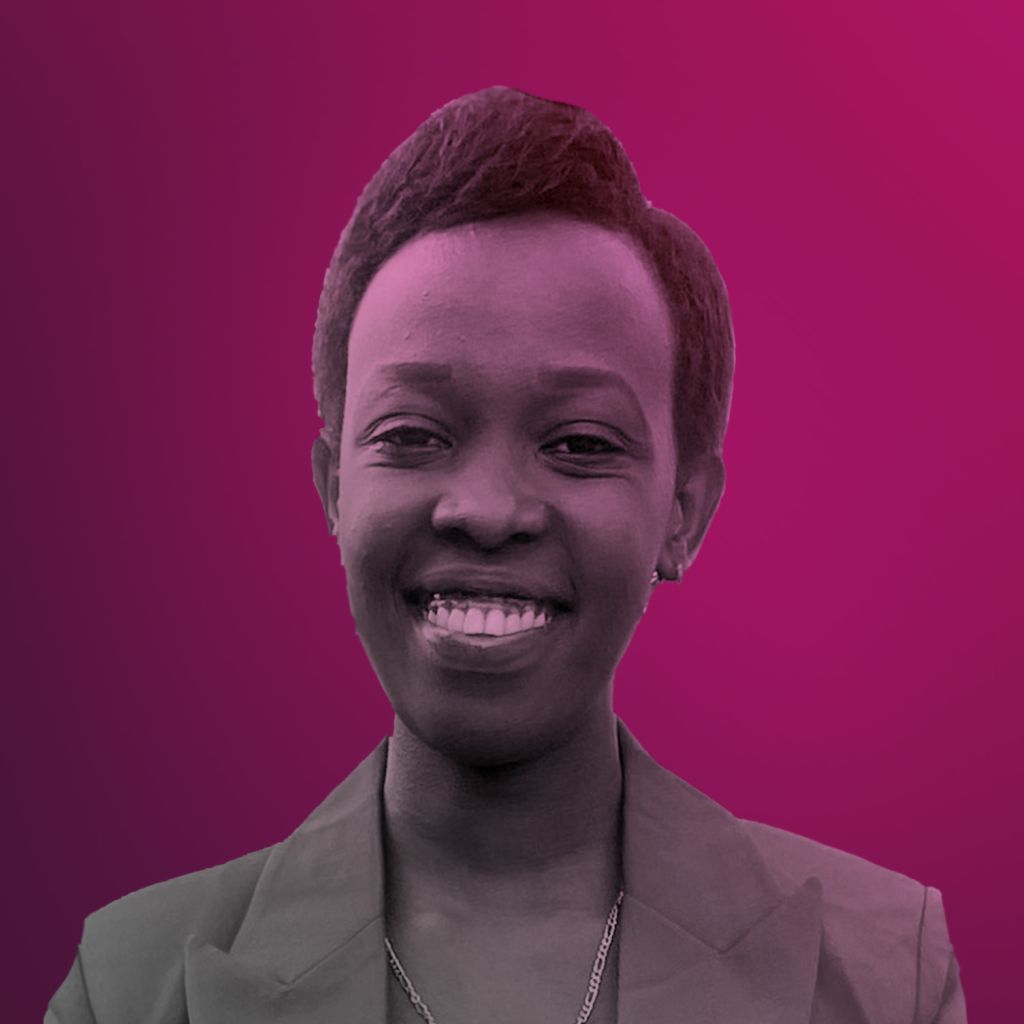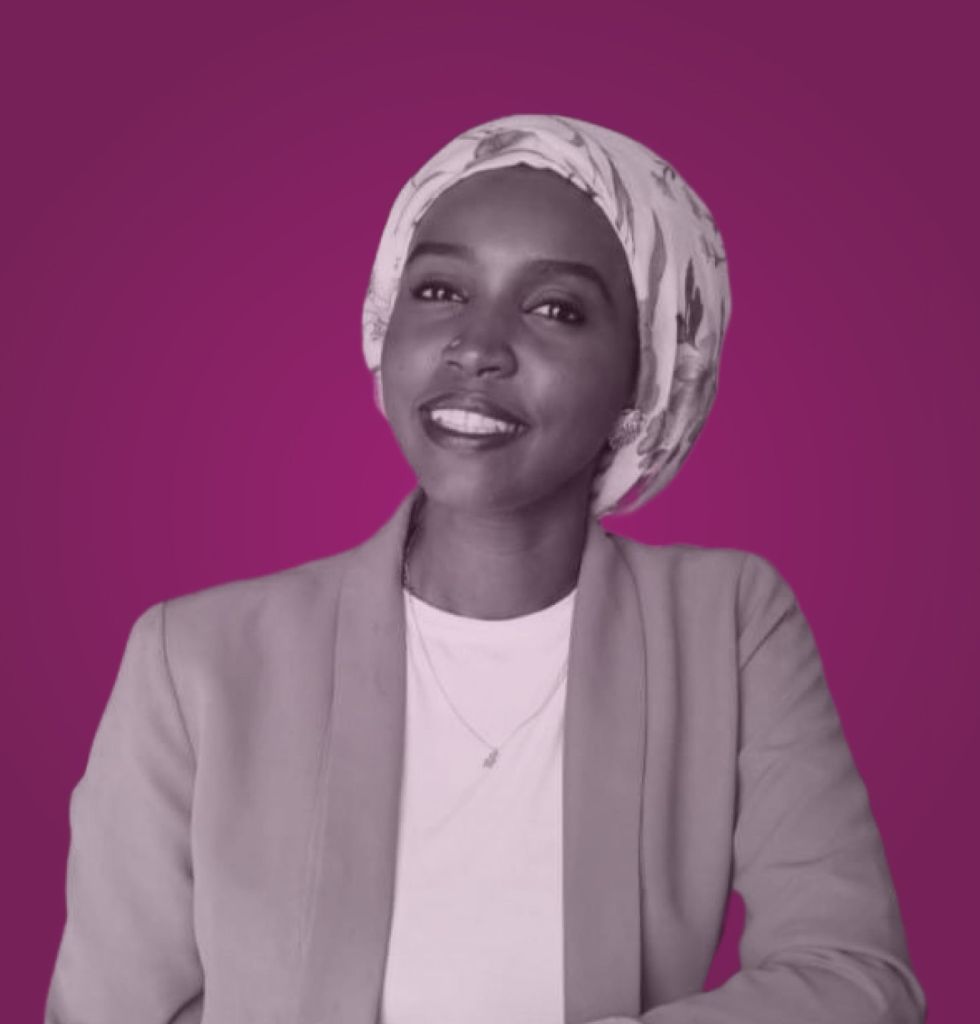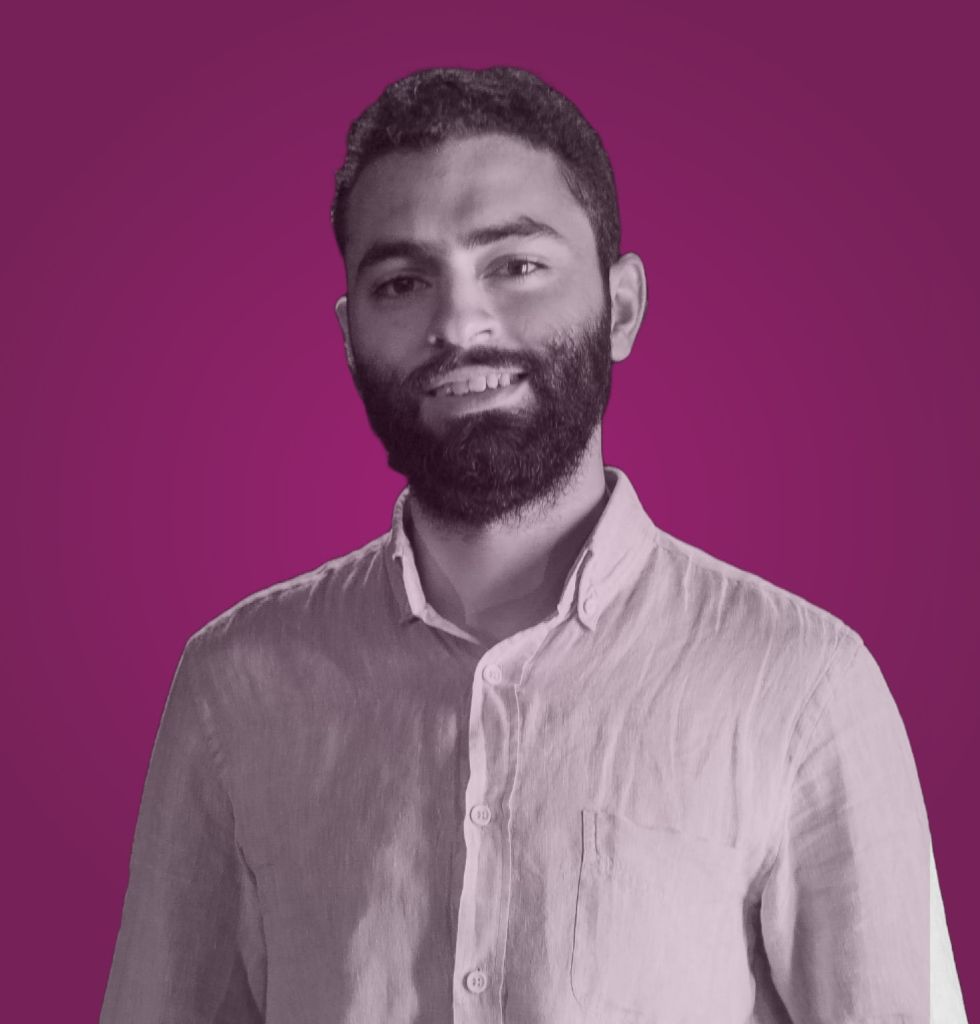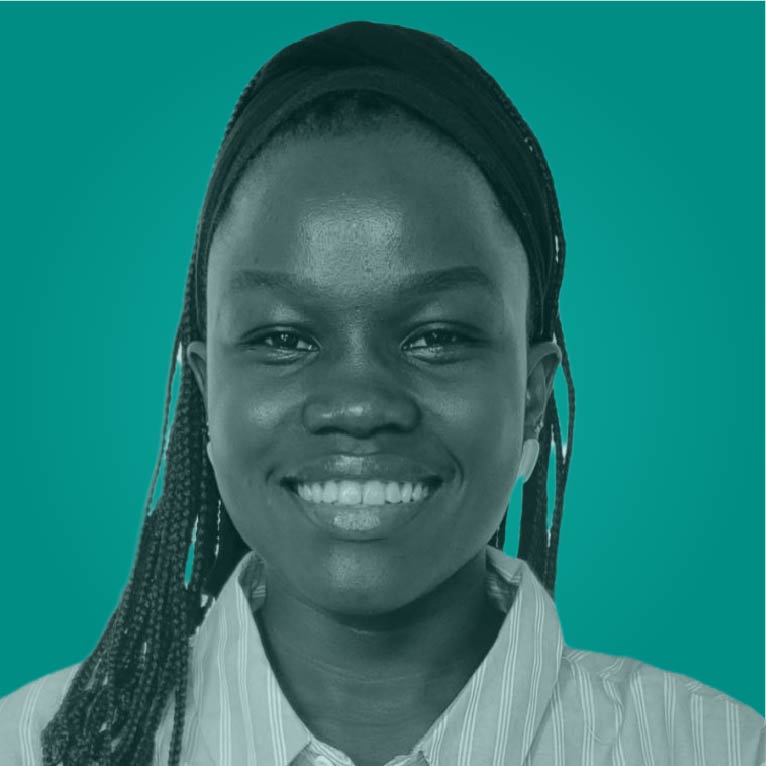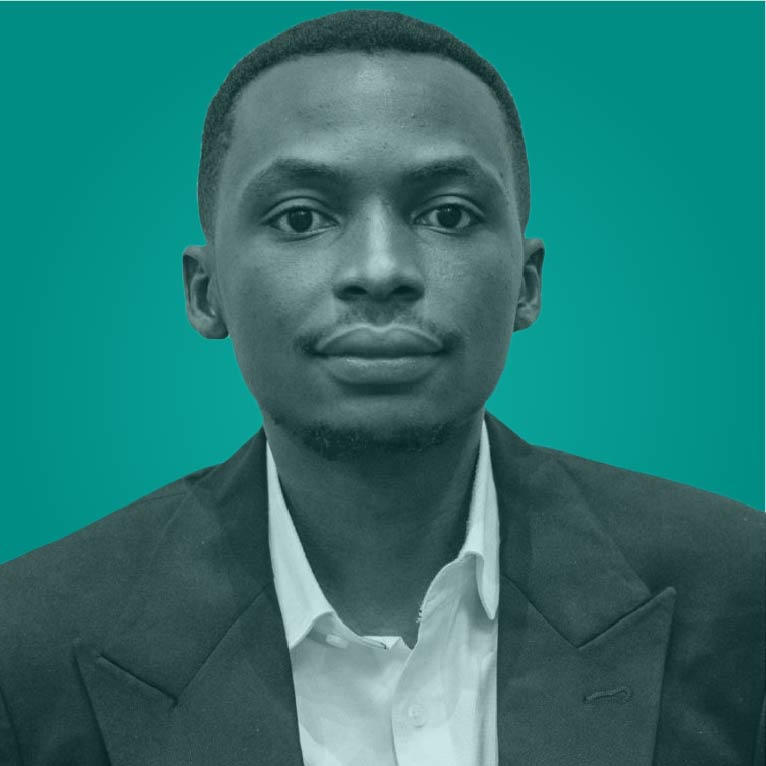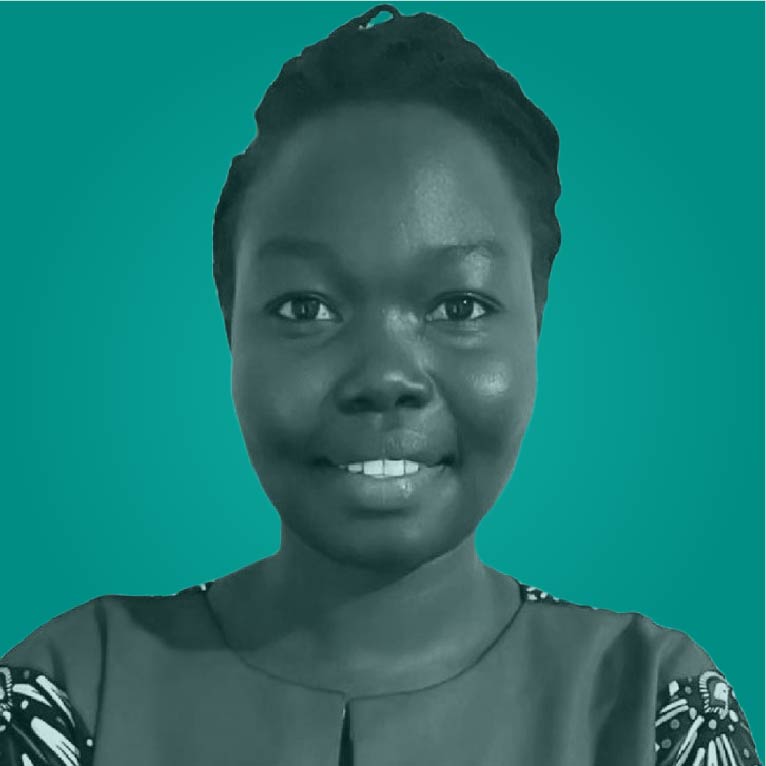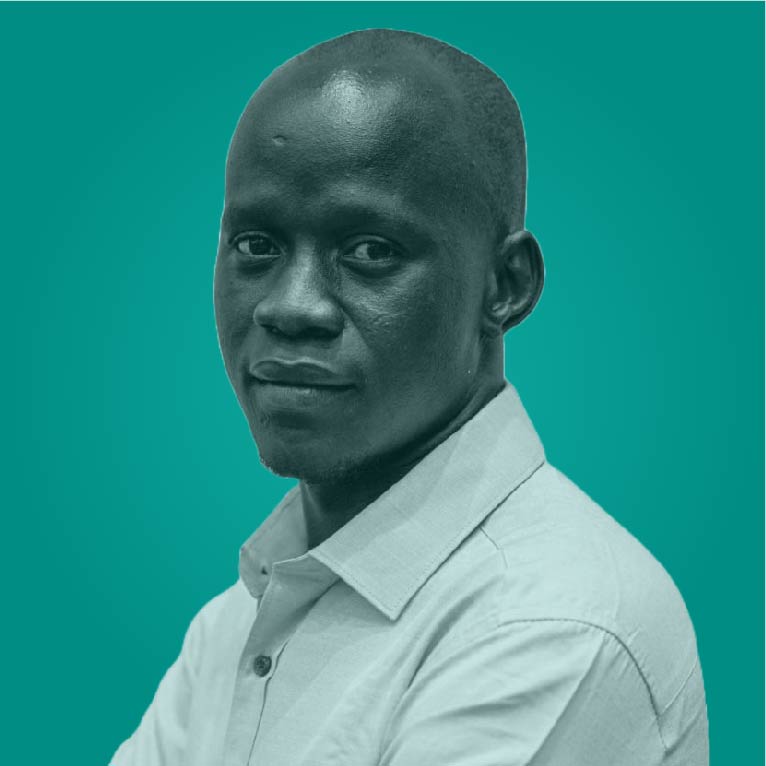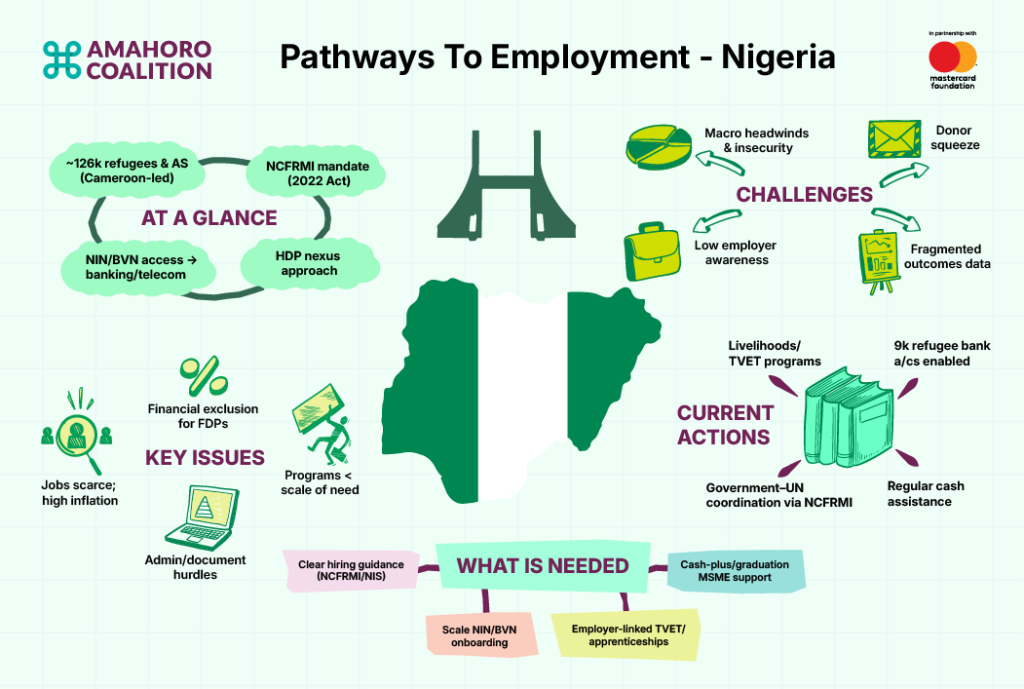
An economic transformation is taking shape within Nigeria’s forcibly displaced population. Across the country, which is home to over 3.6 million internally displaced people, an entrepreneurial spirit is taking root, strengthening local economies, building new industries, and creating jobs.
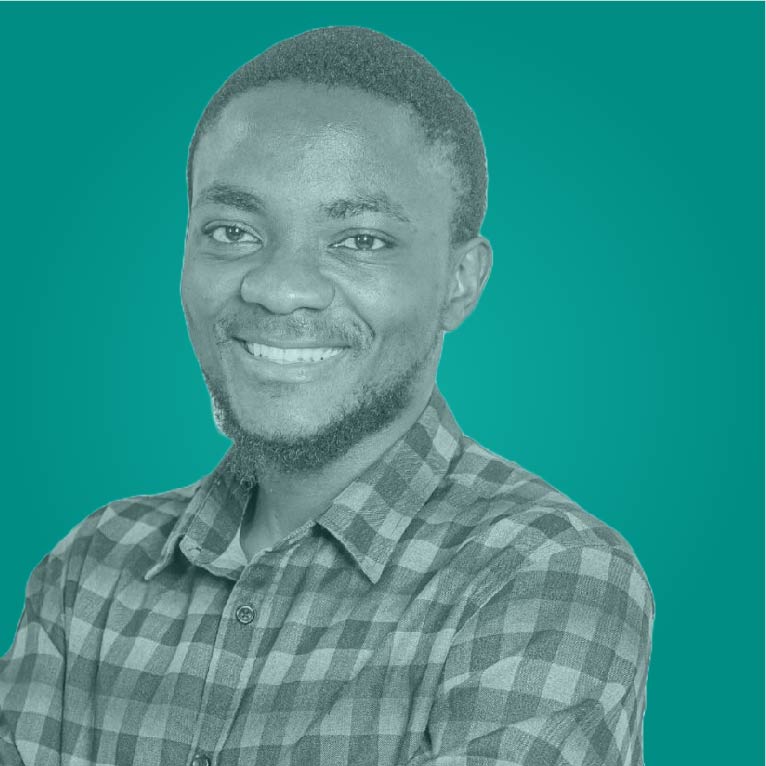
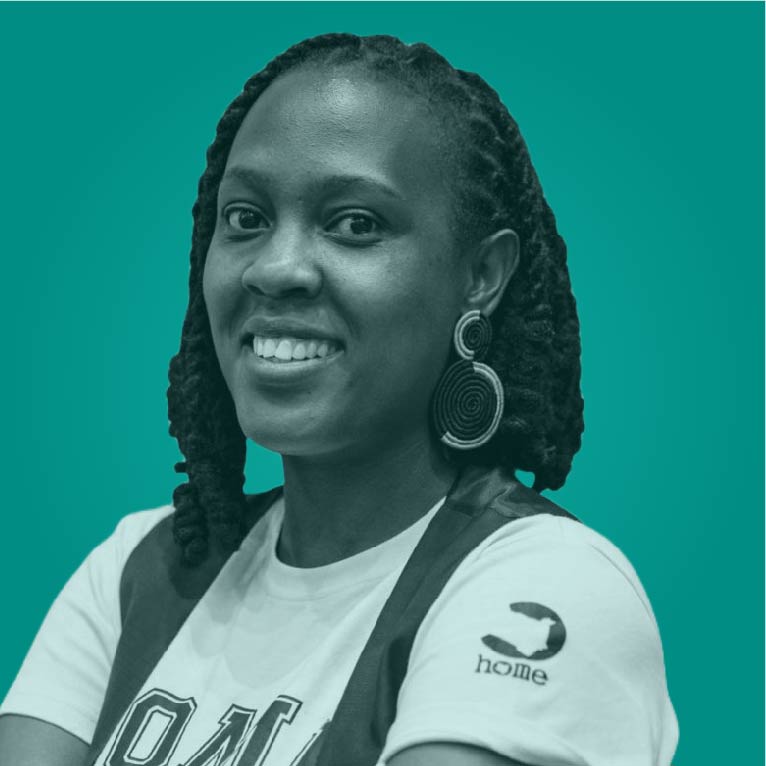
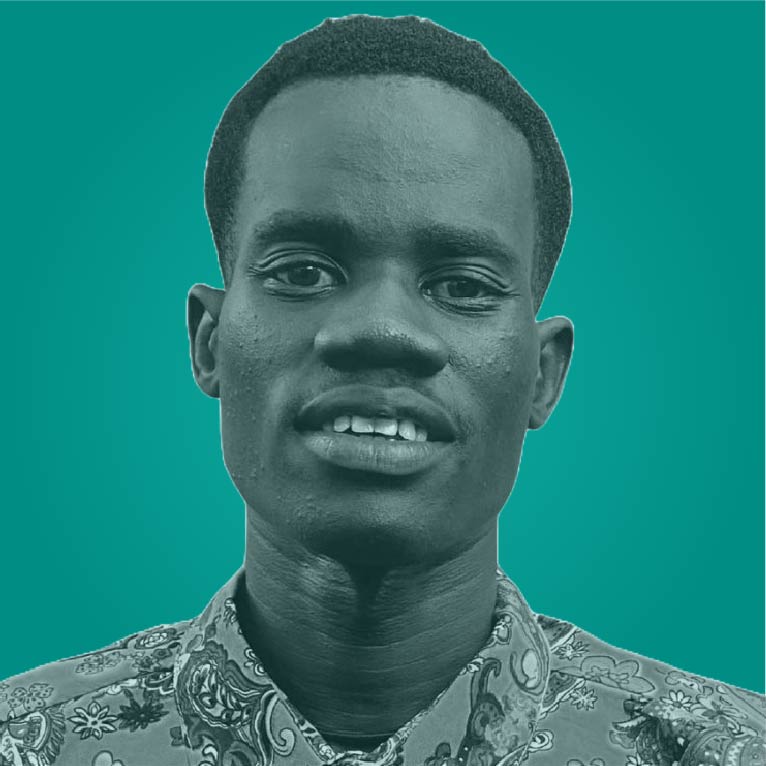
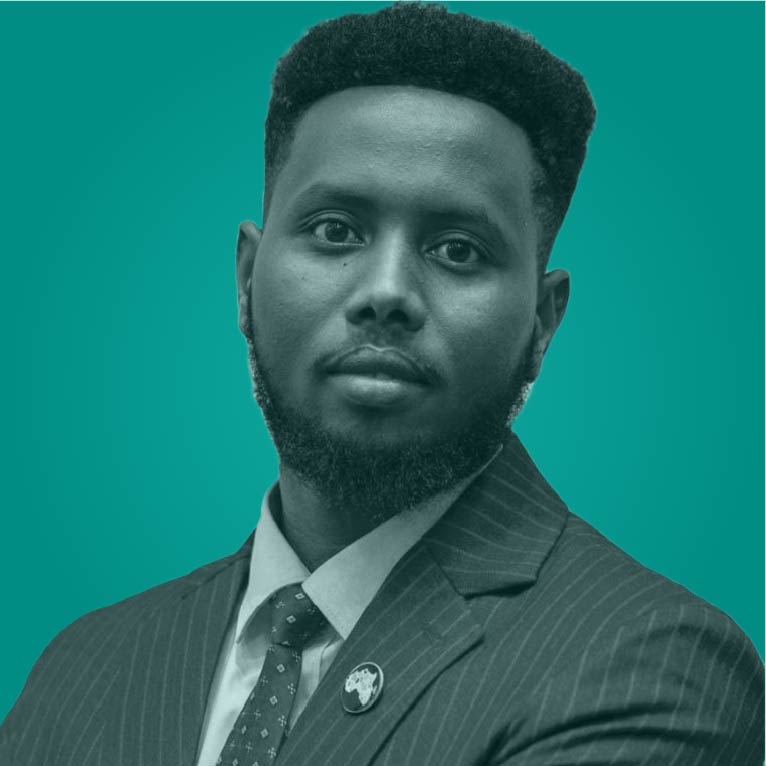
In the midst of this economic shift are ten Amahoro Coalition fellows who have collectively created 866 jobs in diverse sectors including recycling, clean energy, mobile healthcare, housing, digital skills, interfaith peacebuilding, and enterprise finance.
Nigeria’s displacement economy is no longer just a concept; it is a structured, operational market brimming with opportunity.
In the midst of this economic shift are ten Amahoro Coalition fellows who have collectively created 866 jobs in diverse sectors including recycling, clean energy, mobile healthcare, housing, digital skills, interfaith peacebuilding, and enterprise finance.
Nigeria’s displacement economy is no longer just a concept; it is a structured, operational market brimming with opportunity.
Circular Economy and Resource Recovery
Nigeria generates an estimated 2.5 million tonnes of plastic waste annually. Less than 10% is recycled. The rest enters waterways, clogs drainage systems, and accumulates in communities that are already navigating the compounding pressures of displacement. The cost is not only environmental, it is economic. Waste that is not recovered is value that is lost.
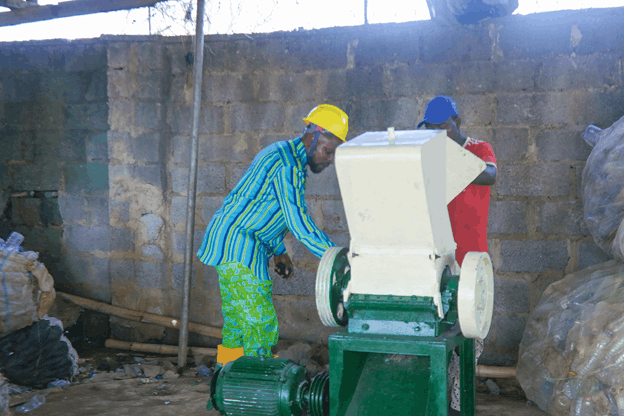
Agwu Kalu Ibe saw that equation and built a business around reversing it. His Abuja-based LevelUp Recyclers, founded in 2020, employs 670 people, predominantly displaced women and youth, to collect, sort, and convert plastic waste into economic value. LevelUp is rapidly expanding its footprint across urban and peri-urban waste recovery markets, building the infrastructure that a cleaner and more circular Nigerian economy will require.
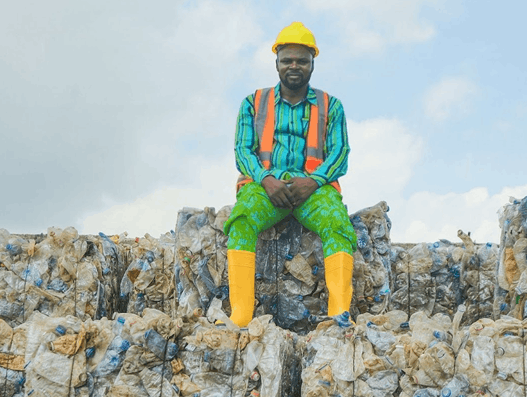
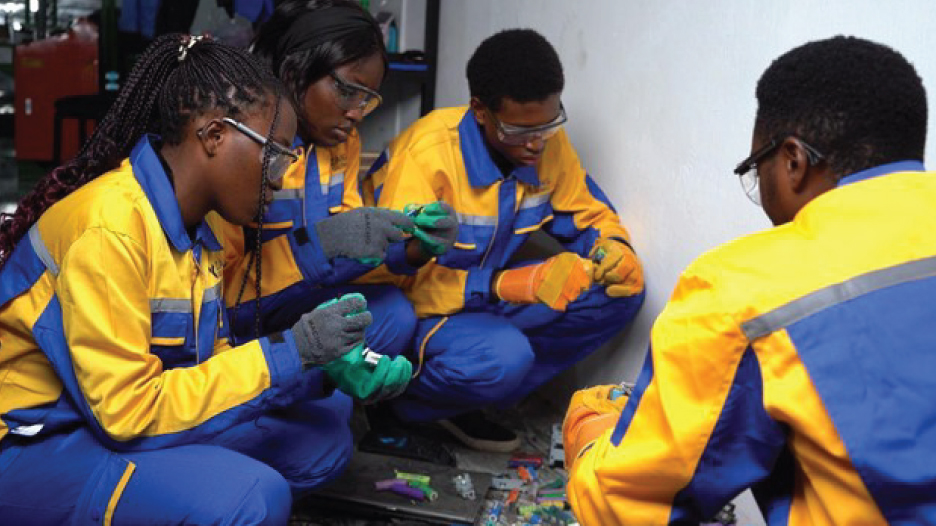
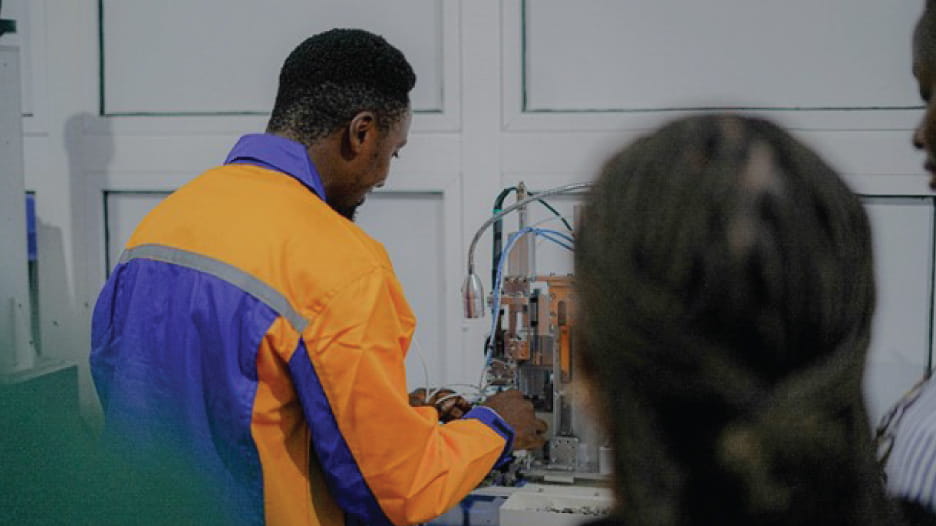
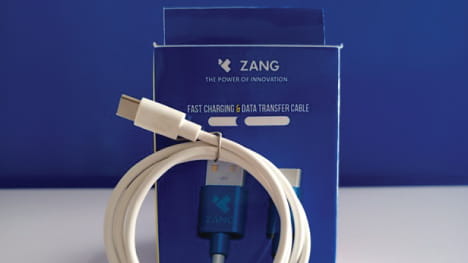
In Jos, Plateau State, Zang Luka’s Zang Global Limited is solving a different but equally familiar problem. Nigeria has one of the lowest electricity access rates in the world. For the estimated 80 million Nigerians who rely on generators as their primary power source, fuel costs alone can consume up to 30% of household income. In displacement contexts, where income is already constrained, unreliable power is not an inconvenience, it is a barrier to work, learning, and commerce. Zang Global has created 127 jobs transforming e-waste into power banks, chargers, USB cables, and solar lamps: affordable, portable energy for communities that cannot wait for the grid.
Kabir Olaosebikan’s Craft Planet takes plastic waste a step further. Converting it into durable, interlocking construction blocks for road pavement, flooring, and roofing. In communities where shelter is precarious and construction materials are expensive, Craft Planet simultaneously addresses a waste disposal problem and a housing deficit.
Nzem Luka’s Zang Mineral Resources Limited strengthens local supply chains through sustainable mineral processing, ensuring that value stays inside displacement-affected communities rather than flowing out as unprocessed raw material.
Accounting for 797 jobs, these ventures give one clear signal: the circular economy in Nigeria’s displacement zones is not a pilot. It is an industry.
Accounting for 797 jobs, these ventures give one clear signal: the circular economy in Nigeria’s displacement zones is not a pilot. It is an industry.
Financial Services & Digital Workforce Development
Beyond production, Nigeria’s displacement economy is also building financial and human capital systems.
Ayuk Peterkings Ayuk arrived in Nigeria’s Adagon settlement as a refugee from Cameroon, having previously owned four businesses and employed 22 people. Rather than rebuild alone, he built a system.
Through Help the Less Privileged Foundation, he has created 14 jobs, trained over 350 women and established a revolving, interest-free loan model that circulates capital between entrepreneurs based on trust. This fills the gap left by formal financial institutions that need collateral from borrowers.That model has since evolved into Help Partnership Limited, a for-profit advisory firm that co-invests in refugee and host community businesses and shares in the returns. His target is clear: 5,000 businesses within a decade, serving a market of over 260,000 people.
Through Help the Less Privileged Foundation, he has created 14 jobs, trained over 350 women and established a revolving, interest-free loan model that circulates capital between entrepreneurs based on trust. This fills the gap left by formal financial institutions that need collateral from borrowers.That model has since evolved into Help Partnership Limited, a for-profit advisory firm that co-invests in refugee and host community businesses and shares in the returns. His target is clear: 5,000 businesses within a decade, serving a market of over 260,000 people.
At the same time, Precious Chinedu Azuonwu’s Bankable Wisdom e-learning platform is equipping underserved and displaced youth with digital skills and connecting them to remote work opportunities.
The platform has over 75,000 users from 32 countries across the globe.
The platform has over 75,000 users from 32 countries across the globe.
Sani Saidu Muhammad’s Macrissar Foundation extends this further by combining education, digital skills, healthcare, and climate-focused support to address the layered barriers displaced women face.
Healthcare & Social Infrastructure
Several enterprises are also addressing structural gaps in essential services – areas where private sector engagement remains both limited and critical. The country has the highest out-of-pocket healthcare costs in sub-Saharan Africa. With roughly four doctors per 10,000 people, well below the WHO’s recommended ten, that ratio worsens sharply outside major cities.
In the northeast, where displacement is most concentrated, health facilities were systematically destroyed during the Boko Haram insurgency and many have never been rebuilt. Communities navigating displacement are doing so with almost no fixed health infrastructure. People travel hours for basic care, skip it entirely, or turn to informal providers. In dense displacement settings, the consequences compound quickly – poor maternal outcomes, untreated chronic conditions, disease outbreaks with nowhere to stop.
Umeh Charles’ Parkers Mobile Clinic (PMC360) has created 55 jobs by taking healthcare directly to the communities that formal infrastructure never reaches. Through mobile clinics, telemedicine, and system partnerships, PMC360 delivers affordable care without requiring patients or providers to travel. For insurers, pharmaceutical companies, and digital health investors, PMC360 also solves a problem they have struggled with independently: last-mile access. The venture already has the distribution reach they need. The opportunity is to build on it.
While Noel Balogun Samuel’s Interfaith Women’s Network focuses on empowering displaced women and girls with disabilities, a constituency at the intersection of gender, disability, and displacement.
In the northeast, where displacement is most concentrated, health facilities were systematically destroyed during the Boko Haram insurgency and many have never been rebuilt. Communities navigating displacement are doing so with almost no fixed health infrastructure. People travel hours for basic care, skip it entirely, or turn to informal providers. In dense displacement settings, the consequences compound quickly – poor maternal outcomes, untreated chronic conditions, disease outbreaks with nowhere to stop.
Umeh Charles’ Parkers Mobile Clinic (PMC360) has created 55 jobs by taking healthcare directly to the communities that formal infrastructure never reaches. Through mobile clinics, telemedicine, and system partnerships, PMC360 delivers affordable care without requiring patients or providers to travel. For insurers, pharmaceutical companies, and digital health investors, PMC360 also solves a problem they have struggled with independently: last-mile access. The venture already has the distribution reach they need. The opportunity is to build on it.
While Noel Balogun Samuel’s Interfaith Women’s Network focuses on empowering displaced women and girls with disabilities, a constituency at the intersection of gender, disability, and displacement.
These ventures operate across health, education, and social systems. Each addressing a different constraint within the same economic environment.
A robust and functioning Economy
These ten businesses demonstrate that Nigeria’s displacement economy is already differentiated.
It has recycling enterprises, financial systems, digital workforce pipelines, healthcare providers, and housing innovators operating simultaneously. The next step is participation from investors, corporates, and partners ready to engage with an economy that is already proving its returns.
A robust and functioning Economy
These ten businesses demonstrate that Nigeria’s displacement economy is already differentiated.
It has recycling enterprises, financial systems, digital workforce pipelines, healthcare providers, and housing innovators operating simultaneously. The next step is participation from investors, corporates, and partners ready to engage with an economy that is already proving its returns.