Counterfeit and substandard medicine kills almost 500,000 people in sub-Saharan Africa each year. The World Health Organization estimates that treating patients harmed by these products costs between $12 million and $44.7 million annually for malaria care alone.
In Nigeria, one of Africa’s largest pharmaceutical markets, the challenge remains acute, with research showing that up to 15% of medicines in circulation are falsified or substandard.
In Nigeria, one of Africa’s largest pharmaceutical markets, the challenge remains acute, with research showing that up to 15% of medicines in circulation are falsified or substandard.

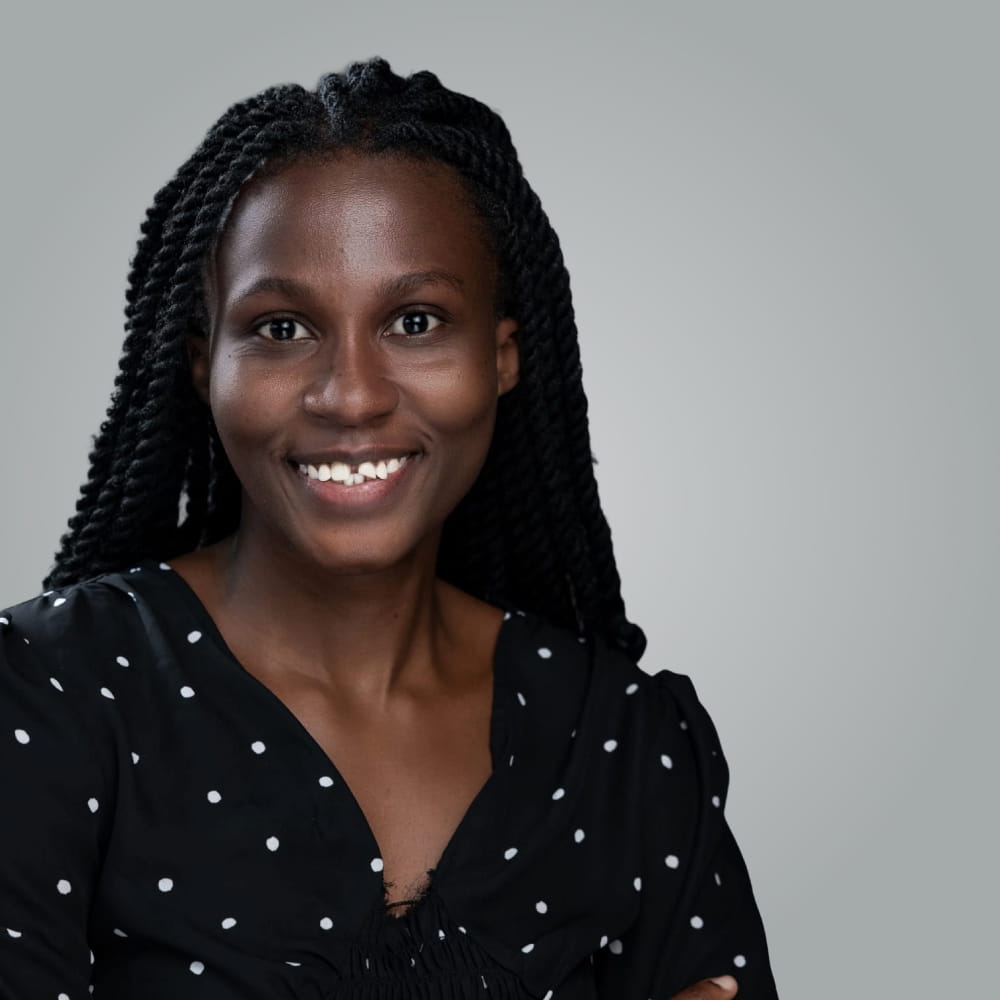
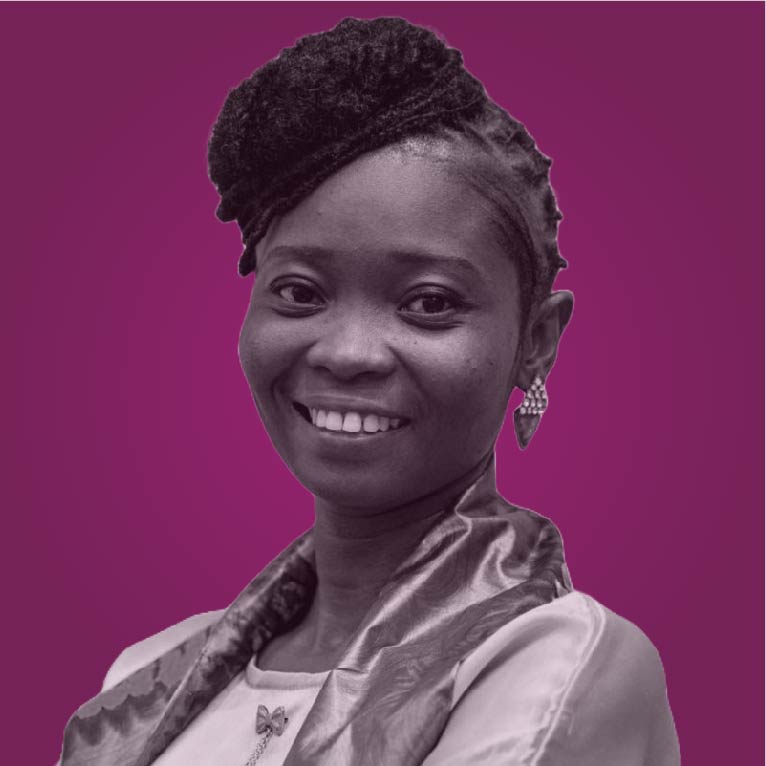
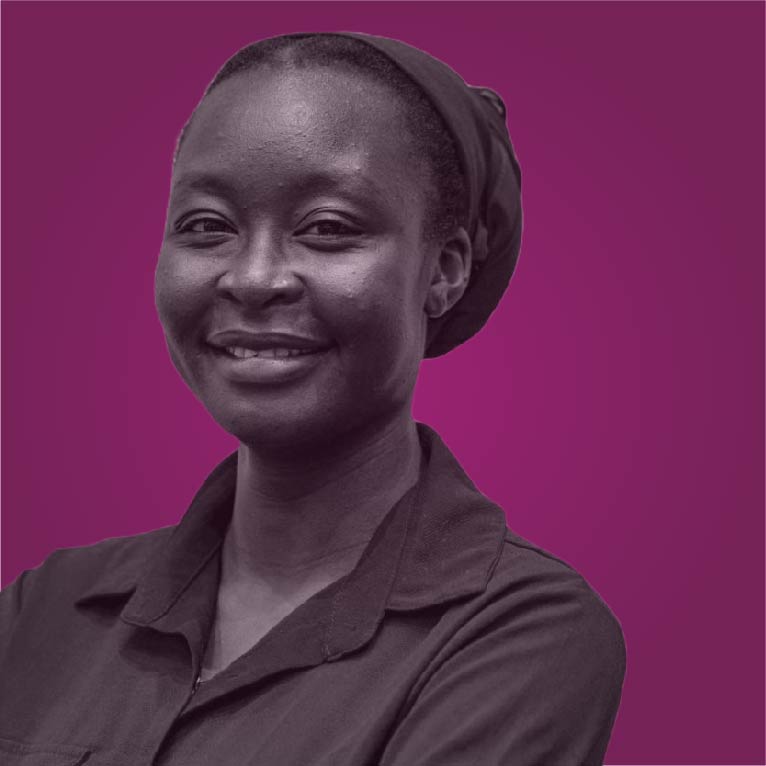
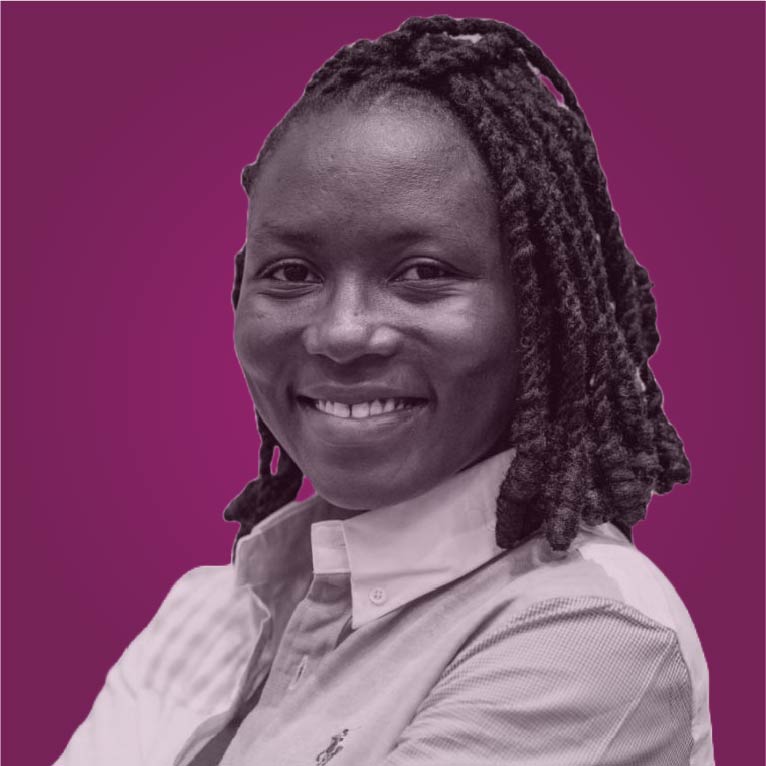
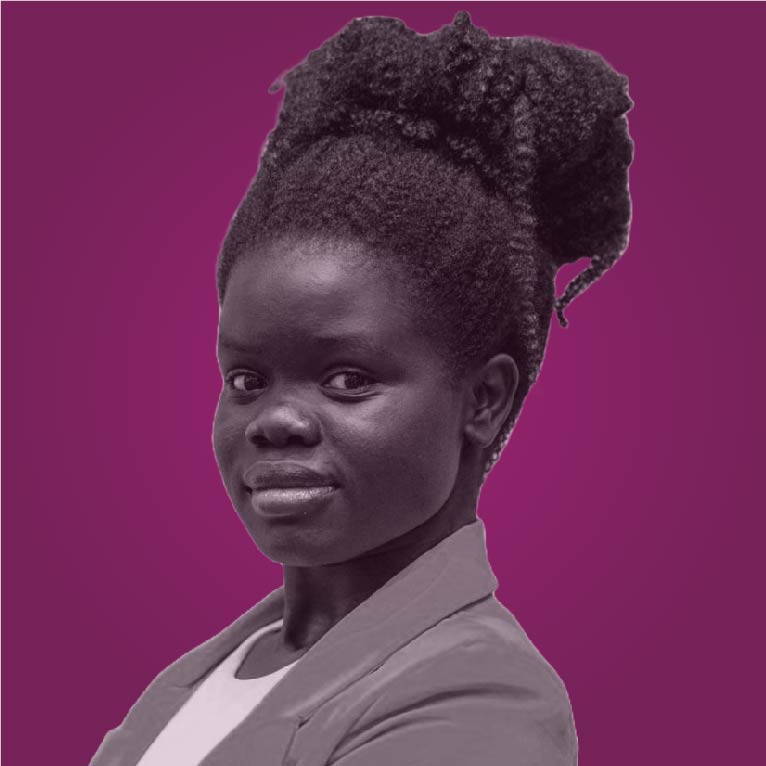
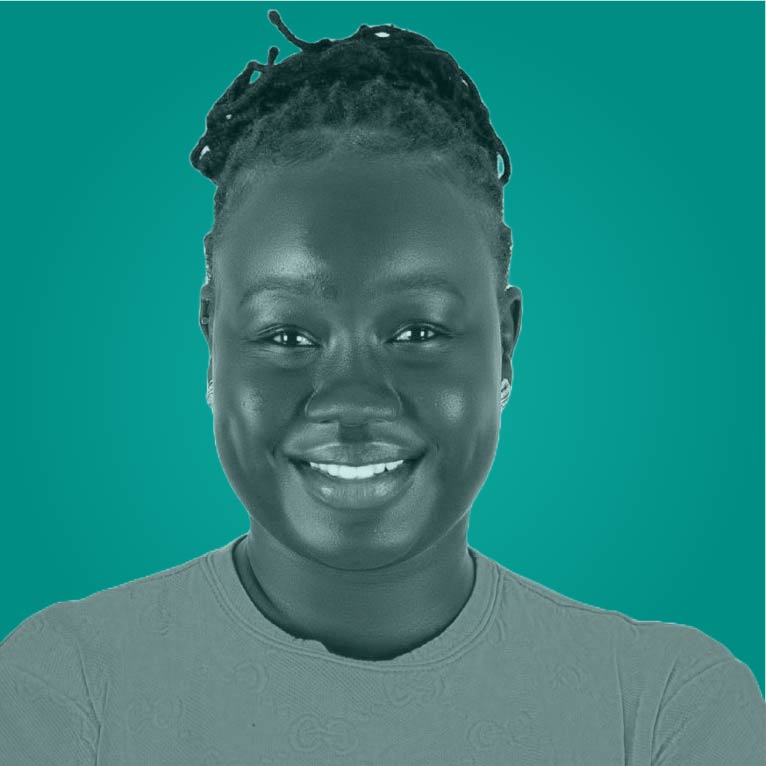
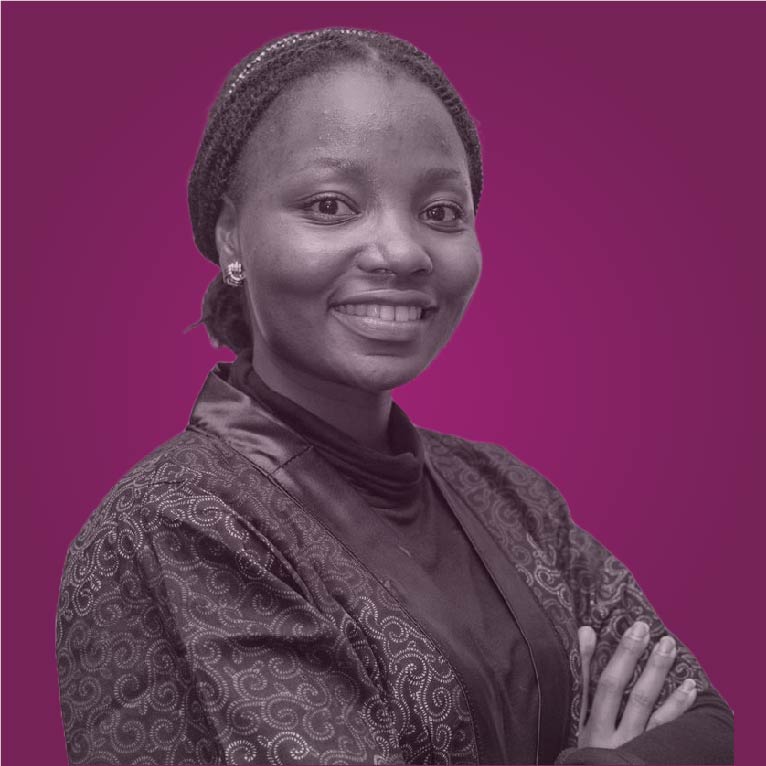
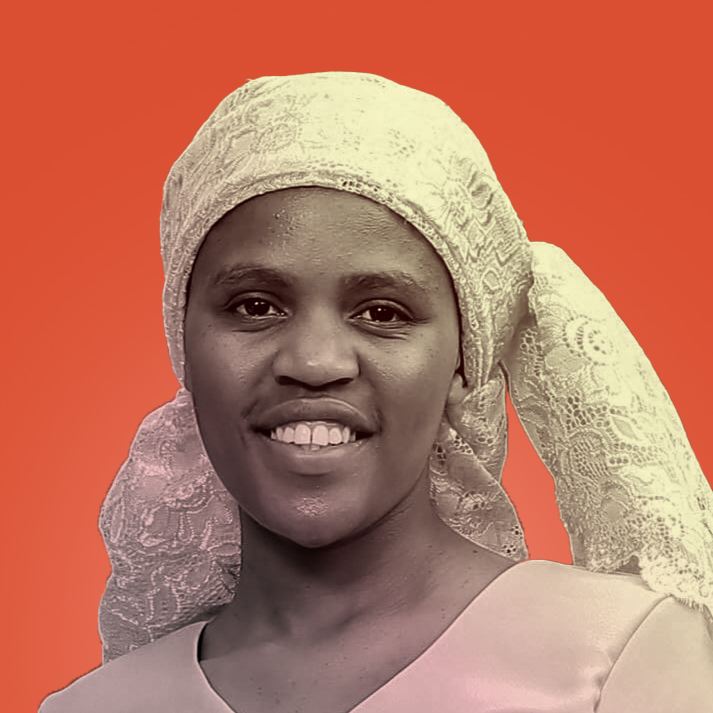
For Favour Agwuna, an Amahoro Coalition fellow, these statistics hit too close to home.
A friend died after taking counterfeit medication. The loss became personal proof of what weak pharmaceutical systems can cost.
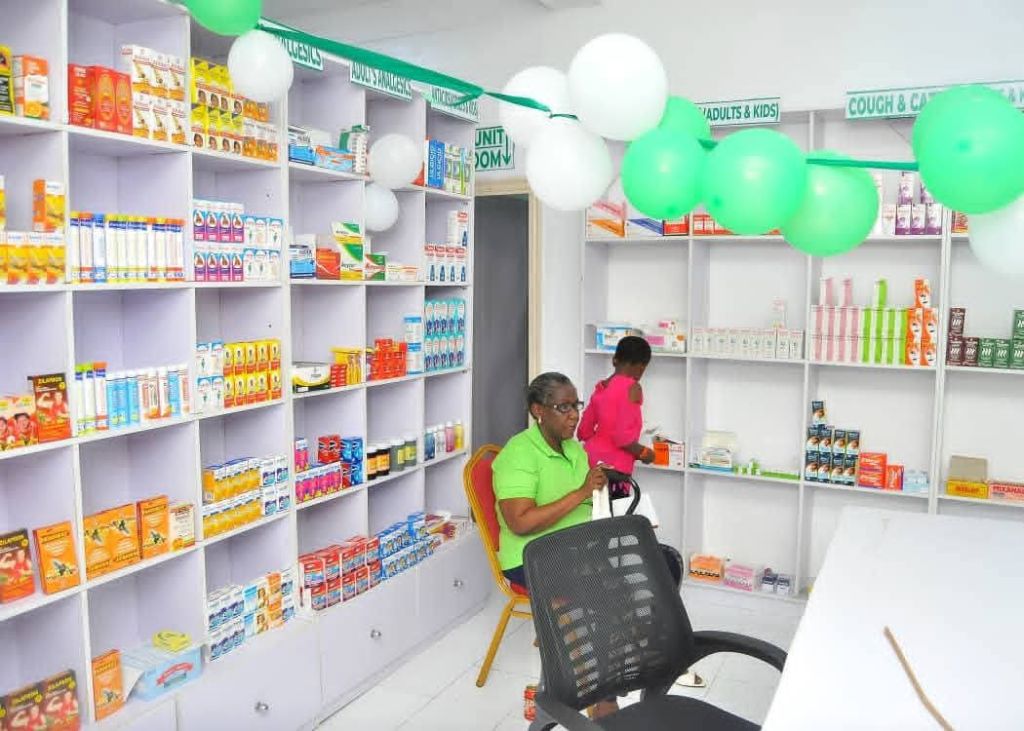
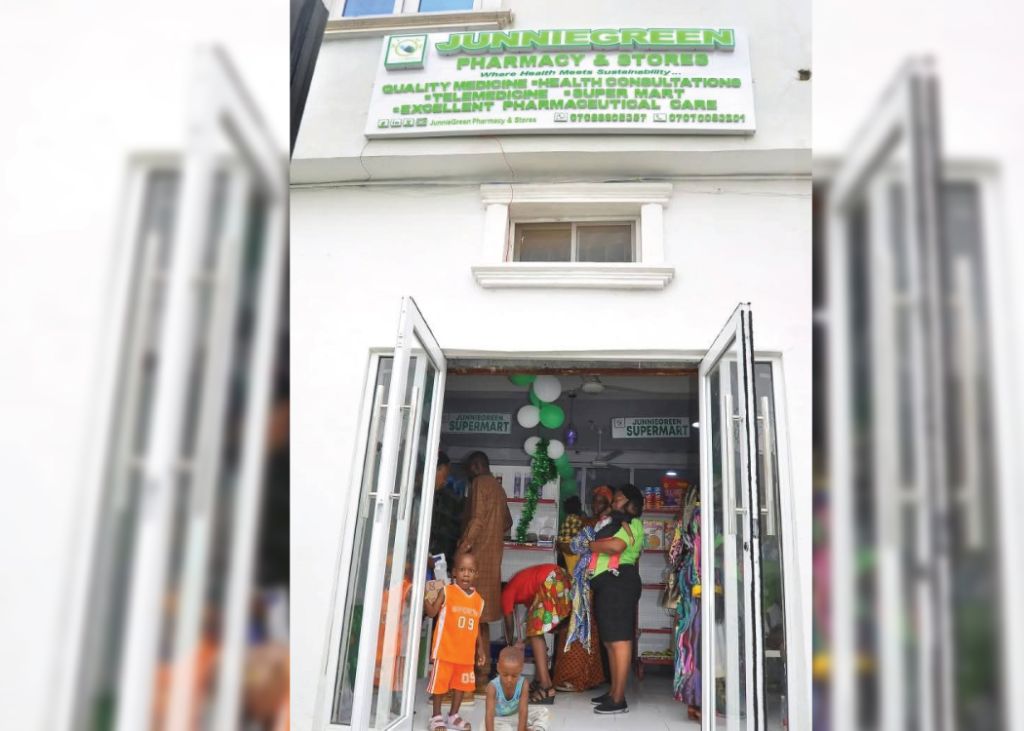
It is why she built JunnieGreen Pharmacy and Stores Nigeria Limited in Lagos, Nigeria.
A friend died after taking counterfeit medication. The loss became personal proof of what weak pharmaceutical systems can cost.
It is why she built JunnieGreen Pharmacy and Stores Nigeria Limited in Lagos, Nigeria.

A lot of counterfeit drugs are circulating in this country. My number one mission is to ensure that people get access to affordable and authentic medication.
Favour Agwuna Obianju
A graduate of University of Nigeria with a degree in pharmacy, Favour says clarity came during a one-year internship in 2024. Working inside an operating pharmacy showed her both the scale of demand and the gaps in trust, affordability, and patient care.
She had already learned something about disruption long before then.
After severe gully erosion destroyed her family home in eastern Nigeria, they relocated to Lagos. She later completed university on scholarship support, determined not to allow circumstance to define her trajectory.
She had already learned something about disruption long before then.
After severe gully erosion destroyed her family home in eastern Nigeria, they relocated to Lagos. She later completed university on scholarship support, determined not to allow circumstance to define her trajectory.
I don’t like anything to limit my potential.
Favour Agwuna Obianju
Favour’s lived experience of displacement did more than shape her resilience. It sharpened her understanding of how communities navigate disruption, distrust, and weak access to essential services. That insight now informs a pharmacy model built for markets traditional systems often fail to reach.
Trust as a Business Model
At the core of JunnieGreen is counterfeit drug mitigation. Every medicine dispensed is verified, and customers are educated on how to identify suspicious or falsified products themselves.
In many markets, trust is assumed. In healthcare, it must be earned repeatedly and for Favour, it is a competitive advantage.
Prevention, Not Just Prescriptions
Her second focus is digital health and preventive care.
The pharmacy offers consultations, home services, and partnerships for kidney and liver screening. It has also developed a loyalty-based care software system that gives customers some discounts on purchases, with savings accumulating over time.
This makes healthcare relationships long-term, not transactional. That approach matters in lower-income communities where cost often delays treatment until conditions worsen.
The pharmacy offers consultations, home services, and partnerships for kidney and liver screening. It has also developed a loyalty-based care software system that gives customers some discounts on purchases, with savings accumulating over time.
This makes healthcare relationships long-term, not transactional. That approach matters in lower-income communities where cost often delays treatment until conditions worsen.
Reaching the Communities Fixed Clinics Miss
Her third priority is expansion through mobility.
Favour’s long-term plan is to deploy mobile clinics carrying authentic medicines, health education, diagnostics, and digital health services into underserved neighbourhoods where health care facilities are scarce or inaccessible.
The need is significant. Around 70% of Nigerians rely on primary healthcare centres, yet only about 20% of those facilities are fully functional. For millions of people, the nearest clinic may exist in name, but not in dependable service.
Her model is designed for scale. Local workers from each community would help navigate language, trust, and security realities that outside providers often struggle to overcome.
She sees mobile care as one of the most practical ways to close healthcare gaps in displaced and low-access communities.
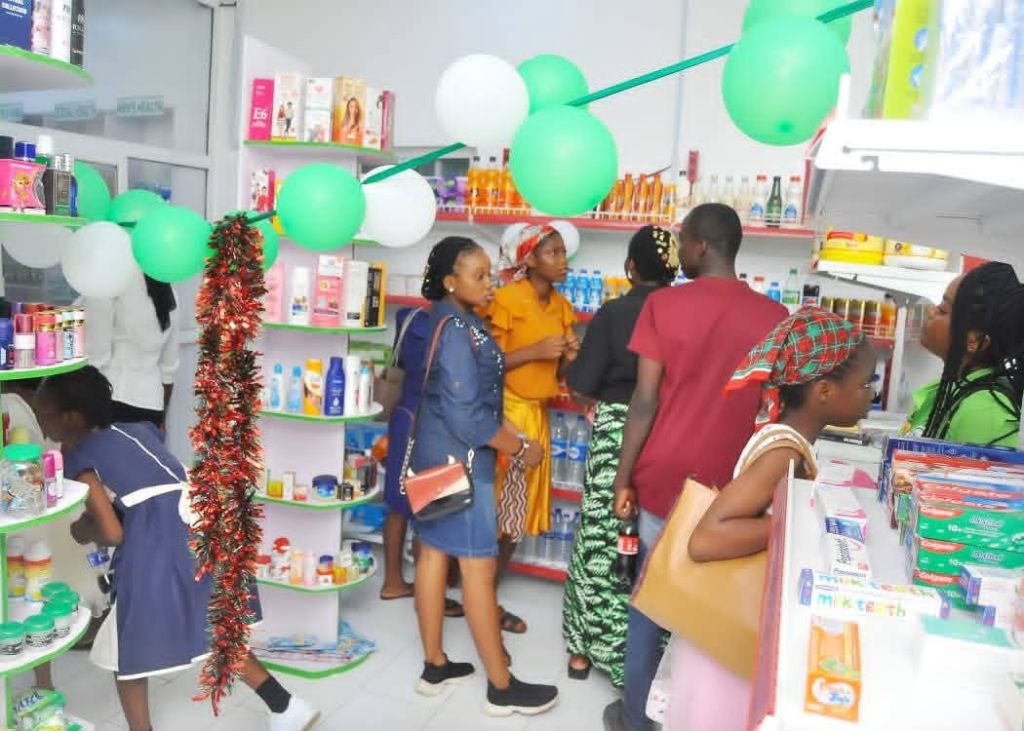
Launched in November 2025, JunnieGreen already employs eight people, including four paid staff and three volunteers. Three team members have lived displacement experiences. The pharmacy has served more than 8,500 people. Favour attributes that growth to one factor above all else: honesty. In a market where counterfeit medicines have weakened public confidence, integrity becomes more than a moral value. It becomes market share.
Favour’s long-term plan is to deploy mobile clinics carrying authentic medicines, health education, diagnostics, and digital health services into underserved neighbourhoods where health care facilities are scarce or inaccessible.
The need is significant. Around 70% of Nigerians rely on primary healthcare centres, yet only about 20% of those facilities are fully functional. For millions of people, the nearest clinic may exist in name, but not in dependable service.
Her model is designed for scale. Local workers from each community would help navigate language, trust, and security realities that outside providers often struggle to overcome.
She sees mobile care as one of the most practical ways to close healthcare gaps in displaced and low-access communities.
Launched in November 2025, JunnieGreen already employs eight people, including four paid staff and three volunteers. Three team members have lived displacement experiences. The pharmacy has served more than 8,500 people. Favour attributes that growth to one factor above all else: honesty. In a market where counterfeit medicines have weakened public confidence, integrity becomes more than a moral value. It becomes market share.

Beyond the Counter
Favour also serves as coordinator for health and workforce development at the Nigeria Mastercard Foundation Youth Advisory Committee, placing her at the intersection of youth employment, healthcare access, and systems reform.
Her ambition matches the scale of the challenge. With current resources, she aims to reach 1,000 communities by 2035. With stronger investment, equipment, mobile clinic buses, and technical partnerships, she believes that number could rise to 10,000 underserved and displacement-affected communities.
Her ambition matches the scale of the challenge. With current resources, she aims to reach 1,000 communities by 2035. With stronger investment, equipment, mobile clinic buses, and technical partnerships, she believes that number could rise to 10,000 underserved and displacement-affected communities.
Why This Matters for Business
Nigeria’s pharmaceutical market is worth more than $2 billion annually and continues to grow. Yet some of its greatest unmet demand sits in communities that remain underserved by formal healthcare distribution.
Favour believes the hesitation many businesses feel about entering these markets, because of perceived risk, language barriers, or operational complexity, often hides real opportunity.
“The demand is there,” she says. “You just have to serve people well.”
She is already proving it. Favour joined the Amahoro Coalition fellowship before launching JunnieGreen Pharmacy and says the experience sharpened her leadership thinking and entrepreneurial journey.
She is not waiting for the healthcare market to reach excluded communities. She is building the model that brings it there first.
“The demand is there,” she says. “You just have to serve people well.”
She is already proving it. Favour joined the Amahoro Coalition fellowship before launching JunnieGreen Pharmacy and says the experience sharpened her leadership thinking and entrepreneurial journey.
She is not waiting for the healthcare market to reach excluded communities. She is building the model that brings it there first.