Africa’s seasoning and spice market is worth $4.8 billion and is expected to more than double within the next decade. Nigeria commands 21.5% of it, supported by a rich domestic supply of ginger, chillies and turmeric.
Ruth Chisom Onyeugo thinks there is still plenty of room.
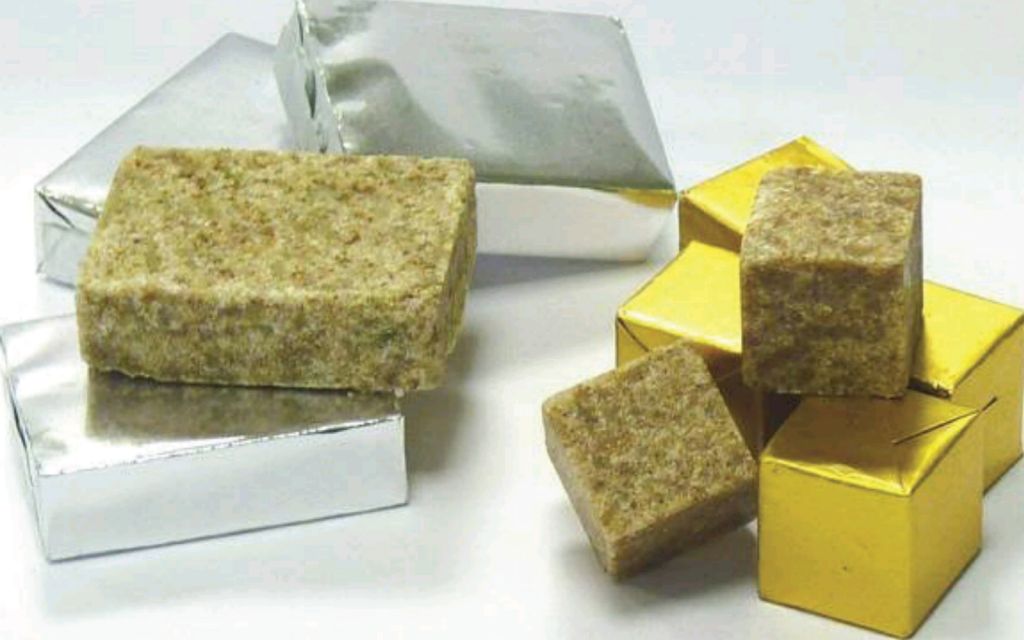
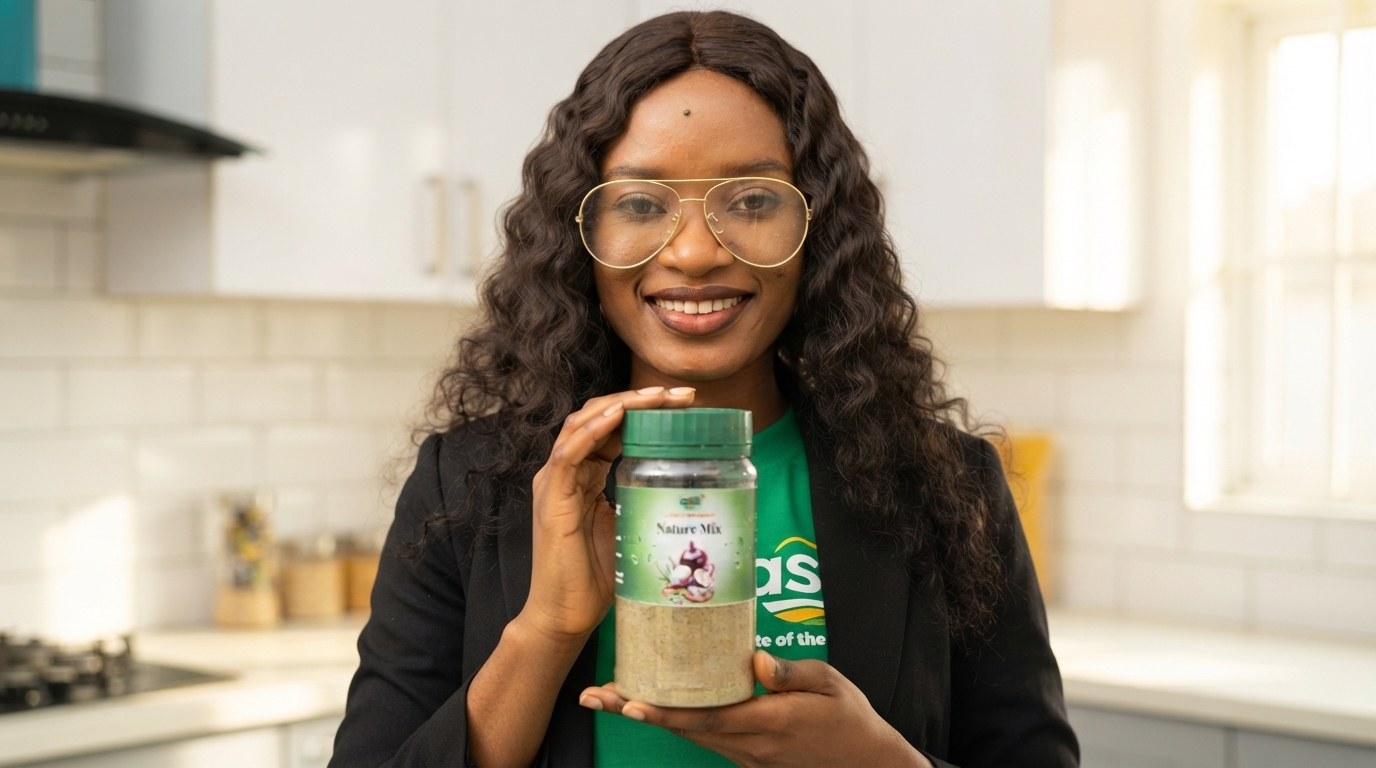
Nigeria’s seasoning market remains dominated by a handful of familiar bouillon brands, while natural spice blends occupy a smaller corner of the market. Chisom calls this gap a “green market”, and Asili Foods is her bid to make natural spices an everyday product, priced and distributed for a broader consumer market.
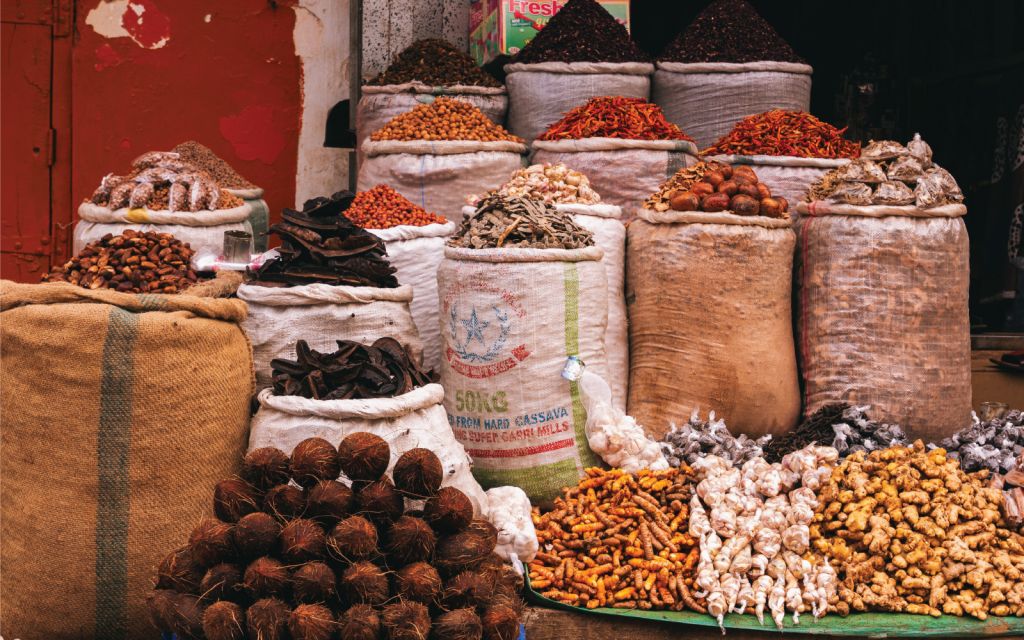
Chisom’s fascination with spices began long before she knew their market size. She grew up in Kano, northern Nigeria, in a home where bitter leaf, tomatoes, peppers and scent leaf were grown. On market days, she lingered around spice stalls so often that her parents nicknamed her “the herbalist.”
In 2021, she travelled to Kaswan Kurmi to learn from spice makers whose recipes had passed through generations, with ingredients measured largely by instinct.
“You take it until the ancestors say it’s enough,” she laughs.
Chisom spent the next few years turning that instinct into precision, testing proportions until she had formulas that could deliver consistent flavour across batches.
By 2024, those formulas had become Asili Foods, a spice production company based in Abuja.
From the Classroom to the Job Market
Asili Foods’ spices begin as raw agricultural produce sourced within Nigeria. The company washes and dehydrates the ingredients before processing them into finished blends and packaging them for sale.
That process provides control over what goes into every Asili packet, something Chisom guards closely. When someone once suggested adding ash to bulk up a jollof blend cheaply, she refused.
What I make and sell is the same thing I cook and eat.
Ruth Chisom
The range has since grown to include Jollof Masala, Garlic Pepper Mix, Chicken Flame, African Pot and a general marinade blend. A spice infused coffee is in development, with chocolate among the products she is considering next.
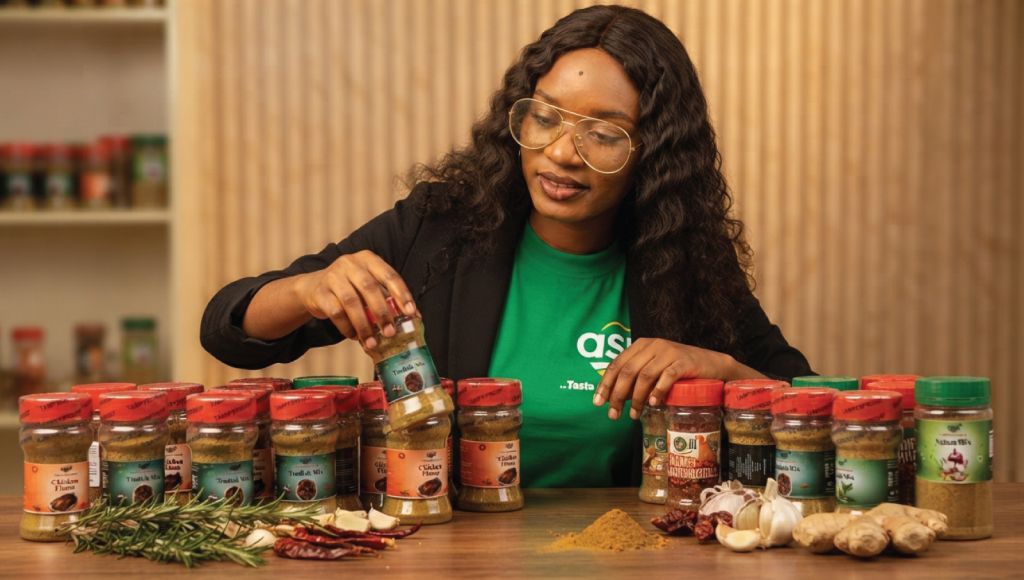
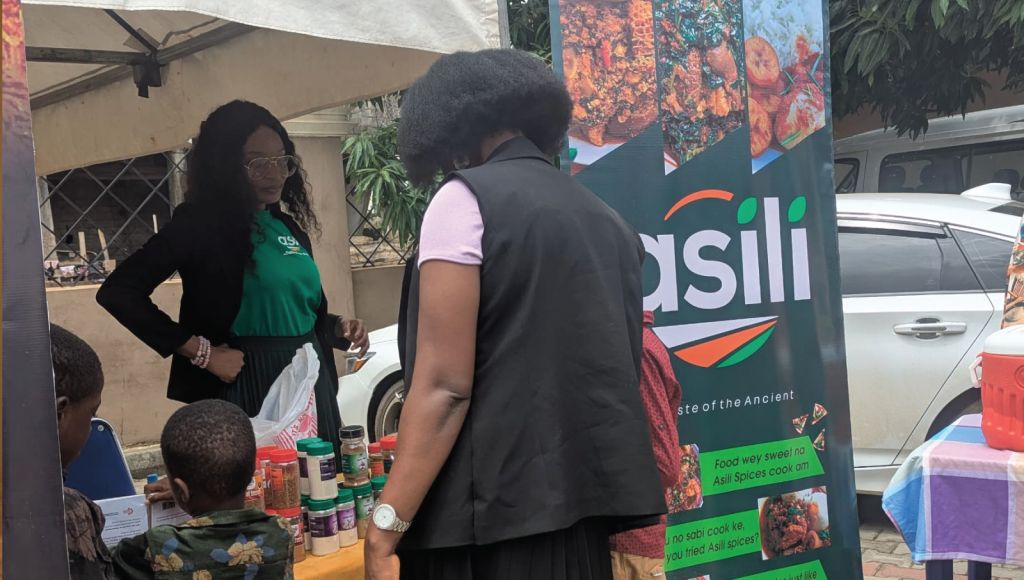
But production has yet to match the breadth of that ambition. Asili operates from a shared facility, which leaves its manufacturing schedule tied to the availability of someone else’s equipment.
Owning a dehydrator, grinder, washer, slicer and packaging machine would give us control over our production calendar and increase our output.
Ruth Chisom
So far, Asili has produced more than four tonnes of spices. Production cycles bring in about six contract workers, while farmers, dispatch riders and other suppliers earn along its supply chain. Through She Harvests, its training arm, Chisom has also trained 717 women and young people in agro-processing and spice production.
The Bigger Prize is the Mass Market
Chisom wants Asili Foods to compete where Nigeria’s biggest seasoning brands make their money: Volume.
In her experience, many women led spice businesses focus on supermarket placement and exports, leaving the mass market to bigger players.
Her plan is to sell smaller sachets for about 100 to 150 Naira, putting Asili within reach of everyday household spending.
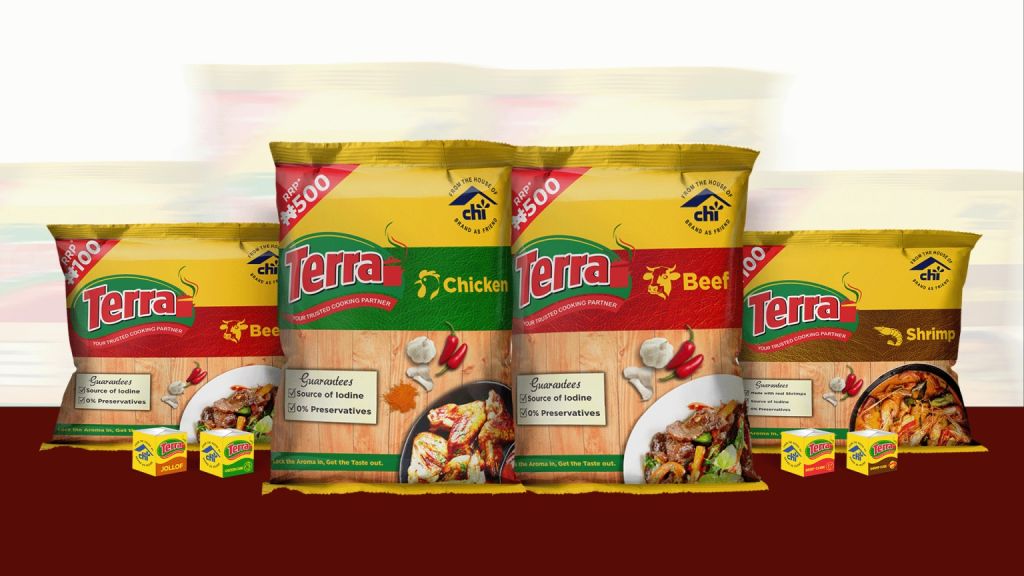
But that will require visibility almost as much as production. Chisom points to Terra, a newer bouillon brand that built national recognition quickly through sustained advertising.
“No matter how we try to buy equipment, if we do not push for proper marketing, a small brand is picking the scraps that the bigger brands have.”
From a Nigerian Brand to an African One.
Chisom’s ambitions for volume do not stop at Nigeria’s borders. She’s eyeing multiple African markets.
Part of that multi-market thinking was shaped in 2024, when she returned to Kano intending to establish a spice factory just as protests gave way to violence and looting. Watching businesses lose factories, machinery and years of investment changed her calculations. She moved Asili to Abuja and began planning for production across multiple locations, so disruption in one market would not bring the entire business to a halt.
New freight links are making that strategy easier to pursue at a continental scale. A direct route from Abuja to Kenya, Uganda and South Africa, at roughly $2.50 per kilogram, have already changed the economics of regional distribution.
Her travels have also revealed a gap she wants Asili to fill. In Ghana, she saw international brands move easily across borders while many familiar Nigerian food brands had little presence. In Togo, much of the spice on supermarket shelves came from outside Africa.
Chisom is considering franchising and local production as routes into some of these markets.
The Amahoro Coalition Fellowship has also pushed Chisom to think further ahead. Developing Asili’s funding forecasts forced her to put numbers and structure around the company she wants to build over the next five years, including what the business should look like when she eventually steps away from its daily operations.


“The fellowship has taught me how to differentiate between me and my business,” she says.
When we were budgeting for the funding, I had to sit back and ask myself, what do you want? In the next five years, where do you see us
Ruth Chisom
For a business whose formulas were first measured by hand in Kano, the ambition can only get bigger. Chisom wants Asili Foods to become an African spice brand shaped by the tastes of each market it enters.