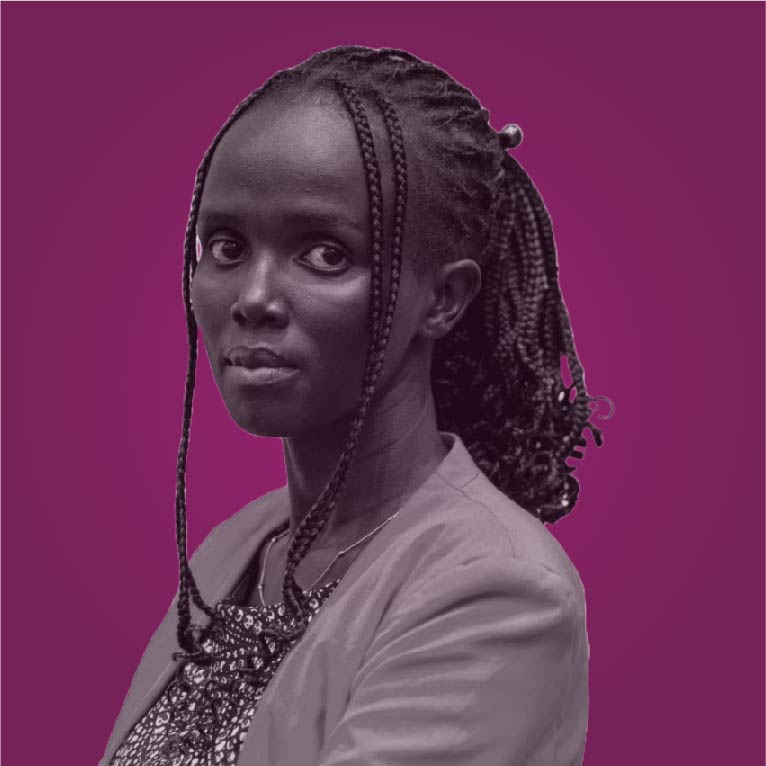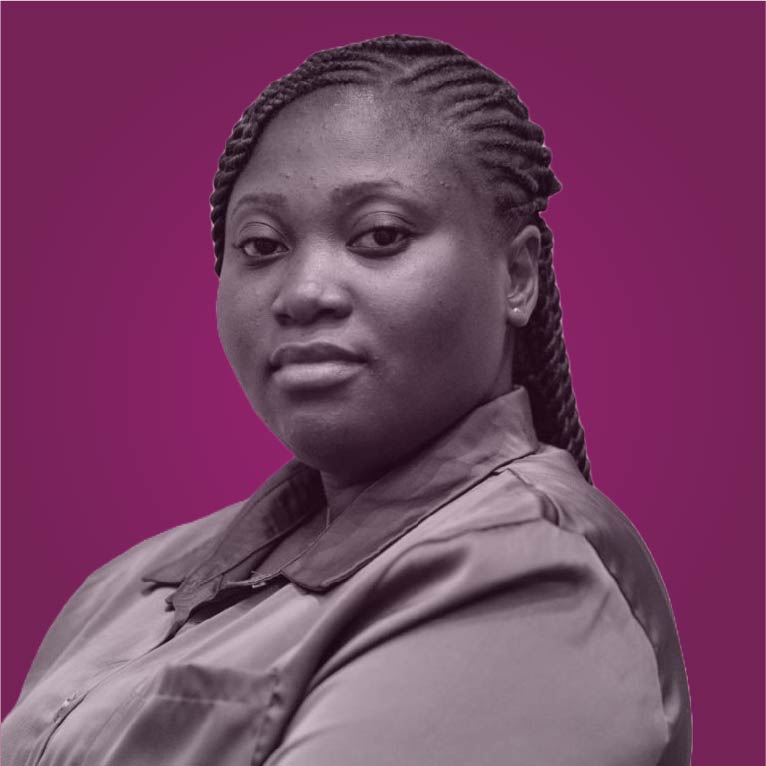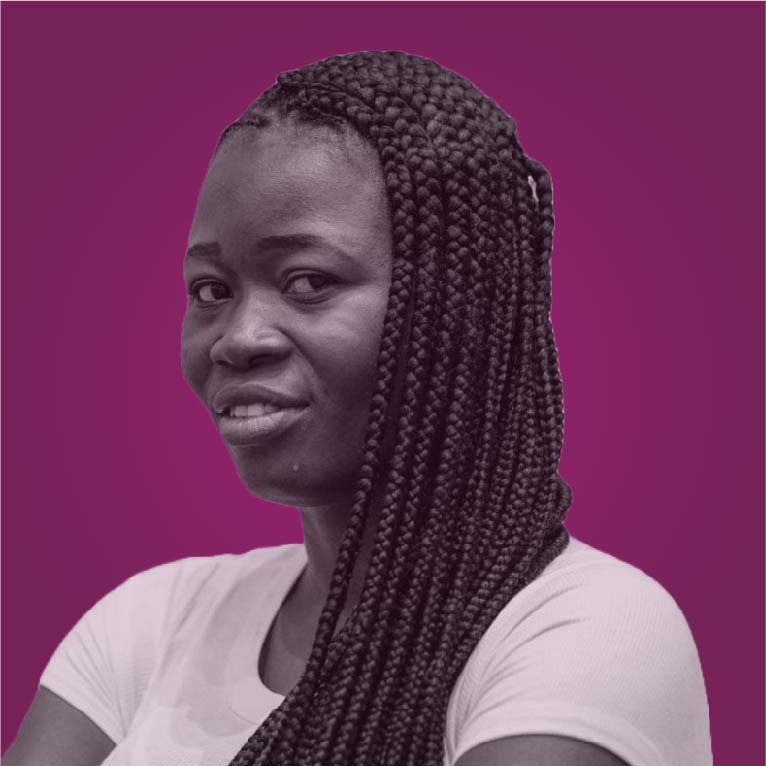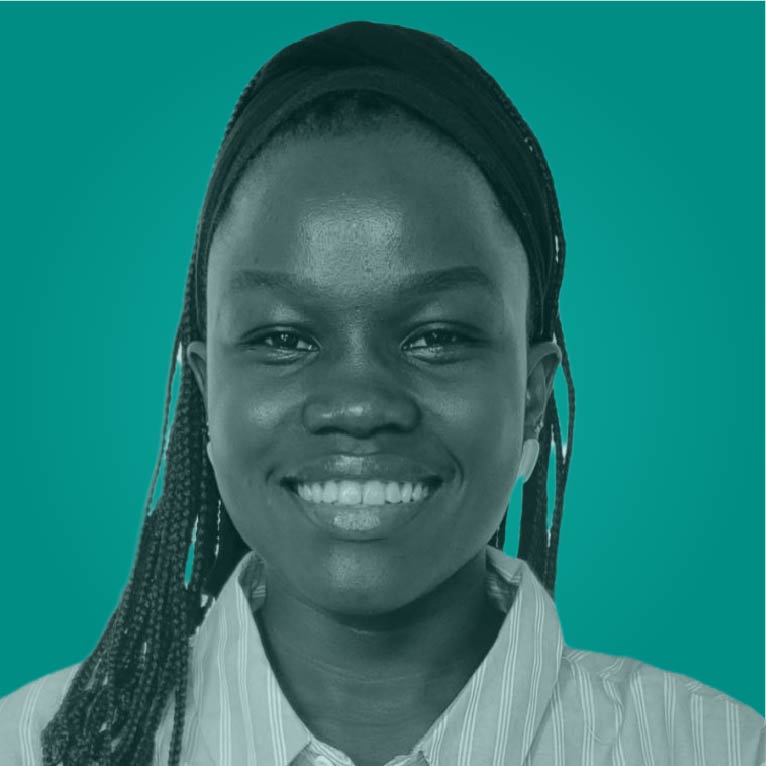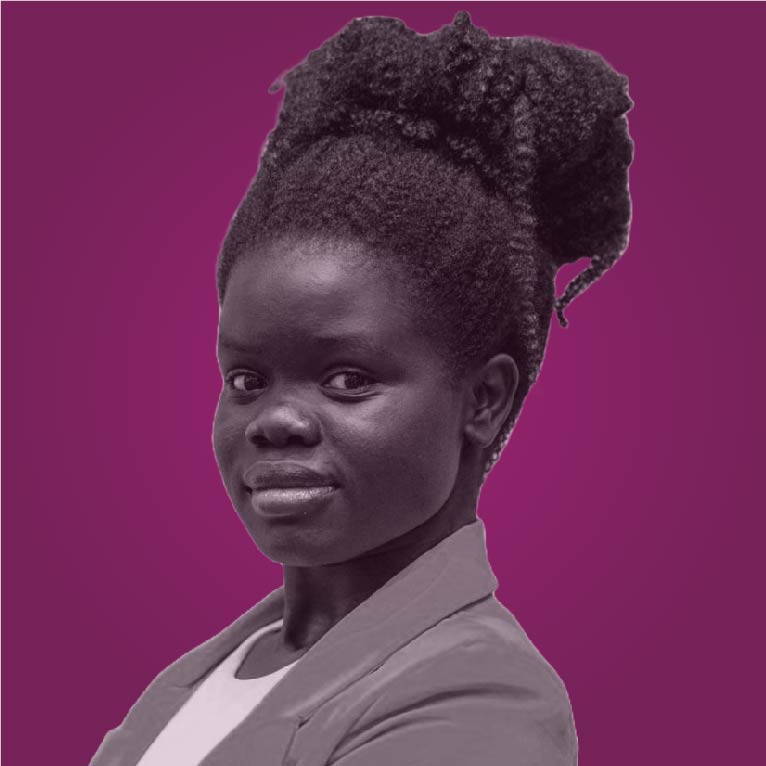
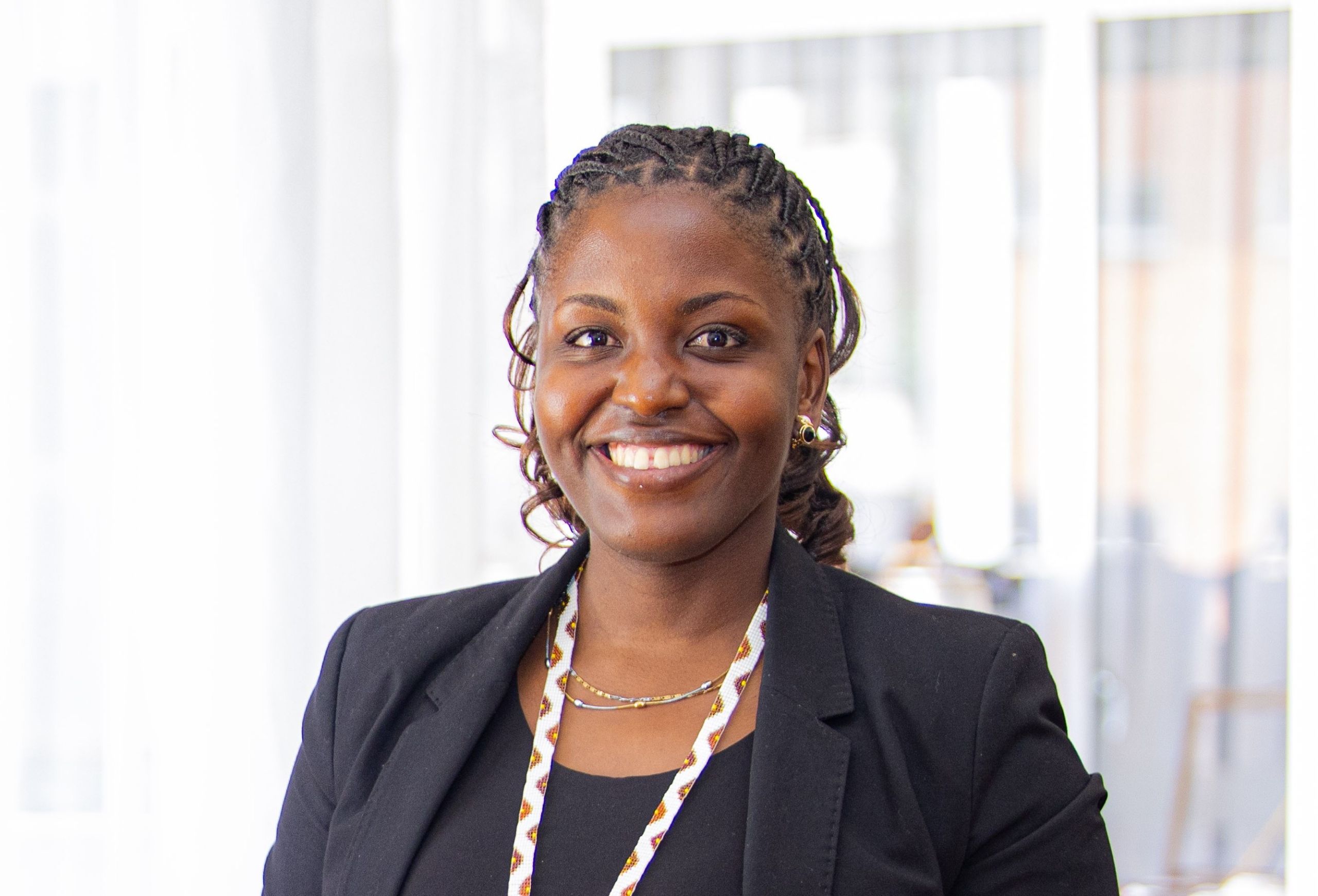
In 2020, Vanessa Ishimwe visited a leather factory in Uganda and noticed something peculiar. The factory was making high-quality sandals and bags with Ugandan labour, but almost everything was bound for export under an arrangement that kept the products out of the local market.
Six years later, that observation has grown into DALA, a leather business producing about 100 items a month. Its products are sold primarily in Uganda and Kenya, with occasional sales through agents in the US and France.
But first.
Why Leather
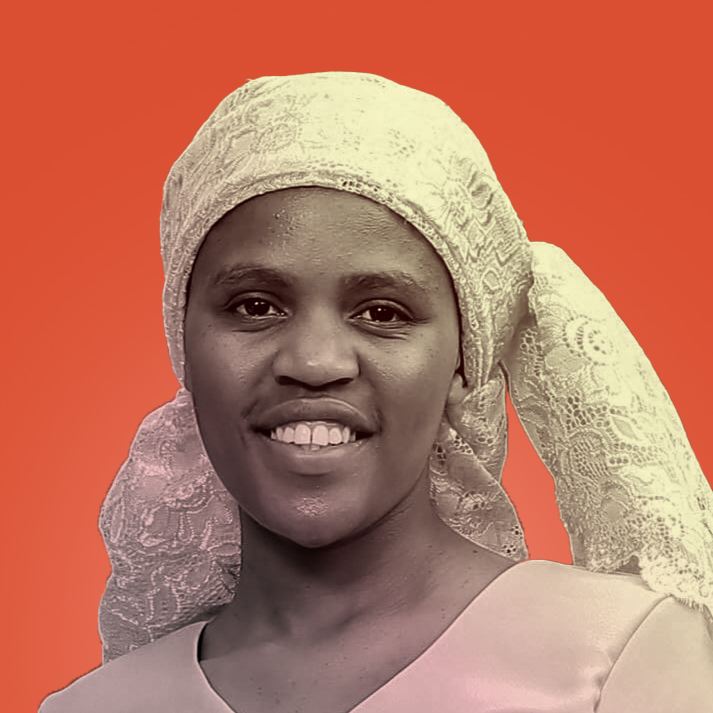
Vanessa had potent reasons for choosing leather. She arrived in Uganda as a 13-year-old forcibly displaced person and spent much of her teenage years working on education and entrepreneurship programmes for young people in displacement settings. She had seen how scarce opportunity could be and, over time, became convinced that refugees would have to play a bigger role in creating it themselves.
I wanted to make sure that refugees have the opportunities that I wish I had when I was younger – including employment opportunities I wishe women like her mother had had.
Vanessa Ishimwe
Leather gave that ambition a business model. Vanessa had watched young people arrive at the factory straight from high school and, within a month, learn enough of the craft to make goods destined for the American market. A skill that could be picked up relatively quickly could also put someone to work just as fast.
The commercial case was compelling too. The global leather goods market was worth about $282 billion in 2025, while the Middle East and Africa accounted for about $45.8 billion. Vanessa already had proof that Uganda could produce for demanding international buyers, and she saw an opportunity to bring that standard of craftsmanship into a business of her own.
She wanted the economics and the impact to reinforce each other.
I wanted to do something very sustainable, both for me and also for the community, to create impact, but also show that it is also possible to do it while making profit.
Vanessa Ishimwe
The first experiment cost considerably less than the size of the ambition suggested. Vanessa put in about 300,000 Ugandan shillings, less than $100 from her salary, and then COVID arrived. Without money for machinery, she and her business partner spent lockdown working on designs, sourcing materials and consulting that great emergency technical manual of the internet, YouTube, to learn what they could make by hand. For a long time, DALA was just the two of them.
DALA Has Grown Beyond Sandals
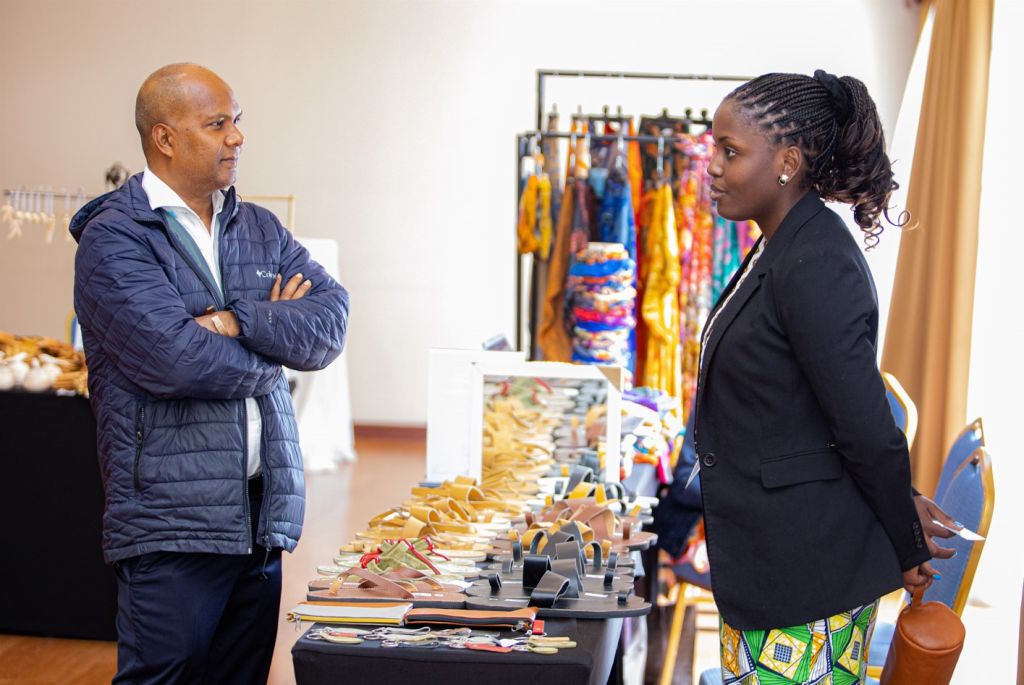
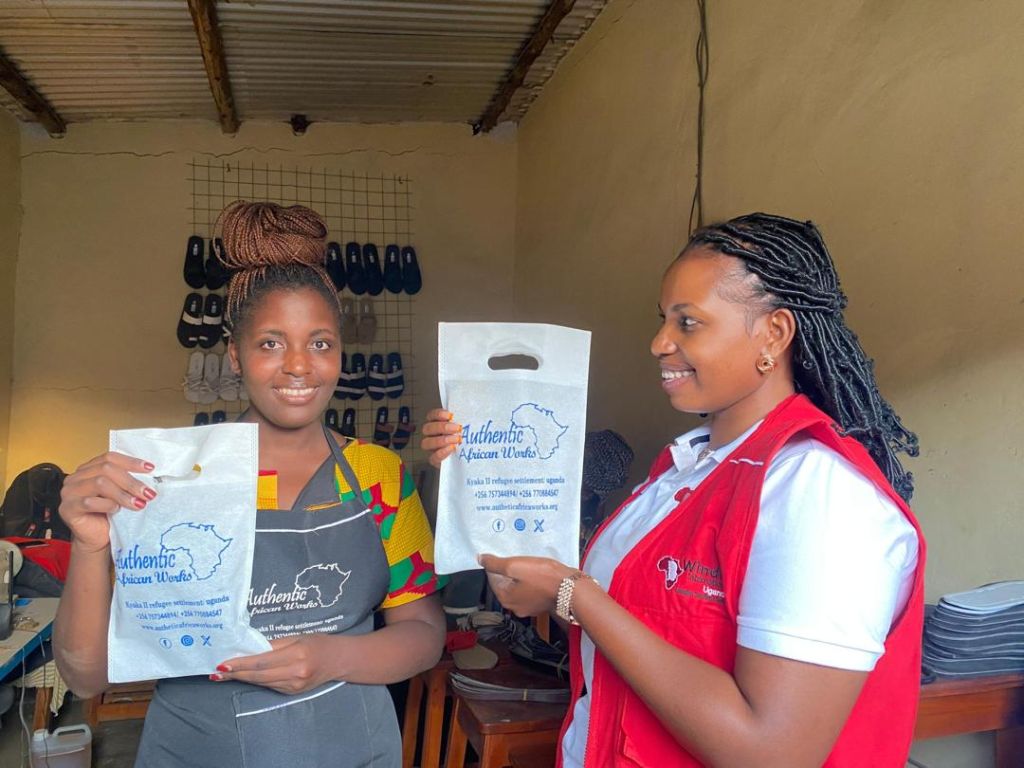
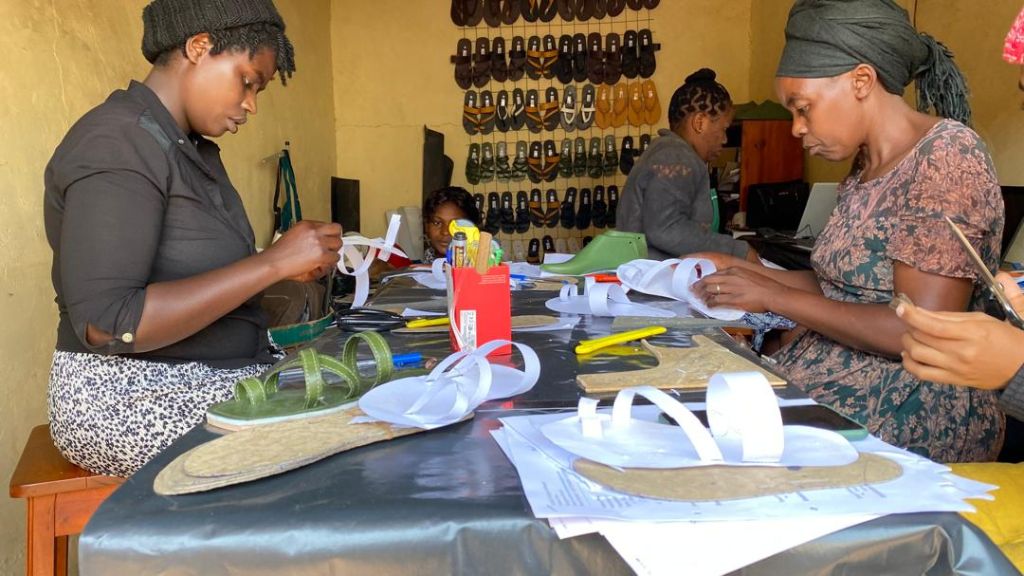
DALA has come a long way from the sandals Vanessa and her business partner made at university. Today, it produces bags, wallets, travel bags, laptop bags and accessories, averaging about 100 products a month. The team has also grown from two to 12, nine of them women.
The supply chain crosses East Africa. Much of the leather comes from Kenya, production happens in southwestern Uganda, and finished goods travel through Kampala to customers and retail outlets. Most customers discover DALA online, and Kenya has recently become its stronger market.
Growth, however, means competing with Chinese manufacturers that can produce similar goods cheaply and at enormous scale. Vanessa knows a price war would be foolish.
“I don’t even think it’s possible to beat the Chinese at their own game,” she says.
DALA instead competes on durability, design and African craftsmanship, selling to customers who value the product and the story behind it.
That story is built into the company structure. DALA runs the commercial business, while FUSE Human Initiative, Vanessa’s nonprofit, owns shares in it. Dividends from DALA help finance FUSE’s education and employment programmes for refugee women and girls.
Vanessa has already seen what that arrangement can buy. FUSE supported a girl from a single-parent household who was about to leave school because her family could no longer afford the fees.
“Her story changed because we sold sandals to afford the high school fees,” Vanessa says. She is now completing high school.
The Next Challenge Is Landing a Bigger Market
DALA has raised about $30,000 from external partners, with sales financing the rest of its growth. Vanessa’s next ambition is a factory capable of producing a wider range of goods for larger markets, but machinery is expensive, some equipment has to be imported, and the more immediate problem is demand.
“Limited access to markets has been the biggest, biggest, biggest constraint,” she says.
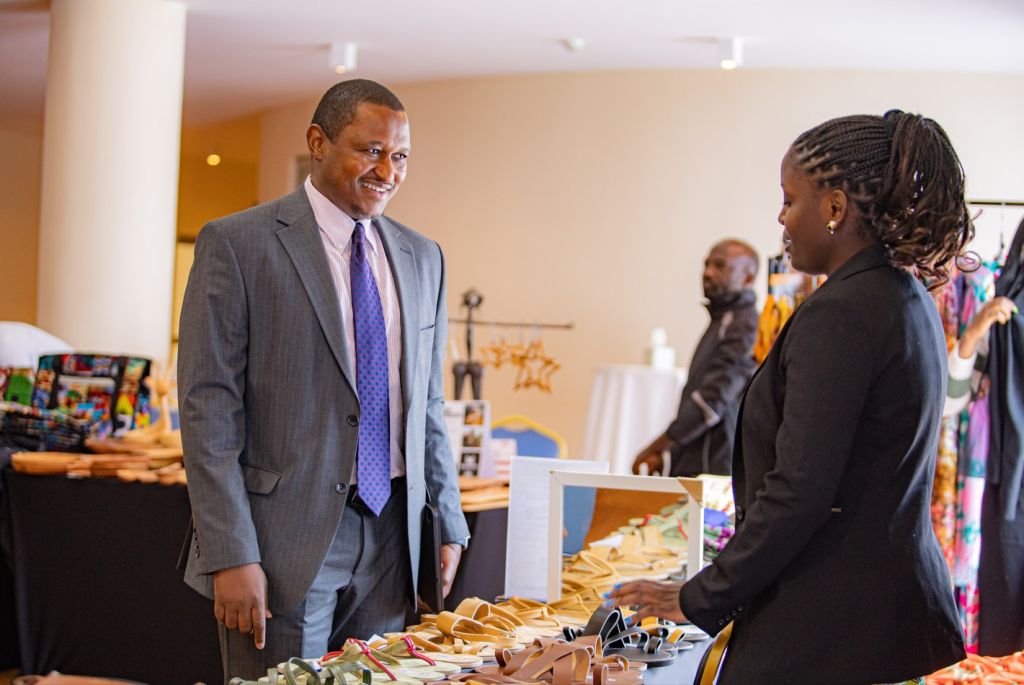
The Amahoro Coalition Fellowship has helped DALA chip away at that problem. Through the network, Vanessa connected with a Cohort 1 Fellow who became her business partner, while Amahoro events and exhibitions have created opportunities to put DALA’s products in front of customers. The partnership has also helped secure equipment and production space.
For Vanessa, the next step depends on finding a bigger market. That would give DALA reason to build a bigger factory, while more sales would create more jobs. And because FUSE owns a stake in the business, commercial growth would also finance more opportunities for the women and girls Vanessa built.