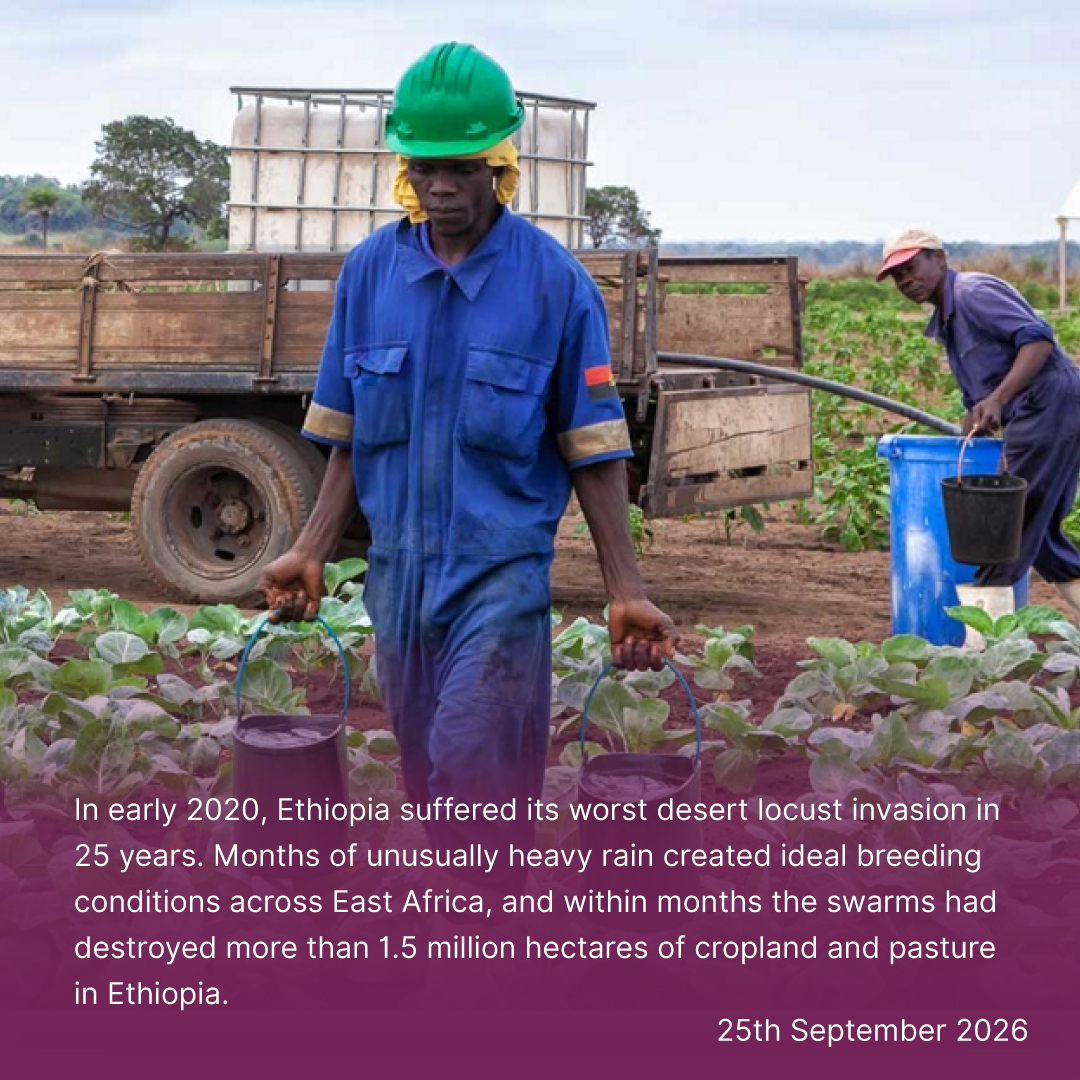
In early 2020, Ethiopia suffered its worst desert locust invasion in 25 years. Months of unusually heavy rain created ideal breeding conditions across East Africa, and within months the swarms had destroyed more than 1.5 million hectares of cropland and pasture in Ethiopia.
The economic damage was immediate. A single swarm can consume in a day what 35,000 people eat, and the effects quickly reached household incomes. Farm earnings fell, pastoralists lost grazing land and livestock, and cereal prices rose by roughly 50%, leaving households with less to sell as food became more expensive.
Ethiopia had seen this connection before. In 2015 and 2016, El Niño disrupted rainfall and caused a severe drought that displaced more than 280,000 people. In Amhara, failed harvests sent more people looking for paid work just as agricultural jobs were becoming scarcer.
The same climatic forces are now playing out across the continent. Africa recorded 7.8 million new disaster displacements in 2024, up from six million the year before. Across a continent where so much employment depends on land, water and predictable weather, a climate shock increasingly doubles as a labour shock.
When the Weather Takes the Job
Much of Africa’s employment remains tied to the natural world. Agrifood systems account for roughly 64% of jobs on the continent, spanning farms and fisheries as well as the processing, transport and trade around them.
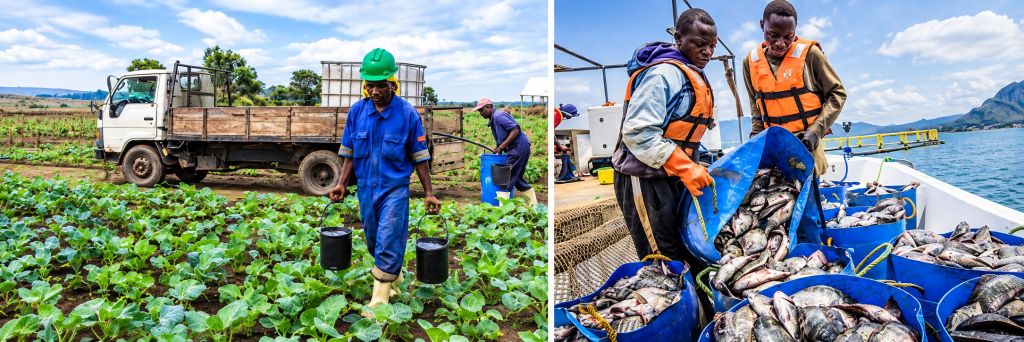
When heat, drought or erratic rainfall weakens that base, the effects spread through the wider economy. They are already visible in the hours people can work. Research across 31 African countries found that heat waves reduced agricultural working hours by about 40%. The International Labour Organization estimates that by 2030 heat stress could cost Africa the equivalent of more than 14 million full-time jobs.
Drought strips away productive capital too. Five consecutive failed rainy seasons between 2020 and 2023 dried up pasture and water across Ethiopia, Kenya and Somalia, killing roughly eight million livestock. For pastoralist households, those animals are income-producing assets that can take years to rebuild.
The response to that destruction, however, is generating demand of its own. Billions are being committed to the industries intended to make African economies cleaner and more resilient and those industries are creating demand for new talent.
Follow the Climate Money, Find the Jobs
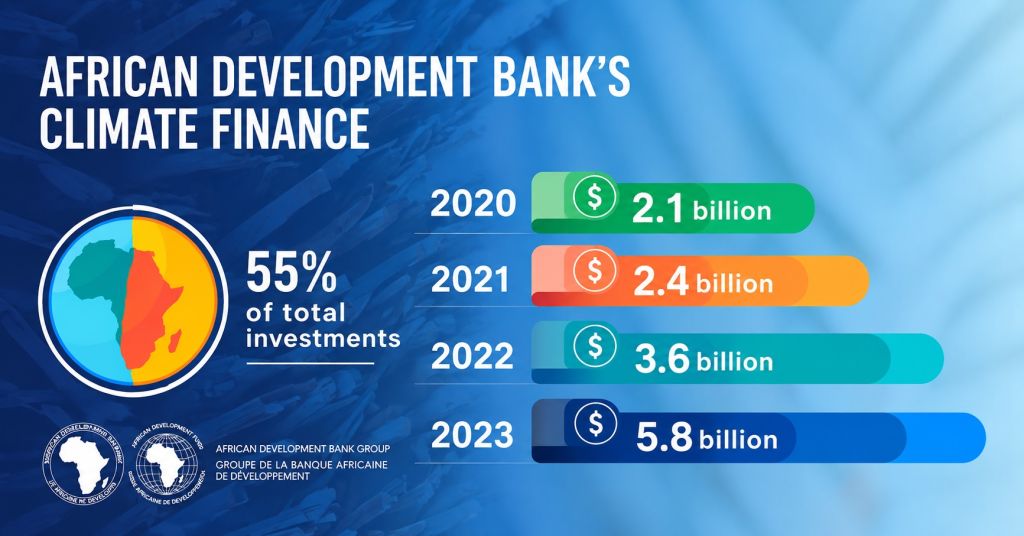
Climate finance is becoming a much larger part of Africa’s development agenda. The African Development Bank increased its climate finance from $2.1 billion in 2020 to $5.8 billion in 2023, when it accounted for 55% of the Bank’s total investments.
Investment on that scale is expected to create substantial demand for labour alongside the infrastructure and businesses it finances.
FSD Africa estimates that the green economy could generate between 3.8 million and 7.9 million jobs across the continent by 2030. Roughly 40% are expected to require relatively low levels of formal education, while many others will depend on vocational training.
Off-grid solar offers one of the best examples of how climate investment is already creating new markets and demand for labour.
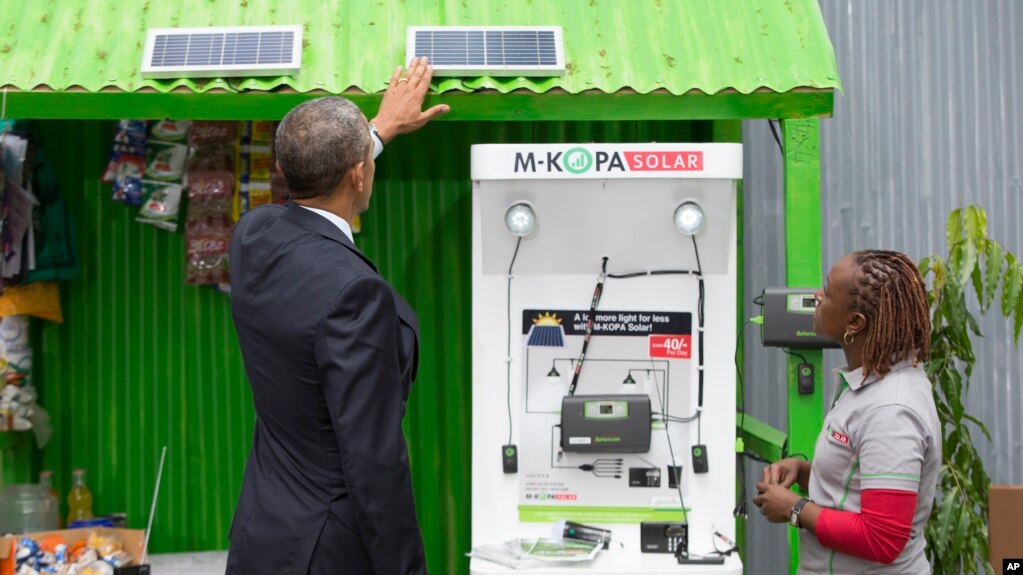
M-KOPA and Sun King built large businesses around a common constraint. Millions of households wanted solar power but struggled with the upfront cost. By turning mobile money into a financing tool, both companies expanded the market. M-KOPA has since extended $1.3 billion in credit to nearly 10 million customers across Africa. Sun King has reached more than 100 million people in sub-Saharan Africa and is connecting roughly 300,000 homes and businesses every month.
Smaller enterprises show how this new economy can reach people who have already experienced displacement. In Uganda’s Kyaka II Refugee Settlement, Congolese FDP and Amahoro CoalitionFellow Didier Maliki built UBUCHANGE around one of Uganda’s largest waste streams.
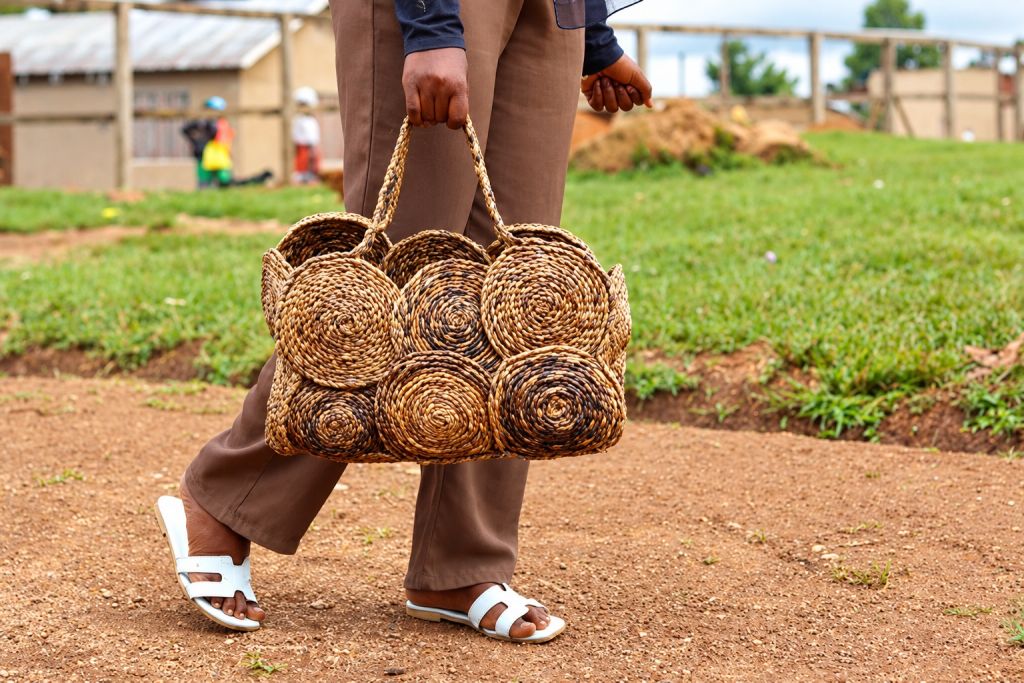
The country produces more than 10 million tonnes of bananas a year, leaving discarded stems after harvest. Maliki turns them into fibre for reusable bags. He now employs 16 people and has trained more than 200 refugee women in production, with over 100 earning income through the enterprise.
In Jos, Nigeria, Amahoro Coalition Fellow Zang Luka works with another waste stream. Nigeria produces more than 500,000 tonnes of e-waste each year. His company, Zang Global, recovers lithium-ion cells from discarded electronics and rebuilds them into power banks, chargers and solar lamps. It processes about 30 tonnes of e-waste a month and employs 127 displaced young people.

Maliki and Luka demonstrate how displaced people can find work and build businesses in the green economy. The next challenge is turning examples like these into a broader labour-market response through policy, finance and employer demand.
What Governments, Financiers and Employers Should Do About the Green Skills Gap
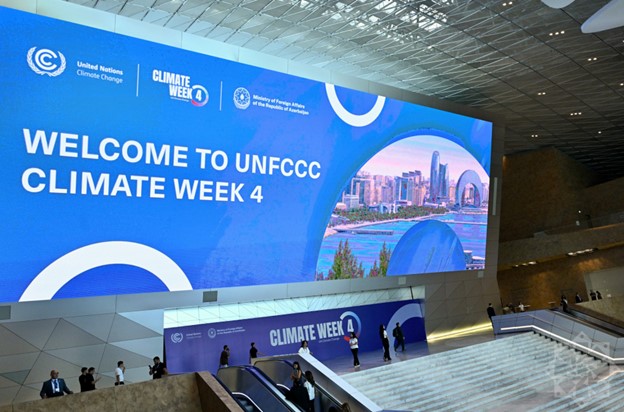
This week, governments, investors and business leaders gather in New York for UNGA High-Level Week and Climate Week NYC. The UN’s Climate Summit is focused on climate action and a just transition, while Climate Week is bringing together the institutions making decisions on capital, policy and implementation. The workforce required to deliver those ambitions belongs in the same discussion.
Maliki and Luka demonstrate how displaced people can find work and build businesses in the green economy. The next challenge is turning examples like these into a broader labour-market response through policy, finance and employer demand.
What Governments, Financiers and Employers Should Do About the Green Skills Gap
For African governments, the first task is to map out where climate shocks are destroying livelihoods and where new labour demand is appearing. The scale is continental, but the geography is uneven. In 2024, disasters triggered 2.8 million new displacements in East Africa and 2.4 million in Central Africa. West Africa recorded another 256,000, almost all caused by floods.
Malawi offers an early example of how this can work. Cyclone Freddy displaced more than 508,000 people in 2023, destroying homes, farmland and incomes across the south. One of them was 25-year-old Esimy Rabson from Lundu Village in Zomba District, who lost both her home and crops. She later joined a solar installation programme run by the Sparkle Foundation, part of a wider effort to equip 100 women and young people with vocational and financial skills. Rabson saw the training as a route to rebuilding her livelihood after the cyclone.
Elsewhere, in communities where families displaced by Freddy were resettled, a Joint SDG Fund programme installed clean-energy systems and trained local artisans to maintain them.
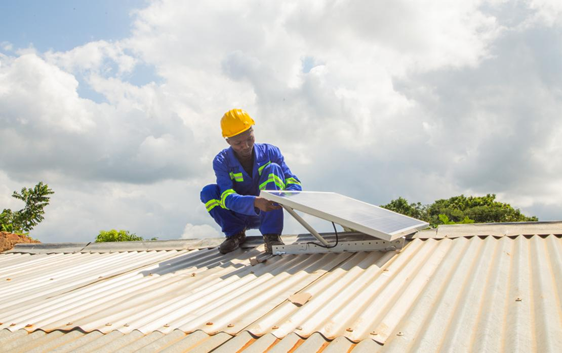
Employers have an equally important role because they know which skills the market will buy. A study of solar-technician programmes across Nigeria, Ghana and Uganda found that only 20% of African TVET institutions forecast market demand before setting curricula. For that reason, Nigeria still lacks a standardised solar-technician curriculum even as installers are in short supply and youth unemployment remains high. Training divorced from hiring demand risks producing qualifications with little value in the labour market.
The green transition will create jobs that Africa needs to prepare its young people for. The opportunity is to make those jobs reachable for people whose livelihoods climate change is already destroying. That requires governments to map demand, financiers to fund skills, and employers to shape training where displaced workers actually are.