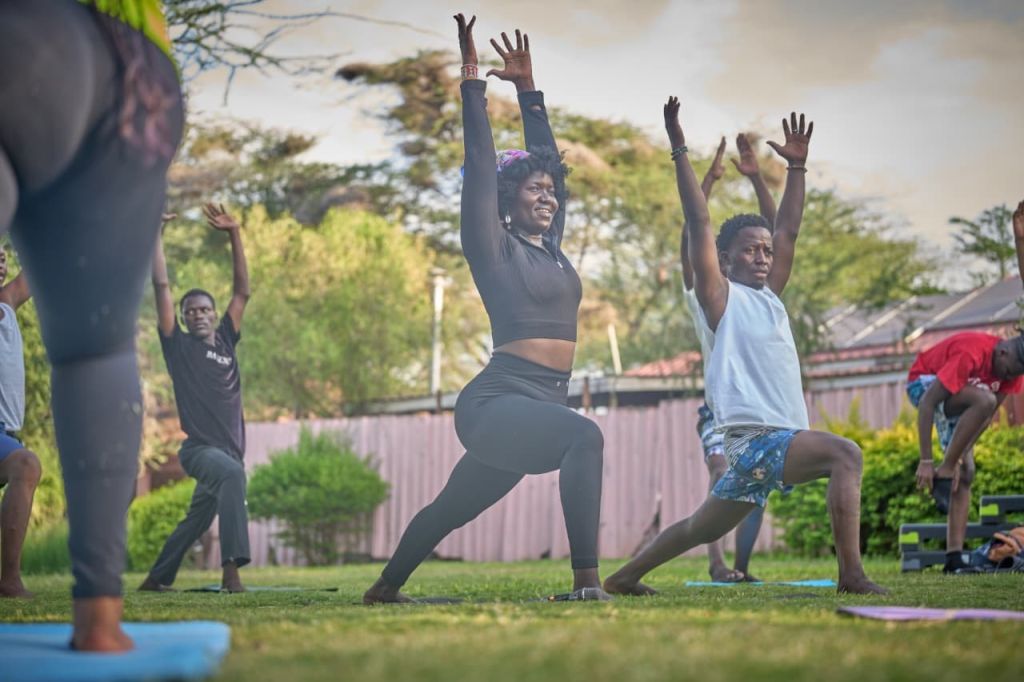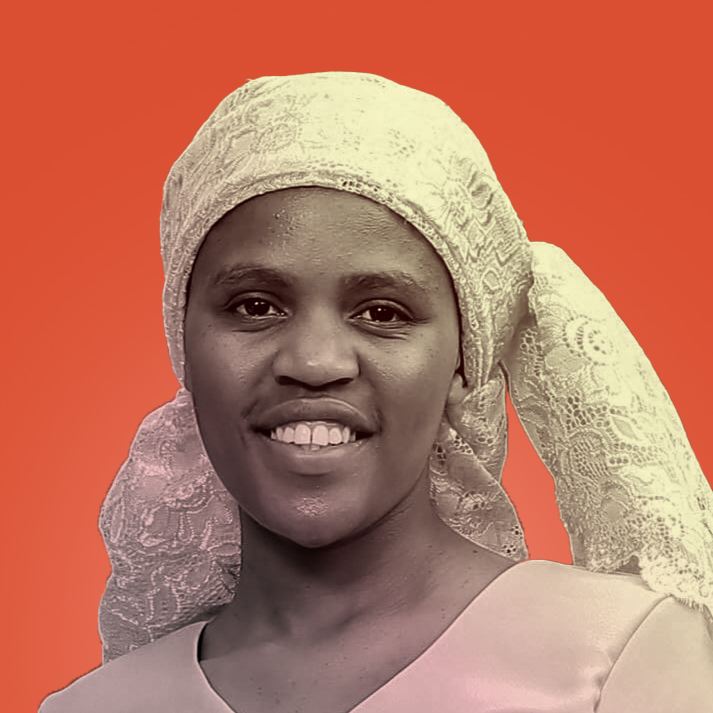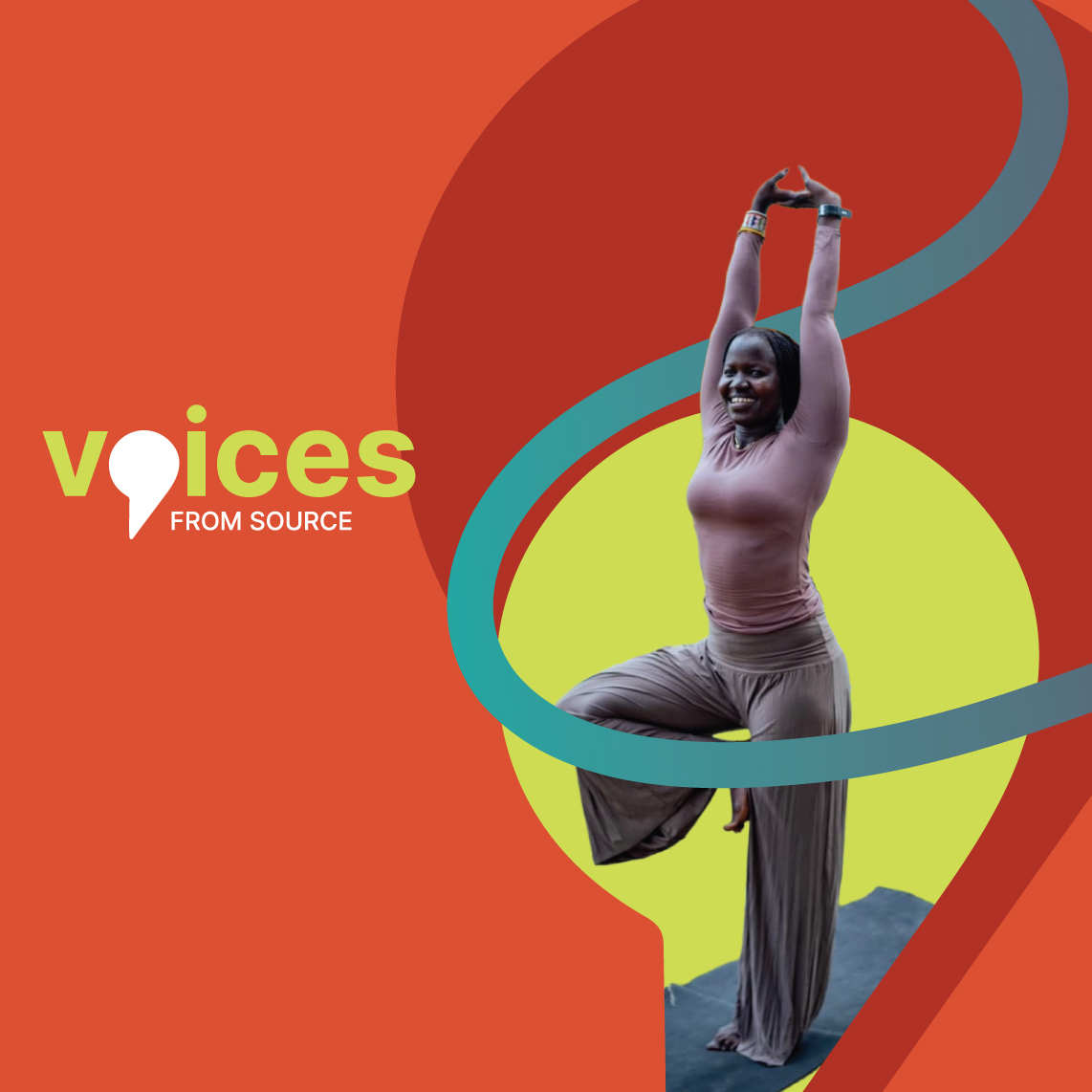
In Kakuma Refugee Camp, where trauma is often layered – grief, loss, uncertainty, economic stress – mental health support is limited and stigma runs deep. Yet inside open community halls and dusty courtyards, Rita Namurembe Brown, who has lived there since 2000, is quietly redefining what psychosocial support can look like.
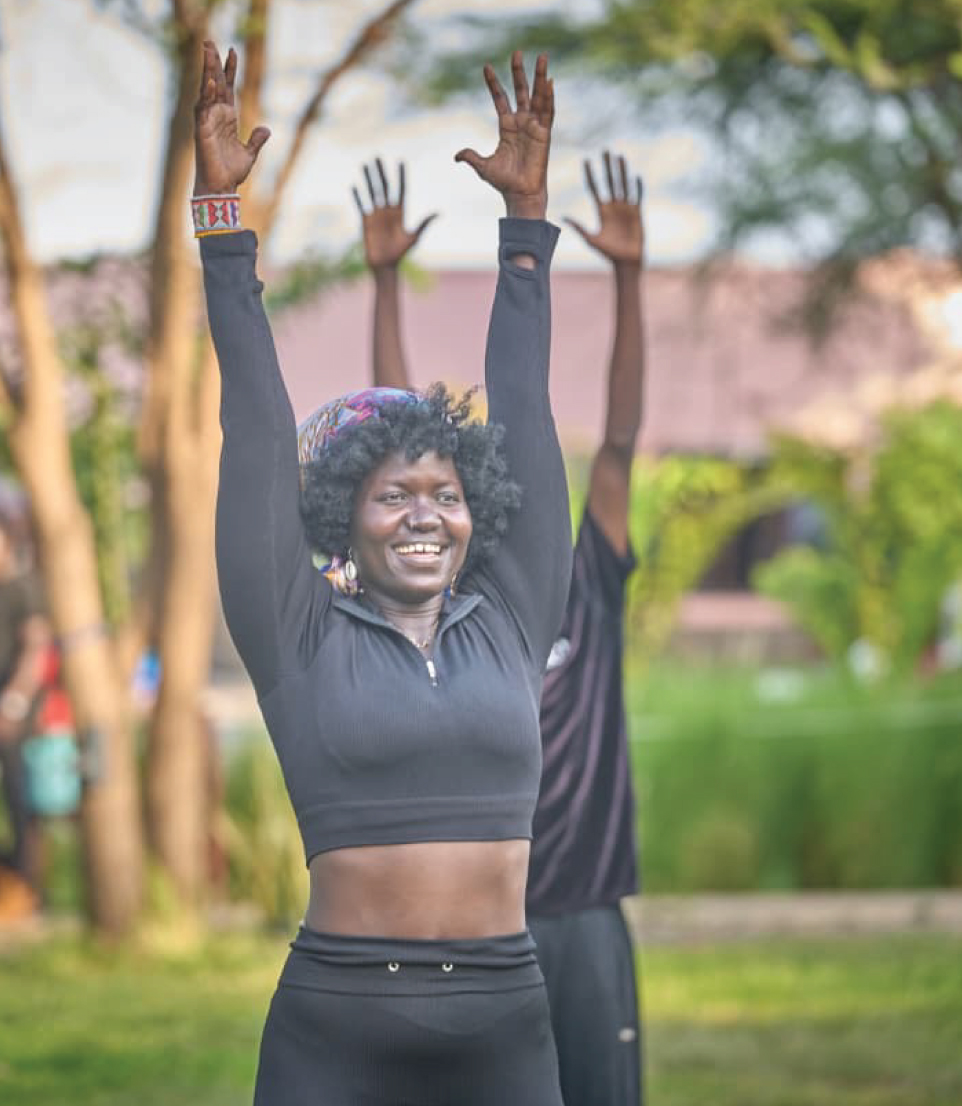
A Ugandan refugee, certified yoga instructor and a social entrepreneur, Brown is known in her community as “Rita the Yogi.” Her approach to mental health is rooted in lived experience. Her entry into yoga was not fitness-driven. It was survival. After navigating personal trauma, she realized that her body was carrying stress her mind could not articulate.
“In displacement, people learn to suppress pain just to keep going. For many years, I would just stand before a mirror, talk to myself and cry bitterly. Yoga helped me feel safe and whole again.“
Rita Brown
In the beginning she jogged and cycled as a way to reconnect with her body. An unfortunate incident where her bicycle and phone were stolen as she was working out left her frustrated and shaken. That was in 2018. Around that time, a South Sudanese friend introduced her to yoga sessions.
The first sessions were physically painful. But Brown saw something deeper and persevered.
“I realised I needed to be well first,” she says. “If I am not emotionally, physically, and mentally well, how can I help others?”
Encouraged by her friend, she applied for a six months training with the Africa Yoga Project in 2019. She was selected and trained in Nairobi. After returning to Kakuma, she completed a six-month unpaid probation period, followed by three years of mentorship. Finally in 2022, she was officially certified.
The first sessions were physically painful. But Brown saw something deeper and persevered.
“I realised I needed to be well first,” she says. “If I am not emotionally, physically, and mentally well, how can I help others?”
Encouraged by her friend, she applied for a six months training with the Africa Yoga Project in 2019. She was selected and trained in Nairobi. After returning to Kakuma, she completed a six-month unpaid probation period, followed by three years of mentorship. Finally in 2022, she was officially certified.
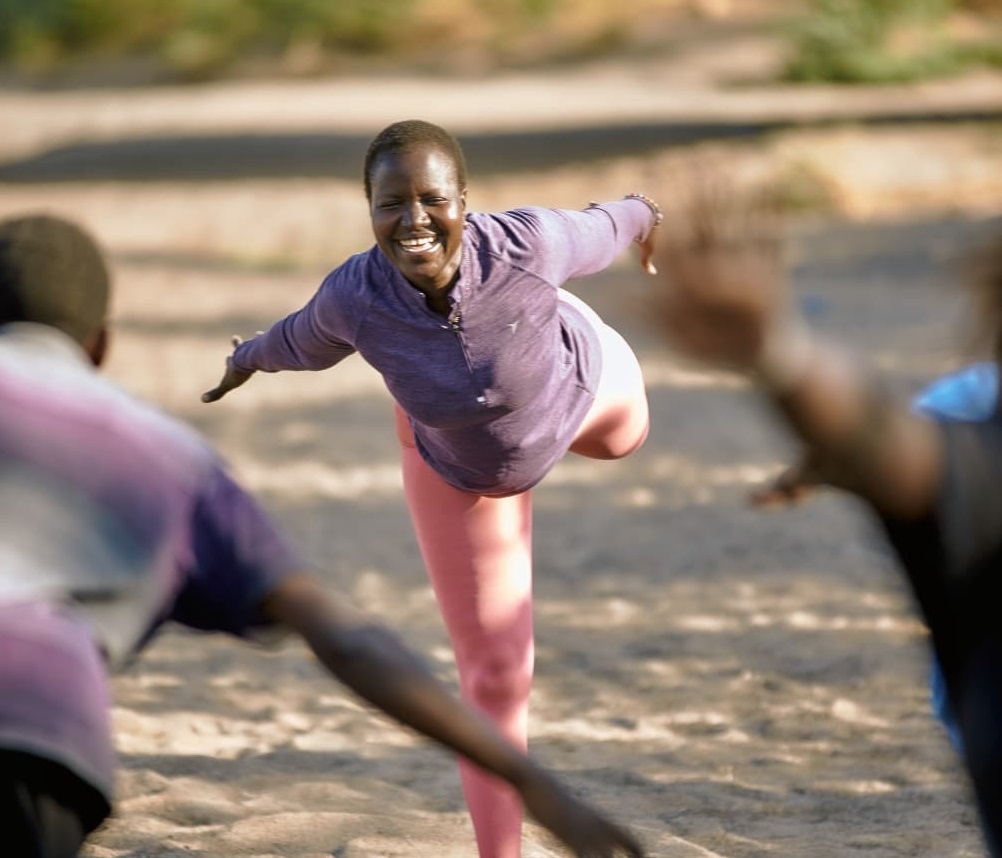
Yoga became her anchor. Emotionally, it helped her process grief and fear without being overwhelmed. Mentally, it taught her to pause instead of panic. Physically, it strengthened her body to carry stress without breaking.
Unfortunately, certification did not automatically open doors. Rita approached institutions inside the camp seeking paid training opportunities. Due to her displacement status, she was required to teach for free for six months before being offered a small stipend – 3,000 Kenyan shillings per month, later increased to 4,000. She was told, as a refugee, she could not earn beyond a certain ceiling. Instead of quitting, she diversified.
Today, she runs both free community sessions and paid classes for individuals, groups, and organizational staff. She believes access to wellness should never depend on income.
Unfortunately, certification did not automatically open doors. Rita approached institutions inside the camp seeking paid training opportunities. Due to her displacement status, she was required to teach for free for six months before being offered a small stipend – 3,000 Kenyan shillings per month, later increased to 4,000. She was told, as a refugee, she could not earn beyond a certain ceiling. Instead of quitting, she diversified.
Today, she runs both free community sessions and paid classes for individuals, groups, and organizational staff. She believes access to wellness should never depend on income.
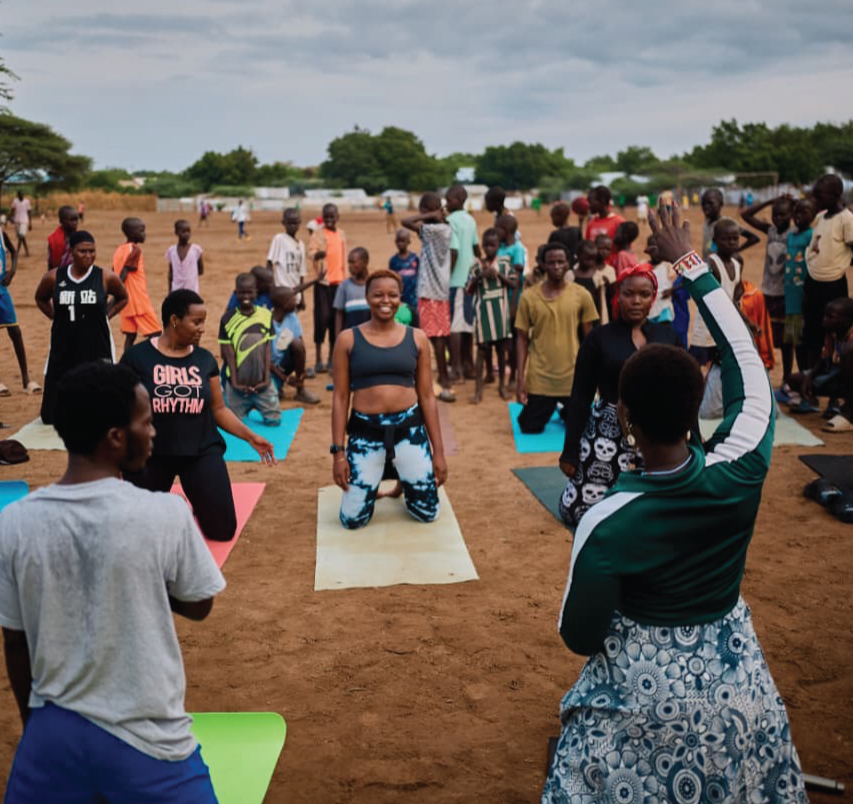
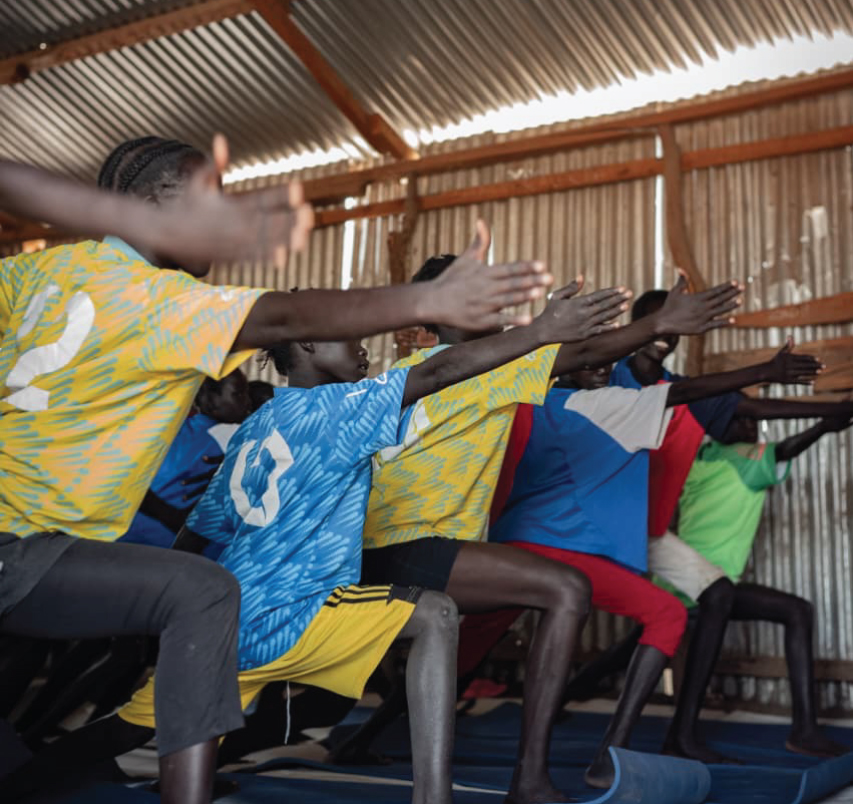
Easy Fit Gang now reaches more than 200 people in the community, with over 50 paying clients, including online participants. Her longest-standing client has been with her since 2020.
One of the clearest examples of Rita’s impact is a young man who first reached out after seeing her work on social media. He was struggling with drug addiction, trauma, and the pressure of caring for seven younger siblings.
Rita began training him in her small room in 2020. Healing was not linear. There were moments of resistance and relapse. At one point, she had to create distance. But he returned, ready. Recognizing his passion for fashion design, Rita encouraged him to pursue tailoring. From her own limited savings, she contributed 500 Kenyan shillings monthly to support his lessons. Eventually, he secured a training opportunity in Nairobi. Today, he runs a tailoring business in Kakuma’s market.
“That is what thriving looks like,” Rita says. “Not just surviving, but building joy, purpose, and opportunity.” Rita believes wellness is not a luxury add-on in humanitarian spaces. It is foundational.
“That is what thriving looks like,” Rita says. “Not just surviving, but building joy, purpose, and opportunity.” Rita believes wellness is not a luxury add-on in humanitarian spaces. It is foundational.
One of the clearest examples of Rita’s impact is a young man who first reached out after seeing her work on social media. He was struggling with drug addiction, trauma, and the pressure of caring for seven younger siblings.
Rita began training him in her small room in 2020. Healing was not linear. There were moments of resistance and relapse. At one point, she had to create distance. But he returned, ready. Recognizing his passion for fashion design, Rita encouraged him to pursue tailoring. From her own limited savings, she contributed 500 Kenyan shillings monthly to support his lessons. Eventually, he secured a training opportunity in Nairobi. Today, he runs a tailoring business in Kakuma’s market.
“That is what thriving looks like,” Rita says. “Not just surviving, but building joy, purpose, and opportunity.” Rita believes wellness is not a luxury add-on in humanitarian spaces. It is foundational.
“That is what thriving looks like,” Rita says. “Not just surviving, but building joy, purpose, and opportunity.” Rita believes wellness is not a luxury add-on in humanitarian spaces. It is foundational.
“Decision-makers need to understand that displaced communities are not just beneficiaries. We are leaders. We are innovators. Invest in local talent. Invest in community-led programs.“
Rita Brown
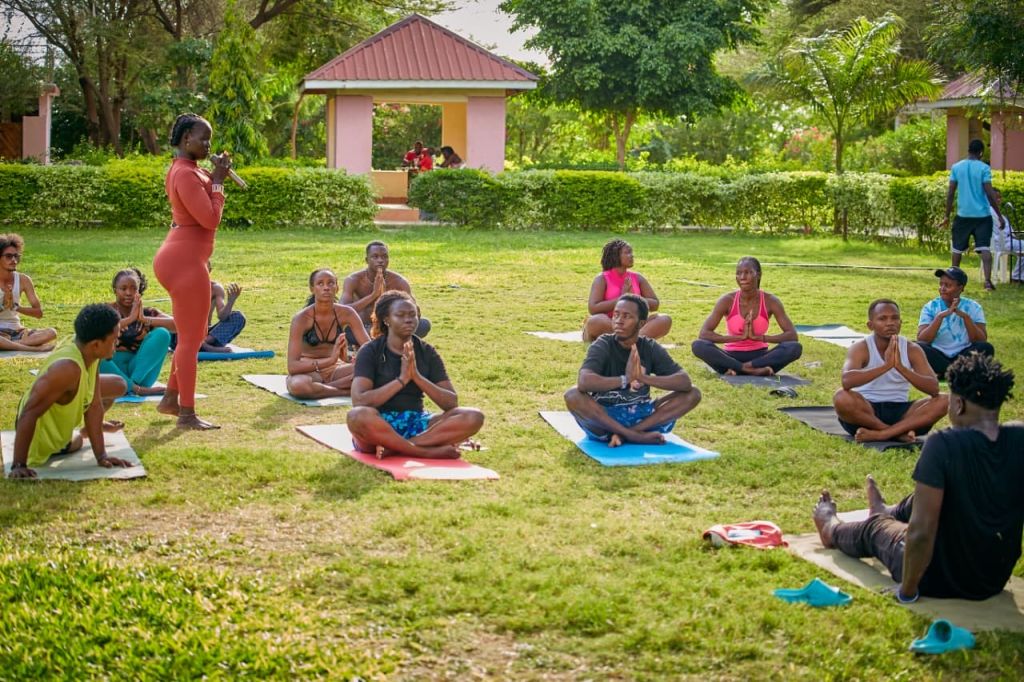
She calls for policies that prioritize mental health funding, safe community spaces like a dedicated yoga studio, and livelihood pathways connected to wellness initiatives. Short-term interventions, she argues, cannot replace consistent, locally driven leadership.
Behind the strength people see, Rita admits she still has moments of doubt and fear. But she keeps showing up. Her daily discipline sustains her: morning meditation, journaling, at least 15 minutes of yoga practice, clear boundaries, and intentional rest.
She describes her life today in one word: becoming. Grounded. Capable. Becoming what no one, not even herself, expected.
Behind the strength people see, Rita admits she still has moments of doubt and fear. But she keeps showing up. Her daily discipline sustains her: morning meditation, journaling, at least 15 minutes of yoga practice, clear boundaries, and intentional rest.
She describes her life today in one word: becoming. Grounded. Capable. Becoming what no one, not even herself, expected.
In 2024, joining the second cohort of Amahoro Coalition Fellowship deepened that becoming. Through mentorship and leadership training, she has gained clarity about her value as a displaced entrepreneur and strengthened her enterprise model. The fellowship affirmed that her work is not small, it is systemic and deeply impactful.
Looking ahead, Rita envisions a fully equipped wellness center in Kakuma. A space that feels like home, where her name is synonymous with healing, resilience, and hope. A place that will cater for the diverse cultures residing in Kakuma. She is currently formalizing her business registration and building the “Rita The Yogi” brand, investing in equipment and infrastructure to make sessions more accessible and professional.
Her legacy goal is clear: to prove that refugees are more than their status. “We are more than labels,” she says. “We are becoming.”
Looking ahead, Rita envisions a fully equipped wellness center in Kakuma. A space that feels like home, where her name is synonymous with healing, resilience, and hope. A place that will cater for the diverse cultures residing in Kakuma. She is currently formalizing her business registration and building the “Rita The Yogi” brand, investing in equipment and infrastructure to make sessions more accessible and professional.
Her legacy goal is clear: to prove that refugees are more than their status. “We are more than labels,” she says. “We are becoming.”