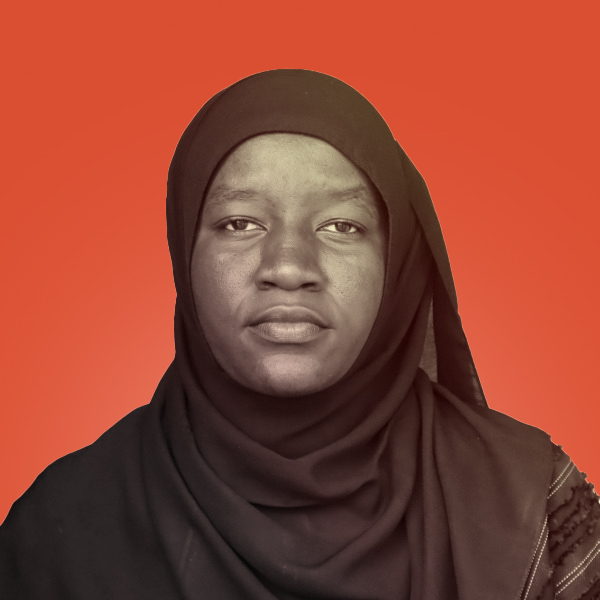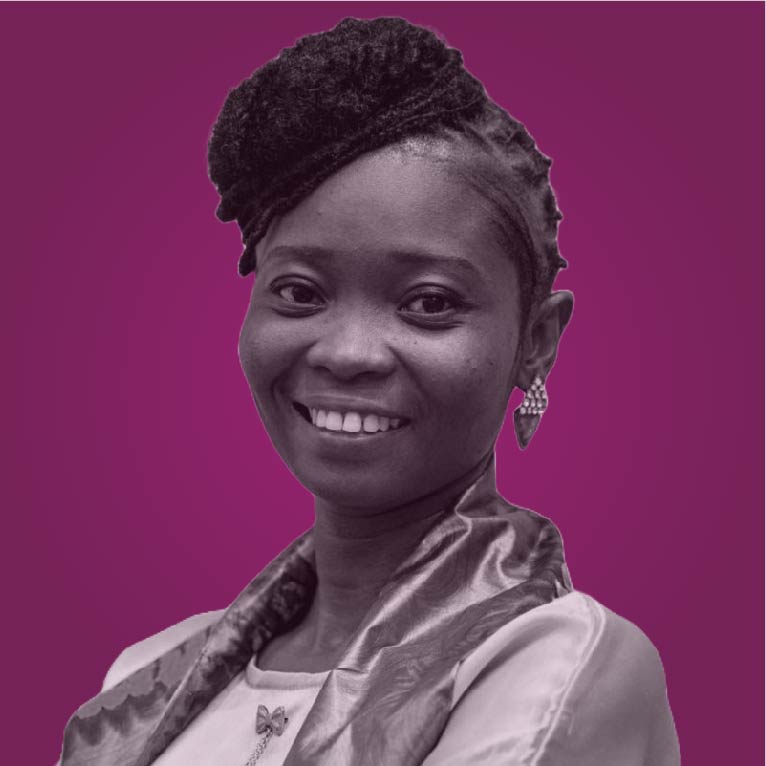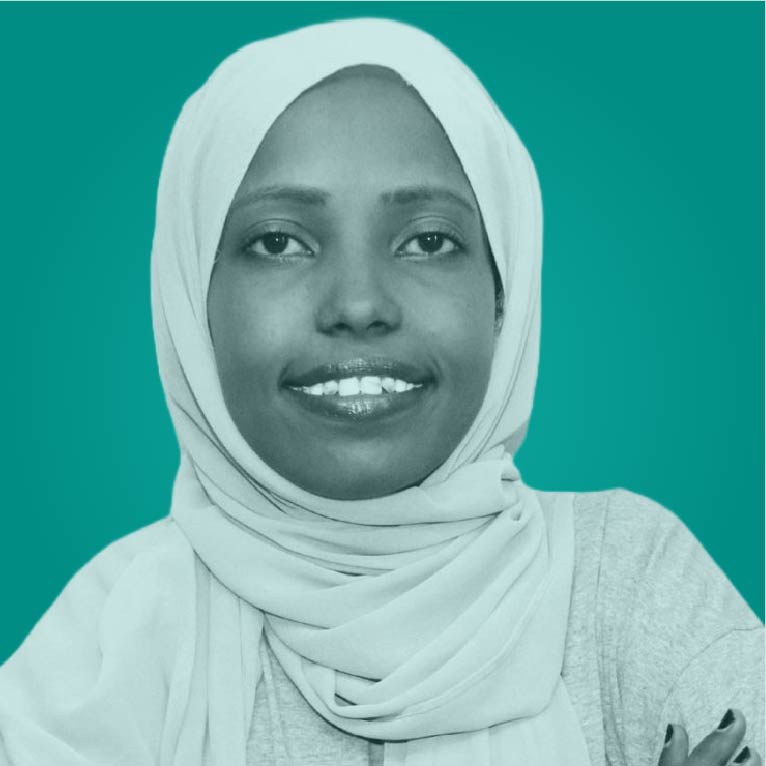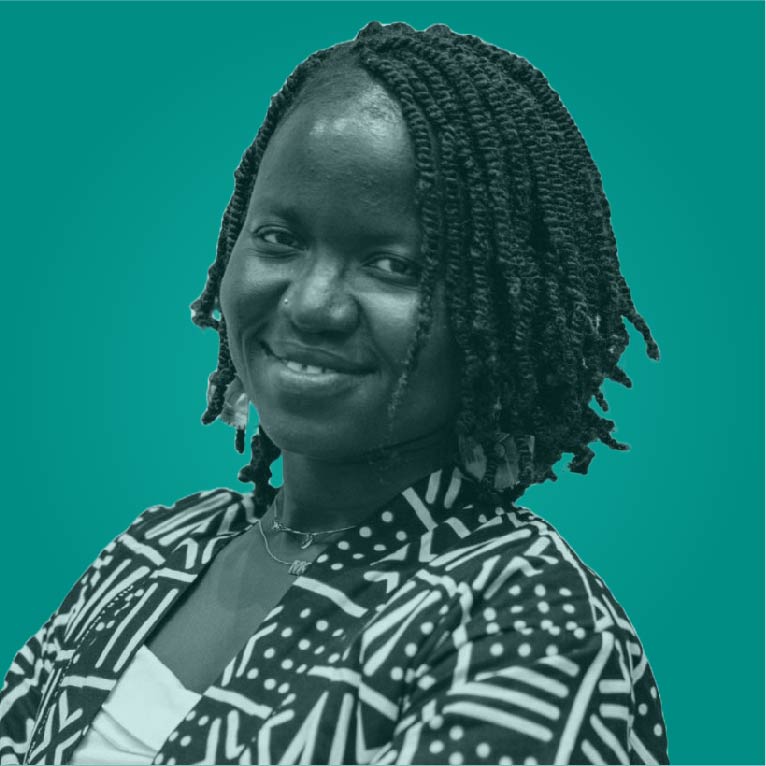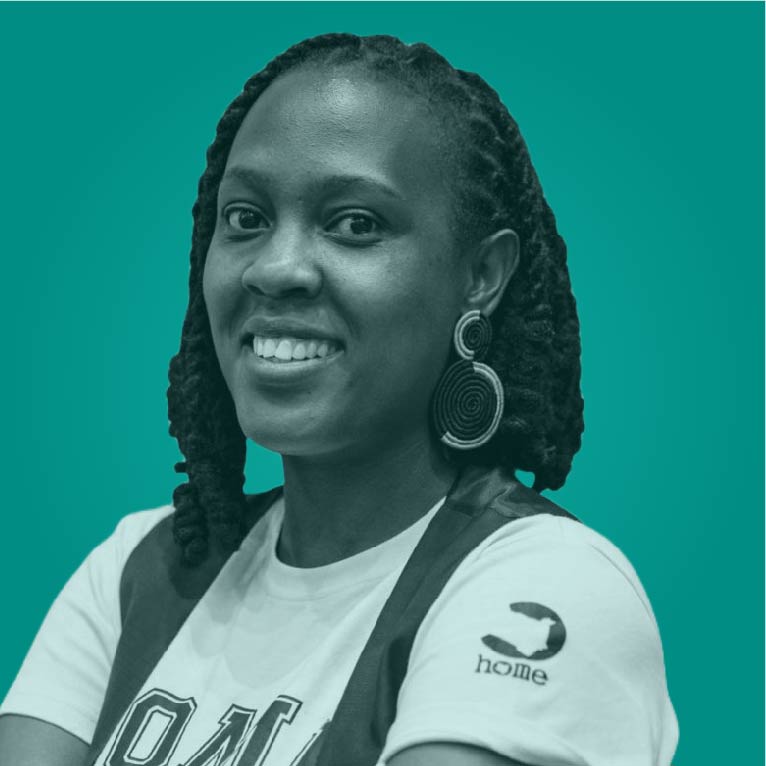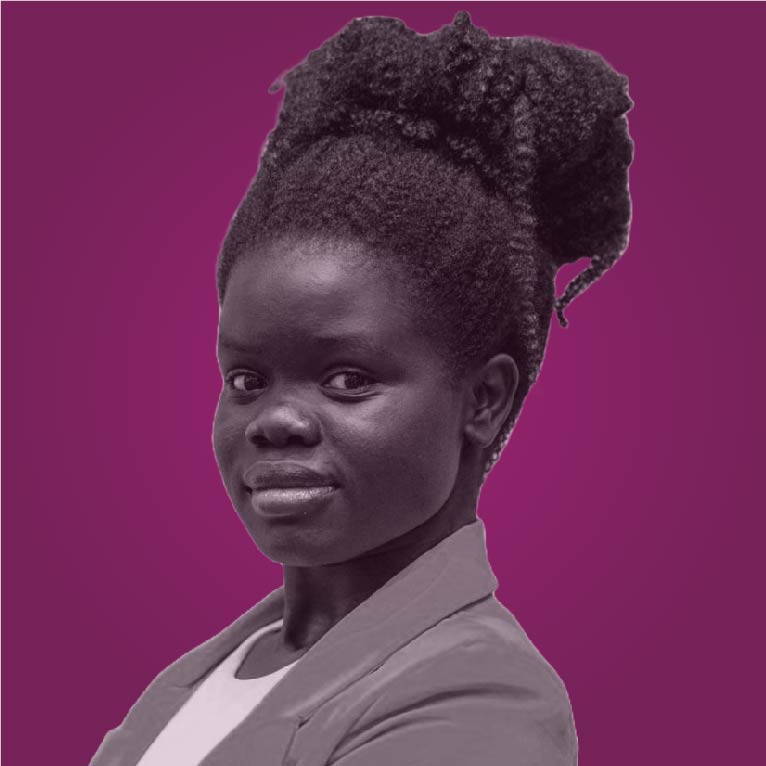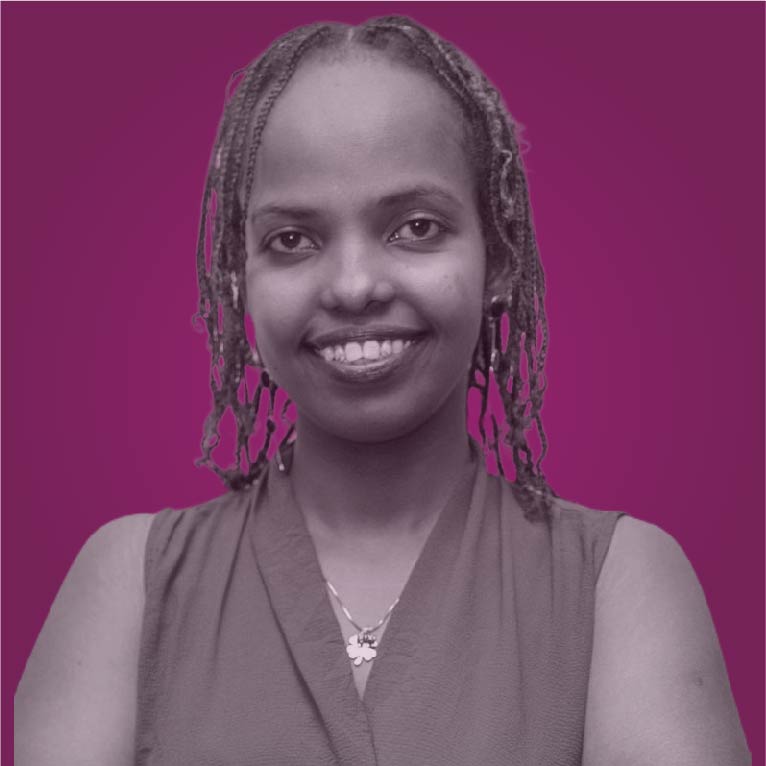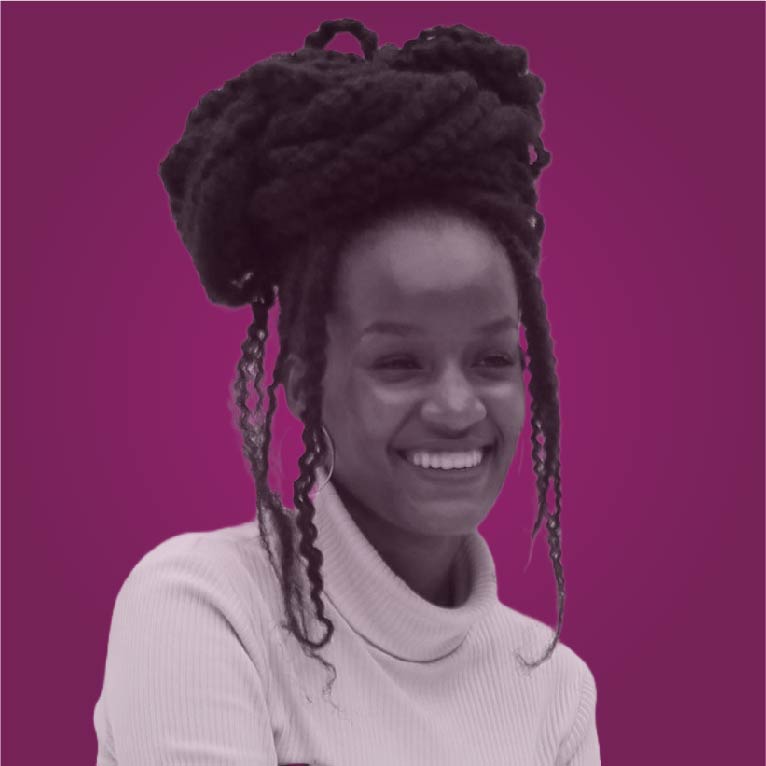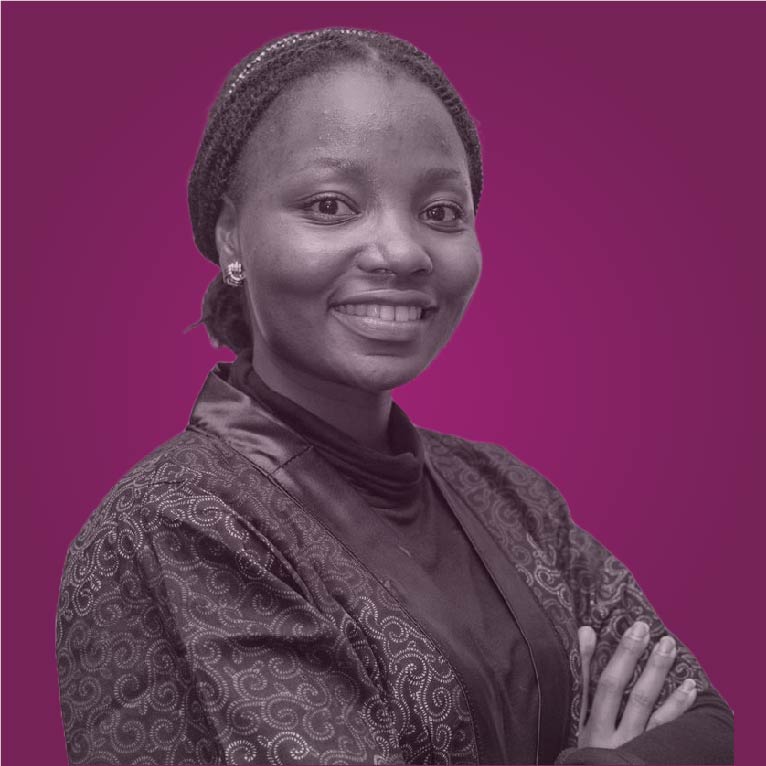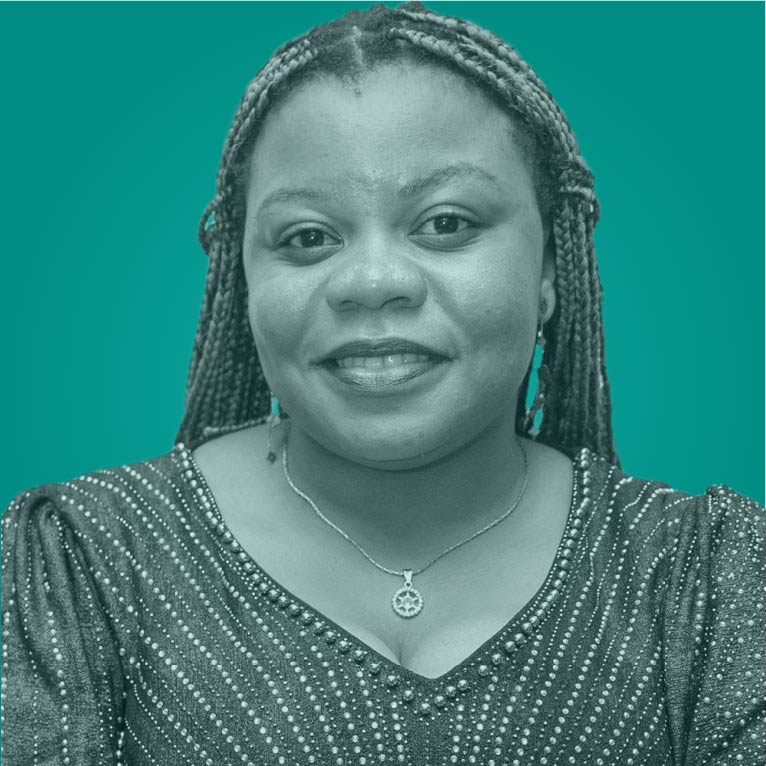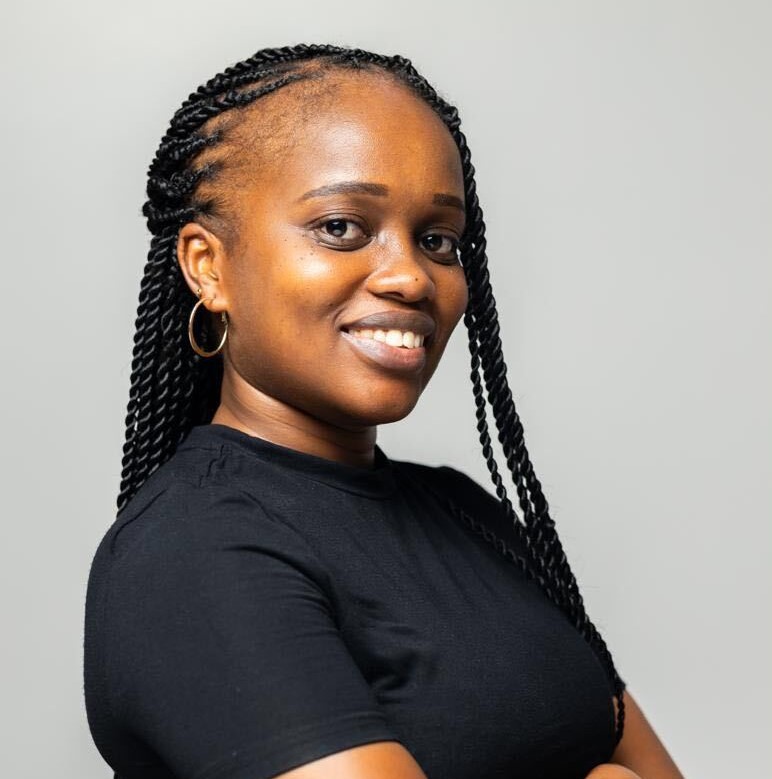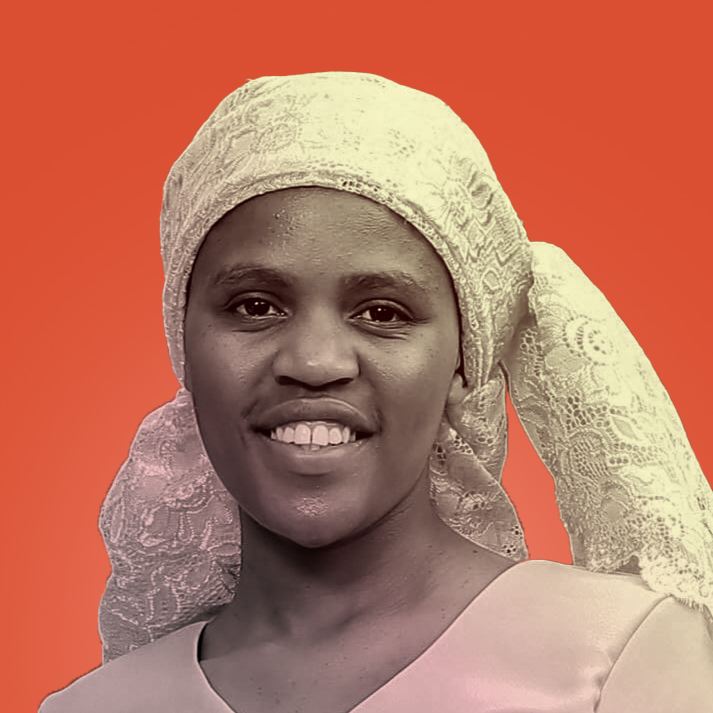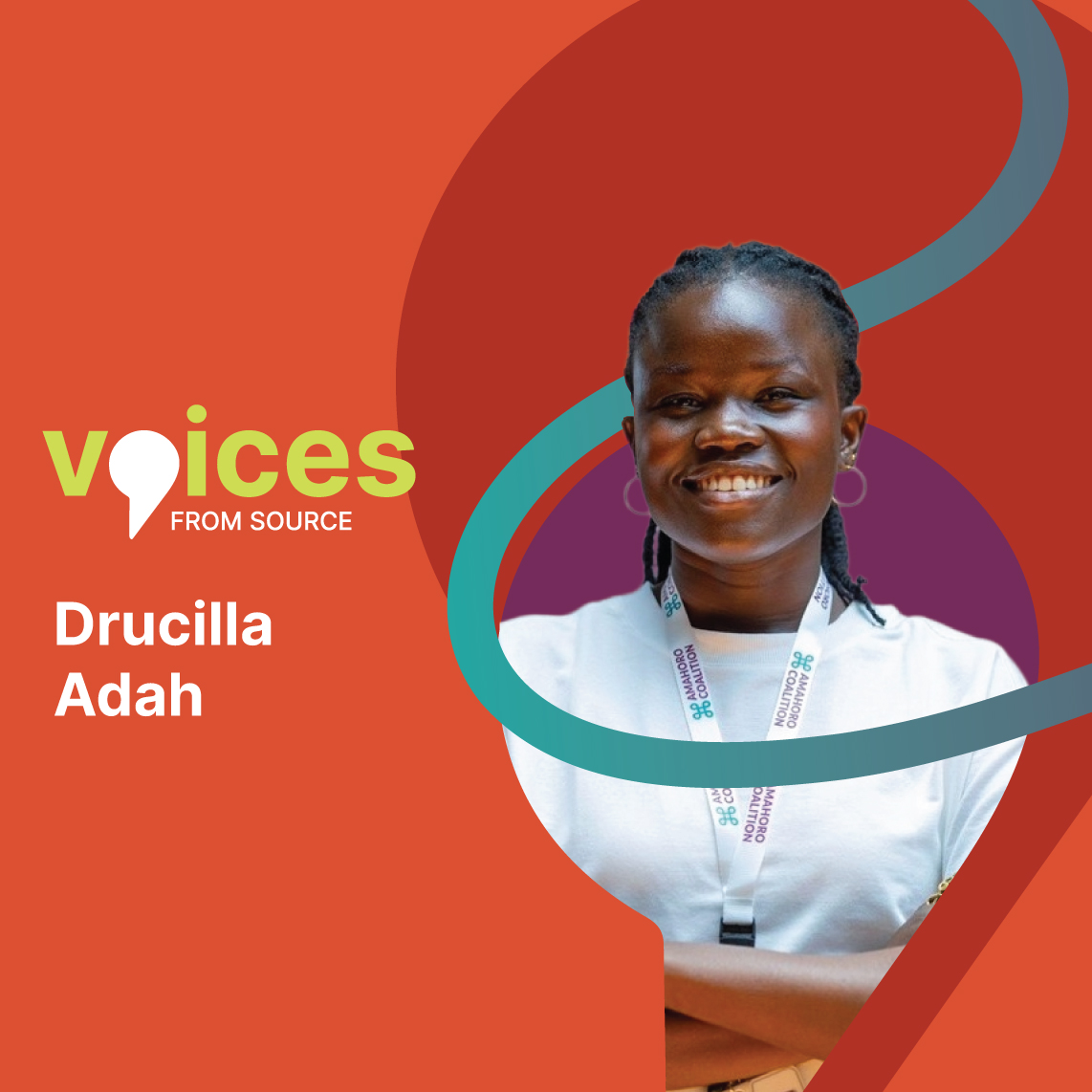
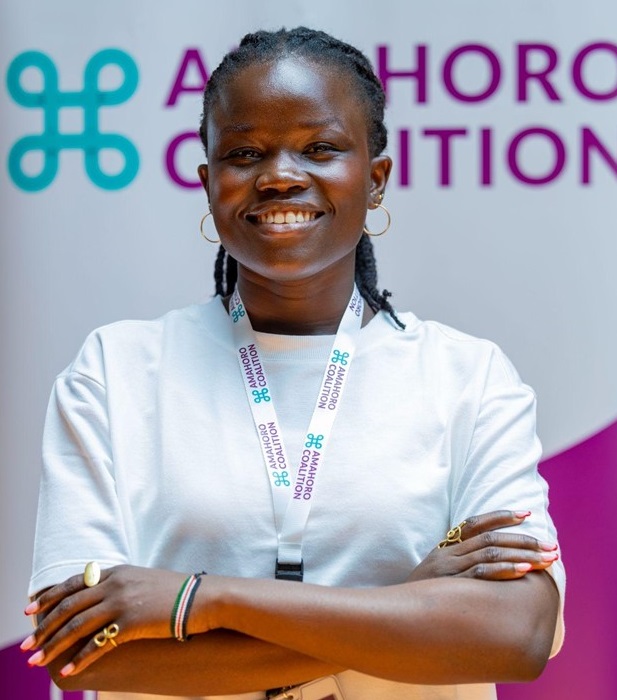
“When I came back to South Sudan, I thought I was just visiting,” explains Adah, Founder, Read and Rise South Sudan. “But when I saw children on the streets, I knew I couldn’t just stay without doing something.
So I started with what I had: my voice, a few books, and time.”
Driven by a deep love for children, she began sitting with street children in the afternoons.
It was informal at first. They began with simple English lessons under the open sky.
The boys would point to objects and ask for translations. Kubay? “Cup.” Slowly, words became sentences. Sentences became stories.
They read in English, then translated into Arabic, practiced phonics and asked questions. Soon, 15 to 20 children gathered each evening in her neighbourhood.
Her only rule? Come clean and ready to learn. The children began calling her “Hustas Adah” – Teacher Adah
Reading is not just literacy. It is imagination, confidence and possibilities.
Drucilla Adah
But sustainability became the next challenge. Paying a librarian even $50 a month was difficult to maintain. Inflation made small membership fees unrealistic. The program needed a model that could sustain itself.
That’s when she found her next solution.
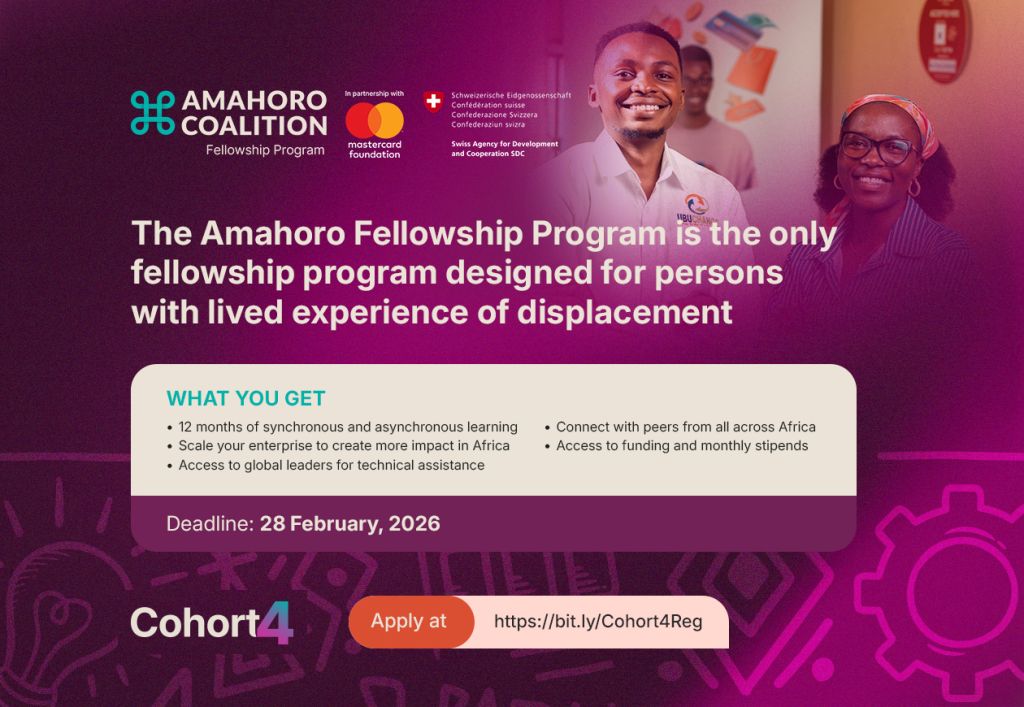
In 2024, Drucilla joined the Amahoro Coalition Fellowship Program. Within six months of enrollment, and during the first round of funding, she received $10,000 to strengthen her initiative, now formally known as Read and Rise South Sudan.
The solution? Baking.
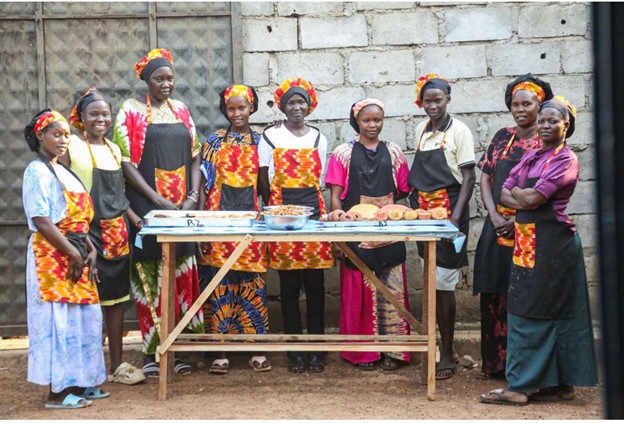
The “Rise” component trains young women especially those from vulnerable backgrounds in practical baking skills: bread, donuts, cakes, cookies. Ten women joined her first cohort, including three young mothers. The training timings were adjusted to conform to their home-keeping schedules. For example, instead for starting in the morning, sessions begin by noon.
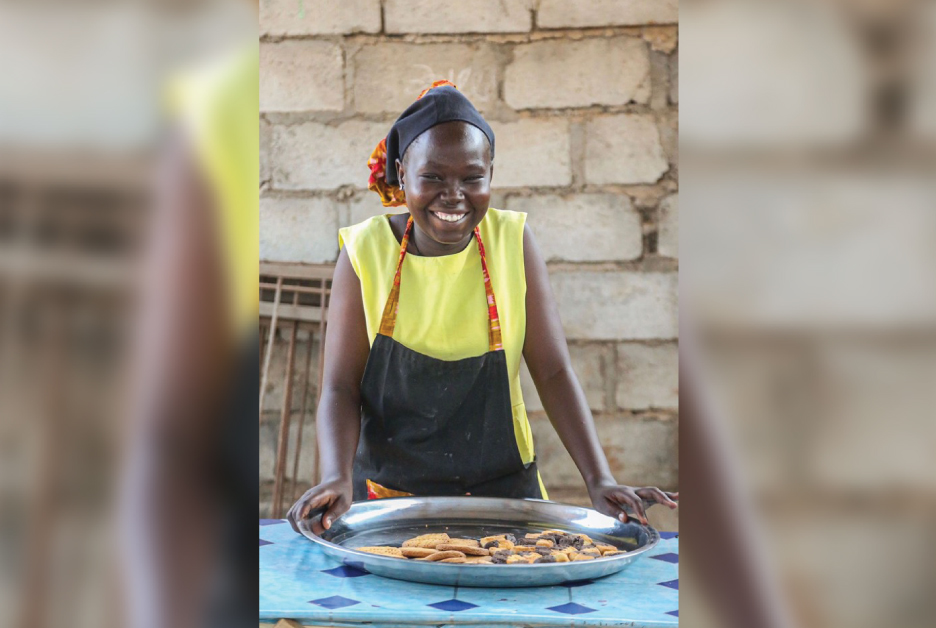
Alongside baking, the women learn financial literacy and business management. In December 2025, the first cohort graduated. The Initiative gifted each of them a small startup kit, including flour and milk, to help launch their ventures. Today, six of the ten women have already launched their own businesses.
The model is clear: generate income through baking to sustain the libraries and reading programs while at the same time economically equipping the women. The impact goes beyond literacy and income.
“These women are more confident,” Drucilla reflects. “They now see themselves as capable of providing for their families and educating their children.”
The program will employ three of the top graduates from that cohort to begin production at scale while developing a fee-based baking curriculum for future cohorts – creating a cycle of sustainability.
For Drucilla, the Amahoro Coalition Fellowship Program was far more than financial support. Through the Fellowship’s structured guidance, she gained clarity on her long-term vision, refined her strategy, strengthened her social media presence, and developed a more systematic approach to growth and partnerships.
The mentorship has helped her move from simply running a program to building an institution: equipping her with the confidence, networks, and structure needed to scale Read and Rise South Sudan beyond survival and into sustainability.
Drucilla’s long-term dream is bold: grow the baking enterprise into one of Juba’s leading suppliers of sliced bread and donuts. And then use the profits to plant more public libraries not just in Juba, but in hard-to-reach communities.
And one day, build a leadership academy in South Sudan.
She knows from a lived reality what such spaces can do. As a former refugee whose life was transformed through scholarships and mentorship, she believes deeply in structured leadership development for young people.
I want to be remembered as someone who believed in young people, someone who gave them a chance.
Drucilla Adah
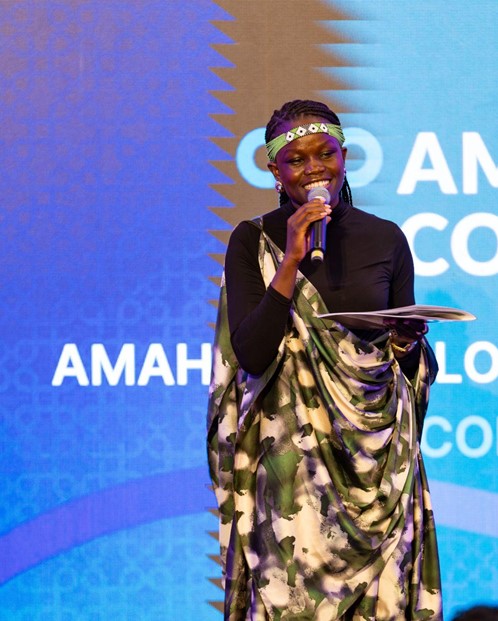
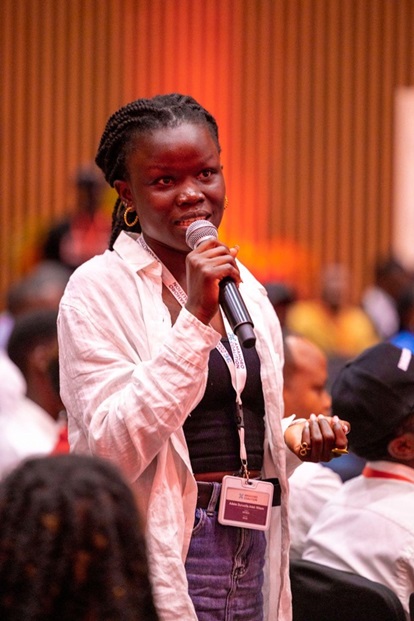
Looking back, Drucilla acknowledges the sleepless nights. The uncertainty. The moments she didn’t know how the next month would work out.
Her biggest lesson?
“Just start. Work towards that vision and you will figure it out,” enthuses Adah. “You’ll find people along the way who will support you”.
From street-side vocabulary lessons to a growing social enterprise model, Read and Rise South Sudan proves that solutions do not always begin with large institutions. Sometimes they begin with one young woman, a stack of books, and the courage to sit down with children and say: Let’s read.