From Camps to Campaigns: Influence Lives here
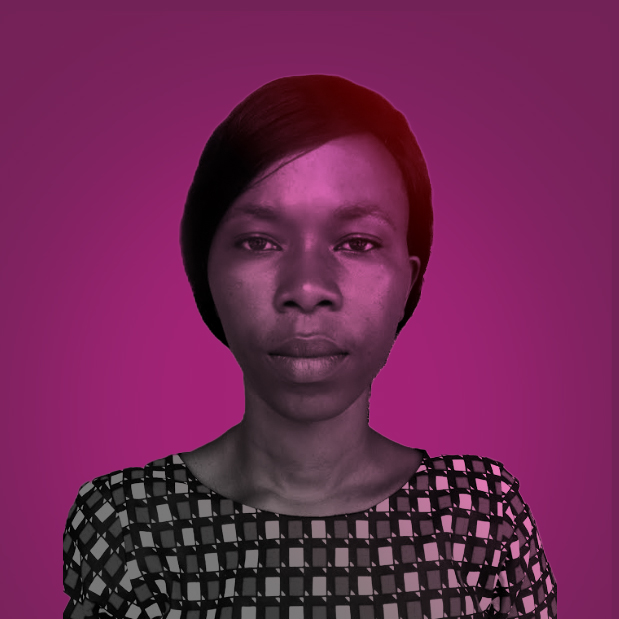
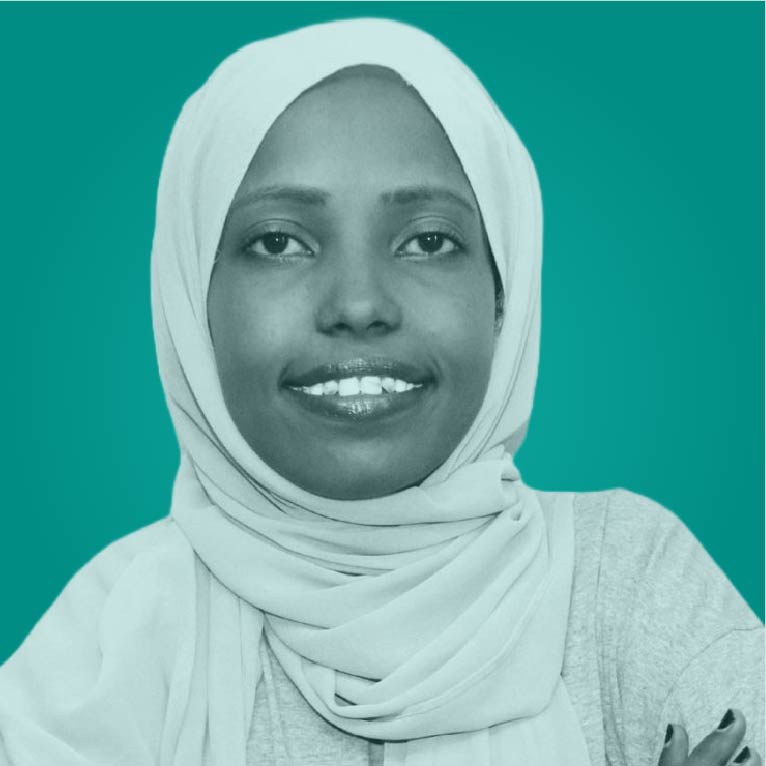
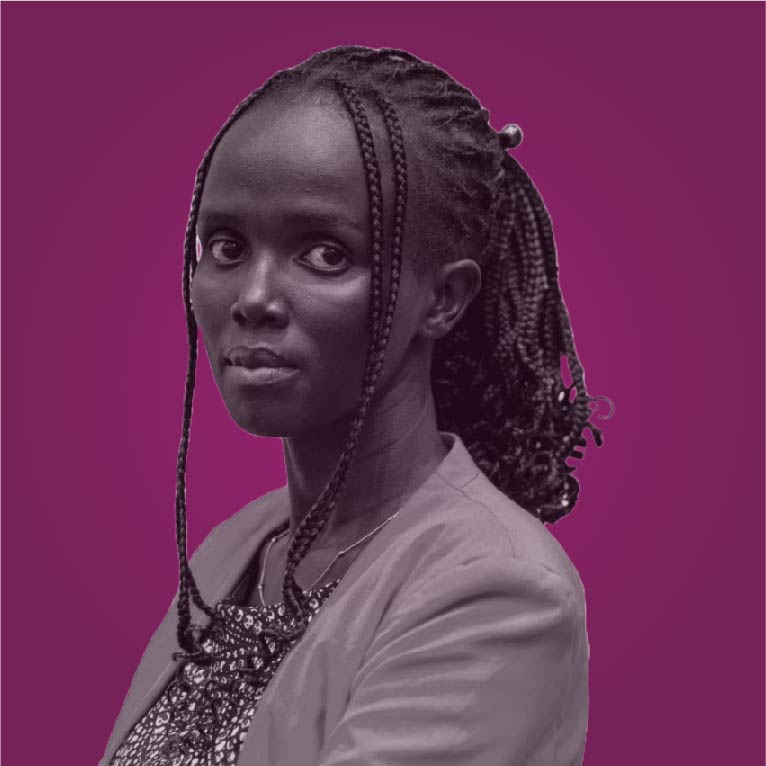
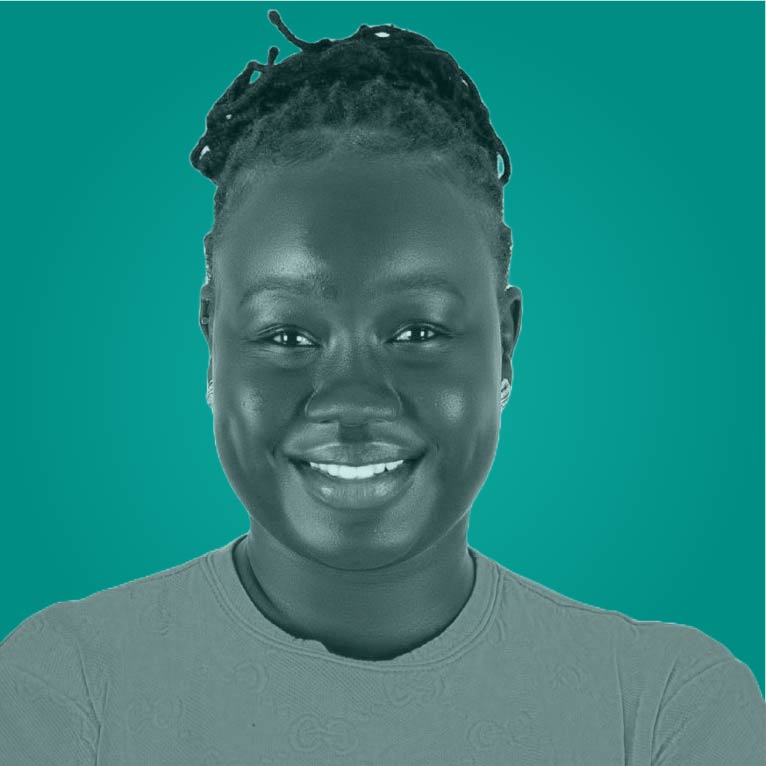
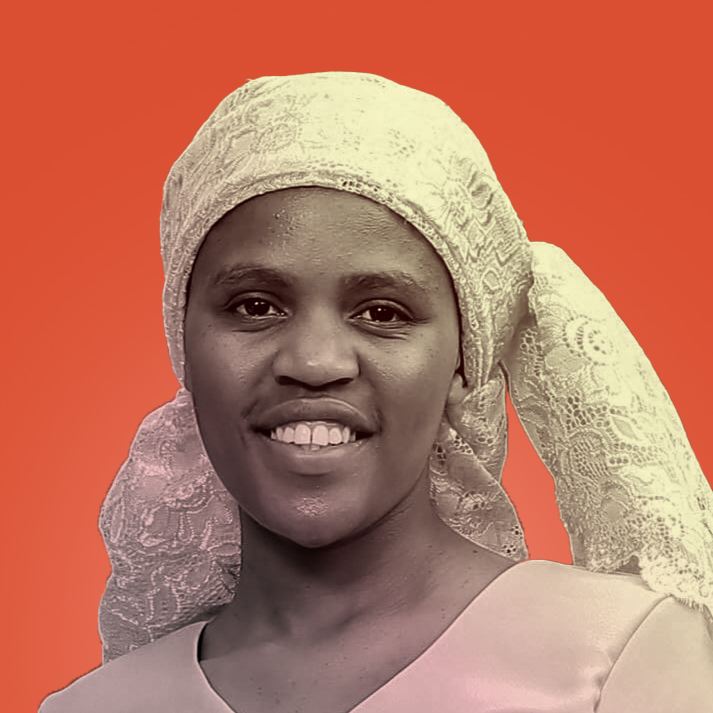
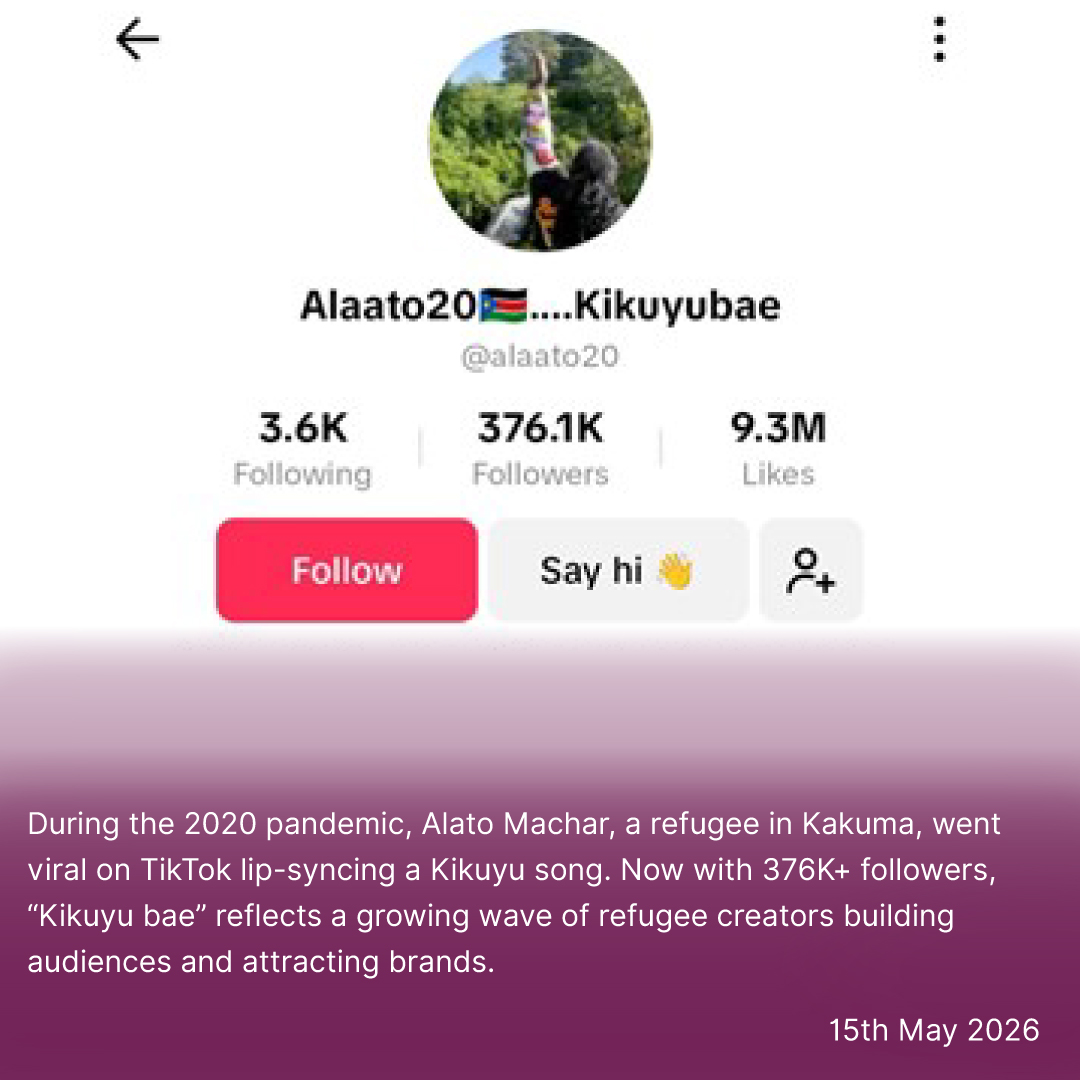
In 2020, when the pandemic locked down the world, TikTok blew up. A new wave of creators picked up their phones and started filming pieces of their lives. One of them was Alato Machar.
A Dinka and a South Sudanese national, Alato went viral lip syncing to a Kikuyu song, fluent and effortless. She stood out quickly, pulling in over 1 million viewers in less than a week.
What most of her viewers did not know was where she was filming from. Kakuma refugee camp in Northern Kenya, where she lived with her parents.
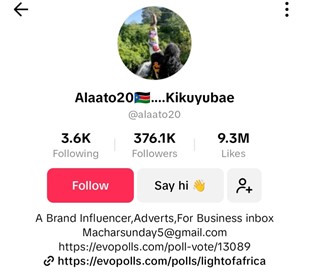
Today, Alato has turned that viral moment into a TikTok career. She has amassed over 376,000 followers and built a community that cuts across refugees and non-refugees alike. They call her the “Kikuyu bae.”
But Alato is one of many. Across social media, young people with lived experience of displacement are creating, building audiences, and helping brands tap into a consumer segment that is still largely underserved.
Today, Alato has turned that viral moment into a TikTok career. She has amassed over 376,000 followers and built a community that cuts across refugees and non-refugees alike. They call her the “Kikuyu bae.”
But Alato is one of many. Across social media, young people with lived experience of displacement are creating, building audiences, and helping brands tap into a consumer segment that is still largely underserved.
A Market Bigger Than It Looks
Africa is home to about 45.7 million people displaced from their homes. That includes refugees, internally displaced people, and asylum seekers, roughly 43% of the global total.
Some, like Alato, live in organised settlements like Kakuma or Bidi Bidi in Uganda. Many others are in cities like Nairobi and Kampala, getting on with daily life. And daily life comes with spending – on food, airtime, beauty products, and financial services.
Around 160 million people of African origin live across the world. Together, they form the African diaspora, a population so large it could be its own country. The African Union treats it that way, recognising the diaspora as Africa’s sixth region.
With a higher earning and spending ceiling, they send billions back home every year, often outpacing foreign aid. In 2022 alone, the diaspora sent home $95 billion in remittances, compared to just $29 billion in official development aid.
But the diaspora is also a hungry market. Hungry for beauty and fashion that sees them, food that tastes like home, and financial services that move money across borders without taking half of it.
For brands chasing new audiences, this is a market ripe for taking, and refugee influencers are a way in.
Africa is home to about 45.7 million people displaced from their homes. That includes refugees, internally displaced people, and asylum seekers, roughly 43% of the global total.
Some, like Alato, live in organised settlements like Kakuma or Bidi Bidi in Uganda. Many others are in cities like Nairobi and Kampala, getting on with daily life. And daily life comes with spending – on food, airtime, beauty products, and financial services.
Around 160 million people of African origin live across the world. Together, they form the African diaspora, a population so large it could be its own country. The African Union treats it that way, recognising the diaspora as Africa’s sixth region.
With a higher earning and spending ceiling, they send billions back home every year, often outpacing foreign aid. In 2022 alone, the diaspora sent home $95 billion in remittances, compared to just $29 billion in official development aid.
But the diaspora is also a hungry market. Hungry for beauty and fashion that sees them, food that tastes like home, and financial services that move money across borders without taking half of it.
For brands chasing new audiences, this is a market ripe for taking, and refugee influencers are a way in.
The Refugee Influencer Advantage
Displaced communities like Kakuma are natural melting pots of culture. Food, music, entertainment, fashion and beauty from different countries come together in one place. So for brands, there are many ways to plug in.
Creators like Alato have found their pocket. Most of her partnerships so far have been with skincare brands, building an audience that trusts what she puts on. If you’re familiar with Sudanese models in high fashion and beauty, you know what she’s onto.
A model like Adut Akech, who spent her early years in Kakuma, has risen to front campaigns for beauty brands like Estée Lauder, Valentino, and Rhode. Alato is tapping into the same energy, now targeting brands like Vaseline East Africa.
Displaced communities like Kakuma are natural melting pots of culture. Food, music, entertainment, fashion and beauty from different countries come together in one place. So for brands, there are many ways to plug in.
Creators like Alato have found their pocket. Most of her partnerships so far have been with skincare brands, building an audience that trusts what she puts on. If you’re familiar with Sudanese models in high fashion and beauty, you know what she’s onto.
A model like Adut Akech, who spent her early years in Kakuma, has risen to front campaigns for beauty brands like Estée Lauder, Valentino, and Rhode. Alato is tapping into the same energy, now targeting brands like Vaseline East Africa.
Catch them before they go big
Celebrity influencers are losing their grip as the high-lifestyle appeal wears thin. Mega-influencer campaigns are delivering weaker practical results, while mid tier and nano-influencers, those with fewer than 10,000 followers, are driving stronger engagement and trust.
Numbers back this up. A 2024 analysis found that brands working with nano-influencers saw a 30% higher conversion rate than those using macro influencers.
With refugee creators, that trust runs deeper. Their audiences are communities built around shared language, cultures, and lived experiences. At $250 to $500 per post, a brand can run a multi-creator campaign across five refugee influencers for less than the cost of using a single top-tier urban creator.
Celebrity influencers are losing their grip as the high-lifestyle appeal wears thin. Mega-influencer campaigns are delivering weaker practical results, while mid tier and nano-influencers, those with fewer than 10,000 followers, are driving stronger engagement and trust.
Numbers back this up. A 2024 analysis found that brands working with nano-influencers saw a 30% higher conversion rate than those using macro influencers.
With refugee creators, that trust runs deeper. Their audiences are communities built around shared language, cultures, and lived experiences. At $250 to $500 per post, a brand can run a multi-creator campaign across five refugee influencers for less than the cost of using a single top-tier urban creator.
And in practice, this partnership can look like many things:
- A skincare brand like Vaseline or Cantu reaching South Sudanese and East African women through a creator who uses their products as part of her actual routine
- A remittance service like NALA or Sendwave getting endorsed by a creator whose audience sends money home every month and is actively looking for a provider they can trust
- A food brand getting its oil, flour, or spice blend into a recipe video that a Congolese creator in Kampala makes for her 8,000 followers, most of whom cook the same food
By Mercy Awiti