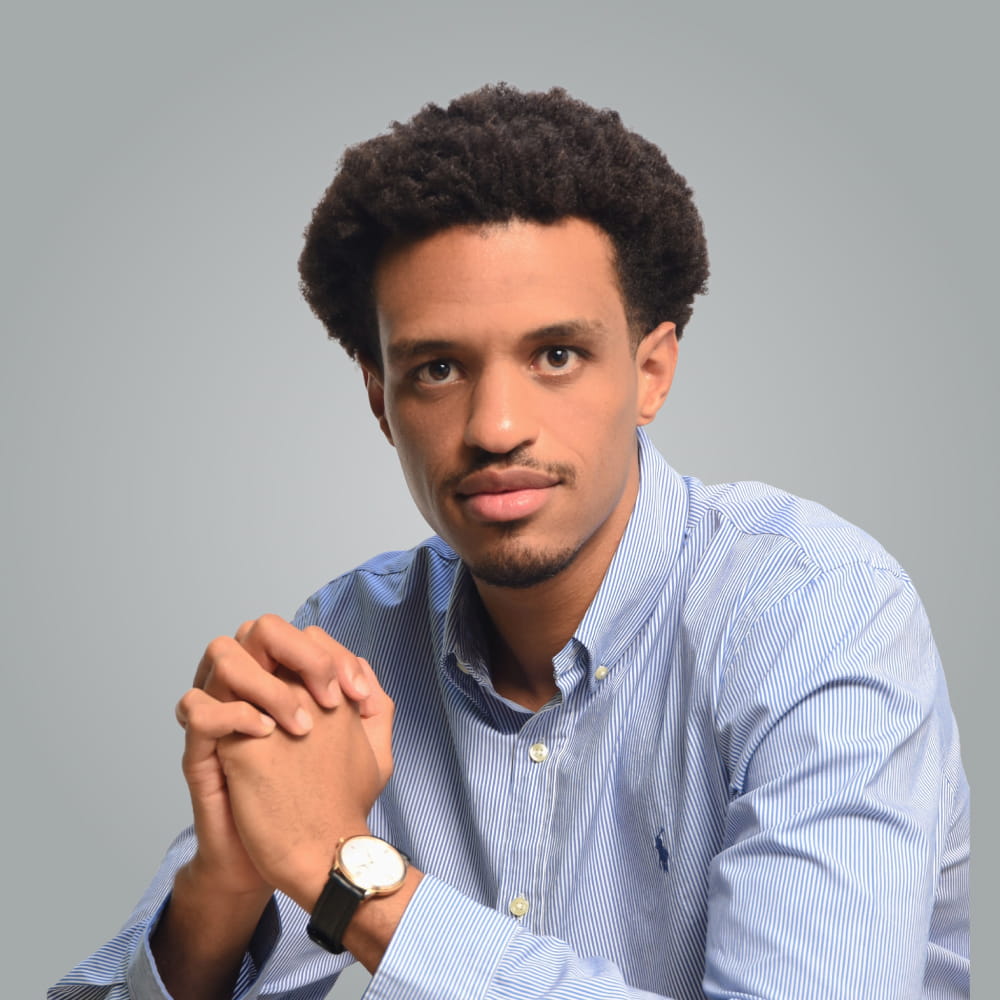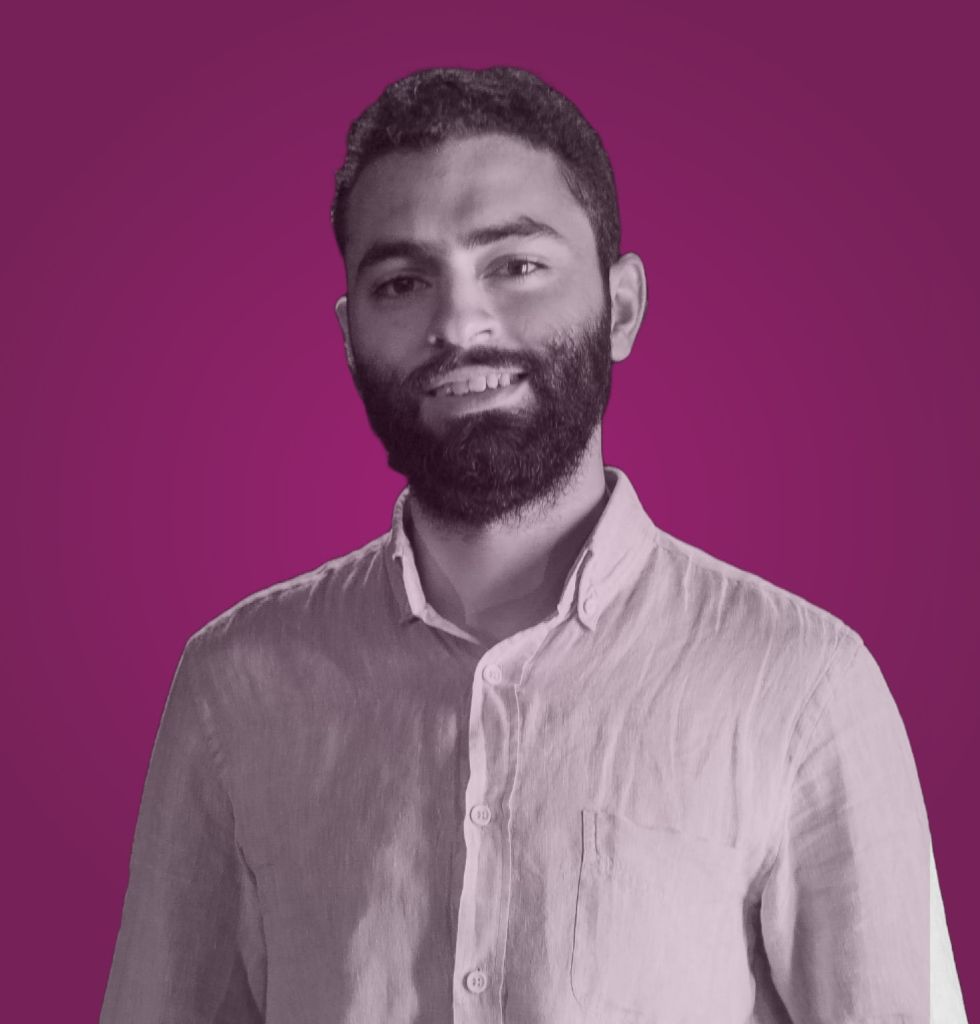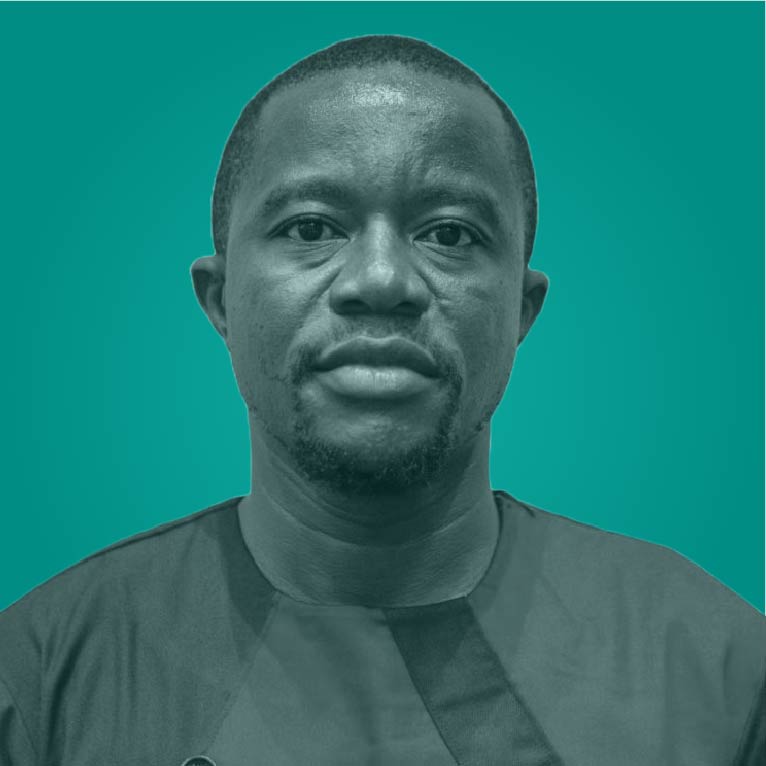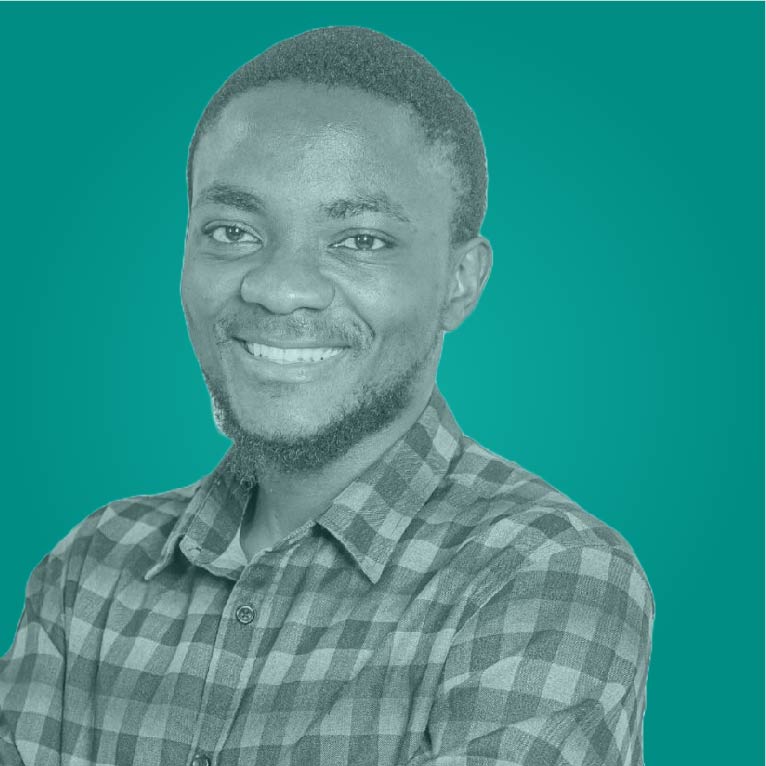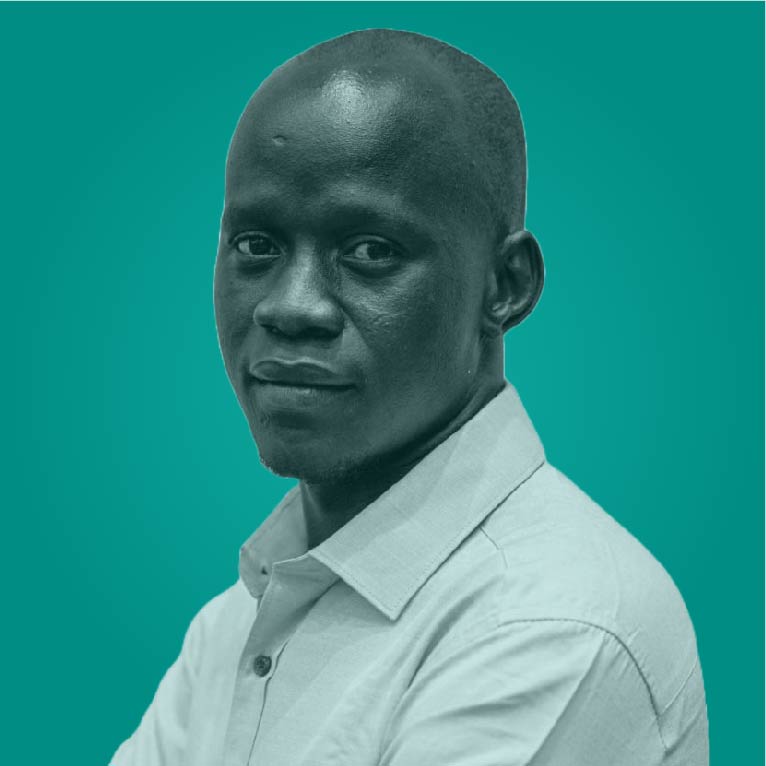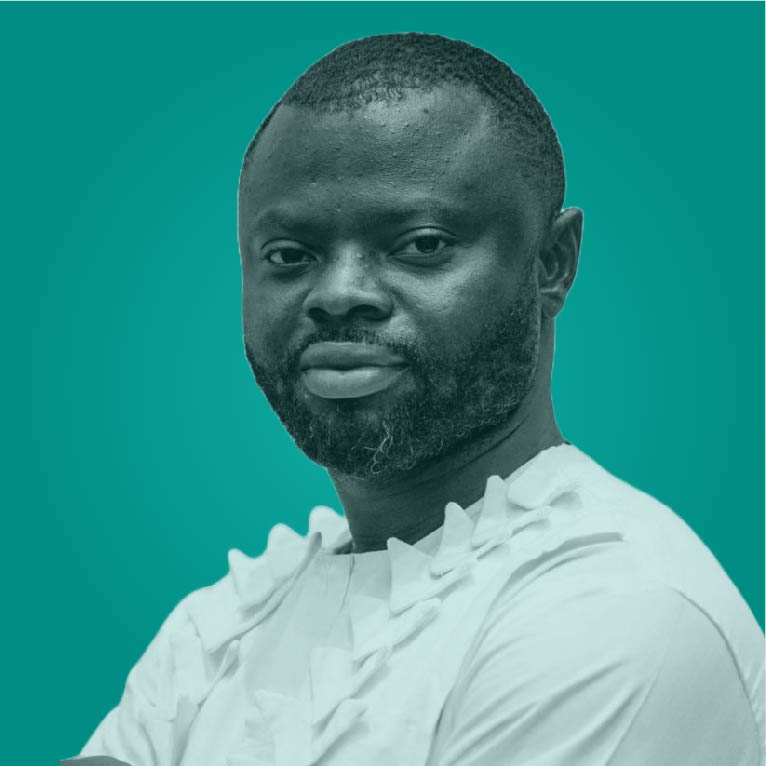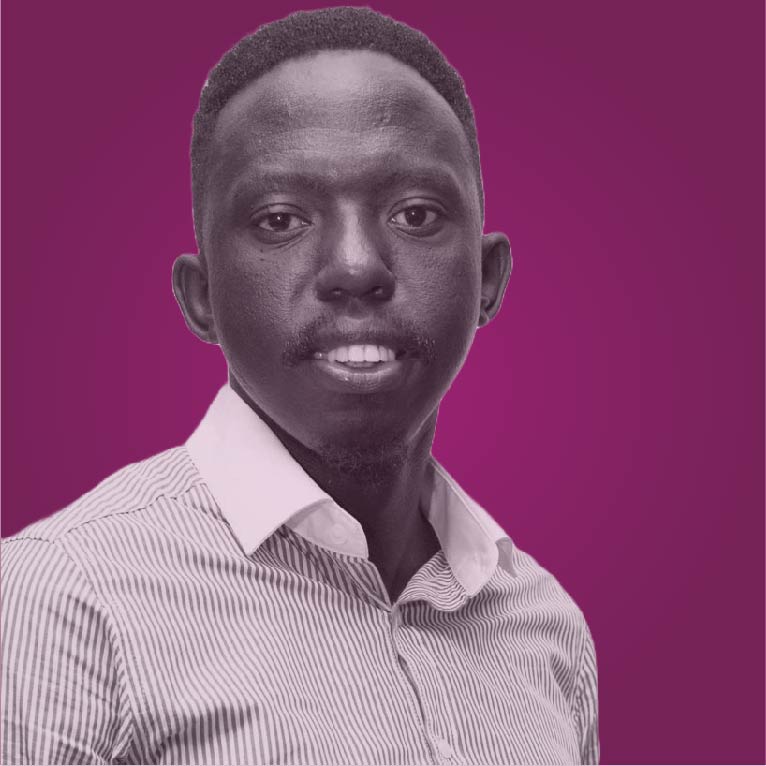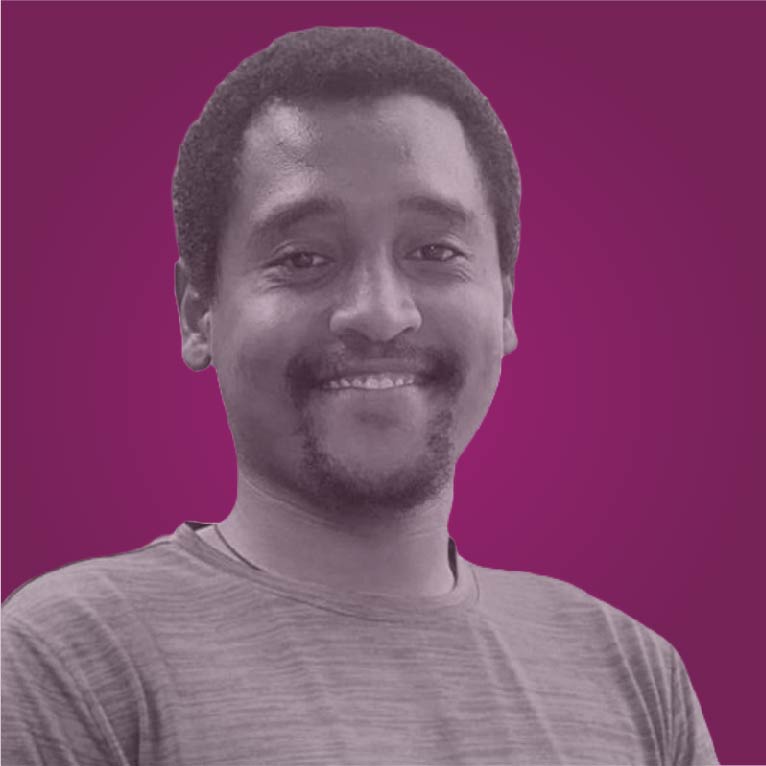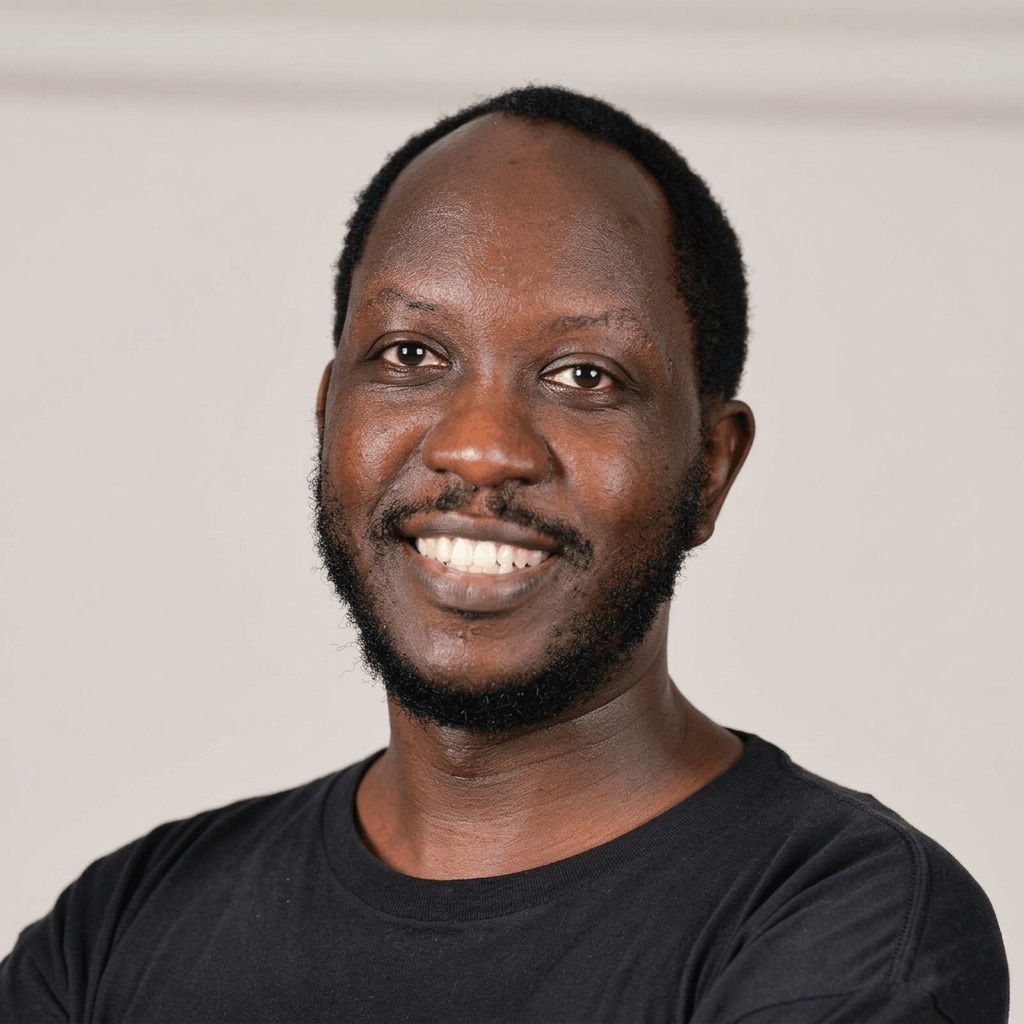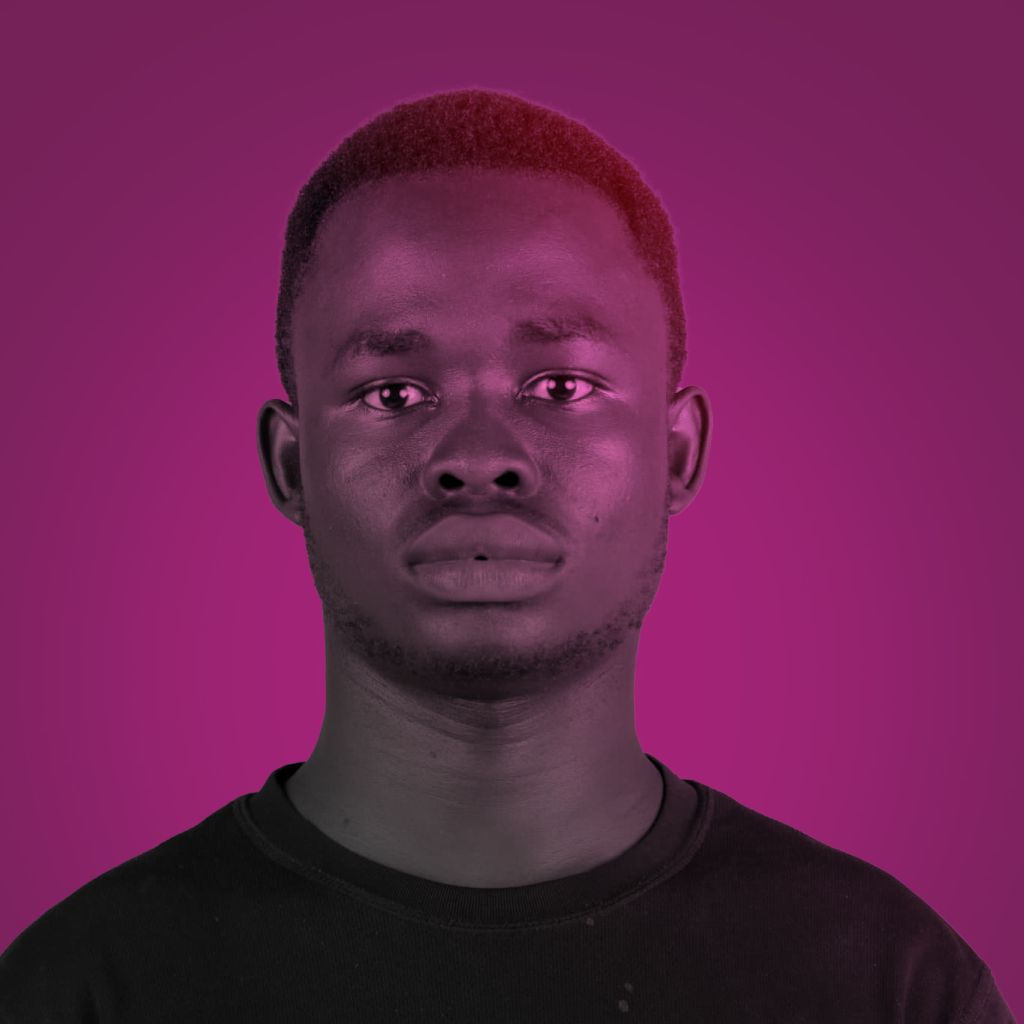
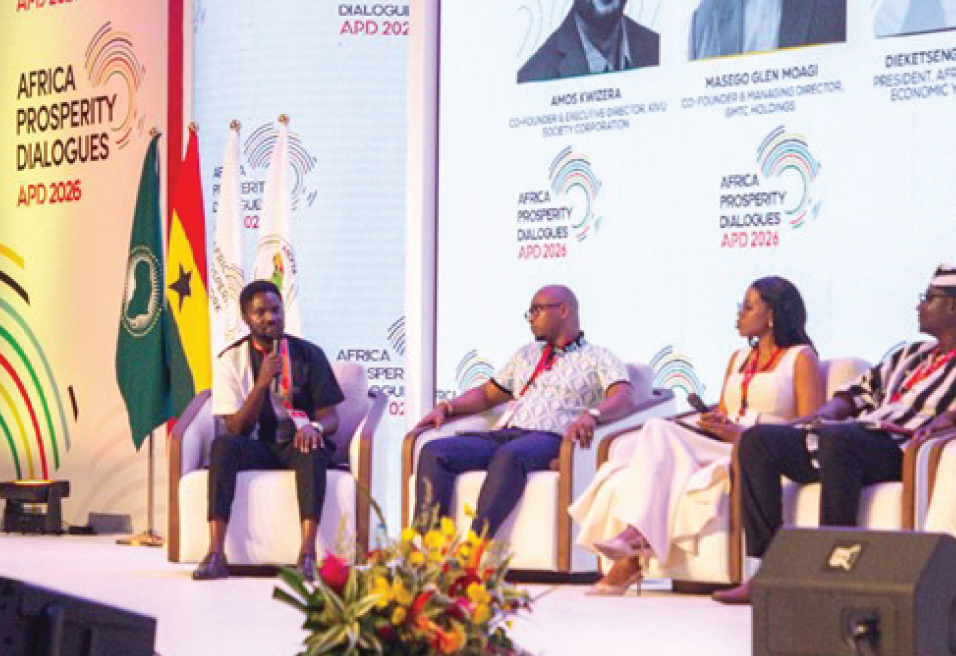
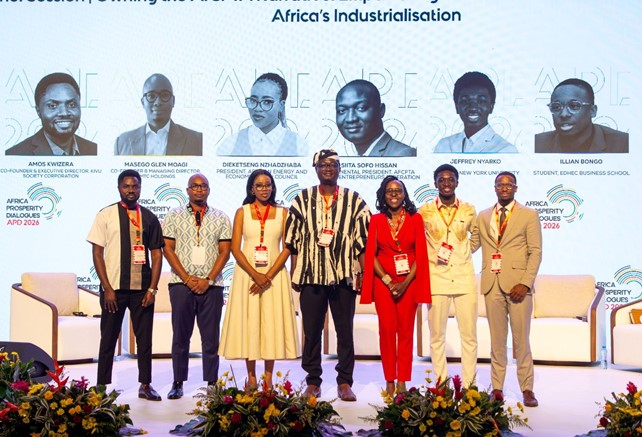
A refugee for more than a decade, Kwizera understands firsthand the systemic barriers that often keep displaced people locked out of economic opportunities. That is why he co-founded Kivu Society Corporation (KSC), a youth-led enterprise in Eastern DRC that processes locally sourced agricultural produce from Tanzania, Uganda, Burundi and Rwanda into non alcoholic beverages.
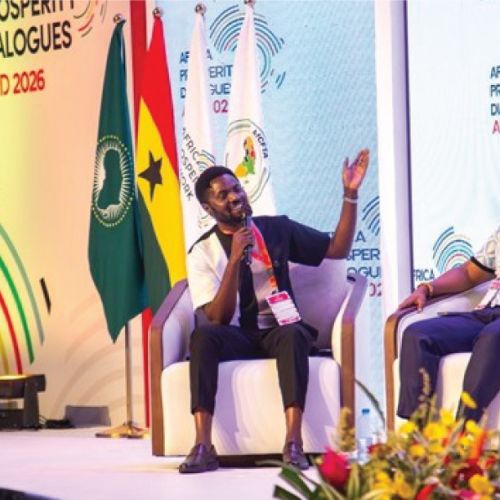
For me AfCFTA doesn’t mean unregulated movement, It means ease of transiting goods from one country to another, lower taxes and better infrastructure
Amos Kwizera
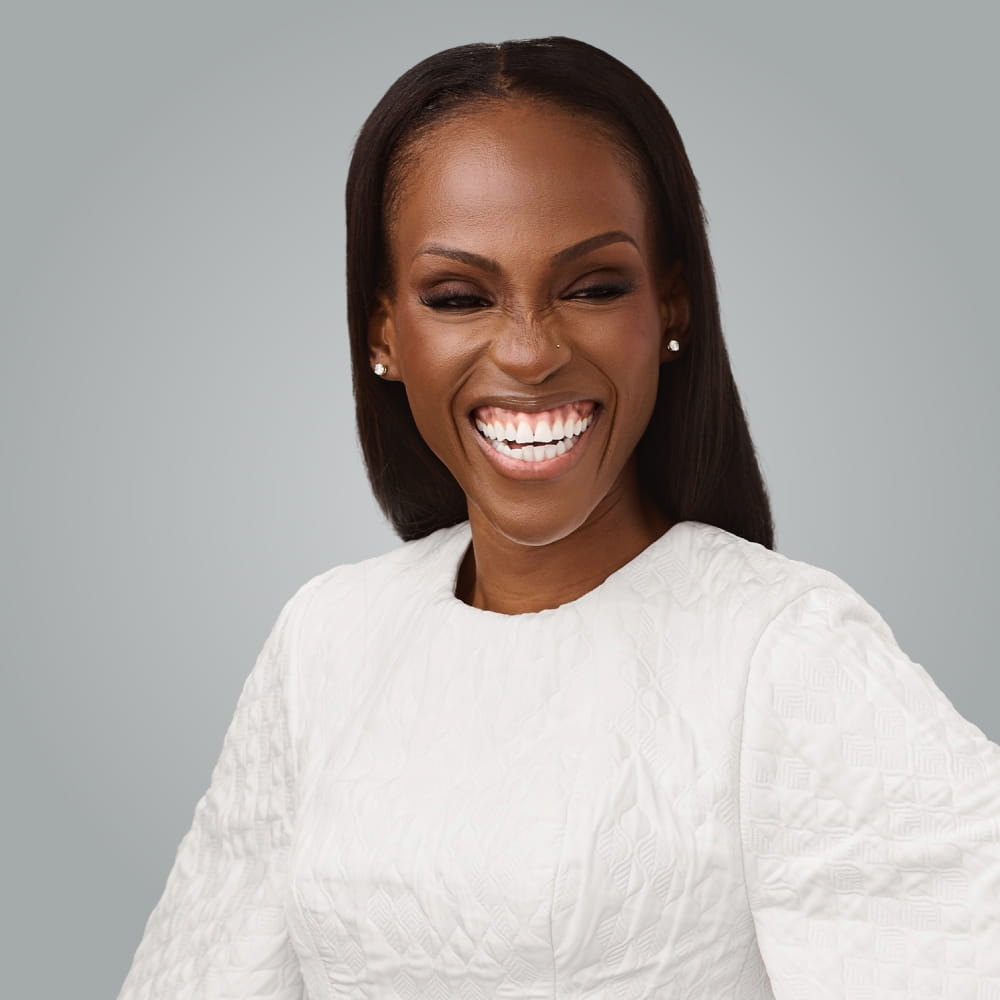
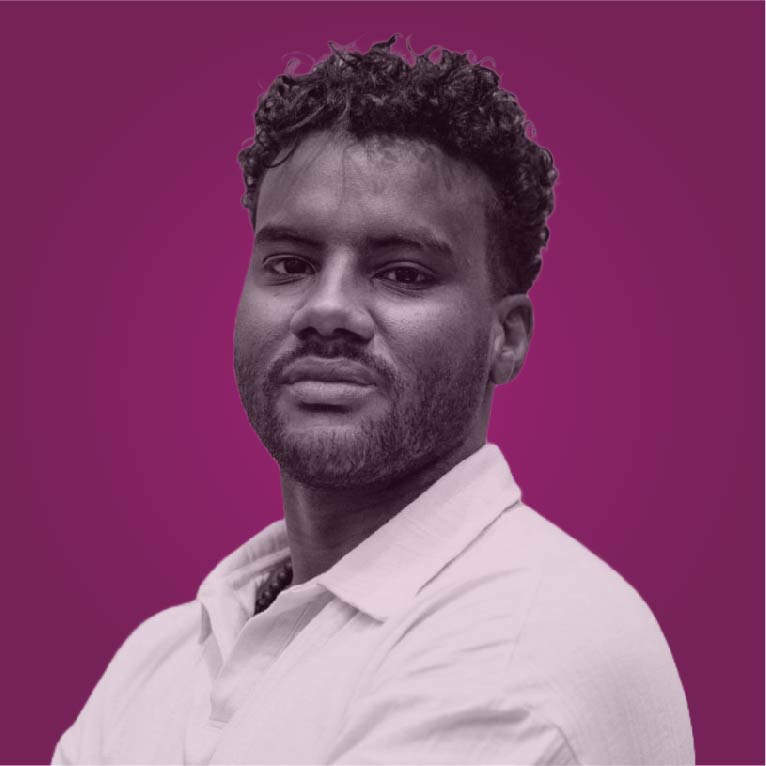
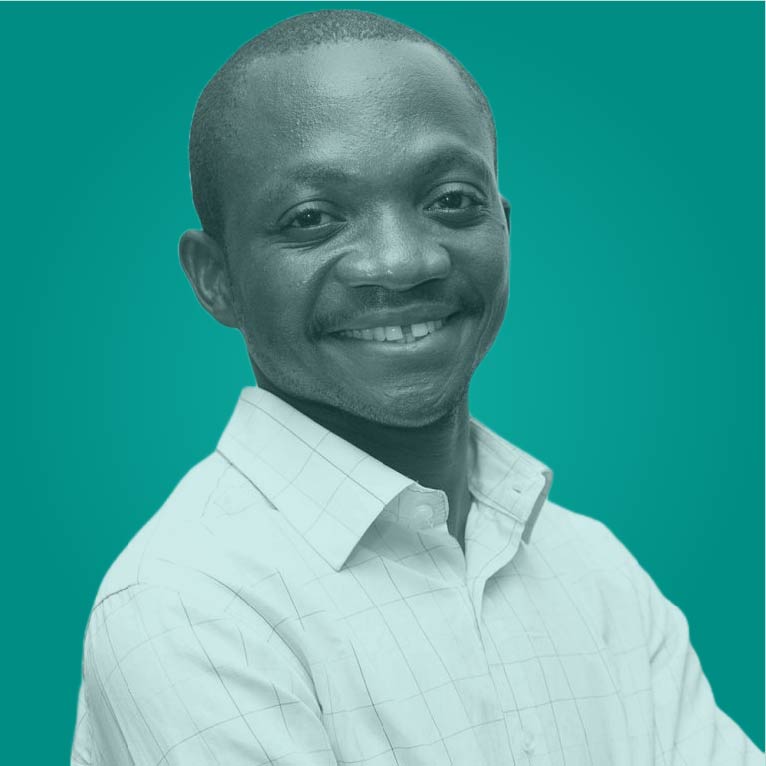
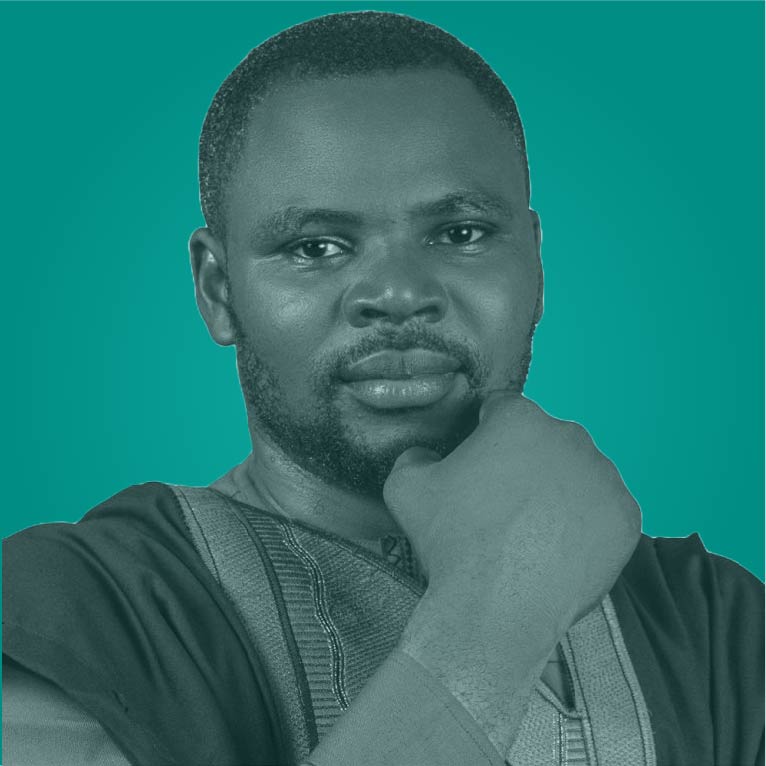
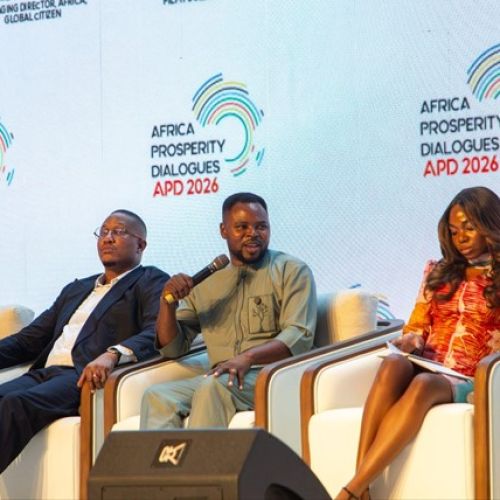
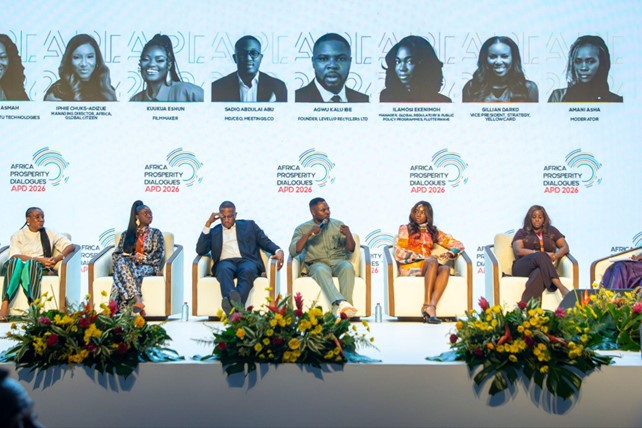
In another session under the theme “Africa Without Borders: The Digital and Creative Economy as Drivers of Africa’s Single Market and Global Soft Power,” Agwu Kalu Ibe brought a different but equally powerful perspective from Nigeria.
Ibe is the founder of LevelUp Recyclers LTD, a waste management company turning plastic pollution into an economic opportunity for internally displaced women and youth. Through collection, processing, upcycling and sales, LevelUp converts plastic waste into fiberboards used in construction and furniture. A proof that environmental sustainability and economic inclusion can grow together.
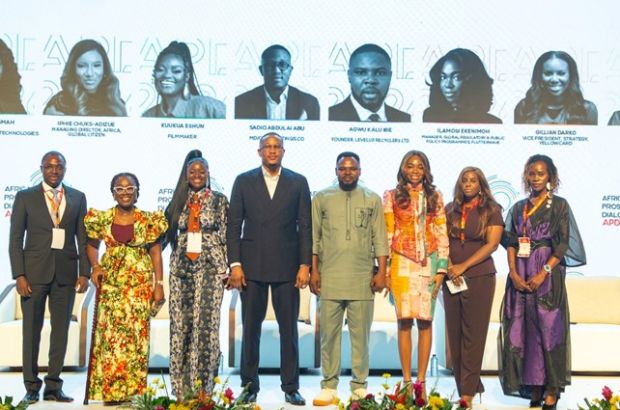
What makes both Kwizera and Ibe’s presence at APD 2026 significant is not only the scale of their impact, but the perspective they bring into high-level economic conversations. Too often, discussions about refugees and displaced populations happen without them in the room. At APD 2026, these Amahoro Coalition Fellows were not case studies. They were industry builders, employers and innovators contributing directly to Africa’s prosperity agenda.
“Africa’s future is borderless when our youth turn creativity into currency, displacement into mobility, and AfCFTA into a launchpad for global soft power,” says Ibe.
The presence of Kwizera and Ibe at APD 2026 is also a reflection of the Amahoro Coalition Fellowship’s mission: to support forcibly displaced and conflict-affected entrepreneurs as leaders, innovators and economic actors.