Repayment rates stabilised above 85 percent after Avigo Finance replaced individual lending with village banks, where groups of five to ten entrepreneurs guarantee one another’s loans. Today the company works through 89 village banks, has built a loan portfolio of approximately 450,000 Zambian Kwacha (US$16,600), and serves 285 active borrowers – 60 percent of them women and 75 percent from rural displaced and host communities.

The results demonstrated that in frontier markets, trust is a stronger indicator of creditworthiness than
paperwork.
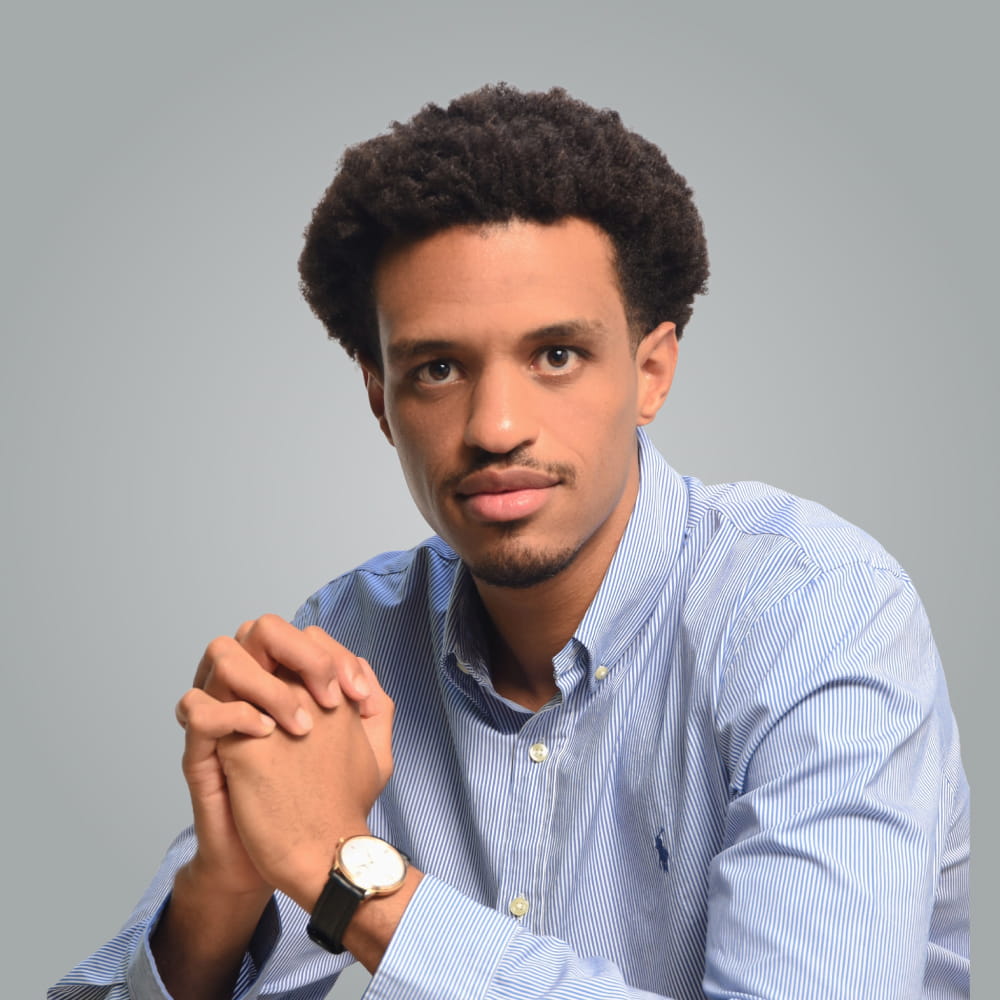
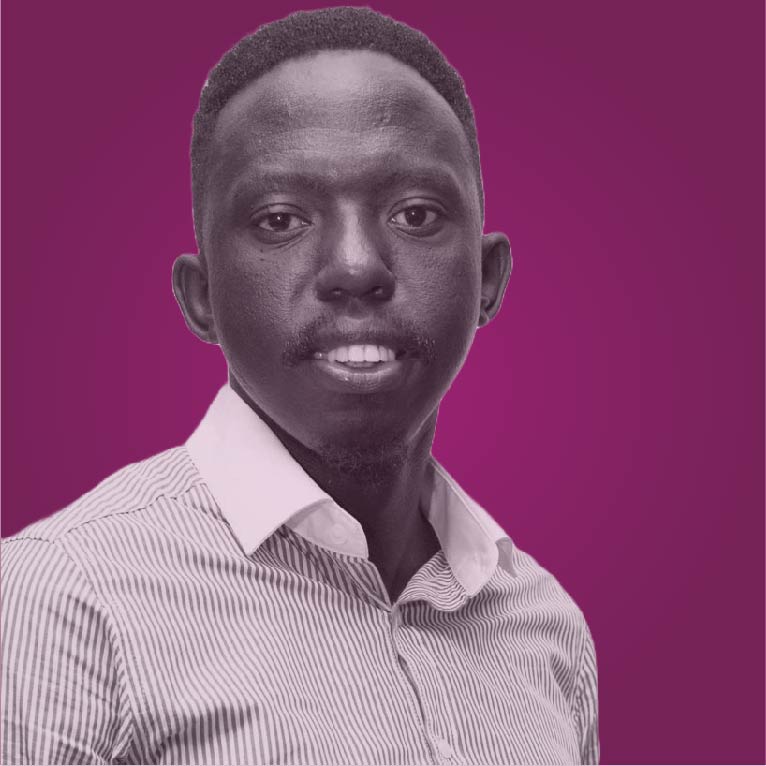
Founded by David Lyangenda, Avigo Finance closes the gap between viable informal economies and conventional finance. In refugee settlements and informal economies, business owners often have customers, steady cash flow, and years of trading experience but lack the collateral, payslips, or documented credit histories that conventional lenders require.
Instead of asking those entrepreneurs to fit conventional banking models, Avigo redesigned lending around how these communities already work, using relationships, local knowledge, and collective accountability as the foundation for finance.

Building Finance for the Economy That Already Exists
Born in Zambia’s Meheba Refugee Settlement to Angolan parents displaced by civil conflict, entrepreneurship was how families survived. Businesses existed everywhere, generated income, yet formal banks rarely recognised them as bankable businesses.
Conventional banks required collateral, bank statements, formal employment or documented credit histories that most entrepreneurs simply did not have.
Later while studying Information and Communication Technology and Business Management degree, he worked with a microfinance institution that lent exclusively to salaried employees and watched the same exclusion play out in a different setting.
In 2020, after a family tragedy forced him to return home, Lyangenda faced a difficult decision. Complete university or use the savings he had accumulated from years of part-time work to support his family. He chose the latter and launched Avigo Finance using 35,000 kwacha ($1,900) accumulated from years of savings from part-time work.
To be honest, in the beginning, I needed to survive. It was a practical response to immediate need..
David Lyangenda
The degree he once set aside to survive is now something he is finishing on his own terms – alongside a business, a team, and a future on the conviction that the people around him deserved better than what the system was offering them.
“I’m proud of the decision the 2020 David made,” he says. “He laid a solid foundation. He had the courage to step into a very uncertain place and take the risk.”
Replacing Collateral with Community
Over time survival evolved into strategy. The deeper he worked with informal entrepreneurs, the clearer the problem became.
Avigo’s first loans followed a traditional microfinance approach. The results were mixed. Repayment rates fluctuated between 50 and 99 percent depending on season, market conditions, and individual circumstances.
Lyangenda realised the weakness was the lending model.
In 2024, Avigo shifted to a village banking approach. Groups of five to ten entrepreneurs now apply for loans together, collectively guaranteeing one another.
The company complements this with doorstep lending, where loan officers visit businesses directly instead of requiring entrepreneurs to travel to an office, while digital loan management systems track repayments and customer records.
We don’t begin by asking what assets people own. We begin by understanding the businesses they have already built.
David Lyangenda
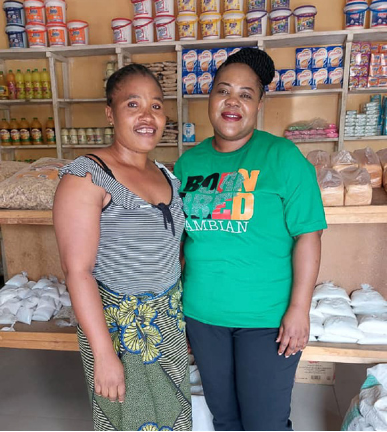

Access to finance builds individual businesses and changes the economies around them. Some of the businesses supported through Avigo have already created employment for locals while strengthening supply chains within their communities.
“The businesses already exist,” he says. “What they need is access to capital designed around their realities.”
Building an Institution That Outlives its Founder
Joining the Amahoro Coalition Fellowship challenged David to think beyond operating a successful lending business and to build an institution. Through mentorship, peer learning and practical business coaching, Lyangenda refined Avigo’s long-term strategy around institutional strength rather than founder dependence.
“The fellowship changed how I think about business,” he says. “Capital accelerates growth, but systems are what sustain growth.”

The fellowship gave him a community too. Fellows are grouped into small peer circles called Manyattas and Lyangenda describes his as a safe space. Every Sunday, the group meets to discuss life and business. Members from Nigeria, Rwanda, Uganda, and Kenya swap experiences, vent about difficult weeks, and learn from one another’s journeys.
“The biggest lesson,” he says, “is that you don’t need to know everything yourself. You build by working with people whose strengths complement yours.”

The company is developing its own integrated loan management platform to replace rented software, preparing for registration as a regulated non-deposit-taking microfinance institution, and expanding beyond North-Western Province into other parts of Zambia.
The next phase is about infrastructure. Avigo is developing its own integrated loan management platform, expanding across Zambia, registering as a regulated non-deposit-taking microfinance institution, and eventually reintroducing renewable energy financing once its core lending systems are fully established.
For Lyangenda, scaling is about building financial systems that continue creating opportunities long after individual founders step away.