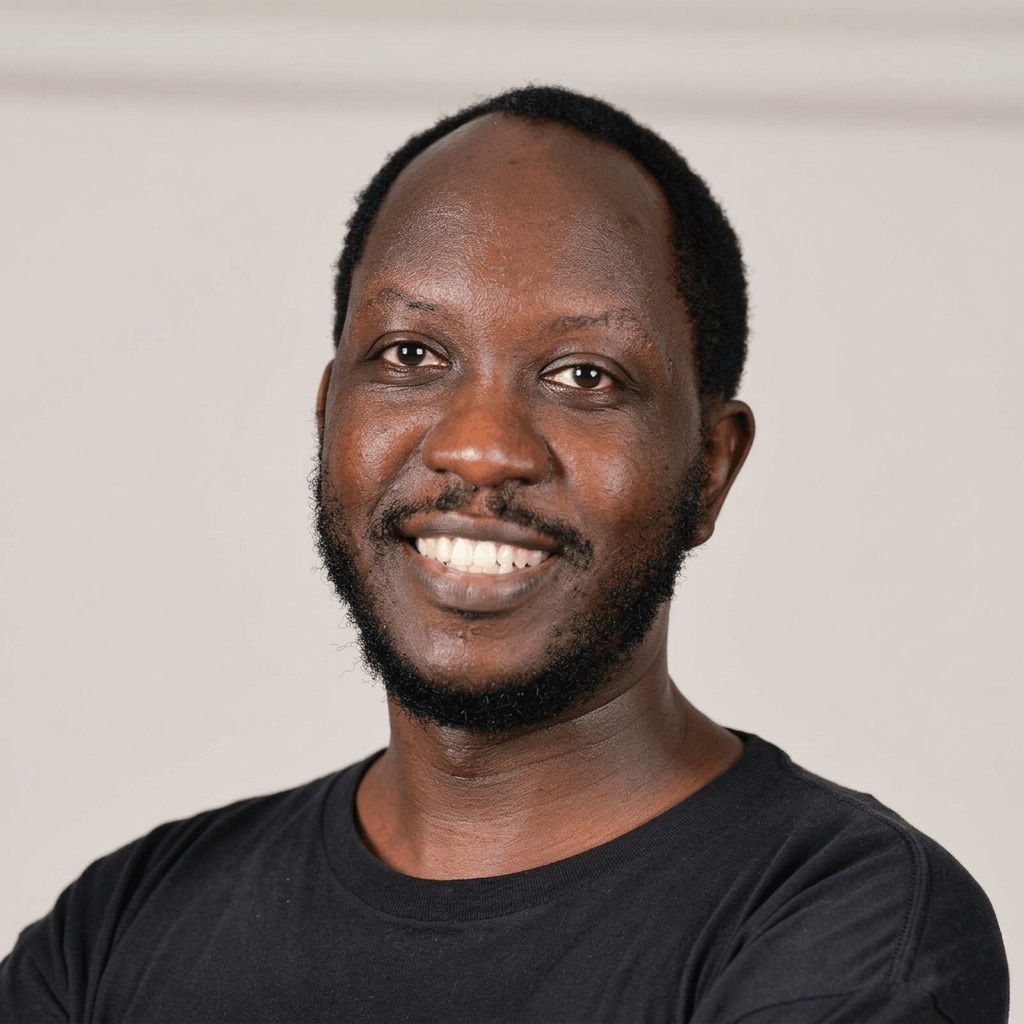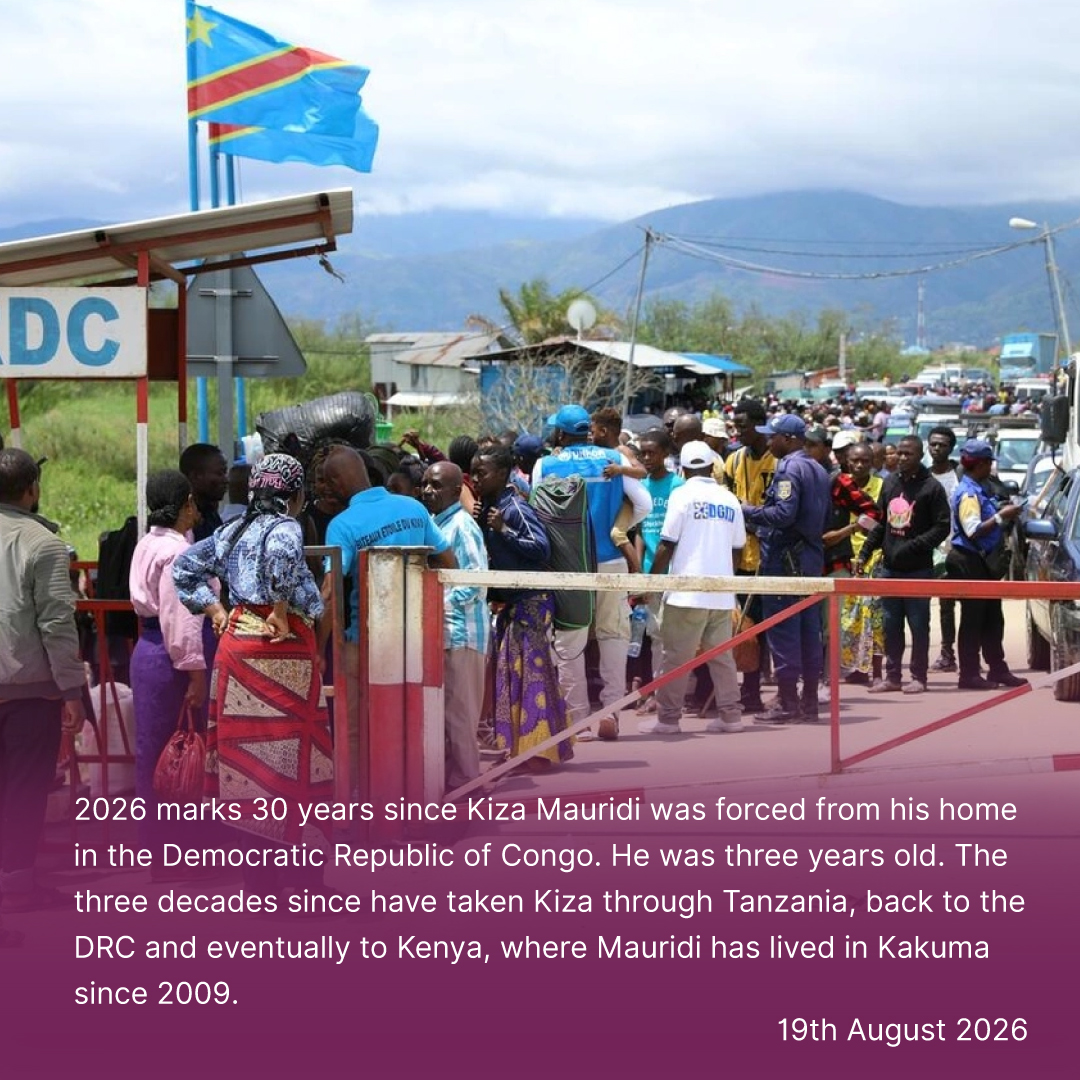
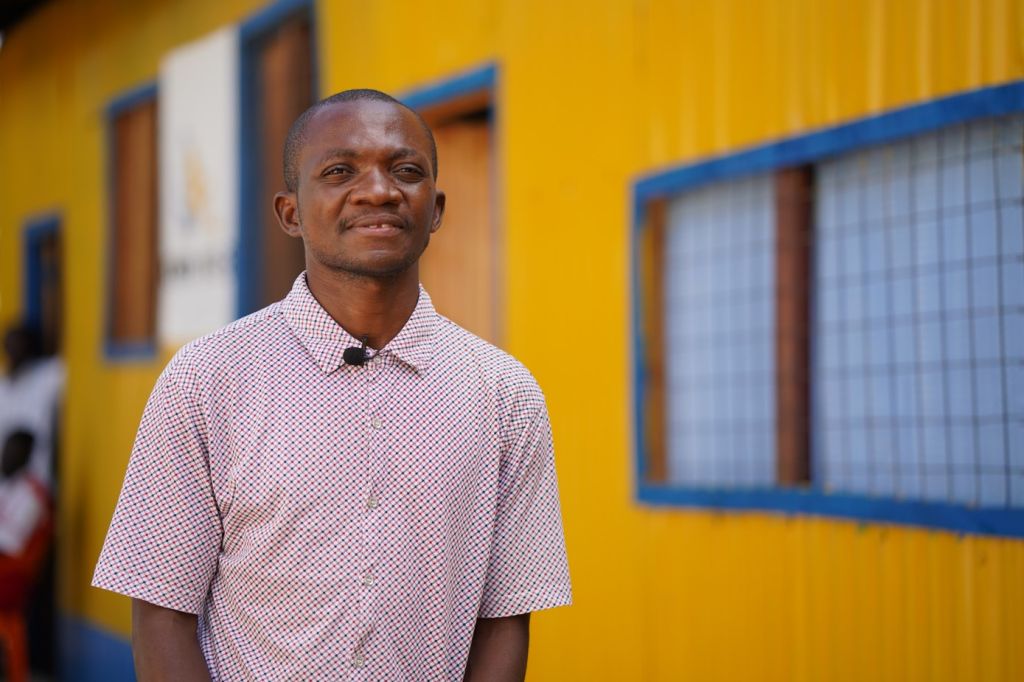
2026 marks 30 years since Kiza Mauridi was forced from his home in the Democratic Republic of Congo. He was three years old. The three decades since have taken Kiza through Tanzania, back to the DRC and eventually to Kenya, where Mauridi has lived in Kakuma since 2009.
But thirty years have done little to make a permanent return possible. Eastern DRC remains mired in conflict that has displaced millions, while a new Ebola outbreak is placing further strain on fragile communities. Between January and June 2026, 15,700 Congolese had fled into neighbouring countries.
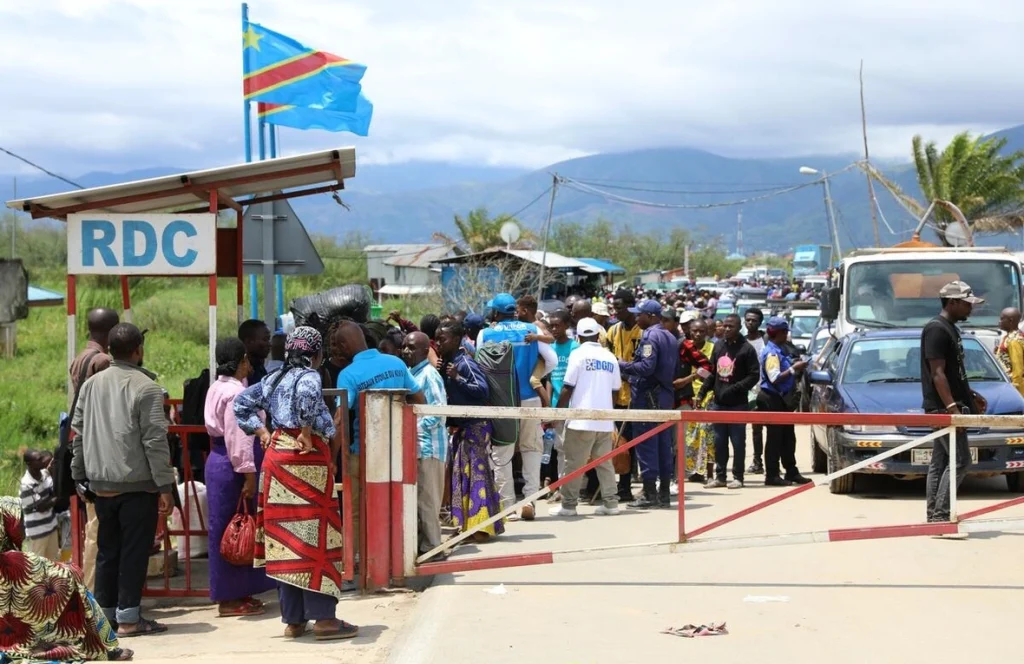
The relationship between humanitarian agencies and the private sector on displacement was built for moments like Kiza’s first flight, when conflict or disease suddenly uproots people.
Humanitarian agencies lead the response with food, shelter, healthcare and other resources that help people survive the first months.
That model answers well to the urgent demands of survival. But alone, it is less equipped for the years that follow. Refugees remain displaced for two decades on average, while many internally displaced people spend more than ten years away from home.
In that time, people need livelihoods, businesses need capital to create them, and displacement settings need economies that can absorb both. Much of that sits within the ordinary business of companies: hiring, investing, buying and building supply chains.
World Humanitarian Day is an opportunity to rethink how the next phase of private-sector engagement puts those capabilities to work.
The Relationship we Built
Humanitarian agencies have long worked against a stubborn funding equation. The needs created by displacement routinely exceed the resources available to meet them. The UN Refugee Agency (UNHCR) offers a sense of the scale involved.
For 2026, it has budgeted $8.5 billion, while early donor pledges have covered only about 18% of that requirement. Private-sector contributions offered a supplementary funding tap.
Corporate Social Responsibility made the exchange relatively easy. Research has linked credible social investment to stronger corporate reputation and greater attractiveness to prospective customers, employees, and investors. Humanitarian causes therefore had a natural home in corporate foundations and CSR teams, where companies could respond to crises without interfering with their core business.
That arrangement shaped the relationship that followed. Humanitarian agencies learnt to approach the parts of a company set up to fund social causes, while companies channelled their response through teams equipped to make donations and report on their impact.
The result? The corporate functions that hold the most consequential levers of economic participation have remained largely peripheral to private-sector engagement on displacement.
Human resources determine who enters the workforce; procurement opens or closes access to corporate supply chains; and investment determines where capital flows and which markets are considered investable. Their decisions can determine whether a forcibly displaced professional is hired, whether an enterprise in Kiziba refugee camp enters a corporate supply chain, and whether businesses in displacement-affected markets can access the capital they need to grow.
A Different Bargain with Business
The humanitarian funding that enables food, shelter and medical response in the initial days of displacement remains indispensable. But those resources are dwindling.
US foreign aid fell from $68 million in 2024 to $32 billion in 2025 following the dismantling of USAID, while the OECD expects official development assistance from donor countries to fall by between 10% and 18% from 2024 to 2027. This is happening as Africa’s displaced population continues to grow.
The private sector can help replenish some of what is being lost while bringing the economic machinery people need when displacement lasts for years.
IKEA, a global home furnishings retailer, offers one glimpse of what that can look like.
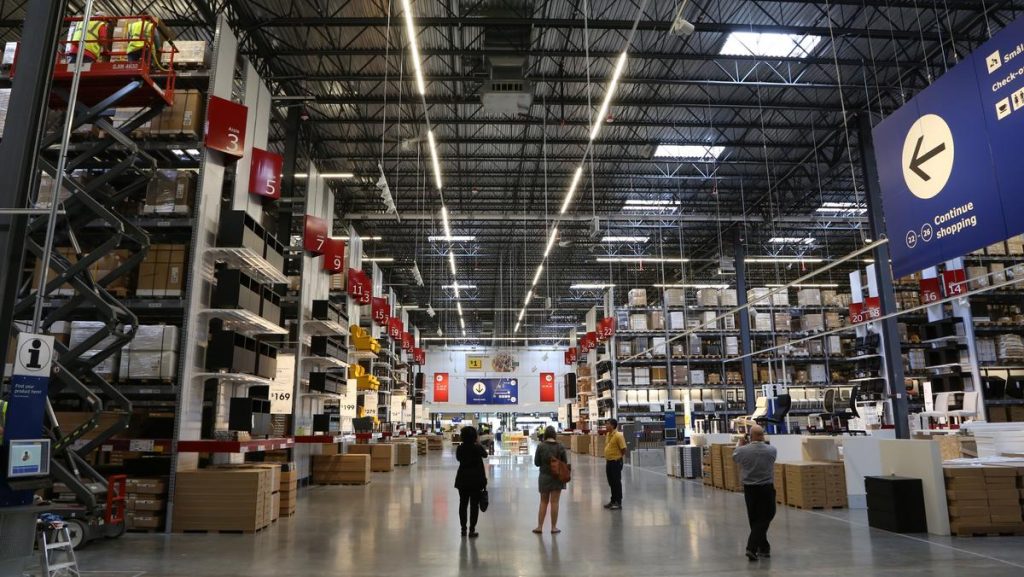
In 2017, as Jordan absorbed refugees fleeing the war in neighbouring Syria, IKEA partnered with the Jordan River Foundation to bring Syrian refugees and Jordanian women into its supply chain. The women made carpets, embroidered cushions and other textiles for IKEA stores around the world.
The first collection employed around 100 women. And by 2023, more than 370 refugee and Jordanian women were producing IKEA textiles, with the company committed to sustaining 400 jobs by 2027. Their work has travelled far beyond Jordan, reaching IKEA stores across Europe and other global markets.
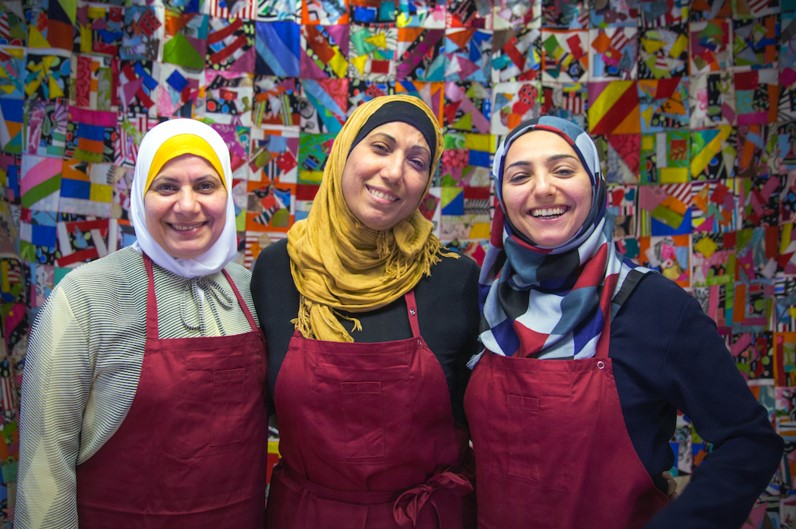
The power of the model lies in its ordinariness. IKEA designers worked with the artisans to develop products around their existing craft skills, while the Jordan River Foundation managed production locally and connected refugee women to the work.
Africa has ample ground for its own versions of that relationship.
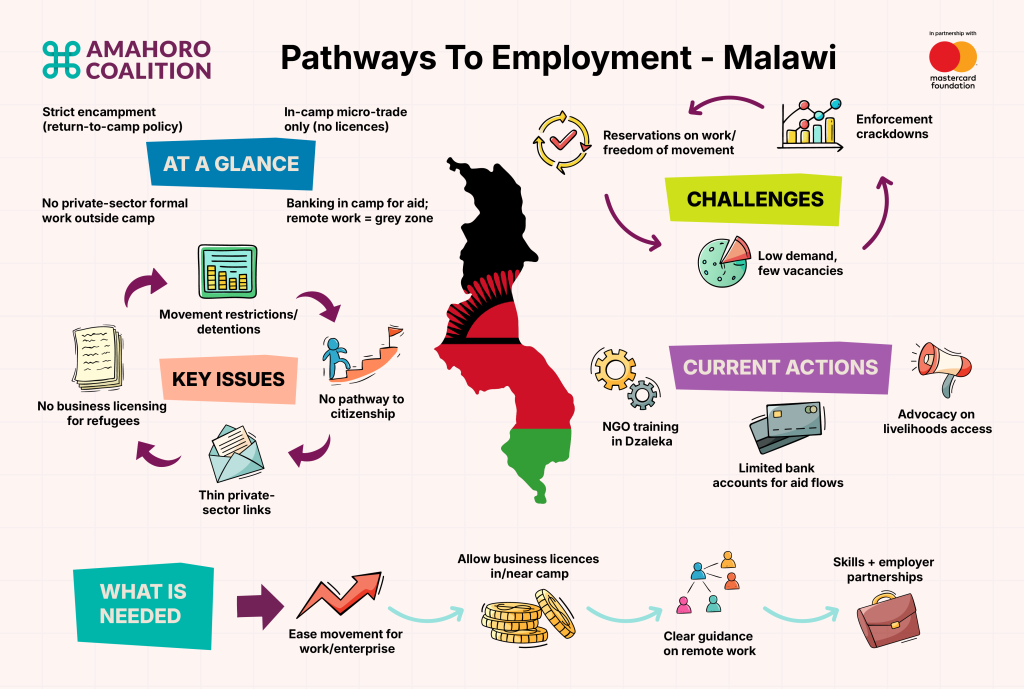
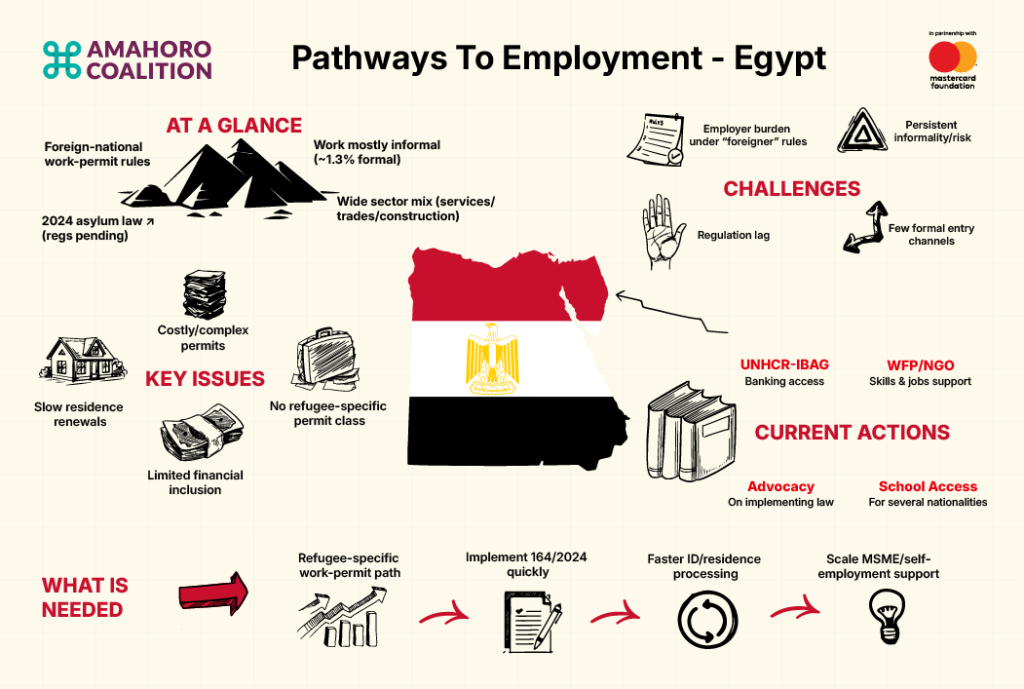
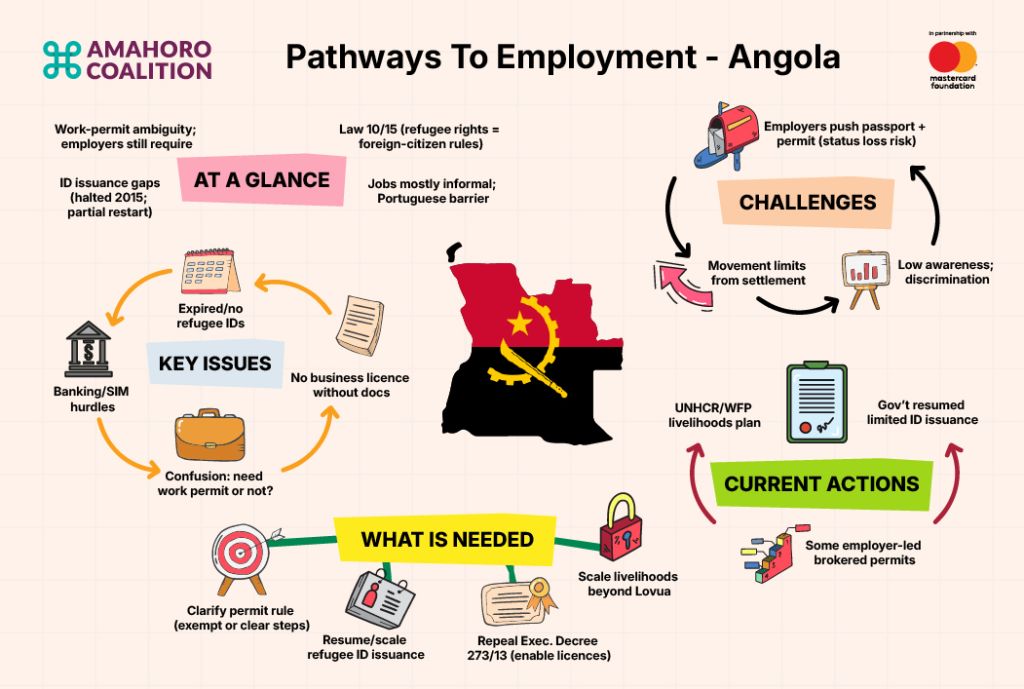
Amahoro Coalition’s Hiding in Plain Sight report estimates that forcibly displaced people across Africa earn about $27 billion a year, an economy comparable in size to Zambia or Mali. People are working, trading and running businesses in camps, settlements and cities.
Years of working in displacement settings have given humanitarian agencies deep relationships with governments and refugee-led organisations, intimate knowledge of local economies, and fluency in the regulatory and practical barriers to doing business there. That intelligence can help a bank assess a market before extending credit or help an employer reach overlooked talent.
In 2022, UNHCR and the International Finance Corporation launched a five-year joint initiative to identify commercially viable projects in refugee-hosting areas and bring private investment into them. Announcing the partnership, then UN High Commissioner for Refugees Filippo Grandi called it “an important step towards greater responsibility-sharing and finding practical solutions for those forced to flee.”
The next chapter, then, is to widen a relationship that has spent decades mobilising what the private sector can give, to one that also mobilises what it can do.
.