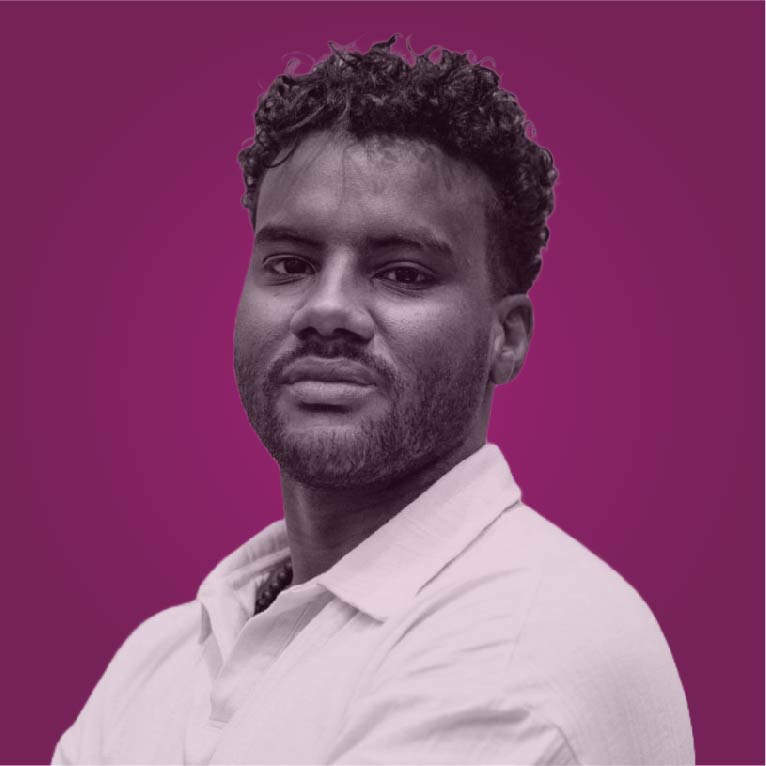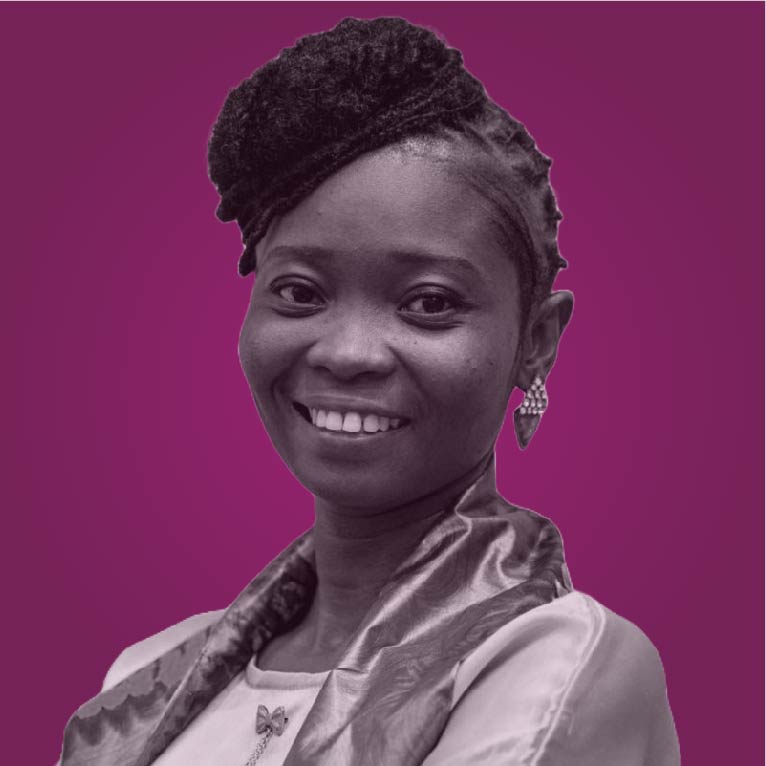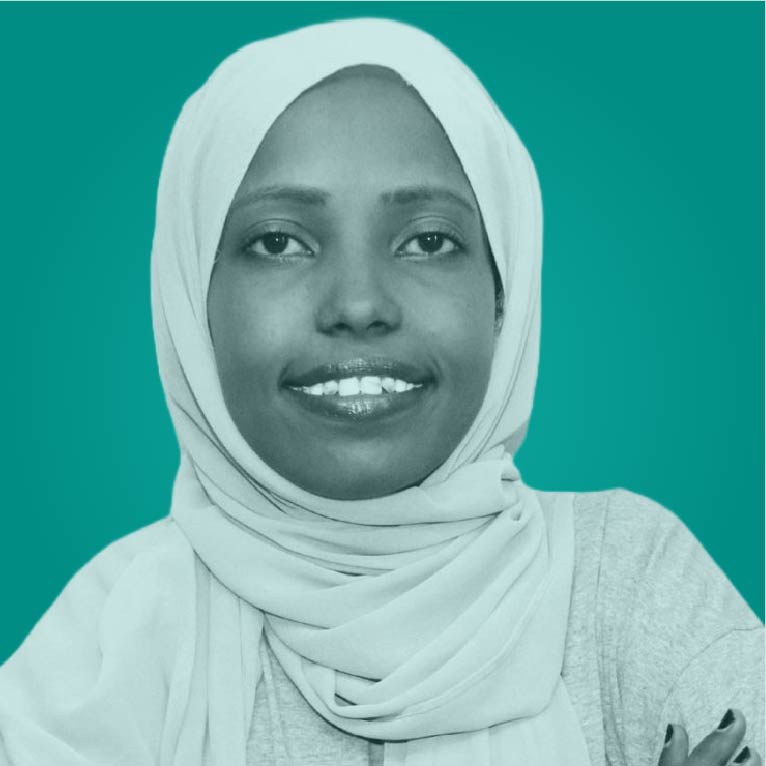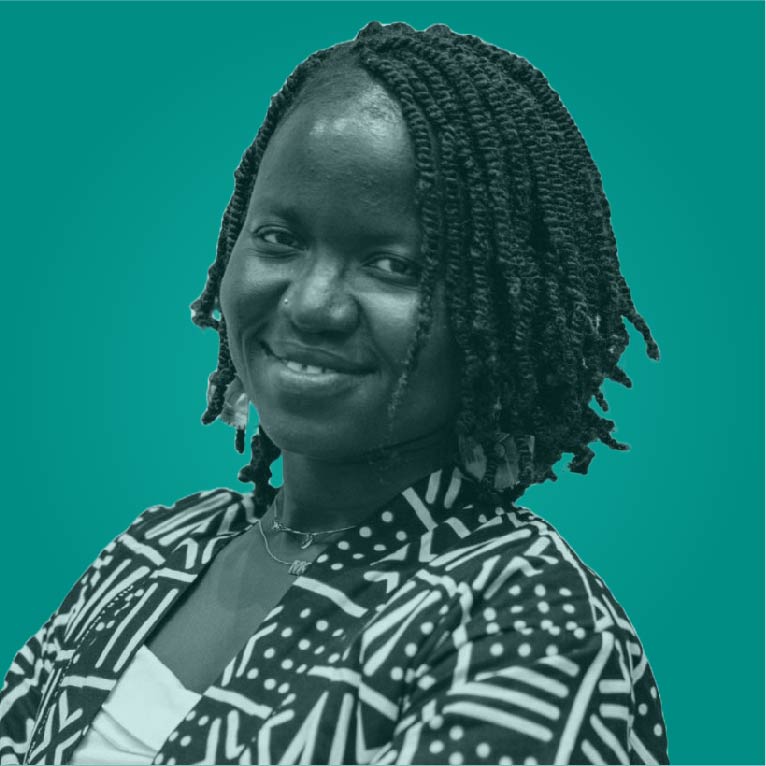
The first week of the Amahoro Coalition Fellowship is designed to begin transforming founders into leaders capable of building businesses that create jobs, attract investment, and strengthen Africa’s displacement economy.
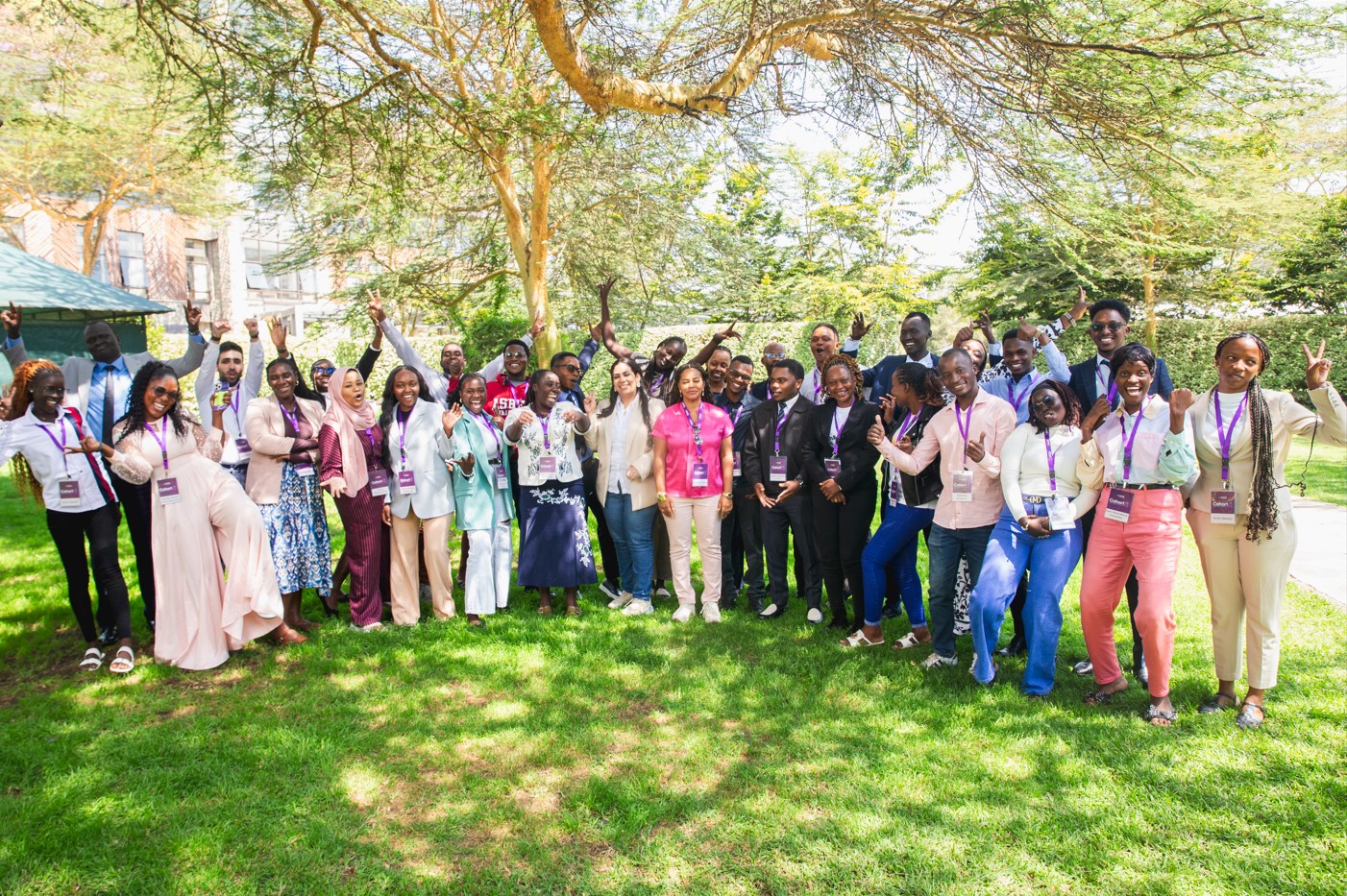
For seven days in Naivasha, Kenya, 41 cohort 4 entrepreneurs from 15 countries explored leadership, venture building, communication, investment readiness, and founder wellbeing. Every session served in preparing fellows to build institutions rather than simply run businesses.
The progression was deliberate. Fellows first built trust with one another. They then examined the kind of leaders they needed to become, strengthened their businesses, learned to communicate their vision, and left with practical tools to guide the next eleven months.
Building a Community
The programme began easing participation. Devices were configured, digital platforms introduced, and safeguarding expectations established through real-world scenarios drawn from fellows’ own operating contexts.
Trust came next. During the Amazing Race, fellows navigated Naivasha together, solving challenges that demanded communication, collaboration, and engagement with local communities to decode clues and reach each destination. By evening, strangers had become Manyattas: peer groups that will challenge, encourage, and support one another throughout the fellowship year.


Clarity Before Strategy
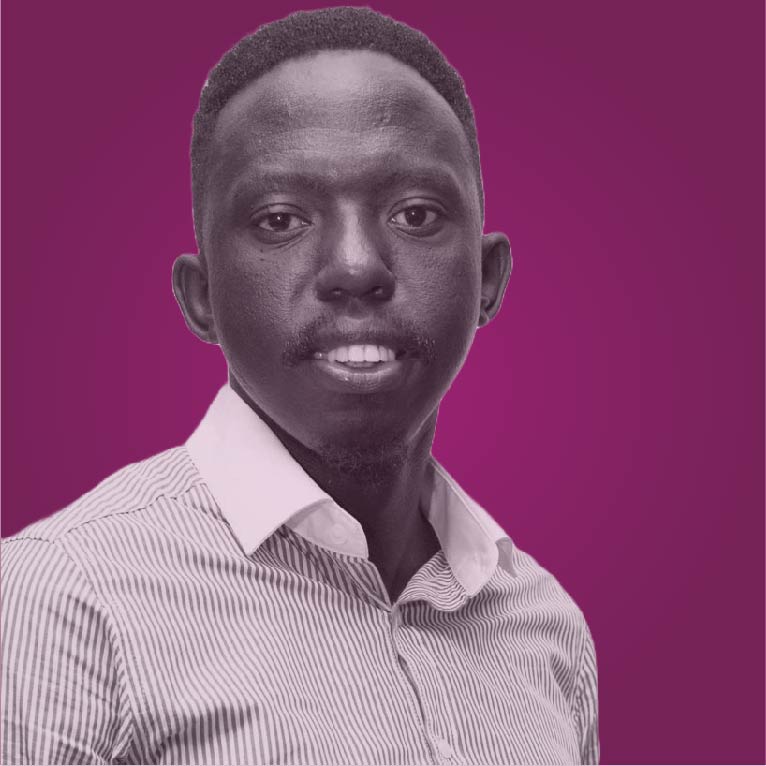
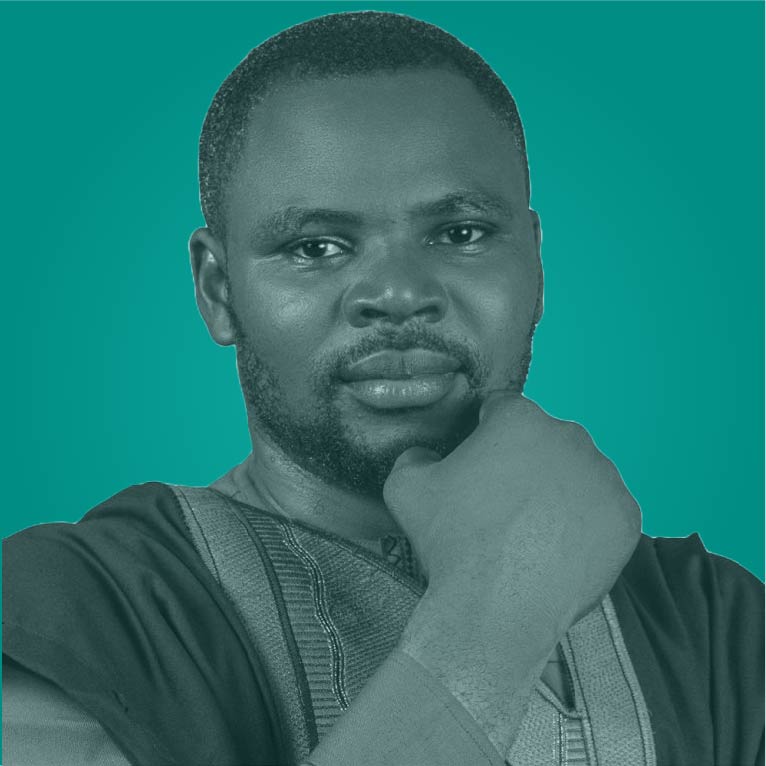
Isaac Kwaku Fokuo, Amahoro Coalition founder and curator, challenged fellows to think more about the kind of founders they needed to become. He framed leadership around three qualities: competence, clarity, and character.
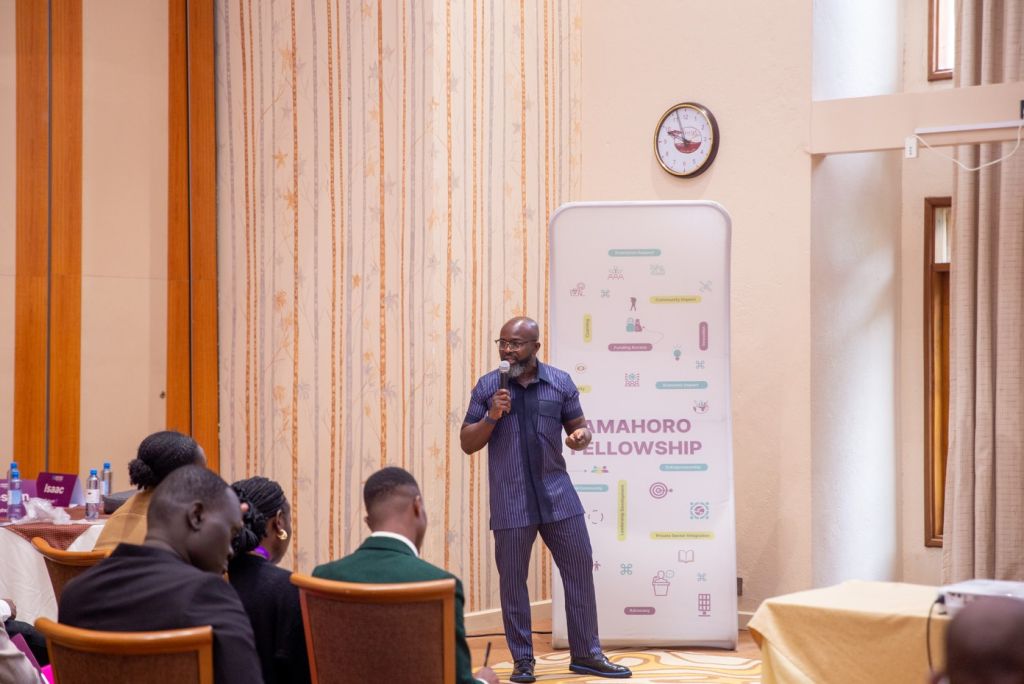
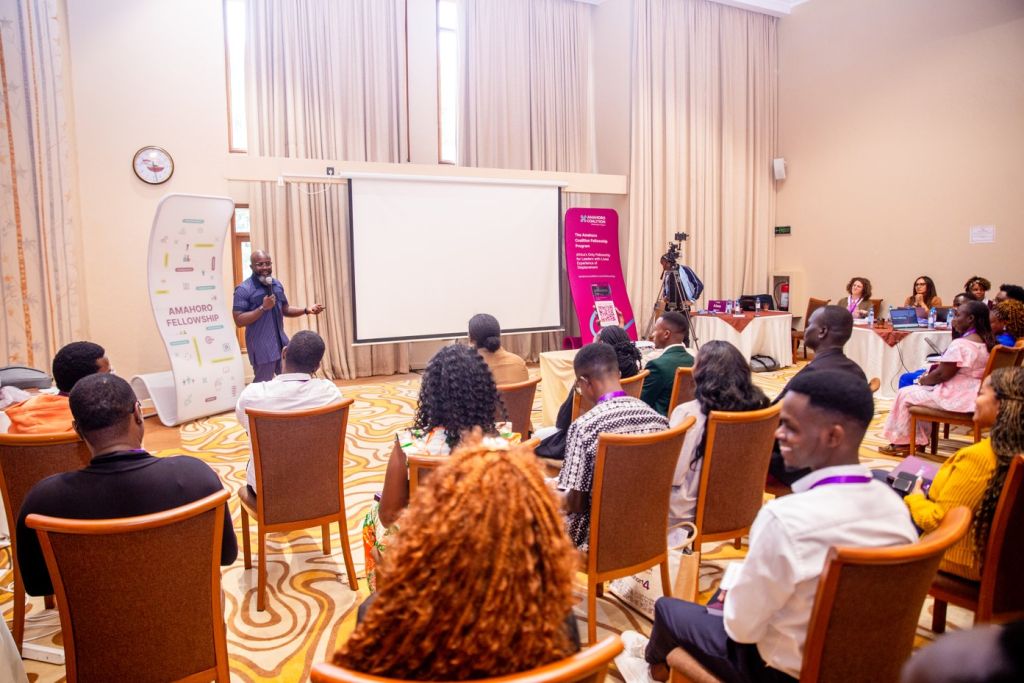
The truth is others came before you and did it. The question is, can you do it better?
Isaac Kwaku Fokuo.
Competence is the ability to execute. Character determines how a leader behaves when no one is watching. But Isaac argued that clarity sits at the centre. Founders who know what they are building, why they are building it, and the values that guide their decisions make better choices, communicate with greater conviction, and lead teams through uncertainty.
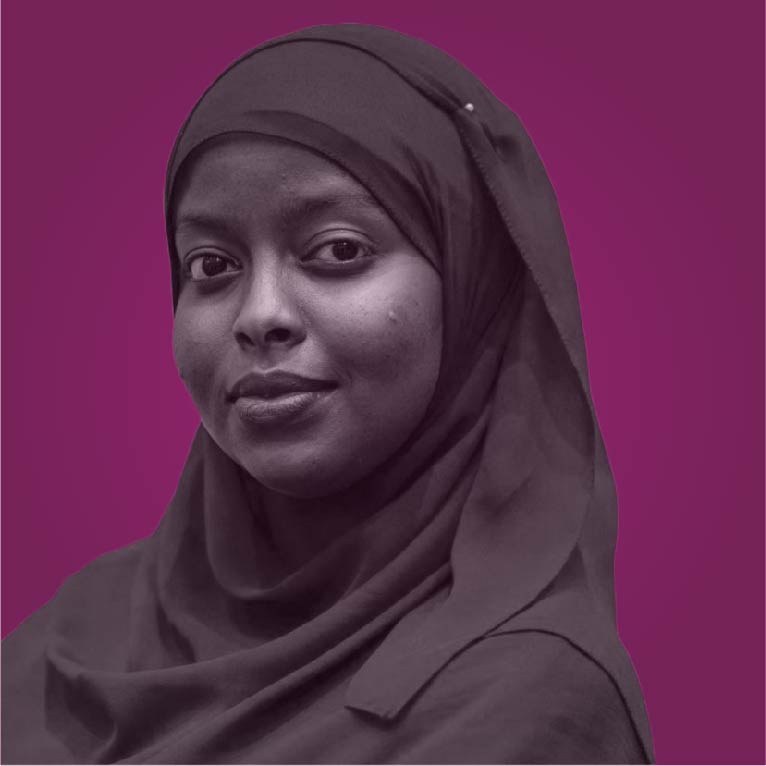
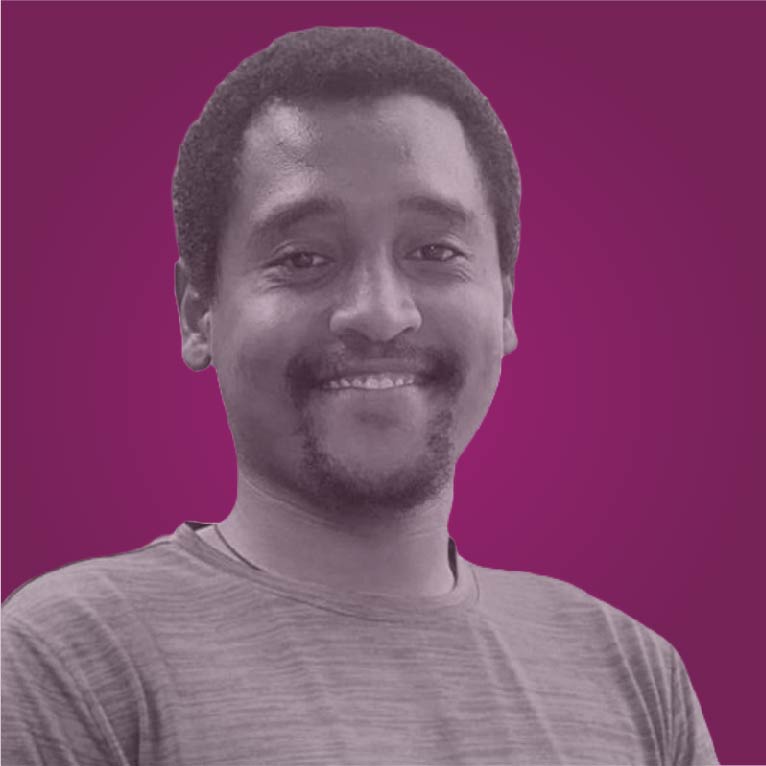
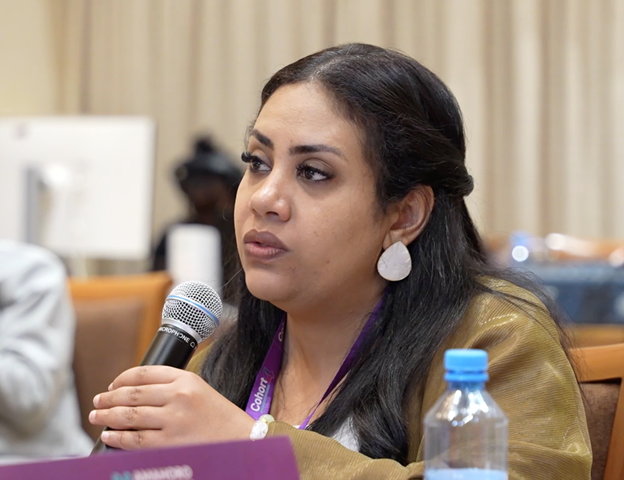
For Alaa Hamadto, Founder and CEO of Solar Foods in Sudan who also has a feeding program in Darfur that serves 6,000 meals a day the reflection produced unexpected clarity.
My clarity is I shouldn’t give up on my country, Sudan.
Alaa Hamadto.
Founders also need to recognise opportunities, test assumptions, mobilise resources, and persuade others to back their ideas.
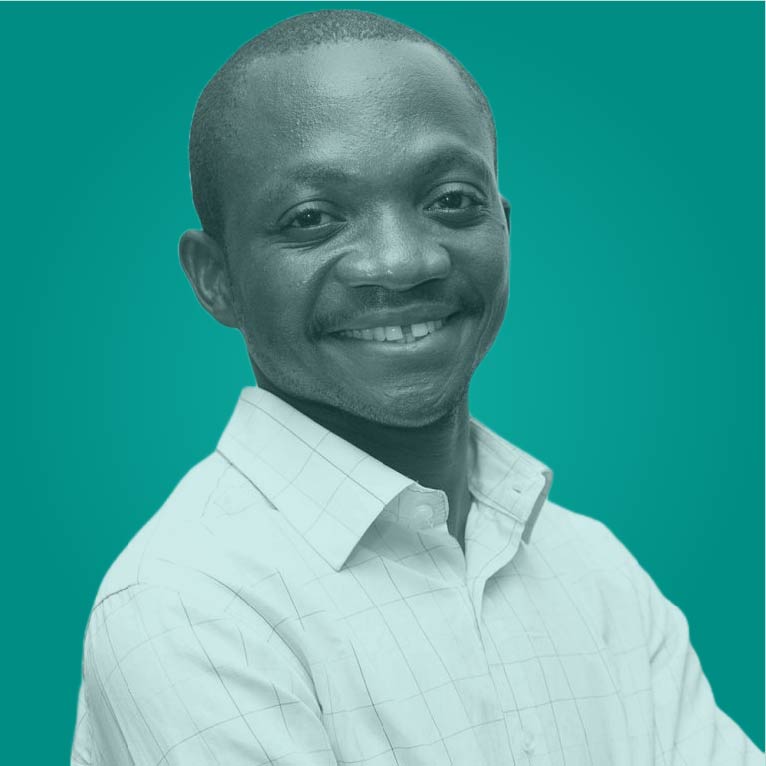
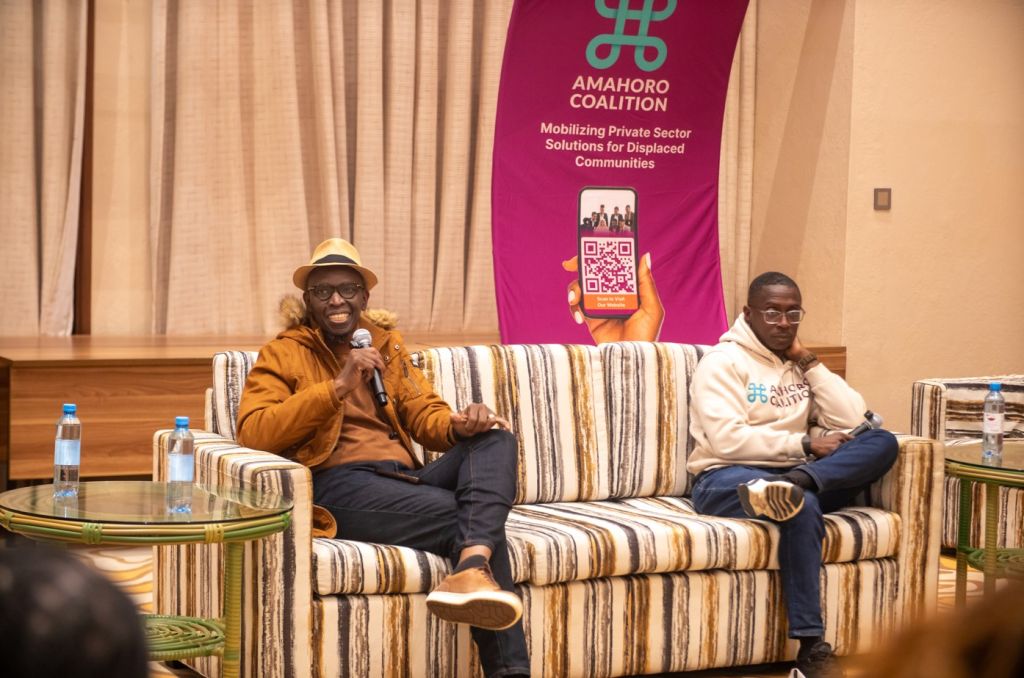
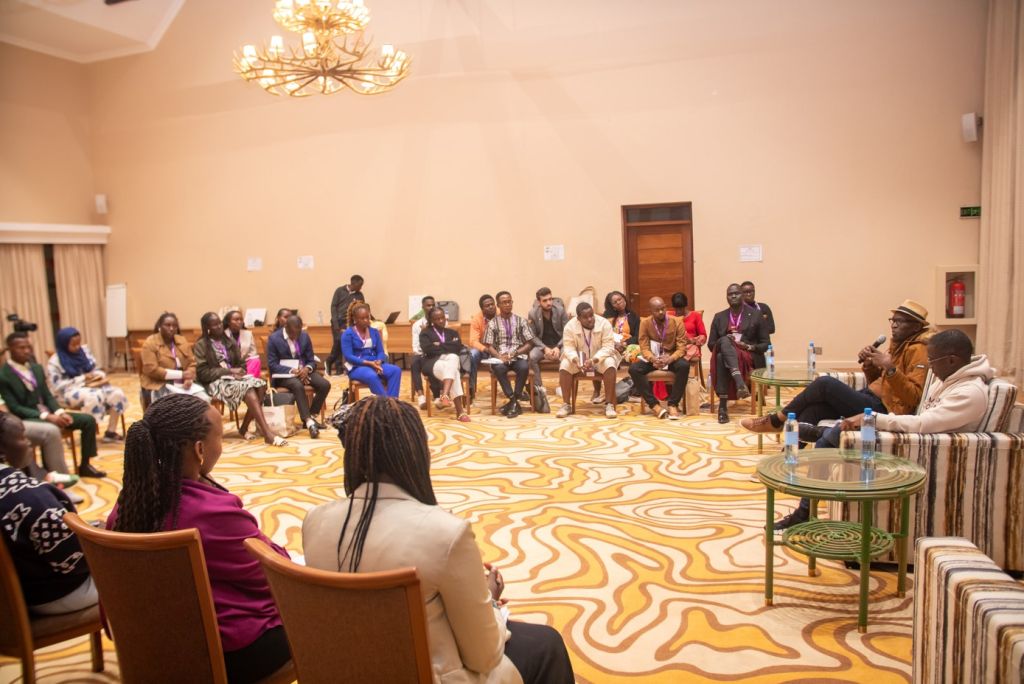
Entrepreneurs-in-Residence Kris Senanu, Executive Chairman of Smith & Berkeley Advisory LLC and former Chief Enterprise Business Officer at Safaricom, together with Kwadwo Adjei-Barwuah, Head of Investment at Growth Investment Partners (GIP) Ghana, led fellows through practical venture building. Drawing on their own entrepreneurial journeys, they explored opportunity identification, challenge analysis, design thinking, creativity, innovation, resource mobilisation, and fundraising through real business scenarios.
The conversations challenged one of the most common assumptions among early-stage entrepreneurs: that capital is the starting point. Kris encouraged fellows to think beyond funding.
“In 12 months, when you finish this fellowship and say you are an Amahoro Fellow, the walls will come down,” he told the cohort.
Building Businesses That Can Scale
Learning extended beyond the conference hall.
An industrial visit to the Olkaria Geothermal Power Plant gave fellows a firsthand look at what operational excellence looks like at scale. From rigorous safety protocols to disciplined process management, every aspect of the plant demonstrated that successful enterprises are built on systems, consistency, and attention to detail.
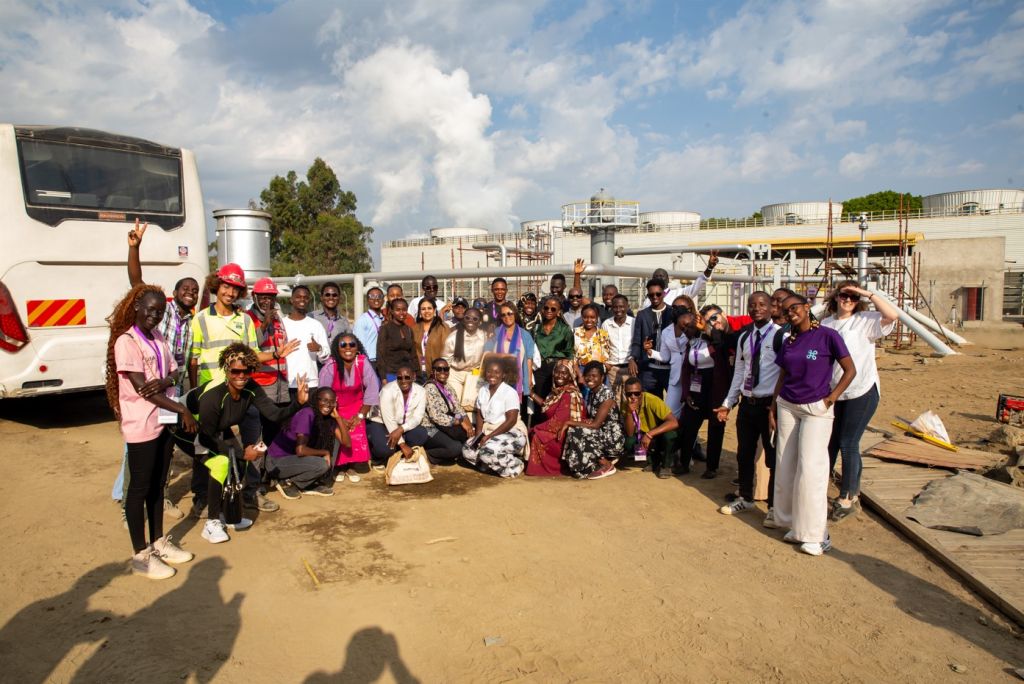
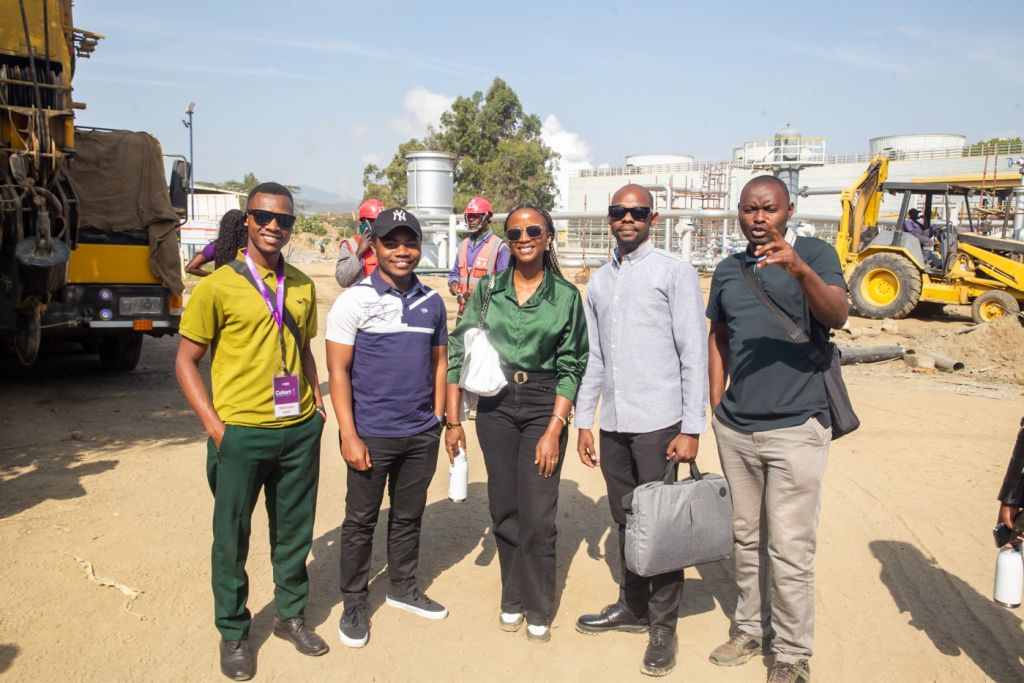
The lesson was clear: sustainable businesses are intentionally designed to perform reliably as they scale.
Building those businesses, however, requires more than strong systems. It also requires strong teams.
That lesson came through a painting exercise. Each Manyatta received four blank canvases. Four fellows painted four separate sections of a single artwork. No one painted the complete picture.
Only when the canvases were assembled did the full image emerge.

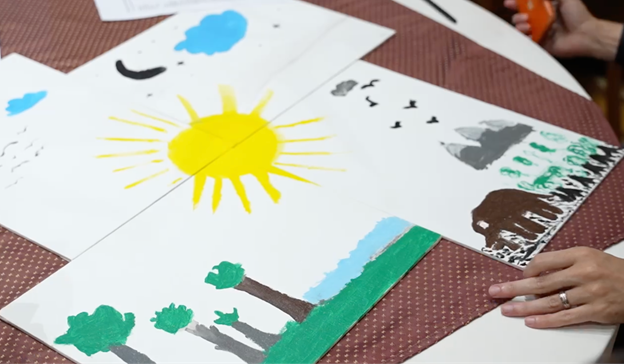
The exercise mirrored entrepreneurship itself. No founder possesses every skill a venture requires. Successful businesses are built by people with different strengths who align around a shared vision and contribute their piece to something larger than themselves.
Every Founder Needs a Story.
Strong businesses need founders who can explain why they matter. A session led by brand strategist Zahirah Marty, explored why branding, storytelling, and content creation have become core business capabilities.
“You cannot build a business in today’s environment without branding, storytelling and content creation,” she told the fellows.
The difference between an origin story and a brand story was unpacked. An origin story explains how a venture began. A brand story explains why customers, investors, and partners should choose it today. The distinction challenged founders to move beyond describing what they do to communicating the value they create.
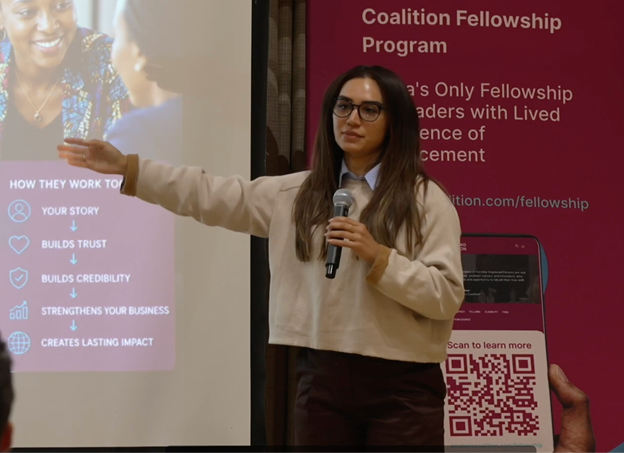
The Amahoro Coalition fellowship entrepreneurs are building businesses in complex markets, thus credibility is built by telling a story that is both clear and true.
Throughout the week, fellows refined elevator pitches, mapped stakeholders, and practised communicating their ventures to different audiences. The objective was straightforward: a strong business opens opportunities, but a founder who can articulate its value attracts customers, partners, talent, and investment.
Ownership Begins with Action
The onboarding concluded with each fellow leaving Naivasha with a working portfolio: a leadership identity statement, an Amahoro Way commitment, a Mission Manifesto draft, a stakeholder map, a brand brief, a pitch deck, and a 30-day learning plan.
They were working documents designed to guide the next eleven months.
Across the first three cohorts, Amahoro fellows increased employment from 428 jobs before joining the fellowship to 2,240 afterwards.
That outcome begins in the first week, when entrepreneurs stop thinking like participants in a programme and start acting like builders of institutions. Cohort 4 has now taken that first step.