Breaking Barriers: How Kenyan HR Leaders Can Unlock Employment Opportunities for Forcibly Displaced Persons
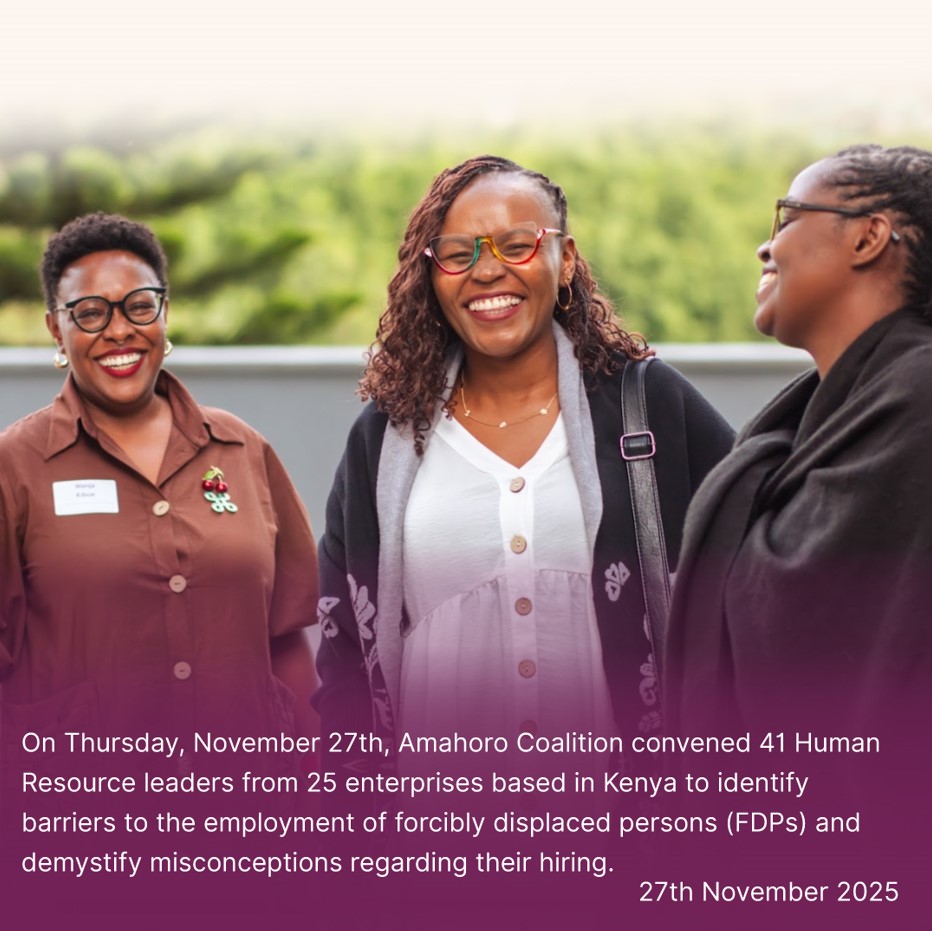
On Thursday, November 27th, Amahoro Coalition convened 41 Human Resource leaders from 25 enterprises based in Kenya to identify barriers to the employment of forcibly displaced persons (FDPs) and demystify misconceptions regarding their hiring.




















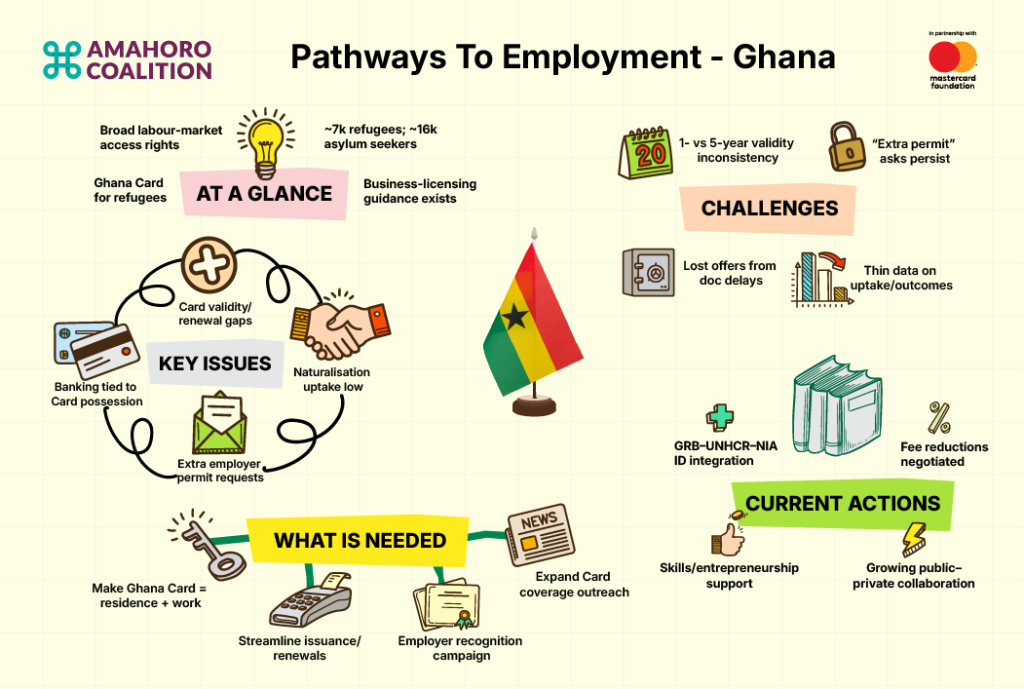
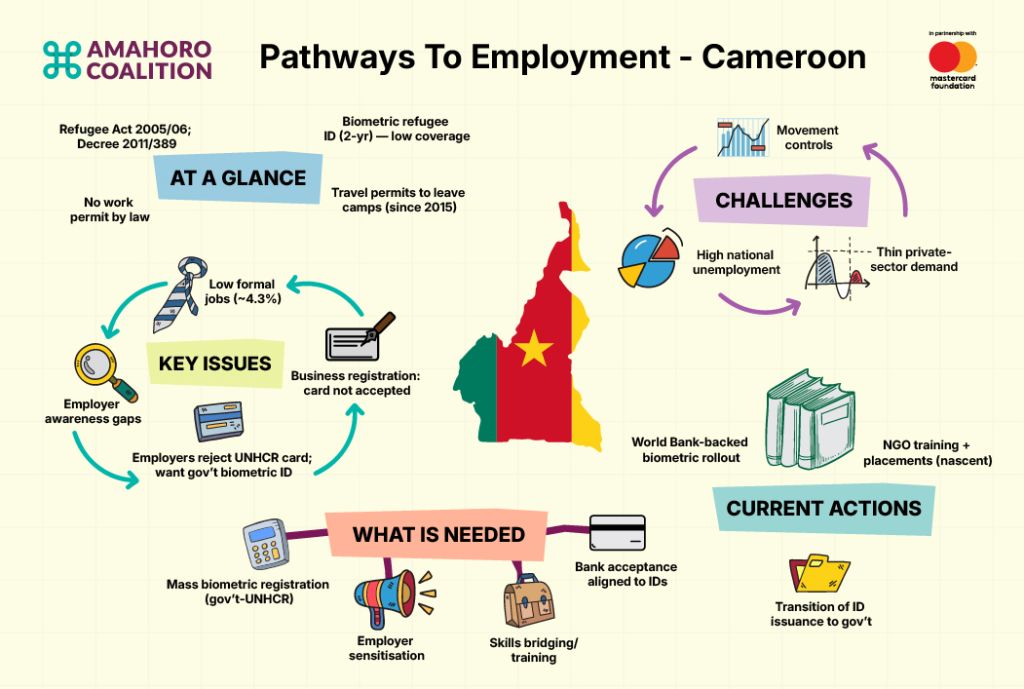
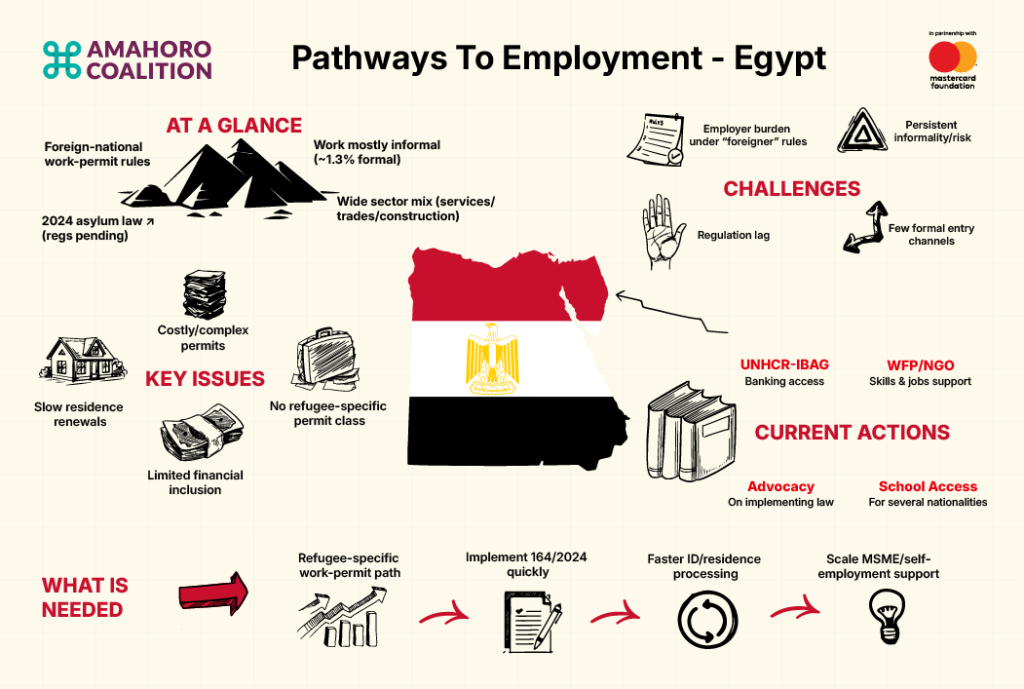
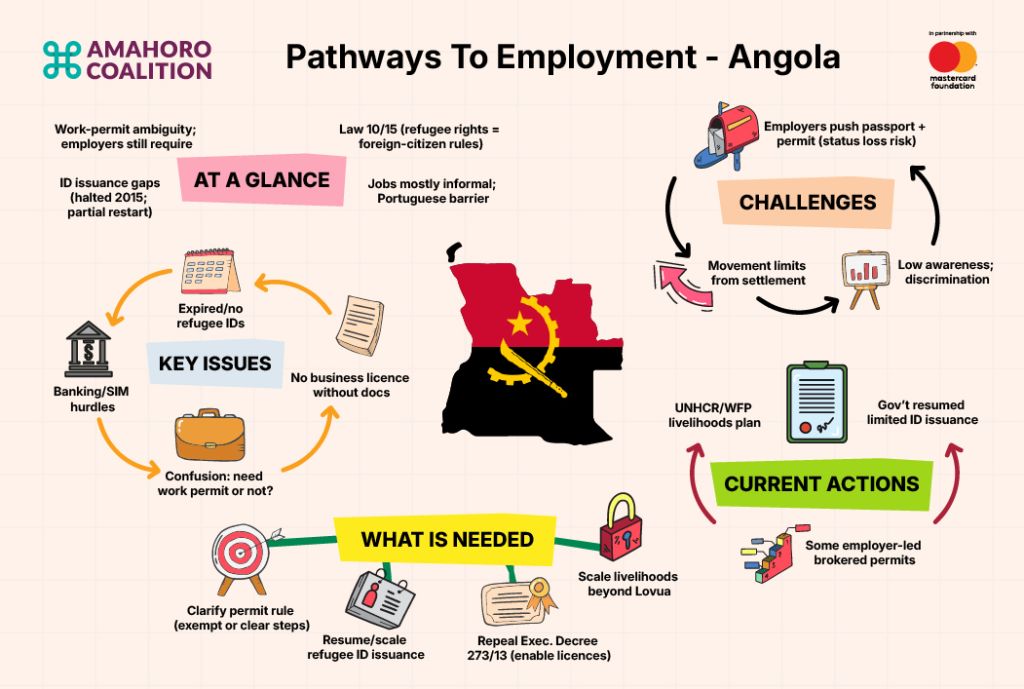
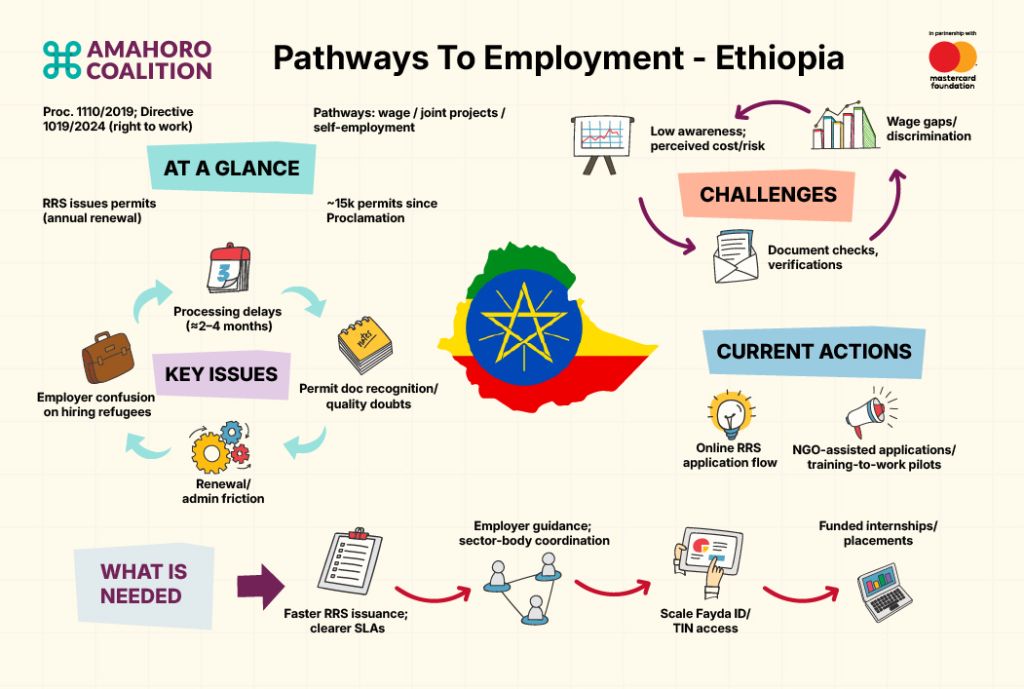
In partnership with the Mastercard Foundation, the Amahoro Coalition’s Pathways to Employment studies explore how FDPs can access dignified and fulfilling work. This HR Inclusion Forum sought to demonstrate how the private sector can access the resilient, multilingual, and skilled talent pool within displaced communities.
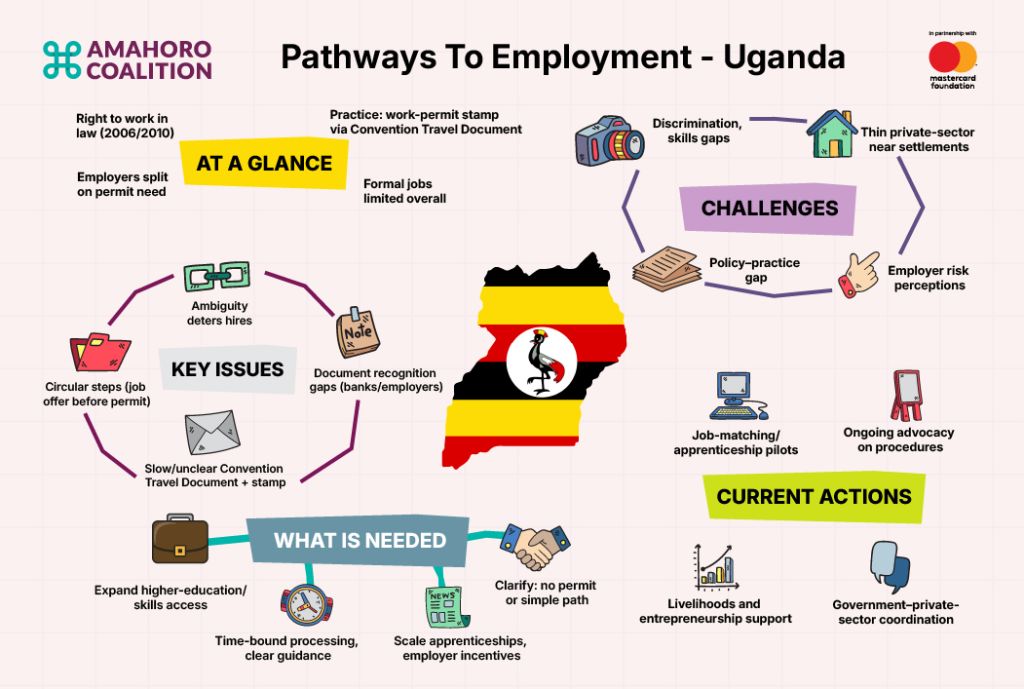
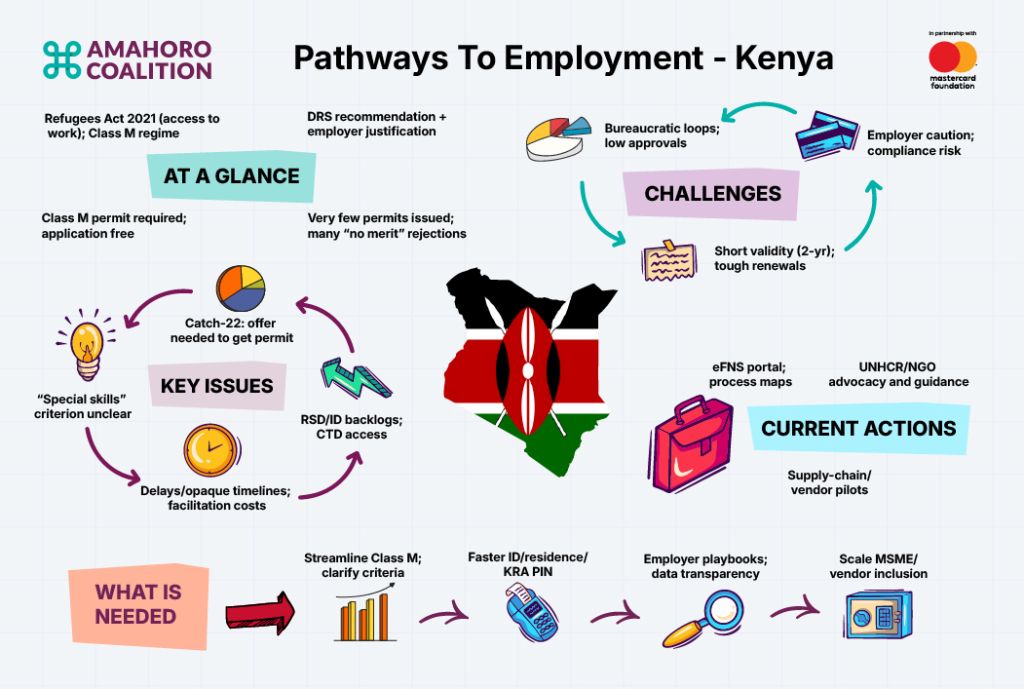
While the 41 participants expressed a willingness to hire FDPs, they also highlighted the friction points that stall progress. The path is often unclear because of the complex work permit processes, perceived costs of compliance (such as dual payrolls), and fears regarding ‘flight risk’ of FDPs.
One of the participants shared how they found it challenging navigating the documentation process but they had to do so because the FDP they were hiring was actually skilled for the work. Although the hiring process remains complex, the Amahoro Coalition provides toolkits designed to guide HR leaders through every step, ensuring successful recruitment.
Throughout the discussions, attendees agreed that low-risk entry points were a viable solution. By offering internships and traineeships, companies can build trust and organizational readiness before committing to full-time employment.
Recognizing that navigating these procedures is a primary challenge, the Amahoro Coalition positions itself to provide a dedicated ecosystem that de-risks the entire process:
- The Skills Hub – a platform with verified candidate profiles and sector-specific talent pools
- Regulatory navigation – support with documentation and legal pathways to access the Class M work permit needed for refugees in Kenya
- Alternative inclusive practices such as integrating refugee-owned enterprises into corporate supply chains.
This event confirmed that the private sector is ready to move from intent to action in employing refugees, provided that the administrative hurdles to employment are addressed.