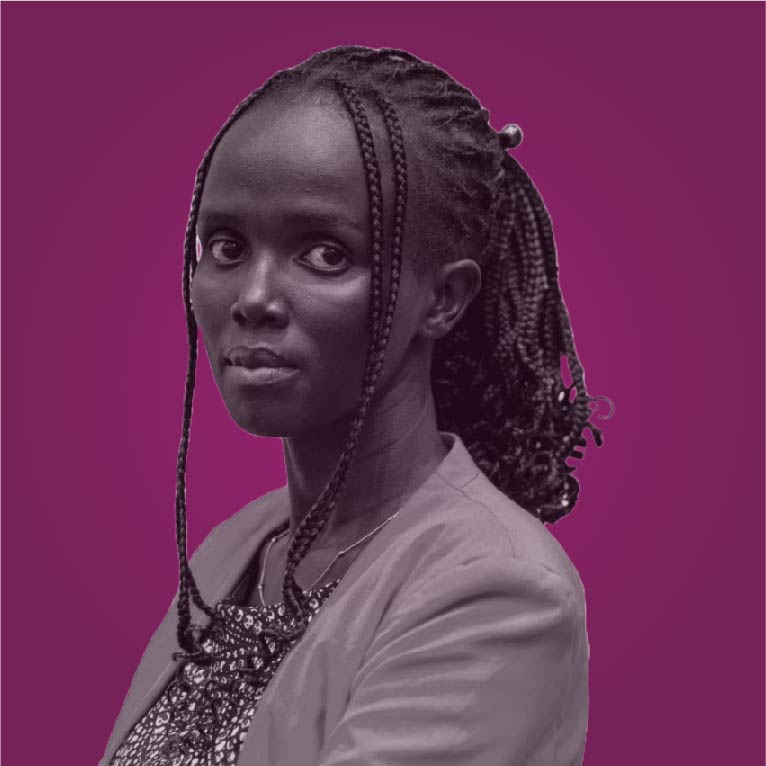
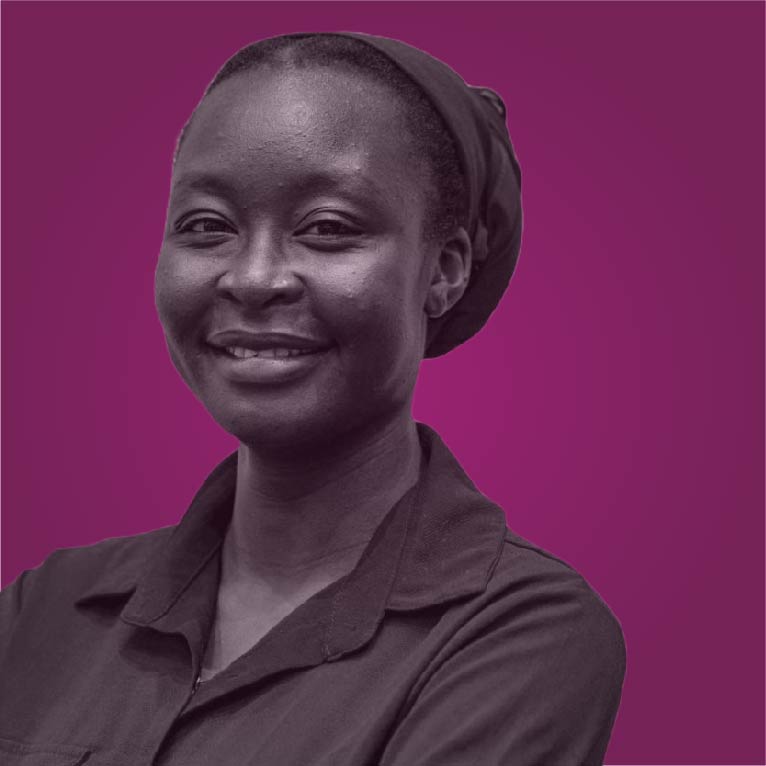
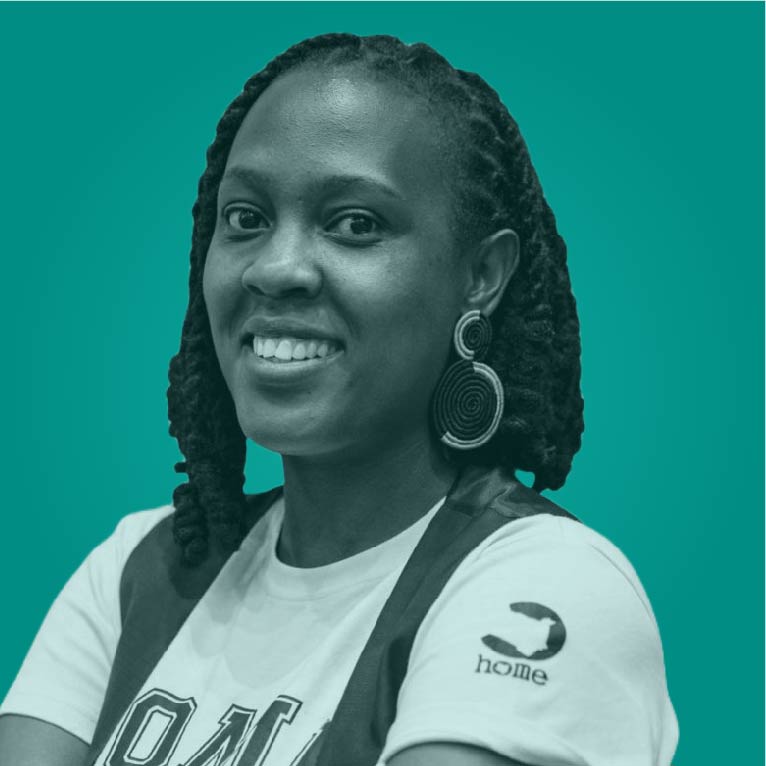
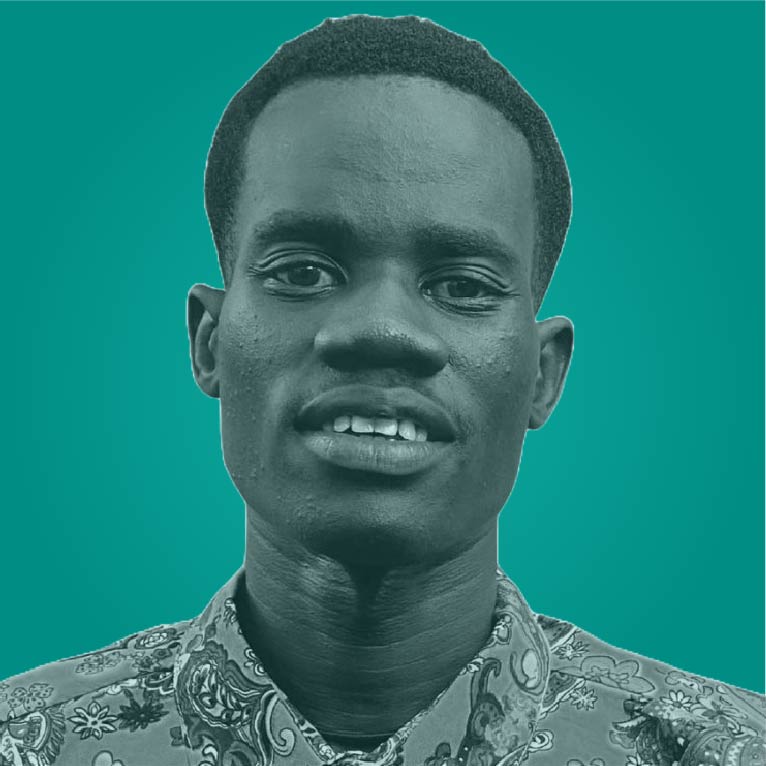
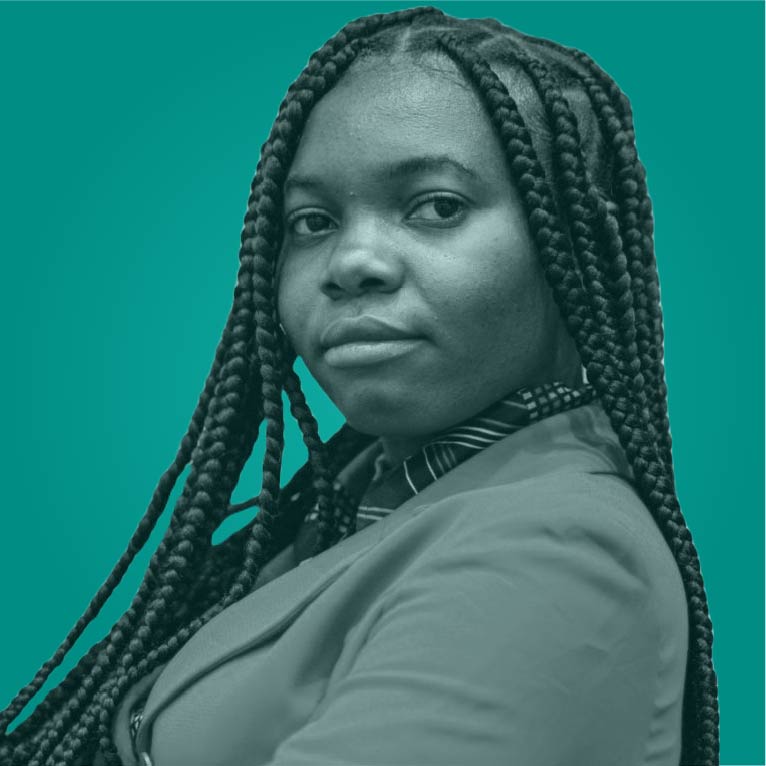
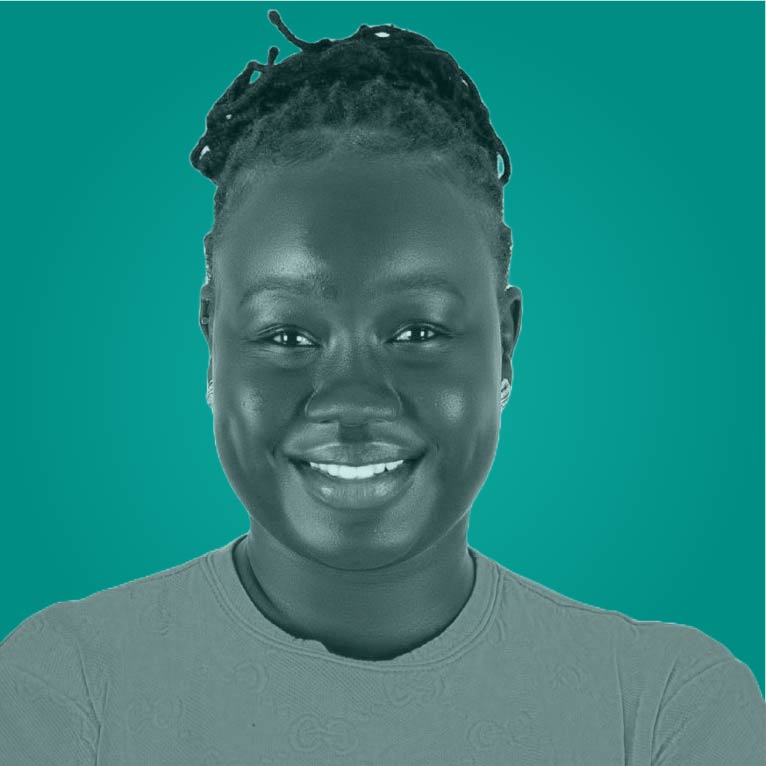
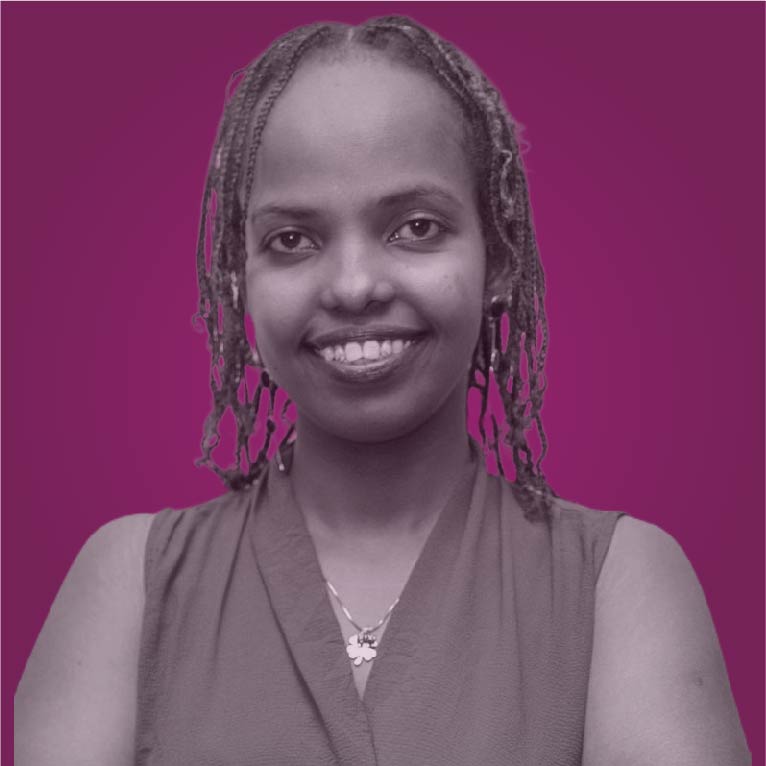
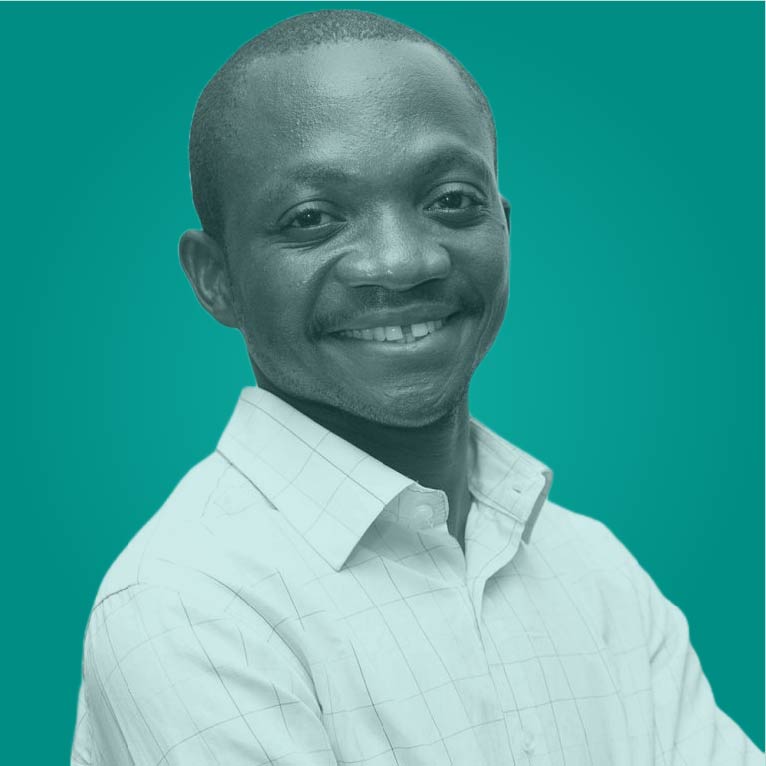
Turning Sports Into Opportunity: Lich Gatkoi Puok (Cohort 2)
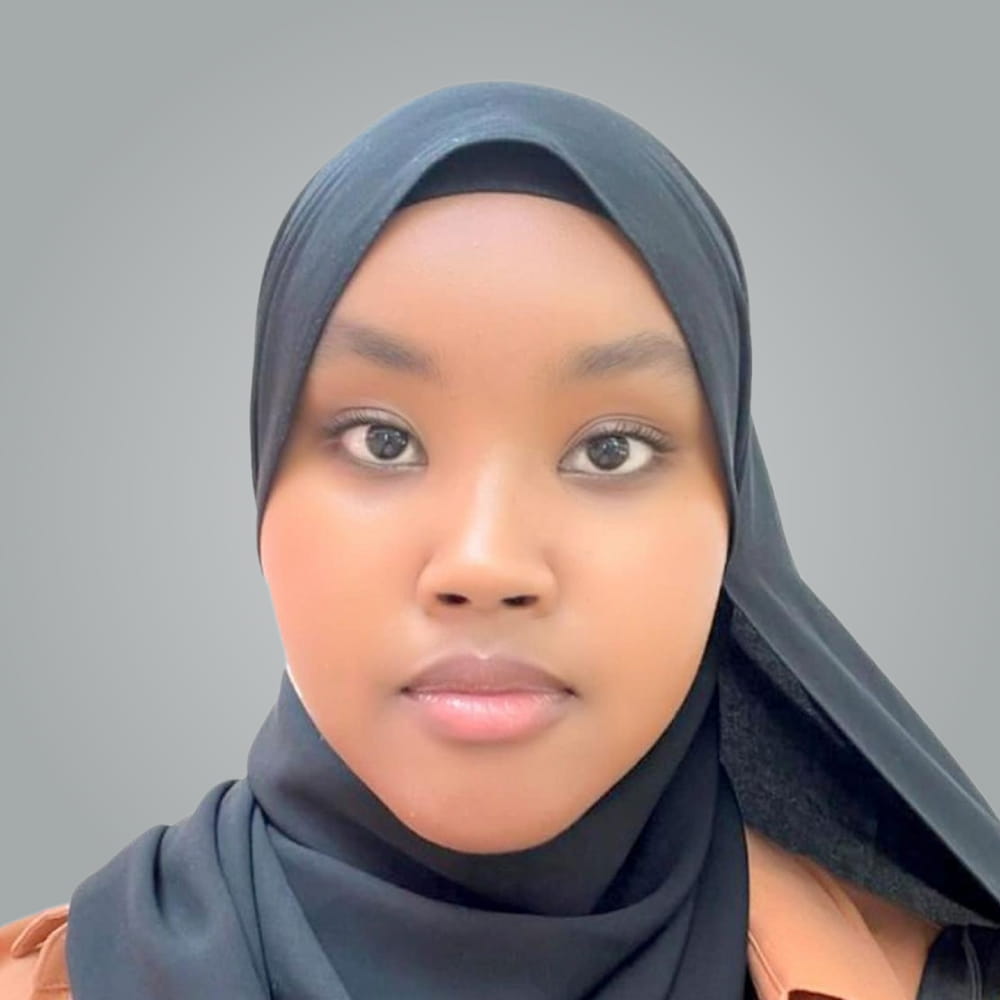
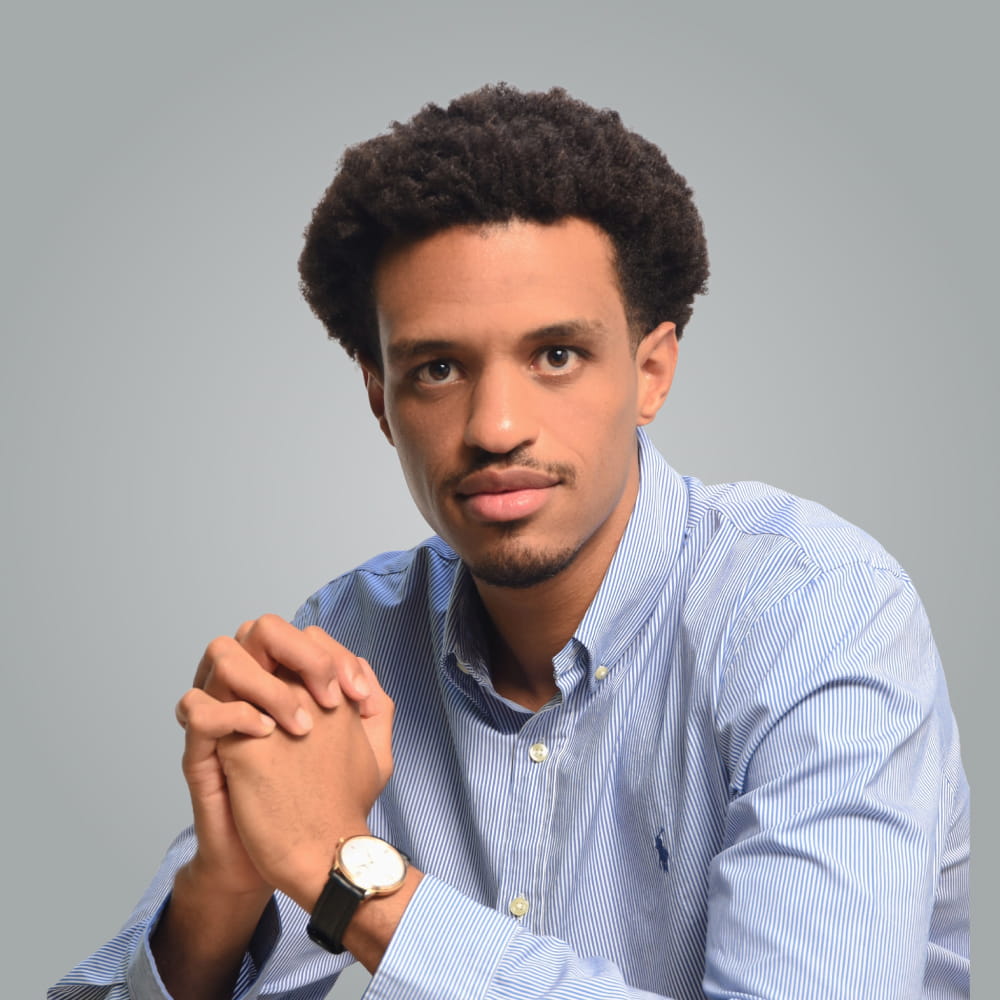
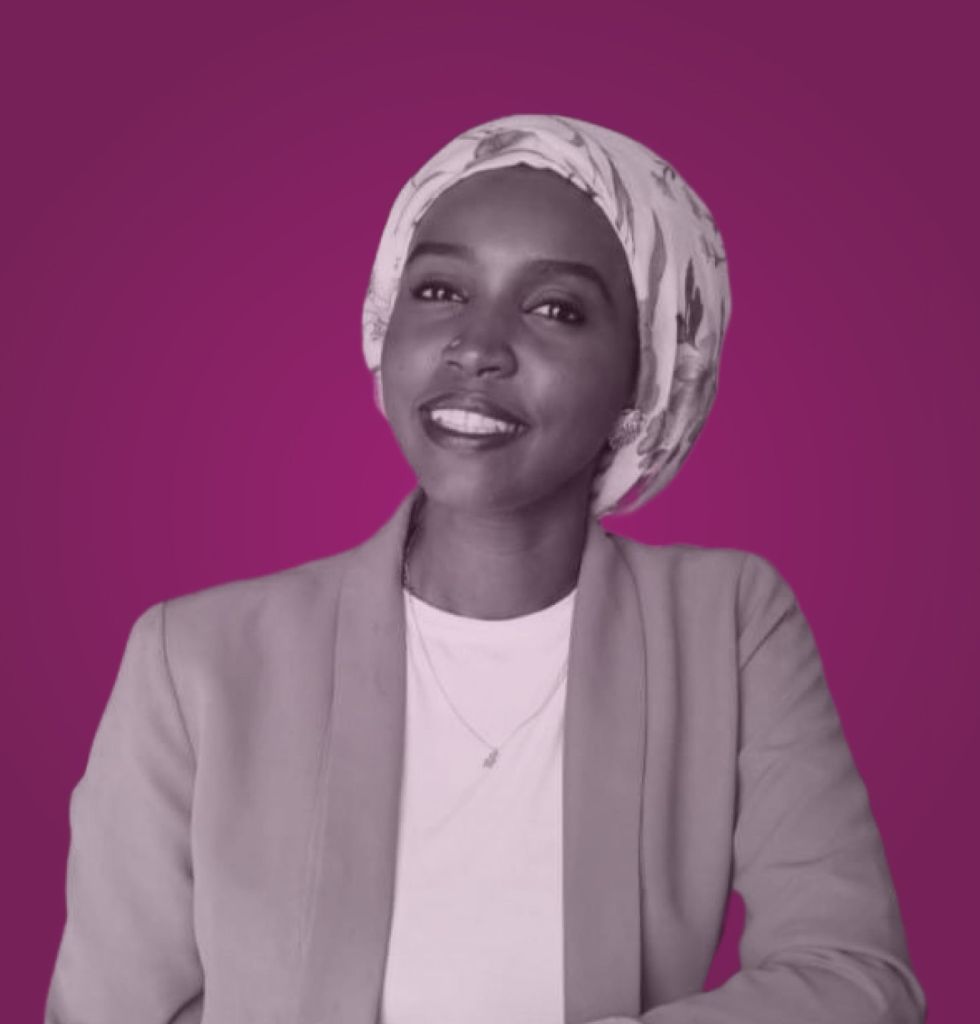
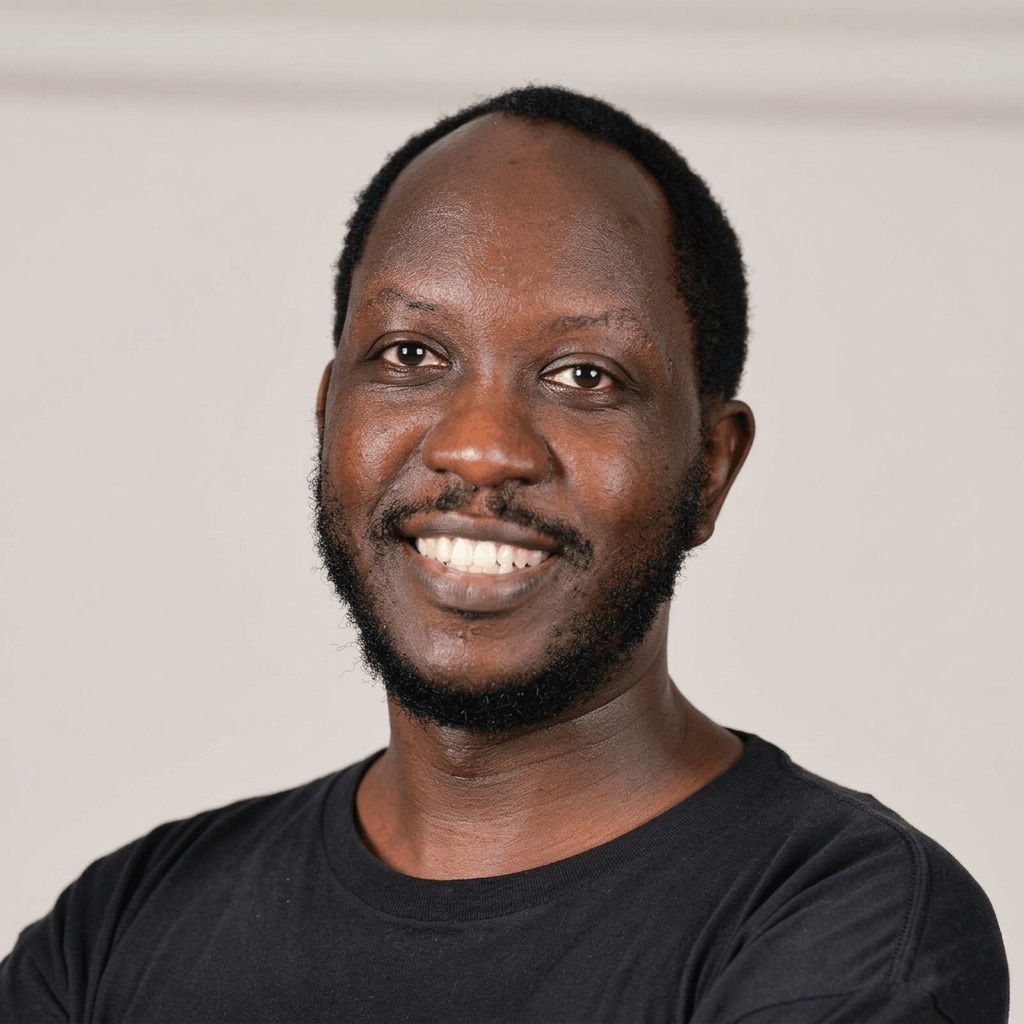
The Refugee Basketball Initiative (RBI), founded by Cohort 2 Fellow Lich Gatkoi Puok, is a youth-led social enterprise based in Kakuma Refugee Camp, Kenya, that uses sport as a tool for peacebuilding, leadership development, and livelihood creation. Since joining the Amahoro Fellowship, RBI has evolved into one of the strongest examples of how refugee-led organizations can translate community-based engagement into measurable social and economic outcomes.
Through structured basketball training, mentorship, and life-skills programs, RBI has directly engaged more than 590 forcibly displaced persons to date, including 441 youth trained in basketball and leadership skills. The initiative also employs 10 displaced persons as coaches and coordinators, providing steady income opportunities within Kakuma’s constrained economic environment. Women currently make up over 40% of active participants and volunteers, underscoring the initiative’s commitment to inclusive participation and gender balance in leadership and sport.
In 2025, RBI secured $3,000 in direct grant funding and 60 Molten basketballs in-kind from the International Basketball Federation (FIBA) under its youth sports development cycle. This milestone represents a significant vote of confidence in refugee-led innovation and will enable the expansion of RBI’s structured programming to reach an additional 400 young people across Kakuma and surrounding host communities. The initiative has also attracted attention from NBA Africa, UNHCR, and other regional sports networks, positioning it as a model for sport-driven social inclusion in displacement settings.
With support from the Amahoro Fellowship, RBI has strengthened its operational systems, improved data tracking, and formalized partnerships with local governments through the Turkana County Youth and Sports Office. These partnerships provide an enabling environment for sustainability and local ownership. As a result, RBI plans to scale its training and mentorship programs to reach 1,000 youth annually by 2026 while leveraging partnerships to integrate entrepreneurship and vocational pathways within its model.