Urban Displacement in Nairobi: Why Dedicated Community Infrastructure for Refugee Women and Children Is Urgent
In Kenya, displacement is no longer confined to camps. While Dadaab and Kakuma remain central to national refugee policy and humanitarian planning, around 16 percent of Kenya’s refugee population now resides in urban centres such as Nairobi and Mombasa, with Nairobi hosting the largest share. These families are concentrated in low-income neighbourhoods and informal settlements including Eastleigh, Kayole, Umoja, Kawangware, and Embakasi and are home to diverse refugee communities primarily from Somalia, Ethiopia, South Sudan, and the Democratic Republic of Congo. They are navigating urban life without the structured support systems historically associated with camp-based humanitarian response.
Although this shift toward urban settlement is acknowledged in Kenya’s Refugees Act, 2021 and reinforced by the Shirika Plan, which envisions greater inclusion and self-reliance for displaced populations, urban infrastructure has yet to evolve in ways that adequately respond to the specific vulnerabilities of refugee women and children.
Urban Refugees in Nairobi Face Structural Vulnerability That Demands Targeted Investment
Urban displacement in Nairobi is defined less by visibility than by structural precarity. Refugee families are concentrated in low-income neighbourhoods where housing costs are high relative to income, yet 47.5 percent report having no consistent monthly earnings. Economic instability is not an isolated hardship; it directly affects access to education, skills development, and long-term livelihood prospects.
Urban displacement in Nairobi is defined less by visibility than by structural precarity. Refugee families are concentrated in low-income neighbourhoods where housing costs are high relative to income, yet 47.5 percent report having no consistent monthly earnings. Economic instability is not an isolated hardship; it directly affects access to education, skills development, and long-term livelihood prospects.
An estimated 37.4 percent of male and 29.8 percent of female urban refugees report never having lived in camps, despite official policy limiting movement outside camps without special permission. As a result, many urban refugees fall between systems, unable to access camp-based interventions while simultaneously excluded from full participation in urban economies. This liminal status has direct consequences for education and employment pathways, as access to services is often tied either to camp registration or to documentation required for formal urban participation.
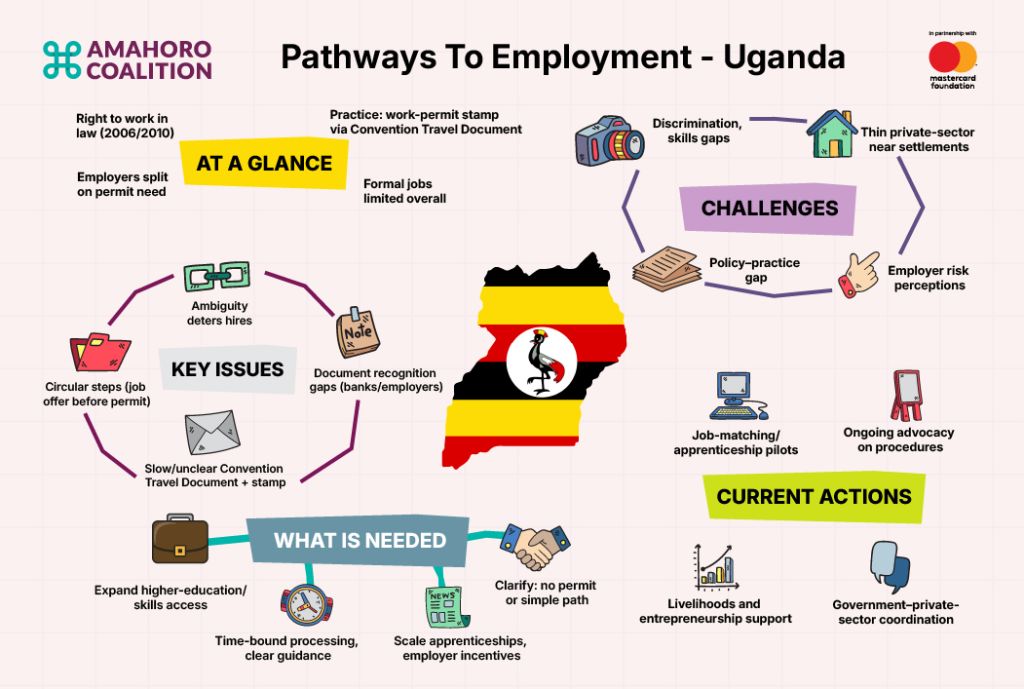
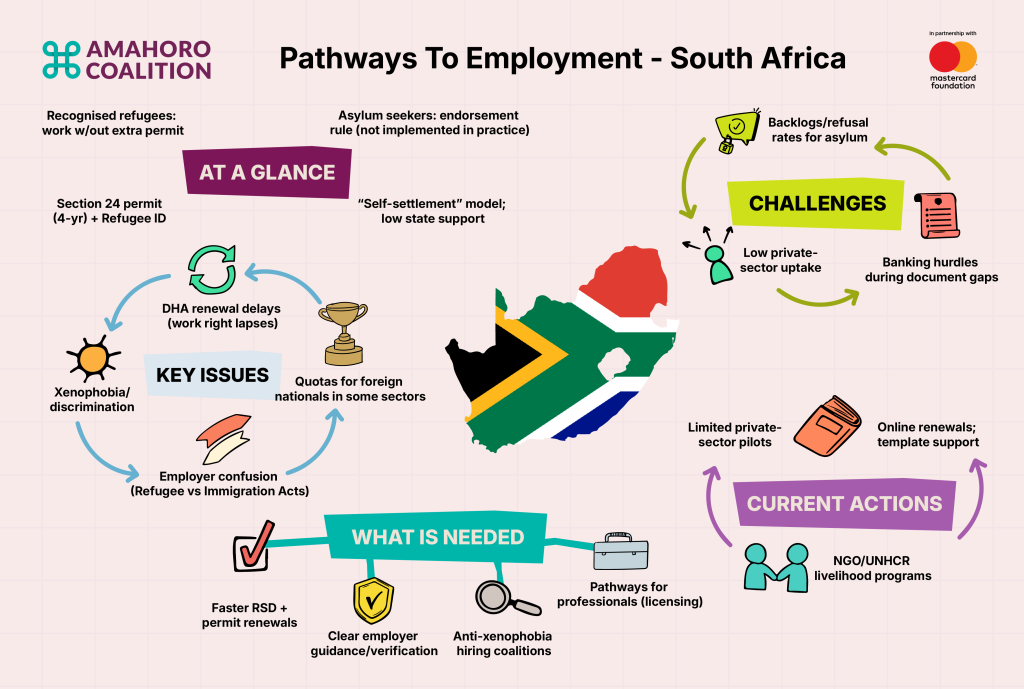
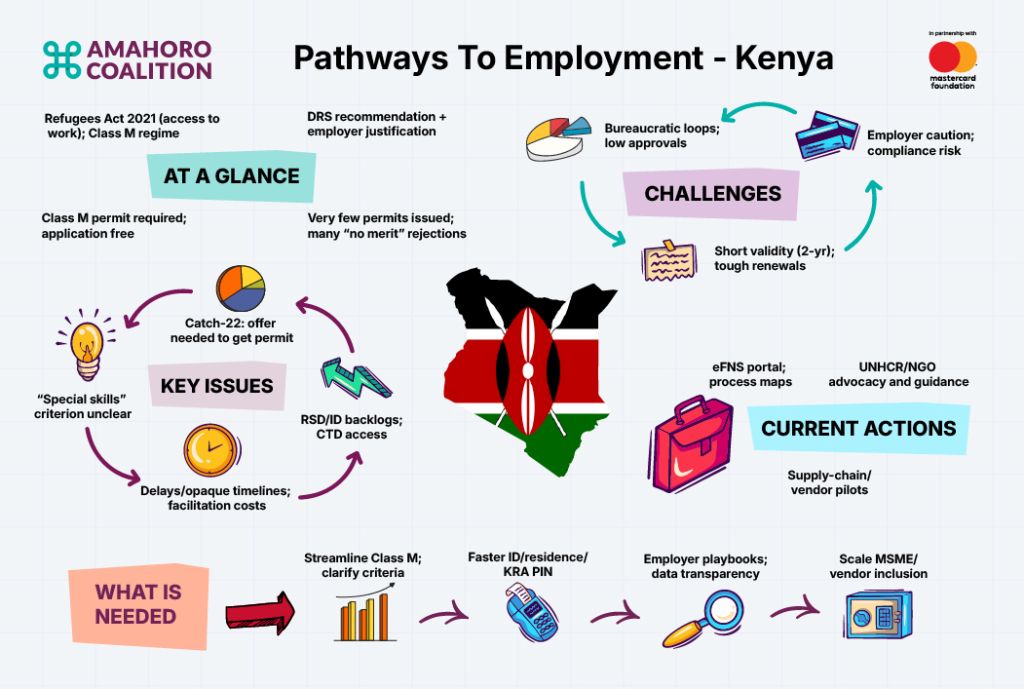
Formal employment remains largely inaccessible. In research conducted through our Pathway to Employment Series in Kenya, only one of seven interviewed refugees had successfully obtained a work permit. The requirement to demonstrate “special skills” unavailable to Kenyan citizens is frequently unrealistic, effectively limiting access to stable employment and income security. Without reliable earnings, investment in children’s education or in vocational upskilling becomes difficult to sustain.
Administrative and documentation barriers further restrict participation in education and training systems. Digital government platforms, such as eCitizen and eFNS, frequently fail to process refugee identification documents, and access to banking services often requires work permits and tax registration numbers that many refugees cannot obtain. These constraints push urban refugees into unstable informal labour markets, limiting their ability to build skills, formalise businesses, or pursue structured training opportunities.
Within This Fragile Urban Ecosystem, Women And Children Are The Most Vulnerable
Educational access in Nairobi’s informal settlements is deeply gendered. A 2019 Jesuit Refugee Services report found that refugee girls in Kenya are 2.5 times more likely to be out of school than boys, reflecting entrenched norms that place lower value on girls’ formal education. In some urban communities, insecurity and mobility constraints further restrict girls’ access to schooling.
Educational access in Nairobi’s informal settlements is deeply gendered. A 2019 Jesuit Refugee Services report found that refugee girls in Kenya are 2.5 times more likely to be out of school than boys, reflecting entrenched norms that place lower value on girls’ formal education. In some urban communities, insecurity and mobility constraints further restrict girls’ access to schooling.
Educational interruption is rarely the result of a single barrier. It reflects cumulative pressures such as irregular income, high housing costs, indirect school expenses, and protection risks. When mothers lack stable employment or safe childcare, older daughters frequently assume domestic responsibilities. Female-headed households experience heightened poverty rates, and economic instability directly affects children’s educational continuity. Women’s economic exclusion and children’s educational fragility are not parallel challenges; they are mutually reinforcing cycles that entrench vulnerability across generations.
For refugee women, economic participation is similarly constrained. A 2022 World Bank and UNHCR survey found that refugee women in urban Kenya are significantly less likely to be employed than men, with employment rates of 33 percent compared to 50 percent. Those who are economically active are largely confined to informal, low-return activities without access to structured vocational training, capital, or business development support. Without targeted skills pathways, income remains precarious and household stability remains fragile.
Addressing urban displacement therefore requires more than piecemeal programming. It requires dedicated, gender-responsive infrastructure that integrates early learning, vocational training, childcare, and safe community space within one coordinated ecosystem. With such infrastructure, women gain pathways to dignified livelihoods, children remain anchored in structured learning environments, and inclusion becomes tangible rather than aspirational.
A Partnership Model to Respond to the Gap
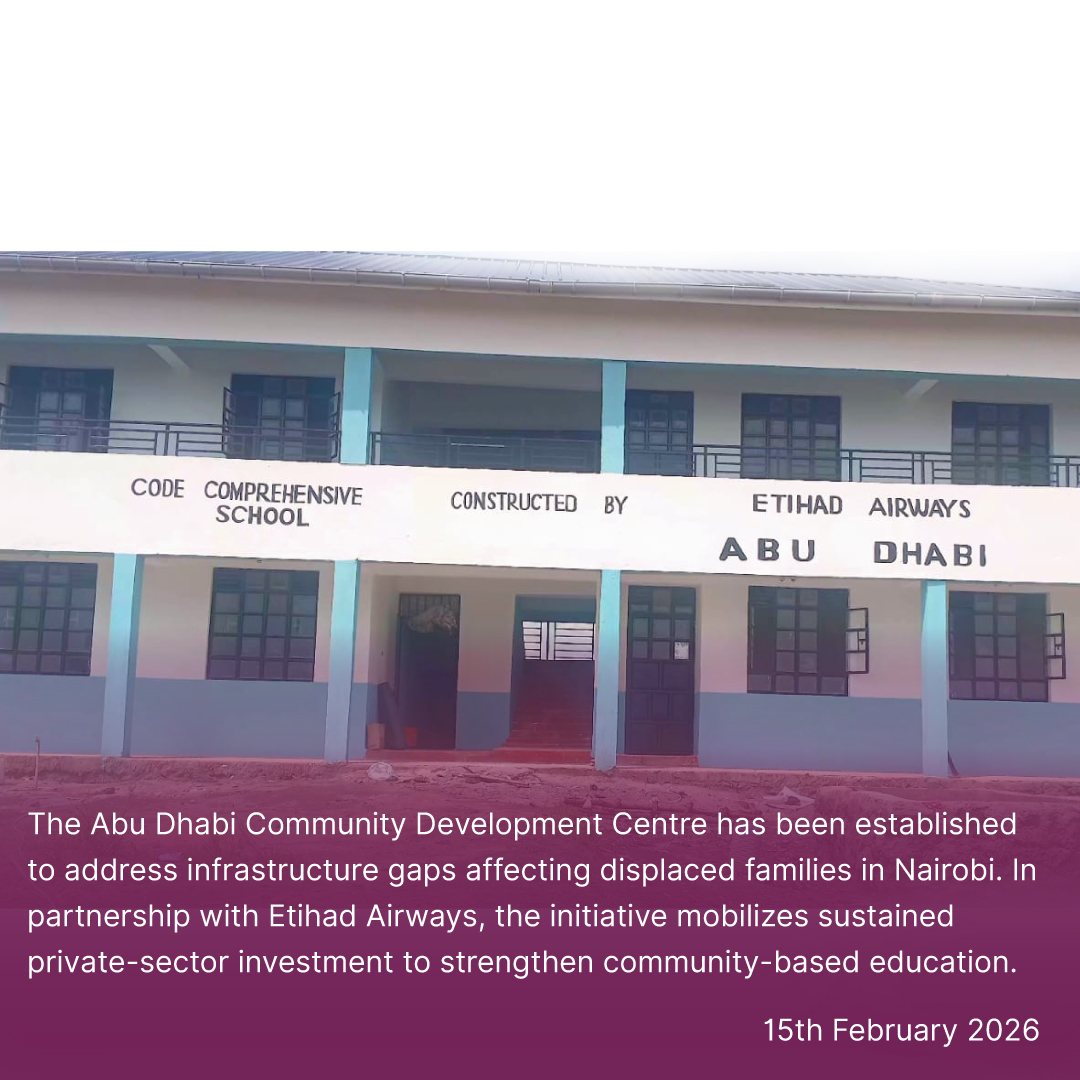
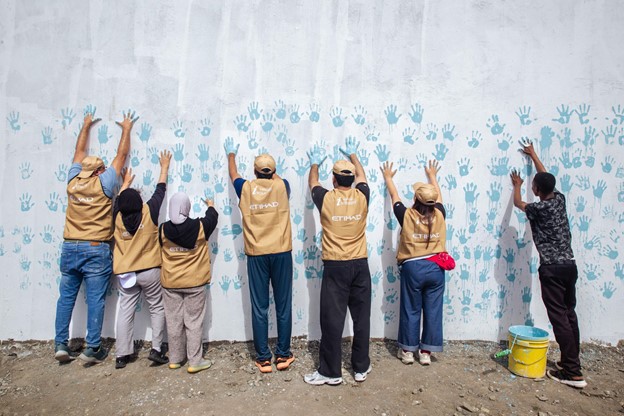
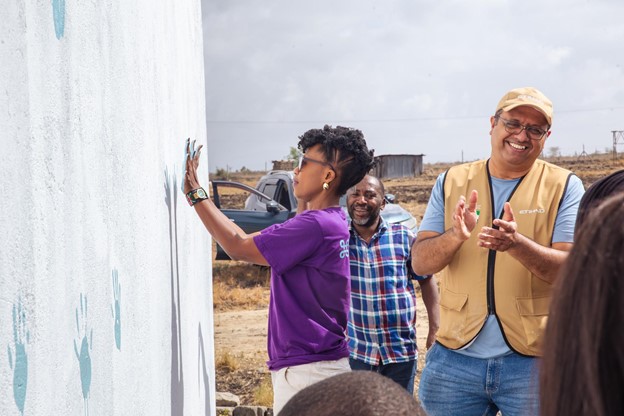
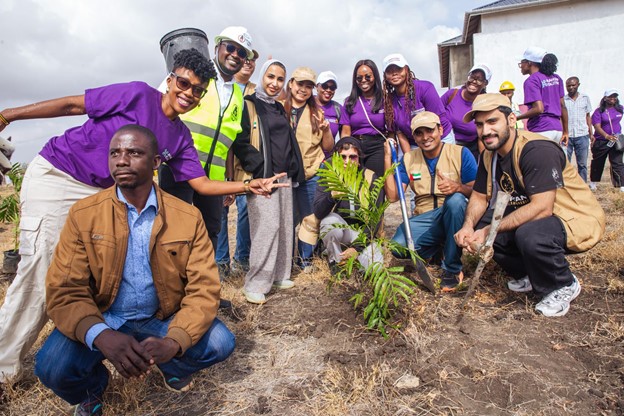
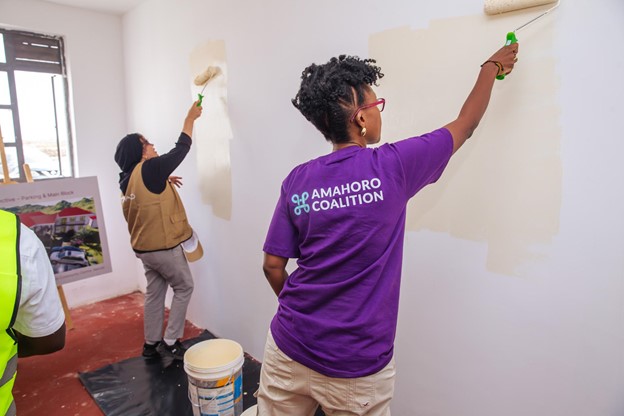
The Abu Dhabi Community Development Centre seeks to respond to this urban infrastructure gap. Through its partnership with Etihad Airways, Amahoro Coalition is mobilising long-term private-sector investment into education and women-focused vocational training, ensuring that infrastructure development aligns with both donor accountability and community need.
The Abu Dhabi Community Development Centre seeks to respond to this urban infrastructure gap. Through its partnership with Etihad Airways, Amahoro Coalition is mobilising long-term private-sector investment into education and women-focused vocational training, ensuring that infrastructure development aligns with both donor accountability and community need.
Crucially, implementation is anchored by CODE Society, a refugee-led organisation that will lead school operations and vocational training delivery. As a refugee-led organisation, CODE Society brings lived experience and contextual understanding to programme design and execution, ensuring that services are responsive and trusted.
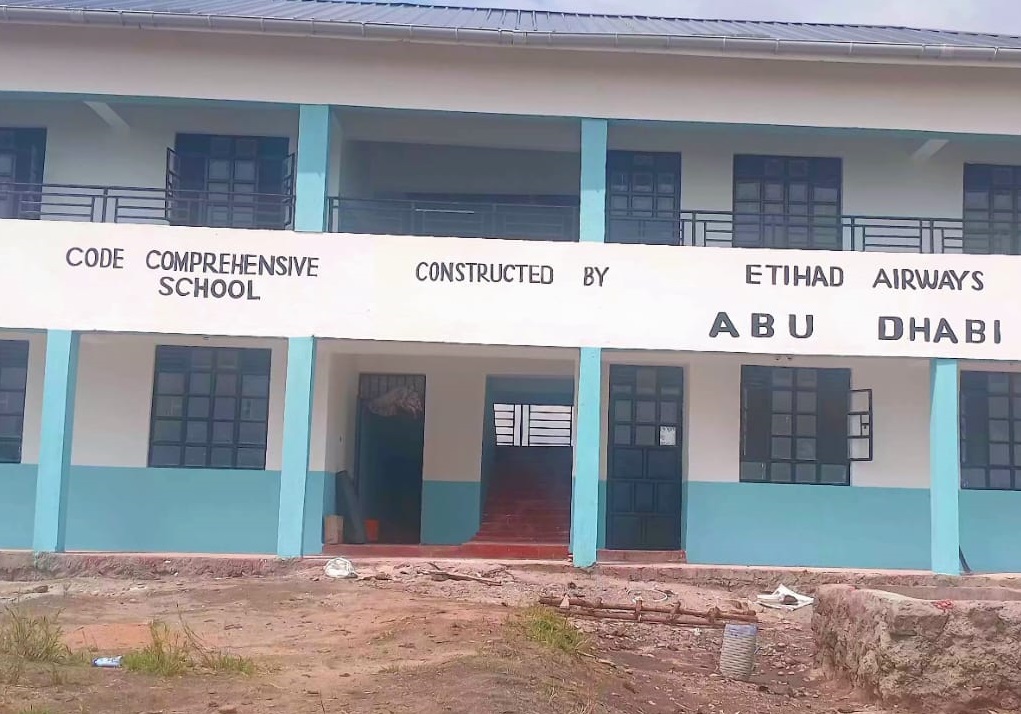
By 2030, the Centre aims to support 400 learners from Nursery to Grade 6 and provide vocational and entrepreneurship pathways for more than 1,400 women, reaching over 8,000 displaced and host-community family members indirectly. The model recognises that empowering women and sustaining girls’ education generates ripple effects beyond individual beneficiaries. When women access structured skills training and income pathways, household stability improves. When children remain in safe learning environments, long-term earning potential rises and protection risks decline.
Urban displacement is not temporary or unique to Nairobi. Refugee families are increasingly part of the African city’s economic and social fabric, yet the infrastructure to support them remains uneven. Kenya’s policy commitments signal progress, but policy alone will not deliver inclusion.
Partnerships such as that between Amahoro Coalition and Etihad Airways show how private-sector actors can invest in durable, community-based solutions that strengthen education and women’s economic participation. As displacement reshapes cities across the continent, private institutions must recognise that resilient urban centres are fundamental to economic growth and to the long-term sustainability of the markets in which they operate.
By Saniya Fatima and Mahoro Atone