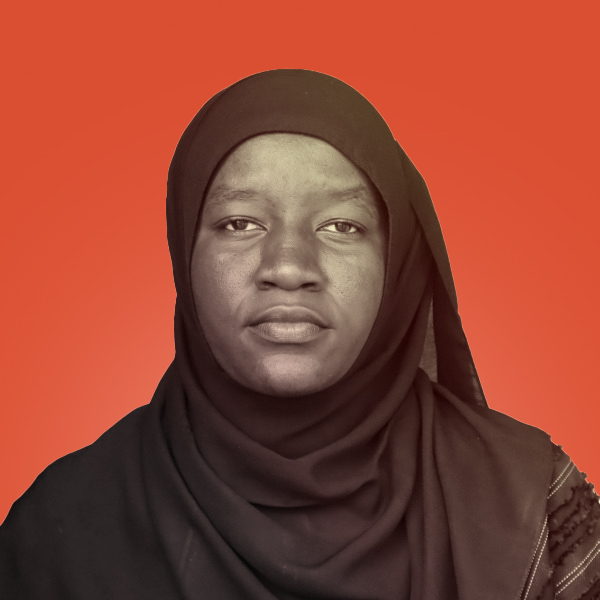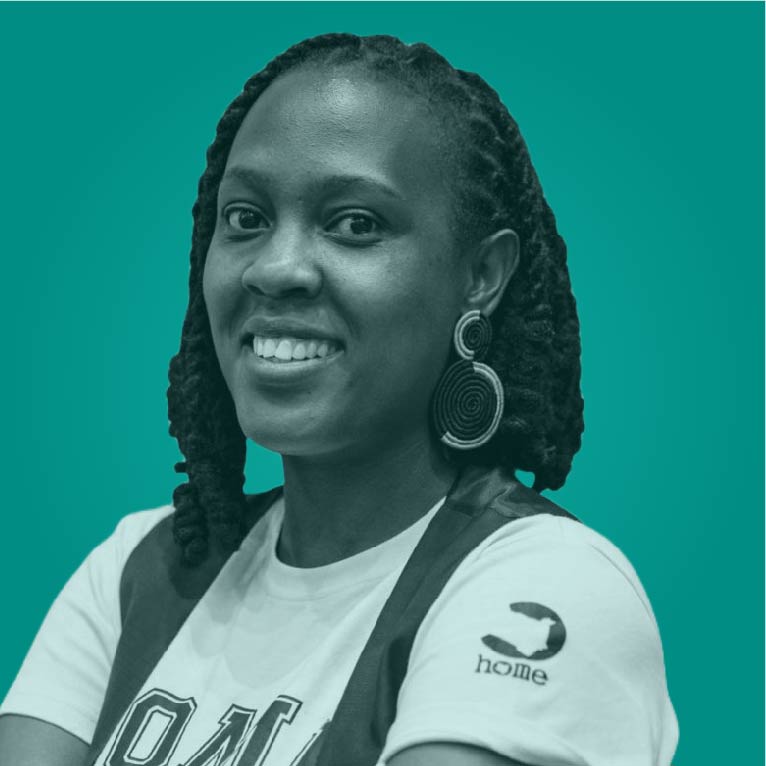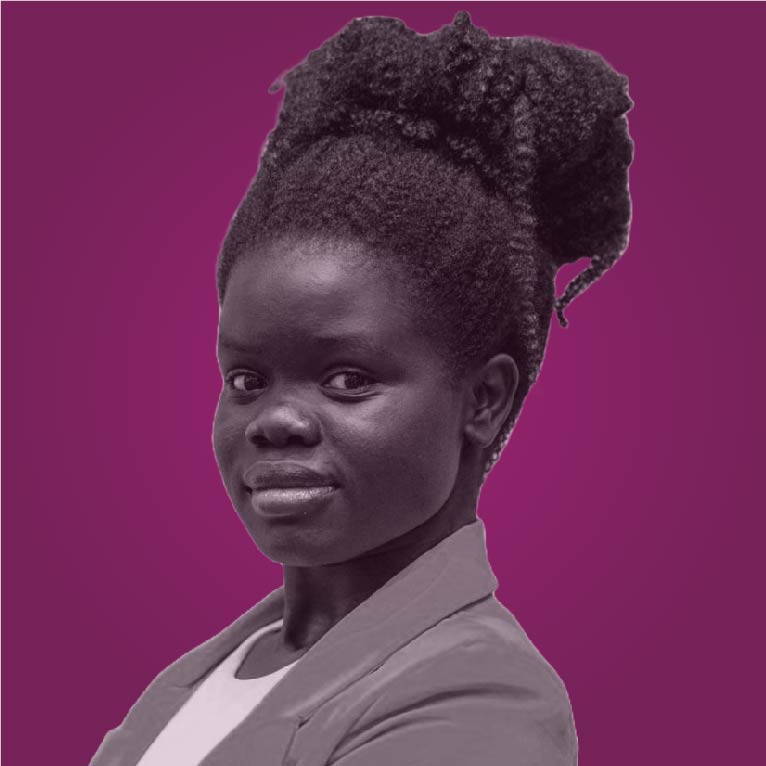

Mary Katambi is building a disruptive model for online commerce in Nigeria. Her venture, Kaiki connects buyers and sellers of new and pre-owned furniture, fashion items, and home appliances – without owning a single warehouse, holding any inventory, or operating a delivery fleet.
The business is built around WhatsApp- and Facebook-based buying and selling communities known as Kaiki Tribes, which operate across Lagos, Abuja, Benin, and Ibadan. The platform already works with 10 businesses and facilitates more than 130 customer transactions each month, demonstrating that trust can be built before technology scales it.
Kaiki means “First Choice” in Kibaku, a local dialect in Northern Nigeria. The name reflects Katambi’s ambition to become the first choice for trusted online buying and selling in Africa, creating a marketplace where confidence, not just convenience, drives transactions.
Africa’s digital commerce market is estimated to hit $60 billion by 2030 yet online transactions remain constrained by concerns over fraud, unreliable deliveries and poor product quality. Building confidence has become as important as building marketplaces.
The business provides the systems that make transactions safer: verified sellers, secure payments, community-based buying, and logistics partnerships. The website is simply the next stage of a marketplace that is already taking shape.
Communities Before Commerce
Most marketplaces begin by building a website. Kaiki began by building communities. That decision was informed by how Nigerians already buy, sell, and communicate. According to Statista, around 95% of Nigeria’s 109 million internet users use WhatsApp, making it the country’s most widely used messaging platform. Rather than asking customers to adopt a new platform, Kaiki met them where they already were.
“We used WhatsApp and Facebook to build traction and connect buyers and sellers while we finalized the website.”
Buyers join WhatsApp groups based on their city, where they browse listings, ask questions, and interact with verified sellers before making a purchase. The website will eventually automate much of that experience, but the principle remains unchanged: trust is easier to build inside communities than between strangers.
For sellers, the process is equally structured. Every listing includes product details, photographs, videos, location and condition before being approved. Buyer payments are held securely until the item has been received and confirmed.
The objective is to remove uncertainty from the transaction before money changes hands.
For Mary, technology is not replacing trust. It is organizing it.
Commerce was Always Familiar
Entrepreneurship has always been part of Katambi’s life. Growing up, she watched her mother earn a living selling moi moi, the steamed bean pudding popular across Nigeria. Years later, while studying Accounting at the American University of Nigeria, she started selling clothes to fellow students.

Those early experiences taught her how to recognise value, understand customers, and spot opportunities. Formal education strengthened that instinct.
After completing her undergraduate degree, she earned a postgraduate qualification in Entrepreneurship, Management and Technology from the Nigerian University of Technology and Management.
During Nigeria’s National Youth Service Corps (NYSC) programme, she also completed Google-sponsored training in data analytics, developing the analytical and digital skills that would later shape the design of Kaiki.
From Community Builder to Marketplace Builder
Long before she built Kaiki, Katambi was already building communities.
During her university days, she organised a fundraising campaign that enabled more than 120 secondary school students in Adamawa State to remain in school. Later, she trained more than 150 women across northern Nigeria in data analysis, equipping them with digital skills that helped some secure employment while others launched their own online training businesses.
Her early vision for Kaiki resembled a social initiative. The Amahoro Coalition Fellowship challenged her to think differently.

One of the things I learned through Amahoro is that even if you’re running a social impact initiative, you need to have a revenue-generating model. That’s not something most nonprofits focus on.
Mary Katambi
Through mentorship, she began asking harder commercial questions: How would the business generate revenue? What competitive advantage would make it stand out? How could impact grow because the business succeeds, rather than relying on continuous donor support?
The answers made Kaiki adopt its current model.
For Katambi, the future of commerce is both digital and relational. By organising buyers and sellers into trusted communities, Kaiki is living up to its tag line “Sell easy, buy fair, waste less”.