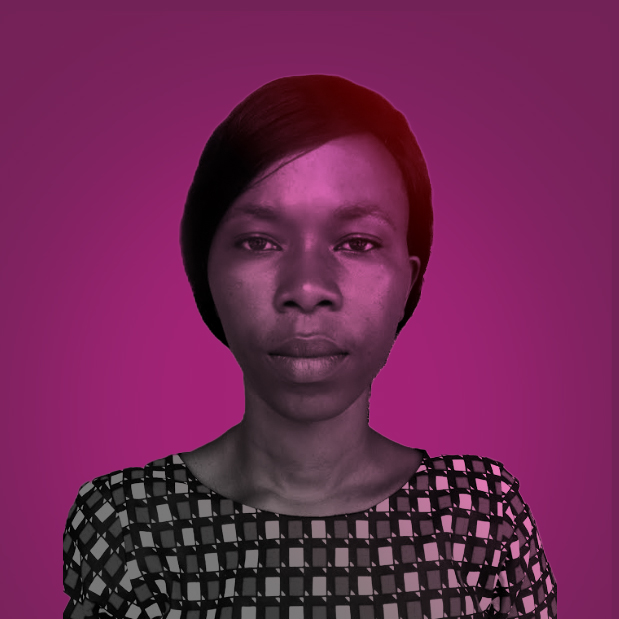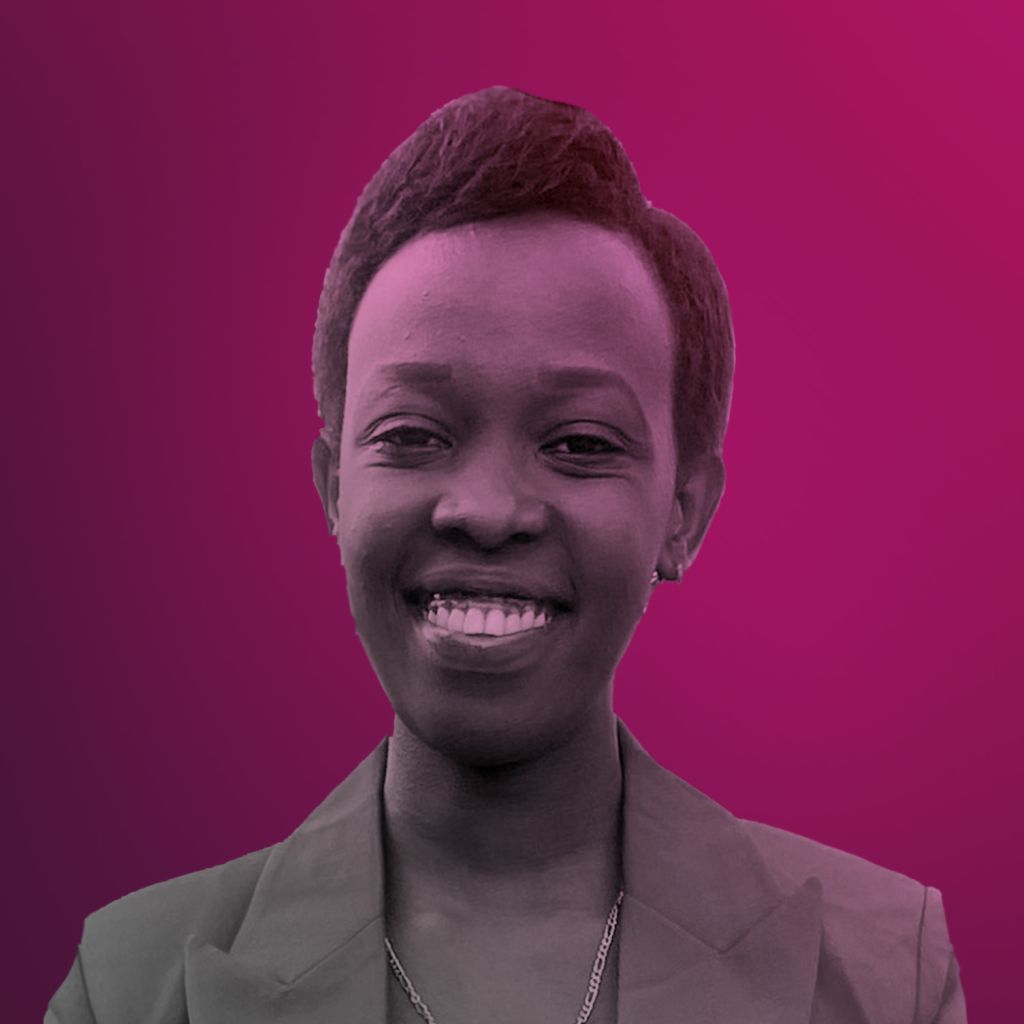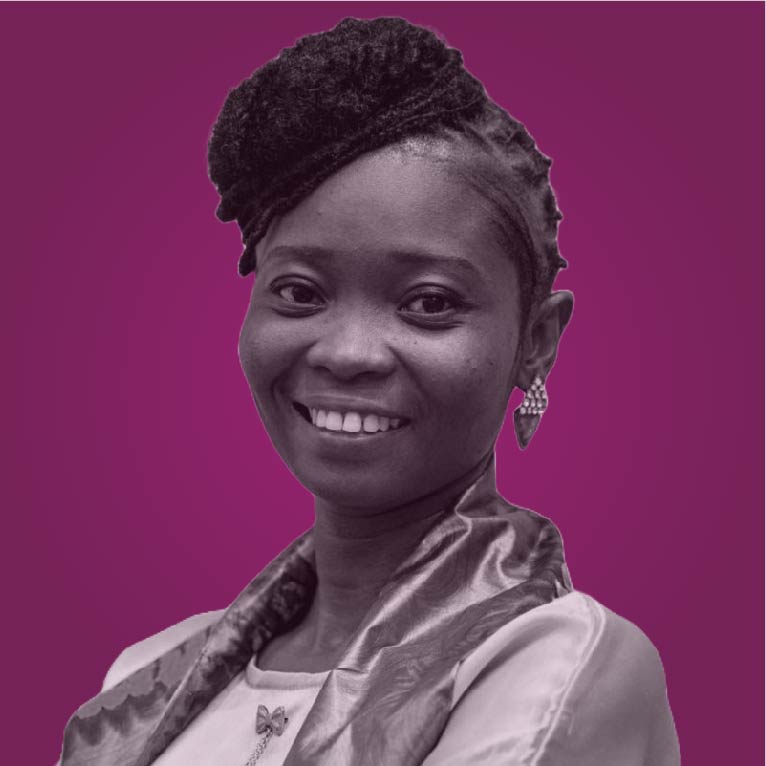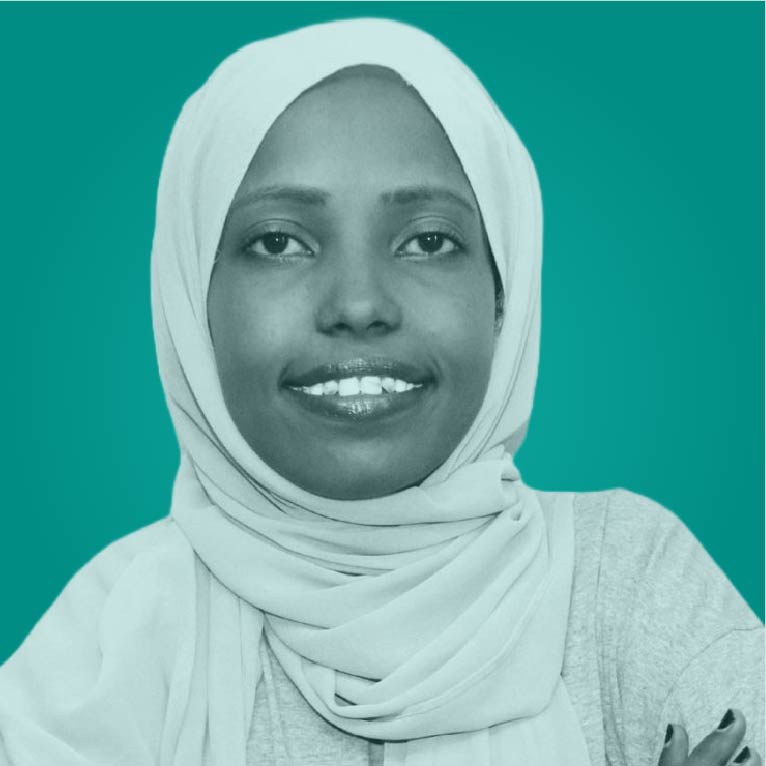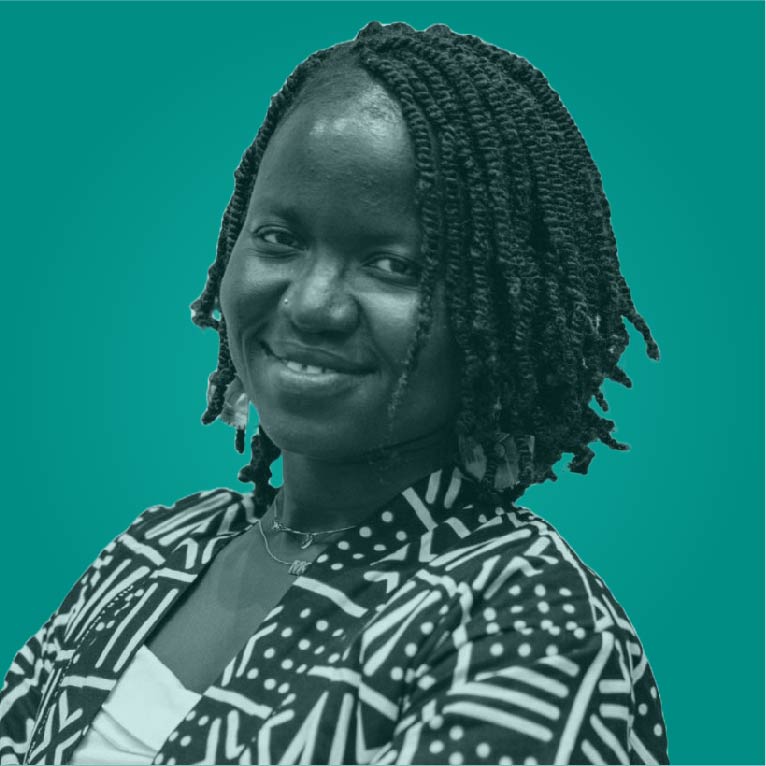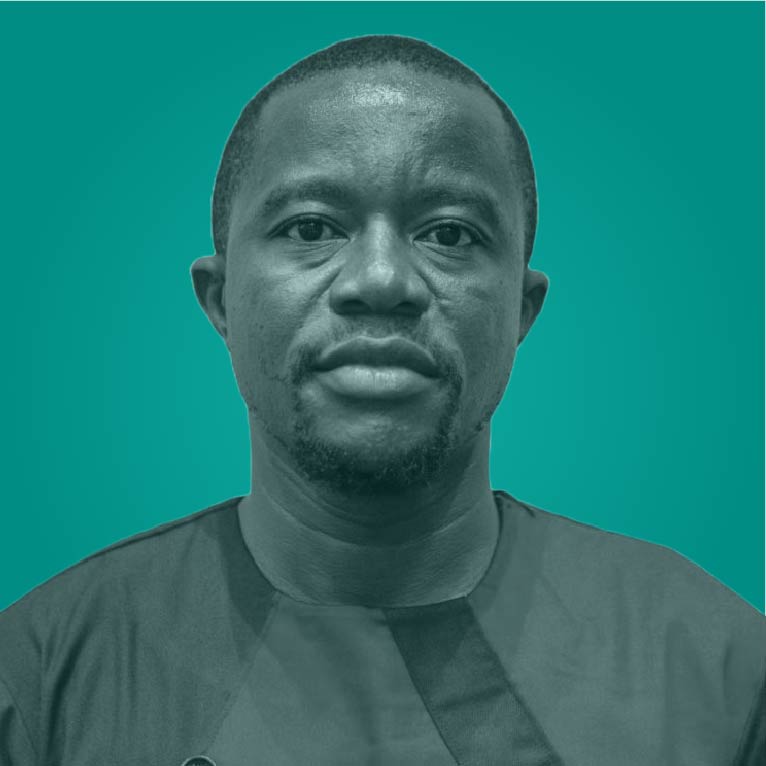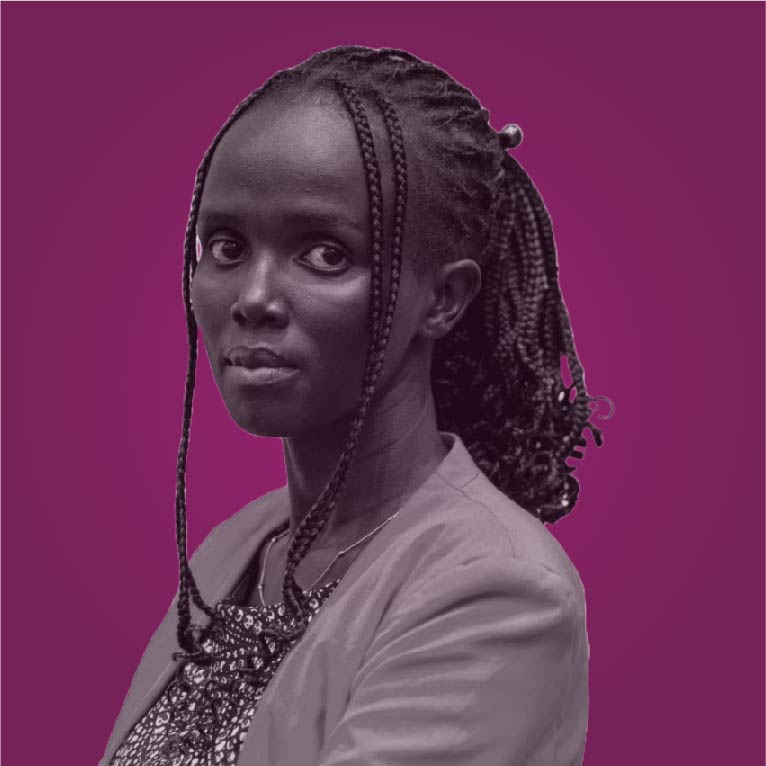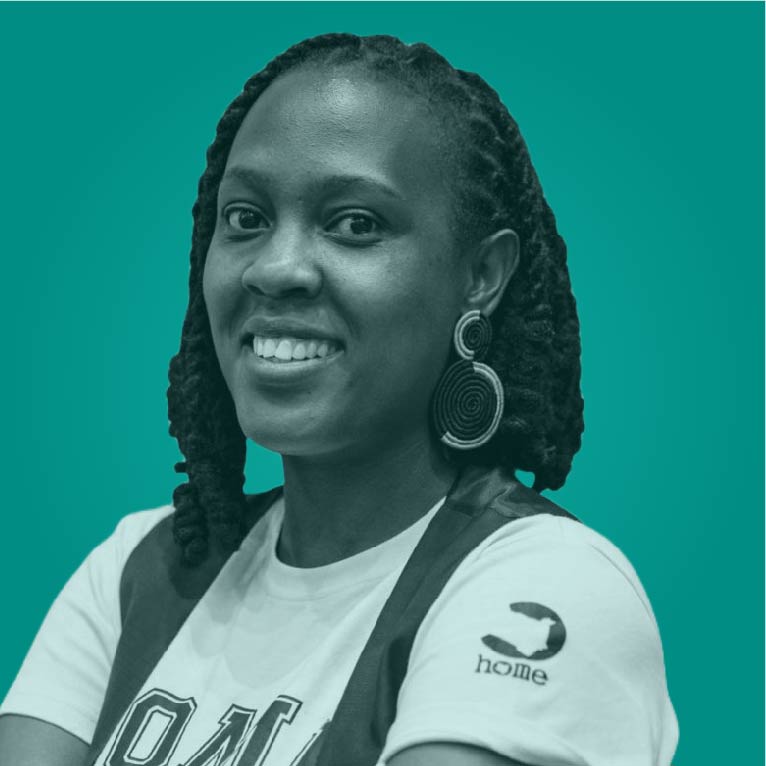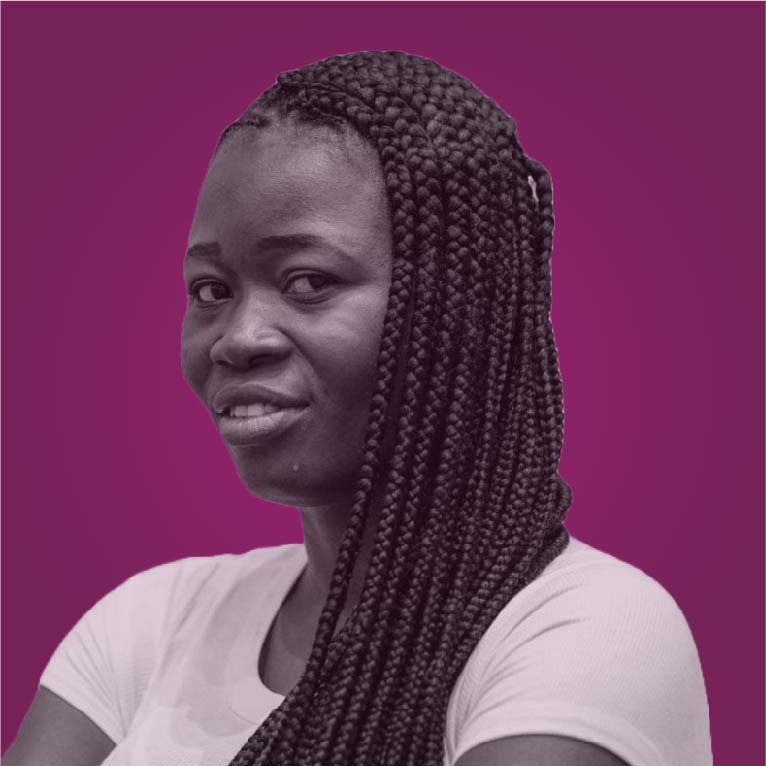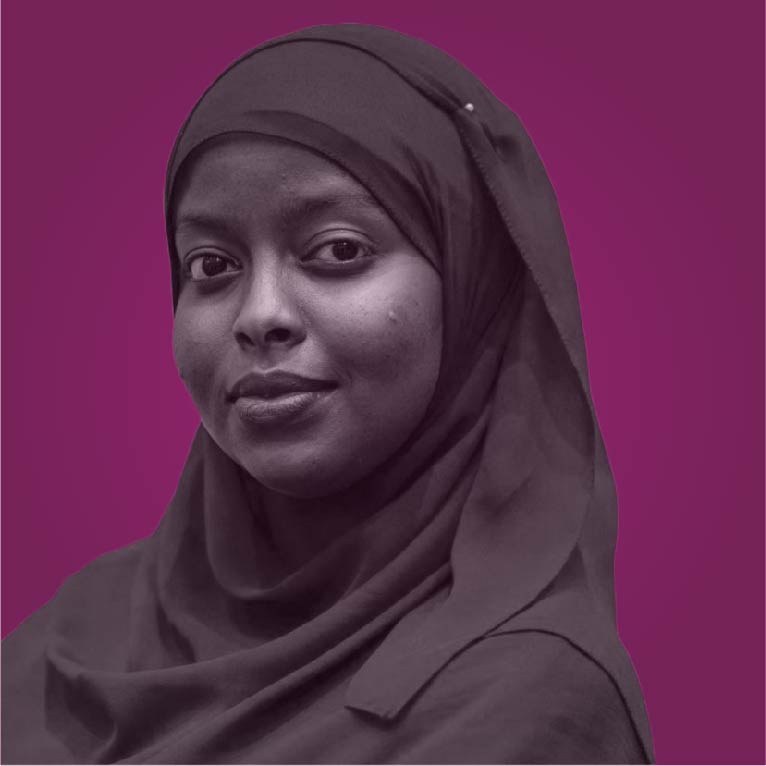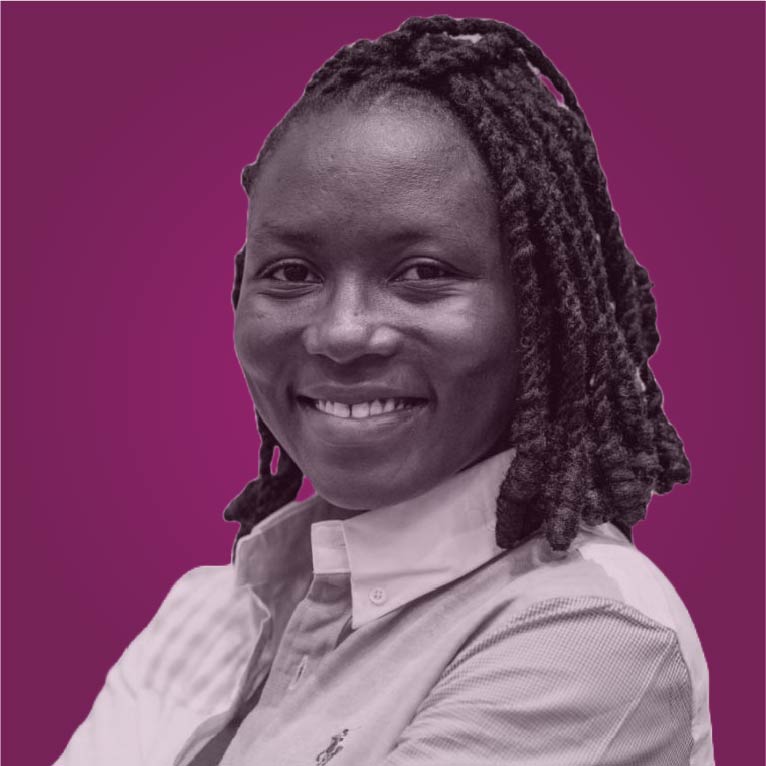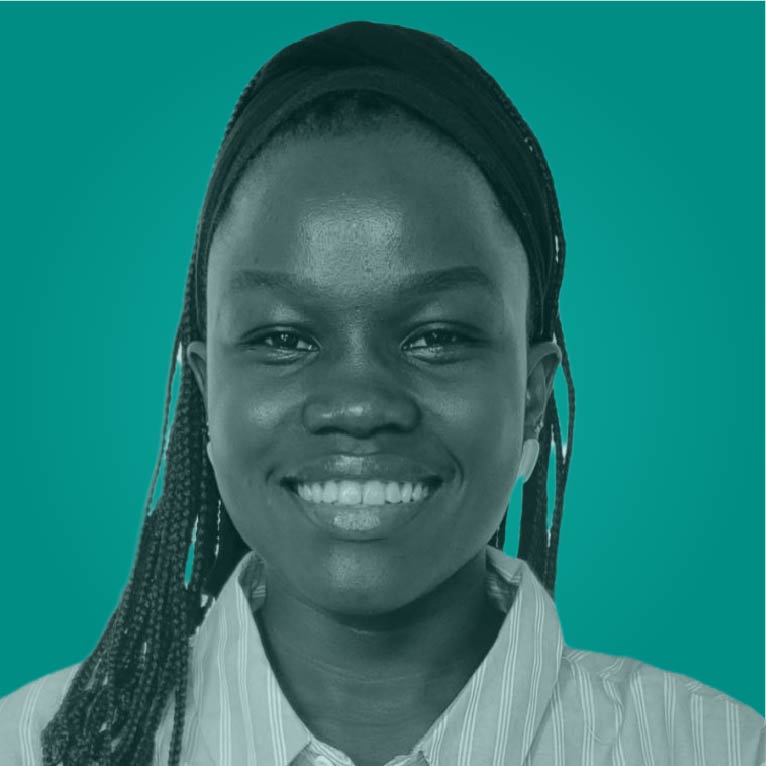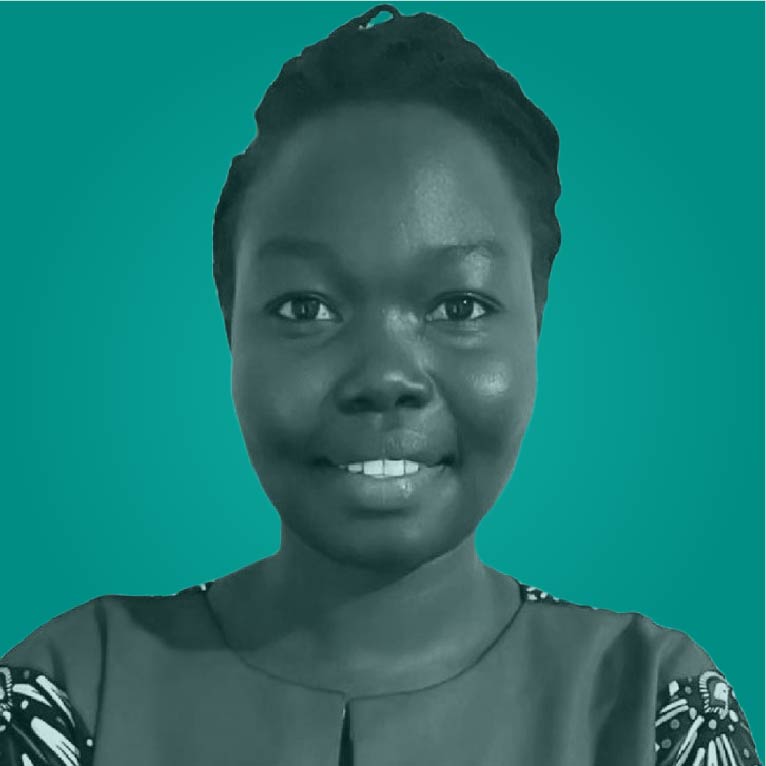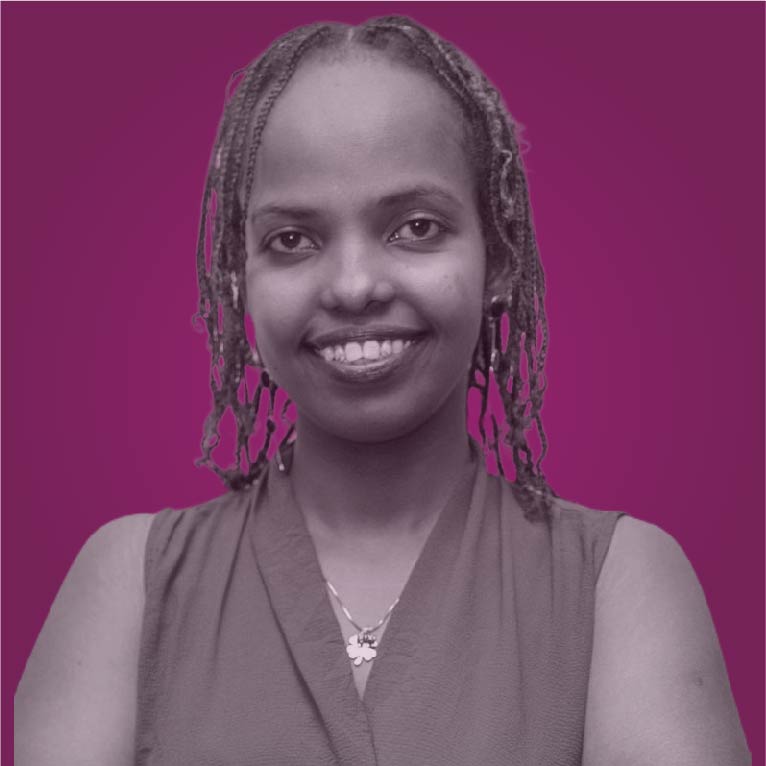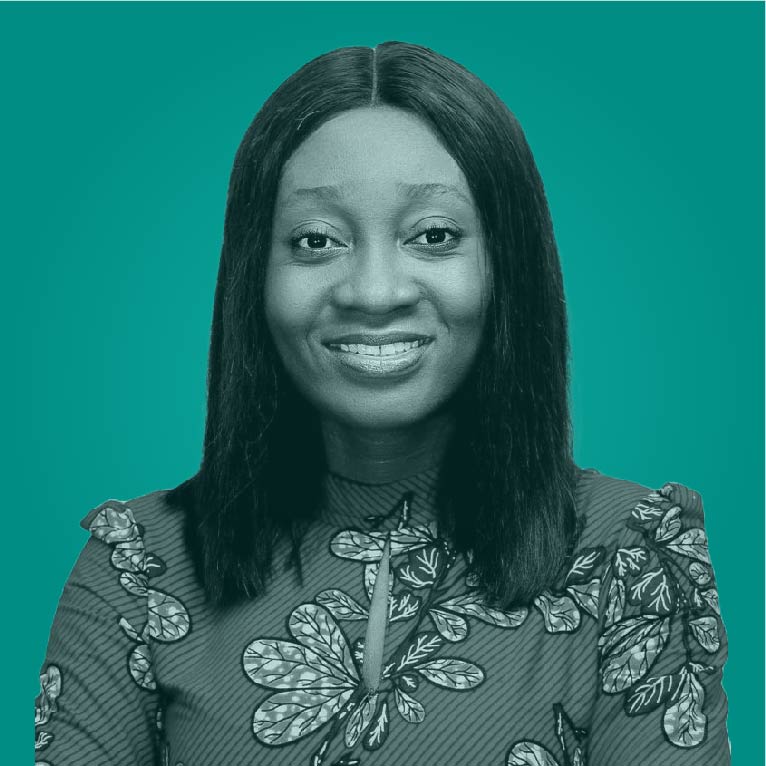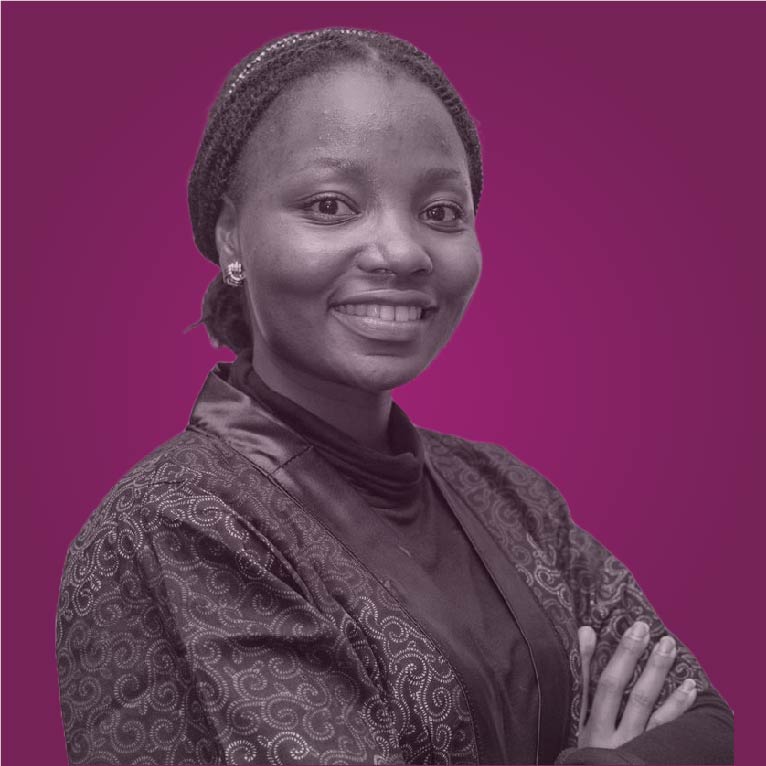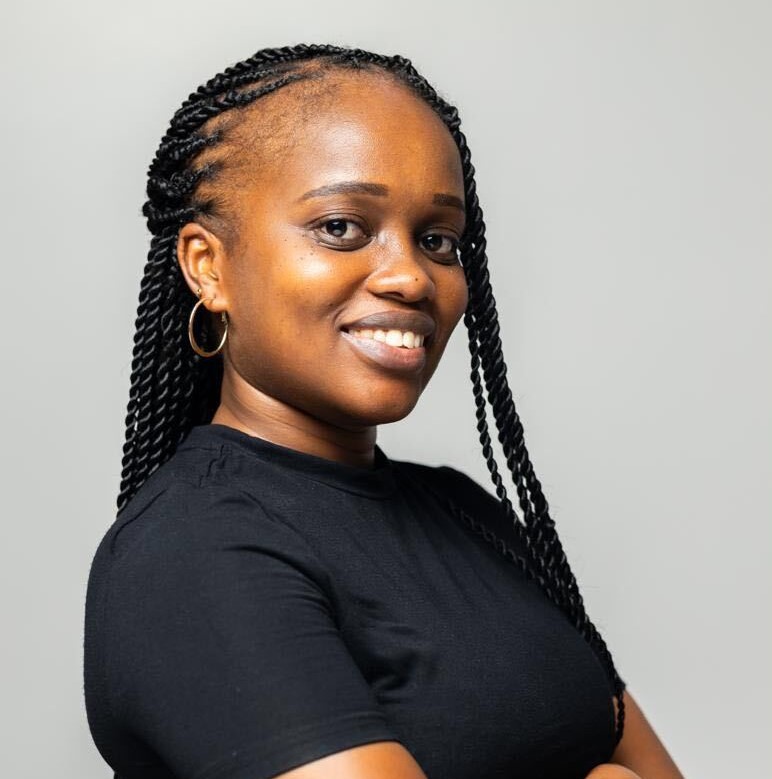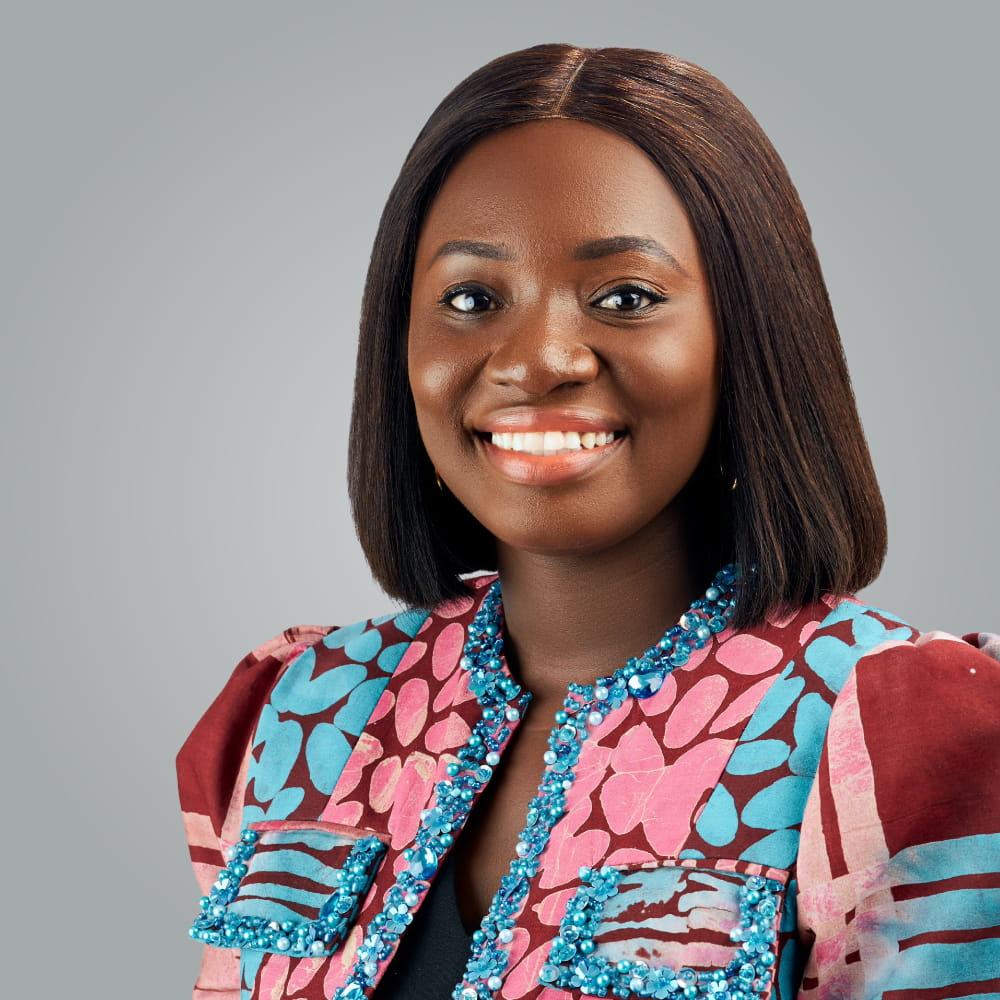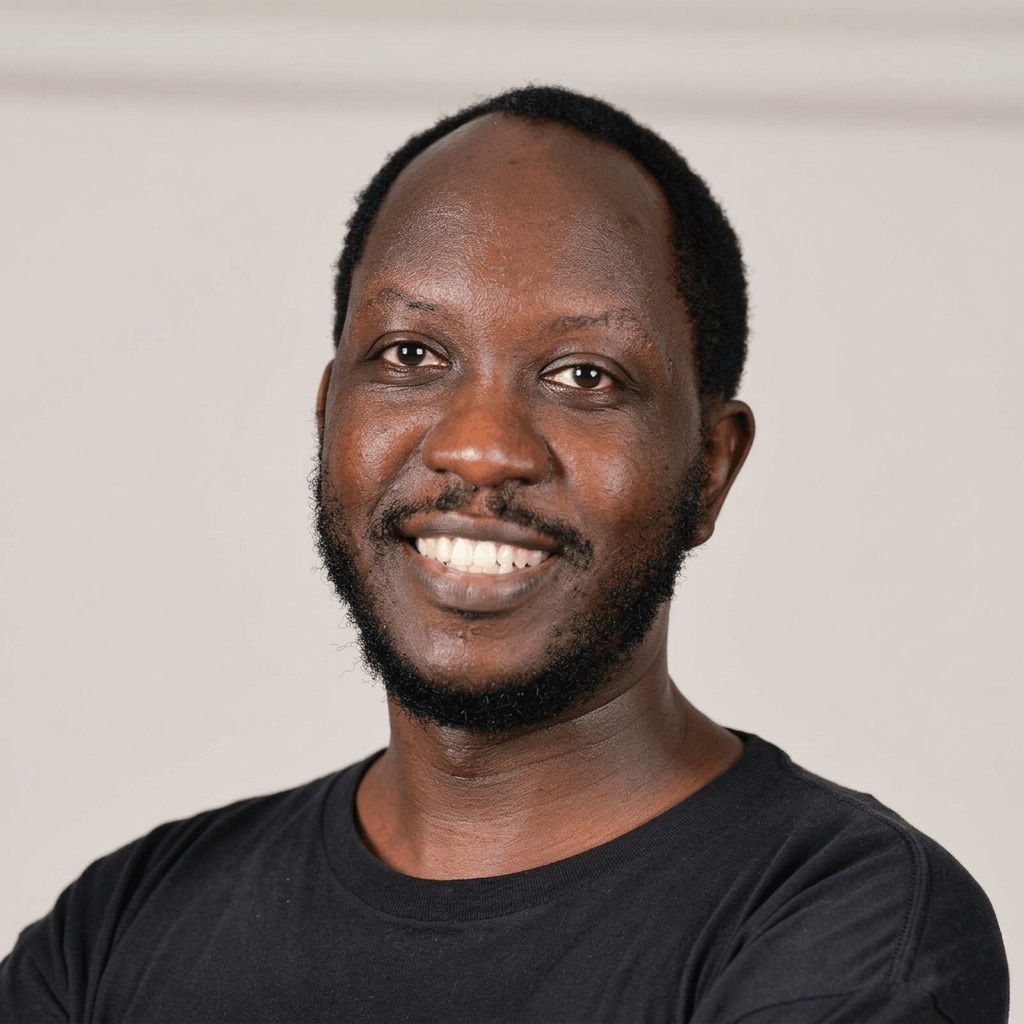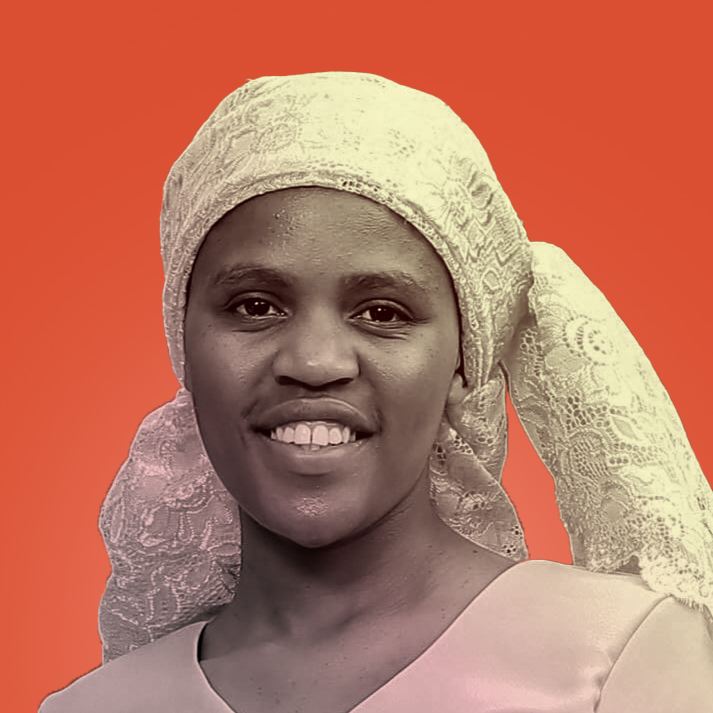
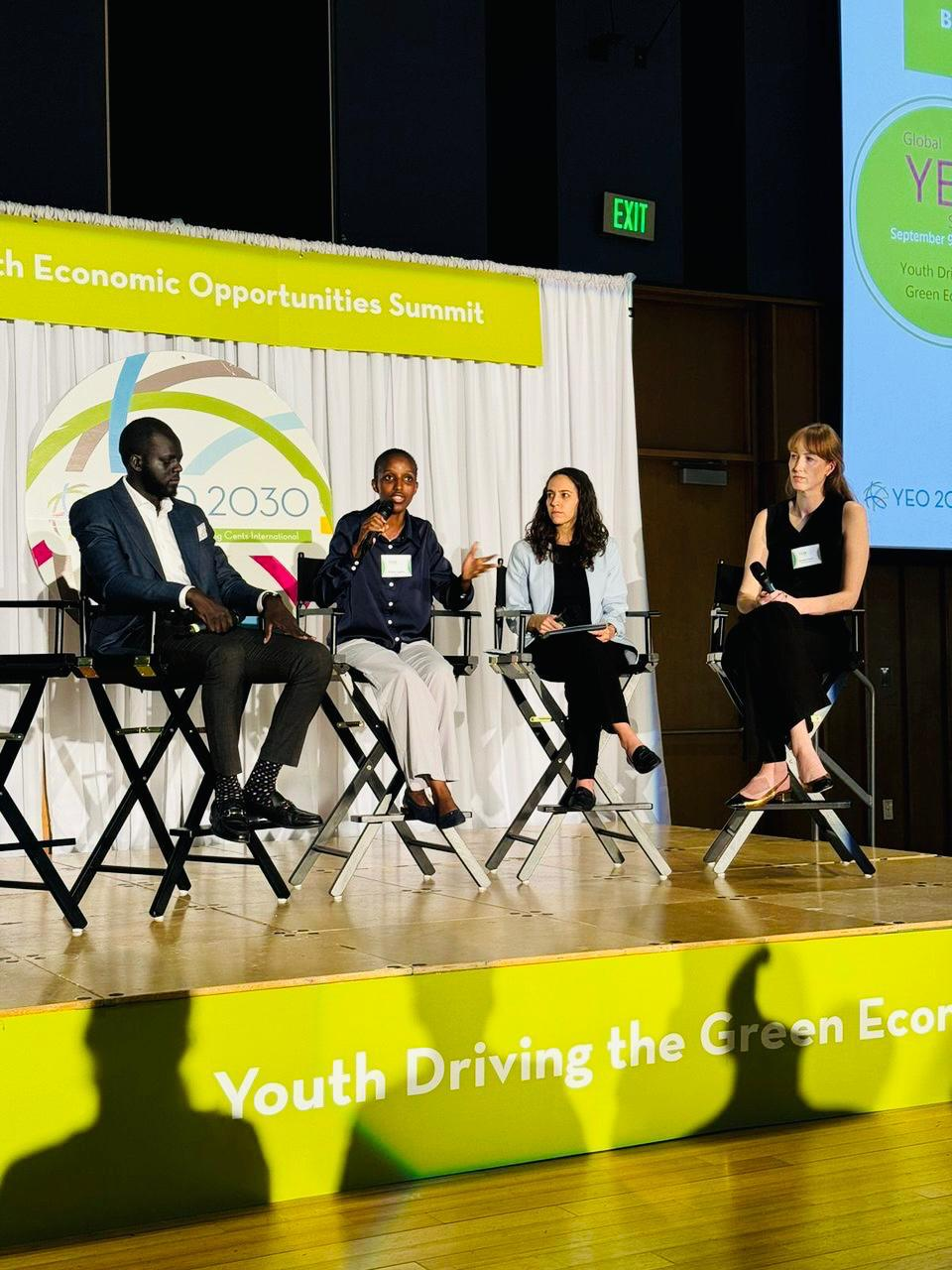
Until 2020, Solange Ingabire had spent most of her life in Kiziba Refugee Camp in Rwanda. Then a Mastercard Foundation scholarship took her 7,000 miles away to Costa Rica.
She arrived at EARTH University to study Agricultural Science, and her world grew quickly. The move made her reckon with an identity she had rarely needed to explain. That she was Congolese, born and raised in Rwanda, and a refugee.
But Costa Rica also expanded her sense of what was possible. Back home, many young refugees had no idea that scholarships like hers existed. Some did not even know they could get travel documents, study or work abroad and come back home with new skills and a bigger world behind them.
So in 2022, Solange and her co-founders turned that gap into Refugee Youth Changemakers Initiative to help young refugees find scholarship opportunities and navigate their way to them.
Closing the Distance to Opportunity
In the beginning, they hunted for scholarships open to refugees, including DAFI and the Mastercard Foundation Scholars Program, gathered the opportunities in one place and shared them through Facebook, Instagram and LinkedIn.
It was a model made for the moment. Africa now has 416 million mobile internet users, and smartphones account for 63% of mobile connections. For RYCM, social media could carry an opportunity from a university or foundation straight to a young person in a refugee camp.
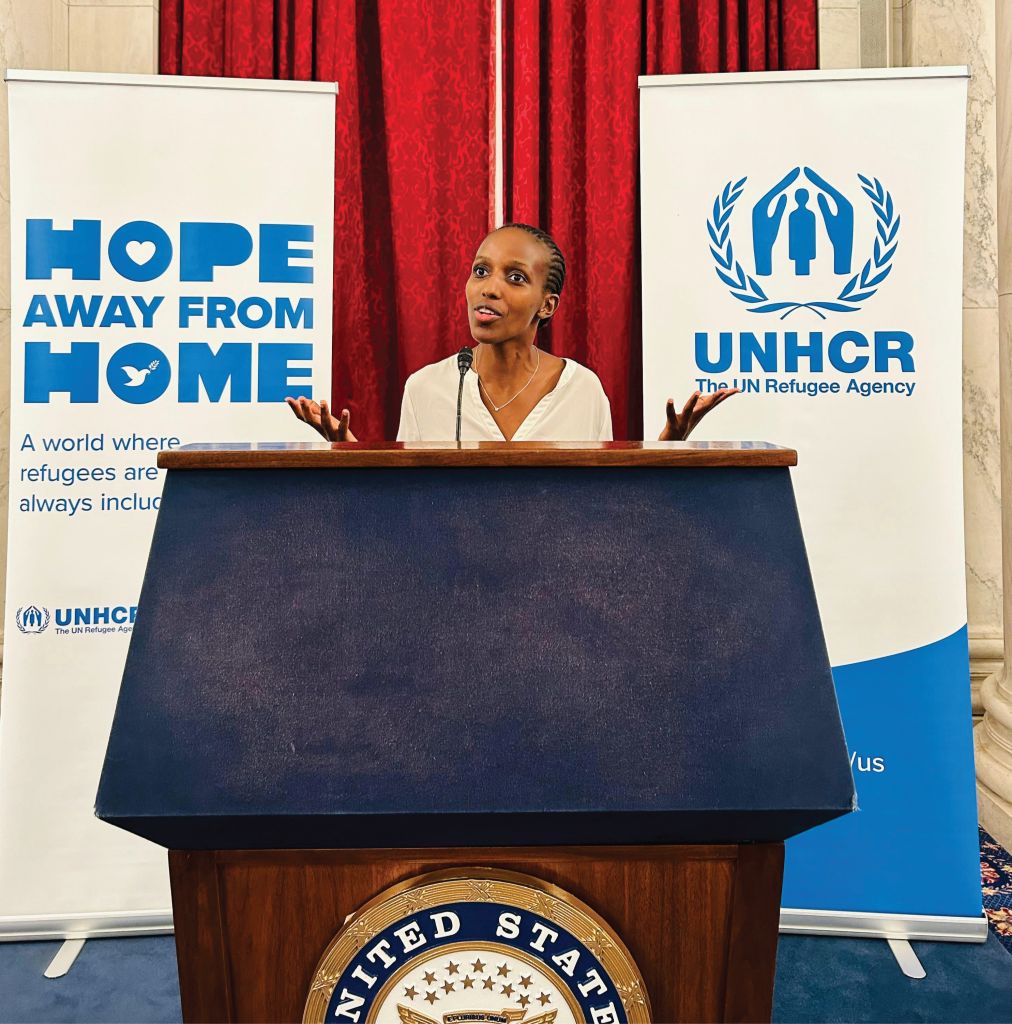
Finding the opportunity, however, was only one hurdle. Solange also saw how displacement could chip away at a young person’s sense of where they belonged and what they could aspire to.
We are raised in a system that trains us to be dependent. To think of yourself, ‘I don’t belong here. I’m just being hosted in this country.
Solange Ingabire
Here, Solange’s own story and those of other displaced people who had won scholarships became an asset. RYCM began putting lived experience at the centre of its work, sharing stories of refugees who had gone from camps to universities and jobs across Africa and abroad.
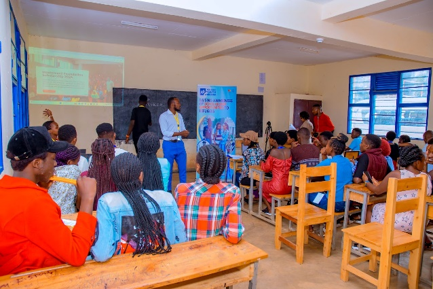
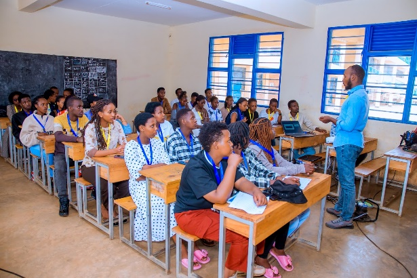
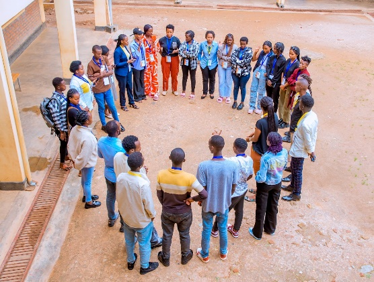
They eventually took the work into refugee camps and host communities where young people could sit across from scholars and graduates, ask questions about higher education and work through their applications. WhatsApp groups kept those conversations going after the workshops, with RYCM offering individual support to applicants.
From the Classroom to the Job Market
As more young people found their way into university, the employment question followed. “If I go to school and then graduate, then what?” Solange says. RYCM began helping young people write CVs, prepare for interviews, find vacancies and build professional skills.
Partnerships helped fill specific gaps. Coursera, one of the world’s largest online learning platforms, gave refugees and members of host communities free access to more than 500 courses. And for applicants who needed to prove their English proficiency before enrolling at university, RYCM worked with Duolingo to provide free test coupons.
But growth also revealed where the model fell short. Coursera opened hundreds of courses to RYCM’s community, but a prerecorded lesson had its limits. If someone got stuck halfway through a Python course, there was no lecturer to raise a hand to, so the questions often landed with Solange’s team instead.
Finding the right opportunity presented another problem. Someone interested in agriculture or finance could spend their time scrolling past opportunities in political science or IT.
The team is now designing around both problems. Its AI-powered platform will match users with scholarships and jobs in the fields they care about, while RYCM’s own learning platform will give students direct access to instructors when they have questions.
The Impact
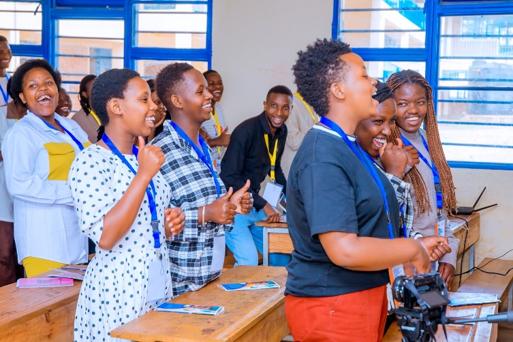
Six years on, Refugee Youth Change Makers estimates that roughly 1,500 people have passed through its scholarship, skills and transition-to-work programmes.
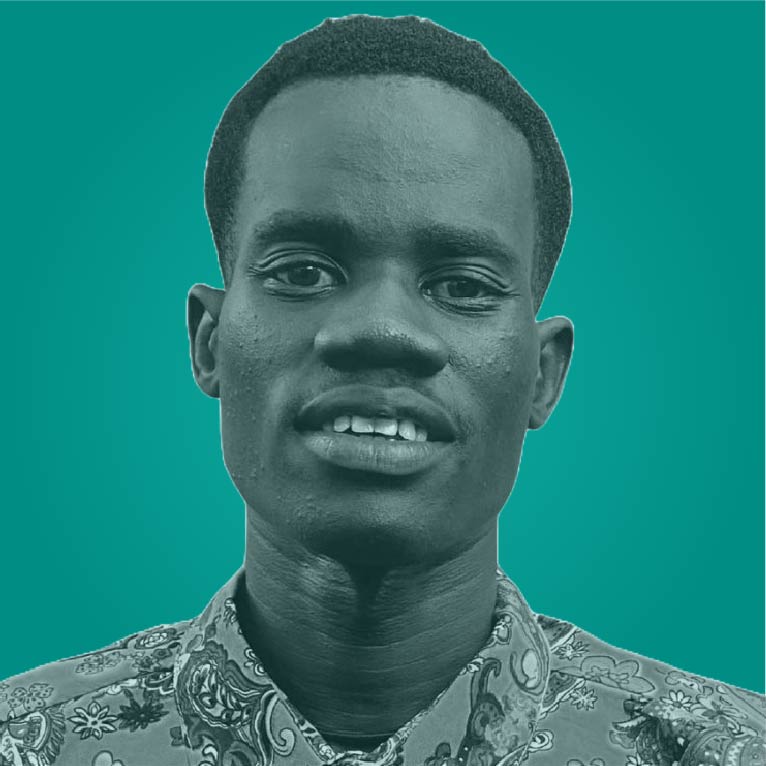
One was a teacher in a refugee camp with his sights set on the University of Rwanda. The government scholarship available to Rwandan students was closed to him, and without it, university seemed unaffordable. An RYCM workshop opened another route. He joined its WhatsApp community, got help with his application and won a Mastercard Foundation scholarship to study at the university.
Just access to information can change somebody’s life.
Solange Ingabire
Partnerships have carried that work further. Under the DREEM Project, led by WUSC in partnership with the Mastercard Foundation, RYCM guided 177 young people from searching for higher-education opportunities to submitting their applications.
Other partnerships have shaped RYCM from the inside. Solange says the Amahoro Fellowship gave her greater confidence in what she was building and pushed her to think harder about its financial future. “It made me realise we can have income-generating activities,” she says. She is now exploring revenue streams that could keep RYCM’s programmes running beyond individual grants.
From Opportunity to Ownership
Solange often hears employers say they believe in refugee talent. Her challenge is whether that belief translates into trust.
“Trust them and invest in them,” she says.
For Solange, trust shows up in who gets hired, the responsibility they are given and what they are paid. She is particularly critical of employers who assume refugees will accept lower salaries because their circumstances leave them with fewer choices.
She brings the same thinking to refugee-led organisations. They have expertise, networks and knowledge to offer, and Solange wants them to enter partnerships confident in that value. “Don’t position yourself as a taker. Position yourself as a giver,” she says.
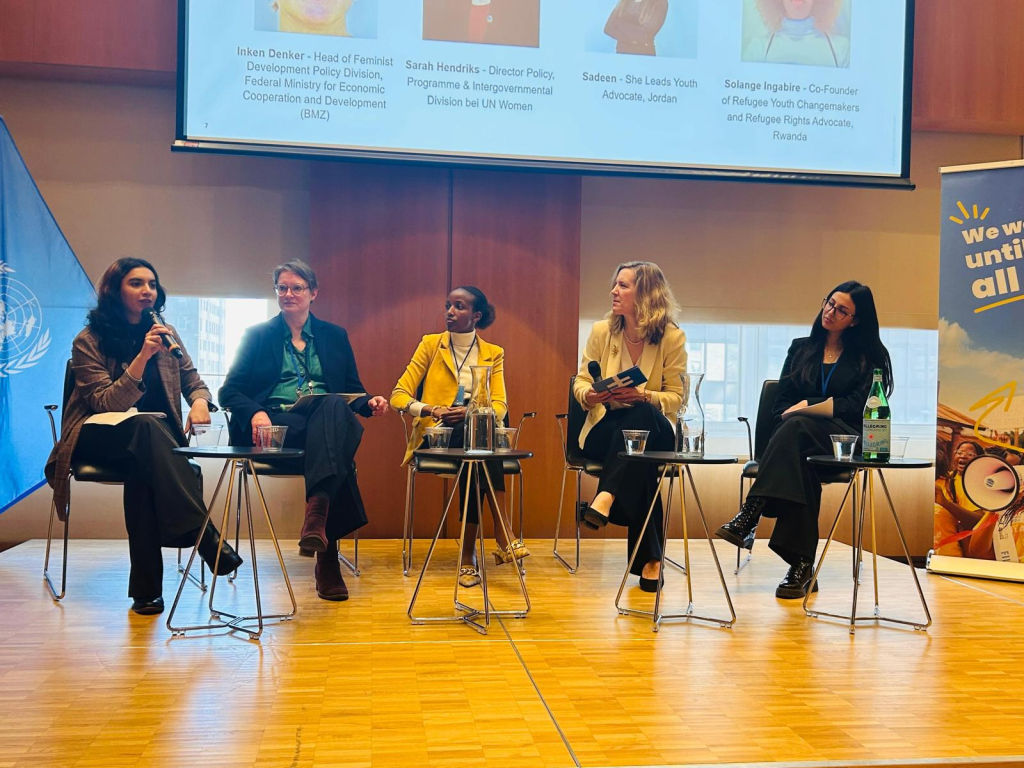
In 10 to 15 years, she hopes RYCM will be working across Africa. But her clearest picture of success is what the people it supports go on to build.
“I really can’t wait to see the people we supported being able to bring up their ideas,” she says.