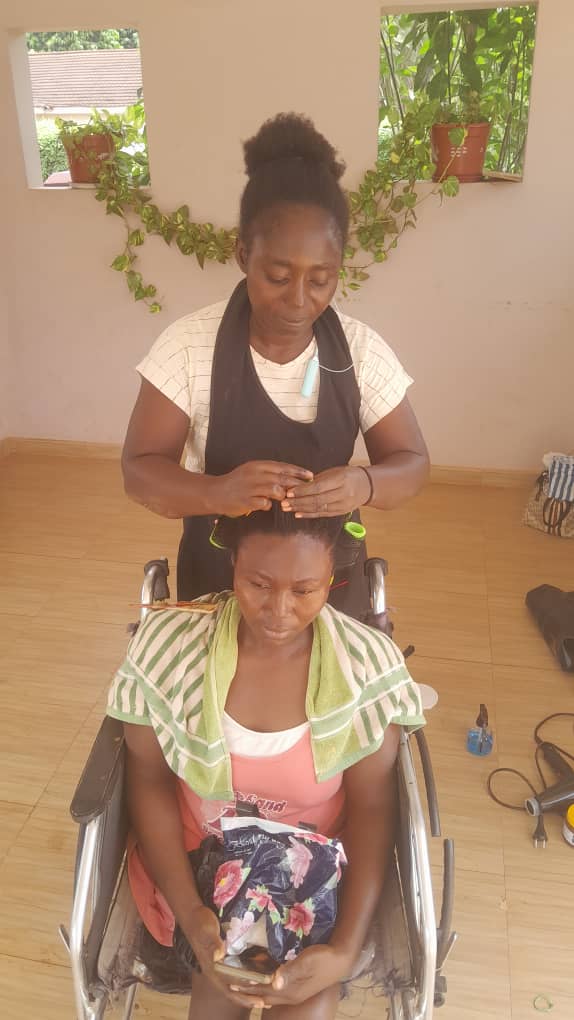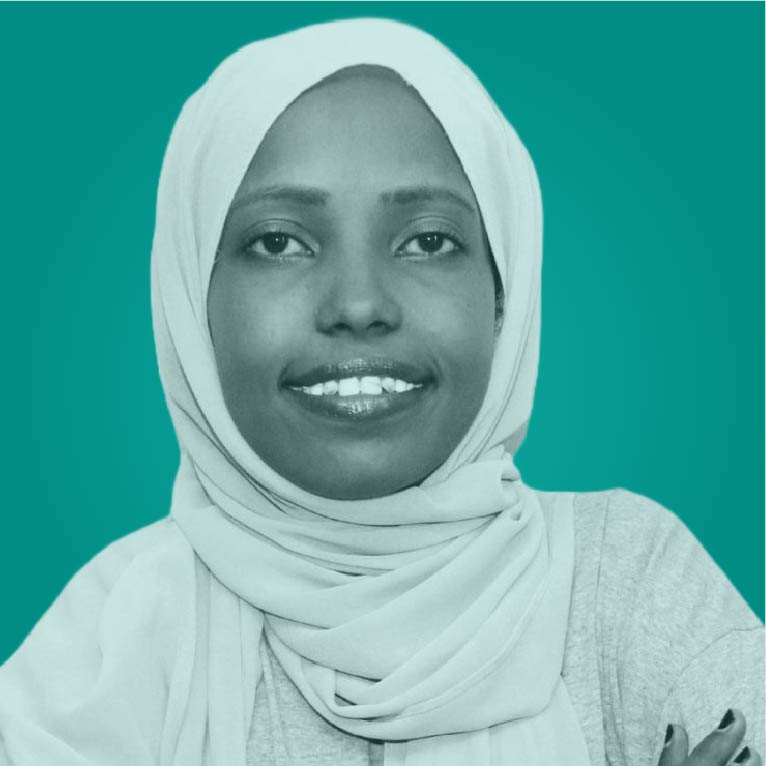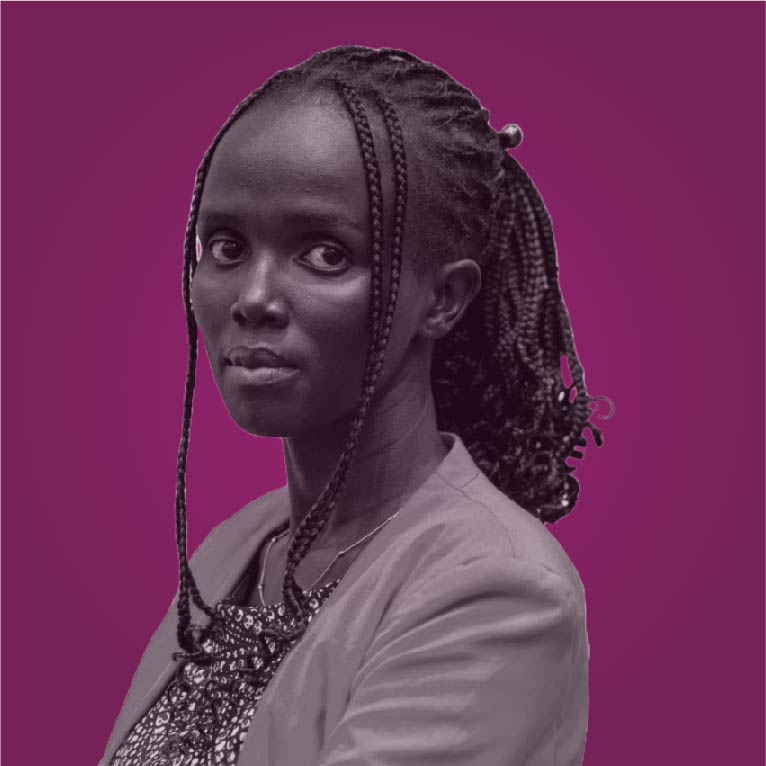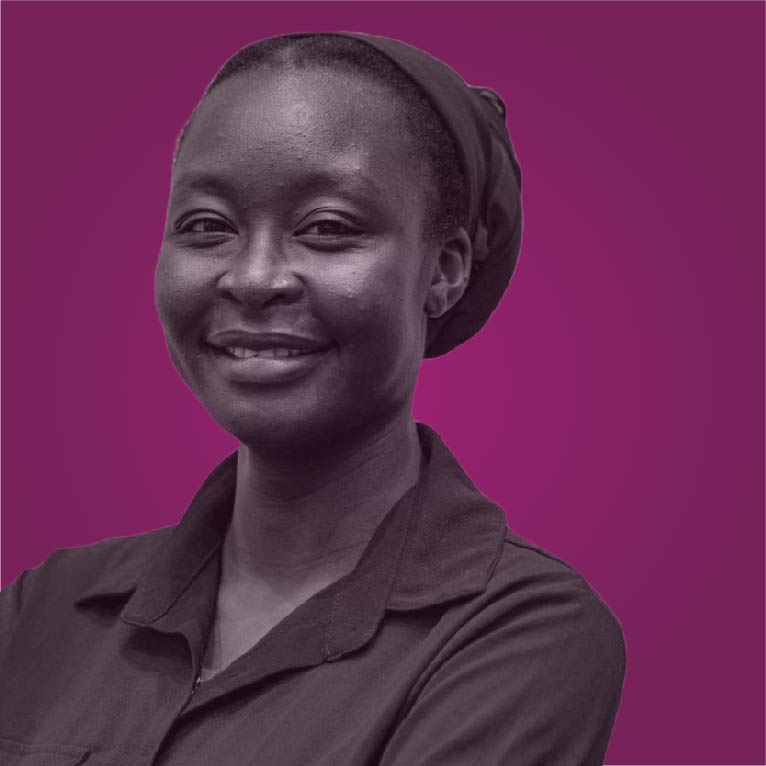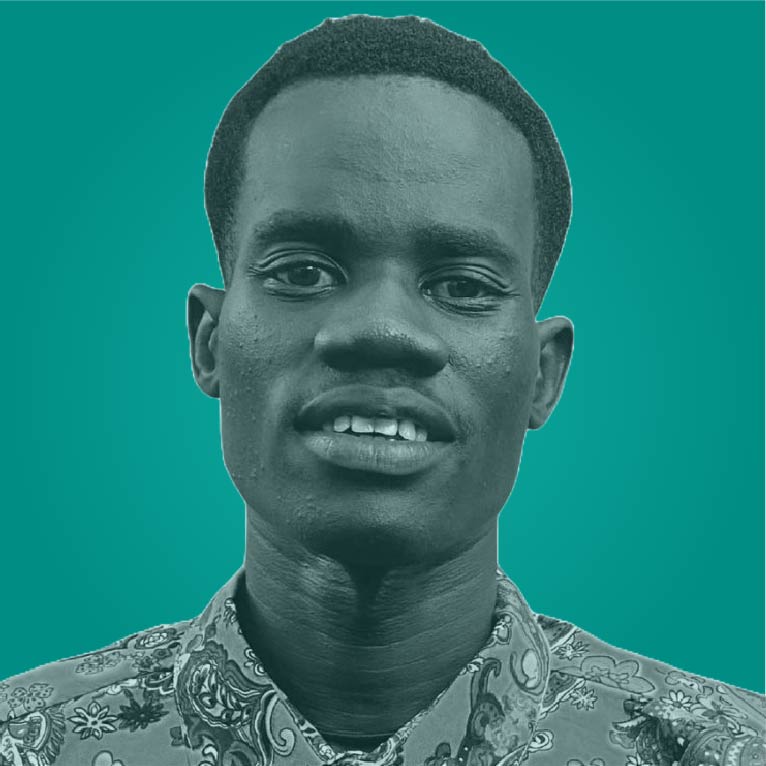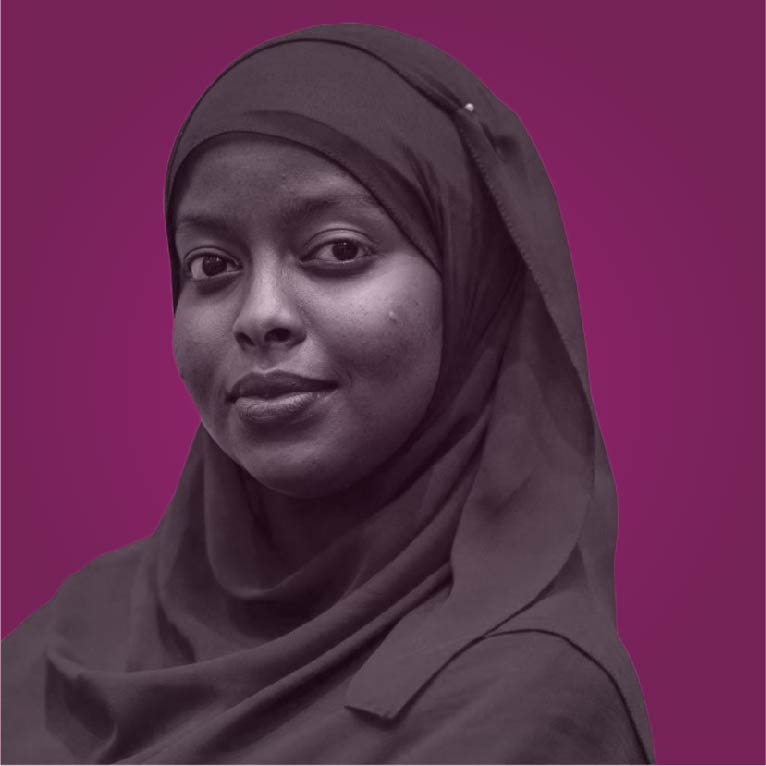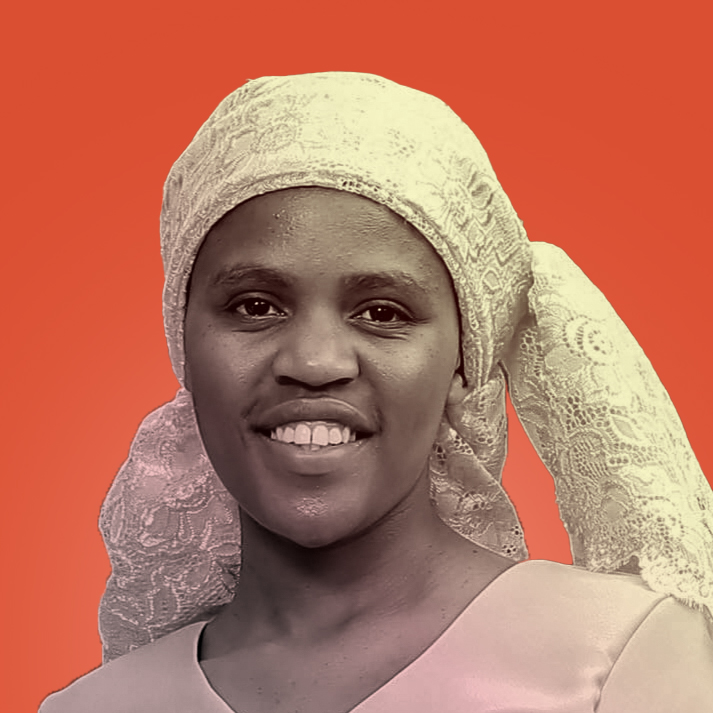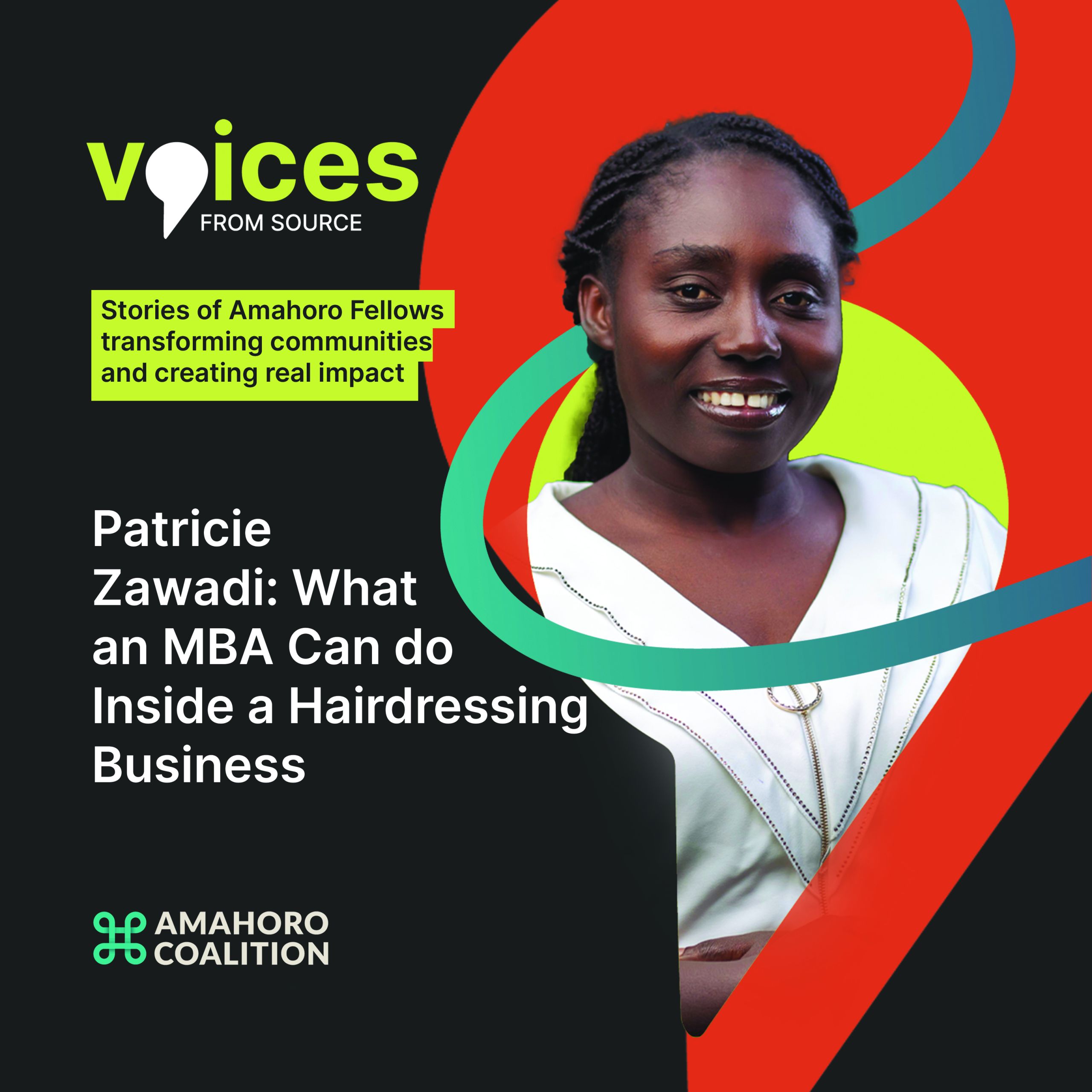

During a banking internship, Patricie Zawadi’s manager asked whether she would stay full time. It was the sort of offer her family had been waiting for. She had a degree in Business Administration, was heading towards an MBA in Strategic Management and, as far as they were concerned, had the credentials for a “respectable” corporate career. But Patricie was doing different maths. She was budgeting for a hairdressing business and saw her degrees as the managerial muscle to make it endure. Today, she runs Patzad Beauty Services at Valley View University in Accra, her alma mater. The salon serves up to 300 customers a month, employs full time stylists, and produces its own hair products. But it’s hard to appreciate the view without understanding where the climb began.
From Play to Paying Customers
Growing up in Rwanda, braiding was learnt young and often through play. Patricie and other children would uproot plants, wash their roots and braid them into makeshift hair. Her mother later became an early client, although Patricie already had opinions about style. “I don’t like the straight, straight cornrow. I want it to be stylish,” she recalls.
When she moved to Ghana in 2014 after secondary school and needed an income, that childhood skill gave her a place to start.
Patricie took 200 Ghanaian cedis to a local salon and asked to apprentice. She wanted to understand pricing, customer service, and the machinery that separates a hobby from a business. Within two months she began charging classmates modest fees while building her own customer base.
After graduating, the Christian Council of Ghana, which supports forcibly displaced people, provided her with roughly US$180 worth of equipment, including a dryer, mirror, combs and styling products. Patricie then persuaded her landlord to enclose the veranda outside her room and opened a salon with space for one or two customers.
Then in 2023, when Valley View offered her a room on campus that had previously been used for sleeping, Patricie was unfazed. “If I was able to convert a veranda into a salon, how much more a room into a salon?” she recalls.
The Operating Economics of Hairdressing
Business has an old obsession with “location, location, location”.
On that score, Patricie drew a good hand.
Valley View gives Patzad a customer base that replenishes itself. One class graduates, another arrives, and the salon stays close to where its primary customers study and live. Patricie also counts security among the location’s advantages.
While a good address can pull customers through the door, what brings them back is great service. It’s why Patricie considers the right team as one of the most important parts of the business.
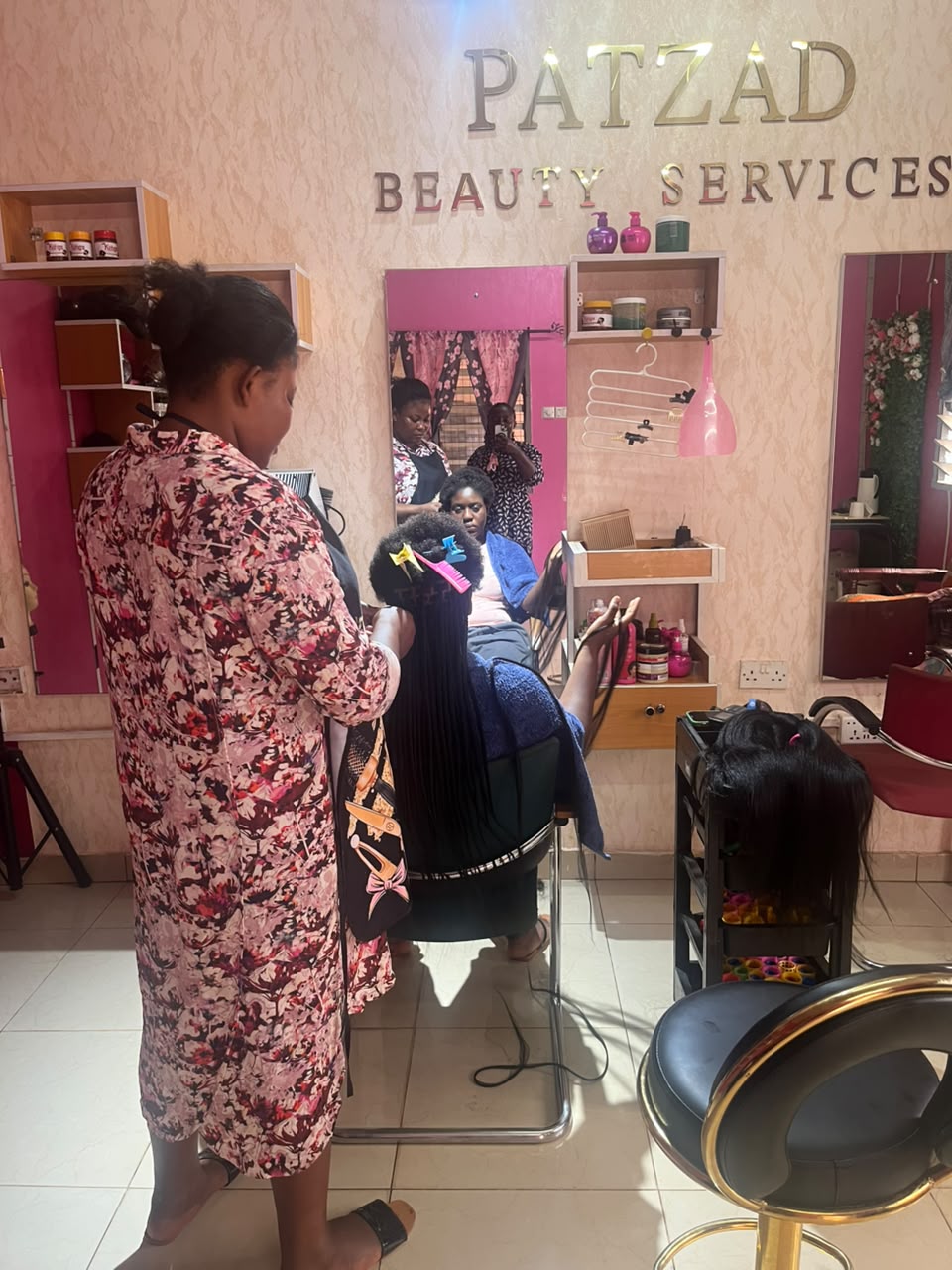
She once hired a stylist who said she could handle Patzad’s full range of services, only to discover that she could not do cornrows, one of its signature styles. “I had negotiated her pay around a wide range of skills, so every service she could not deliver limited the customers she could serve and the revenue she could generate.”
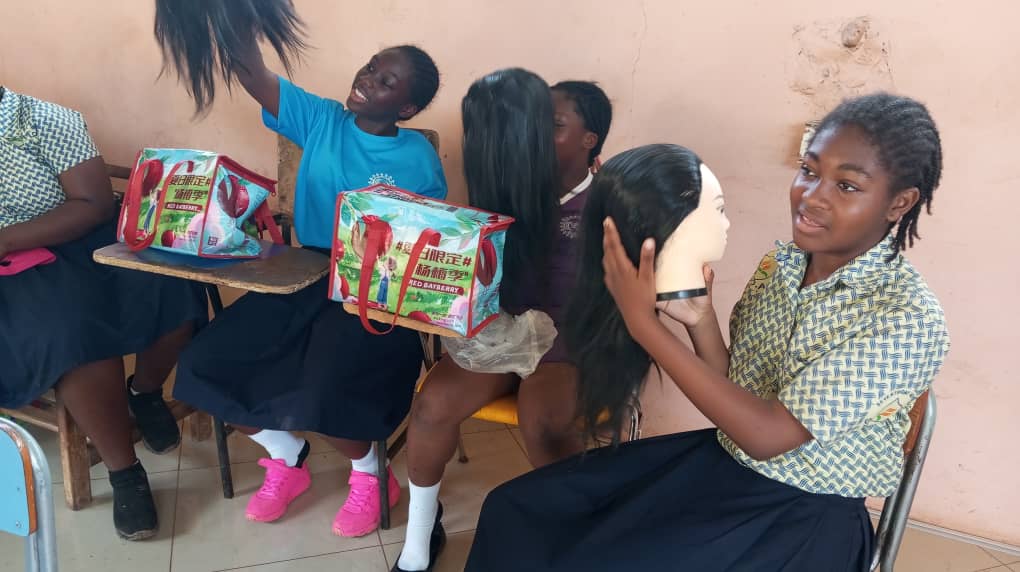
It’s also why she’s building a deeper bench through apprentices, giving Patzad a pool of stylists it can eventually recruit from.
Revenue also depends on what the salon sells. Long cornrows with extensions start at around 150 Ghanaian cedis and rise with size and complexity. That puts Patzad at a competitive point in Accra, where several salons list cornrows from GHS150, with more elaborate or treatment-inclusive services reaching GHS250–300.
Patzad also sells creams, oils and hair accessories, while Patricie makes a pomade from shea butter, mango butter, castor oil, cloves and rosemary.
She currently uses it on customers and sells limited quantities, but wants to register the product before taking it into supermarkets and other retail channels. That would give Patzad a foothold in an African haircare market worth about US$3.5 billion in 2025, forecast to grow at 7.9% annually through 2030.

Keeping pace with a digital beauty market
The hairstyling industry is going digital, and Patricie is keeping pace with how customers discover salons and choose styles.
Social media works in both directions for Patzad. It shows prospective customers what the salon can do and gives Patricie a constant view of what they may ask for next. When someone sends her an unfamiliar hairstyle before an appointment, she searches for a similar video and studies how it was constructed.
She is also learning to produce better content herself. “I’m in full school of video editing,” Patricie says. “If you are a video editor, I’m your friend by force because I want to learn everything about video editing.”
She has seen what visibility can do. One entrepreneur she follows closely is Nadine Djuiko, the Cameroonian founder of Nadine’s Hair Braiding in Maryland.
Djuiko opened her first salon in 2015 with fewer than ten customers a day. After going viral on TikTok through a customer post the business accelerated. Today it employs more than 400 stylists on rotation and operates 24 hours.
The Amahoro Fellowship reinforced Patricie’s focus on branding and digital visibility, and gave her more confidence in presenting Patzad as a serious business.
Taking The Salon to The Customer
Operating in Ghana has shown Patricie how portable braiding skills can be. She says braiders from Sierra Leone, Côte d’Ivoire, Togo and Rwanda are often sought after because many learnt the craft informally from childhood.
For forcibly displaced people, that portability has economic value. The skill moves with its owner, the tools required to start are modest, and home services offer a route to income before permanent premises make sense.
Patricie now wants to give Patzad the same mobility. The business already offers home services, but her longer-term ambition is a salon built inside a van that can follow demand.
Campuses, markets and other busy locations become potential trading points without the cost of opening a permanent salon in each one. If the first vehicle works, Patricie sees a model that could be replicated across regions.