More than 30,000 African companies are now registered with the Dubai Chamber of Commerce, up from just 17,000 in 2019. This reflects the growing appeal of the wider United Arab Emirates to African businesses. In 2025, non-oil trade between Africa and the UAE reportedly reached $158 billion, a 41.6% jump from the previous year.
The UAE is also a gateway to neighbouring markets such as Saudi Arabia, Qatar, Oman and Bahrain, which import sizable quantities of coffee, tea, meat and fresh produce, all products that African countries already export.
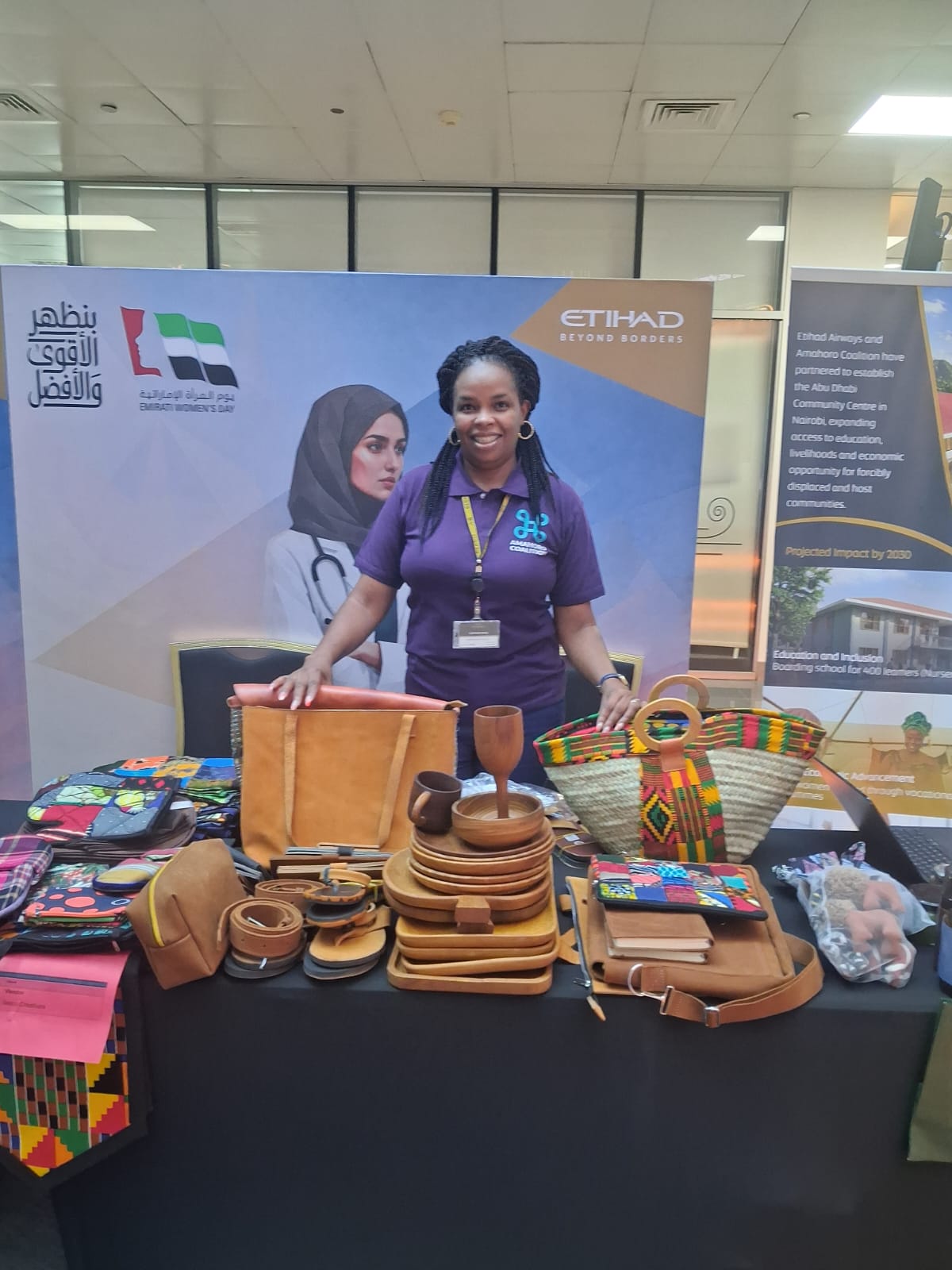
Two weeks ago, products from Amahoro Coalition Fellows made their way to Abu Dhabi for the Etihad Green Market. It’s a regular fixture at Etihad Airways’ HQ where its employees can buy directly from participating businesses.
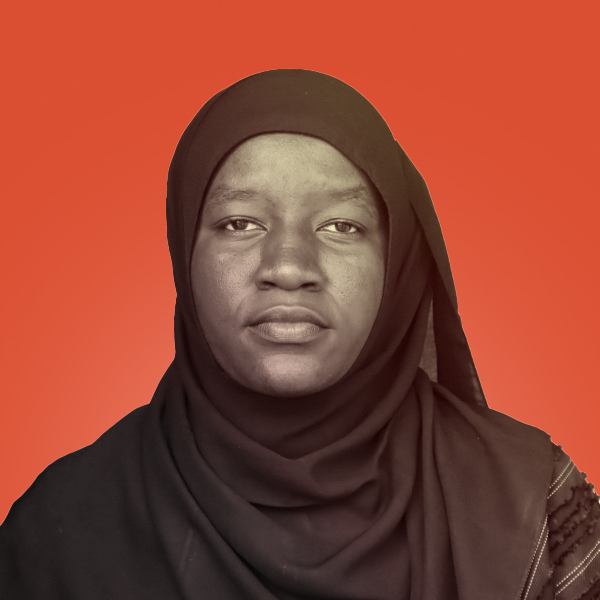
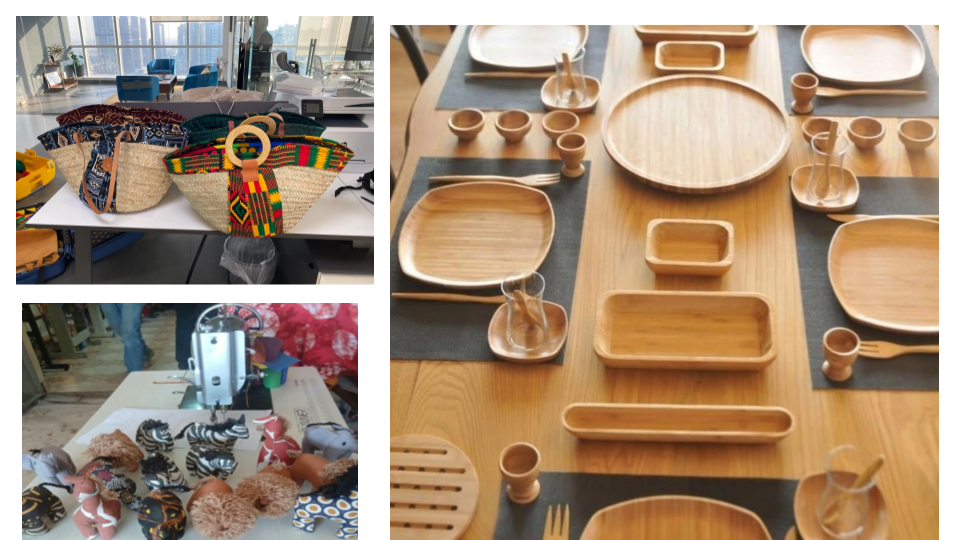
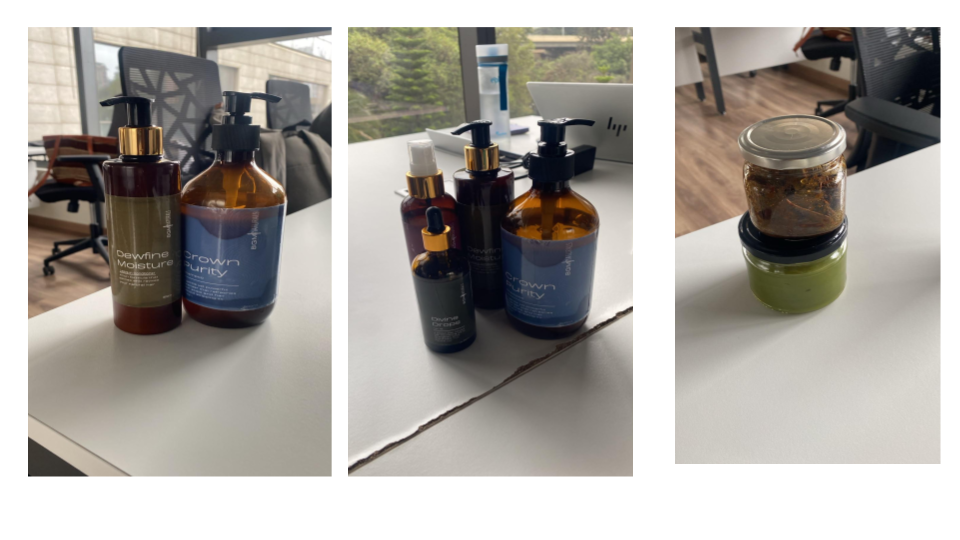
Among the products on display were: Wooden kitchen utensils by Ritha Sahinkuye, leather accessories by Vannessa Ishimwe, hair oils from Khaltom Abakar’s Afluxe and Catherine Isaiah‘s Black Girl Magic, and African-print textiles by Didier Habimana.
Handmade sisal bags from Kalobeyi Women Handcraft Cooperative Society and animal trinkets from Peace House Innovation completed the selection.
For these enterprises, Abu Dhabi was an opportunity to gauge the appetite for their products in a foreign market. The experience also offered three lessons for African entrepreneurs and policymakers on overcoming barriers to international trade and translating market access into commercial success.
1.) The Art of Packaging a Product for International Buyers
In 2009, journalists Rob Walker and Joshua Glenn bought 100 ordinary objects from thrift stores for a combined $128.74. They asked writers to invent stories about each item, then put them up for auction on eBay.
The objects sold for $3,612.51, roughly 28 times what they had cost. The experiment, known as Significant Objects, showed the commercial value of a good story.
Big brands have understood this for decades. Nike, for instance, has built successful campaigns around the triumphs and setbacks of the athletes it sponsors.

And what better place to find compelling stories than in forcibly displaced communities?
By the end of 2025, Africa had over 45 million forcibly displaced people. They had fled their homes for different reasons, settled in different host countries and found remarkably different ways to rebuild their livelihoods. For the entrepreneurs among them, those experiences find expression in the products they make.
At the Etihad Green Market, customers were curious about where the products came from and whether they were the work of individual artisans or entire communities.
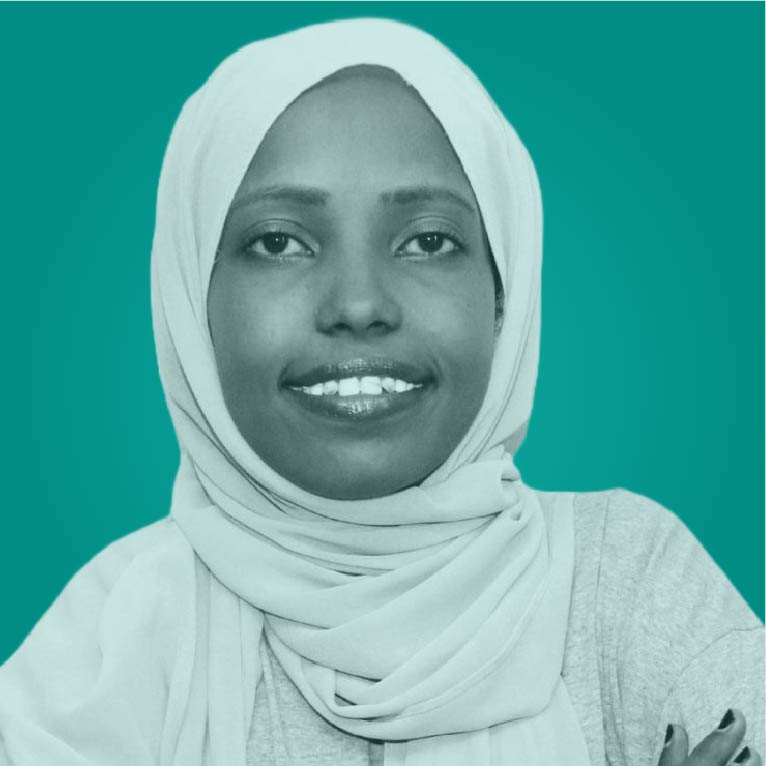
Grace, part of Amahoro Coalition’s Client Services Unit team, recalls, “One woman bought a table runner because of her fondness for visiting Africa. Another wanted to know enough about her purchase to share its story with guests at home.”

But storytelling is only one part of branding and packaging. In the UAE, product information is highly regulated. Imported foods, for example, require Arabic labelling with details such as ingredients and country of origin, while cosmetics are subject to their own safety, registration and labelling requirements.
The strongest export proposition, therefore, combines a product people want with a story worth telling, backed by information buyers need to make a purchasing decision.
2). International Markets Create Multiple Pathways to Commercial Success
For business growth, the opportunities at the Etihad Green Market were just as varied as the merchandise. A sale to a passing customer was one. A conversation with a distributor could open another door. And a corporate buyer looking for a reliable supplier could turn a weekend exhibition into years of business. Abo Obaida Alazem knows a thing or two about that.

In 2018, the Amahoro Coalition Fellow founded Duma Toys, a Cairo-based company producing handmade crochet toys and fashion accessories through a network of more than 500 Syrian, Sudanese and Egyptian women.
International trade fairs proved particularly valuable. Exhibiting abroad introduced Abo to museum gift shops, retailers and commercial buyers across Europe, opening opportunities for Duma Toys to expand into fashion bags and accessories. Those connections eventually helped the company secure a collaboration with Versace, for which it developed an entire crochet collection in 2025.
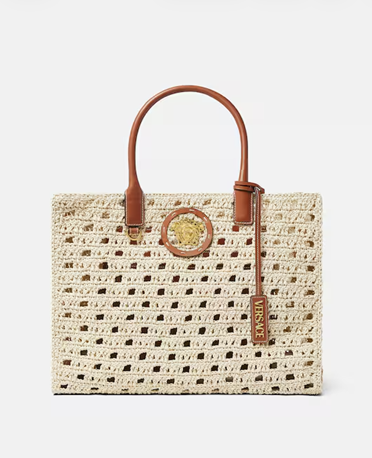
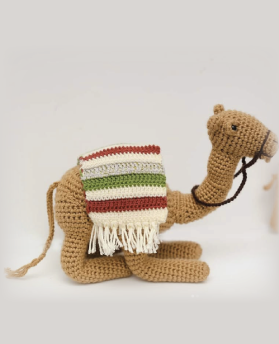
Today, Duma Toys sells its products in five countries, a remarkable journey for a business that began as a refugee crochet training programme struggling to find buyers.
It’s the sort of commercial reach other Fellows have their sights on.
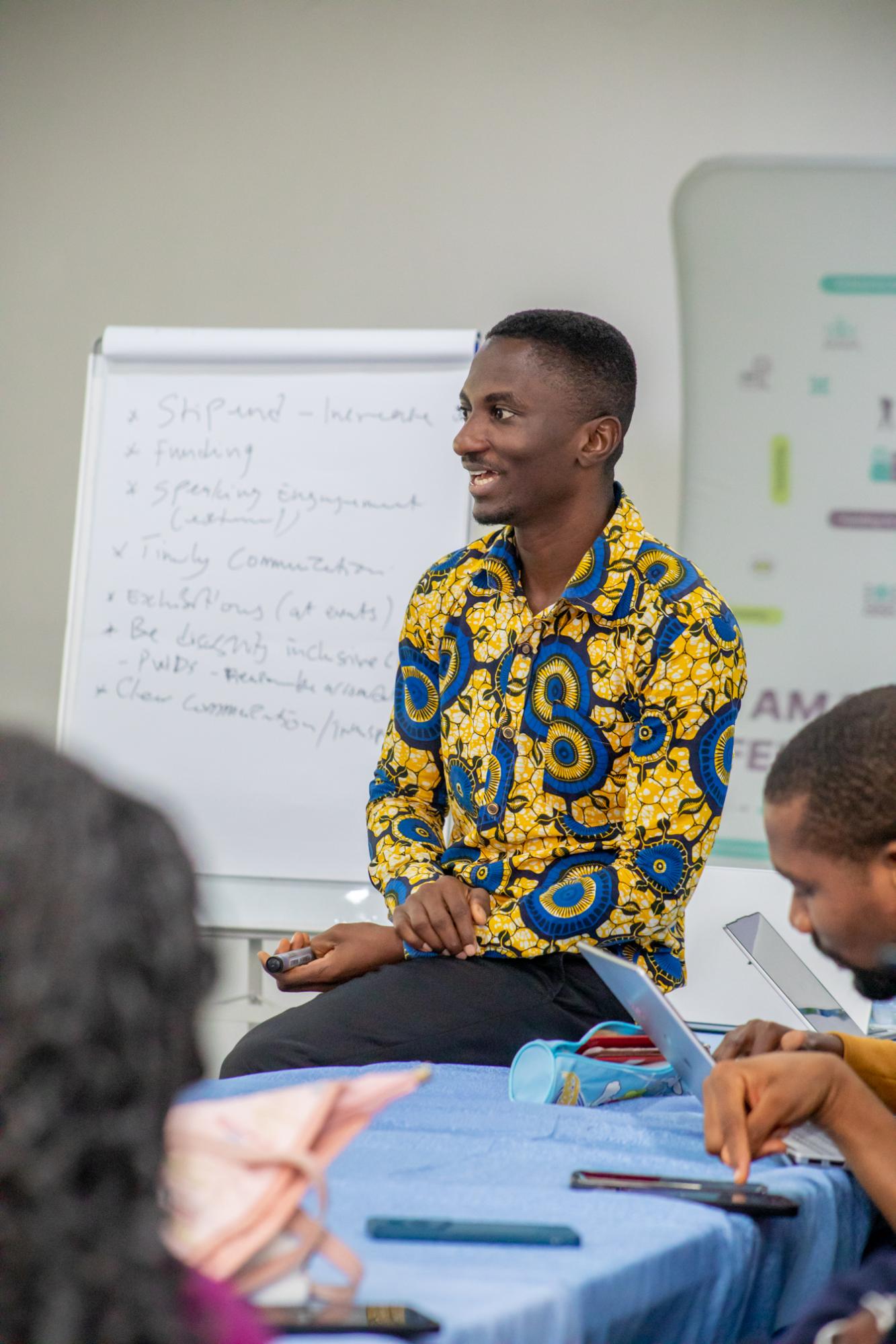
Julia Oduol, Head of Amahoro Coalition’s Fellowship Programme, points to a change in the Fellows’ priorities. Funding dominated the wish list in earlier cohorts. But in the latest cohort, fellows are seeking access to new markets and commercial partnerships alongside funding.
The appetite has grown enough for the fellowship team to establish a dedicated market-linkages role, led by Michael Adu. His mandate is to connect Fellows with private-sector buyers and identify opportunities in new markets.
The ambition is evident, but international trade rules must also make room for it.
Since 2024, the UAE has signed trade agreements with Mauritius, Kenya, the Central African Republic, the Republic of the Congo, Angola and Nigeria. Tariffs, investment and logistics feature prominently in such agreements, but the circumstances of forcibly displaced entrepreneurs receive considerably less attention.
“Displaced entrepreneurs are still not part of these conversations in terms of the policies, in terms of what affects them directly,” Julia says.
If Africa wants its businesses to compete globally, making it easier for them to trade and travel would be a sensible place to start.
3. )The Cost of Entering International Markets Doesn’t Have to Fall on One Entrepreneur
International exhibitions can be costly, from flights and freight to exhibition space. For a small enterprise, that support can make a big difference.
In 2023, 16 South African agro-processing companies travelled to Dubai for Gulfood, one of the world’s largest food and beverage exhibitions. They returned with more than 4,000 trade leads.
The South African government had helped foot the bill, covering travel and freight costs for eligible businesses through its export assistance programme.
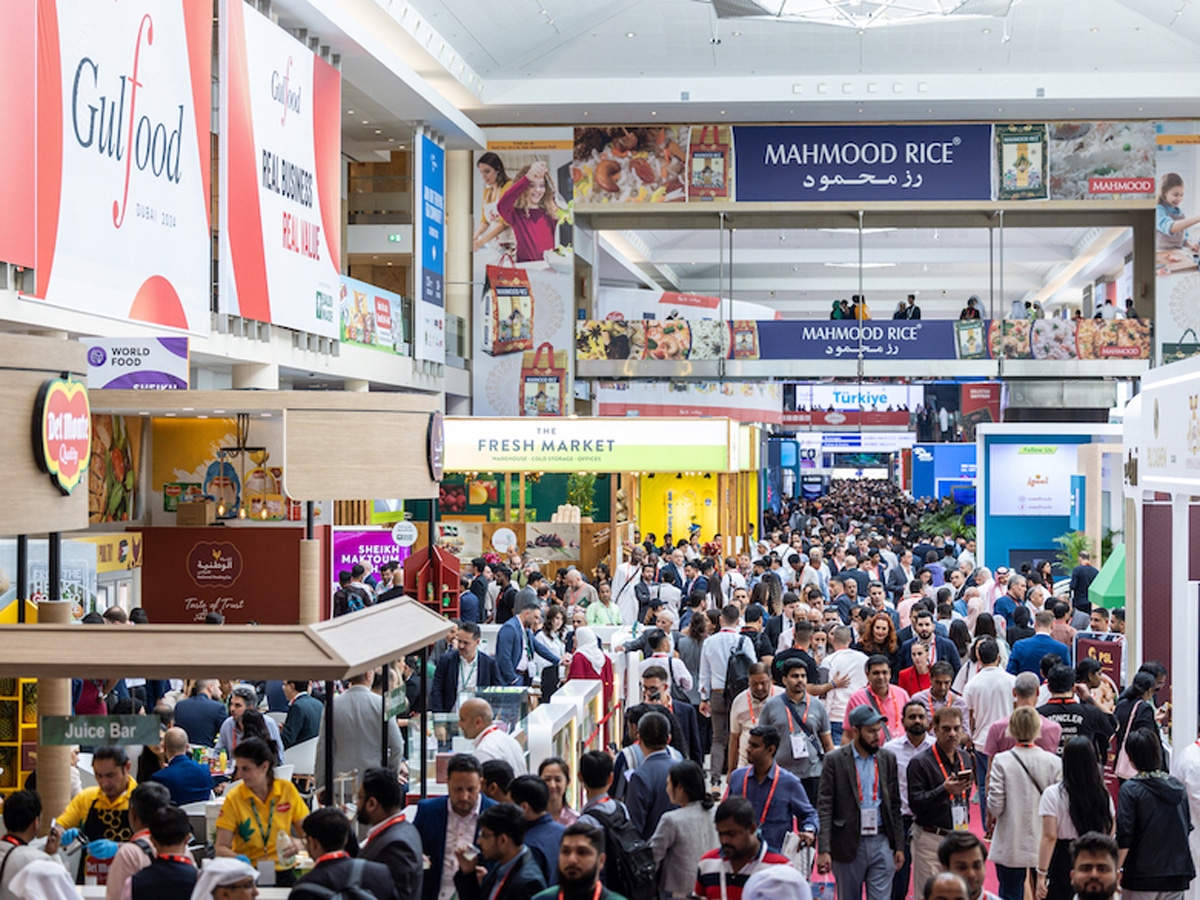
Government support is one route. Trade associations can also organise joint exhibitions and share shipping costs with their members, while private sector companies can introduce entrepreneurs to customers through their own networks like Etihad did.
At the Etihad Green Market, Amahoro Coalition represented products from several Fellows.
For African businesses eyeing international markets, such partnerships can make costly opportunities affordable, particularly for forcibly displaced entrepreneurs facing additional financial and mobility barriers.
The challenge now is to ensure more of these entrepreneurs get a fair shot at the growing market for African products.