The modern social calendar is relentless on the wardrobe. Weddings, birthdays and corporate dinners call for fresh looks, many of which are immortalised on social media. But keeping up can get expensive when outfits are worn only once.
Fortunately, the fashion industry has found a profitable answer in rentals. According to IMARC Group, the global online clothing rental market was worth approximately $2.4 billion in 2024. In the US, Nasdaq-listed Rent the Runway reported $329.8 million in revenue for its 2025 financial year.
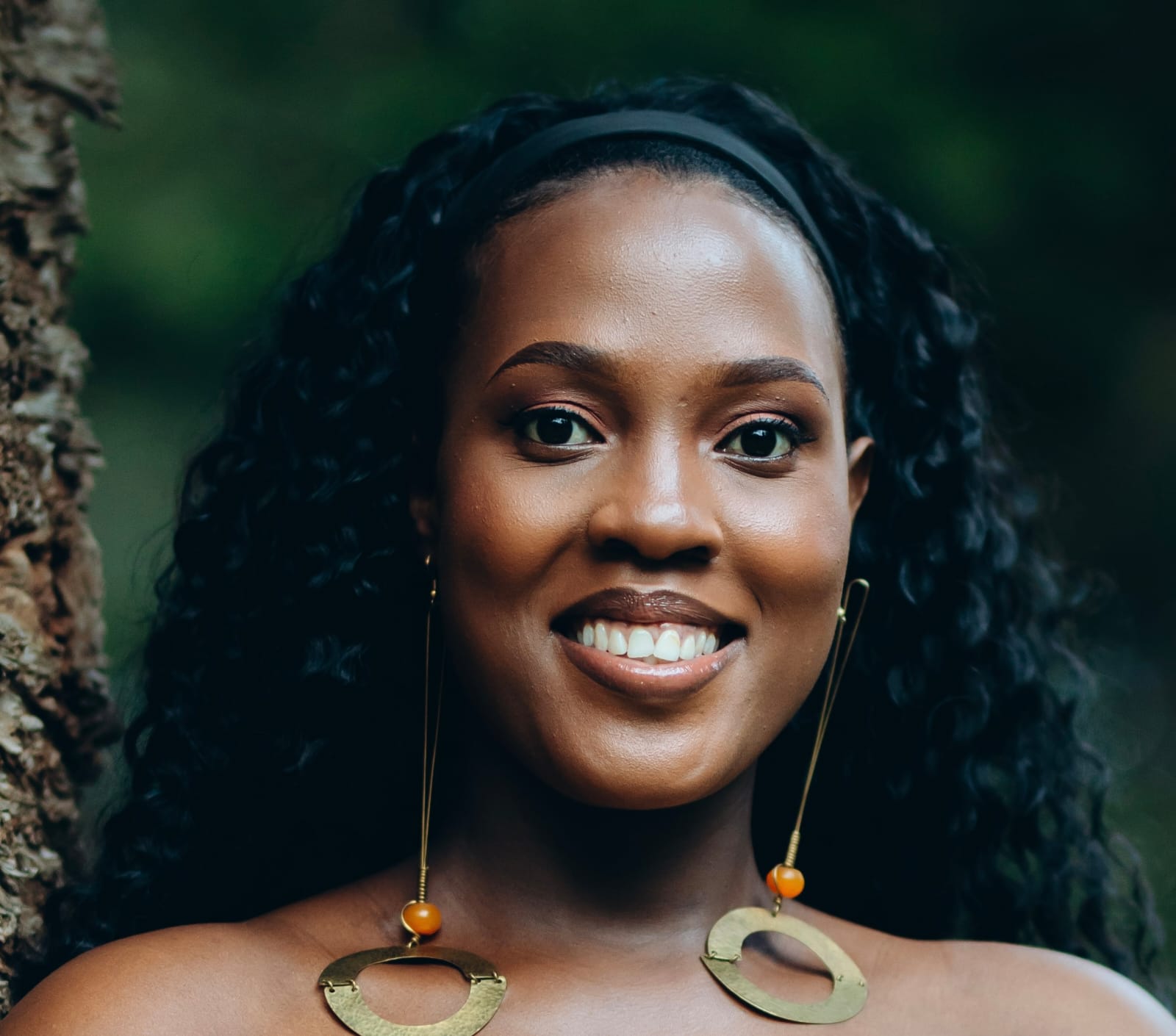
In Nairobi, Liliane Ingabire is tapping into this appetite for occasion wear, but with a distinctly cultural twist. Through Nezeza, she specialises in traditional Rwandan attire, bringing Rwandan elegance to celebrations across Kenya and beyond.
The Wedding That Started Nezeza
Nezeza traces its beginnings to Liliane’s traditional wedding in 2021, when she and her mother decided to make the outfits for the celebration themselves. Her mother, an experienced tailor who has trained women in sewing since 1999, handled production while Liliane took charge of design.
The outfits were such a hit that guests began asking to hire them for their own celebrations. And just like that, a family wedding wardrobe had become Nezeza’s first rental collection.
For Liliane, who was forcibly displaced from Rwanda and has lived in Kenya for over 15 years, the requests revealed an appetite for Rwandan traditional fashion that she could turn into a business.
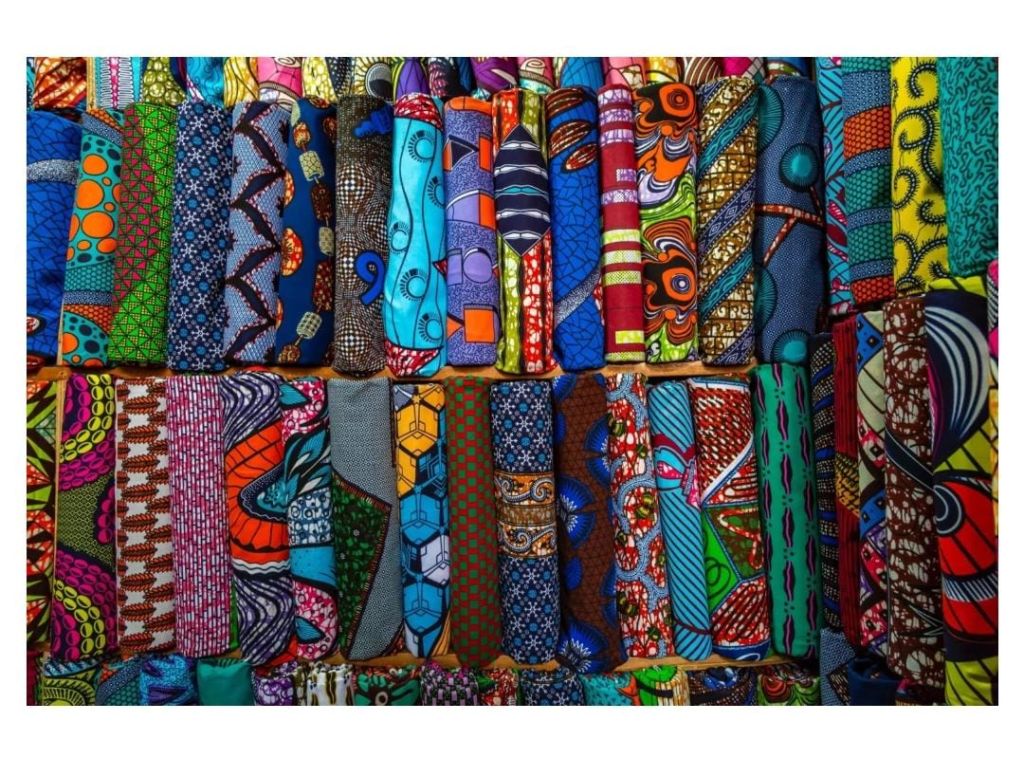
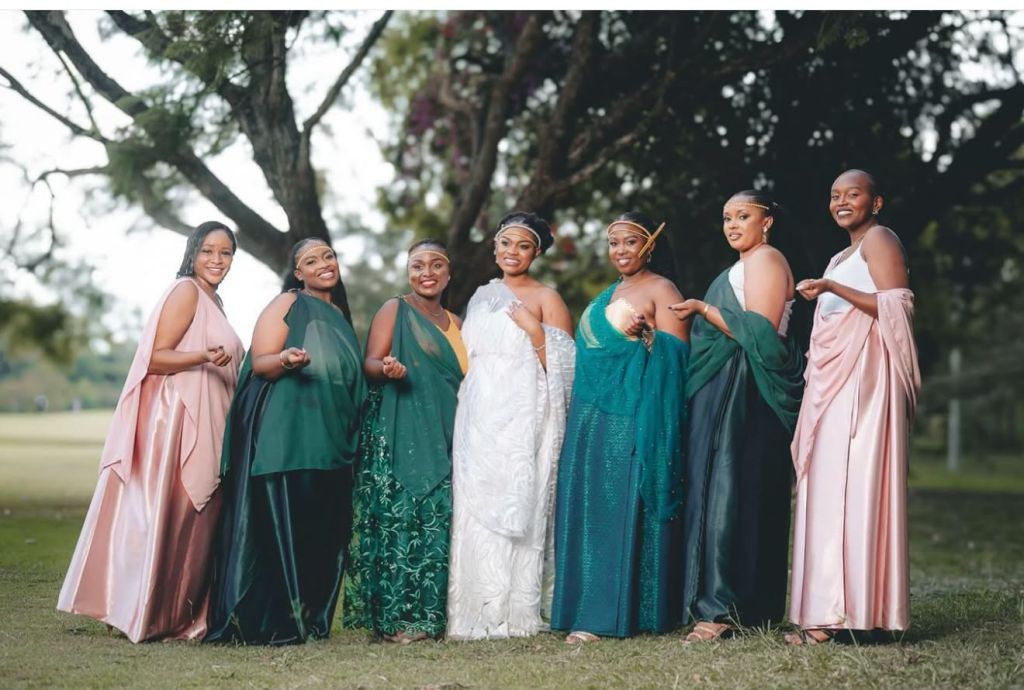
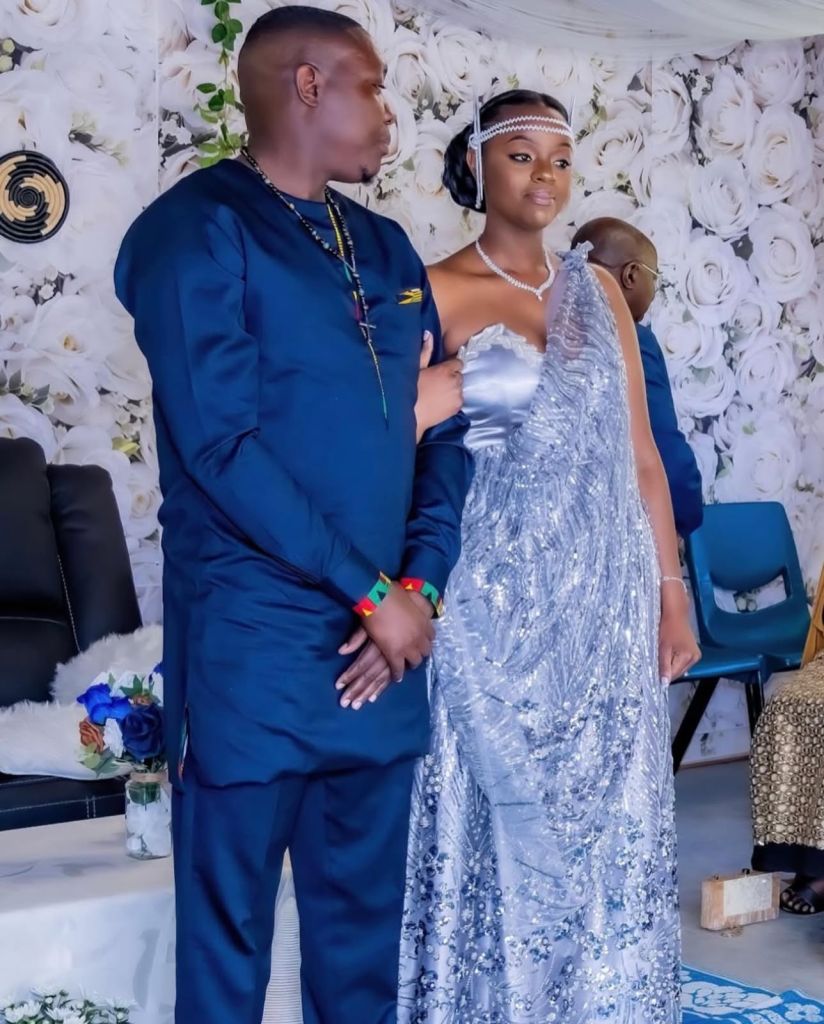
Today, one of Nezeza’s signature offerings is the mushanana, an elegant three-piece outfit comprising a skirt, blouse and flowing sash draped over one shoulder. It’s traditionally worn by Rwandan women at weddings and cultural celebrations, and offers a welcome change of wardrobe in a market where kitenge, the colourful patterned fabric popular across much of Africa, has long dominated traditional occasion wear.
For her first customers, Liliane looked no further than a community she knew well. Kenya hosts 3,092 registered Rwandan refugees and asylum-seekers, and Liliane says this community formed a core part of her early clientele.
Traditional dance groups helped introduce Nezeza to Kenyan audiences, whose interest in the outfits brought new customers. Today, the business also supplies attire for African Day celebrations organised by schools and companies.
Word of mouth has carried the business overseas, too. Referrals from former schoolmates and friends resettled abroad have brought three orders from outside Africa, with customers sending their measurements remotely.
A Wardrobe That Earns Its Keep
Five years after her unlikely beginnings in 2021, Liliane now operates from a production house in Kangemi.
She works with 10 to 15 skilled tailors paid per order, sourcing fabric from Nairobi’s Eastleigh market and buying prints and accessories in bulk through a contact in Kigali.
Beyond earning from Nezeza’s orders, the women also learn new tailoring techniques they can use to find work elsewhere. Liliane hopes to eventually reach 50 to 100 women through this model, particularly skilled women from displaced communities who struggle to find consistent employment.
Meanwhile, her rental collection has grown to nearly 100 outfits in over 20 colours for women and seven for men, alongside four wedding gowns.
For Liliane, the numbers behind each rental are just as important as the designs.
- Rental prices: Standard traditional outfits fetch KES 1,500 to KES 2,000. Bridal attire goes for KES 8,000 to KES 10,000, while wedding gowns command KES 20,000.
- Recovering production costs: The first rental covers materials and the second pays for labour. From the third hire onwards, the outfit begins earning its keep, after cleaning and other expenses.
- Group bookings: A traditional wedding can require over 30 outfits for the bridal party, mothers and attendants. Liliane says one such booking can cover her monthly operating costs.
But the roses have also come with thorny lessons.
After losing money to damaged outfits and late returns, Liliane was forced to tighten her rental policies. Customers now pay in full before collection, pick up on Friday and return on Sunday. They also cover transport.
And when customers fancy a colour she doesn’t stock, they pay extra. The surcharge finances new outfits, turning special requests into additions to Nezeza’s wardrobe.
From Renting Outfits to Manufacturing Them
Liliane has her sights on a bigger business, and the Amahoro Coalition Fellowship has helped her lay the groundwork.
“Before the Fellowship, I was running Nezeza informally. Now I have a registered business and a bank account in the company’s name. The $10,000 grant also allowed us to buy heavy-duty sewing machines and expand our fabric collection, so we can take on bigger orders,” she says.
With weddings bringing in business seasonally, Liliane wants to apply that extra production capacity throughout the year. And her next bet is contract manufacturing.
She has already produced clothes for two fashion brands. Clients bring their designs, Nezeza makes samples for approval, and bulk production follows with a minimum order of 20 pieces.
But Liliane is thinking considerably bigger. Her ten-year ambition is to manufacture for fashion brands in Kenya and overseas, taking inspiration from the factories that supply international labels from China.
“I want Nezeza to be the go-to manufacturer for fashion brands. A brand should be able to bring us a design and trust us to turn it into a finished product,” she says.
Beyond the machinery and capital, the Fellowship has also changed how she sees herself. For years, Liliane coordinated tailors and managed orders without giving much thought to the leadership involved.
I used to coordinate a team of ten people without seeing myself as a leader. I thought we were simply working together, with everyone playing their part. The Fellowship helped me realise that what I had been doing all along was leadership,” she reflects.
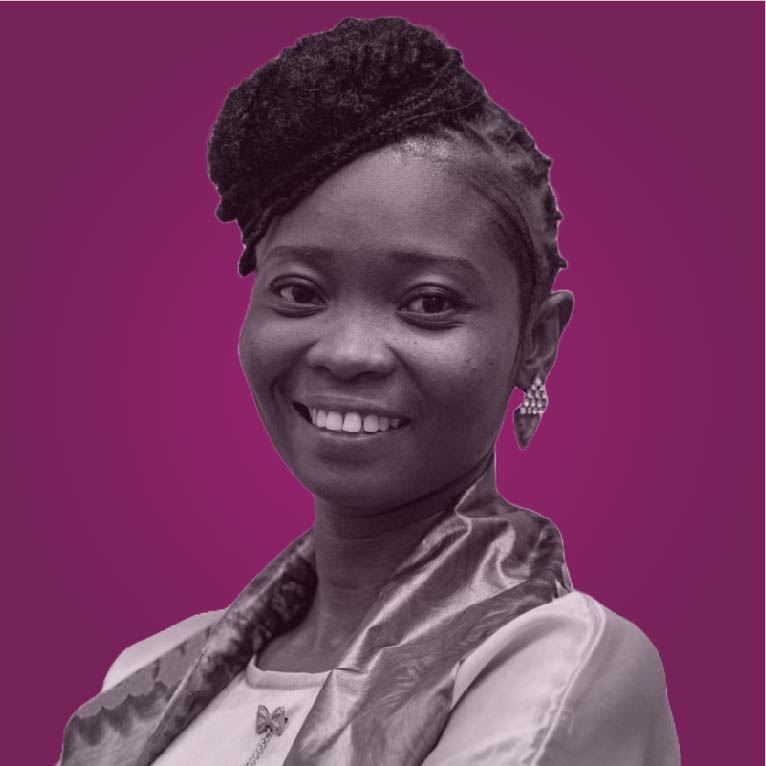
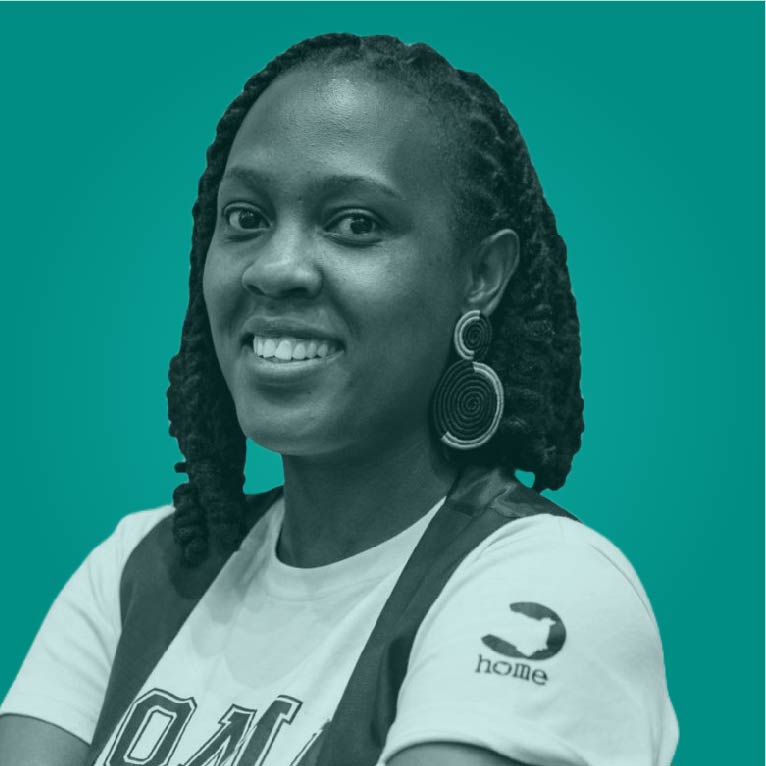
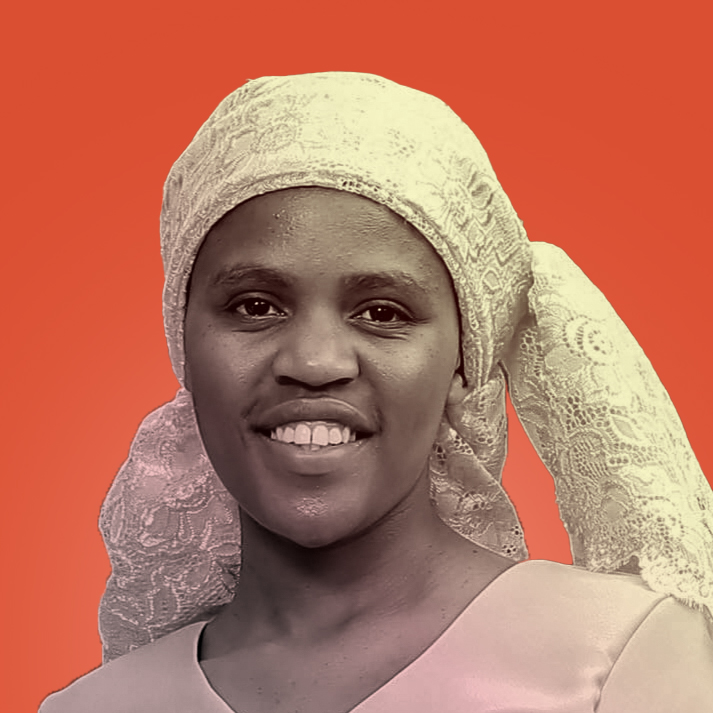
Liliane Ingabire
Liliane gives herself ten years to realise her manufacturing ambitions. And considering what she has pulled off in five, one would be unwise to underestimate her.