Scroll Top

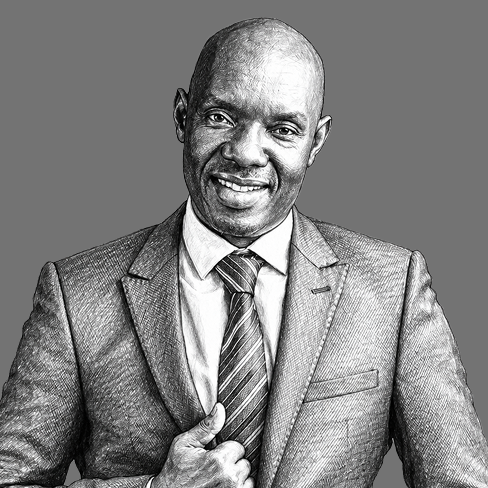
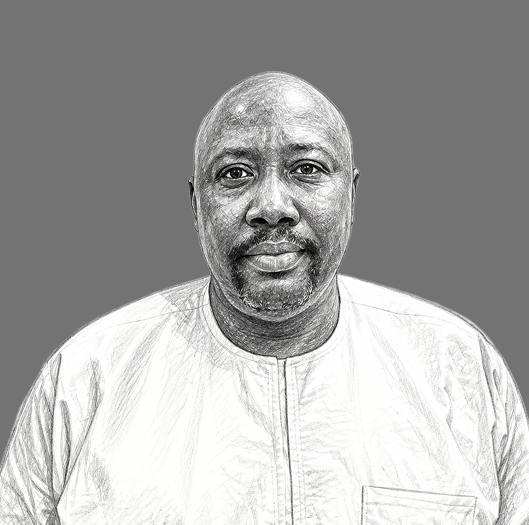
JOHN THON MAJOK

SOUTH SUDAN–US

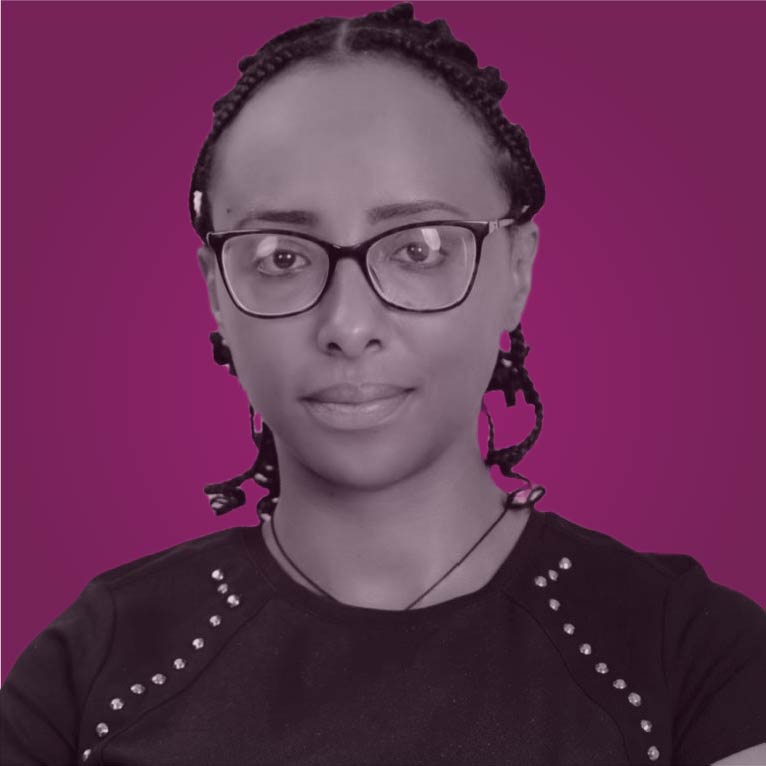
John Thon Majok is another of the now legendary ‘Lost Boys of Sudan’. He was forced to leave his home, parents and eight siblings in South Sudan to join a group of 20,000 other children escaping the horrors of the 1987 Sudanese Civil War….

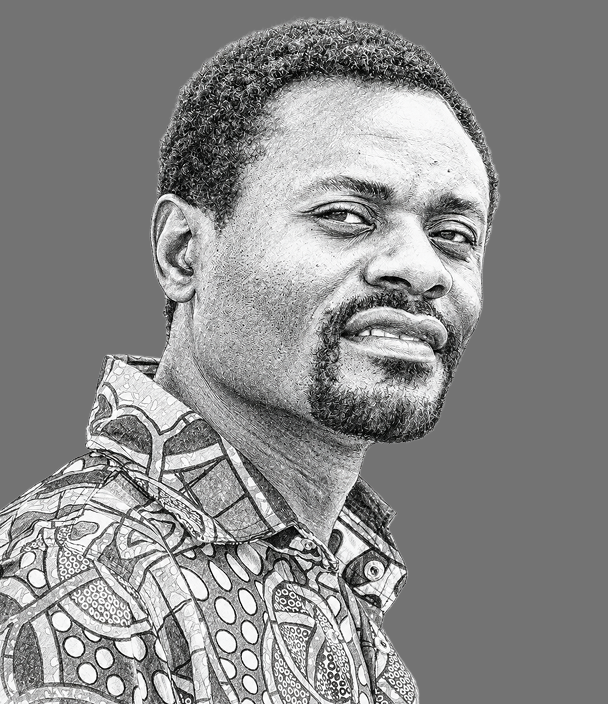
EMMANUEL RUGAMBA

RWANDA–US

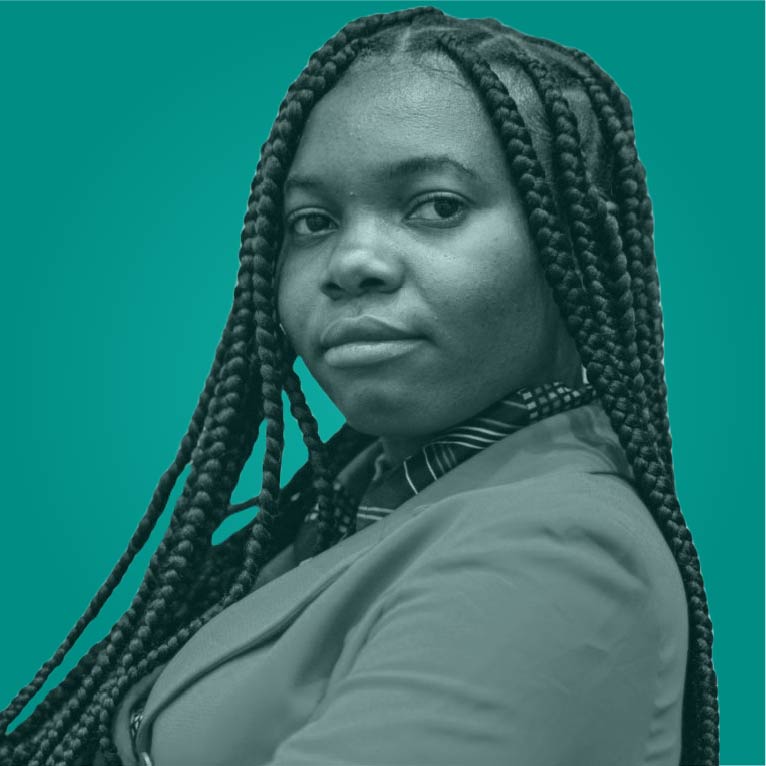
A former professional football player, Rugamba is an author and business executive who builds pathways that turn sport into economic opportunity for young people, with a growing focus on Africa. He is also a renowned motivational speaker, inspiring people to look beyond their circumstances and pursue ambitions that might have seemed out of reach….

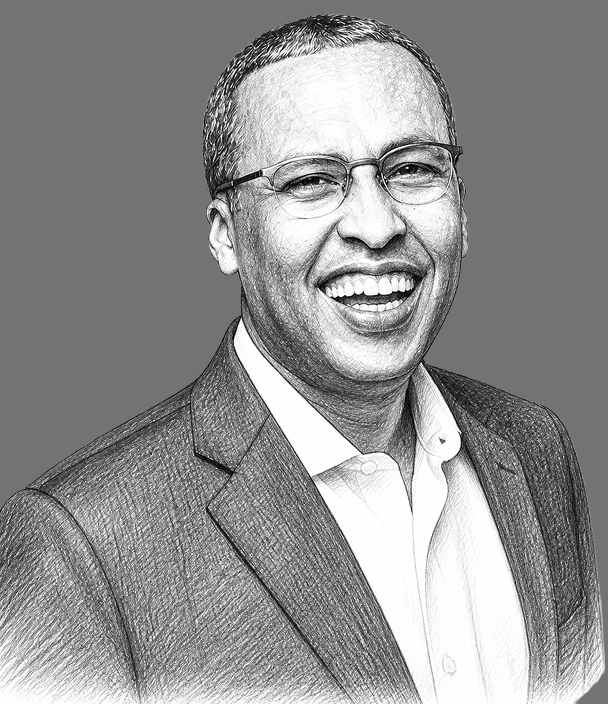
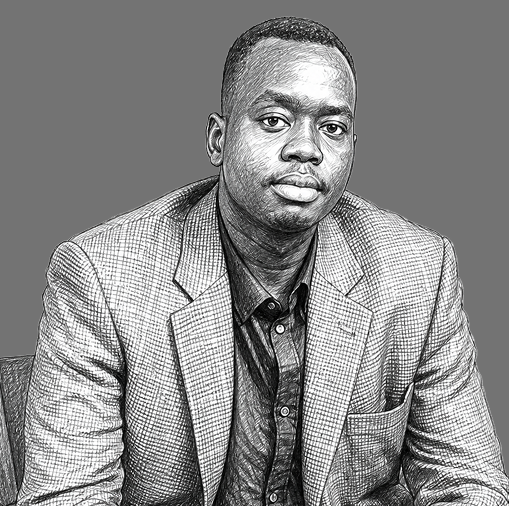
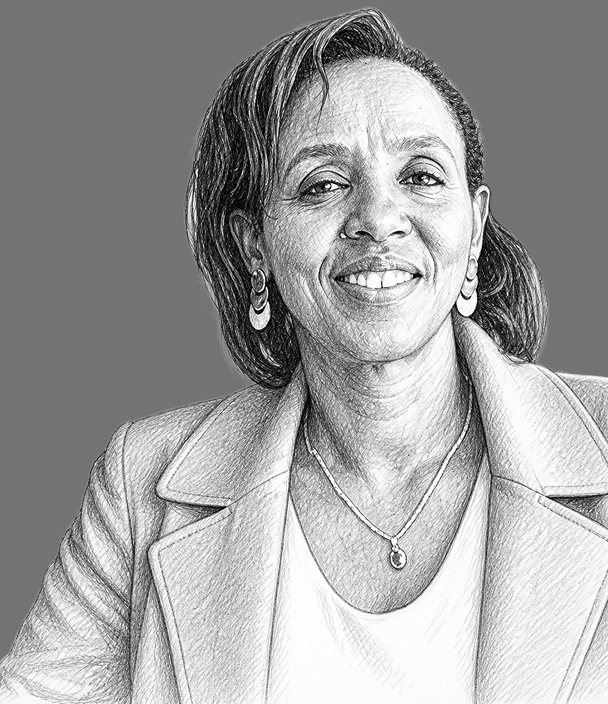
NURADIN OSMAN

SOMALIA–HOLLAND

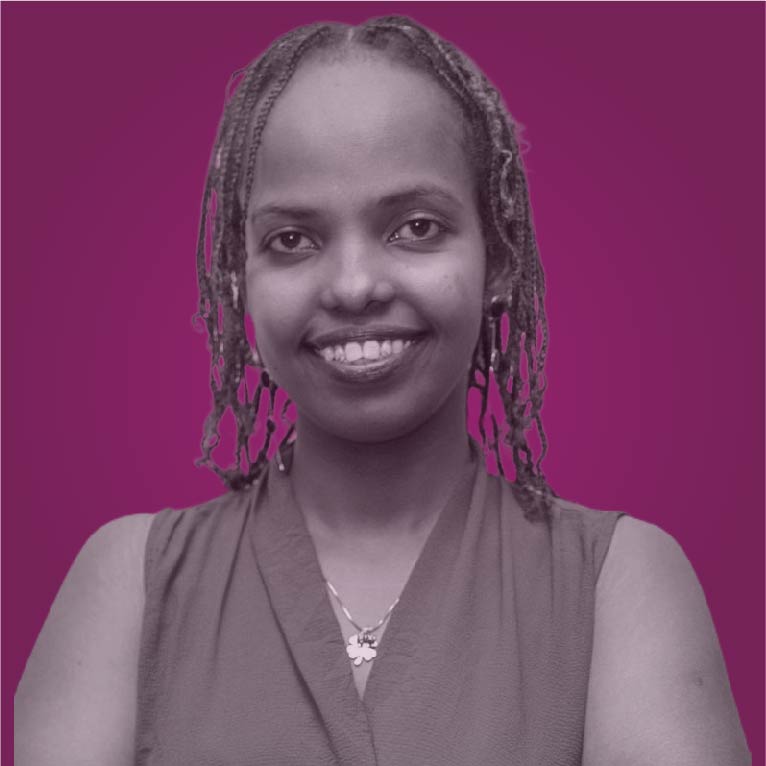
Nuradin Osman’s career has been built around the question, ‘Why should anyone have to become a refugee?’ His answer, developed over three decades in agribusiness, is that productive farming gives people a real opportunity to stay, work and prosper at home…

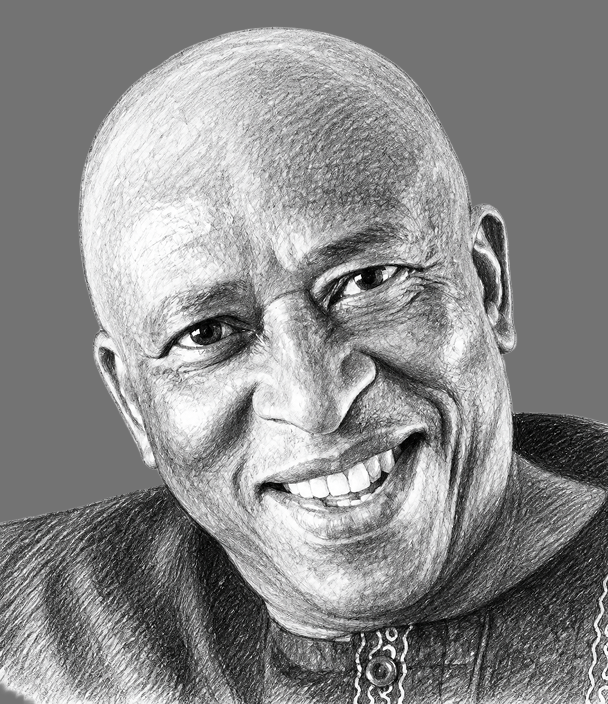
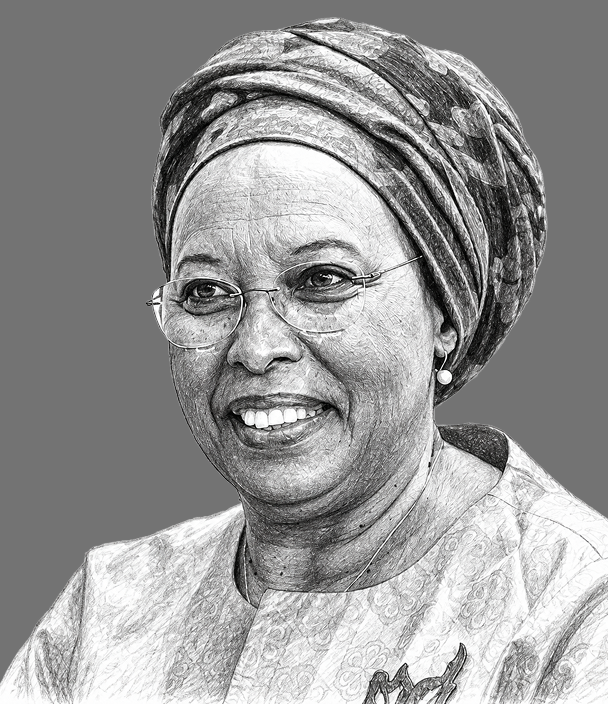
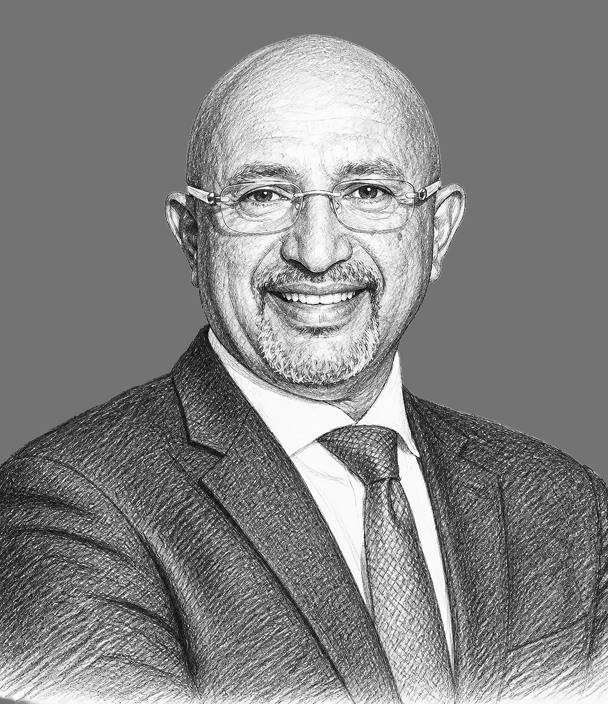
PROF. ZAKES MDA

SOUTH AFRICA

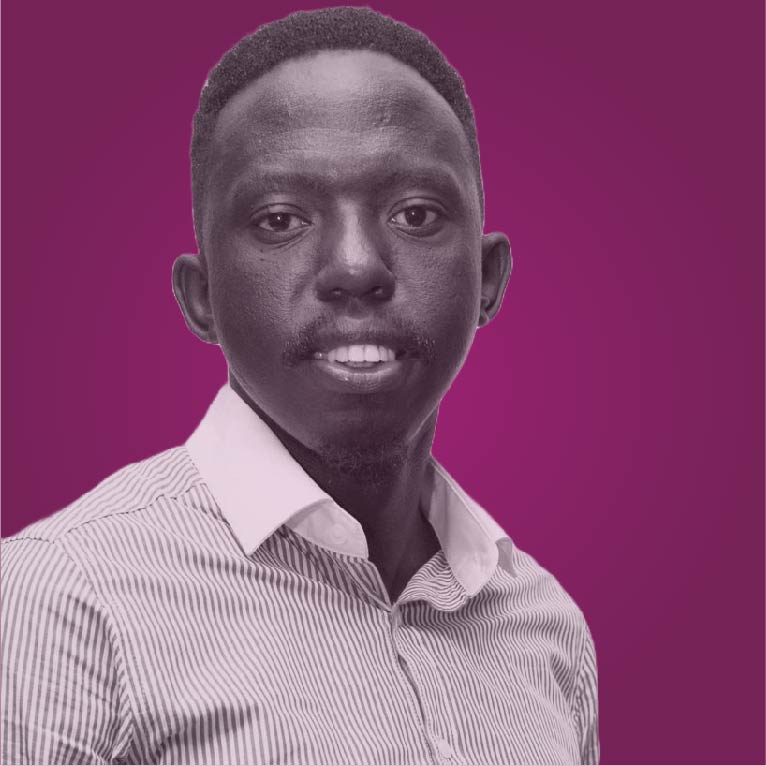
Zakes Mda has spent six decades turning displacement into an argument about who gets to tell Africa’s story, and then building the institutions that let more Africans tell it themselves…

AYODEJI ‘AYO’ SOTINRIN

NIGERIA

Ayodeji ‘Ayo’ Sotinrin is an outlier in this list – he is neither a forcibly displaced person nor a refugee – but he makes our most influential list due to his outstanding work in making formal banking available to displaced people in Nigeria…

SOLOMON
BHAGHABHONERANO

DRC–UGANDA

Although a refugee himself, Solomon Bhaghabhonerano is an entrepreneur building a clean energy business in Uganda’s Kyaka II refugee settlement: turning waste into cooking fuel, manufacturing efficient stoves and and creating jobs along the way…

KUMI NAIDOO

SOUTH AFRICA

Kumi Naidoo built one of the most prominent African activist careers in global civil society from a political consciousness first shaped through South Africa’s anti-apartheid struggle and further informed by his years in exile…

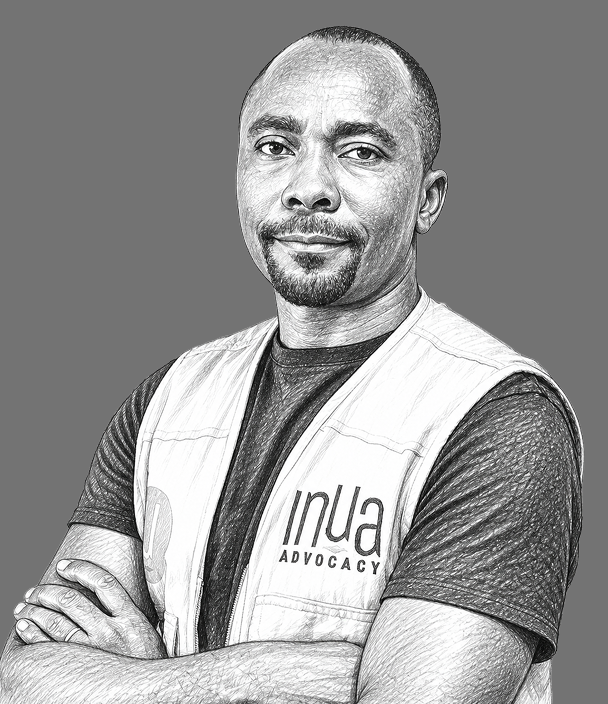
INNOCENT MAGAMBI

BURUNDI–MALAWI

Innocent Magambi spent the first 27 years of his life as a refugee dependent on emergency food handouts, but was then offered a scholarship for a college education…

DR. EMMANUEL TABAN

SOUTH SUDAN–SOUTH AFRICA

Dr Emmanuel Taban is a South African pulmonologist of South Sudanese origin who arrived as a refugee with almost no schooling, became a pioneer in critical Covid-19 care, and now invests in the education and skills that opened his own path…

MARGUERITE BARANKITSE

BURUNDI-RWANDA

From the start, Marguerite Barankitse seems to have dedicated her life to the care and protection of children, both when she was home in Burundi, and later in exile, in Rwanda…

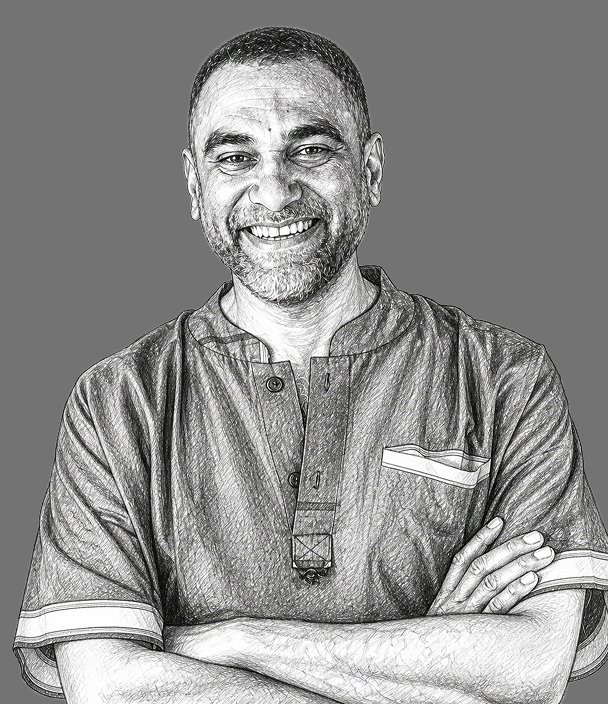
MANYANG REATH KHER

SOUTH SUDAN–US

The refugee turned coffe entrepreneur, Manyang Reath Kher is working to put South Sudan on the map as a source of specialty-coffee using trade rather than aid to raise incomes in communities shaped by dispacement and conflict…

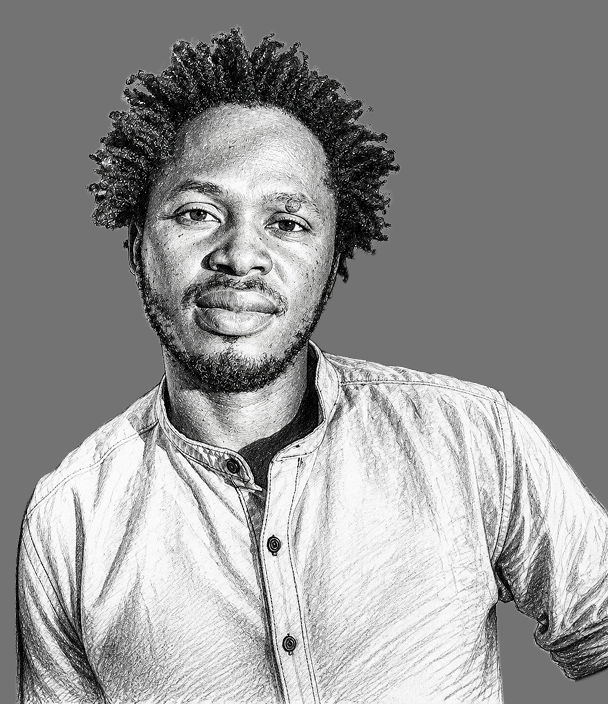
ISHMAEL BEAH

SIERRA LEONE–US

Ishmael Beah is a Sierra Leonean author and children’s rights advocate whose memoirs of being a child soldier became the definitive first-person account of what war does to children…

FOMBA TRAWALLY

COTE D’IVOIRE–THE GAMBIA

Fomba Trawally is a former refugee who returned to post-war Liberia with $200 and built the country’s first paper and toiletries factory, thereby laying many myths to rest, including about the capabilities of displaced people as well as the claim that manufacturing cannot take root in fragile economies…

TRÉSOR NZENGU MPAUNI

DRC–MALAWI

Trésor Nzengu Mpauni, the hiphop artist, slam poet and social entrepreneur known as Menes la Plume, turned a refugee camp into a global stage, proof-positive that displaced communities can be artistic and produce box-office culture…

DR AGNES KALIBATA

RWANDA–UGANDA

Dr Agnes Kalibata turned a refugee childhood spent farming to survive into an agricultural transformation agenda, first for Rwanda, then for  the continent, then for the world…

TADIWOS GETACHEW BELETE

ETHIOPIA–US

Former refugee turned entrepreneur Tadiwos Getachew Belete created Kuriftu, Ethiopia’s leading homegrown resort brand, thus proving that domestic leisure tourism can be big business and creating thousands of jobs along the way…

KAO DENERO

SIERRA LEONE–US

Kao Denero is a former refugee turned rapper, label founder and government envoy who gave postwar Sierra Leone’s youth a voice and a music industry, and now represents the country’s creative economy abroad…
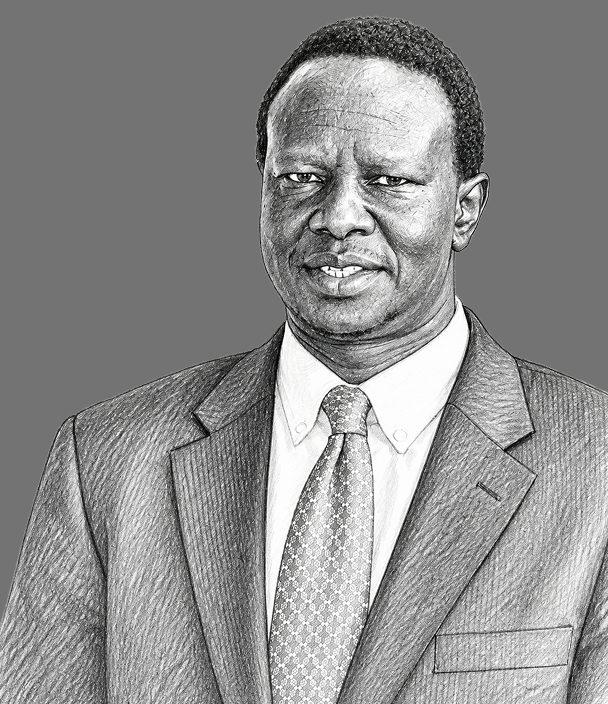

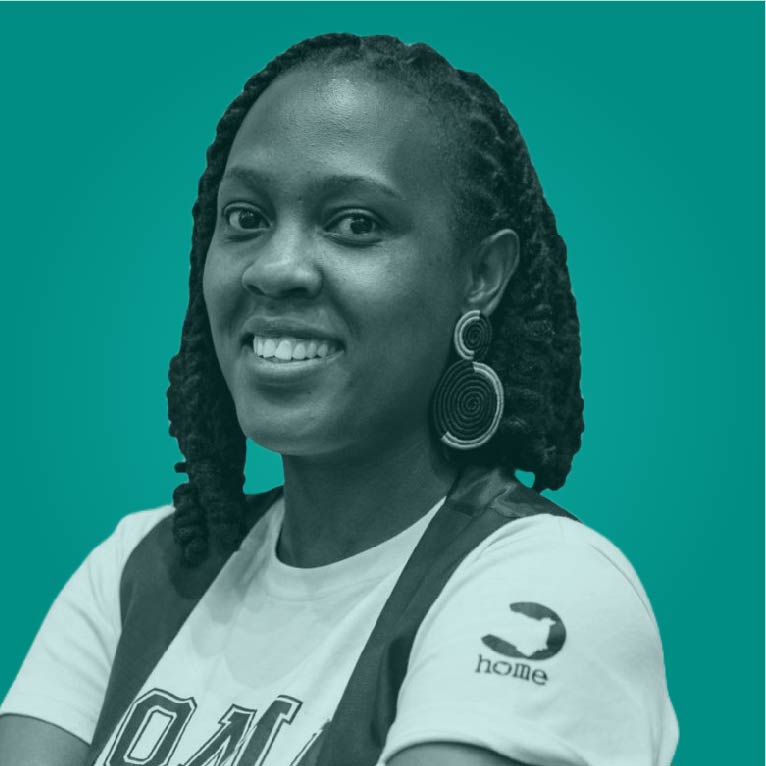
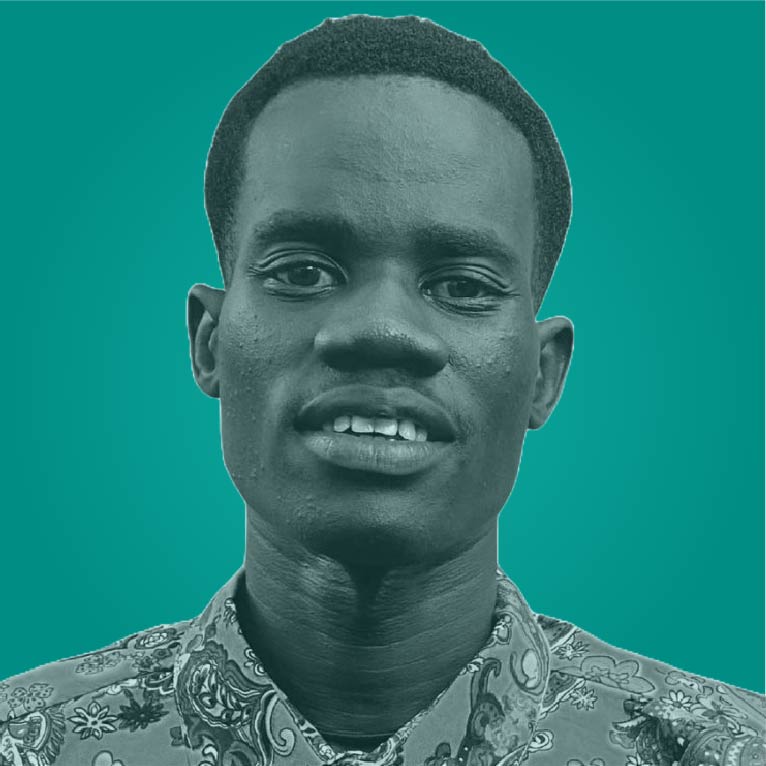
JOHN THON MAJOK

SOUTH SUDAN–US

Where someone starts should never determine how far they are capable of going.

‘Lost Boy of Sudan’ becomes voice of refugees

John Thon Majok is another of the now legendary ‘Lost Boys of Sudan’. He was forced to leave his home, parents and eight siblings in South Sudan to join a group of 20,000 other children escaping the horrors of the 1987 Sudanese Civil War.

They walked barefoot for over 1,000 miles from Sudan to Ethiopia and back to Sudan before settling in refugee camps in Kenya. They endured extreme hardships with scant food and resources and were, at times, chased by wild animals.

In 2001, he was fl own by the US State Department to Tucson for resettlement along with 59 other ‘Lost Boys’ – now young men.

In 2003, he was named valedictorian of Pima Community College and gave the commencement address. In 2005 he graduated from the University of Arizona with a BSc in Public Administration and Policy.

Majok holds a Master of Public Administration from George Mason University, where he wrote his honours thesis on globalisation and its impacts on human rights and cultures. His work concerns issues of forced migration, refugee resilience, integration, and refugee diplomacy.

From 2007 to 2009, he was a Program Offi cer at the Council of American Overseas Research Centres, where he managed a ‘Study abroad’

portfolio of the State Department’s Critical Language Scholarship Program. In 2006-2007, he coordinated the global recruitment of skilled South Sudanese diasporans for the Diaspora Skills Transfer Program, implemented by the Academy for Educational Development. In 2004, Majok served as a congressional intern for Arizona Congressman Jim Kolbe at the US House of Representatives.

From 2010 to 2012, Majok was a contractor at the US Department of State’s Bureau of Educational and Cultural Aff airs. Here, he developed strategic outreach plans for global alumni of the government exchange programmes, amongst others, the famous Fulbright and International Visitor Leadership Program.

He furthermore earned a Masters Degree at George Mason University and in 2013, he became Program Associate at the Woodrow Wilson
Center, where he received an Excellence Award.

He is the former Director of the Refugee and Forced Displacement Initiative (RAFDI) at the Woodrow Wilson International Center for Scholars, where he is also the Deputy Director of Development and Senior Director of Grants Management.

He lives with his wife, Yom, who he met when they were both refugees at Kakuma Refugee Camp, Kenya.

EMMANUEL RUGAMBA

RWANDA–US

Where someone starts should never determine how far they are capable of going.”

Sports star turned
lifestyle guru

A former professional football player, Rugamba is an author and business executive who builds pathways that turn sport into economic opportunity for young people, with a growing focus on Africa. He is also a renowned motivational speaker, inspiring people to look beyond their circumstances and pursue ambitions that might have seemed out of reach.

He was born in a refugee camp in Zambia in 1998, after his family was displaced from Rwanda, and they moved to the United States two years later. Growing up navigating issues of identity and belonging, he found that sport was a place where discipline, relationships and new possibilities could change what was available to a young person. He started playing American football at nine.

His route to professional football took him through college teams
at the University of Iowa and Miami University in Ohio, where
he completed his degree in sport leadership and management.
Undrafted in 2021, he signed with the Cleveland Browns as a free agent, becoming the first Rwandan to sign an NFL contract.

He went on to play four seasons in the Canadian Football League (CFL), three with the BC Lions and one with the Edmonton Elks, and was named a CFL West All-Star in 2023.

He built a second career off the field. He has spoken publicly at
more than 120 schools, universities, teams and organisations across North America on identity, resilience, leadership and preparing for life beyond competition.

He co-authored Next Play: Strategies

for What’s Next, which pushes athletes to build their brand, relationships and skills before their playing days end.

He now serves as Chief Business Officer at Next Professional Athlete (NPA), working on visibility, partnerships and commercial opportunities for athletes and

Born in a refugee camp,
Rugamba was the fi rst
Rwandan to sign an NFL
contract. He is now building
the business of sport for
the next generation, with
Africa at its centre.

businesses across the global sports economy.

His view is that playing sport is about more than progressing to the next level of competition. It is an entry point into a wider market: education, the media, coaching, technology, entrepreneurship and professional careers.

Africa sits at the centre of his long-term plans. Through his Vision Forward Foundation, he is working to popularise flag football (a variant of American football), in Rwanda and across the continent, as a low-cost way into organised sport. He also sees it as a pipeline into coaching, media, tourism and the wider sports economy. He is building partnerships with universities, governments, sports bodies, brands and investors to connect Africa with global sport.

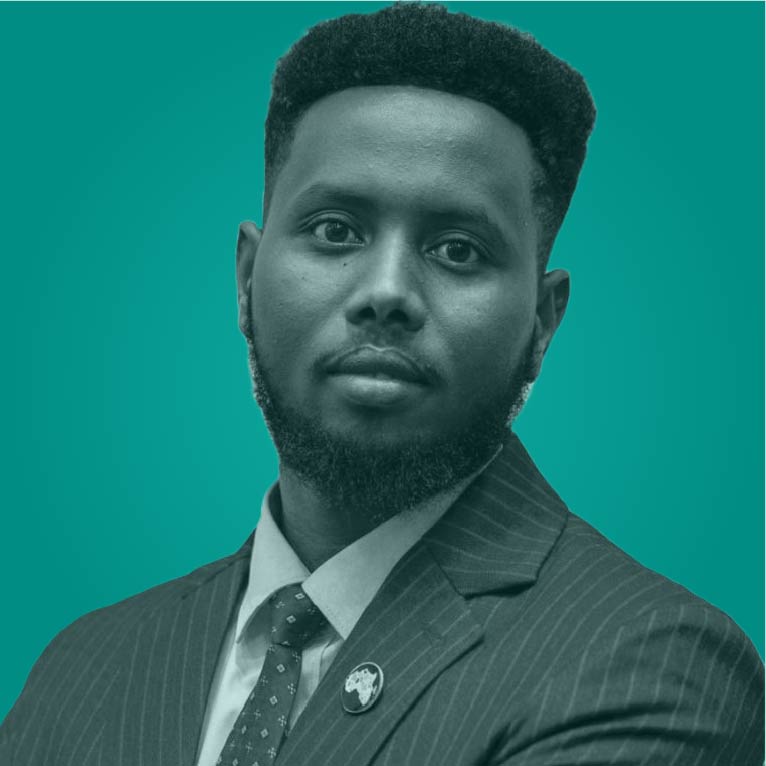
NURADIN OSMAN

SOMALIA–HOLLAND

My life’s work is to assist in building an Africa where the next generation has the opportunity to stay, work and prosper at home.

Dedicated to eradicating food insecurity

Nuradin Osman’s career has been built around the question, ‘Why should anyone have to become a refugee?’ His answer, developed over three decades in agribusiness, is that productive farming gives people a real opportunity to stay, work and prosper at home.

His own refugee journey began in Somalia in 1991, and by 1992 he had been recognised as a refugee in the Netherlands. He describes the day he applied for asylum as an experience that has never left him. Africa holds vast land and natural resources, yet too many rural communities lack the productivity that makes a secure life at home possible. For Osman, agriculture is an essential part of the answer.

He twice experienced famine as a child, first as a three-year-old living with his mother in a small village, and later as a teenager living in Mogadishu during the civil war. These tragic events gave him first-hand experience of chronic hunger, helping to inspire his interest in food security and improving living standards through adaptive farming.

He joined AGCO, the global agricultural-equipment manufacturer, in May 2005 and spent 15 years there, working across its Africa and Middle East business from 2011 and rising to Vice President and General Manager for Africa. His focus was on widening African farmers’ access to modern mechanisation, training and complete farming systems. He helped create AGCO’s 

Future Farm initiatives in Zambia and Switzerland: demonstration and learning facilities built around modern farming technology. He also spent eight years on the operational team supporting the President’s Advisory Council on Doing Business in Africa, the US body established under President Obama, with that work continuing into the Trump administration.

In 2020 he left the corporate world to found Grosso Foods, now Grosso.Africa, an African-owned agribusiness that rents and sells conservation-agriculture and precision-farming equipment, with a particular focus on bringing these technologies within reach of smallholder farmers in rural communities, helping them to raise yields, cut post-harvest losses and broaden their market access.

In 2026 the Future Farm experience came full circle with the launch of Grosso Future Farm, a training centre for agriculturalists designed to showcase farming systems adapted to local soil, climate, crops and economics.

The same logic now extends to education. In 2026 he took over and reopened Hope Primary Secondary School, which he says serves about 100 students on a campus built for up to 2,000, with roughly $375,000 invested.

A 2013 Archbishop Tutu Leadership Fellow, he was named a top global leader for diversity and inclusion in 2019.

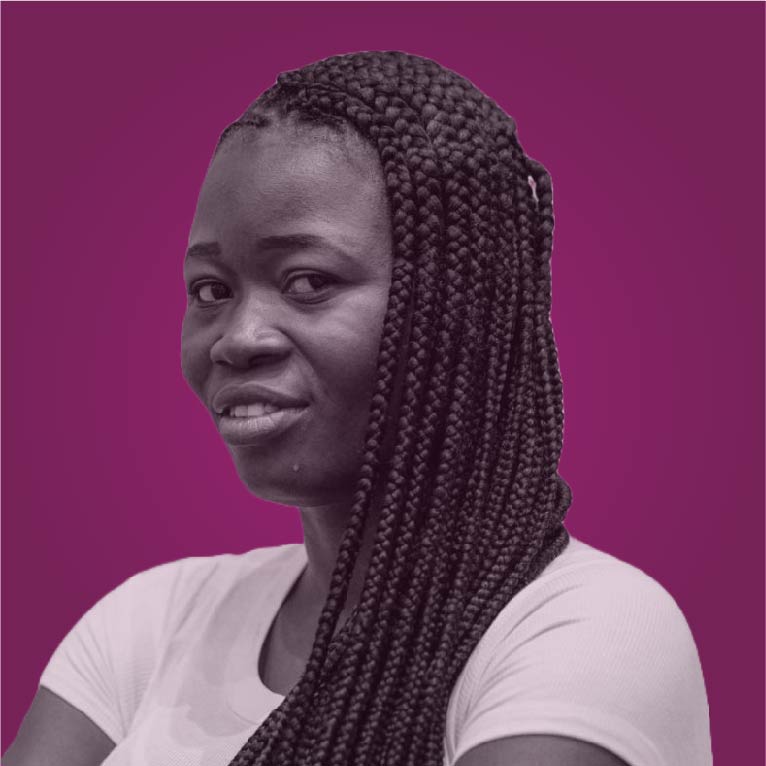
PROF. ZAKES MDA

SOUTH AFRICA

Storification is so powerful, it can make us enemies of our own selves without realising it.

Taking possession of our narratives

Zakes Mda has spent six decades turning displacement into an argument about who gets to tell Africa’s story, and then building the institutions that let more Africans tell it themselves.

In 1963, after his father, the anti-Apartheid activist A.P. Mda, was arrested for his political work, the family crossed into exile in Lesotho. Zakes was 15. Exile carried him on to the UK and the United States, and became the raw material of one of the continent’s most celebrated literary careers.

He began in theatre. His protest plays helped define Apartheid-era drama, and his theatre-for-development work took performance out of the auditorium and into communities, as a tool for people to debate their own problems.

As a novelist he broke through with Ways of Dying (1995), which won the M-Net Book Prize and has been translated into 21 languages. The Heart of Redness won the Commonwealth Writers’ Prize for Africa, the Sunday Times Fiction Prize and the Hurston-Wright Legacy Award.

He has been honoured with the Order of Ikhamanga, and in 2022 Wits University awarded him an honorary doctorate in literature for his contribution to South Africa’s and the world’s cultural life.


His standing is institutional as well as literary. He is Professor Emeritus of English at Ohio University and an Extraordinary Professor of English at the University of the Western Cape, and has taught a generation of writers on two continents.

Exiled at 15, he turned displacement into fiction read across the world, then built the enterprises that keep African stories, and African livelihoods, rooted at home.

He did not stop at the page. In 2000 he set up a beekeeping project with rural women in the Eastern Cape, turning a writer’s attachment to a place into income for the people who live there.

In Johannesburg he runs NeoZane, a publishing house and animation film production company, creating a commercial infrastructure for African stories instead of waiting for publishers and studios elsewhere to choose them. He is also a painter and a composer.

AYODEJI ‘AYO’ SOTINRIN

NIGERIA

The bank should be a catalyst for social change and rural prosperity.

Banker championing the displaced

Ayodeji ‘Ayo’ Sotinrin is an outlier in this list – he is neither a forcibly displaced person nor a refugee – but he makes our Most Influential list due to his outstanding work in making formal banking available to displaced people in Nigeria.

As MD and CEO of Nigeria’s Bank of Agriculture (BOA), he is demonstrating how farm-based credit can do what aid has struggled to – keep rural families productive and bring displaced families back to the land.

Where farming holds, people stay: he is a banker putting displaced Nigerians on the loan book, not the aid list.

Appointed to his position by President Bola Tinubu in April 2025, he leads a development finance institution with 110 branches. It is restructuring and recapitalising into a technology-driven institution based on digital banking, data-led credit, value-chain finance and farmer identification through KYC checks and GPS farm mapping.

The bank reached more than 400,000 farmers across over 20 states in the past year and disbursed $190m in finance and inputs. It is funding a mechanisation programme for 2,000 tractors and 9,000 implements in a country with fewer than six tractors per 10,000 hectares. It is also running a $150m Guaranteed Minimum Price scheme under which it acts as a buyer of last resort for grain.

Nigeria has about 3.7m internally displaced people, most in the conflict-affected North, where collapsed rural livelihoods both drive flight and stall returning.

Under Sotinrin, BOA created a $200m Livelihood Support Fund with the International Organisation for Migration (IOM) in 2025, and agreed to work with the Amahoro Coalition to support the creation of 200,000 jobs for displaced people and host communities.

The partnership also created Nigeria’s first banking lending desk dedicated to internally displaced persons. In the 2026 wet season it funded nearly 10,000 displaced persons with almost $6m. Close to 1,000 farmers in its ginger-blight recovery programme are displaced.

Before his current appointment, Sotinrin had carried his zeal for agribusiness into the private sector. As CEO of SAO Group, he oversaw SAO Agro’s 20,000-hectare oil-palm plantation and its poultry, aquaculture, maize and cassava operations in Ondo State. SAO Capital mobilised more than $750m in infrastructure and development finance, including for the $200m Akure Water Supply Project.

He had previously been a Special Adviser on Environment and Urban Development in the Federal Capital Territory (2011 to 2015), consulted for the World Bank, AfDB, DfID and USAID, and worked at Royal Bank of Scotland International and Deutsche Bank. He holds an Executive MBA from Oxford’s Saïd Business School.

SOLOMON BHAGHABHONERANO

DRC–UGANDA

Refugees should not simply wait for solutions; they can create them.

Delivering a four-in-one clean energy solution

This includes the innovative Moto Core Stove, a forced-air micro-gasification cooker that burns briquettes and pellets and also offers solar-powered USB phone charging and DC lighting facilities. Live in Green reports that the stove achieved Tier 4 for efficiency in testing by Uganda’s Centre for Research in Energy and Energy Conservation (CREEC).

He is a Congolese refugee turning settlement waste into clean fuel and efficient stoves; it is a circular-energy business, built in a displacement camp and ready to scale beyond it.

In 2025 Live in Green was one of 18 refugee-led enterprises to receive a $25,000 grant under Ashden’s Transforming Humanitarian Energy Access programme, funded with aid from the UK government.

It provides direct funding and support to refugee-led organisations and entrepreneurs in Uganda, Kenya and Ethiopia, nurturing access to renewable energy for refugees and displaced people.

Bhaghabhonerano’s pitch to investors is to see the enterprise as a growing business, not an aid project. It is a single entity serving four growing markets at once (clean cooking, waste management, renewable energy and green jobs), with the potential to expand its reach across Uganda.


Although a refugee himself, Solomon Bhaghabhonerano is an entrepreneur building a clean-energy business in Uganda’s Kyaka II refugee settlement: turning waste into cooking fuel, manufacturing efficient stoves and creating jobs along the way.

He arrived in Uganda at the age of six, after his family fled conflict in DRC. Growing up in the same camp, in Kyegegwa District in western Uganda, he watched his mother cook over smoky firewood while the trees around the settlement disappeared and the land became increasingly degraded.

Rather than wait for someone else to provide solutions, he decided he would find them himself.

In 2016, he mobilised young people to work on restoring the environment through tree planting. A $10,000 grant in 2017 helped him to expand the tree nursery and formally establish ‘Live in Green’ as an organisation.

He realised that while the exercise of planting trees was successful, they would not last for any length of time as long as there was a strong need for firewood.

He therefore set out to find an alternative. During the 2021 Covid-19 lockdown, he began turning organic and agricultural waste, such as maize cobs, banana peels and sawdust, into clean-burning briquettes, and the enterprise took its current shape.

Today Live in Green combines clean cooking, waste recovery, environmental restoration and support for livelihoods. Its Energy Resource and Waste Recovery Centre converts organic waste into briquettes that reach thousands of families, creates paid work for settlement residents in waste collection and processing, and assists the local manufacture of improved cooking stoves.

KUMI NAIDOO

SOUTH AFRICA

My body was in the UK but my heart and soul were in South Africa.

Greatest African activist in civil society?

Kumi Naidoo built one of the most prominent African activist careers in global civil society from a political consciousness first shaped through South Africa’s anti-apartheid struggle and further informed by his years in exile.

He was organising against Apartheid from the age of 15. In 1986 he was charged by the government with violating state-of-emergency regulations. He went underground and then fled into exile in the UK, where he studied at Oxford as a Rhodes Scholar. Exile did not create his commitment to justice, it formed part of, and complemented, a consciousness already forged at home.

From anti-apartheid activism in South Africa, through exile, return and beyond, Kumi Naidoo has carried a lifelong commitment to justice into global human rights and environmental roles.

After returning to South Africa in 1990, he helped with the legalisation and registration of the ANC and later served in senior public-information and electoral roles relating to the country’s historic 1994 elections.

He then carried that grounding to the top of global civil society. He was Secretary General of CIVICUS: World Alliance for Citizen Participation, the global alliance of civil-society organisations, from 1998 to 2008; then he became the first person from the Global South to lead Greenpeace International, serving as Executive Director from 2009 to 2016; and later, Secretary General of Amnesty International from 2018 to 2020.

Three of the world’s most influential civil-society institutions, spanning citizen participation, environmental justice and human rights, each placed him at their head. He currently serves as Global Ambassador for Africans Rising for Justice, Peace and Dignity, a pan-African movement.

Across these roles, his leadership has connected grassroots organising in South Africa with decades of global work in human rights, civil society and environmental justice.

The thread running through that journey is a commitment to justice rooted in the anti-Apartheid struggle and deepened through his experience of exile.

His life and career are proof enough that an activist formed in an African struggle, and tested by exile, can lead the world’s most influential civil-society organisations rather than only take part in them.

INNOCENT MAGAMBI

BURUNDI–MALAWI

We recognise that durable protection includes the ability of refugees to support themselves and participate fully in society.”

Born a refugee but changing lives of others

Innocent Magambi spent the first 27 years of his life as a refugee dependent on emergency food handouts, but was then offered a scholarship for a college education.

This was a massive turning point. Based at Dzaleka Refugee Camp in Malawi at the time, he decided to channel his energies into projects designed to improve living standards for people in and around the camp while attending college, which became the basis of his non-profit, There is Hope.

Of Burundian heritage, Magambi was born a refugee and lived in camps across four countries before arriving at Malawi’s only official refugee camp, located in Dowa District, about 41km north of the capital, Lilongwe.

Magambi led There is Hope for 15 years, changing the lives of thousands of refugees as well as those of Malawians in host communities, through a mix of educational scholarships, vocational training and job creation.

His exit was as deliberate as his founding of the enterprise. A committed believer in leadership succession, he handed an institution of 53 staff to a team of local professionals, having built something designed to outlast him, which few leaders attempt and fewer still test.

He now leads Inua Advocacy, which he set up to address refugees’ complaints, hold service providers to account and campaign for better refugee law.

Since 2021, he has pushed to reform Malawi’s 1989 Refugees Act, with the aim of helping to overhaul a system that leaves refugees dependent on aid with one that lets them work, run businesses and contribute to their host country.

Inua is among the organisations whose advocacy has shaped a new Refugee Bill. The Malawi Law Commission completed its review of public feedback in June 2026, and the draft is expected to be released later this year.

In November 2024 the African Commission on Human and Peoples’ Rights (ACHPR) granted Inua Advocacy Observer Status. This carries real leverage: attendance at the Commission’s public sessions, direct engagement with member states, and the right to submit shadow reports countering official accounts of compliance with the African Charter.

The timing sharpened the point. In the same year that Malawi’s refugee department banned Inua’s operations, the African Union’s human-rights body elevated its cause.

In his book Refugee For Life, he recounts not just his refugee journey, but also his efforts to improve the prospects of an entire community.

In addition to his lived experience, both as a recipient of charity and an orchestrator of development, Magambi incorporates lessons learned from fellowship programmes such as the Obama Foundation’s Leaders Africa and the African Visionary Fellowship, run by the Segal Family Foundation.

A refugee rights activist at heart, Magambi enjoys inspiring people to see the bigger picture and to reach for their full potential. He is a regular public

speaker and has been featured by international media outlets, such as The Guardian (UK), DW and the BBC World Service.

DR. EMMANUEL TABAN

SOUTH SUDAN–SOUTH AFRICA

I know what it means for a young person’s future to depend on someone opening a door.

The uneducated boy who rose to save lives during Covid

Dr Emmanuel Taban is a South African pulmonologist of South Sudanese origin who arrived as a refugee with almost no schooling, became a pioneer in critical Covid-19 care, and now invests in the education and skills that opened his own path.

As a teenager he fled Sudan after being detained by security forces, travelling for about 18 months through six countries, much of it on foot, before reaching South Africa at the age of 17.

He is a refugee who arrived with almost no schooling, pioneered critical Covid-19 care, runs expert seminars, and facilitates educational opportunities for the vulnerable

There, with the shelter and support of Comboni Catholic missionaries, he began formal schooling. He went on to qualify as a doctor at MEDUNSA (the Medical University of Southern Africa), now called the Sefako Makgatho Health Sciences University (SMU), named after Sefako Makgatho, a prominent South African educator and the second president of the African National Congress (ANC).

Following further training through bursaries, he became a pulmonologist – a specialist in respiratory systems – in 2018.

His defining contribution came during Covid-19. Working on the frontline, and contracting the disease himself, he pioneered the use of therapeutic bronchoscopy on critically ill, hypoxaemic Covid-19 patients, identifying fibrinous mucus plugs and developing a technique credited with saving lives and influencing treatment.

He was named among New African’s ‘100 Most Influential Africans’ in 2020 and won the Daily Maverick’s African Person of the Year award in 2021. He was also a 2022 Aurora Prize nominee. In 2024, Rotary International gave him a Paul Harris award for his humanitarian and medical contributions during the pandemic.

He directs the Immunology, Lung and Heart Institute in Gauteng, oversees ICU services at Midstream Mediclinic, and founded SanoCare Breath of Hope, whose podcast and webinar series brings specialists to colleagues and the public.

In 2022 he founded the Emmanuel Taban Foundation, which pays school fees so children from disadvantaged backgrounds, including refugees, immigrants and orphans, can attend well-resourced schools. About 21 students have been sponsored so far, two of whom are expected to graduate in medicine soon.

In Mamelodi East, the foundation supports mentorship and practical skills alongside the Comboni Sisters. He is an ambassador for the literacy charity Rally to Read, provides pro bono care in rural Mpumalanga, and wrote the memoir The Boy Who Never Gave Up.

KUMI NAIDOO

BURUNDI-RWANDA

Love made me an inventor.

Love recognises no borders

community centre, alongside a social enterprise that helps fund her humanitarian work while creating employment for refugee youths. They come from Mahama camp and the surrounding communities. It was established in 2015 to house refugees fleeing political instability and violence in Burundi, later also accommodating refugees from DRC.

She is a refugee and massacre survivor who has saved tens of thousands of children, working across borders.

Beyond Rwanda, the Maggy Barankitse Foundation in Belgium and Love’s Invention in the US connect international support to the work on the ground.

Barankitse has been globally honoured. She received UNHCR’s Nansen Refugee Award in 2005 and in 2016 became the inaugural laureate of the $1.1m Aurora Prize for Awakening Humanity. She has also received the Four Freedoms Award and the Opus Prize, and holds eight honorary degrees.

She speaks openly about the massacre and about her own refugee status, and sums up the whole arc in a single line: love made her an inventor.

From the start, Marguerite Barankitse seems to have dedicated her life to the care and protection of children, both when she was home in Burundi, and later in exile, in Rwanda.

Her first encounter with horror came in 1993, when during the Burundi Civil War she tried to hide 72 Hutu neighbours. They were discovered and killed in front of her. She was spared because of her ethnicity, as a Tutsi, and she managed to protect 25 children.

She responded to the hate with acts of courage and love. First of all, she founded Maison Shalom, which over three decades grew into a network of schools, health services and social programmes.

Its REMA Hospital has treated more than 80,000 patients and was deliberately designed to reject the ethnic divisions behind the massacre she witnessed. The University of Notre Dame credits her with saving more than 50,000 children, and her institution now reaches vulnerable communities across Burundi, Rwanda and the DRC through education, job training, microfinance and medical care.

In 2015, after opposing President Pierre Nkurunziza’s third term, she was placed on a death list and fled into exile in Rwanda as a refugee.

There she opened École Sainte-Anne de Kigali, an International Baccalaureate school that welcomes children from all backgrounds, and the Oasis of Peace

MANYANG REATH KHER

SOUTH SUDAN–US

Just because you are a refugee doesn’t mean you lost your marketable skills.

From the Lost Boys to coffee king

According to the Refugee Investment Network, 734 Coffee commits 80% of its profits to refugee scholarships and education. It sources coffee from growers in Gambela, Ethiopia, including cooperatives employing South Sudanese refugees, as well as from small-scale farmers in Yei and Buma in South Sudan.

Alongside the coffee business, Humanity Helping Sudan Project runs wider livelihood and community-support programmes. The organisation reports having reached more than 40,000 displaced people in the Gambela region through agricultural and fishing support, community gardens and education initiatives.

His newest work scales the same logic from a company to a country. He is spearheading a $10m South Sudan coffee development initiative designed to establish South Sudan as a recognised origin in the global specialty-coffee market. This includes advancing a South Sudan Coffee Auction in Nairobi and building international market links for South Sudanese producers.

The ambition is to attract investment, strengthen the coffee supply chain, improve market access for farmers and create jobs, as well a bring together producers, investors, government and international partners around a longer-term vision for South Sudan’s agricultural economy.

He also serves as an Adjunct Professor at George Mason University, where he has lectured on human rights since 2017.

A former refugee turned coffee entrepreneur, Manyang Reath Kher is working to put South Sudan on the map as a source of specialty-coffee, using trade rather than aid to raise incomes in communities shaped by displacement and conflict.

Displaced at the age of three during Sudan’s civil war, he became one of the children known as the ‘Lost Boys of Sudan’, fleeing with thousands of others across East Africa towards Ethiopia. He subsequently spent 13 years in refugee camps along the Ethiopian border.

In 1987, government-backed militias and northern forces raided southern Sudanese villages, burning homes and killing families. Young boys who were tending cattle away from their homes fled into the wilderness. They walked over 1,000 miles across East Africa toward Ethiopia, facing starvation, dehydration, wild animals, and military attacks. Their epic adventure is recounted in the non-fiction book, The Journey of the Lost Boys by Joan Hecht.

At 17, he was resettled in the US, where he began a new life. He earned a degree at the University of Richmond and founded the Humanity Helping Sudan project while still a student, building an organisation before he had finished his own education.

What sets his work apart is the financing model. Rather than depend on grant cycles, he launched 734 Coffee, a for-profit social enterprise named after the coordinates of the main camp where he grew up.

ISHMAEL BEAH

SIERRA LEONE–US

Former child soldiers are not a lost generation, as most people would like to believe.

Voice of the child-soldiers

He has since built on that foundation through sustained international advocacy work involving children affected by war, reframing conflict-affected youth as leaders and contributors rather than permanent victims needing saving.

Beah is the author of the child-soldier testimony, A Long Way Gone, which changed how the media and the public view war’s youngest victims.

Now an established author, he has published two novels, Radiance of Tomorrow and Little Family, which extend his literary standing well beyond a single testimony.

His own path, from family separation and conscription to rehabilitation and resettlement, is the foundation of a public life spent ensuring that war’s youngest victims are understood as recoverable human beings with futures.

Ishmael Beah is a Sierra Leonean author and children’s rights advocate whose memoirs of being a child soldier became the definitive first-person account of what war does to children.

Separated from his family and forced to flee during Sierra Leone’s civil war, which displaced more than two million people, he was conscripted as a child soldier before rehabilitation and resettlement in the US. He published his first memoir when he was only 26.

What sets his book apart is its reach. A Long Way Gone became an instant international bestseller, reaching number one on the New York Times list, and was named by Time magazine among the top 10 nonfiction books of 2007. It has been translated into more than 40 languages, with sales reported at over 2.6m copies.

Widely cited as the most-read first-person testimony of child soldiering, it is credited with elevating African voices in the global media. Before Beah, the narrative on child soldiers was largely a product of NGO reports. After him, the narrative gained agency – the point of view of a child impacted by war was centred, with a name, a voice and a bestseller, and the terms of the policy conversation were significantly reshaped.

FOMBA TRAWALLY

COTE D’IVOIRE–THE GAMBIA

This recognition [referring to his honours] is not just for me; it’s for Liberia and Liberians.

From a petty trader to an industrialist

Fomba Trawally is a former refugee who returned to post-war Liberia with $200 and built the country’s first paper and toiletries factory, thereby laying many myths to rest, including about the capabilities of displaced people as well as the claim that manufacturing cannot take root in fragile economies.

He seems to have inherited his business acumen from his mother, Kumba Bendu, who sold peppers to keep her children fed and in school. When she died, her eldest son Kumna left school and sold flip-flops from a wheelbarrow to support his siblings.

He made the transition from a refugee with $200 to Liberia’s first paper and toiletries manufacturer.

In 1990 he fled Liberia with its civil war to The Gambia, where he lived as a refugee for about two years, trading and taking odd jobs to get by. He came home to Monrovia with $200 in his pocket, money that he says came from a UNHCR resettlement programme for returning refugees, and put it to work.

What sets him apart is the leap he made from trader to manufacturer. Spotting a gap in a war-stripped market, he began importing the rubber sandals Liberians urgently needed, and in 1993 established Kumba Bendu & Son, named after his mother, and expanded into cosmetics, paper and household goods.

In 2010 he made the move few post-war traders attempt, founding National Toiletries Inc., Liberia’s first paper and toiletries manufacturing company. Producing at home directly substitutes for imports and keeps value and jobs inside the country.

The company reports supplying more than 1,500 businesses and exporting to four markets, including Sierra Leone, Guinea and Côte d’Ivoire.

His contribution has been recognised at the highest levels. In 2008 President Ellen Johnson Sirleaf honoured him for creating thousands of jobs for Liberians, and in 2018 he was recognised at the Africa Economy Builders awards in Abidjan for his contribution to Liberia’s economic growth.

His story demonstrates that a returning refugee with almost nothing can build not just a trading operation but a factory, producing goods at home in a post-conflict economy and selling them across the sub-region.

TRÉSOR NZENGU MPAUNI

DRC–MALAWI

From desperation to hope and celebration, that’s the whole spirit behind Tumaini.

Turning a refugee camp into a global culture stage

The 2020 Sharjah award citation put the event’s contribution to the camp economy at about $150,000 a year. Tumaini Letu reports that over its first decade the festival has drawn more than 230,000 attendees and featured 615 performing acts from more than 25 countries, with an estimated global media reach of 40-61m people.

He turned a refugee camp into a global festival stage, proof-positive that displaced communities can produce culture, commerce and dignity.

Awards have followed. Chosen from some 700 applicants, Mpauni was named the World Bank Africa Region’s Social Inclusion Hero in 2018; Tumaini Letu won the $136,000 2020 Sharjah International Award for Refugee Advocacy and Support; and Mpauni served as a refugee co-sponsor of the first Global Refugee Forum in 2019.

His work is proof of the concept that displacement need not extinguish creative and economic capacity, and a refugee-founded festival can command a global audience while building livelihoods inside the camp that hosts it.

Trésor Nzengu Mpauni, the hip-hop artist, slam poet and social entrepreneur known as Menes la Plume, turned a refugee camp into a global stage, proof-positive that displaced communities can be artistic and produce box-office culture.

A rising artist in Lubumbashi, he was forced to flee the Democratic Republic of Congo in 2008 due to political pressure and his use of art to raise awareness. He arrived at Malawi’s Dzaleka refugee camp, where refugees were known by a dismissive label.

In 2012, he founded Tumaini Letu (Our Hope in Kiswahili) – a non-profit organisation which uses arts and culture to promote cultural exchange and peace between refugees and host communities.

In 2014, he crowdfunded the first Tumaini Festival, explicitly to flip the refugee narrative from passive neediness to creativity and economic agency. The annual event is the world’s first international festival taking place in a refugee camp.

Rather than culture being regarded as a form of relief provided to refugees, the displaced in this case produce a form of culture that the world shares in. The festival generates income for camp businesses, bridges refugees and host communities, and draws national and international attention into Dzaleka on the refugees’ own terms.

DR AGNES KALIBATA

RWANDA–UGANDA

I learnt that it’s actually possible to use agriculture to fight poverty.

From scratching a living to global agric expert

Dr Agnes Kalibata turned a refugee childhood spent farming to survive into an agricultural transformation agenda, first for Rwanda, then for the continent, then for the world.

She takes no credit for it. Her mantra is simple: it takes a village to raise a child, and it takes the whole of government to deliver the transformation of a people.

Born to Rwandan refugee parents who had fled the post-independence violence of the early 1960s, she was raised among displaced Rwandans in a Ugandan refugee settlement where the family farmed out of necessity.

To whom a lot has been given, a lot is expected. Dr Kalibata sees her life through this lens, and feels she owes a great deal to the people who work hard every day to build a livelihood out of very little.

That childhood expertise, and later years in agricultural research, formed her conviction that agriculture, properly invested in, is the fastest route out of poverty for rural and poor communities.

What sets her apart is treating the smallholder farm as a business, not simply as a subsistence source. As Rwanda’s Minister of Agriculture and Animal Resources from 2008 to 2014, she drove the Crop Intensification and Land Use Consolidation programmes, credited with helping lift more than a million Rwandans out of poverty and moving the country to food security within about half a decade.

Rather than treating small farmers as aid recipients, she led efforts to treat their work as commercial operations, professionalising input supply, extension and cooperatives so that private capital had something to underwrite.

She carried that idea to AGRA, which she led as President from 2014 to 2025, backing a market-driven push to put agriculture at the centre of government priorities across 11 countries.

In December 2019, the UN Secretary-General appointed her Special Envoy for the 2021 Food Systems Summit. For over two years, 148 countries convened national food systems dialogues with more than 100,000 participants.

Her honours include the Yara Prize (now the Africa Food Prize) in 2012 and the US National Academy of Sciences’ Public Welfare Medal in 2019.

Now in early retirement, she is focused on policy reform for innovation and Africa’s off-farm economy, which she argues is the only way agriculture will reduce poverty and create jobs at scale.

TADIWOS GETACHEW BELETE

ETHIOPIA–US

We want to show the world that an African brand can be as good as or even better than any other brand.

Turning a 10 birr slave wage into a panAfrican resort brand

His newest work takes the brand across the continent. In 2025 he inaugurated the Kuriftu Resort and African Village in Addis Ababa, billed as the country’s largest resort, with 163 rooms and 54 villas, each designed around an African nation.

He went from a Sudanese refugee camp to creating Ethiopia’s leading homegrown resort brand, employing thousands and building a pan-African hospitality chain.

The Village embodies his pan-African vision of connecting African cultures, businesses and communities through hospitality. The project is projected to create 800 jobs.

Beyond Ethiopia, he has opened a seaside restaurant in Djibouti and taken a 50-year lease on Moucha Island, positioning Kuriftu as a pan-African chain rather than an Ethiopian one, and showing how African-led investment can transform an industry and create institutions that last.

Former refugee turned entrepreneur Tadiwos Getachew Belete created Kuriftu, Ethiopia’s leading homegrown resort brand, thus proving that domestic leisure tourism can be big business, and creating thousands of jobs along the way.

Forced to leave Ethiopia at the age of 16 amid famine and political upheaval in the early 1970s, he ended up in a refugee camp in Sudan, working as a household servant for a 10-birr wage.

He resettled in the US with the help of the Catholic Church and rebuilt his life in Boston, working as a hairstylist for 19 years. In 2002, he returned home with a plan to invest in his country’s largely untapped commercial potential. He opened the Boston Day Spa in Addis Ababa in 2002, backed by a client who invested after he produced a feasibility study, then founded Kuriftu Resort & Spa in Bishoftu.

Through parent company Boston Partners PLC he grew Kuriftu into a chain, spanning Adama, Langano, Semera, Awash Falls and Entoto Park, covering luxury resorts, wellness, adventure tourism and family entertainment, alongside the travel-technology arm, Amadeus Ethiopia.

By 2019, Kuriftu ran 11 businesses employing about 3,000 people, all trained in hospitality. That year, he opened Ethiopia’s first water park, a 70m birr project financed by the Commercial Bank of Ethiopia.

KAO DENERO

SIERRA LEONE–US

I am a Sierra Leonean who lived through the civil war and was even a refugee in Guinea.

The hip-hop king

Kao Denero is a former refugee turned rapper, label founder and government envoy who gave post-war Sierra Leone’s youth a voice and a music industry, and now represents the country’s creative economy abroad.

Born Amara Dennis Turay in Lungi, he came of age dodging rebel bullets in wartime Freetown. By his own account, he lived as a refugee in Guinea during the civil war before moving to the US as a refugee.

The experience, he writes in his biography, provided the genesis of the ‘Kao Denero’ persona. He later told the story of the war on his album Da Blood Diamond Kid Story.

He is a refugee who returned to give post-war Sierra Leone a music industry, and now promotes its creative economy to the world.

He was passionate about music from his childhood days and loved rap music and drawing inspiration from artists such as Tupac Shakur and Bob Marley.

His special ability has been in institution-building. Through his Black Leo label and production company, based in Sierra Leone, he helped provide infrastructure for hip-hop and its youth culture, which had no organised industry to sustain it, mentoring a generation of artists in the process.

He released his first album Black Leo 4 Life in 2003 but he came into the limelight after his second album, called Stories From Freetown. In 2009, he won an SLMTV Music Award in Maryland, US. He was also nominated in the ‘African Rapper of the Year’ category by the 256 HipHop Awards in 2020. Kao Denero won the African entertainment award as the best hip-hop artist of the year in 2021.

His 2005 album King of Africa inspired his moniker ‘King of Freetown’. His performances filled the National Stadium repeatedly for more than a decade, even drawing about 40,000 people to a single launch in 2009.

He has employed that reach to public causes: he wrote and performed Mama en Pikin for the MamaYe maternal and newborn health campaign, served as a Peace Ambassador, campaigned against corruption, and pressed the government to create skills centres for unemployed youth.

In March 2021 President Julius Maada Bio appointed him Special Envoy and Ambassador for Entertainment and Investment, which he describes as the first time a sitting President had created an office for the entertainment industry.

The role is to promote Sierra Leone’s business and entertainment interests abroad, and identify investment opportunities – which he has pursued with investors in Dubai and the US.

Inside the country, he has set up an industry board and a peace committee to settle disputes between artists, and he has championed a local-content playlist policy for radio, clubs and hotels, a national studio, and the Back to My Roots Festival, which links the diaspora and African Americans to Sierra Leone.

His twelfth album, Heroes (2024), features artists from across Africa, and in 2025 he was named Best Male Hip-Hop/Rap Artist at the Africa Golden Awards in Nairobi

Summary of Report

Download Report

Get the full report below:

Want to know when new displacement reports are released? Fill in your details below, and we’ll notify you as soon as new reports go live.

We respect your privacy and we will keep your email address confidential. Your information will only be used to share updates related to similar research series.

Mercy Awiti

Mercy Awiti implements the communication and influencing strategy at Amahoro Coalition. Her work spans thought leadership, media positioning, and strategic communications across East Africa, strengthening the organisation’s credibility and visibility with private sector leaders, funders, and Fellows.


She ensures the Coalition is not only present in the right conversations, but trusted within them.
Mercy brings a distinctly commercial lens to narrative and reputation. Her career spans finance, media, and technology across operating markets in Africa. That breadth has shaped her ability to deliver positioning strategies that sit at the intersection of policy and markets.

Ann Wavinya

Ann Wavinya is a strategic communications professional with over 13 years of experience driving impact in research, development, and environmental sectors. She brings a wealth of expertise in developing and executing strategic communications, content creation, media relations, and stakeholder engagement across local and international multicultural environments.

Ann specializes in evidence-based, adaptive communication approaches that strengthen learning cultures and build collaborative partnerships.

She is passionate about leveraging communication as a catalyst for change – enabling diverse stakeholders to work together effectively and ensuring that evidence drives meaningful action on critical social and environmental challenges.

At Amahoro Coalition, Ann serves as Strategy Developer for Programs & Growth, where she translates complex ideas into compelling narratives that engage the private sector and amplify the Coalition’s mission of harnessing Africa’s demographic dividend for social impact.

Her core strengths include crafting impactful stories, managing digital platforms and campaigns, coordinating high-visibility events, and engaging diverse audiences to drive visibility and influence.

Salma Hassan

Salma Hassan is a Strategy Executor focused on the private sector. She turns “what if” into “what’s next” by forging strategic partnerships and rigorously executing collaborative goals.

Salma thrives on building bridges between organizations to unlock new avenues for innovation and impact

Tito Mbathi

Tito Mbathi leads the Partnerships function at the Amahoro Coalition, where he is responsible for building and scaling the organization’s private sector engagement across Africa. He brings nearly a decade of experience spanning management consulting, finance, and economic development. Tito has a proven track record of structuring partnerships, mobilizing capital, and designing market-entry strategies for complex operations. Prior to joining Amahoro, Tito worked across East and West Africa advising financial institutions, agribusinesses, and development actors on investment strategy, portfolio design, and market systems development.

He has managed loan portfolios across multiple countries, designed blended finance structures engaging banks, impact funds, and development finance institutions, and served as a technical advisor to leading financial institutions on displacement economics and lending. Tito is fluent in English, French, and Portuguese, with working knowledge of Swahili and Arabic.

Sarah Mills Amo

Sarah Mills Amo is Strategy Custodian for Programs & Growth at the Amahoro Coalition, where she works to strengthen program execution and support the Coalition’s long-term growth as it expands economic opportunity for displaced communities across Africa.

She is a strategic execution and institutional leadership professional with over fifteen years of experience across corporate, public sector, and mission-driven environments in Africa, Europe, and the Middle East. Her work focuses on helping organizations translate ambitious goals into clear operating structures, strong programs, and sustained results.

Sarah began her career at Ashesi University, where she established the institution’s first alumni relations office and helped develop donor stewardship systems that strengthened engagement with graduates and partners. She later worked at the British High Commission in Accra and Vodafone Ghana, contributing to public affairs, communications, and market growth initiatives.

She spent nearly a decade at General Electric across GE Vernova, GE Gas Power, GE Digital, and the GE Growth Organization, holding strategic operations and commercial leadership roles across EMEA and Sub-Saharan Africa. Her work focused on translating regional strategy into execution, strengthening operational performance, and supporting commercial growth in complex regulatory and market environments.

In recent years she has worked closely with founders, executive teams, and emerging institutions to strengthen governance, clarify priorities, and build operating systems that support sustainable growth.

Sarah holds an MBA from Hult International Business School, with studies in Dubai and Shanghai, and a BSc in Business Administration from Ashesi University. She holds an advanced belt in Shotokan karate and teaches weekly karate-yoga inspired sessions for teenage girls.

Franca Achimugu

Franca Achimugu is a strategy and policy professional with experience working across government, private sector, and regional development initiatives. She has led programs that promote international trade and economic inclusion, and also contributes her expertise to peacebuilding and community recovery work.

At the Nigeria AfCFTA Coordination Office, Franca managed the development of Nigeria’s national AfCFTA strategy, as well as the design and implementation of programs that advance its objectives. Her work focused on helping women and youth understand and benefit from new trade opportunities under the AfCFTA, amongst other things. She is passionate about creating social impact for vulnerable and often overlooked groups, using strategy and collaboration to drive real change.

Franca holds a Bachelor’s degree in Electrical and Electronics Engineering and a Master of Business Administration. Outside work, she enjoys music and leads the music team at her church.

Lilian Uwase

Cameroon

Khaltom Abakar Abdallar

Kenya

Khaltom Abdallah, born in 1995 in Fanganta, West Darfur, Sudan, is a dedicated leader and community advocate. Separated from family during the 2004 conflict, Abdallah and three siblings made a difficult journey to the Nuba Mountains, eventually arriving at Kakuma Refugee Camp in 2005. Despite growing up without contact with their parents, Abdallah remained committed to education, earning strong academic results and later pursuing a diploma in Social Work from Regis University, followed by a degree in Healthcare Management from Southern New Hampshire University in 2023.

Abdallah has worked with several organizations including Lutheran World Federation, Kenya Red Cross Society, Inkomoko, and Ipsos, supporting new refugee arrivals, family tracing, and socioeconomic research. In 2023, Abdallah co-founded Blossoms of Hope Initiative—an organization focused on empowering women, girls, and youth in displacement. Currently pursuing an MBA in Project Management through the IIE Odyssey Scholarship, Abdallah continues to drive impact through education, research, and community-led initiatives.

Izere Anny Sybile

Uganda

Izere Anny Sybile is a refugee youth leader, Communications Specialist, and founder of Her Dreams Count, a refugee-led initiative based in Nakivale Refugee Settlement, Uganda. Drawing from her own experience of displacement and loss, Anny is committed to amplifying the voices of young refugee women and creating safe, empowering spaces for them. Since 2022, she has led Her Dreams Count in supporting over 500 youth through digital skills training, entrepreneurship programs, and mental health peer mentorship via “Girls Talk” sessions. She has collaborated with organizations including the International Labour Organization, UNHCR, and StartHub Africa to connect refugee youth to dignified digital work and raise awareness on gender-based violence. Formerly a Communications Specialist at Kuja Kuja, she supported community feedback systems across Uganda, Kenya, Rwanda, and Somalia. Anny has represented refugee voices at regional forums such as the Transform Africa Summit and the IGAD Stocktaking Meeting, and is a Digital for Development (D4D) Hub fellow.

Dr. Nahla Omer Zayed

Egypt

Dr. Nahla Omer Zayed is a pharmacist, entrepreneur, and impact-driven leader with over nine years of experience in pharmaceuticals, cosmetics innovation, and social entrepreneurship. She is the Founder and CEO of SUKAR Cosmetics, a growing beauty brand rooted in African heritage and committed to producing high-quality, affordable, and culturally relevant products.

Dr. Omer combines deep technical expertise in pharmaceutical technology with a passion for empowering women and advancing ethical trade. She has led international collaborations, secured impact funding—including a USAID-backed project—and expanded SUKAR’s operations into Egypt with an 11-product launch.

A Global MBA graduate in Impact Entrepreneurship from Università Cattolica del Sacro Cuore (Italy), she has represented African entrepreneurs in forums organized by the African Union and has been recognized in multiple global competitions, including the Startup Virtual Pitching Competition (Dubai) and the Global Entrepreneurship Summit (The Hague).

Abo Obaida Alazem

Egypt

Abo Obaida Alazem is the co-founder of Duma Toys, an Egyptian brand specializing in handmade children’s toys and products, and a proud member of the World Fair Trade Organization (WFTO). Based in Cairo, he is passionate about blending creativity with sustainability to craft unique, high-quality items that spark joy and imagination in kids. His toys are designed to promote play-based learning while supporting local artisans, employing over 350 women spanning around 5 governorates in production units and empowering refugees alongside Egyptian women.

Professionally, Abo Obaida represents Duma in exciting ventures, including partnerships for international market access and events like the Spring Fair in UK and Who’s Next Paris where the brand showcases ethical, artisan-driven designs. On a personal level, he believes in fostering inclusive growth—whether through business or collaboration—to build a brighter future for Egyptian crafts and families. Meeting new people, he enjoys learning about their stories and sharing his own journey.

Bank of Agricutlure

The Bank of Agriculture (BOA) is Nigeria’s premier Development Finance Institution for agriculture and rural development. Established in 1972, BOA has provided financial services for agricultural value chains for decades.

The recent appointment of its new Managing Director and CEO marks a pivotal point for the Bank. Guided by its vision to be Africa’ foremost development finance institution for the agriculture sector, BOA is pursuing a strategic digital transformation into a modern, technology-enabled, and data-driven institution.

Amahoro Coalition and the Bank of Agriculture (BOA) signed a landmark partnership aimed at creating 200,000 jobs for forcibly displaced persons (FDPs) and their host communities across Nigeria. This partnership establishes a strategic framework to jointly design and implement initiatives that foster job creation, agribusiness growth and rural economic development, directly benefiting up to 200,000 forcibly displaced individuals.

Sports King

About Sports King

Sports King is a proudly South African company specializing in custom sportswear, school wear, sports equipment, and corporate gifts. All products are locally manufactured in-house, including embroidery, sublimation, and printing.

The company also offers banners, flags, and gazebos, providing a full range of branded solutions for teams, schools, and businesses. Known for its hands-on, personalized service, Sports King caters to orders of all sizes with a strong focus on quality and customer care.

SportsKing proudly partnered with Amahoro and Samaritan Angels to support the Refugee Football Scouting Tournament held in Ghana in August 2025. As part of this impactful collaboration, SportsKing designed and produced 150 high-quality jerseys. The tournament not only showcased incredible talent from displaced youth but also highlighted the power of sport to inspire, unite, and create opportunities for a brighter future.

Yousif Yahya

Founder - SAVANNAH Innovation Labs

Yousif Yahya is the founder of SAVANNAH Innovation Labs, where he advises, incubates, and accelerates African startups by leveraging his extensive network and experience as a venture partner at African Renaissance Partners, LLC. Driven by a passion for connecting African entrepreneurs with global investors and markets, Yousif is dedicated to creating significant social and economic impact across the continent.

With a background in international relations and affairs, specializing in MENA studies, Yousif possesses the skills and insights to navigate Africa’s complex geopolitical landscape. His work includes published contributions on East African geopolitics, as well as experience in pilot programs and business development initiatives in Sudan. Yousif holds a Venture Capital Certification from UC Berkeley and has completed financial modeling and valuation training from the Investment Banking Institute.

Fluent in Arabic and English, Yousif is committed to supporting Africa’s entrepreneurial ecosystem and fostering cross-continental partnerships that drive innovation and growth. His work at SAVANNAH Innovation Labs reflects his dedication to empowering startups and unlocking opportunities for Africa on the global stage.

Tracy Yekaghe

Co-founder - Sana Pads

Tracy Yekaghe is a social sustainability strategist and advocate, as well as the co-founder of Sana Pads Limited, a social enterprise focused on promoting sustainable menstrual hygiene and addressing period poverty. Through the production of eco-friendly reusable sanitary pads, Sana Pads provides women and girls with sustainable solutions for managing their menstrual health. Tracy and her team also partner with organizations supporting forcibly displaced women and girls, directly reaching vulnerable communities to improve menstrual health and access to essential products.

As a sociologist with a background in sexual reproductive health and a certified peer education trainer, Tracy is passionate about empowering women and girls with the knowledge they need to manage their menstrual health effectively. Her work extends to advocating for policies that improve access to menstrual hygiene products and education, aiming to create a supportive environment for women and girls to thrive. Tracy’s commitment to social change is reflected in her drive to ensure that menstrual hygiene management is accessible and sustainable for all.

Outside of her professional role, Tracy enjoys reading, engaging in empowering conversations, and traveling. She thrives on connecting with new people, learning continuously, and contributing to economic development, particularly for women and young people across Africa and beyond. Tracy is always eager to collaborate with like-minded individuals and organizations to drive meaningful social change and create lasting impacts in the communities she serves.

Sylvain Himbana

Founder & Executive Director of SINA Loketa (SINAL)

Sylvain Himbana is the Founder and Executive Director of SINA Loketa (SINAL), a non-profit organization dedicated to empowering vulnerable refugees and marginalized youth in Uganda. Driven by a strong foundation in social work, including certification from the University of Utah, Sylvain’s journey into social entrepreneurship has been shaped by hands-on experience and education. Over the past three years, he has further refined his skills at the Social Innovation Academy, gaining valuable insights into fostering impactful change within communities.

Inspired by the challenges he witnessed in the Bidi Bidi Refugee Settlement, Sylvain launched the Startup Lab initiative to equip young entrepreneurs with essential skills in business development, sustainable farming, and market research. To date, SINA Loketa has empowered over 240 young individuals, helping them build sustainable livelihoods that promote economic resilience and hope within their communities. His commitment to creating opportunities for marginalized youth has been recognized through numerous accolades, including being named a UNHCR Fellow in 2020, receiving the UNHCR Innovation Award in 2018, and serving as a refugee expert at the Global Refugee Forum (GRF) in Geneva in 2023. In 2023, Sylvain was also honored with the Social Impact Award for his transformative contributions to youth empowerment.

As an active member of the Ashoka Everywhere Academy, Sylvain connects with changemakers worldwide, continually expanding his approach to social entrepreneurship. His vision is to nurture the next generation of leaders and create an inclusive ecosystem where innovation and collaboration flourish, transforming challenges into opportunities for lasting impact. Committed to turning vision into action, Sylvain remains focused on building a future where young people thrive in their entrepreneurial pursuits, fostering resilience and progress within their communities.

Saido Omar

Founder - TechniKam

Saido Omar is a Somali refugee and software engineer living in Kakuma Refugee Camp, with a strong dedication to advancing women in tech. Holding a diploma in IT from AkiraChix and certifications in peacebuilding and mediation from the Weinstein International Foundation, Saido’s journey into technology revealed a critical gap in gender representation in Kakuma, where less than 3% of women are involved in tech or hold leadership roles. This realization inspired her to establish TechniKam, an initiative focused on equipping young girls with high-quality STEM education and creating job opportunities for underserved communities, especially women and refugees. Through TechniKam, Saido aims to empower women with software engineering skills, promoting inclusion and career opportunities in tech for women in Kakuma.

Empowering women in STEM is at the heart of Saido’s mission, and she is deeply passionate about closing the gender gap in technology. Driven by a vision of social justice and women’s rights, she also advocates for sports as a force for change, aspiring to establish a basketball academy to support young women athletes. In her work with Build Up Kakuma, Saido has mobilized and mentored over 60 participants, organized community game nights, and led radio listening groups, gaining hands-on facilitation experience and fostering community engagement. Her role involved supporting participants in meeting program goals and assessing impact through data collection.

As a community mobilizer, Saido is also committed to educating young girls on menstrual hygiene, raising awareness about gender-based violence, and providing digital empowerment training. Her dedication to gender equality in STEM, coupled with her advocacy for women in marginalized communities, fuels her goal to create a more inclusive and equal society where technology and education serve as tools for empowerment and social change.

Rita Namurembe Brown

Co-Founder - Easy FitGang

Rita Namurembe Brown is a Ugandan social worker, certified yoga instructor, and passionate advocate for physical and mental wellness based in Kakuma Refugee Camp, Kenya. Having lived in Kakuma since 2000, Rita completed her primary, secondary, and tertiary education within the camp, earning a diploma in Social Work from Regis University and an Associate of Arts degree in Business Administration from the University of Southern New Hampshire. She is now preparing to pursue a bachelor’s degree in Public Administration.

As a 200-hour certified yoga instructor, Rita is dedicated to teaching yoga both online and onsite to individuals, groups, and organizations, delivering impactful yoga practices that support flexibility, physical fitness, stress relief, and active lifestyles. In 2020, she co-founded Easy FitGang, a refugee-led social enterprise in Kakuma that empowers youth by providing skills and opportunities through team-building, sports, fitness, and arts programs. The organization aims to be a bridge to opportunities for young people, fostering self-reliance and promoting holistic wellness.

Rita’s work has been featured in platforms like sportanddev.org, newsvibesofindia.com, the United Nations, and UNHCR. Her journey as a lifelong learner in movement practices, including Power Vinyasa, continues to inform her approach to yoga and wellness. She is passionate about sharing the transformative power of yoga and helping others find balance and resilience through meaningful practices, dedicated to shining light through yoga in her community and beyond.

Pascal Bahati

Founder & Executive Director - Action pour le Progrès

Pascal Bahati is the Founder and Executive Director of Action pour le Progrès, a community-based organization dedicated to empowering refugee communities in Kakuma Refugee Camp, Kenya. Originally from DR Congo, Pascal has extensive experience in qualitative research and is deeply committed to initiatives that foster growth and self-reliance within refugee communities. He serves as a Research Associate at Carleton University within the Local Engagement Refugee Research Network and is the Kakuma Site Coordinator for the Refugee Led Research Hub (RLRH) activities, where he leads research and engagement efforts that support refugees.

Pascal’s background includes work with the Kenya Red Cross Society as a Field Officer and with Jesuit Refugee Service as an IT Assistant. He has also collaborated with Jesuit Worldwide Learning and the Refuge Economies project at Oxford University as a Field Coordinator on a longitudinal quantitative research project. With a Diploma in Social Work and a Bachelor’s Degree in Healthcare Management, Pascal has completed the Refugee Studies Centre Pathways course, further enriching his expertise in the field. His commitment to community empowerment is reflected in his proactive approach to research and service within the camp.

Currently, Pascal has been accepted on a partial scholarship to pursue his Master of Science in Project Management at Northeastern University in Portland, USA. His vision is to continue building community-centered initiatives and research efforts that advance the well-being and development of refugee communities. Driven by a passion for service, Pascal’s work is focused on creating lasting positive impact within Kakuma and beyond.

Nyibol Racheal

Founder - Mental Health Family

Nyibol Racheal is a dedicated mental health advocate and the founder of Mental Health Family, a nonprofit organization focused on providing essential mental health support to refugee women and young people. Her organization addresses critical issues such as PTSD, depression, and anxiety, particularly among individuals who have experienced forced displacement, sexual violence, and gender-based violence. Nyibol’s work is rooted in her commitment to empowering refugees with the resources and support needed to navigate mental health challenges.

Beyond her advocacy work, Nyibol is a published author and content creator who uses various platforms to raise awareness about mental health. She hosts a YouTube channel, Mental Health with Nyibol, where she engages young people with lived mental health experiences and features experts who offer valuable coping strategies. Through podcasts and documentaries, Nyibol provides education and fosters open conversations about mental health, aiming to break the stigma and create a supportive community.

Nyibol’s passion for mental health advocacy is evident in her multifaceted approach to outreach and education. Her dedication to improving mental health awareness and support within refugee communities drives her mission to create lasting change and provide a voice for those affected by mental health issues.

Niyonzima Diyodon

Founder & Managing Director - ZONIMA SMC LIMITED

Niyonzima Diyodon is a Congolese entrepreneur  residing in Kyangwali Refugee Settlement, Uganda. He is the Founder and Managing Director of ZONIMA SMC LIMITED, a company dedicated to providing money lending services, financial literacy education, and business scaling support for refugees within the settlement. Through his work, Niyonzima is committed to empowering the refugee community with essential financial skills and opportunities to foster economic self-reliance.

Currently pursuing a Diploma in Accounting and Finance, Niyonzima combines his academic knowledge with his passion for financial empowerment to address the unique challenges faced by refugees in accessing financial resources and education. His vision is to create a more financially knowledgeable community, where individuals have the tools and support needed to build sustainable livelihoods.

Niyonzima’s dedication to promoting financial literacy and business growth among refugees drives his work at ZONIMA SMC LIMITED, where he strives to make a meaningful impact on the lives of those around him. His goal is to continue expanding financial access and knowledge, fostering independence and economic growth within the refugee community.

Nira Ismail

Founder - The Kamp

Nira Ismail is a passionate journalist and advocate for refugee rights, currently residing in Kakuma, Kenya. With a deep-rooted interest in media from a young age, Nira pursued her passion by studying communication and media, earning a Diploma from Kenyatta University. She has furthered her expertise through numerous journalistic training programs with DW Akademie, specializing in areas such as gender mainstreaming and conflict-sensitive reporting.

Nira honed her journalism skills as a community reporter at Sikika, a radio project that allowed her to develop a nuanced approach to storytelling. She now serves as the Communication Officer at Resilience Action International, a leading refugee-led organization in Kakuma. Her advocacy work has taken her to prominent forums, including the Adolescent Girls and Young Women 2023 Summit hosted by the She Leads consortium, and the 2024 Global Media Forum, where she represented Sikika and shared insights from the refugee perspective.

Her proudest achievement is founding The Kamp, an initiative dedicated to advocating for refugee rights, amplifying refugee stories, and empowering youth to express themselves through social media. Nira’s commitment to refugee advocacy drives her ambition to be a force for change, using her voice to uplift and empower her community.

Nancy Nyaleso

Co-Founder & Executive Director - Empower HER Initiative (EHI)

Nancy Nyaleso is a visionary social entrepreneur committed to reducing inequalities and ensuring that all women and girls have access to menstrual health products whenever needed. She is the Co-Founder and Executive Director of the Empower HER Initiative (EHI), a Kenya-based organization dedicated to empowering women and girls as agents of social and economic change. Through leadership development, entrepreneurship, business skills training, and targeted programs for women’s empowerment and menstrual health, EHI aims to foster transformative change across communities.

Under Nancy’s guidance, Empower HER has pioneered menstrual equity in Kenya through comprehensive initiatives, including the local manufacturing of period products, menstrual health education, and the launch of the groundbreaking Menstrual Health e-wallet, “Dignify.” As the first tool of its kind globally, Dignify allows menstruators to access their preferred period products conveniently. Through this innovation, Empower HER has distributed over 12,073 period products to women and girls from low-income backgrounds, providing flexible payment options starting at just 0.05 USD per day, redeemable via payment-enabled bracelets or smart cards. Nancy’s leadership has also driven job creation at Empower HER’s production facilities and throughout its supply chain, fostering partnerships with vendors, menstrual health educators, and sales professionals.

Nancy holds a Bachelor of Science in Global Health and is currently pursuing a Master of Science in International Development at the University of Edinburgh. Her contributions to menstrual equity and women’s empowerment have earned her numerous international and local accolades, recognizing her dedication to creating a world where every woman and girl can access the resources and opportunities they need to thrive.

Munguzo Jean

Co-Founder - ConnectRefugee

Munguzo Jean is a social innovator and advocate for education and IT improvement for refugees, currently residing in the Nakivale Refugee Settlement in Uganda. He is the co-founder of ConnectRefugee, a mobile app that connects refugees with vital information on services and opportunities, inspired by his own journey from the Democratic Republic of the Congo seven years ago.

In addition to his work with ConnectRefugee, Jean is a trainer with Full-Circle Learning Uganda, a nonprofit that empowers youth to become leaders and problem-solvers. He facilitates teacher training, global learning exchanges, and provides school project grants, scholarships, and crisis aid. Jean also mentors refugees and host communities in online gig work, helping them secure jobs and build skills for economic self-reliance.

Driven by innovation, Jean is committed to using technology and education to create meaningful change and improve lives in his community and beyond.

Liliane Ingabire

Founder - NEZEZA

Liliane Ingabire is a Rwandan social entrepreneur and creative residing in Kenya, with a strong background in international studies and diplomacy, specializing in international security studies. Passionate about refugee empowerment, social change, and community engagement, Liliane has four years of experience working with community-based organizations (CBOs) to help refugees access primary and secondary education, as well as essential skills in computers and English language. After completing her college studies, she furthered her dedication to refugee advocacy by working as a project coordinator in research and academia, supporting consultancies and conducting research on refugees in Eastern Africa.

Liliane is also the founder of NEZEZA, a social enterprise that combines her love for creativity with her commitment to social impact. NEZEZA is dedicated to empowering creative women within refugee communities by providing opportunities in decor and attire design, offering a platform for economic independence and skill development. Through NEZEZA, Liliane provides employment opportunities and empowers women to build valuable skills, fostering their integration into new communities while celebrating craftsmanship.

Believing deeply in the transformative power of creativity, Liliane aims to support sustainable, high-quality artistry that contributes to both personal and economic growth. Her work through NEZEZA is focused on nurturing talent and promoting independence among women, making a lasting impact within the refugee community and beyond.

Lich Gatkoi Puok

Founder - Global Refugee Basketball Initiative

Lich Gatkoi Puok is a South Sudanese refugee and advocate for youth and refugee empowerment through sports and technology, currently living in Kakuma Refugee Camp. With a background in computer science and expertise in web development, graphic design, and software engineering, Lich graduated with first-class honors in ICT and computer operations. He currently works as a community reporter for Sikika, a DW project, where he uses journalism to amplify voices within his community.

As the founder of the Global Refugee Basketball Initiative, an unregistered community-based organization, Lich leverages basketball as a tool for social change and empowerment, helping young people build confidence and community through sports. He also coordinates the Kakuma Reading Society, a project focused on providing novels and books to youth in the camp, fostering a love for reading and learning. Additionally, Lich serves as the marketing manager for Kakuma Blogging, a social media platform created to give youth a space to share their stories and experiences.

Driven by a passion for sports as a catalyst for change and a belief in technology’s transformative power, Lich is committed to developing sports programs that promote and showcase the talents of young people. His vision is to inspire his community through education, sports, and storytelling, creating opportunities for youth to thrive and contribute to societal growth.

Ismail Hussein Ismail

Team Leader at Aider Refugee Initiative

Ismail Hussein Ismail, also known as Ismail Saxafi, is a community development and humanitarian professional with over six years of experience in refugee advocacy, mental health counseling, and youth leadership. As Team Leader of the Aider Refugee Initiative, Ismail is dedicated to providing refugees with reliable and accurate information to empower them to make informed decisions. His background includes key roles such as Moderator on the IRC Uganda’s Rule of Law Signpost Project and Tracing Assistant for the International Committee of the Red Cross, where he successfully reconnected over 355 individuals with their families around the world.

Ismail’s leadership journey began in 2017 when he founded the Aider Refugee Initiative to address the critical need for accessible information among refugee communities. Since then, he has served in various leadership roles, including Team Leader for Refugee Youth Volunteers in Uganda and as an African Union Youth Sub Ambassador. These roles have solidified his commitment to social justice, refugee rights, and youth empowerment, allowing him to lead impactful initiatives that support and uplift vulnerable communities.

Currently pursuing a Master’s in Project Planning and Management at Kampala International University, Ismail holds a Bachelor’s degree in Peace Studies and Conflict Resolution from the Islamic Call University in Uganda. He has also completed several certifications, including in Migration Law (UCLouvain), Quantitative and Qualitative Research (National University of Singapore), Project Management (University System of Maryland), and International Refugee Studies (Oxford University Refugee Studies Centre).

Grace Victoire Bogui

CEO - Attieke Love

Grace Victoire Bogui is an Ivorian refugee based in Ghana and the CEO of Attieke Love, a restaurant and kitchen business dedicated to bringing authentic African cuisine to the community. With a strong background in law and community service, Grace has held diverse roles, including as a court clerk for Ghana’s judicial service, a life planner at Enterprise Life Insurance Company, a French teacher at Sunnyside International School, and an intern at the law firm Maccarthy and Associates. As an AMAHORO Fellow, she continues to combine her legal knowledge and entrepreneurial spirit to uplift her community and advocate for refugee rights.

Grace’s leadership journey includes serving as Vice President of DAFI Scholarship Scholars (2021-2022), where she contributed to the Albert Einstein scholarship program supporting refugees. She has also held the role of legal secretary and treasurer for the Wisconsin International Students Association and is an executive member of the New Breed Association. Her dedication to her community extends to her volunteer work with the UNHCR and the Christian Council, where she actively participates in donation drives for refugees and students in camps.

Holding an LLB in Human Rights Law from Wisconsin International University College and a Baccalaureate in French from Saint Pierre Claver, Grace is passionate about advocating for the rights of women and children. Her goal is to expand Attieke Love to create employment opportunities for refugees in Ghana and beyond, with a vision to support young refugee girls in achieving self-sufficiency and breaking cycles of vulnerability. With over four years of experience in both her business and community service, she is determined to reduce unemployment among young refugees and empower them with opportunities for a brighter future. Connect with Grace to learn more about her inspiring journey and mission.

Grace George

Founder - Engee Collection

Grace, is a social entrepreneur from Nigeria who transformed her experiences into a force for good. Forced to flee her community, Kogi State where she hails from due to devastating attacks by herdsmen, she turned her challenges into opportunities. With a degree in Chemical Engineering from the Federal University of Technology, Minna, Grace transitioned from unemployment to empowerment by founding Engee Collection in 2019. 

Engee Collection provides entrepreneurial education and skills training to young Nigerians, youths, girls and women in underserved communities, focusing on pastry making, sewing, and manufacturing. Today, our startup has a strong foundation, dedicated team, and loyal customer base, serving over 500 customers. Grace has empowered over 200 young Nigerians through her programs, supporting 5 young people with basic and free startup tools to launch their businesses. 

With a mission to scale up and align with the United Nations’ Sustainable Development Goals (SDGs), Grace is dedicated to creating jobs, stimulating economic growth, and promoting gender equality in Nigeria. Her determination and impact make her a true leader in social entrepreneurship.

Fatha Mohamed

Co-Founder - Communal Responses Initiative

Fatha Mohamed is a student at the United States International University-Africa, pursuing a Bachelor of Science in International Business Administration as a Mastercard Foundation scholar. Passionate about topics like international development, the importance of education, and refugee-inclusive policies, Fatha is dedicated to using her platform to drive meaningful change. Her commitment to leadership and community service is reflected in her role as Vice President of the Mastercard Foundation Scholar Council at USIU-Africa and as Deputy President during her high school years.

Fatha is the co-founder of the Communal Responses Initiative, where Dadaab scholars at USIU-Africa come together annually to fundraise and support development efforts in Dadaab, leveraging their skills and networks to make a positive impact. Her professional experience includes working as an incentive teacher at Hagadera High School and interning with the World University Service of Canada (WUSC), where she supports the DREEM project. These roles have honed her skills in project management, stakeholder coordination, and community engagement.

Outside of her academic and professional pursuits, Fatha enjoys writing poetry, traveling, sports, reading, and volunteering. She is fluent in Somali, English, and Swahili, with proficiency in Arabic, and her diverse experiences have equipped her with strong leadership, organizational, and problem-solving abilities. Fatha is committed to creating a positive impact in her community and contributing to a future that supports education, inclusion, and development.

Esther Kitumaini

Co-Founder & Operations Lead - Book Drive Store

Esther Kitumaini is the co-founder and operations lead of the Book Drive Store, a comprehensive literacy company dedicated to cultivating a love for reading in children from as young as two years old. A passionate advocate for quality education, Esther believes in the transformative power of early learning and is committed to making educational resources accessible to children regardless of their background. With over five years of experience as a certified Montessori teacher, she focuses on fostering curiosity and a lifelong love for reading in young minds.

Through the Book Drive Store, Esther collaborates with partners like UNICEF Uganda to promote access to 21st-century skills for youth, especially among refugee communities. Her work emphasizes critical thinking, problem-solving, and self-confidence, equipping young people with essential skills for the future. Recently selected as part of the Amahoro Fellowship Program for 2024, Esther’s dedication to her mission continues to grow as she leverages new opportunities to drive positive change in her community.

Esther’s commitment to education is fueled by her vision of a brighter future, where every child has the opportunity to learn, grow, and succeed. She is driven by a deep belief in the power of education to uplift communities and empower the next generation with the tools they need to thrive.

Drucilla Adah

Founder - Read South Sudan

Drucilla Adah is a dedicated advocate for education and youth empowerment in South Sudan. She is the co-founder of Gift Boys and the founder of Read South Sudan, initiatives that focus on mentoring young people and fostering a strong reading culture within South Sudanese communities. Through these programs, Drucilla is committed to providing young people with opportunities to develop critical skills and a love for learning, aiming to uplift and empower the next generation.

Currently an International Relations student at the United States International University-Africa, Drucilla is studying under the Mastercard Foundation Scholars Program. Her academic journey complements her commitment to creating impactful change, equipping her with the skills and knowledge needed to drive educational and social transformation in South Sudan. 

Passionate about service and community, Drucilla is dedicated to reshaping the education landscape for young people in her home country. Her vision is to build a future where South Sudanese youth are equipped with the resources and support needed to pursue their aspirations, develop their potential, and contribute meaningfully to their communities.

Didier Maliki

Founder & CEO - UBUCHANGE

Didier Maliki is a Congolese refugee and social entrepreneur based in Kampala, Uganda, where he leads several impactful initiatives, including Stand For Talent, GreenSpace Recycling Impact, and the Talent Innovation Academy. Having faced numerous challenges as a young refugee since 2015, Didier’s journey has shaped his commitment to creating opportunities for others. His early experiences in Uganda—starting with a teaching job in Kyaka 2 settlement that paid only 50,000 Uganda shillings per month—inspired him to start language programs, helping young people learn French and English. His efforts have led many youths to secure scholarships to Canada through SRP.

In 2023, Didier founded Stand For Talent to address the high unemployment rate among young refugees and host community members, recognizing the incredible talents that were going unnoticed. Stand For Talent provides a platform for these young individuals to showcase their abilities, though challenges like securing venues and fair compensation have made the journey difficult. Motivated by environmental concerns in his community, Didier also established GreenSpace Recycling Impact, an initiative focused on turning plastic waste into sustainable products like plastic timber and tarps. Through GreenSpace, he empowers youth to take action on climate change and promotes eco-friendly practices within his community.

With a high school diploma in Petrochemistry, Didier uses technology and social media to spread his message, raising awareness on environmental issues and advocating for sustainable practices. His goal is to inspire his community to join him in building a cleaner, greener future for the next generation, combining talent promotion with environmental stewardship to create lasting, positive change.

Conzana Cornelius

Founder - Saidia Community Initiative

Conzana Cornelius Mangati is a Sudanese national who has lived in Kenya for over two decades and is deeply committed to empowering young women and girls. Driven by this passion, she founded the Saidia Community Initiative, an organization dedicated to equipping young women and girls with essential knowledge and skills for personal well-being and economic sustainability. Through Saidia, Conzana works to create pathways for women and girls to achieve self-reliance and positively impact their communities.

Currently, Conzana is pursuing a Bachelor’s degree in Entrepreneurial Leadership with a focus on investment at African Leadership University in Rwanda, a journey that has enriched his understanding of innovative leadership and sustainable development practices. He also holds a diploma in Business Administration from Masinde Muliro University of Science and Technology, which has provided him with a solid foundation in business principles. In addition to his academic pursuits, Conzana is an alumnus of the Young African Leaders Initiative (YALI) Business and Entrepreneurship track, Cohort 54, and serves as a Youth Activities Coordinator for UNHCR in Kakuma, Kenya.

Conzana’s mission is to leverage resources and create opportunities that enable young women and girls to thrive economically. By focusing on practical skills and knowledge, she aims to foster a generation of empowered, self-sufficient women who can contribute meaningfully to their communities and beyond. 

Chanwat James

Chairperson - Kiryandongo Video Advocate (KVA)

Chanwat James is the Chairperson of Kiryandongo Video Advocate (KVA), a community-based organization in Uganda dedicated to driving social change through video advocacy within the Kiryandongo Refugee Settlement and the surrounding host community. Under Chanwat’s leadership, KVA conducts film screenings and produces advocacy videos that address pressing community issues. The organization is currently empowering refugees and host community members through training programs in four trades: liquid soap production, tailoring, hairdressing, and catering, aimed at enhancing local entrepreneurial skills and fostering self-reliance.

A passionate filmmaker, Chanwat coordinates KVA’s activities in partnership with STEPS, a South African organization that trained KVA in using film as a tool for social impact. Through his work, he combines storytelling and advocacy to highlight challenges faced by his community and inspire meaningful change. His dedication to community upliftment extends beyond his role in KVA, as he is actively involved in local business as a mobile money service provider and owner of an electrical shop in Bweyale town council.

With a deep-rooted passion for electrical work, Chanwat has been performing electrical installations in his community since 2015, using his skills to support local needs and promote safety. His commitment to both social advocacy and economic empowerment underscores his vision of a community where refugees and local residents can thrive, equipped with the tools and knowledge to build sustainable livelihoods.

Catherine Isaiah

Founder - Black Girl Magic Naturals

Catherine Isaiah is a South Sudanese entrepreneur based in Uganda and the founder of Black Girl Magic Naturals, a business dedicated to producing organic hair and skincare products that empower African women to embrace their heritage. Inspired by her admiration for natural African hair and aware of the harmful effects of chemicals and synthetic products, Catherine launched Black Girl Magic Naturals to provide chemical-free, plant-based alternatives that help African women maintain their natural hair health. Since its inception in 2021, the business has inspired thousands of women across Africa and globally to embrace their natural beauty, boosting confidence and self-esteem through quality products and an engaging social media presence.

Through Black Girl Magic Naturals, Catherine is not only fostering cultural pride but also empowering young African women by offering training programs in entrepreneurship and encouraging them to launch their own ventures. The business currently employs nine people from both refugee and host communities, contributing to economic development in her area. With a substantial social media following—150,000 followers on Facebook, 112,000 on TikTok, and over 4,000 YouTube subscribers—Black Girl Magic Naturals has become a platform for raising awareness on the importance of preserving African heritage. The company exports to over 10 countries, including Canada, the U.S., Australia, Norway, Dubai, and Germany.

Supported by seed funding and training from organizations like African Youth Action Network, the Stanford Entrepreneurship Program, NSSF Hi-Innovators, Jobtech, and more, Catherine is focused on expanding the positive impact of Black Girl Magic Naturals. Her goal is to continue empowering African women to celebrate their heritage while promoting entrepreneurship and economic growth across the continent, creating job opportunities and fostering cultural pride in her community.

Byaombe Lumona

Co-Founder & Program Manager of the Program for Defying Violence Against Women

Byaombe Lumona is a Congolese social justice advocate, currently residing in Kakuma Refugee Camp, Kenya. As the Co-Founder and Program Manager of the Program for Defying Violence Against Women (PRODEVIOW), Byaombe is dedicated to empowering women and girls in the community. His work focuses on providing training in dressmaking, tailoring, and financial literacy, equipping participants with essential skills to foster self-reliance and financial independence.

With a background in journalism and program coordination, Byaombe has contributed to initiatives with the Kakuma Kalobeyei Refugee Initiative Network (KKRIN) and the YALI Regional Leadership Centre EA program. His commitment to social justice and advancing opportunities for women has led him to successfully train over 75 women in financial literacy and 15 young women in tailoring, helping to build their confidence and economic resilience. His leadership in PRODEVIOW is marked by a strong drive to create meaningful change and provide vulnerable groups with tools for sustainable empowerment.

Byaombe holds a diploma in education sciences and an Amala Global Secondary Education Diploma, enhancing his skills in project management and collaboration with humanitarian partners. Always eager to learn and grow, he seeks to connect with mentors who share his commitment to refugee empowerment and sustainable social change, believing that continuous learning and networking are essential to driving long-term impact within his community.

Beza Yemisrach Firdu

Founder - Refugee Empowerment Services

Beza Yemisrach Firdu is an Ethiopian refugee and social development advocate based in Cape Town, South Africa. She is currently pursuing her Master’s degree at the Institute of Social Development at the University of the Western Cape, where her research focuses on the challenges faced by social entrepreneurs in promoting social progress. Driven by her commitment to empowering fellow refugees, Beza founded Refugee Empowerment Services in 2023, an initiative that assists Ethiopian refugees in South Africa with securing housing, employment, and educational opportunities, enabling them to become self-reliant and independent.

Through Refugee Empowerment Services, Beza works to connect refugees with essential resources and information for their success, fostering a supportive community where individuals can build their paths to independence. She leads with compassion and kindness, creating a safe space for refugees to seek assistance and build connections. Her approach emphasizes trust, as she listens and offers personalized support to each individual. To enhance the reach of her initiative, Beza also collaborates with local community groups and businesses, broadening the network of support available to refugees.

Looking to the future, Beza envisions expanding her initiative by establishing a community center where refugees can gather, exchange information, and access vocational and language training. Her vision includes offering temporary housing solutions to help refugees transition as they integrate into society. Beza’s dedication to creating opportunities for refugees is grounded in her belief in community empowerment and the transformative power of accessible resources and compassionate support.

Beti Mekonen

Founder - Pathways to Success Learning Center

Beti Mekonen is an International Law student at the University of Pretoria, dedicated to empowering refugees and underserved communities through education and legal advocacy. Originally from Ethiopia, Beti moved to South Africa at the age of ten, and her personal experiences have fueled a deep commitment to supporting those who face the challenges of displacement.

In addition to her studies, Beti is the founder of Pathways to Success Learning Center, an aftercare and tutoring initiative that provides academic support and life skills mentorship to refugee and underserved youth. Through personalized tutoring, homework assistance, and language integration programs, the center helps students succeed academically while offering a safe, nurturing environment for personal growth. The initiative also fosters mentorship, equipping students with essential skills to pursue further education or meaningful careers.

As a student attorney at the University of Pretoria Law Clinic, Beti provides crucial legal assistance to underserved communities, with a particular focus on the rights of refugees. These experiences, alongside her academic roles as an Academic Associate and private tutor, have strengthened her understanding of the legal and educational challenges faced by displaced individuals.

Beti holds a BA in Law (Cum Laude), an LLB, and a degree in Psychology from the University of Pretoria, and she is currently pursuing her Master’s in International Law. Her interdisciplinary background in law and psychology gives her unique insights into the legal and personal challenges refugees face, fueling her commitment to advocate for their rights and well-being.

Beyond her professional pursuits, Beti is an avid reader with a keen interest in true crime.

Ayuk Peterkings Ayuk

Founder & Director - Help the Less Privileged Foundation

Ayuk Peterkings Ayuk is a Cameroonian refugee living in the Adagom refugee settlement in Nigeria. He holds a Master’s Degree in Accounting and is currently studying Strategic Management at Luiss University in Italy. Ayuk has also pursued Refugee and Forced Migration Studies at Oxford University through the RSC pathways, and has completed various training programs, including leadership, advocacy, public speaking organized by UNHCR, and the R-SEAT Geneva Advocacy Training Program for Refugees. Additionally, he has studied public administration. He is the Senate president (Refugee leader) of Adagom Refugee Settlement with 41 communities. 

As the Founder and Director of Help the Less Privileged Foundation, a refugee-led organization, Ayuk is dedicated to advocating for and providing solutions in education and livelihood for refugees and has so far trained 375 Refugee women and Girls in different skills and given starter kits to 25 of them to start-up their own businesses. He is a member of the International Association for Study of Forced Migration (IASFM) research cluster and has served as the theme and content co-lead for the Migration Summit 2023. Ayuk is also part of the organizing committee for the 2024 migration summit and the lead trainer for SOREX-NIGERIA as a social entrepreneurship facilitator. 

Ayuk has been instrumental in advocating for tertiary education access for Cameroonian refugees, he advocated for tertiary education for Refugees in Nigeria by organizing an advocacy meeting with the country representative of UNHCR Nigeria in 2019. He has spoken at international forums such as the RewirED Summit at Expo 2020 in Dubai and the World Higher Education Conference in Barcelona, discussing education pathways for refugees. Ayuk is passionate about creating lasting solutions for education in emergencies and improving the lives and livelihoods of refugees.

Amos Kwizera

Co-Founder & Executive Director - Kivu Society Corporation (KSC)

Amos Kwizera is a dedicated advocate for human rights, specializing in refugee rights, migrant support, and disability inclusion. He holds a Master’s degree in Human Rights and Humanitarian Action from the Paris School of International Affairs at SciencesPo, Paris. Amos’s passion for this work stems from his personal experience as a refugee for over 10 years and the loss of his sister due to lack of access to healthcare. With over six years of experience, he has served Internally Displaced People and refugees from various countries, including Congo, Burundi, Rwanda, South Sudan, and Somalia, working tirelessly to improve their quality of life.

Amos is the Co-Founder and Executive Director of Kivu Society Corporation (KSC), an organization in Eastern DRC dedicated to economically empowering local communities by transforming locally sourced produce into soft drinks. Reaching over 500,000 people in Eastern DRC, KSC aims to create 300 jobs by 2025, with 70% reserved for internally displaced persons. Through this initiative, Amos is committed to fostering economic growth and creating opportunities for the most vulnerable populations in the region. In addition to his work at KSC, he co-founded REJEO-rk Enterprise, which focuses on economically empowering refugees through sustainable goat farming.

With a vision for long-term impact, Amos aspires to make KSC one of the leading soft drink producers in the region within the next five years. His dedication to community empowerment, economic resilience, and human rights advocacy underscores his mission to create lasting, positive change for displaced and marginalized communities across Eastern DRC.

Agwuna Favour Obianuju

Co-Founder - Waste to SafeNets Venture (WSNV)

Agwuna Favour Obianuju is a pharmacist driven by a passion to enhance global health and well-being through research and creative solutions. With over four years of experience in health volunteerism and advocacy, Favour is the Co-Founder of Waste to SafeNets Venture (WSNV), an organization dedicated to addressing Africa’s malaria challenge through waste recycling and management. Her commitment to Sustainable Development Goals 3 and 13—Good Health and Well-being, and Climate Action—positions her as an invaluable asset to the WSNV team, as she works to bring sustainable health solutions to her community.

Favour’s achievements are both numerous and impactful. She was honored with the Most Intellectual Student Award from the National Association of Dunukofia Students in 2021 and earned the Under 25 She Inspires Women Award (SIWA), establishing her as a role model for young people. In 2022, Favour won the prestigious Innovative Health Competition for Young People in Nigeria, where she presented a solution to tackle pressing healthcare challenges, especially malaria, the leading cause of death in her community and nationwide. Her innovative approach to health challenges has garnered recognition and further fueled her commitment to impactful health solutions.

With a vision to serve her community and nation as a pharmacist dedicated to humanity, Favour’s ultimate goal is to contribute meaningfully to healthcare improvement across Nigeria. Her dedication to global health, sustainable development, and community well-being underscores her drive to create lasting change through her work and advocacy.

Achech Joseph Akol

Founder of Tech-Femme Algorithms

Achech Joseph Akol is a game developer and full stack developer with a deep commitment to using technology for social good. Born and raised in the Kakuma Refugee Camp, Achech’s journey has been shaped by challenges that fueled her determination to excel in the tech industry. With expertise in both front-end and back-end development, she is skilled in HTML, CSS, JavaScript, Python, C#, and C++, and has experience working with platforms like WordPress, Bootstrap, and e-commerce. Her technical abilities allow him to create dynamic, user-friendly websites and applications that make a difference.

As the founder of Tech-Femme Algorithms, Achech focuses on providing quality tech education and employment opportunities to underrepresented communities, especially refugees and women. She believes in the transformative power of technology and is dedicated to making it accessible to those who need it most. Through her initiative, she aims to break down barriers and empower others to achieve financial independence with skills in programming, game development, and design.

Achech is continuously learning and adapting in the fast-paced tech industry, always seeking ways to contribute more effectively to her community and beyond. Her goal is not only to excel as a developer but also to inspire and uplift others through her work, fostering a future where technology serves as a tool for empowerment and positive change.

Zang Luka

Founder and CEO, Zang Global

A Nigerian entrepreneur, Founder and CEO of Zang Global – A venture that repurposes electronic waste into sustainable products; Power Banks and Solar Lanterns, In addition to producing biodegradable packaging from agricultural waste and mycelium.

Fueled by his lived experience as an internally displaced person (IDP) in a country grappling with high unemployment rates, Zang chose the self-employment path,  utilizing old laptop batteries to produce lanterns and extended this to fellow refugee youth from his community.

Zang Global’s vision is for sustainable manufacturing in Africa, which begins with responsibility over our environment through proper waste disposal and the development of innovative solutions using locally available resources, to reduce environmental impact.

An Award Winning Innovator and the creator of a computer foot mouse.

In 2019, he was awarded the prestigious award of Excellence in Technology Innovation by the Federal Government of Nigeria; with his project, “Driving Sustainability and Clean Energy Inclusion in Africa,” having won the Energy Globe Award in 2022.

Zang is a fellow of the Western Union Foundation Passionate about developing products for Africans in africa.

LinkedIn: https://www.linkedin.com/in/zang-luka

Umeh Charles

Founder, Parkers Mobile Clinic (PMC360)

Umeh Charles, a Nigerian runs Parkers Mobile Clinic (PMC360) – a healthcare-focused social enterprise in South-East Nigeria to enhance healthcare accessibility for vulnerable populations, including the internally displaced.

Collaborating with international organizations and government bodies to deliver cost-effective and direct health services, with targeted health interventions, PMC 360 has grown into an integral part of Nigeria’s healthcare ecosystem.

By the end of 2030, Umeh is looking to provide basic healthcare to at least 5 Million of Nigeria’s vulnerable population and address pressing healthcare needs faced by underserved communities affordably. This is through Telemedicine, community health outreaches, partnerships for health system strengthening and the establishment of three Community Health Centers in South-East Nigeria

LinkedIn: https://www.linkedin.com/in/charles-umeh-ba53a012a/
Website:  https://pmc360.org/

Sudi Noor

The Girl Power Action Initiative

Originally from Somalia, now residing in Kenya, Sudi runs The Girl Power Action Initiative – a grassroots movement-women-led org dedicated to empowering girls in the Kakuma refugee camps and Kaloboyei settlement.

The initiative promotes gender equality for girls, seeking to destigmatize menstruation by availing menstrual hygiene solutions such as reusable sanitary pads, to improve cleanliness and restore their dignity.

By engaging women and girls, this platform also allows for comprehensive reproductive health education and Sexual and Gender-Based Violence (SGBV) to promote their safety and well-being.

Through mentorship programs and social media engagement, the Girl Power Initiative advocates and amplifies the voices of refugee girls, boosting their confidence to pursue their passions beyond their current situation.

As an embodiment of empowerment herself, Sudi is dedicated to transforming the lives of refugee girls in her community. She remains a beacon of hope in building the foundation for a dignified life.
LinkedIn: https://www.linkedin.com/in/sudi-omar/

Shalom Ishimwe

Founder and CEO, Mata Creative Agency

Shalom Ishimwe, originally from the Democratic Republic of Congo, is the founder and CEO of Mata Creative Agency in Uganda, Shalom’s vision is to transform African narratives through innovative media and communication.

Mata Creative Agency is dedicated to redefining African stories, amplifying authentic voices that foster a deep sense of pride and connection within  Africa. The agency prides itself in a definitively African approach to media campaigns, digital branding, consultancy and content creation that celebrates African heritage.

On a mission to challenge stereotypes and cultural norms, Shalom envisions a future where Africans embrace and celebrate their diverse cultures, ambitious to  create a platform that unites celebrated African content as a showcase of her rich cultural diversity and inspiring a mindset shift towards self-appreciation.

Driven by expertise and passion for mental health, Shalom founded “Companions without Borders” to support young people and vulnerable communities. He looks to create a nurturing environment where everyone is valued and empowered to reach their full potential through essential mental health services.

He is currently pursuing a BA Communications and Journalism at Makerere University.

LinkedIn: Shalom Ishimwe [www.linkedin.com/in/shalom-ishimwe-430365127 ]
Website: www.matacreativeagency.com

Michelle Mzee-Paintsil

Entrepreneur, Co-Founder JCKFRUT

Michelle is the co-founder of JCKFRUT, an award-winning web design business in Cape Town, South Africa. With seven years of entrepreneurship and small business management, she has enabled businesses to achieve the next level of growth through custom web design, innovative marketing strategies and tailored content. JCKFRUT has collaborated with well-known brands in South Africa,expanding reach internationally to the Netherlands, Australia and various countries across Africa.

Beyond her business, Michelle is passionate about building businesses that prioritize employee wellbeing and the creation of inclusive societies given her commitment to social impact.This has seen her mentor Syrian refugees aspiring to become entrepreneurs, going beyond profit and into social impact for more inclusive societies.
Her most outstanding work is her founding of an NPO whose media campaign on a young South Sudanese girl who was convicted for a crime committed in self-defense in the US, saw her secure a pardon. The campaign caught the attention of councilmen and celebrity Naomi Campbell.
She holds a BA in Politics and Philosophy from the Stellenbosch University, a graduate Diploma in Business Management and a Diploma in Small Business Management from the Stellenbosch Business School.

Website: https://jckfrut.co/

Louange Koffi

Women’s Health and Empowerment Advocate

A Togolese now residing in Ghana is a registered nurse with over 5 years experience in this field.Her interests range from Health, Nutrition and Well-being, Sexual& Reproductive Health and Rights have seen her take to the international stage to agitate for better conditions for refugee Girls, Women and Youth.

Having witnessed her agemates fall into teenage pregnancy and victims of gender violence,which was made worse by the hardships faced by refugees. She committed to make things better for herself, pursuing education for a bachelor’s degree in nursing.

A firm believer in education herself, she extends career guidance to students in primary and tertiary education, motivated by her own experience and impact of pulling displaced persons out of the cycle of poverty.

Louange is committed to the empowerment of women and girls with health education while looking at men and boys as critical advocates in combating Sexual and Gender-Based Violence (SGBV) by prioritizing their involvement in outreach programmes

She is an ex-Dafi (Albert Einstein German Academic Initiative) Scholar and a
UNFPA Youth Leaders Fellow, passionate about the health and well-being of people.

She has her sights set on the provision of menstrual hygiene products, to extend the impact of her advocacy work in health and develop a scholarship fund to educate more displaced persons in Ghana and beyond.

LinkedIn: https://www.linkedin.com/in/louange-koffi

Kiza Mauridi

Founder and CEO, Action for Refugee Life (AReL)

A visionary entrepreneur originally from the Democratic Republic of Congo (DRC), now residing in Kakuma camp, Kenya. Kiza founded Action for Refugee Life (AReL). A social enterprise equipping young forcibly displaced persons and the host community with IT and Business Management skills, enabling them to secure dignified employment globally.

Through these digital training courses, refugees build on their tech, entrepreneurship, and mentorship skills, positioning them for decent employment or to take up entrepreneurial opportunities, towards self-reliance driven by passion.

Mauridi’s focus is enabling refugees to achieve socio-economic advancement and integration into society, reducing aid dependency for sustainable livelihoods.

In 2023 and for his work, AReL was a top three finalist for the Sharjah International Award for Refugee Advocacy and Support, organized by The Big Heart Foundation (TBHF) in collaboration with United Nations High commission for Refugees (UNHCR). In the same year, Kiza was selected as the 2023 Youth Digital Champion by the mEducation Alliance for the significant role he played in the Vodafone foundation’s Instant Network School Programs.

Kiza is pursuing his undergraduate degree in Logistics and Operations from Southern New Hampshire University.

LinkedIn: https://www.linkedin.com/in/mauridi-kiza-46035b247/

Website: https://refugeelife.org/

Innocent Havyarimana

Founder, GLAP Enterprises

Innocent Havyarimana Domitien is an entrepreneur from Burundi and  founder of  GLAP Enterprises – A soap manufacturing business in Kakuma, Kenya.

The enterprise specializes in the production of 16 varieties of soap, entrenching the value of community hygiene and job creation within its operations , helping enhance a culture of proper hygiene and sanitation, challenges of which remain high in this community.

Beyond running a manufacturing business, Innocent is keen on boosting sanitation needs a notch higher, by sinking a borehole to cater for his production needs to meet the needs of a growing market, boost employment opportunities while availing critical resources to help his proper hygiene and sanitation efforts in the Kakuma and Dadaab refugee camps.

Innocent prides in his business acumen, reflected in his understanding of financial concepts running his enterprises, while investing time to conduct periodic market research for a better market understanding. He holds the Bachelor’s degree in Business Administration

Website: glapenterprises.netfly

Didier Habimana

Founder, Iwacu Creatives

Originally from Rwanda and currently residing in Kenya, Didier is a multi-passionate creative who founded a creative agency that produces engaging and innovative content for meaningful conversations, empowering communities through photography and videography education.
He also runs a socioeconomic enterprise that empowers refugee creatives and artisans to thrive in their entrepreneurial endeavors, selling handcrafted goods and exhibiting their art.

In addition to his personal initiatives, Didier serves as the Refugee Youth Coordinator at UNHCR, where he represents and advocates for the inclusion of refugee youths and Refugee-Led Organizations.

LinkedIn: https://www.linkedin.com/in/didierhabimana/
Instagram: https://www.instagram.com/yvesdidier/

Deline Ramiro

Changemaker and Women Empowerment Advocate

Originally from Rwanda and residing in Kenya, Deline Ramiro Yihumutima is currently the Refugee-Led Organization Program Advisor at Inkomoko. She is dedicated to enhancing the capacity and sustainability of refugee-led initiatives through affordable finance and business advisory services serving refugees, asylum seekers and host communities across different parts of Africa..

With at least 5 years’ experience in the digital space, she has promoted digital literacy among young girls and women, enabling them to secure online work through coding and freelance programs.

Deline has been instrumental in educating children and youth on environmental conservation and education such as tree-planting initiatives at the Kakuma Refugee Camp, earning accolades with the YES Power Hands Award 2023 for her efforts in advocating for renewable energy use in the camp.

An advocate for financial inclusion and investment in refugee businesses to reduce aid dependency and improve sustainability,she is now set on integrating AI technology in education for underserved communities to enhance learning.

She is also the co-founder of the African Refugee Women Empowerment Network (ARWEN) in Uganda, a network aimed to strengthen the capacities of refugee women-led initiatives.
She holds a BSc.,Journalism & Mass communication

LinkedIn: https://www.linkedin.com/in/deline-ramiro/

Cindy Oyugi

South Africa

Originally from Kenya, now residing in South Africa, Cindy runs Young Queens, an initiative she founded in 2021 to empower young women through education and social media.

Young Queens provides a platform to impart financial literacy, self development, property ownership, women empowerment and motivational coaching through hosting workshops, seminars and their social media YouTube channel.

This educational platform supports learning while encouraging relationship-building among women, especially those with growing businesses and an entrepreneurship spirit. This has not only been a passion project, but has fulfilled Cindy’s ambition to develop a training center that up-skills women, by providing them with market-relevant skills and getting them ready for employment.

Cindy holds a BA degree in Communications and Political Science. She has a decade of managerial experience in Training and Development and looks forward to transferring her decade-long experience in the private sector over to Young Queens.

Her desire is to grow and elevate her platform into a sustainable Center for Training and Development that inspires and motivates women to be the best version of themselves.

LinkedIn: www.linkedin.com/in/cindy-oyugi
Instagram: www.instagram.com/youngqueens_motivation/

Binyam Meles

Founder and CEO, Aspire Digital Hub

Binyam Meles, an Ethiopian entrepreneur now residing in Australia, is the visionary behind Aspire Digital Hub, a for-profit social enterprise committed to empowering refugees through entrepreneurship and ICT training.

Binyam’s personal experiences of hardship due to war and violence in his home country pushed him to create a space where individuals like himself could acquire essential literacy and digital skills, having missed out on several opportunities owing to a lack of proper skilling.

Beyond skilling and in a bid to build on various entrepreneurial capabilities of the youth, the Aspire Digital Hub also serves as an incubator for business ideas, nurturing their growth for the marketplace.

The hub offers IT consultancy services for clients and provides specialized programs in ICT, entrepreneurship and soft skills for refugees.

Binyam holds a BSc in Software Engineering from Addis Ababa, Institute of Technology.

LinkedIn for Binyam: https://www.linkedin.com/in/binyam-meles-450045115/
Website: https://aspiredigitalhub.com/

Bahirwe Espoir Patrick

Malawi

Originally from the Democratic Republic of Congo (DRC), Espoir is a Co-founder and Professional Development Lead at Advocacy Training and Education Hub (ATE-Hub), an organization based in Malawi dedicated to fostering social change for refugees and underserved communities through strategic advocacy, adaptive learning, and livelihood programs.

In his role, Espoir spearheads initiatives to help bridge the gap between education and meaningful employment for marginalized individuals. His  focus is the provision of sustainable livelihood activities, including comprehensive job readiness training programs for essential skills for the workforce.

Espoir actively collaborates with employers to showcase student talent and competencies, boosting their chances of securing meaningful job opportunities. By fostering these connections, he supports marginalized individuals with critical skills and opportunities to succeed in the job market.

After spending nine years in Malawi, Espoir recently returned to the DRC on a humanitarian mission utilizing drone technology to deliver healthcare supplies to extremely remote areas. Further flaming his fire to drive social impact  in marginalized communities with his expertise .

Espoir is a certified Unmanned Aerial Vehicle (UAV) pilot, with a BA Management –  Logistics and Operations from Southern New Hampshire University. He also holds a diploma in Liberal Arts from Regis University.

LinkedIn: https://www.linkedin.com/in/espoir-bahirwe-312198139/
Website: https://www.atehub.org/

Asiimwe Gloria

Founder, Ademaria Initiative

Originally from the Democratic Republic of Congo (DRC) now residing in Uganda, Gloria runs the Ademaria Initiative – a non-profit organization empowering women and mothers with vocational skills training and financial literacy, while providing their children with nursery and daycare services.

Gloria has been advocating for refugee rights, early childhood education, livelihood support and women empowerment.

Through partnerships and grassroots mobilization, her advocacy work runs parallel to the provision of vocational training, financial literacy and mentorship, aligned with her dream of a space where displaced communities grow.
She holds a BA International Relations and Diplomacy from Nkumba University,Uganda where she held the Gender docket as minister and Member of Parliament in the Guild Government of 2016.

LinkedIn:www.linkedin.com/in/asiimwe-gloria-64b651290

Ariane Umuhoza

Founder, The Oasis Inclusive Centre, Formerly Know Autism Africa Foundation

Originally from Congo and currently residing in South Africa, Ariane founded The Oasis Inclusive Centre, formerly Know Autism Africa Foundation in 2020, with a mission to advocate for and raise awareness of autism across the African continent.

While raising children is considered tough, the needs of an autistic child born to a refugee mother can be a source of significant responsibility, resulting in stress, trauma and frustrations.

In 2017, struck by the language barrier faced by refugee parents on their integration efforts with their host communities, access medical attention and cope with the irregular sleep patterns brought on by their autistic children, Ariane started helping these parents, driven by her personal experience and passion to make a difference.

In 2020, The Oasis Inclusive Centre was born, offering training programs and support to caregiving for refugee mothers.

On a mission to advocate for and raise awareness of autism on the continent, she looks to set up a respite center. A place where mothers can leave their autistic children for caregiving as they acquire valuable skills or simply take a break.

Ariane looks to a future where every autistic child can thrive and their families feel supported. She has in the past collaborated with organizations like the Scalabrini Centre of Cape Town and Autism Western Cape, seeking to develop custom programs that answer to the varying needs of autistic children and their families.

She holds a Bachelor’s Degree in Communications

LinkedIn: https://www.linkedin.com/in/ariane-umuhoza/

Agwu Kalu Ibe

Nigeria

Agwu Kalu Ibe from Nigeria founded LevelUp Recyclers, a company addressing plastic pollution and sustainable income for women and youth in the Internally Displaced Persons camps.

In addition to Agwu’s pursuit of achieving zero plastic waste plastic to landfills, he utilizes this platform to engage in social education to the community towards responsible behavior in the use and management of plastics . He hopes to raise 20,000 artisans from the FDP Camps in Nigeria in the coming years.

LinkedIn: https://www.linkedin.com/in/agwukaluibe/
Website: https://www.leveluprecylers.com

Abubakar Rugamba Kabura

Founder, EasyFit Gang

Abubakar Rugamba is the driving force behind Easy Fitgang – a community-based organization founded in 2020 to promote mental well-being through physical fitness and artistic expression.

Originally from Burundi and currently residing in Kenya, Abubakar brought on a diverse group of refugees and local youth with a view of using this as a platform to motivate young refugees to self-reliance.

By way of sports and recreational fitness exercises, Easy Fitgang has not only brought together youth from displaced communities but also boosted co-existence between the host communities in Kakuma and Kalobeyei Integrated Settlement.

Summary of Report

Download Report

Get the full Uganda Country Report below:

Want to know when new country reports are released in the Pathways to Employment series? Fill in your details below, and we’ll notify you as soon as new reports go live.

We respect your privacy and we will keep your email address confidential. Your information will only be used to share updates related to this research series.

Summary of Report

Download Report

Get the full South Africa Country Report below:

Want to know when new country reports are released in the Pathways to Employment series? Fill in your details below, and we’ll notify you as soon as new reports go live.

We respect your privacy and we will keep your email address confidential. Your information will only be used to share updates related to this research series.

Summary of Report

Download Report

Get the full Rwanda Country Report below:

Want to know when new country reports are released in the Pathways to Employment series? Fill in your details below, and we’ll notify you as soon as new reports go live.

We respect your privacy and we will keep your email address confidential. Your information will only be used to share updates related to this research series.

Summary of Report

Download Report

Get the full Nigeria Country Report below:

Want to know when new country reports are released in the Pathways to Employment series? Fill in your details below, and we’ll notify you as soon as new reports go live.

We respect your privacy and we will keep your email address confidential. Your information will only be used to share updates related to this research series.

Summary of Report

Download Report

Get the full Libya Country Report below:

Want to know when new country reports are released in the Pathways to Employment series? Fill in your details below, and we’ll notify you as soon as new reports go live.

We respect your privacy and we will keep your email address confidential. Your information will only be used to share updates related to this research series.

Summary of Report

Download Report

Get the full Kenya Country Report below:

Want to know when new country reports are released in the Pathways to Employment series? Fill in your details below, and we’ll notify you as soon as new reports go live.

We respect your privacy and we will keep your email address confidential. Your information will only be used to share updates related to this research series.

Summary of Report

Download Report

Get the full Ghana Country Report below:

Want to know when new country reports are released in the Pathways to Employment series? Fill in your details below, and we’ll notify you as soon as new reports go live.

We respect your privacy and we will keep your email address confidential. Your information will only be used to share updates related to this research series.

Summary of Report

Download Report

Get the full Cameroon Country Report below:

Want to know when new country reports are released in the Pathways to Employment series? Fill in your details below, and we’ll notify you as soon as new reports go live.

We respect your privacy and we will keep your email address confidential. Your information will only be used to share updates related to this research series.

Summary of Report

Download Report

Get the full Tunisia Country Report below:

Want to know when new country reports are released in the Pathways to Employment series? Fill in your details below, and we’ll notify you as soon as new reports go live.

We respect your privacy and we will keep your email address confidential. Your information will only be used to share updates related to this research series.

Summary of Report

Download Report

Get the full Tanzania Country Report below:

Want to know when new country reports are released in the Pathways to Employment series? Fill in your details below, and we’ll notify you as soon as new reports go live.

We respect your privacy and we will keep your email address confidential. Your information will only be used to share updates related to this research series.

Summary of Report

Download Report

Get the full South Sudan Country Report below:

Want to know when new country reports are released in the Pathways to Employment series? Fill in your details below, and we’ll notify you as soon as new reports go live.

We respect your privacy and we will keep your email address confidential. Your information will only be used to share updates related to this research series.

Summary of Report

Download Report

Get the full Malawi Country Report below:

Want to know when new country reports are released in the Pathways to Employment series? Fill in your details below, and we’ll notify you as soon as new reports go live.

We respect your privacy and we will keep your email address confidential. Your information will only be used to share updates related to this research series.

Summary of Report

Download Report

Get the full Egypt Country Report below:

Want to know when new country reports are released in the Pathways to Employment series? Fill in your details below, and we’ll notify you as soon as new reports go live.

We respect your privacy and we will keep your email address confidential. Your information will only be used to share updates related to this research series.

Summary of Report

Download Report

Get the full Angola Country Report below:

Want to know when new country reports are released in the Pathways to Employment series? Fill in your details below, and we’ll notify you as soon as new reports go live.

We respect your privacy and we will keep your email address confidential. Your information will only be used to share updates related to this research series.

Tilda Mwai

While most people see data, Tilda sees stories waiting to be told. As Amahoro Coalition’s strategy developer and M&E lead,she transforms complex humanitarian data into crystal-clear insights across Sub-Saharan Africa’s forcibly displaced landscape.

Tilda’s knowledge and experience spans key markets across East, West, South and North Africa. Her unique academic cocktail—Real Estate from University of Nairobi mixed with Analytics from Heriot Watt Dubai—proves that the best strategists think in blueprints and bar charts.

Mercy Kusiwaa Frimpong

Mercy Kusiwaa Frimpong leads Communications at the Amahoro Coalition, overseeing strategic communications, brand positioning, and media engagement to strengthen the Coalition’s efforts in mobilizing the private sector for social impact across Africa.

She brings over a decade of experience in marketing and communications across telecommunications, consulting, executive education, and higher education sectors in more than 12 African countries.

Prior to joining Amahoro, Mercy served as Chief Marketing Officer for a leadership development organization, leading marketing programs across eight African markets. She has also consulted on development initiatives with the World Bank, including the Sierra Leone Economic Diversification Project and the Skills Development Fund.

Mercy holds a bachelor’s degree in Electrical and Electronics Engineering and a master’s degree in Brands and Marketing Communications, and is a member of the Institute of Directors Ghana.

Gilbert Mucyo

Gilbert Mucyo brings over 15 years of experience in storytelling, strategic communications, and public affairs. At Amahoro Coalition, he leads the organization’s strategic positioning through innovative storytelling and narrative change initiatives, including through the Mpatato Storytelling Lab.

Before joining Amahoro, Gilbert was the Regional Director of Communications & Storytelling at INKOMOKO, where he successfully led the organization’s rebrand and expanded its visibility across East Africa. He also previously headed Rwanda’s Office of the Government Spokesperson, where he coordinated a unified communications approach across government institutions.

Gilbert holds a Master’s degree in Media, Culture and Society from the University of East Anglia and a Bachelor’s degree in Communications from the National University of Rwanda.

Nosizi Reuben Dube

Kenya

Nosizi Reuben Dube is a passionate advocate for the rights and inclusion of stateless persons in Africa. Born and raised without legal nationality, Nosizi experienced firsthand the deep exclusion from education, healthcare, and legal identity. This lived reality fueled a commitment to dismantle the systemic barriers faced by stateless and forcibly displaced people across the continent.

As the first Shona woman in Kenya to graduate from university after being formerly stateless, Nosizi uses her story to raise awareness and influence policy. She has spoken at high-level forums, including the African Union, the UNHCR Executive Committee, and the African Commission on Human and Peoples’ Rights, focusing on gender-discriminatory nationality laws and the plight of stateless youth.

In 2025, Nosizi founded the Shamiri Sisterhood Initiative to support formerly stateless women and youth through education, employment, and documentation programs.


Nduwimana Joseph Ismael

Burundi

Joseph Nduwimana is a community leader and social entrepreneur committed to empowering vulnerable groups in refugee settings. As the Founder and Managing Director of The Discovery Organization, based in Kakuma, Kenya, he leads initiatives that equip widows and orphans with practical skills to foster self-reliance and economic independence. His work focuses on addressing the challenges of displacement by providing training and opportunities that promote sustainable livelihoods. Through Discovery, Joseph implements programs that nurture resilience and long-term impact within the refugee community. His approach combines grassroots development and humanitarian support, emphasizing inclusive growth and dignity for marginalized populations.

Summary of Report

Download Report

Get the full Ethiopia Country Report below:

Want to know when new country reports are released in the Pathways to Employment series? Fill in your details below, and we’ll notify you as soon as new reports go live.

We respect your privacy and we will keep your email address confidential. Your information will only be used to share updates related to this research series.