
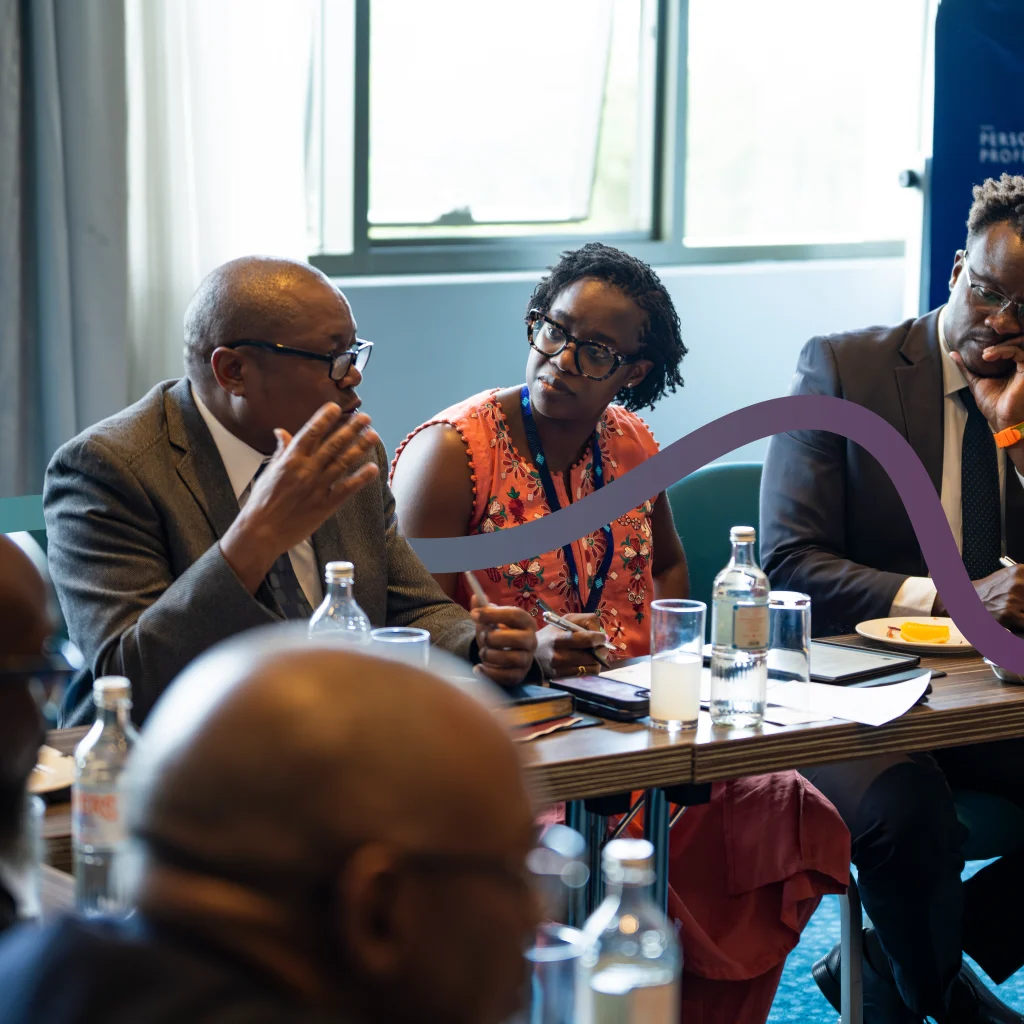
Building Economic Inclusion for Displaced Communities.
Isaac Kwaku Fokuo
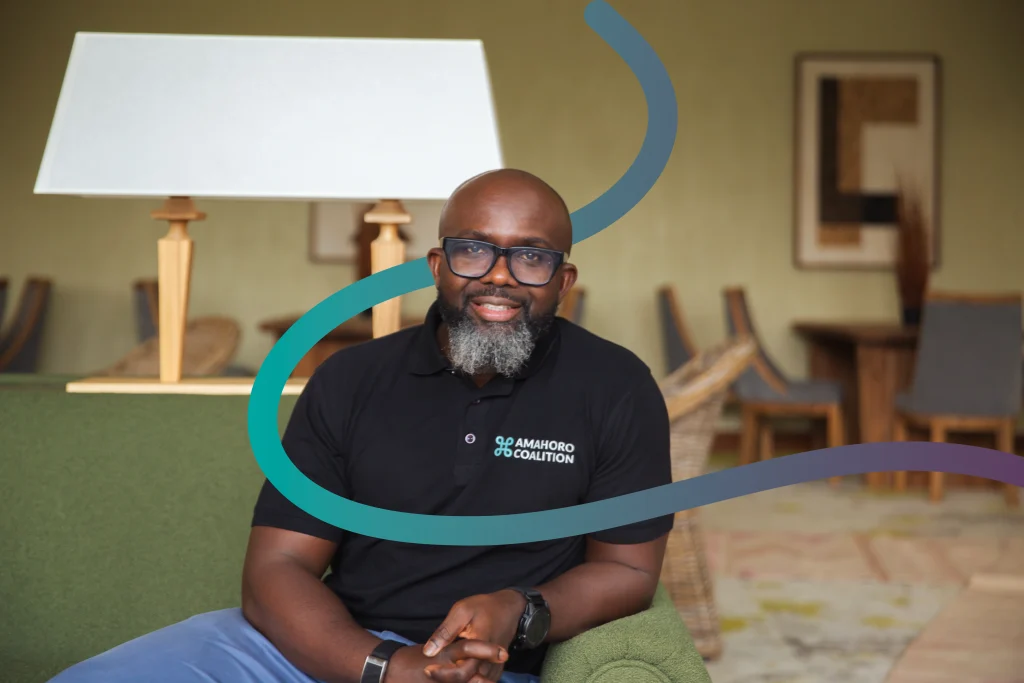
Message from the Curator
Over the past year, I have found myself returning to the same question in different rooms, with different partners and in different countries across Africa. How do we respond to displacement in ways that honour dignity, unlock potential and last? The scale and nature of displacement on the continent continue to challenge traditional humanitarian responses. Crises are lasting longer, needs are growing and fragmented and short-term interventions are no longer enough.
Key Achievements at a Glance
Year in Review
2025 was a landmark year for Amahoro Coalition, marked by unprecedented growth, strategic partnerships, and tangible impact across our programs. Our work reached new heights as we expanded our geographic footprint, deepened our engagement with the private sector, and demonstrated the economic viability of investing in displaced communities.
Private Sector Engagement
Over the course of 2025, Amahoro significantly ramped up its outreach to the private sector. We engaged with over 380 private sector partners with these companies collectively committing over 240,000 jobs and livelihood opportunities for displaced persons across the continent.
Fellowship case studies
Building a Network of Leaders Creating Transformative Change
Client Engagement & Skills Hub
Amahoro launched an online Skills Hub Platform, a real-time channel for connecting job-ready displaced persons to employment opportunities powered by the MIS. The platform focuses on advancing linkages between Client Serving Organizations (RLOs, CBOs, Tertiary Institutions) and the Private Sector who are considered as the main employers.
Learning and Influencing
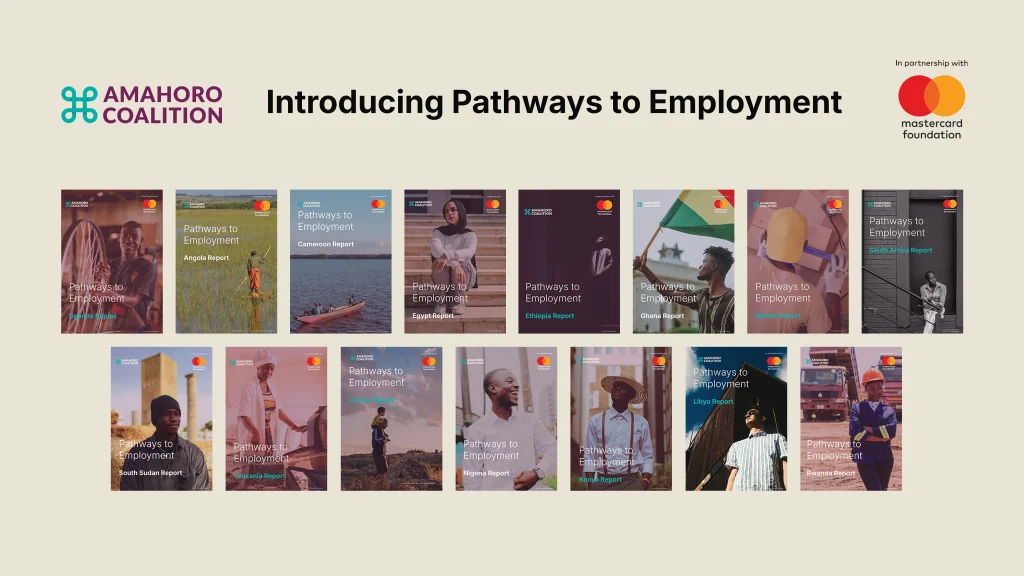
Pathways to Employment Series Launch
To address the gap between policy and practice, Amahoro Coalition, in partnership with the Mastercard Foundation, launched the Pathways to Employment series. This initiative examines refugee employment across 15 African countries, exploring legal frameworks, administrative processes, employer challenges, and ways to strengthen collaboration.
The only report that lays out the step-by-step process for how refugees can access formal employment in 15 countries
Learning and Influencing
Policy Impact: Ghana ID Card Registration Initiative
In Q3, the Coalition mobilized mass Ghana ID card registration for 800 refugee clients in collaboration with the Ghana Refugee Board and the National Identification Authority. This initiative included an extension of the expiry date from the typical one-year duration to five years.
The Ghana ID unlocks critical pathways to economic participation and social protection. With it, refugees can register businesses, open bank accounts, seek formal employment, and access healthcare and education services. This initiative underscores the Coalition’s commitment to bridging policy and practice, ensuring that inclusive frameworks translate into real, accessible services for refugees.
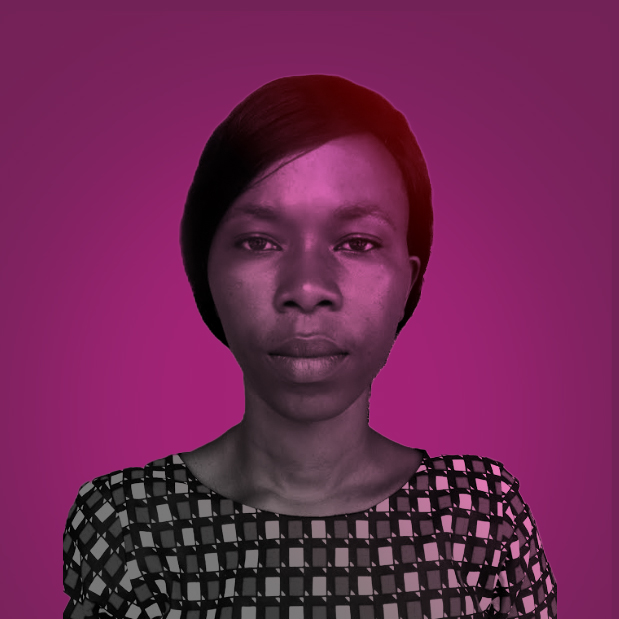
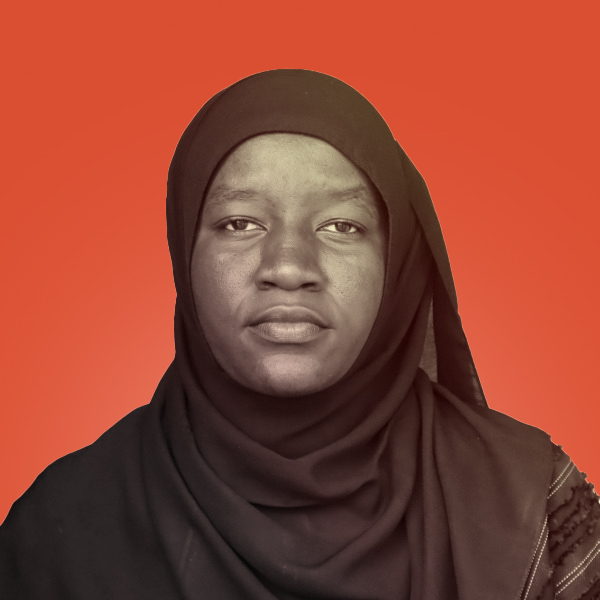
Khaltom Abdallah, born in 1995 in Fanganta, West Darfur, Sudan, is a dedicated leader and community advocate. Separated from family during the 2004 conflict, Abdallah and three siblings made a difficult journey to the Nuba Mountains, eventually arriving at Kakuma Refugee Camp in 2005. Despite growing up without contact with their parents, Abdallah remained committed to education, earning strong academic results and later pursuing a diploma in Social Work from Regis University, followed by a degree in Healthcare Management from Southern New Hampshire University in 2023.
Abdallah has worked with several organizations including Lutheran World Federation, Kenya Red Cross Society, Inkomoko, and Ipsos, supporting new refugee arrivals, family tracing, and socioeconomic research. In 2023, Abdallah co-founded Blossoms of Hope Initiative—an organization focused on empowering women, girls, and youth in displacement. Currently pursuing an MBA in Project Management through the IIE Odyssey Scholarship, Abdallah continues to drive impact through education, research, and community-led initiatives.

Izere Anny Sybile is a refugee youth leader, Communications Specialist, and founder of Her Dreams Count, a refugee-led initiative based in Nakivale Refugee Settlement, Uganda. Drawing from her own experience of displacement and loss, Anny is committed to amplifying the voices of young refugee women and creating safe, empowering spaces for them. Since 2022, she has led Her Dreams Count in supporting over 500 youth through digital skills training, entrepreneurship programs, and mental health peer mentorship via “Girls Talk” sessions. She has collaborated with organizations including the International Labour Organization, UNHCR, and StartHub Africa to connect refugee youth to dignified digital work and raise awareness on gender-based violence. Formerly a Communications Specialist at Kuja Kuja, she supported community feedback systems across Uganda, Kenya, Rwanda, and Somalia. Anny has represented refugee voices at regional forums such as the Transform Africa Summit and the IGAD Stocktaking Meeting, and is a Digital for Development (D4D) Hub fellow.

Dr. Nahla Omer Zayed is a pharmacist, entrepreneur, and impact-driven leader with over nine years of experience in pharmaceuticals, cosmetics innovation, and social entrepreneurship. She is the Founder and CEO of SUKAR Cosmetics, a growing beauty brand rooted in African heritage and committed to producing high-quality, affordable, and culturally relevant products.
Dr. Omer combines deep technical expertise in pharmaceutical technology with a passion for empowering women and advancing ethical trade. She has led international collaborations, secured impact funding—including a USAID-backed project—and expanded SUKAR’s operations into Egypt with an 11-product launch.
A Global MBA graduate in Impact Entrepreneurship from Università Cattolica del Sacro Cuore (Italy), she has represented African entrepreneurs in forums organized by the African Union and has been recognized in multiple global competitions, including the Startup Virtual Pitching Competition (Dubai) and the Global Entrepreneurship Summit (The Hague).
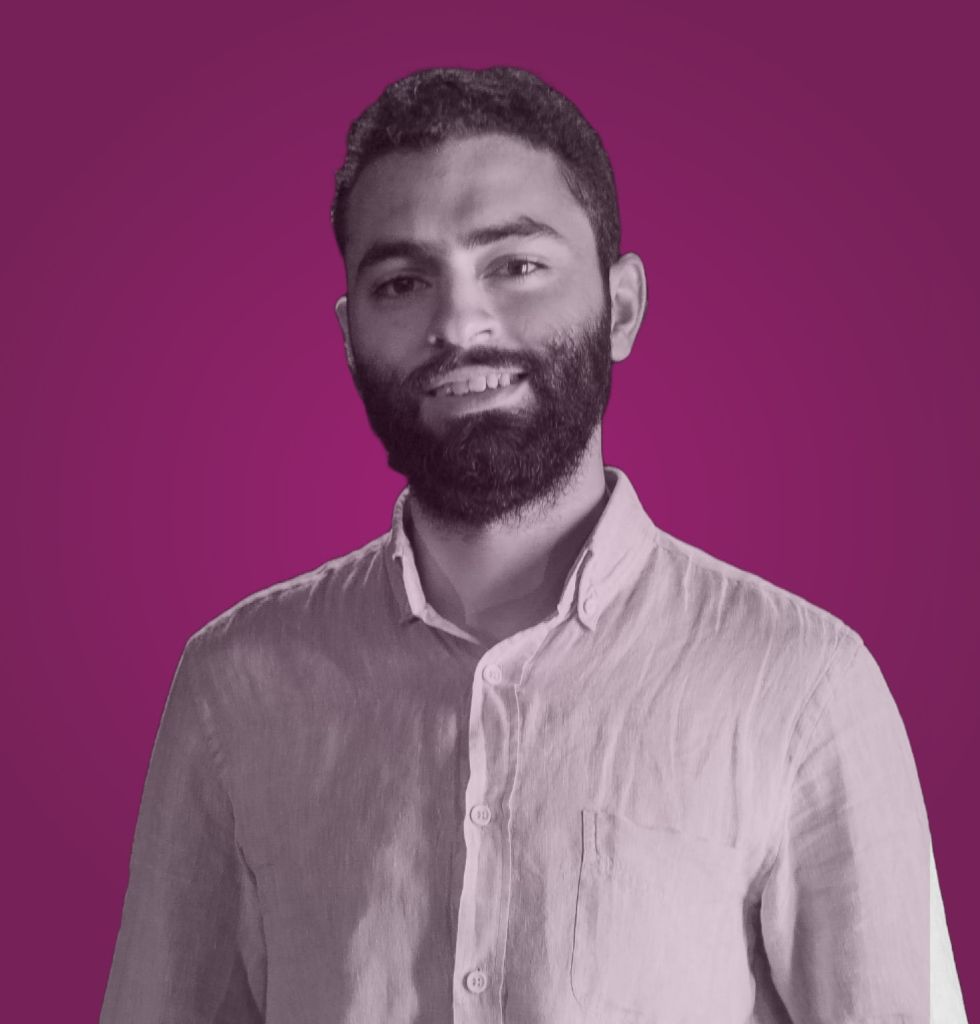
Abo Obaida Alazem is the co-founder of Duma Toys, an Egyptian brand specializing in handmade children’s toys and products, and a proud member of the World Fair Trade Organization (WFTO). Based in Cairo, he is passionate about blending creativity with sustainability to craft unique, high-quality items that spark joy and imagination in kids. His toys are designed to promote play-based learning while supporting local artisans, employing over 350 women spanning around 5 governorates in production units and empowering refugees alongside Egyptian women.
Professionally, Abo Obaida represents Duma in exciting ventures, including partnerships for international market access and events like the Spring Fair in UK and Who’s Next Paris where the brand showcases ethical, artisan-driven designs. On a personal level, he believes in fostering inclusive growth—whether through business or collaboration—to build a brighter future for Egyptian crafts and families. Meeting new people, he enjoys learning about their stories and sharing his own journey.
The Bank of Agriculture (BOA) is Nigeria’s premier Development Finance Institution for agriculture and rural development. Established in 1972, BOA has provided financial services for agricultural value chains for decades.
The recent appointment of its new Managing Director and CEO marks a pivotal point for the Bank. Guided by its vision to be Africa’ foremost development finance institution for the agriculture sector, BOA is pursuing a strategic digital transformation into a modern, technology-enabled, and data-driven institution.
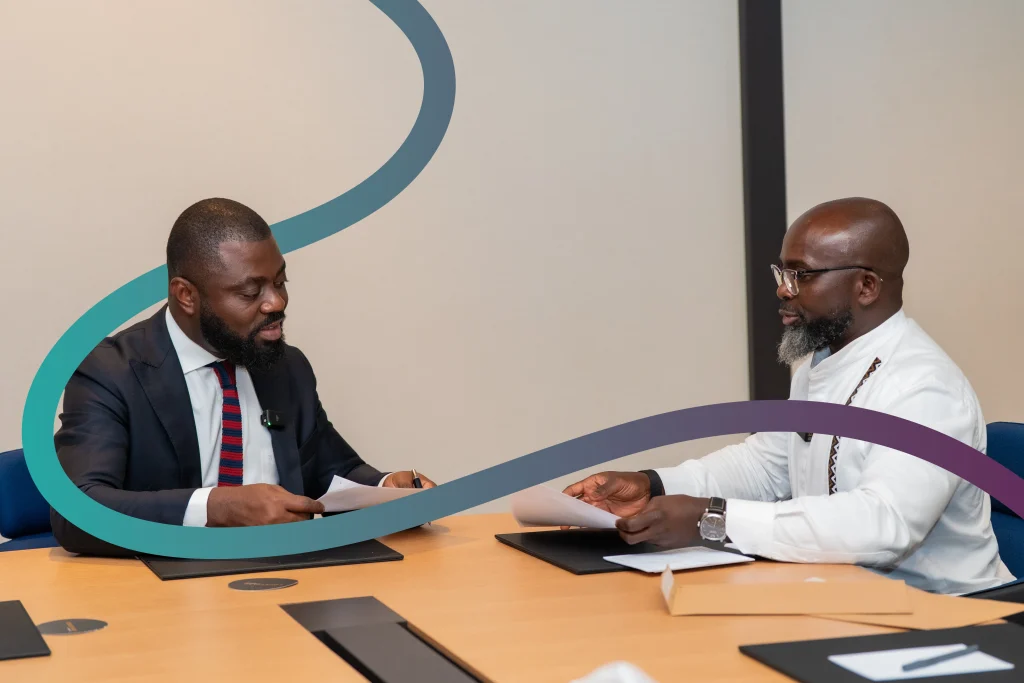
Amahoro Coalition and the Bank of Agriculture (BOA) signed a landmark partnership aimed at creating 200,000 jobs for forcibly displaced persons (FDPs) and their host communities across Nigeria. This partnership establishes a strategic framework to jointly design and implement initiatives that foster job creation, agribusiness growth and rural economic development, directly benefiting up to 200,000 forcibly displaced individuals.
About Sports King
Sports King is a proudly South African company specializing in custom sportswear, school wear, sports equipment, and corporate gifts. All products are locally manufactured in-house, including embroidery, sublimation, and printing.
The company also offers banners, flags, and gazebos, providing a full range of branded solutions for teams, schools, and businesses. Known for its hands-on, personalized service, Sports King caters to orders of all sizes with a strong focus on quality and customer care.
SportsKing proudly partnered with Amahoro and Samaritan Angels to support the Refugee Football Scouting Tournament held in Ghana in August 2025. As part of this impactful collaboration, SportsKing designed and produced 150 high-quality jerseys. The tournament not only showcased incredible talent from displaced youth but also highlighted the power of sport to inspire, unite, and create opportunities for a brighter future.
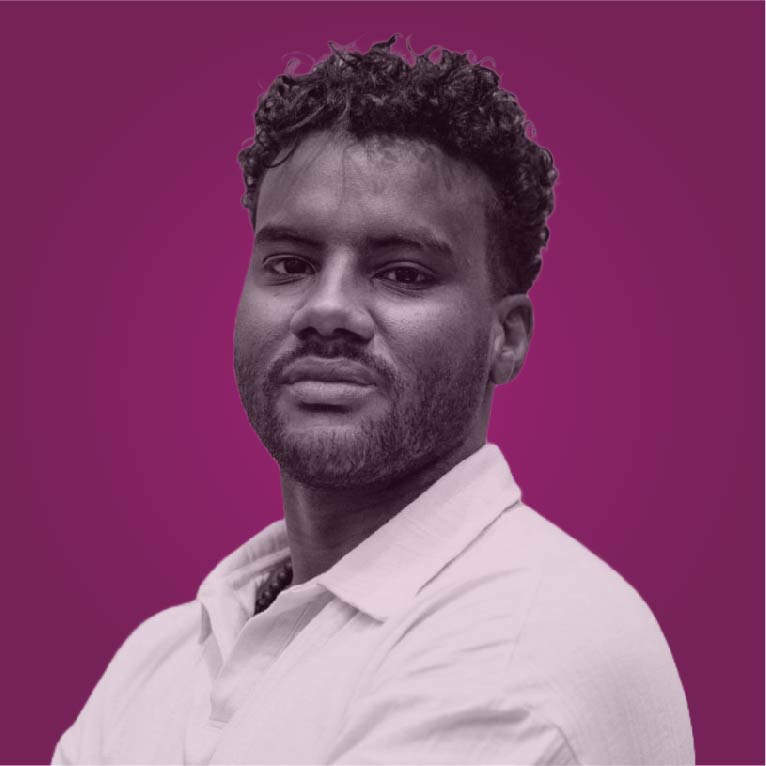
Yousif Yahya is the founder of SAVANNAH Innovation Labs, where he advises, incubates, and accelerates African startups by leveraging his extensive network and experience as a venture partner at African Renaissance Partners, LLC. Driven by a passion for connecting African entrepreneurs with global investors and markets, Yousif is dedicated to creating significant social and economic impact across the continent.
With a background in international relations and affairs, specializing in MENA studies, Yousif possesses the skills and insights to navigate Africa’s complex geopolitical landscape. His work includes published contributions on East African geopolitics, as well as experience in pilot programs and business development initiatives in Sudan. Yousif holds a Venture Capital Certification from UC Berkeley and has completed financial modeling and valuation training from the Investment Banking Institute.
Fluent in Arabic and English, Yousif is committed to supporting Africa’s entrepreneurial ecosystem and fostering cross-continental partnerships that drive innovation and growth. His work at SAVANNAH Innovation Labs reflects his dedication to empowering startups and unlocking opportunities for Africa on the global stage.
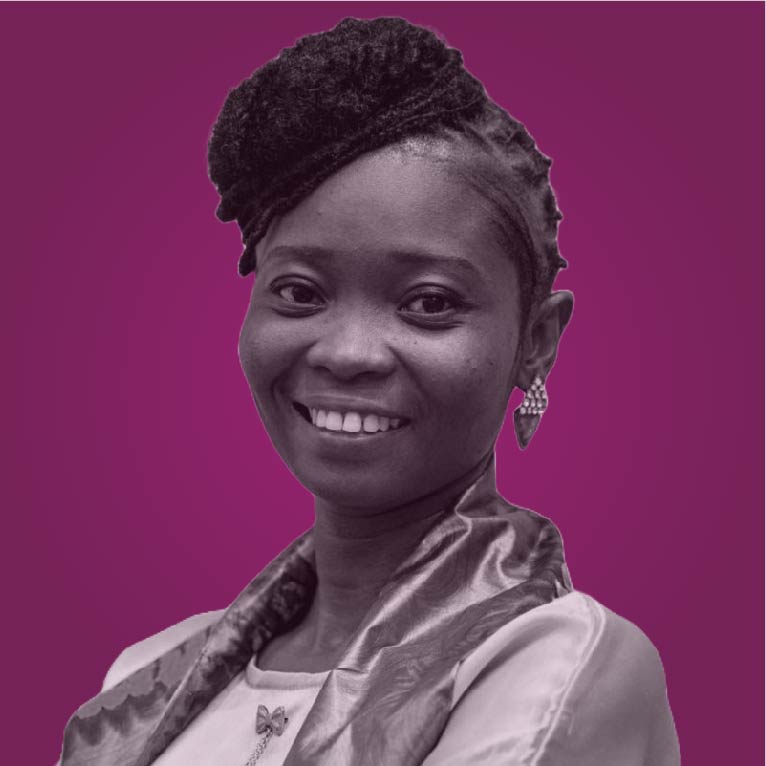
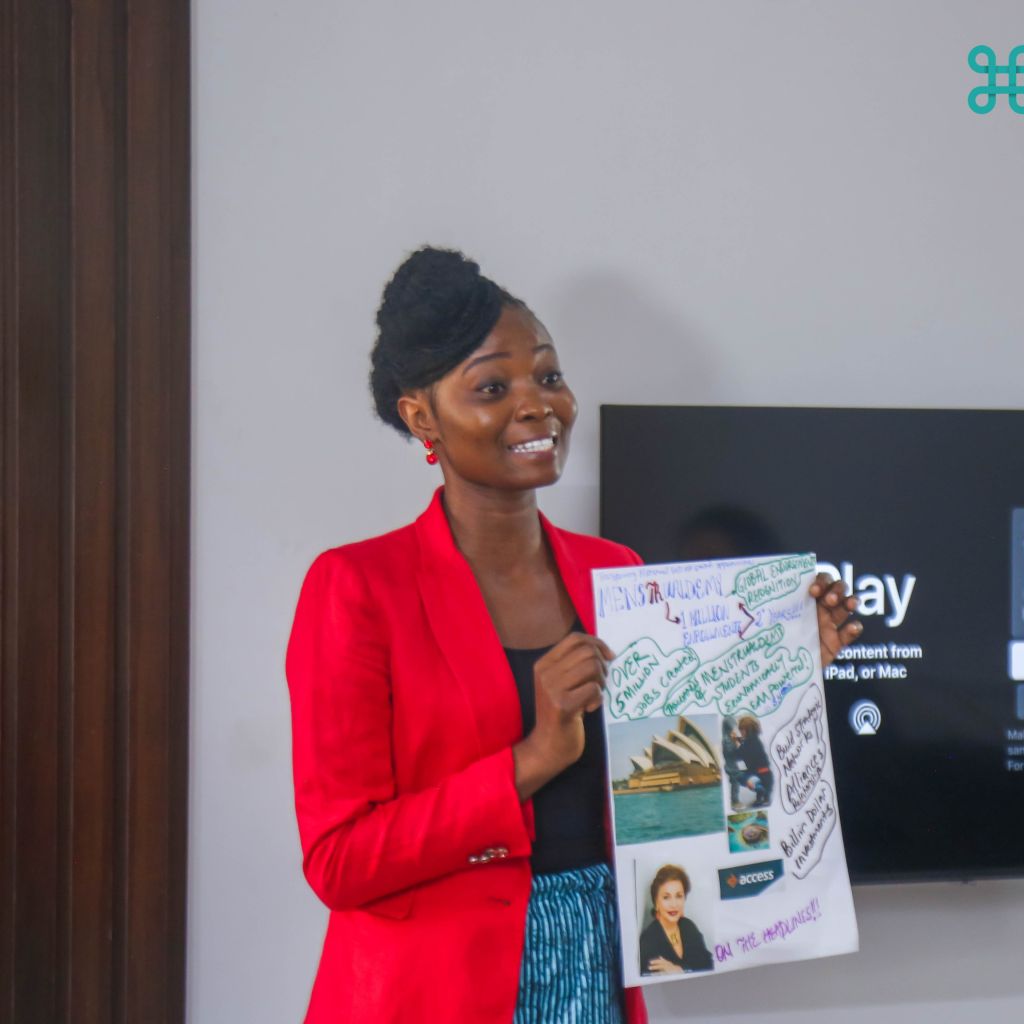
Tracy Yekaghe is a social sustainability strategist and advocate, as well as the co-founder of Sana Pads Limited, a social enterprise focused on promoting sustainable menstrual hygiene and addressing period poverty. Through the production of eco-friendly reusable sanitary pads, Sana Pads provides women and girls with sustainable solutions for managing their menstrual health. Tracy and her team also partner with organizations supporting forcibly displaced women and girls, directly reaching vulnerable communities to improve menstrual health and access to essential products.
As a sociologist with a background in sexual reproductive health and a certified peer education trainer, Tracy is passionate about empowering women and girls with the knowledge they need to manage their menstrual health effectively. Her work extends to advocating for policies that improve access to menstrual hygiene products and education, aiming to create a supportive environment for women and girls to thrive. Tracy’s commitment to social change is reflected in her drive to ensure that menstrual hygiene management is accessible and sustainable for all.
Outside of her professional role, Tracy enjoys reading, engaging in empowering conversations, and traveling. She thrives on connecting with new people, learning continuously, and contributing to economic development, particularly for women and young people across Africa and beyond. Tracy is always eager to collaborate with like-minded individuals and organizations to drive meaningful social change and create lasting impacts in the communities she serves.

Sylvain Himbana is the Founder and Executive Director of SINA Loketa (SINAL), a non-profit organization dedicated to empowering vulnerable refugees and marginalized youth in Uganda. Driven by a strong foundation in social work, including certification from the University of Utah, Sylvain’s journey into social entrepreneurship has been shaped by hands-on experience and education. Over the past three years, he has further refined his skills at the Social Innovation Academy, gaining valuable insights into fostering impactful change within communities.
Inspired by the challenges he witnessed in the Bidi Bidi Refugee Settlement, Sylvain launched the Startup Lab initiative to equip young entrepreneurs with essential skills in business development, sustainable farming, and market research. To date, SINA Loketa has empowered over 240 young individuals, helping them build sustainable livelihoods that promote economic resilience and hope within their communities. His commitment to creating opportunities for marginalized youth has been recognized through numerous accolades, including being named a UNHCR Fellow in 2020, receiving the UNHCR Innovation Award in 2018, and serving as a refugee expert at the Global Refugee Forum (GRF) in Geneva in 2023. In 2023, Sylvain was also honored with the Social Impact Award for his transformative contributions to youth empowerment.
As an active member of the Ashoka Everywhere Academy, Sylvain connects with changemakers worldwide, continually expanding his approach to social entrepreneurship. His vision is to nurture the next generation of leaders and create an inclusive ecosystem where innovation and collaboration flourish, transforming challenges into opportunities for lasting impact. Committed to turning vision into action, Sylvain remains focused on building a future where young people thrive in their entrepreneurial pursuits, fostering resilience and progress within their communities.
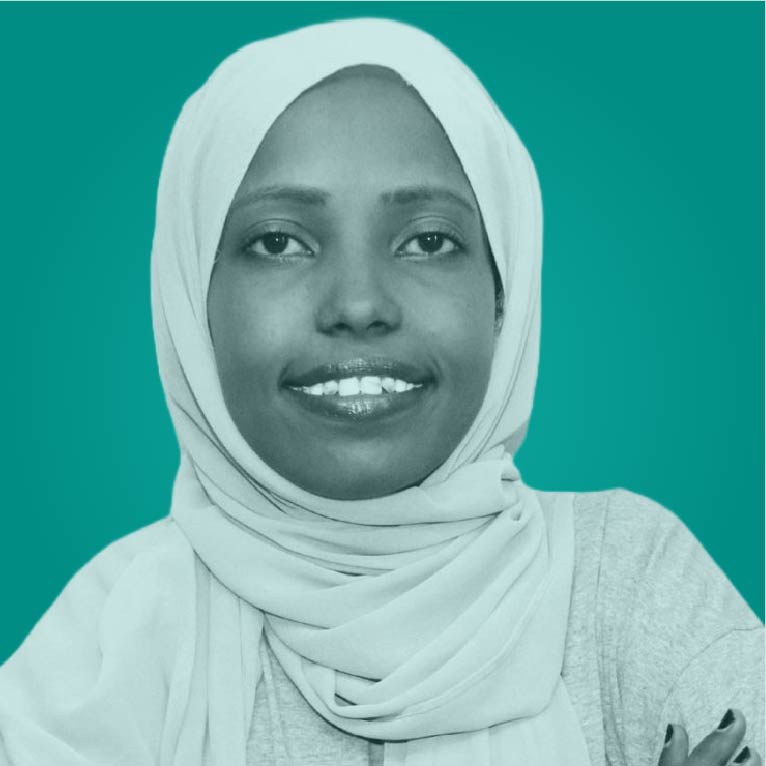
Saido Omar is a Somali refugee and software engineer living in Kakuma Refugee Camp, with a strong dedication to advancing women in tech. Holding a diploma in IT from AkiraChix and certifications in peacebuilding and mediation from the Weinstein International Foundation, Saido’s journey into technology revealed a critical gap in gender representation in Kakuma, where less than 3% of women are involved in tech or hold leadership roles. This realization inspired her to establish TechniKam, an initiative focused on equipping young girls with high-quality STEM education and creating job opportunities for underserved communities, especially women and refugees. Through TechniKam, Saido aims to empower women with software engineering skills, promoting inclusion and career opportunities in tech for women in Kakuma.
Empowering women in STEM is at the heart of Saido’s mission, and she is deeply passionate about closing the gender gap in technology. Driven by a vision of social justice and women’s rights, she also advocates for sports as a force for change, aspiring to establish a basketball academy to support young women athletes. In her work with Build Up Kakuma, Saido has mobilized and mentored over 60 participants, organized community game nights, and led radio listening groups, gaining hands-on facilitation experience and fostering community engagement. Her role involved supporting participants in meeting program goals and assessing impact through data collection.
As a community mobilizer, Saido is also committed to educating young girls on menstrual hygiene, raising awareness about gender-based violence, and providing digital empowerment training. Her dedication to gender equality in STEM, coupled with her advocacy for women in marginalized communities, fuels her goal to create a more inclusive and equal society where technology and education serve as tools for empowerment and social change.
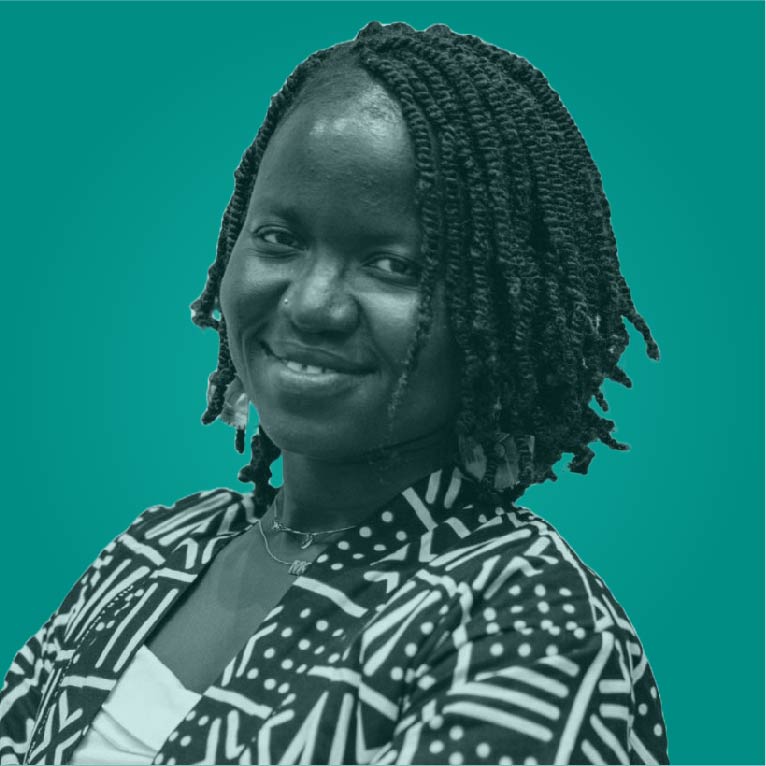
Rita Namurembe Brown is a Ugandan social worker, certified yoga instructor, and passionate advocate for physical and mental wellness based in Kakuma Refugee Camp, Kenya. Having lived in Kakuma since 2000, Rita completed her primary, secondary, and tertiary education within the camp, earning a diploma in Social Work from Regis University and an Associate of Arts degree in Business Administration from the University of Southern New Hampshire. She is now preparing to pursue a bachelor’s degree in Public Administration.
As a 200-hour certified yoga instructor, Rita is dedicated to teaching yoga both online and onsite to individuals, groups, and organizations, delivering impactful yoga practices that support flexibility, physical fitness, stress relief, and active lifestyles. In 2020, she co-founded Easy FitGang, a refugee-led social enterprise in Kakuma that empowers youth by providing skills and opportunities through team-building, sports, fitness, and arts programs. The organization aims to be a bridge to opportunities for young people, fostering self-reliance and promoting holistic wellness.
Rita’s work has been featured in platforms like sportanddev.org, newsvibesofindia.com, the United Nations, and UNHCR. Her journey as a lifelong learner in movement practices, including Power Vinyasa, continues to inform her approach to yoga and wellness. She is passionate about sharing the transformative power of yoga and helping others find balance and resilience through meaningful practices, dedicated to shining light through yoga in her community and beyond.
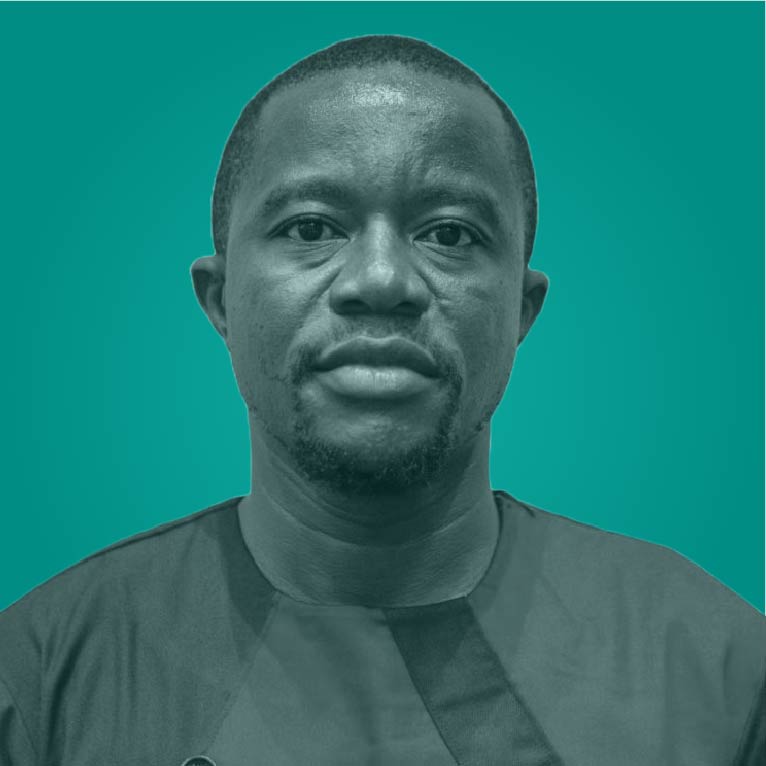
Pascal Bahati is the Founder and Executive Director of Action pour le Progrès, a community-based organization dedicated to empowering refugee communities in Kakuma Refugee Camp, Kenya. Originally from DR Congo, Pascal has extensive experience in qualitative research and is deeply committed to initiatives that foster growth and self-reliance within refugee communities. He serves as a Research Associate at Carleton University within the Local Engagement Refugee Research Network and is the Kakuma Site Coordinator for the Refugee Led Research Hub (RLRH) activities, where he leads research and engagement efforts that support refugees.
Pascal’s background includes work with the Kenya Red Cross Society as a Field Officer and with Jesuit Refugee Service as an IT Assistant. He has also collaborated with Jesuit Worldwide Learning and the Refuge Economies project at Oxford University as a Field Coordinator on a longitudinal quantitative research project. With a Diploma in Social Work and a Bachelor’s Degree in Healthcare Management, Pascal has completed the Refugee Studies Centre Pathways course, further enriching his expertise in the field. His commitment to community empowerment is reflected in his proactive approach to research and service within the camp.
Currently, Pascal has been accepted on a partial scholarship to pursue his Master of Science in Project Management at Northeastern University in Portland, USA. His vision is to continue building community-centered initiatives and research efforts that advance the well-being and development of refugee communities. Driven by a passion for service, Pascal’s work is focused on creating lasting positive impact within Kakuma and beyond.
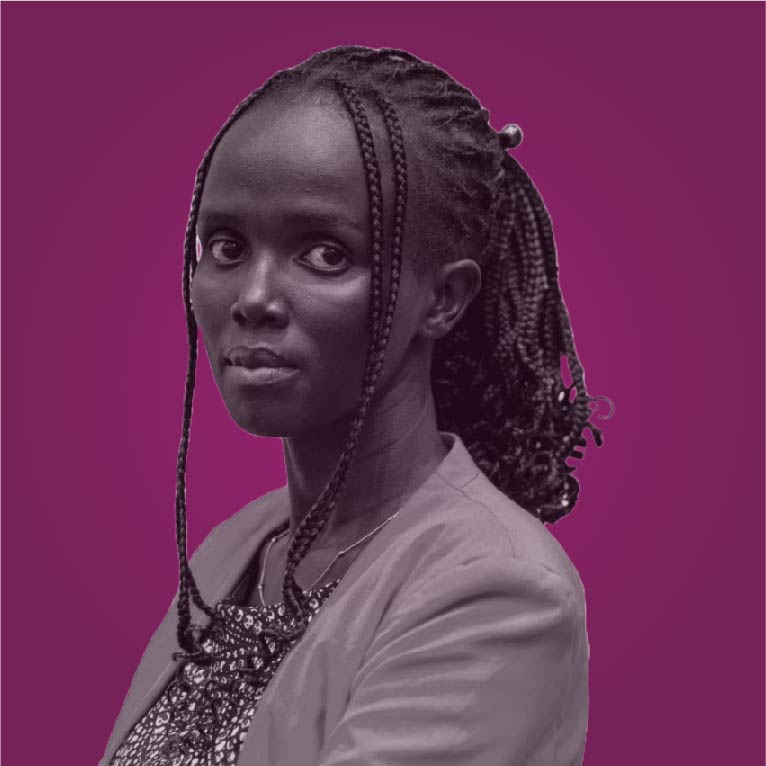
Nyibol Racheal is a dedicated mental health advocate and the founder of Mental Health Family, a nonprofit organization focused on providing essential mental health support to refugee women and young people. Her organization addresses critical issues such as PTSD, depression, and anxiety, particularly among individuals who have experienced forced displacement, sexual violence, and gender-based violence. Nyibol’s work is rooted in her commitment to empowering refugees with the resources and support needed to navigate mental health challenges.
Beyond her advocacy work, Nyibol is a published author and content creator who uses various platforms to raise awareness about mental health. She hosts a YouTube channel, Mental Health with Nyibol, where she engages young people with lived mental health experiences and features experts who offer valuable coping strategies. Through podcasts and documentaries, Nyibol provides education and fosters open conversations about mental health, aiming to break the stigma and create a supportive community.
Nyibol’s passion for mental health advocacy is evident in her multifaceted approach to outreach and education. Her dedication to improving mental health awareness and support within refugee communities drives her mission to create lasting change and provide a voice for those affected by mental health issues.

Niyonzima Diyodon is a Congolese entrepreneur residing in Kyangwali Refugee Settlement, Uganda. He is the Founder and Managing Director of ZONIMA SMC LIMITED, a company dedicated to providing money lending services, financial literacy education, and business scaling support for refugees within the settlement. Through his work, Niyonzima is committed to empowering the refugee community with essential financial skills and opportunities to foster economic self-reliance.
Currently pursuing a Diploma in Accounting and Finance, Niyonzima combines his academic knowledge with his passion for financial empowerment to address the unique challenges faced by refugees in accessing financial resources and education. His vision is to create a more financially knowledgeable community, where individuals have the tools and support needed to build sustainable livelihoods.
Niyonzima’s dedication to promoting financial literacy and business growth among refugees drives his work at ZONIMA SMC LIMITED, where he strives to make a meaningful impact on the lives of those around him. His goal is to continue expanding financial access and knowledge, fostering independence and economic growth within the refugee community.
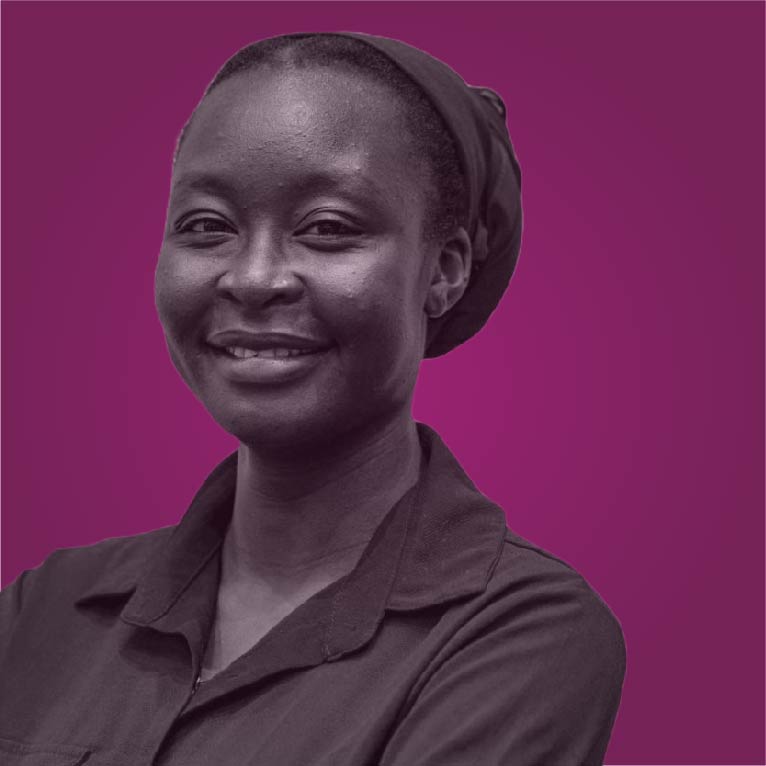
Nira Ismail is a passionate journalist and advocate for refugee rights, currently residing in Kakuma, Kenya. With a deep-rooted interest in media from a young age, Nira pursued her passion by studying communication and media, earning a Diploma from Kenyatta University. She has furthered her expertise through numerous journalistic training programs with DW Akademie, specializing in areas such as gender mainstreaming and conflict-sensitive reporting.
Nira honed her journalism skills as a community reporter at Sikika, a radio project that allowed her to develop a nuanced approach to storytelling. She now serves as the Communication Officer at Resilience Action International, a leading refugee-led organization in Kakuma. Her advocacy work has taken her to prominent forums, including the Adolescent Girls and Young Women 2023 Summit hosted by the She Leads consortium, and the 2024 Global Media Forum, where she represented Sikika and shared insights from the refugee perspective.
Her proudest achievement is founding The Kamp, an initiative dedicated to advocating for refugee rights, amplifying refugee stories, and empowering youth to express themselves through social media. Nira’s commitment to refugee advocacy drives her ambition to be a force for change, using her voice to uplift and empower her community.

Nancy Nyaleso is a visionary social entrepreneur committed to reducing inequalities and ensuring that all women and girls have access to menstrual health products whenever needed. She is the Co-Founder and Executive Director of the Empower HER Initiative (EHI), a Kenya-based organization dedicated to empowering women and girls as agents of social and economic change. Through leadership development, entrepreneurship, business skills training, and targeted programs for women’s empowerment and menstrual health, EHI aims to foster transformative change across communities.
Under Nancy’s guidance, Empower HER has pioneered menstrual equity in Kenya through comprehensive initiatives, including the local manufacturing of period products, menstrual health education, and the launch of the groundbreaking Menstrual Health e-wallet, “Dignify.” As the first tool of its kind globally, Dignify allows menstruators to access their preferred period products conveniently. Through this innovation, Empower HER has distributed over 12,073 period products to women and girls from low-income backgrounds, providing flexible payment options starting at just 0.05 USD per day, redeemable via payment-enabled bracelets or smart cards. Nancy’s leadership has also driven job creation at Empower HER’s production facilities and throughout its supply chain, fostering partnerships with vendors, menstrual health educators, and sales professionals.
Nancy holds a Bachelor of Science in Global Health and is currently pursuing a Master of Science in International Development at the University of Edinburgh. Her contributions to menstrual equity and women’s empowerment have earned her numerous international and local accolades, recognizing her dedication to creating a world where every woman and girl can access the resources and opportunities they need to thrive.

Munguzo Jean is a social innovator and advocate for education and IT improvement for refugees, currently residing in the Nakivale Refugee Settlement in Uganda. He is the co-founder of ConnectRefugee, a mobile app that connects refugees with vital information on services and opportunities, inspired by his own journey from the Democratic Republic of the Congo seven years ago.
In addition to his work with ConnectRefugee, Jean is a trainer with Full-Circle Learning Uganda, a nonprofit that empowers youth to become leaders and problem-solvers. He facilitates teacher training, global learning exchanges, and provides school project grants, scholarships, and crisis aid. Jean also mentors refugees and host communities in online gig work, helping them secure jobs and build skills for economic self-reliance.
Driven by innovation, Jean is committed to using technology and education to create meaningful change and improve lives in his community and beyond.
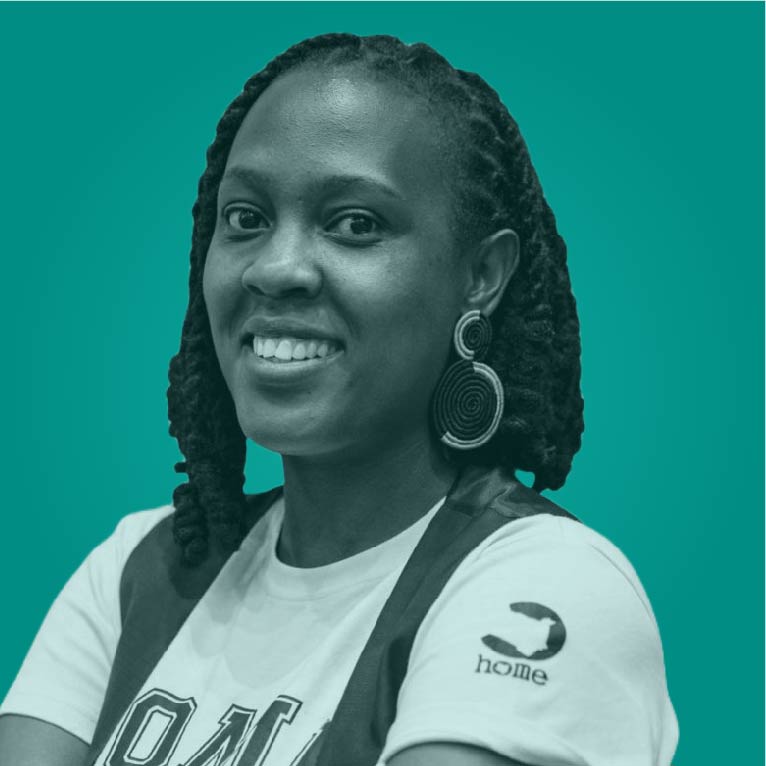
Liliane Ingabire is a Rwandan social entrepreneur and creative residing in Kenya, with a strong background in international studies and diplomacy, specializing in international security studies. Passionate about refugee empowerment, social change, and community engagement, Liliane has four years of experience working with community-based organizations (CBOs) to help refugees access primary and secondary education, as well as essential skills in computers and English language. After completing her college studies, she furthered her dedication to refugee advocacy by working as a project coordinator in research and academia, supporting consultancies and conducting research on refugees in Eastern Africa.
Liliane is also the founder of NEZEZA, a social enterprise that combines her love for creativity with her commitment to social impact. NEZEZA is dedicated to empowering creative women within refugee communities by providing opportunities in decor and attire design, offering a platform for economic independence and skill development. Through NEZEZA, Liliane provides employment opportunities and empowers women to build valuable skills, fostering their integration into new communities while celebrating craftsmanship.
Believing deeply in the transformative power of creativity, Liliane aims to support sustainable, high-quality artistry that contributes to both personal and economic growth. Her work through NEZEZA is focused on nurturing talent and promoting independence among women, making a lasting impact within the refugee community and beyond.
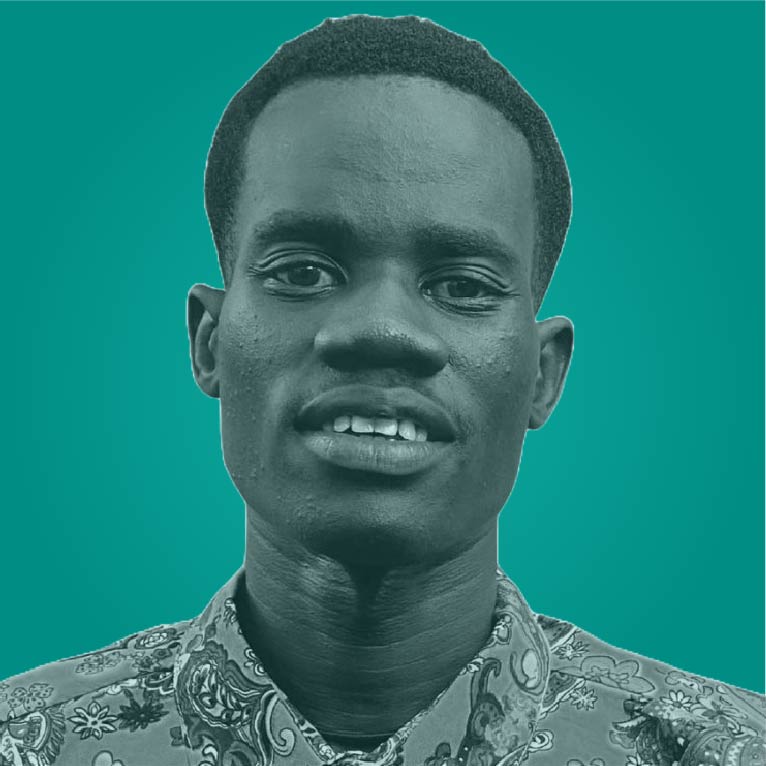
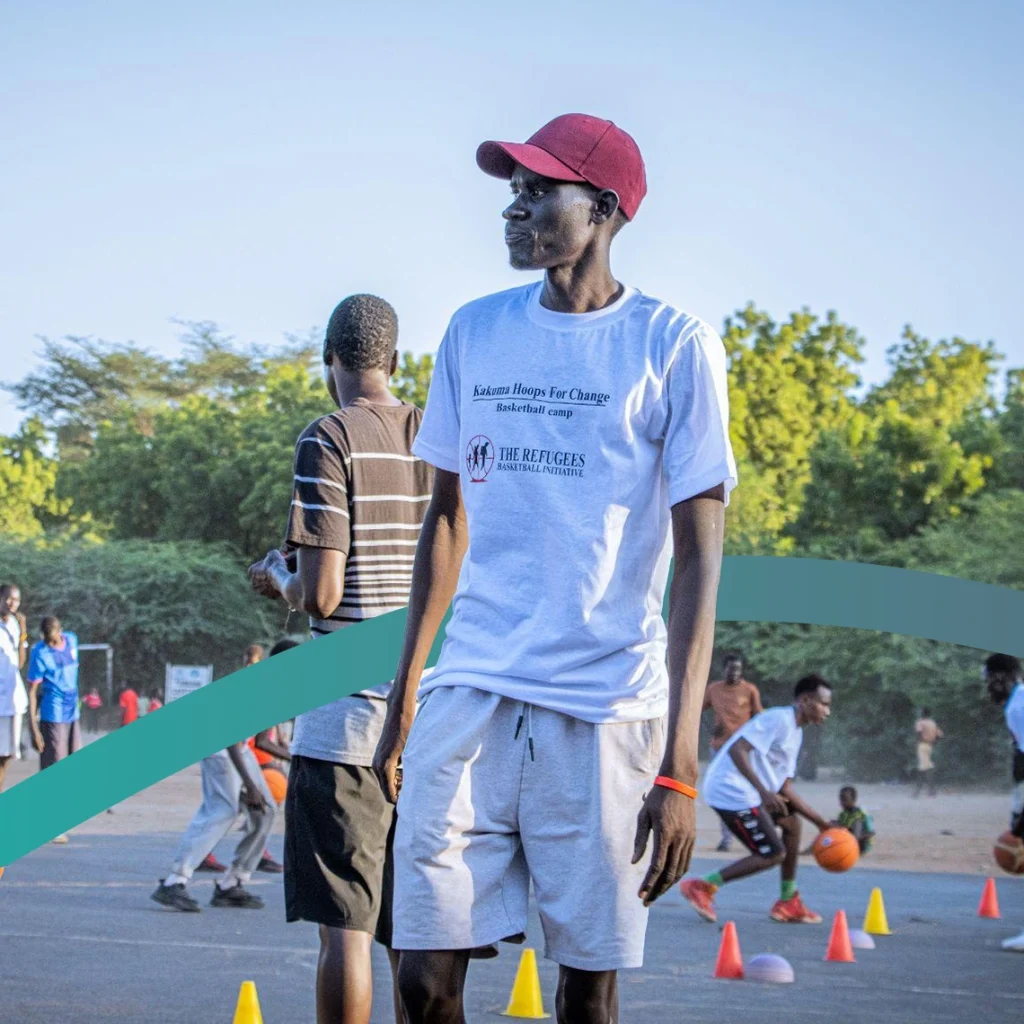
Lich Gatkoi Puok is a South Sudanese refugee and advocate for youth and refugee empowerment through sports and technology, currently living in Kakuma Refugee Camp. With a background in computer science and expertise in web development, graphic design, and software engineering, Lich graduated with first-class honors in ICT and computer operations. He currently works as a community reporter for Sikika, a DW project, where he uses journalism to amplify voices within his community.
As the founder of the Global Refugee Basketball Initiative, an unregistered community-based organization, Lich leverages basketball as a tool for social change and empowerment, helping young people build confidence and community through sports. He also coordinates the Kakuma Reading Society, a project focused on providing novels and books to youth in the camp, fostering a love for reading and learning. Additionally, Lich serves as the marketing manager for Kakuma Blogging, a social media platform created to give youth a space to share their stories and experiences.
Driven by a passion for sports as a catalyst for change and a belief in technology’s transformative power, Lich is committed to developing sports programs that promote and showcase the talents of young people. His vision is to inspire his community through education, sports, and storytelling, creating opportunities for youth to thrive and contribute to societal growth.
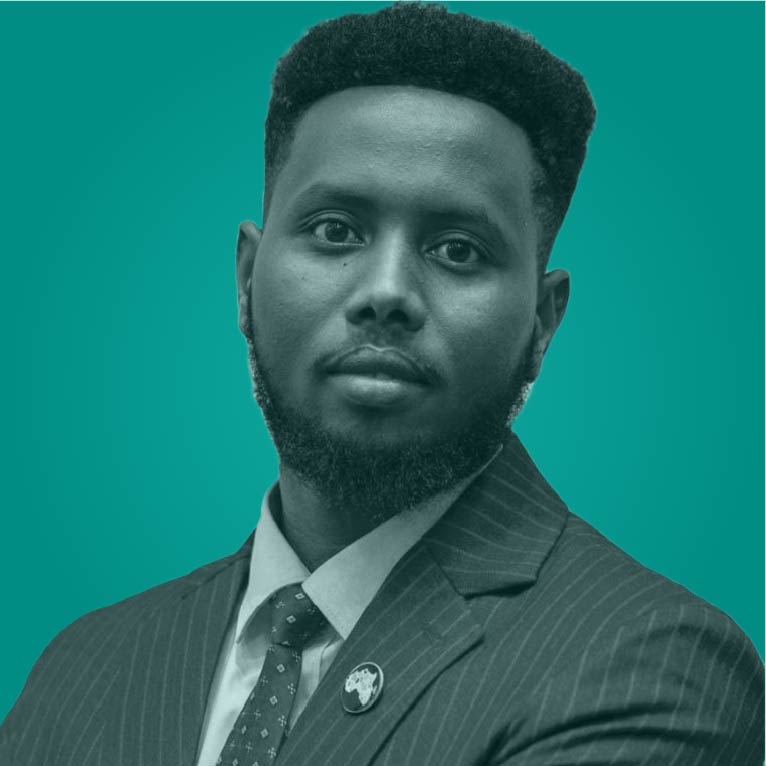
Ismail Hussein Ismail, also known as Ismail Saxafi, is a community development and humanitarian professional with over six years of experience in refugee advocacy, mental health counseling, and youth leadership. As Team Leader of the Aider Refugee Initiative, Ismail is dedicated to providing refugees with reliable and accurate information to empower them to make informed decisions. His background includes key roles such as Moderator on the IRC Uganda’s Rule of Law Signpost Project and Tracing Assistant for the International Committee of the Red Cross, where he successfully reconnected over 355 individuals with their families around the world.
Ismail’s leadership journey began in 2017 when he founded the Aider Refugee Initiative to address the critical need for accessible information among refugee communities. Since then, he has served in various leadership roles, including Team Leader for Refugee Youth Volunteers in Uganda and as an African Union Youth Sub Ambassador. These roles have solidified his commitment to social justice, refugee rights, and youth empowerment, allowing him to lead impactful initiatives that support and uplift vulnerable communities.
Currently pursuing a Master’s in Project Planning and Management at Kampala International University, Ismail holds a Bachelor’s degree in Peace Studies and Conflict Resolution from the Islamic Call University in Uganda. He has also completed several certifications, including in Migration Law (UCLouvain), Quantitative and Qualitative Research (National University of Singapore), Project Management (University System of Maryland), and International Refugee Studies (Oxford University Refugee Studies Centre).

Grace Victoire Bogui is an Ivorian refugee based in Ghana and the CEO of Attieke Love, a restaurant and kitchen business dedicated to bringing authentic African cuisine to the community. With a strong background in law and community service, Grace has held diverse roles, including as a court clerk for Ghana’s judicial service, a life planner at Enterprise Life Insurance Company, a French teacher at Sunnyside International School, and an intern at the law firm Maccarthy and Associates. As an AMAHORO Fellow, she continues to combine her legal knowledge and entrepreneurial spirit to uplift her community and advocate for refugee rights.
Grace’s leadership journey includes serving as Vice President of DAFI Scholarship Scholars (2021-2022), where she contributed to the Albert Einstein scholarship program supporting refugees. She has also held the role of legal secretary and treasurer for the Wisconsin International Students Association and is an executive member of the New Breed Association. Her dedication to her community extends to her volunteer work with the UNHCR and the Christian Council, where she actively participates in donation drives for refugees and students in camps.
Holding an LLB in Human Rights Law from Wisconsin International University College and a Baccalaureate in French from Saint Pierre Claver, Grace is passionate about advocating for the rights of women and children. Her goal is to expand Attieke Love to create employment opportunities for refugees in Ghana and beyond, with a vision to support young refugee girls in achieving self-sufficiency and breaking cycles of vulnerability. With over four years of experience in both her business and community service, she is determined to reduce unemployment among young refugees and empower them with opportunities for a brighter future. Connect with Grace to learn more about her inspiring journey and mission.

Grace, is a social entrepreneur from Nigeria who transformed her experiences into a force for good. Forced to flee her community, Kogi State where she hails from due to devastating attacks by herdsmen, she turned her challenges into opportunities. With a degree in Chemical Engineering from the Federal University of Technology, Minna, Grace transitioned from unemployment to empowerment by founding Engee Collection in 2019.
Engee Collection provides entrepreneurial education and skills training to young Nigerians, youths, girls and women in underserved communities, focusing on pastry making, sewing, and manufacturing. Today, our startup has a strong foundation, dedicated team, and loyal customer base, serving over 500 customers. Grace has empowered over 200 young Nigerians through her programs, supporting 5 young people with basic and free startup tools to launch their businesses.
With a mission to scale up and align with the United Nations’ Sustainable Development Goals (SDGs), Grace is dedicated to creating jobs, stimulating economic growth, and promoting gender equality in Nigeria. Her determination and impact make her a true leader in social entrepreneurship.
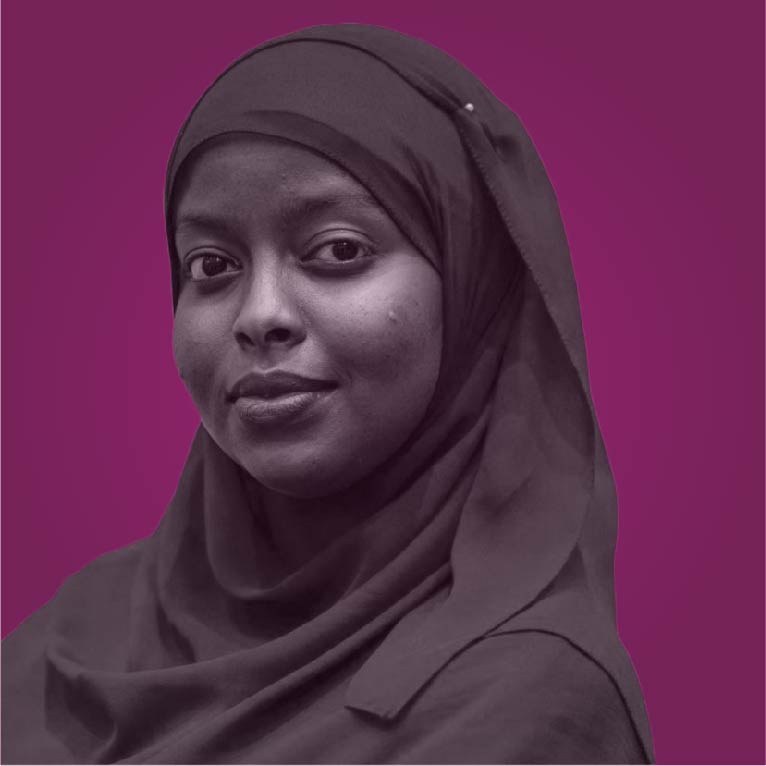
Fatha Mohamed is a student at the United States International University-Africa, pursuing a Bachelor of Science in International Business Administration as a Mastercard Foundation scholar. Passionate about topics like international development, the importance of education, and refugee-inclusive policies, Fatha is dedicated to using her platform to drive meaningful change. Her commitment to leadership and community service is reflected in her role as Vice President of the Mastercard Foundation Scholar Council at USIU-Africa and as Deputy President during her high school years.
Fatha is the co-founder of the Communal Responses Initiative, where Dadaab scholars at USIU-Africa come together annually to fundraise and support development efforts in Dadaab, leveraging their skills and networks to make a positive impact. Her professional experience includes working as an incentive teacher at Hagadera High School and interning with the World University Service of Canada (WUSC), where she supports the DREEM project. These roles have honed her skills in project management, stakeholder coordination, and community engagement.
Outside of her academic and professional pursuits, Fatha enjoys writing poetry, traveling, sports, reading, and volunteering. She is fluent in Somali, English, and Swahili, with proficiency in Arabic, and her diverse experiences have equipped her with strong leadership, organizational, and problem-solving abilities. Fatha is committed to creating a positive impact in her community and contributing to a future that supports education, inclusion, and development.

Esther Kitumaini is the co-founder and operations lead of the Book Drive Store, a comprehensive literacy company dedicated to cultivating a love for reading in children from as young as two years old. A passionate advocate for quality education, Esther believes in the transformative power of early learning and is committed to making educational resources accessible to children regardless of their background. With over five years of experience as a certified Montessori teacher, she focuses on fostering curiosity and a lifelong love for reading in young minds.
Through the Book Drive Store, Esther collaborates with partners like UNICEF Uganda to promote access to 21st-century skills for youth, especially among refugee communities. Her work emphasizes critical thinking, problem-solving, and self-confidence, equipping young people with essential skills for the future. Recently selected as part of the Amahoro Fellowship Program for 2024, Esther’s dedication to her mission continues to grow as she leverages new opportunities to drive positive change in her community.
Esther’s commitment to education is fueled by her vision of a brighter future, where every child has the opportunity to learn, grow, and succeed. She is driven by a deep belief in the power of education to uplift communities and empower the next generation with the tools they need to thrive.
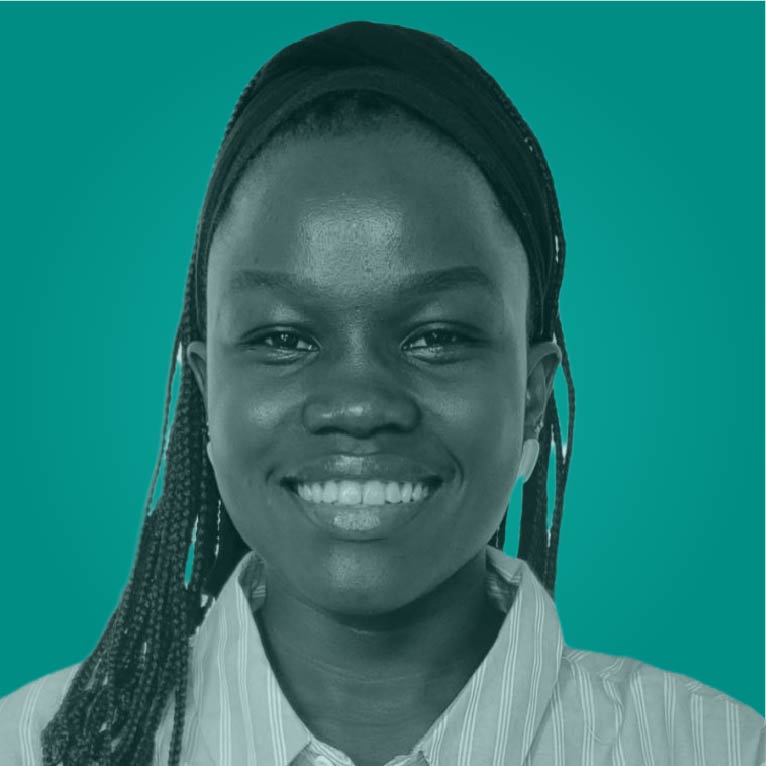
Drucilla Adah is a dedicated advocate for education and youth empowerment in South Sudan. She is the co-founder of Gift Boys and the founder of Read South Sudan, initiatives that focus on mentoring young people and fostering a strong reading culture within South Sudanese communities. Through these programs, Drucilla is committed to providing young people with opportunities to develop critical skills and a love for learning, aiming to uplift and empower the next generation.
Currently an International Relations student at the United States International University-Africa, Drucilla is studying under the Mastercard Foundation Scholars Program. Her academic journey complements her commitment to creating impactful change, equipping her with the skills and knowledge needed to drive educational and social transformation in South Sudan.
Passionate about service and community, Drucilla is dedicated to reshaping the education landscape for young people in her home country. Her vision is to build a future where South Sudanese youth are equipped with the resources and support needed to pursue their aspirations, develop their potential, and contribute meaningfully to their communities.

Didier Maliki is a Congolese refugee and social entrepreneur based in Kampala, Uganda, where he leads several impactful initiatives, including Stand For Talent, GreenSpace Recycling Impact, and the Talent Innovation Academy. Having faced numerous challenges as a young refugee since 2015, Didier’s journey has shaped his commitment to creating opportunities for others. His early experiences in Uganda—starting with a teaching job in Kyaka 2 settlement that paid only 50,000 Uganda shillings per month—inspired him to start language programs, helping young people learn French and English. His efforts have led many youths to secure scholarships to Canada through SRP.
In 2023, Didier founded Stand For Talent to address the high unemployment rate among young refugees and host community members, recognizing the incredible talents that were going unnoticed. Stand For Talent provides a platform for these young individuals to showcase their abilities, though challenges like securing venues and fair compensation have made the journey difficult. Motivated by environmental concerns in his community, Didier also established GreenSpace Recycling Impact, an initiative focused on turning plastic waste into sustainable products like plastic timber and tarps. Through GreenSpace, he empowers youth to take action on climate change and promotes eco-friendly practices within his community.
With a high school diploma in Petrochemistry, Didier uses technology and social media to spread his message, raising awareness on environmental issues and advocating for sustainable practices. His goal is to inspire his community to join him in building a cleaner, greener future for the next generation, combining talent promotion with environmental stewardship to create lasting, positive change.

Conzana Cornelius Mangati is a Sudanese national who has lived in Kenya for over two decades and is deeply committed to empowering young women and girls. Driven by this passion, she founded the Saidia Community Initiative, an organization dedicated to equipping young women and girls with essential knowledge and skills for personal well-being and economic sustainability. Through Saidia, Conzana works to create pathways for women and girls to achieve self-reliance and positively impact their communities.
Currently, Conzana is pursuing a Bachelor’s degree in Entrepreneurial Leadership with a focus on investment at African Leadership University in Rwanda, a journey that has enriched his understanding of innovative leadership and sustainable development practices. He also holds a diploma in Business Administration from Masinde Muliro University of Science and Technology, which has provided him with a solid foundation in business principles. In addition to his academic pursuits, Conzana is an alumnus of the Young African Leaders Initiative (YALI) Business and Entrepreneurship track, Cohort 54, and serves as a Youth Activities Coordinator for UNHCR in Kakuma, Kenya.
Conzana’s mission is to leverage resources and create opportunities that enable young women and girls to thrive economically. By focusing on practical skills and knowledge, she aims to foster a generation of empowered, self-sufficient women who can contribute meaningfully to their communities and beyond.
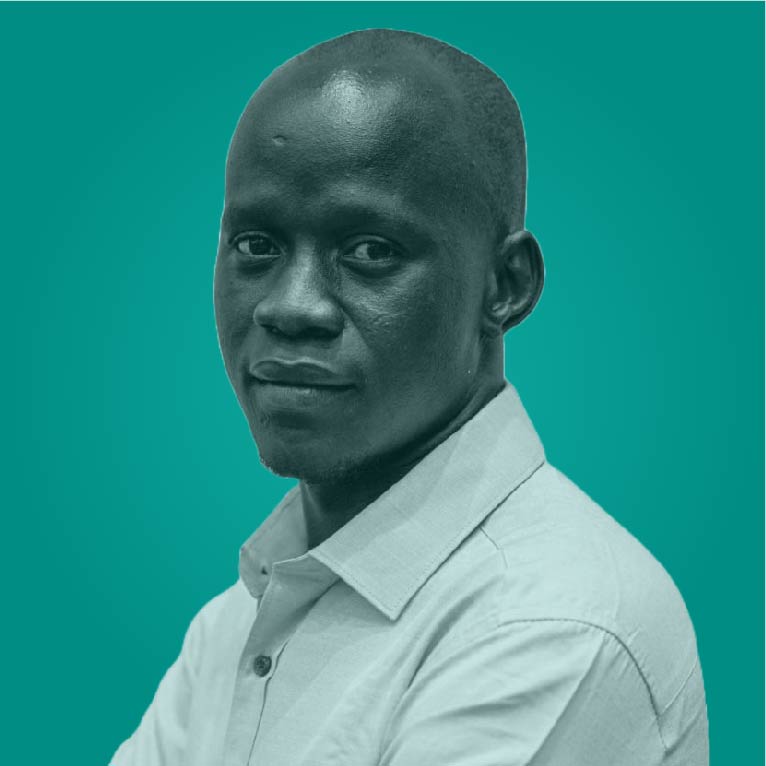
Chanwat James is the Chairperson of Kiryandongo Video Advocate (KVA), a community-based organization in Uganda dedicated to driving social change through video advocacy within the Kiryandongo Refugee Settlement and the surrounding host community. Under Chanwat’s leadership, KVA conducts film screenings and produces advocacy videos that address pressing community issues. The organization is currently empowering refugees and host community members through training programs in four trades: liquid soap production, tailoring, hairdressing, and catering, aimed at enhancing local entrepreneurial skills and fostering self-reliance.
A passionate filmmaker, Chanwat coordinates KVA’s activities in partnership with STEPS, a South African organization that trained KVA in using film as a tool for social impact. Through his work, he combines storytelling and advocacy to highlight challenges faced by his community and inspire meaningful change. His dedication to community upliftment extends beyond his role in KVA, as he is actively involved in local business as a mobile money service provider and owner of an electrical shop in Bweyale town council.
With a deep-rooted passion for electrical work, Chanwat has been performing electrical installations in his community since 2015, using his skills to support local needs and promote safety. His commitment to both social advocacy and economic empowerment underscores his vision of a community where refugees and local residents can thrive, equipped with the tools and knowledge to build sustainable livelihoods.
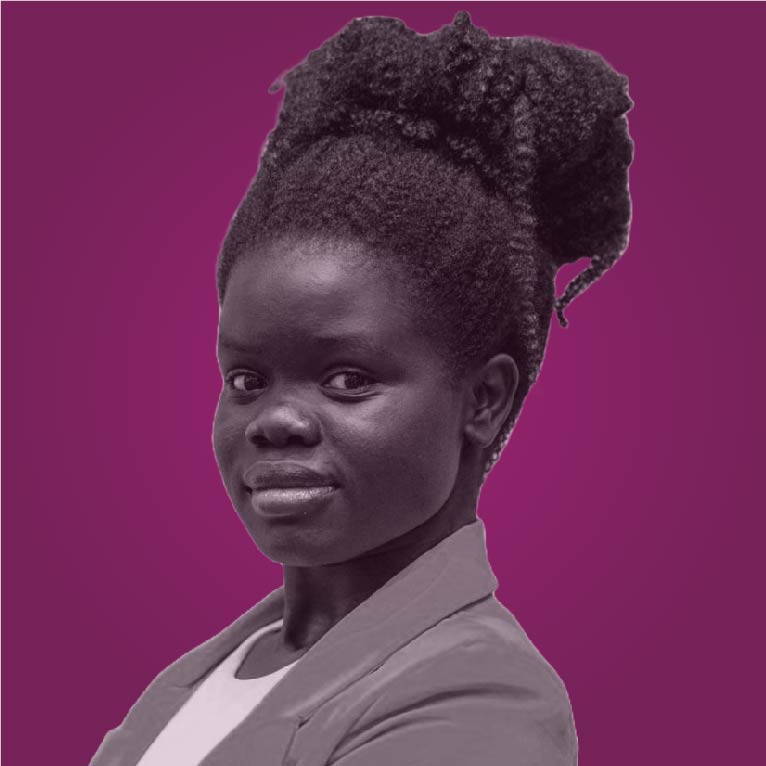
Catherine Isaiah is a South Sudanese entrepreneur based in Uganda and the founder of Black Girl Magic Naturals, a business dedicated to producing organic hair and skincare products that empower African women to embrace their heritage. Inspired by her admiration for natural African hair and aware of the harmful effects of chemicals and synthetic products, Catherine launched Black Girl Magic Naturals to provide chemical-free, plant-based alternatives that help African women maintain their natural hair health. Since its inception in 2021, the business has inspired thousands of women across Africa and globally to embrace their natural beauty, boosting confidence and self-esteem through quality products and an engaging social media presence.
Through Black Girl Magic Naturals, Catherine is not only fostering cultural pride but also empowering young African women by offering training programs in entrepreneurship and encouraging them to launch their own ventures. The business currently employs nine people from both refugee and host communities, contributing to economic development in her area. With a substantial social media following—150,000 followers on Facebook, 112,000 on TikTok, and over 4,000 YouTube subscribers—Black Girl Magic Naturals has become a platform for raising awareness on the importance of preserving African heritage. The company exports to over 10 countries, including Canada, the U.S., Australia, Norway, Dubai, and Germany.
Supported by seed funding and training from organizations like African Youth Action Network, the Stanford Entrepreneurship Program, NSSF Hi-Innovators, Jobtech, and more, Catherine is focused on expanding the positive impact of Black Girl Magic Naturals. Her goal is to continue empowering African women to celebrate their heritage while promoting entrepreneurship and economic growth across the continent, creating job opportunities and fostering cultural pride in her community.

Byaombe Lumona is a Congolese social justice advocate, currently residing in Kakuma Refugee Camp, Kenya. As the Co-Founder and Program Manager of the Program for Defying Violence Against Women (PRODEVIOW), Byaombe is dedicated to empowering women and girls in the community. His work focuses on providing training in dressmaking, tailoring, and financial literacy, equipping participants with essential skills to foster self-reliance and financial independence.
With a background in journalism and program coordination, Byaombe has contributed to initiatives with the Kakuma Kalobeyei Refugee Initiative Network (KKRIN) and the YALI Regional Leadership Centre EA program. His commitment to social justice and advancing opportunities for women has led him to successfully train over 75 women in financial literacy and 15 young women in tailoring, helping to build their confidence and economic resilience. His leadership in PRODEVIOW is marked by a strong drive to create meaningful change and provide vulnerable groups with tools for sustainable empowerment.
Byaombe holds a diploma in education sciences and an Amala Global Secondary Education Diploma, enhancing his skills in project management and collaboration with humanitarian partners. Always eager to learn and grow, he seeks to connect with mentors who share his commitment to refugee empowerment and sustainable social change, believing that continuous learning and networking are essential to driving long-term impact within his community.
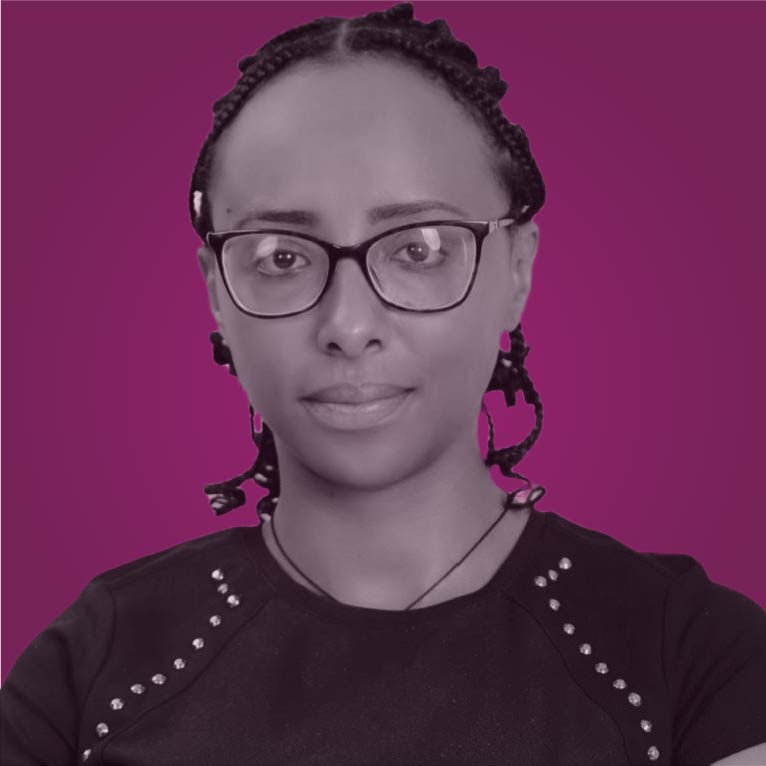
Beza Yemisrach Firdu is an Ethiopian refugee and social development advocate based in Cape Town, South Africa. She is currently pursuing her Master’s degree at the Institute of Social Development at the University of the Western Cape, where her research focuses on the challenges faced by social entrepreneurs in promoting social progress. Driven by her commitment to empowering fellow refugees, Beza founded Refugee Empowerment Services in 2023, an initiative that assists Ethiopian refugees in South Africa with securing housing, employment, and educational opportunities, enabling them to become self-reliant and independent.
Through Refugee Empowerment Services, Beza works to connect refugees with essential resources and information for their success, fostering a supportive community where individuals can build their paths to independence. She leads with compassion and kindness, creating a safe space for refugees to seek assistance and build connections. Her approach emphasizes trust, as she listens and offers personalized support to each individual. To enhance the reach of her initiative, Beza also collaborates with local community groups and businesses, broadening the network of support available to refugees.
Looking to the future, Beza envisions expanding her initiative by establishing a community center where refugees can gather, exchange information, and access vocational and language training. Her vision includes offering temporary housing solutions to help refugees transition as they integrate into society. Beza’s dedication to creating opportunities for refugees is grounded in her belief in community empowerment and the transformative power of accessible resources and compassionate support.

Beti Mekonen is an International Law student at the University of Pretoria, dedicated to empowering refugees and underserved communities through education and legal advocacy. Originally from Ethiopia, Beti moved to South Africa at the age of ten, and her personal experiences have fueled a deep commitment to supporting those who face the challenges of displacement.
In addition to her studies, Beti is the founder of Pathways to Success Learning Center, an aftercare and tutoring initiative that provides academic support and life skills mentorship to refugee and underserved youth. Through personalized tutoring, homework assistance, and language integration programs, the center helps students succeed academically while offering a safe, nurturing environment for personal growth. The initiative also fosters mentorship, equipping students with essential skills to pursue further education or meaningful careers.
As a student attorney at the University of Pretoria Law Clinic, Beti provides crucial legal assistance to underserved communities, with a particular focus on the rights of refugees. These experiences, alongside her academic roles as an Academic Associate and private tutor, have strengthened her understanding of the legal and educational challenges faced by displaced individuals.
Beti holds a BA in Law (Cum Laude), an LLB, and a degree in Psychology from the University of Pretoria, and she is currently pursuing her Master’s in International Law. Her interdisciplinary background in law and psychology gives her unique insights into the legal and personal challenges refugees face, fueling her commitment to advocate for their rights and well-being.
Beyond her professional pursuits, Beti is an avid reader with a keen interest in true crime.

Ayuk Peterkings Ayuk is a Cameroonian refugee living in the Adagom refugee settlement in Nigeria. He holds a Master’s Degree in Accounting and is currently studying Strategic Management at Luiss University in Italy. Ayuk has also pursued Refugee and Forced Migration Studies at Oxford University through the RSC pathways, and has completed various training programs, including leadership, advocacy, public speaking organized by UNHCR, and the R-SEAT Geneva Advocacy Training Program for Refugees. Additionally, he has studied public administration. He is the Senate president (Refugee leader) of Adagom Refugee Settlement with 41 communities.
As the Founder and Director of Help the Less Privileged Foundation, a refugee-led organization, Ayuk is dedicated to advocating for and providing solutions in education and livelihood for refugees and has so far trained 375 Refugee women and Girls in different skills and given starter kits to 25 of them to start-up their own businesses. He is a member of the International Association for Study of Forced Migration (IASFM) research cluster and has served as the theme and content co-lead for the Migration Summit 2023. Ayuk is also part of the organizing committee for the 2024 migration summit and the lead trainer for SOREX-NIGERIA as a social entrepreneurship facilitator.
Ayuk has been instrumental in advocating for tertiary education access for Cameroonian refugees, he advocated for tertiary education for Refugees in Nigeria by organizing an advocacy meeting with the country representative of UNHCR Nigeria in 2019. He has spoken at international forums such as the RewirED Summit at Expo 2020 in Dubai and the World Higher Education Conference in Barcelona, discussing education pathways for refugees. Ayuk is passionate about creating lasting solutions for education in emergencies and improving the lives and livelihoods of refugees.

Amos Kwizera is a dedicated advocate for human rights, specializing in refugee rights, migrant support, and disability inclusion. He holds a Master’s degree in Human Rights and Humanitarian Action from the Paris School of International Affairs at SciencesPo, Paris. Amos’s passion for this work stems from his personal experience as a refugee for over 10 years and the loss of his sister due to lack of access to healthcare. With over six years of experience, he has served Internally Displaced People and refugees from various countries, including Congo, Burundi, Rwanda, South Sudan, and Somalia, working tirelessly to improve their quality of life.
Amos is the Co-Founder and Executive Director of Kivu Society Corporation (KSC), an organization in Eastern DRC dedicated to economically empowering local communities by transforming locally sourced produce into soft drinks. Reaching over 500,000 people in Eastern DRC, KSC aims to create 300 jobs by 2025, with 70% reserved for internally displaced persons. Through this initiative, Amos is committed to fostering economic growth and creating opportunities for the most vulnerable populations in the region. In addition to his work at KSC, he co-founded REJEO-rk Enterprise, which focuses on economically empowering refugees through sustainable goat farming.
With a vision for long-term impact, Amos aspires to make KSC one of the leading soft drink producers in the region within the next five years. His dedication to community empowerment, economic resilience, and human rights advocacy underscores his mission to create lasting, positive change for displaced and marginalized communities across Eastern DRC.

Agwuna Favour Obianuju is a pharmacist driven by a passion to enhance global health and well-being through research and creative solutions. With over four years of experience in health volunteerism and advocacy, Favour is the Co-Founder of Waste to SafeNets Venture (WSNV), an organization dedicated to addressing Africa’s malaria challenge through waste recycling and management. Her commitment to Sustainable Development Goals 3 and 13—Good Health and Well-being, and Climate Action—positions her as an invaluable asset to the WSNV team, as she works to bring sustainable health solutions to her community.
Favour’s achievements are both numerous and impactful. She was honored with the Most Intellectual Student Award from the National Association of Dunukofia Students in 2021 and earned the Under 25 She Inspires Women Award (SIWA), establishing her as a role model for young people. In 2022, Favour won the prestigious Innovative Health Competition for Young People in Nigeria, where she presented a solution to tackle pressing healthcare challenges, especially malaria, the leading cause of death in her community and nationwide. Her innovative approach to health challenges has garnered recognition and further fueled her commitment to impactful health solutions.
With a vision to serve her community and nation as a pharmacist dedicated to humanity, Favour’s ultimate goal is to contribute meaningfully to healthcare improvement across Nigeria. Her dedication to global health, sustainable development, and community well-being underscores her drive to create lasting change through her work and advocacy.

Achech Joseph Akol is a game developer and full stack developer with a deep commitment to using technology for social good. Born and raised in the Kakuma Refugee Camp, Achech’s journey has been shaped by challenges that fueled her determination to excel in the tech industry. With expertise in both front-end and back-end development, she is skilled in HTML, CSS, JavaScript, Python, C#, and C++, and has experience working with platforms like WordPress, Bootstrap, and e-commerce. Her technical abilities allow him to create dynamic, user-friendly websites and applications that make a difference.
As the founder of Tech-Femme Algorithms, Achech focuses on providing quality tech education and employment opportunities to underrepresented communities, especially refugees and women. She believes in the transformative power of technology and is dedicated to making it accessible to those who need it most. Through her initiative, she aims to break down barriers and empower others to achieve financial independence with skills in programming, game development, and design.
Achech is continuously learning and adapting in the fast-paced tech industry, always seeking ways to contribute more effectively to her community and beyond. Her goal is not only to excel as a developer but also to inspire and uplift others through her work, fostering a future where technology serves as a tool for empowerment and positive change.

A Nigerian entrepreneur, Founder and CEO of Zang Global – A venture that repurposes electronic waste into sustainable products; Power Banks and Solar Lanterns, In addition to producing biodegradable packaging from agricultural waste and mycelium.
Fueled by his lived experience as an internally displaced person (IDP) in a country grappling with high unemployment rates, Zang chose the self-employment path, utilizing old laptop batteries to produce lanterns and extended this to fellow refugee youth from his community.
Zang Global’s vision is for sustainable manufacturing in Africa, which begins with responsibility over our environment through proper waste disposal and the development of innovative solutions using locally available resources, to reduce environmental impact.
An Award Winning Innovator and the creator of a computer foot mouse.
In 2019, he was awarded the prestigious award of Excellence in Technology Innovation by the Federal Government of Nigeria; with his project, “Driving Sustainability and Clean Energy Inclusion in Africa,” having won the Energy Globe Award in 2022.
Zang is a fellow of the Western Union Foundation Passionate about developing products for Africans in africa.
LinkedIn: https://www.linkedin.com/in/zang-luka

Umeh Charles, a Nigerian runs Parkers Mobile Clinic (PMC360) – a healthcare-focused social enterprise in South-East Nigeria to enhance healthcare accessibility for vulnerable populations, including the internally displaced.
Collaborating with international organizations and government bodies to deliver cost-effective and direct health services, with targeted health interventions, PMC 360 has grown into an integral part of Nigeria’s healthcare ecosystem.
By the end of 2030, Umeh is looking to provide basic healthcare to at least 5 Million of Nigeria’s vulnerable population and address pressing healthcare needs faced by underserved communities affordably. This is through Telemedicine, community health outreaches, partnerships for health system strengthening and the establishment of three Community Health Centers in South-East Nigeria
LinkedIn: https://www.linkedin.com/in/charles-umeh-ba53a012a/
Website: https://pmc360.org/
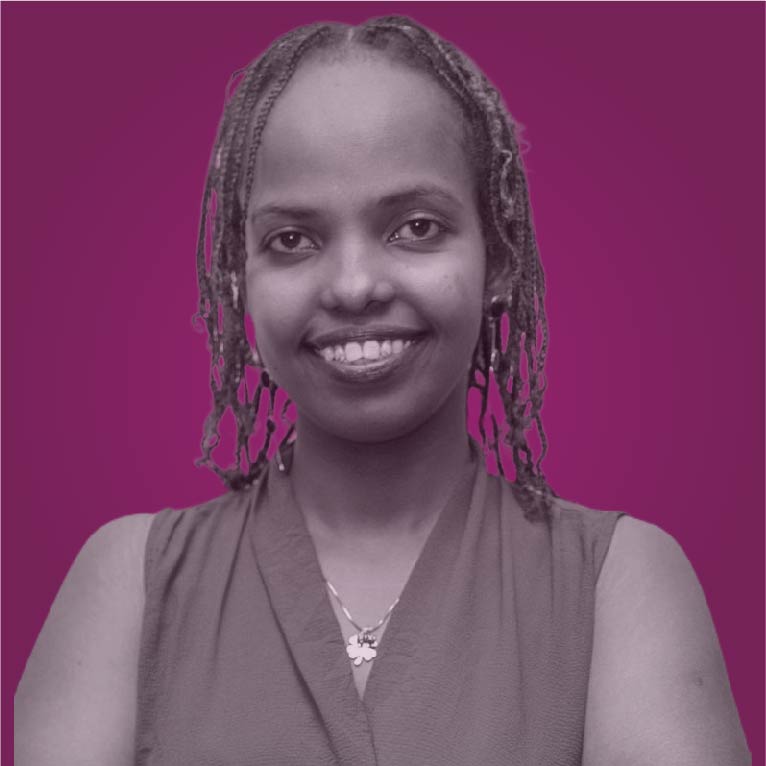
Originally from Somalia, now residing in Kenya, Sudi runs The Girl Power Action Initiative – a grassroots movement-women-led org dedicated to empowering girls in the Kakuma refugee camps and Kaloboyei settlement.
The initiative promotes gender equality for girls, seeking to destigmatize menstruation by availing menstrual hygiene solutions such as reusable sanitary pads, to improve cleanliness and restore their dignity.
By engaging women and girls, this platform also allows for comprehensive reproductive health education and Sexual and Gender-Based Violence (SGBV) to promote their safety and well-being.
Through mentorship programs and social media engagement, the Girl Power Initiative advocates and amplifies the voices of refugee girls, boosting their confidence to pursue their passions beyond their current situation.
As an embodiment of empowerment herself, Sudi is dedicated to transforming the lives of refugee girls in her community. She remains a beacon of hope in building the foundation for a dignified life.
LinkedIn: https://www.linkedin.com/in/sudi-omar/
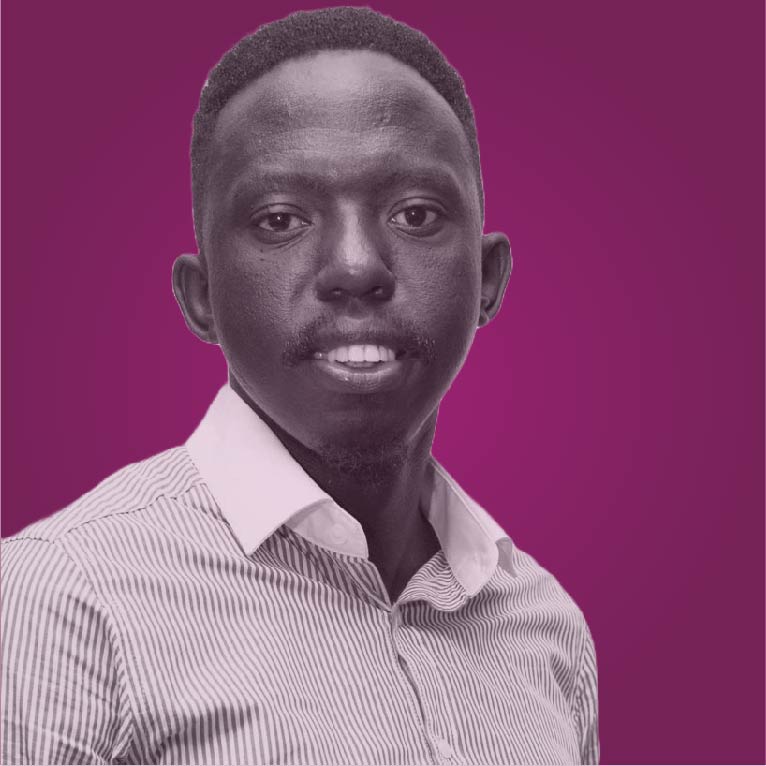
Shalom Ishimwe, originally from the Democratic Republic of Congo, is the founder and CEO of Mata Creative Agency in Uganda, Shalom’s vision is to transform African narratives through innovative media and communication.
Mata Creative Agency is dedicated to redefining African stories, amplifying authentic voices that foster a deep sense of pride and connection within Africa. The agency prides itself in a definitively African approach to media campaigns, digital branding, consultancy and content creation that celebrates African heritage.
On a mission to challenge stereotypes and cultural norms, Shalom envisions a future where Africans embrace and celebrate their diverse cultures, ambitious to create a platform that unites celebrated African content as a showcase of her rich cultural diversity and inspiring a mindset shift towards self-appreciation.
Driven by expertise and passion for mental health, Shalom founded “Companions without Borders” to support young people and vulnerable communities. He looks to create a nurturing environment where everyone is valued and empowered to reach their full potential through essential mental health services.
He is currently pursuing a BA Communications and Journalism at Makerere University.
LinkedIn: Shalom Ishimwe [www.linkedin.com/in/shalom-ishimwe-430365127 ]
Website: www.matacreativeagency.com
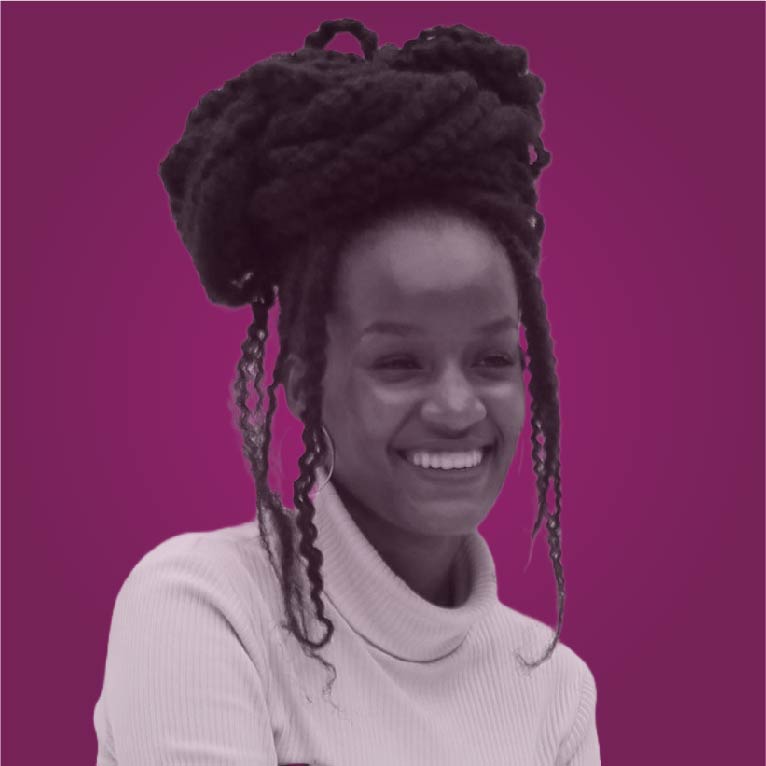
Michelle is the co-founder of JCKFRUT, an award-winning web design business in Cape Town, South Africa. With seven years of entrepreneurship and small business management, she has enabled businesses to achieve the next level of growth through custom web design, innovative marketing strategies and tailored content. JCKFRUT has collaborated with well-known brands in South Africa,expanding reach internationally to the Netherlands, Australia and various countries across Africa.
Beyond her business, Michelle is passionate about building businesses that prioritize employee wellbeing and the creation of inclusive societies given her commitment to social impact.This has seen her mentor Syrian refugees aspiring to become entrepreneurs, going beyond profit and into social impact for more inclusive societies.
Her most outstanding work is her founding of an NPO whose media campaign on a young South Sudanese girl who was convicted for a crime committed in self-defense in the US, saw her secure a pardon. The campaign caught the attention of councilmen and celebrity Naomi Campbell.
She holds a BA in Politics and Philosophy from the Stellenbosch University, a graduate Diploma in Business Management and a Diploma in Small Business Management from the Stellenbosch Business School.
Website: https://jckfrut.co/

A Togolese now residing in Ghana is a registered nurse with over 5 years experience in this field.Her interests range from Health, Nutrition and Well-being, Sexual& Reproductive Health and Rights have seen her take to the international stage to agitate for better conditions for refugee Girls, Women and Youth.
Having witnessed her agemates fall into teenage pregnancy and victims of gender violence,which was made worse by the hardships faced by refugees. She committed to make things better for herself, pursuing education for a bachelor’s degree in nursing.
A firm believer in education herself, she extends career guidance to students in primary and tertiary education, motivated by her own experience and impact of pulling displaced persons out of the cycle of poverty.
Louange is committed to the empowerment of women and girls with health education while looking at men and boys as critical advocates in combating Sexual and Gender-Based Violence (SGBV) by prioritizing their involvement in outreach programmes
She is an ex-Dafi (Albert Einstein German Academic Initiative) Scholar and a
UNFPA Youth Leaders Fellow, passionate about the health and well-being of people.
She has her sights set on the provision of menstrual hygiene products, to extend the impact of her advocacy work in health and develop a scholarship fund to educate more displaced persons in Ghana and beyond.
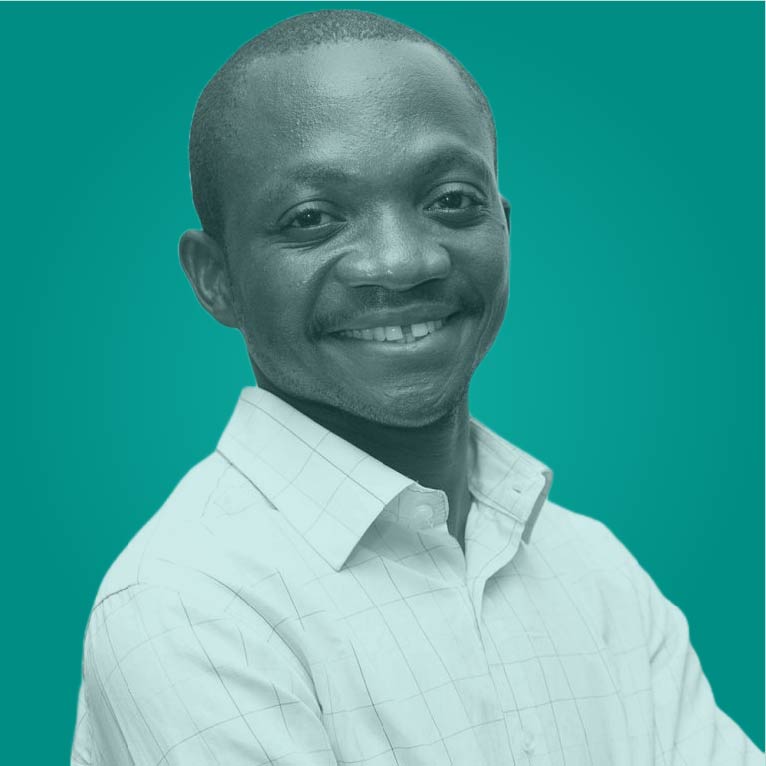
A visionary entrepreneur originally from the Democratic Republic of Congo (DRC), now residing in Kakuma camp, Kenya. Kiza founded Action for Refugee Life (AReL). A social enterprise equipping young forcibly displaced persons and the host community with IT and Business Management skills, enabling them to secure dignified employment globally.
Through these digital training courses, refugees build on their tech, entrepreneurship, and mentorship skills, positioning them for decent employment or to take up entrepreneurial opportunities, towards self-reliance driven by passion.
Mauridi’s focus is enabling refugees to achieve socio-economic advancement and integration into society, reducing aid dependency for sustainable livelihoods.
In 2023 and for his work, AReL was a top three finalist for the Sharjah International Award for Refugee Advocacy and Support, organized by The Big Heart Foundation (TBHF) in collaboration with United Nations High commission for Refugees (UNHCR). In the same year, Kiza was selected as the 2023 Youth Digital Champion by the mEducation Alliance for the significant role he played in the Vodafone foundation’s Instant Network School Programs.
Kiza is pursuing his undergraduate degree in Logistics and Operations from Southern New Hampshire University.
LinkedIn: https://www.linkedin.com/in/mauridi-kiza-46035b247/
Website: https://refugeelife.org/

Innocent Havyarimana Domitien is an entrepreneur from Burundi and founder of GLAP Enterprises – A soap manufacturing business in Kakuma, Kenya.
The enterprise specializes in the production of 16 varieties of soap, entrenching the value of community hygiene and job creation within its operations , helping enhance a culture of proper hygiene and sanitation, challenges of which remain high in this community.
Beyond running a manufacturing business, Innocent is keen on boosting sanitation needs a notch higher, by sinking a borehole to cater for his production needs to meet the needs of a growing market, boost employment opportunities while availing critical resources to help his proper hygiene and sanitation efforts in the Kakuma and Dadaab refugee camps.
Innocent prides in his business acumen, reflected in his understanding of financial concepts running his enterprises, while investing time to conduct periodic market research for a better market understanding. He holds the Bachelor’s degree in Business Administration
Website: glapenterprises.netfly

Originally from Rwanda and currently residing in Kenya, Didier is a multi-passionate creative who founded a creative agency that produces engaging and innovative content for meaningful conversations, empowering communities through photography and videography education.
He also runs a socioeconomic enterprise that empowers refugee creatives and artisans to thrive in their entrepreneurial endeavors, selling handcrafted goods and exhibiting their art.
In addition to his personal initiatives, Didier serves as the Refugee Youth Coordinator at UNHCR, where he represents and advocates for the inclusion of refugee youths and Refugee-Led Organizations.
LinkedIn: https://www.linkedin.com/in/didierhabimana/
Instagram: https://www.instagram.com/yvesdidier/
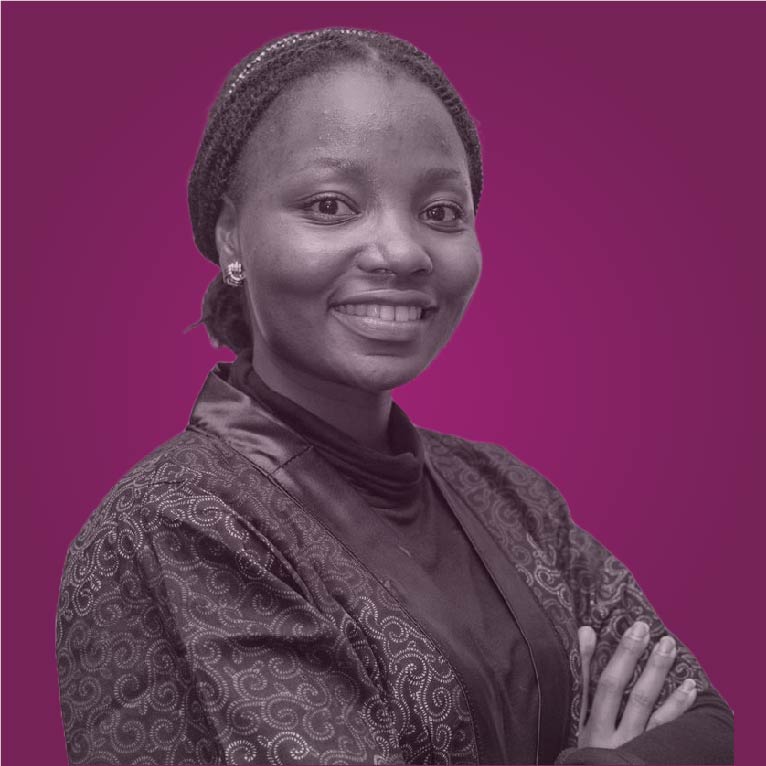
Originally from Rwanda and residing in Kenya, Deline Ramiro Yihumutima is currently the Refugee-Led Organization Program Advisor at Inkomoko. She is dedicated to enhancing the capacity and sustainability of refugee-led initiatives through affordable finance and business advisory services serving refugees, asylum seekers and host communities across different parts of Africa..
With at least 5 years’ experience in the digital space, she has promoted digital literacy among young girls and women, enabling them to secure online work through coding and freelance programs.
Deline has been instrumental in educating children and youth on environmental conservation and education such as tree-planting initiatives at the Kakuma Refugee Camp, earning accolades with the YES Power Hands Award 2023 for her efforts in advocating for renewable energy use in the camp.
An advocate for financial inclusion and investment in refugee businesses to reduce aid dependency and improve sustainability,she is now set on integrating AI technology in education for underserved communities to enhance learning.
She is also the co-founder of the African Refugee Women Empowerment Network (ARWEN) in Uganda, a network aimed to strengthen the capacities of refugee women-led initiatives.
She holds a BSc.,Journalism & Mass communication

Originally from Kenya, now residing in South Africa, Cindy runs Young Queens, an initiative she founded in 2021 to empower young women through education and social media.
Young Queens provides a platform to impart financial literacy, self development, property ownership, women empowerment and motivational coaching through hosting workshops, seminars and their social media YouTube channel.
This educational platform supports learning while encouraging relationship-building among women, especially those with growing businesses and an entrepreneurship spirit. This has not only been a passion project, but has fulfilled Cindy’s ambition to develop a training center that up-skills women, by providing them with market-relevant skills and getting them ready for employment.
Cindy holds a BA degree in Communications and Political Science. She has a decade of managerial experience in Training and Development and looks forward to transferring her decade-long experience in the private sector over to Young Queens.
Her desire is to grow and elevate her platform into a sustainable Center for Training and Development that inspires and motivates women to be the best version of themselves.
LinkedIn: www.linkedin.com/in/cindy-oyugi
Instagram: www.instagram.com/youngqueens_motivation/
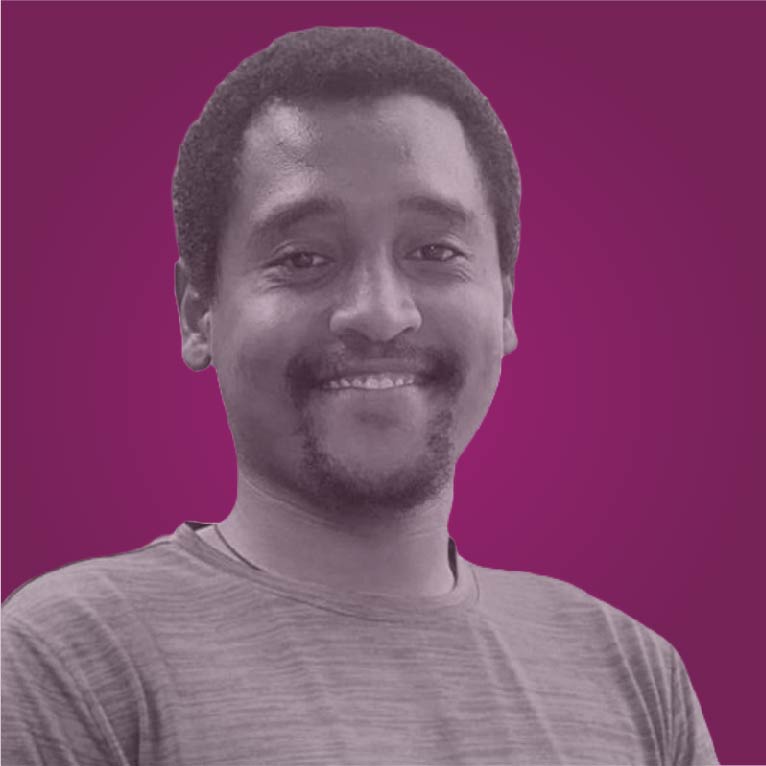
Binyam Meles, an Ethiopian entrepreneur now residing in Australia, is the visionary behind Aspire Digital Hub, a for-profit social enterprise committed to empowering refugees through entrepreneurship and ICT training.
Binyam’s personal experiences of hardship due to war and violence in his home country pushed him to create a space where individuals like himself could acquire essential literacy and digital skills, having missed out on several opportunities owing to a lack of proper skilling.
Beyond skilling and in a bid to build on various entrepreneurial capabilities of the youth, the Aspire Digital Hub also serves as an incubator for business ideas, nurturing their growth for the marketplace.
The hub offers IT consultancy services for clients and provides specialized programs in ICT, entrepreneurship and soft skills for refugees.
Binyam holds a BSc in Software Engineering from Addis Ababa, Institute of Technology.
LinkedIn for Binyam: https://www.linkedin.com/in/binyam-meles-450045115/
Website: https://aspiredigitalhub.com/

Originally from the Democratic Republic of Congo (DRC), Espoir is a Co-founder and Professional Development Lead at Advocacy Training and Education Hub (ATE-Hub), an organization based in Malawi dedicated to fostering social change for refugees and underserved communities through strategic advocacy, adaptive learning, and livelihood programs.
In his role, Espoir spearheads initiatives to help bridge the gap between education and meaningful employment for marginalized individuals. His focus is the provision of sustainable livelihood activities, including comprehensive job readiness training programs for essential skills for the workforce.
Espoir actively collaborates with employers to showcase student talent and competencies, boosting their chances of securing meaningful job opportunities. By fostering these connections, he supports marginalized individuals with critical skills and opportunities to succeed in the job market.
After spending nine years in Malawi, Espoir recently returned to the DRC on a humanitarian mission utilizing drone technology to deliver healthcare supplies to extremely remote areas. Further flaming his fire to drive social impact in marginalized communities with his expertise .
Espoir is a certified Unmanned Aerial Vehicle (UAV) pilot, with a BA Management – Logistics and Operations from Southern New Hampshire University. He also holds a diploma in Liberal Arts from Regis University.
LinkedIn: https://www.linkedin.com/in/espoir-bahirwe-312198139/
Website: https://www.atehub.org/
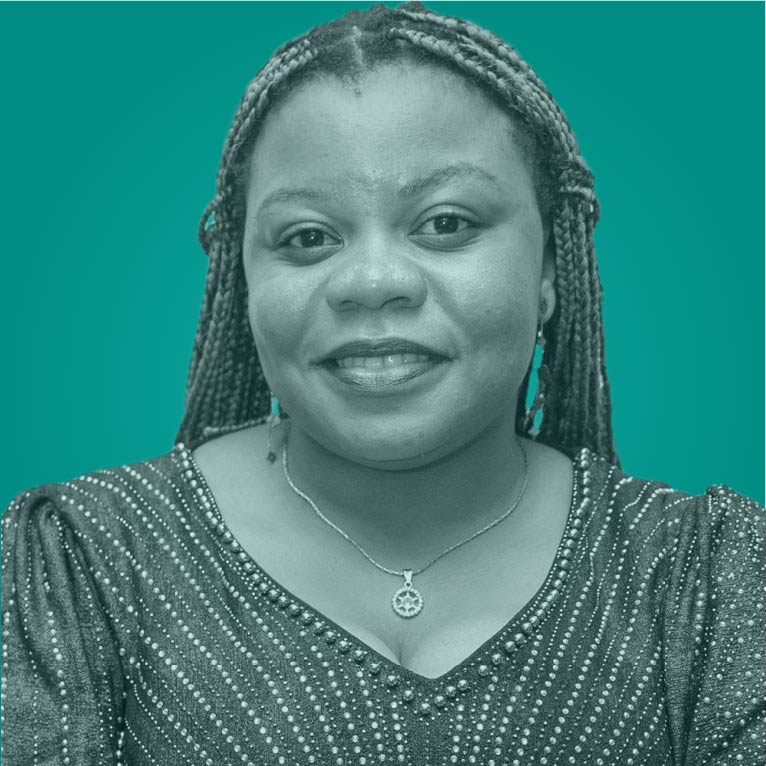
Originally from the Democratic Republic of Congo (DRC) now residing in Uganda, Gloria runs the Ademaria Initiative – a non-profit organization empowering women and mothers with vocational skills training and financial literacy, while providing their children with nursery and daycare services.
Gloria has been advocating for refugee rights, early childhood education, livelihood support and women empowerment.
Through partnerships and grassroots mobilization, her advocacy work runs parallel to the provision of vocational training, financial literacy and mentorship, aligned with her dream of a space where displaced communities grow.
She holds a BA International Relations and Diplomacy from Nkumba University,Uganda where she held the Gender docket as minister and Member of Parliament in the Guild Government of 2016.

Originally from Congo and currently residing in South Africa, Ariane founded The Oasis Inclusive Centre, formerly Know Autism Africa Foundation in 2020, with a mission to advocate for and raise awareness of autism across the African continent.
While raising children is considered tough, the needs of an autistic child born to a refugee mother can be a source of significant responsibility, resulting in stress, trauma and frustrations.
In 2017, struck by the language barrier faced by refugee parents on their integration efforts with their host communities, access medical attention and cope with the irregular sleep patterns brought on by their autistic children, Ariane started helping these parents, driven by her personal experience and passion to make a difference.
In 2020, The Oasis Inclusive Centre was born, offering training programs and support to caregiving for refugee mothers.
On a mission to advocate for and raise awareness of autism on the continent, she looks to set up a respite center. A place where mothers can leave their autistic children for caregiving as they acquire valuable skills or simply take a break.
Ariane looks to a future where every autistic child can thrive and their families feel supported. She has in the past collaborated with organizations like the Scalabrini Centre of Cape Town and Autism Western Cape, seeking to develop custom programs that answer to the varying needs of autistic children and their families.
She holds a Bachelor’s Degree in Communications

Agwu Kalu Ibe from Nigeria founded LevelUp Recyclers, a company addressing plastic pollution and sustainable income for women and youth in the Internally Displaced Persons camps.
In addition to Agwu’s pursuit of achieving zero plastic waste plastic to landfills, he utilizes this platform to engage in social education to the community towards responsible behavior in the use and management of plastics . He hopes to raise 20,000 artisans from the FDP Camps in Nigeria in the coming years.
LinkedIn: https://www.linkedin.com/in/agwukaluibe/
Website: https://www.leveluprecylers.com

Abubakar Rugamba is the driving force behind Easy Fitgang – a community-based organization founded in 2020 to promote mental well-being through physical fitness and artistic expression.
Originally from Burundi and currently residing in Kenya, Abubakar brought on a diverse group of refugees and local youth with a view of using this as a platform to motivate young refugees to self-reliance.
By way of sports and recreational fitness exercises, Easy Fitgang has not only brought together youth from displaced communities but also boosted co-existence between the host communities in Kakuma and Kalobeyei Integrated Settlement.
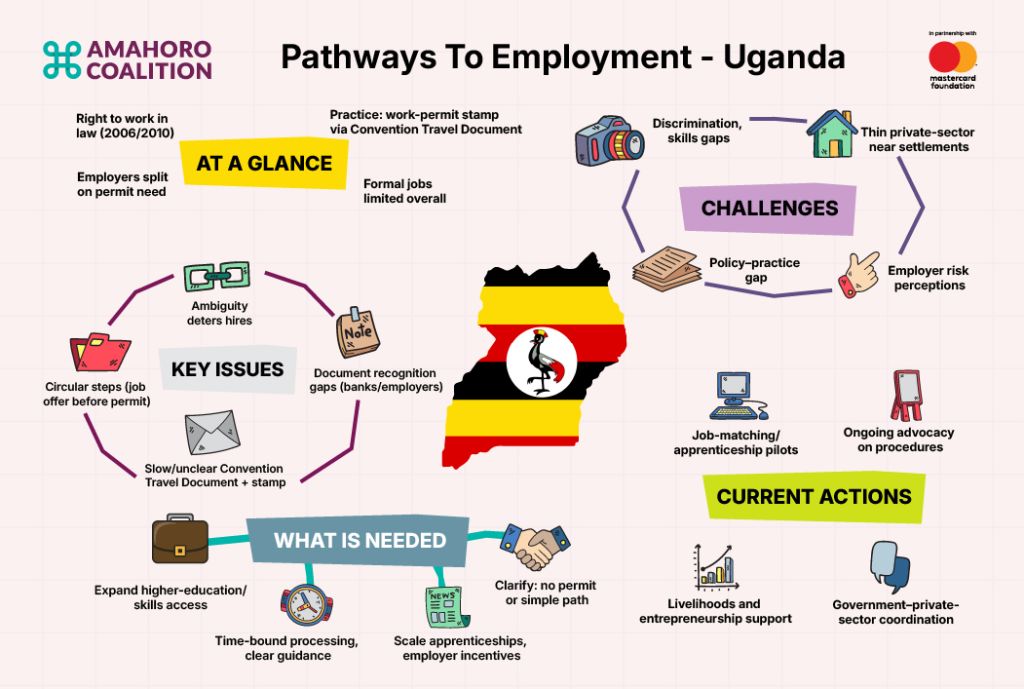
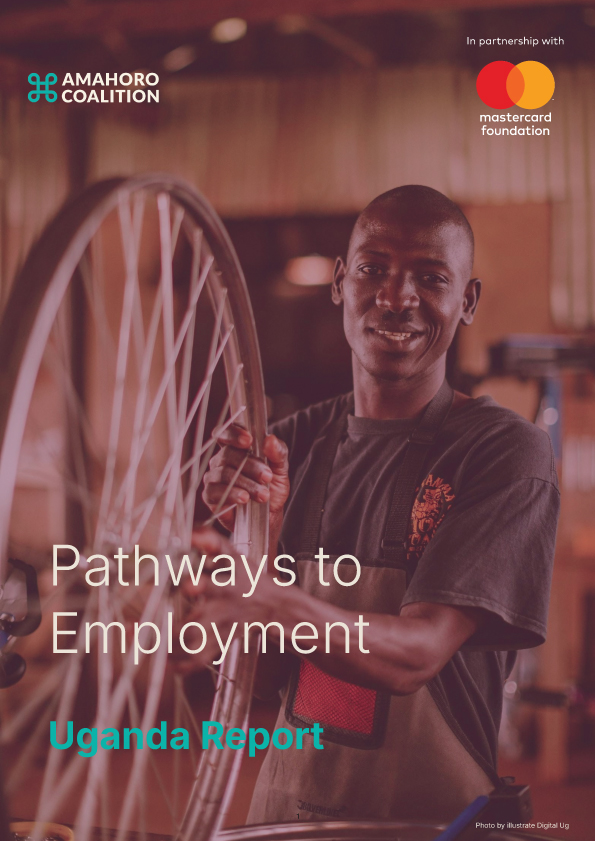
Get the full Uganda Country Report below:
Want to know when new country reports are released in the Pathways to Employment series? Fill in your details below, and we’ll notify you as soon as new reports go live.
We respect your privacy and we will keep your email address confidential. Your information will only be used to share updates related to this research series.
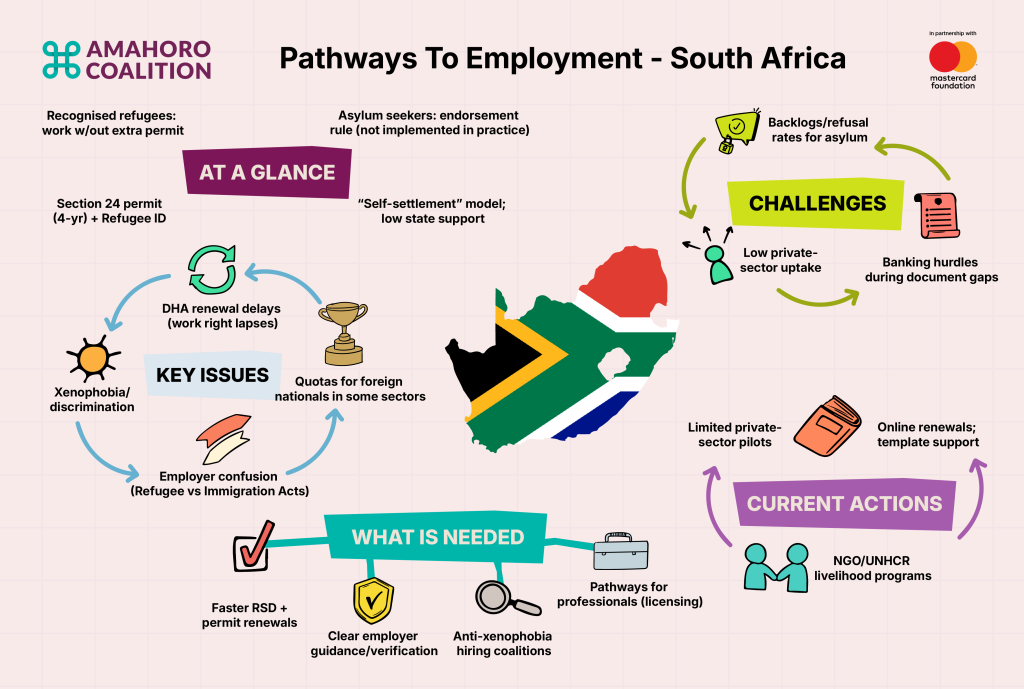
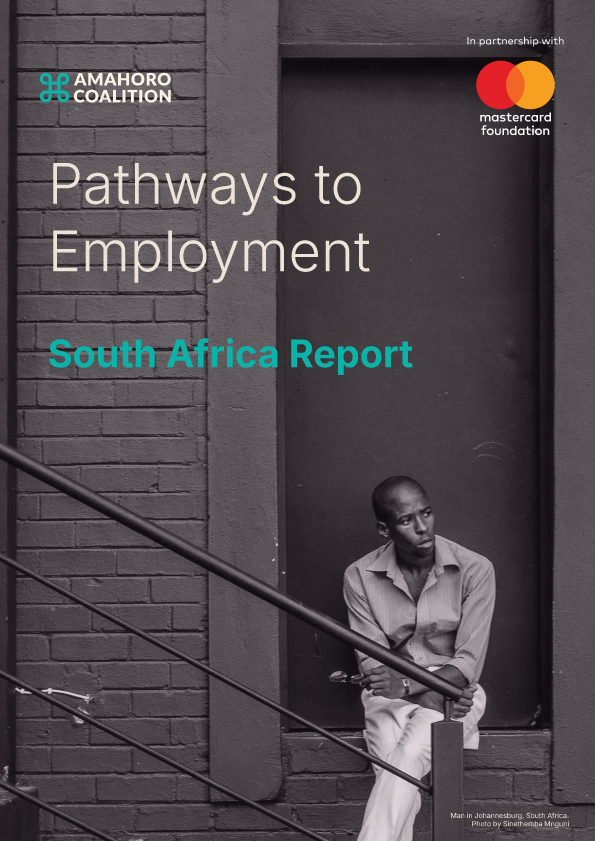
Get the full South Africa Country Report below:
Want to know when new country reports are released in the Pathways to Employment series? Fill in your details below, and we’ll notify you as soon as new reports go live.
We respect your privacy and we will keep your email address confidential. Your information will only be used to share updates related to this research series.
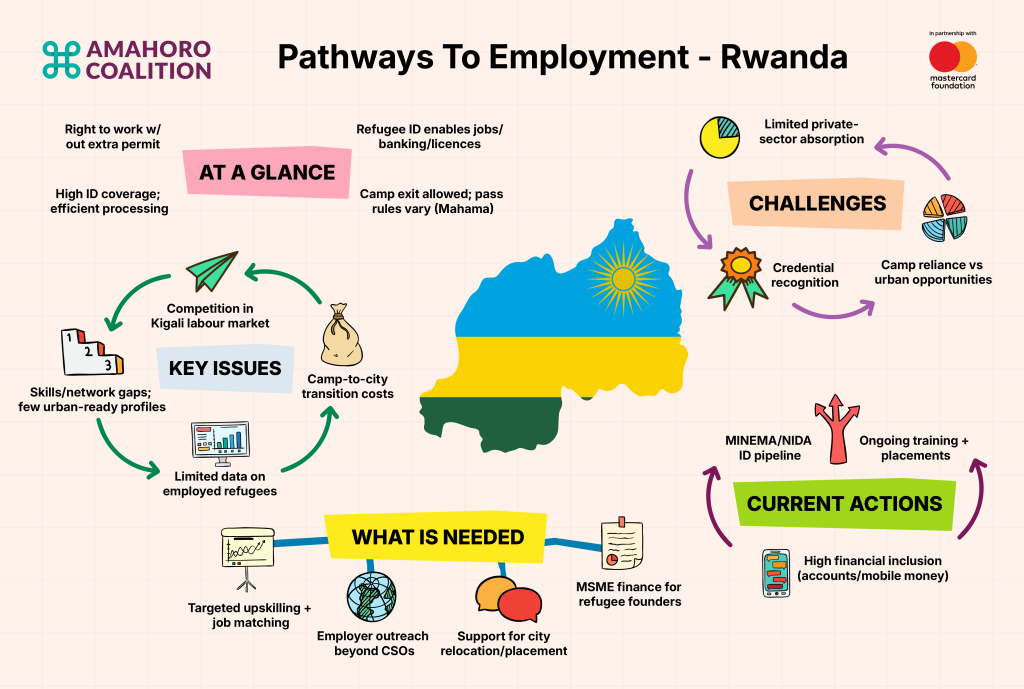
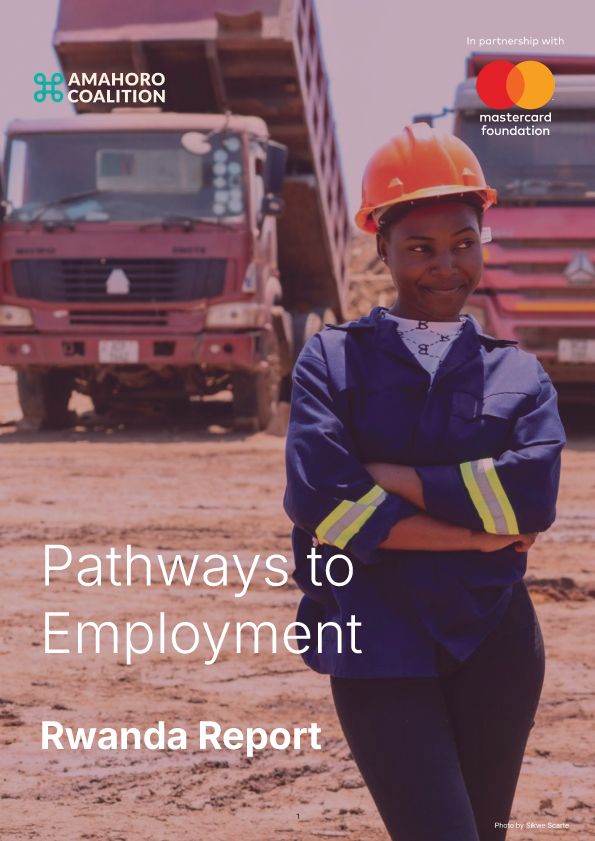
Get the full Rwanda Country Report below:
Want to know when new country reports are released in the Pathways to Employment series? Fill in your details below, and we’ll notify you as soon as new reports go live.
We respect your privacy and we will keep your email address confidential. Your information will only be used to share updates related to this research series.
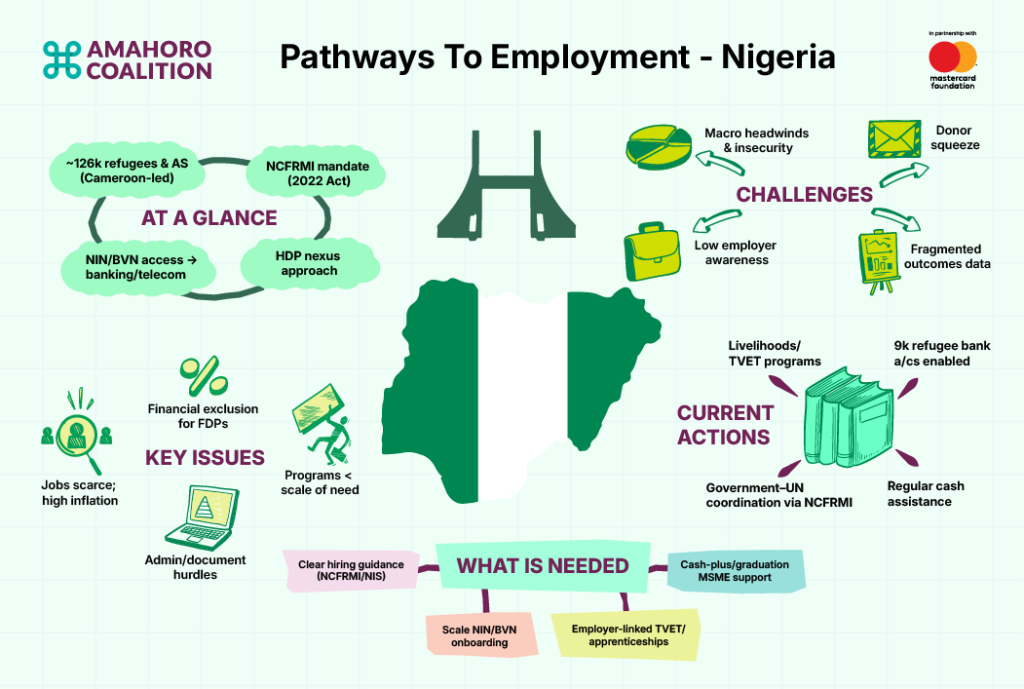
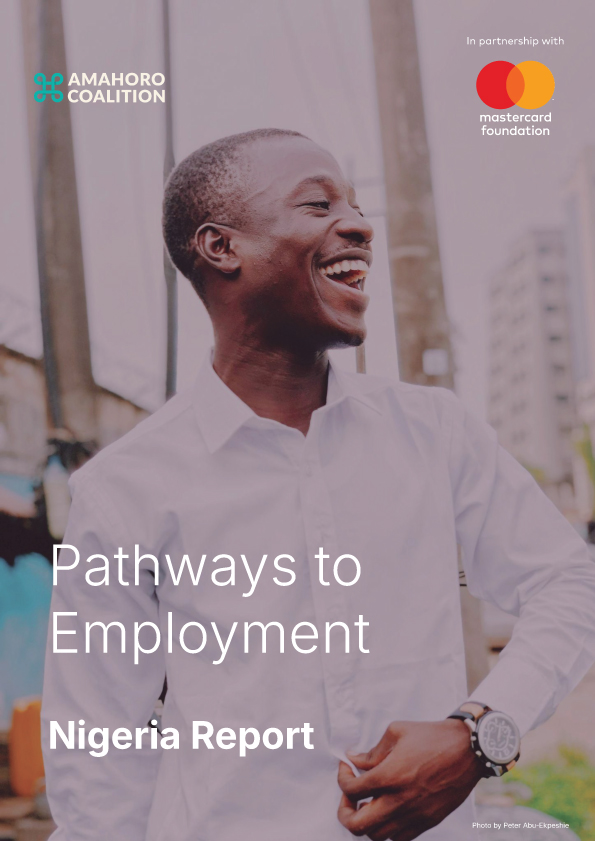
Get the full Nigeria Country Report below:
Want to know when new country reports are released in the Pathways to Employment series? Fill in your details below, and we’ll notify you as soon as new reports go live.
We respect your privacy and we will keep your email address confidential. Your information will only be used to share updates related to this research series.
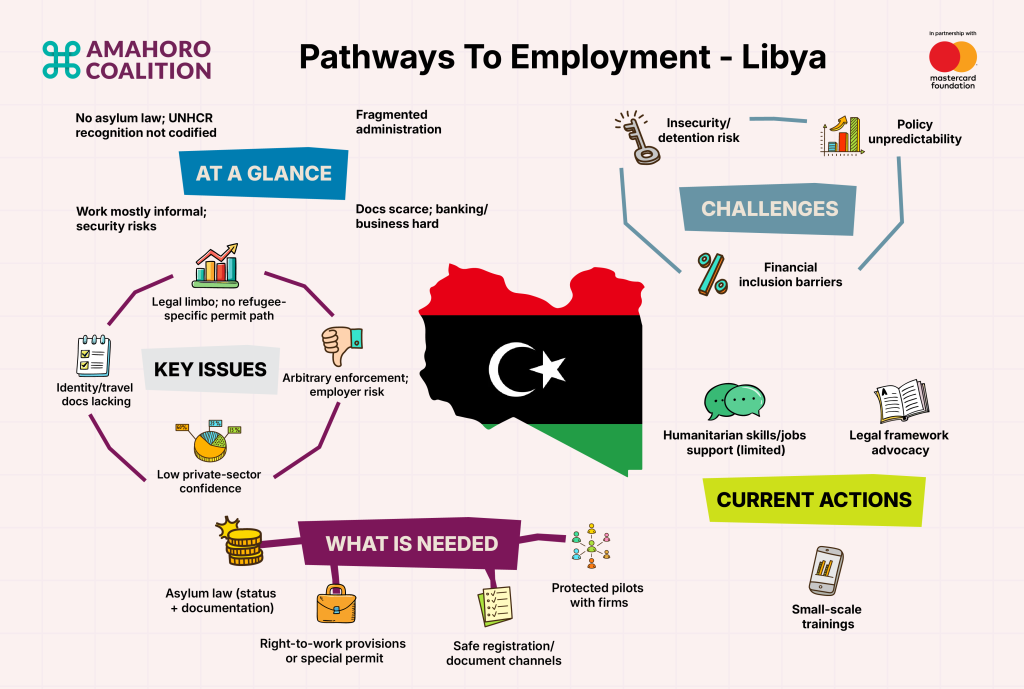
Get the full Libya Country Report below:
Want to know when new country reports are released in the Pathways to Employment series? Fill in your details below, and we’ll notify you as soon as new reports go live.
We respect your privacy and we will keep your email address confidential. Your information will only be used to share updates related to this research series.
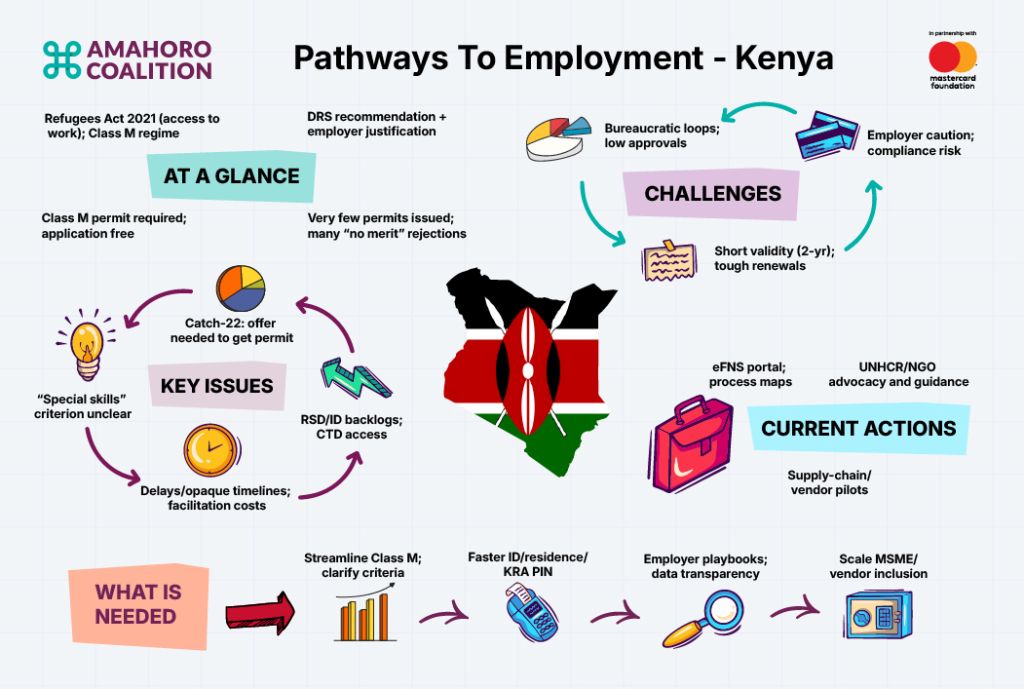
Get the full Kenya Country Report below:
Want to know when new country reports are released in the Pathways to Employment series? Fill in your details below, and we’ll notify you as soon as new reports go live.
We respect your privacy and we will keep your email address confidential. Your information will only be used to share updates related to this research series.
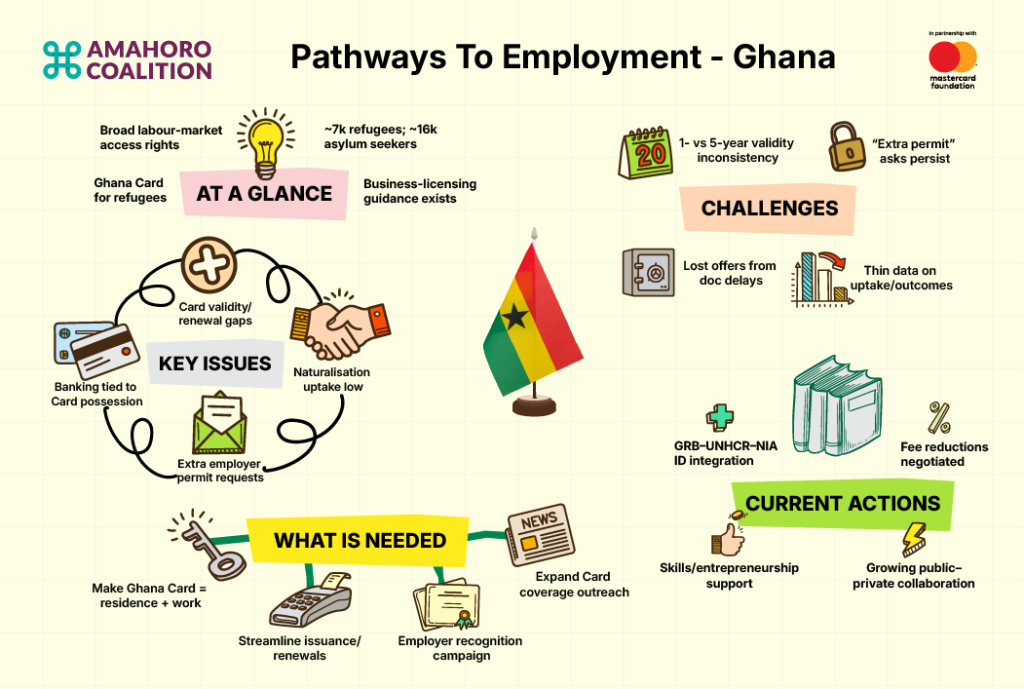
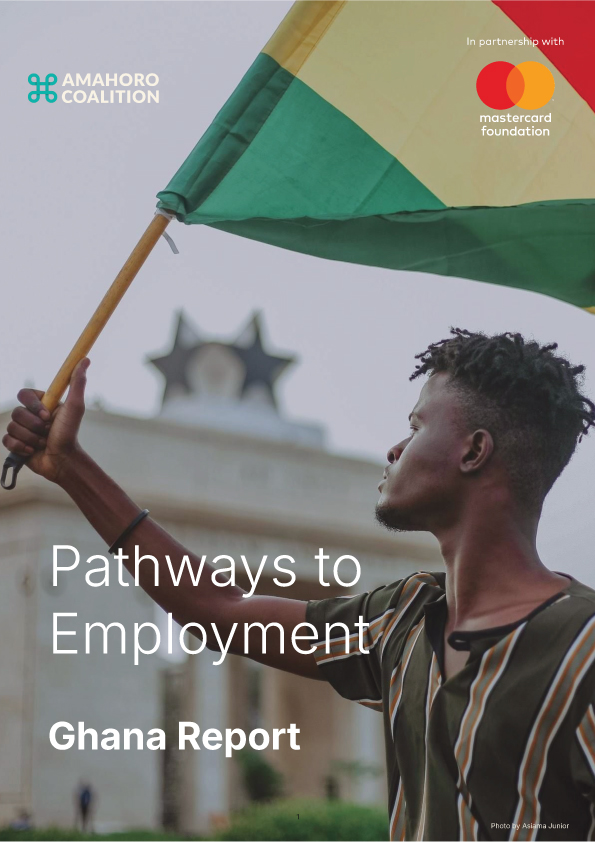
Get the full Ghana Country Report below:
Want to know when new country reports are released in the Pathways to Employment series? Fill in your details below, and we’ll notify you as soon as new reports go live.
We respect your privacy and we will keep your email address confidential. Your information will only be used to share updates related to this research series.
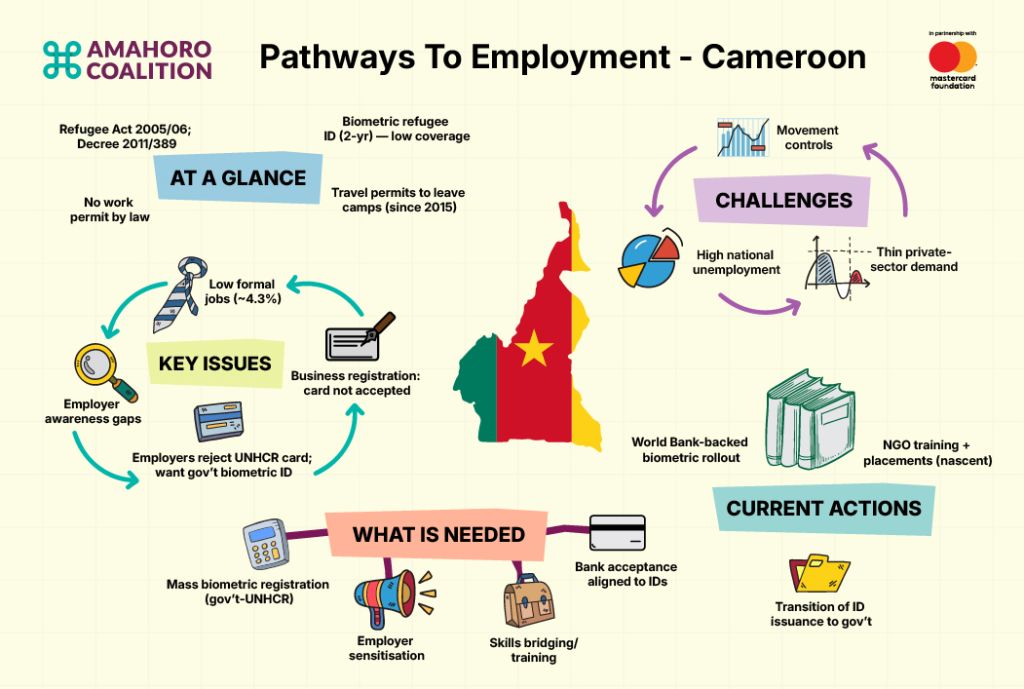
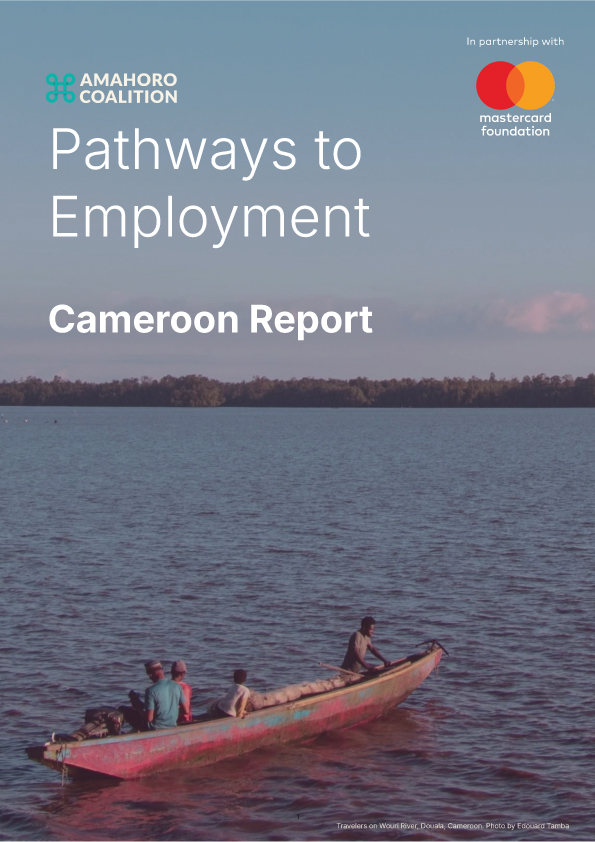
Get the full Cameroon Country Report below:
Want to know when new country reports are released in the Pathways to Employment series? Fill in your details below, and we’ll notify you as soon as new reports go live.
We respect your privacy and we will keep your email address confidential. Your information will only be used to share updates related to this research series.
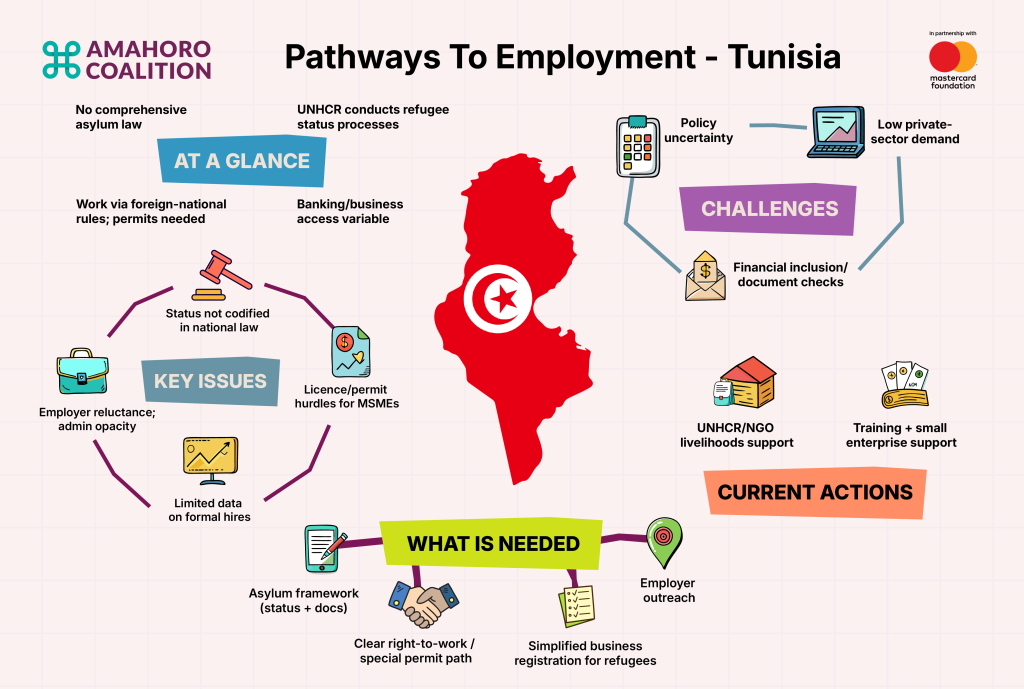

Get the full Tunisia Country Report below:
Want to know when new country reports are released in the Pathways to Employment series? Fill in your details below, and we’ll notify you as soon as new reports go live.
We respect your privacy and we will keep your email address confidential. Your information will only be used to share updates related to this research series.
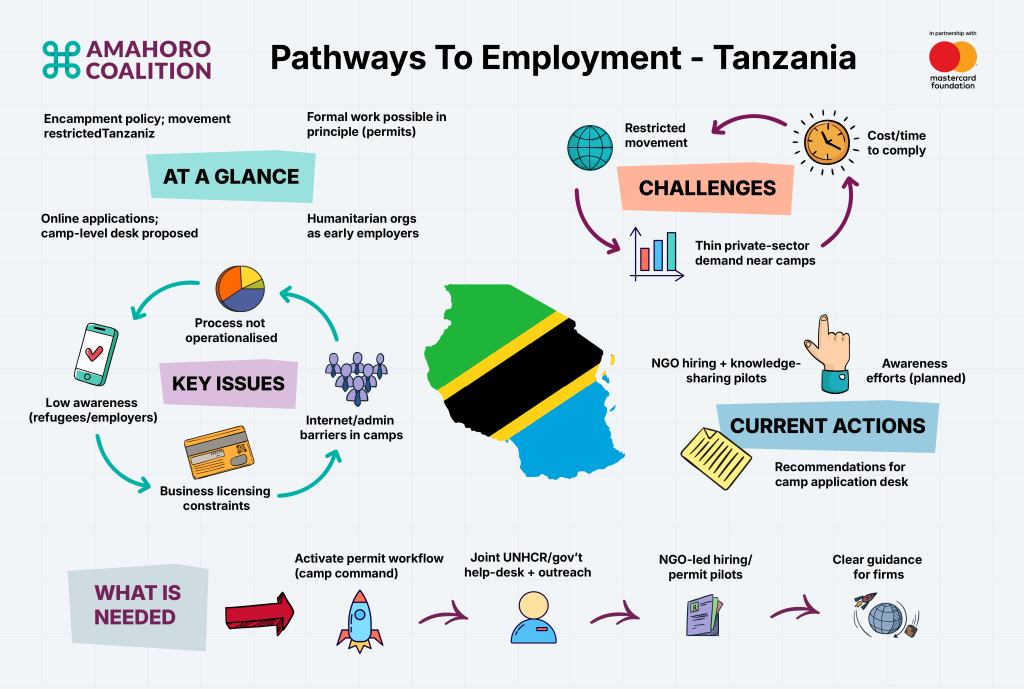

Get the full Tanzania Country Report below:
Want to know when new country reports are released in the Pathways to Employment series? Fill in your details below, and we’ll notify you as soon as new reports go live.
We respect your privacy and we will keep your email address confidential. Your information will only be used to share updates related to this research series.
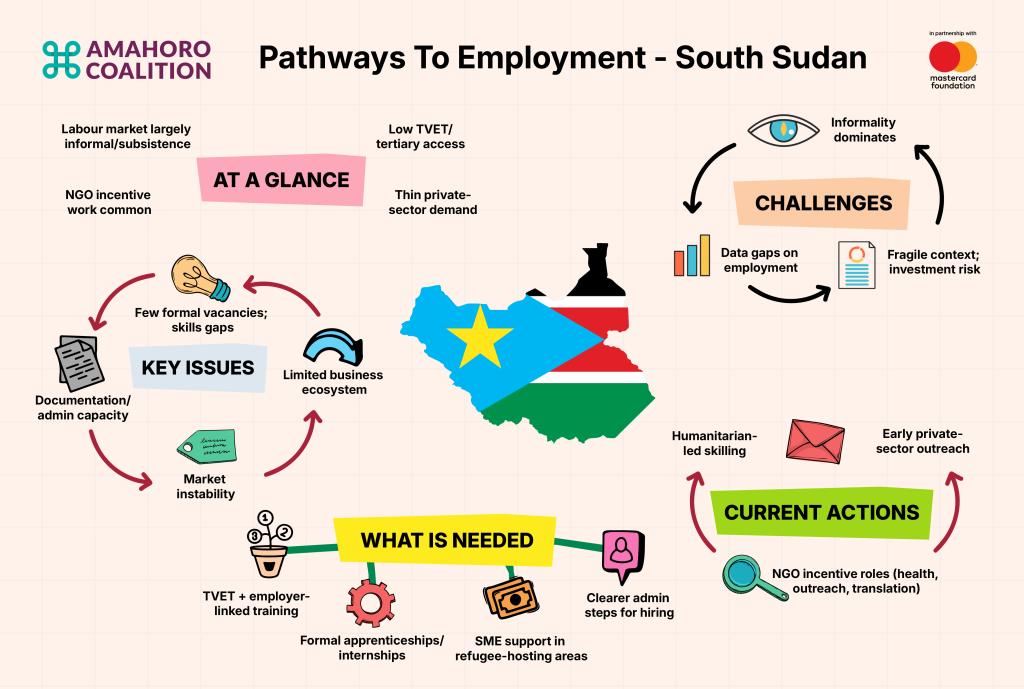

Get the full South Sudan Country Report below:
Want to know when new country reports are released in the Pathways to Employment series? Fill in your details below, and we’ll notify you as soon as new reports go live.
We respect your privacy and we will keep your email address confidential. Your information will only be used to share updates related to this research series.
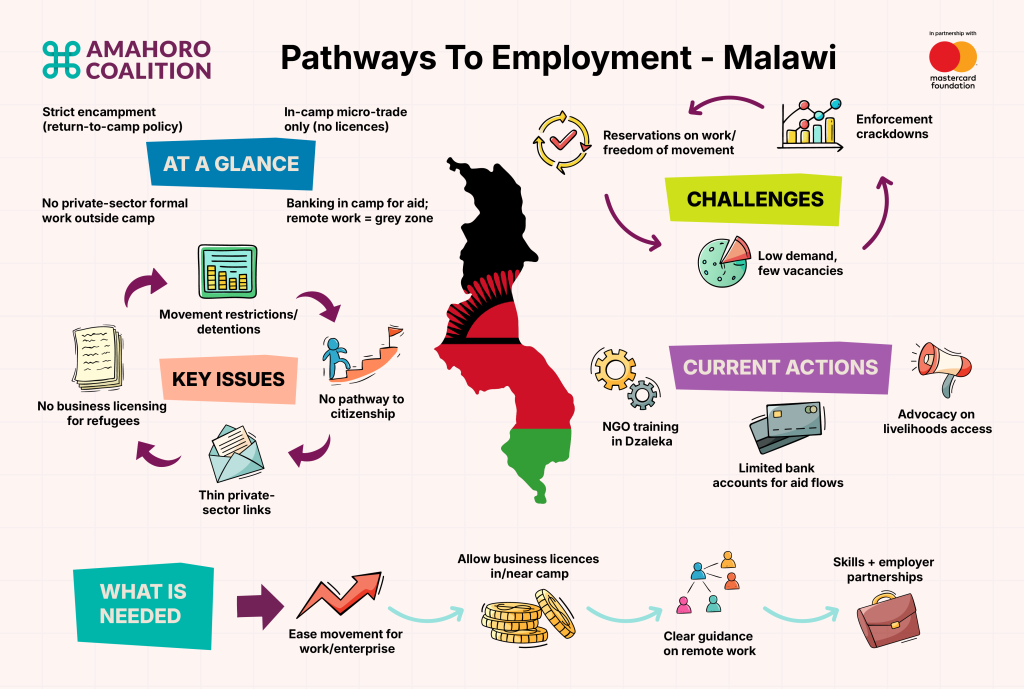

Get the full Malawi Country Report below:
Want to know when new country reports are released in the Pathways to Employment series? Fill in your details below, and we’ll notify you as soon as new reports go live.
We respect your privacy and we will keep your email address confidential. Your information will only be used to share updates related to this research series.
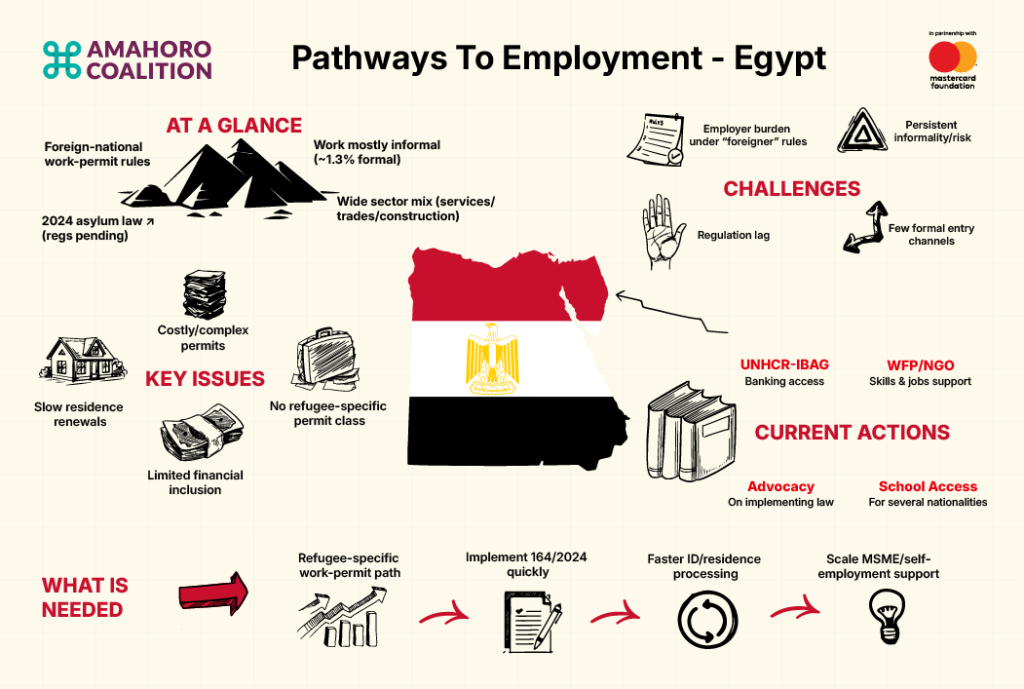

Get the full Egypt Country Report below:
Want to know when new country reports are released in the Pathways to Employment series? Fill in your details below, and we’ll notify you as soon as new reports go live.
We respect your privacy and we will keep your email address confidential. Your information will only be used to share updates related to this research series.
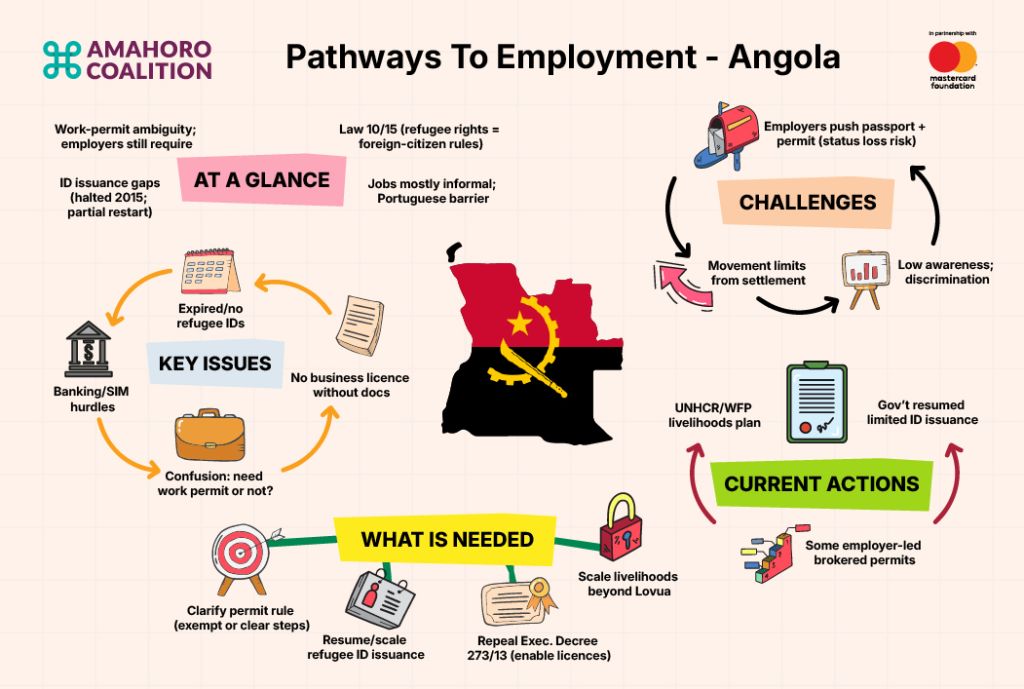

Get the full Angola Country Report below:
Want to know when new country reports are released in the Pathways to Employment series? Fill in your details below, and we’ll notify you as soon as new reports go live.
We respect your privacy and we will keep your email address confidential. Your information will only be used to share updates related to this research series.
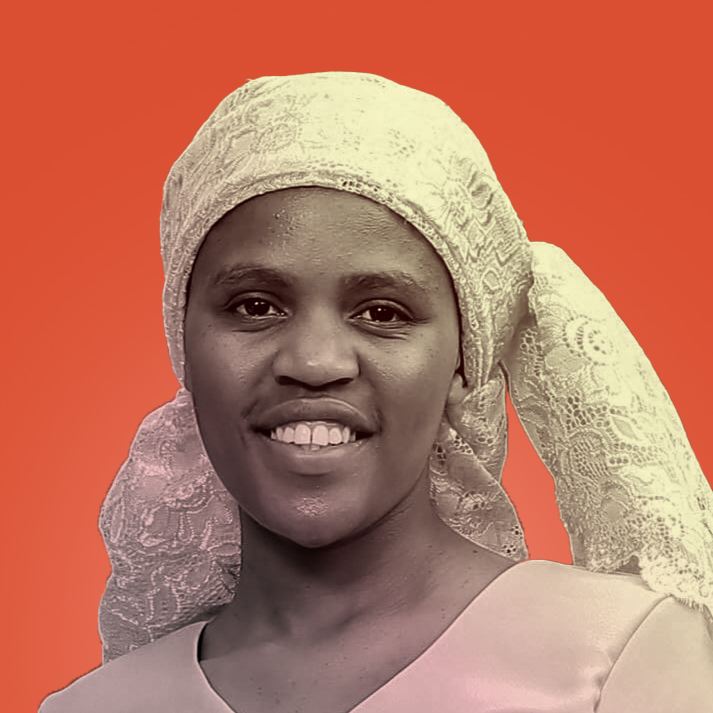
Nosizi Reuben Dube is a passionate advocate for the rights and inclusion of stateless persons in Africa. Born and raised without legal nationality, Nosizi experienced firsthand the deep exclusion from education, healthcare, and legal identity. This lived reality fueled a commitment to dismantle the systemic barriers faced by stateless and forcibly displaced people across the continent.
As the first Shona woman in Kenya to graduate from university after being formerly stateless, Nosizi uses her story to raise awareness and influence policy. She has spoken at high-level forums, including the African Union, the UNHCR Executive Committee, and the African Commission on Human and Peoples’ Rights, focusing on gender-discriminatory nationality laws and the plight of stateless youth.
In 2025, Nosizi founded the Shamiri Sisterhood Initiative to support formerly stateless women and youth through education, employment, and documentation programs.
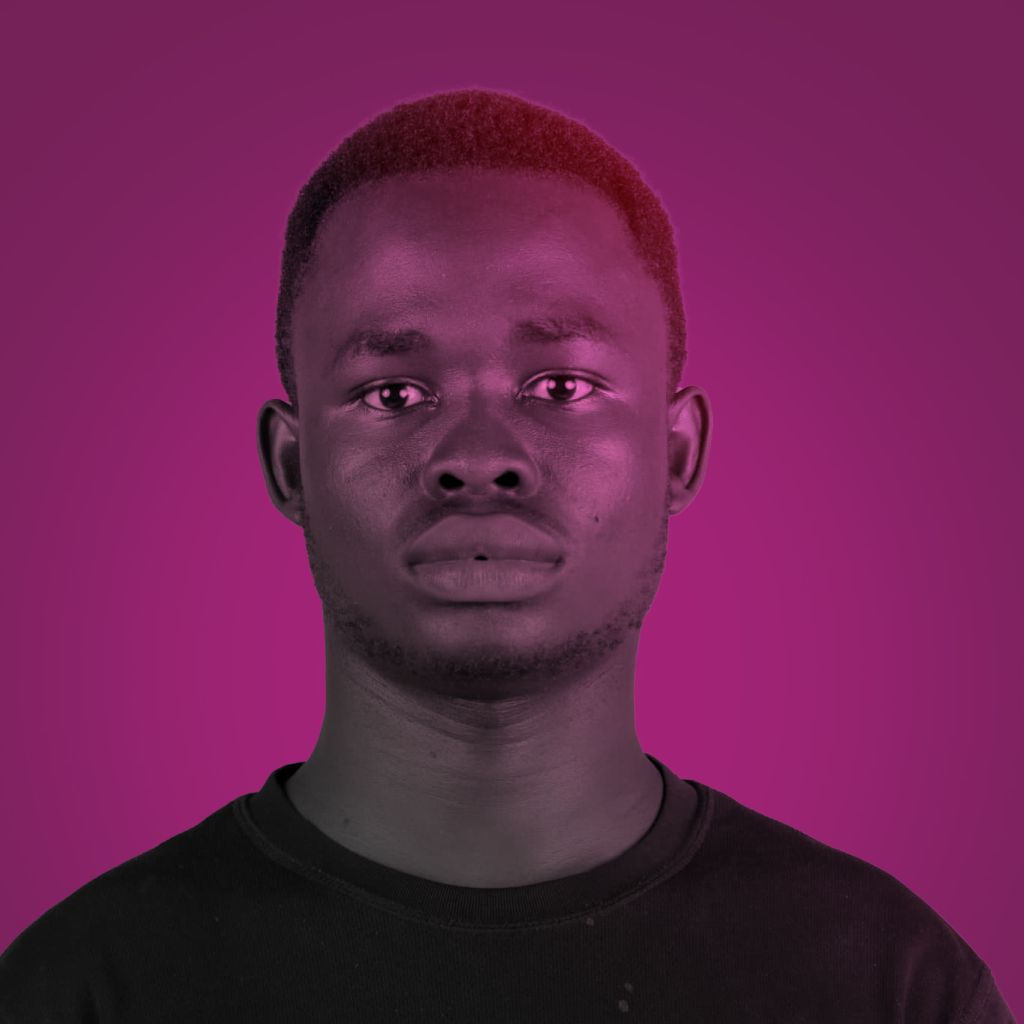
Joseph Nduwimana is a community leader and social entrepreneur committed to empowering vulnerable groups in refugee settings. As the Founder and Managing Director of The Discovery Organization, based in Kakuma, Kenya, he leads initiatives that equip widows and orphans with practical skills to foster self-reliance and economic independence. His work focuses on addressing the challenges of displacement by providing training and opportunities that promote sustainable livelihoods. Through Discovery, Joseph implements programs that nurture resilience and long-term impact within the refugee community. His approach combines grassroots development and humanitarian support, emphasizing inclusive growth and dignity for marginalized populations.
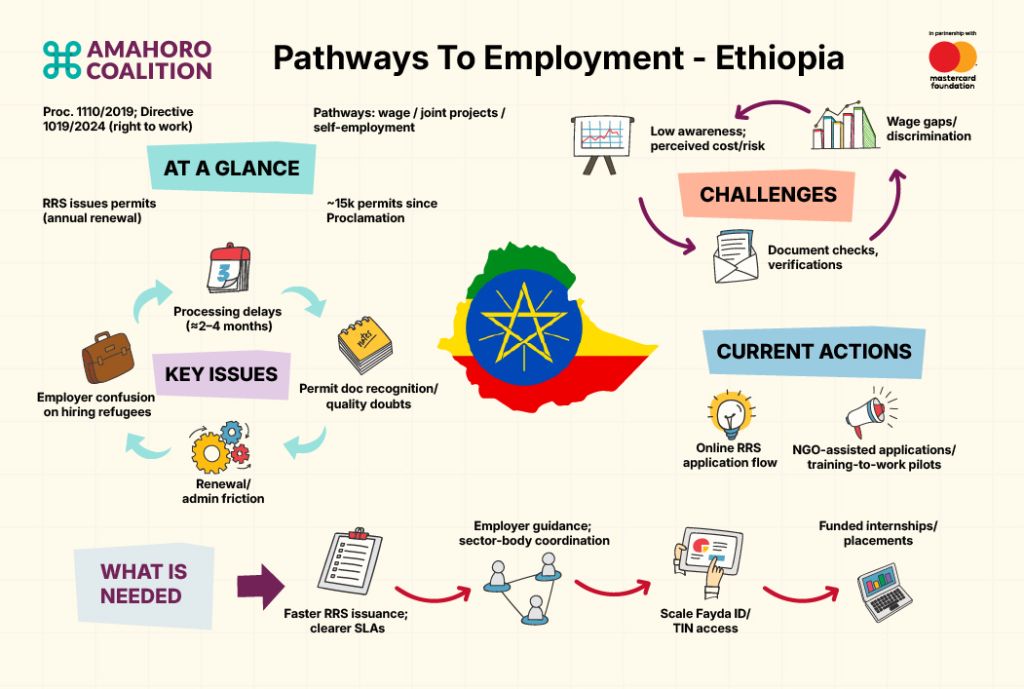
Get the full Ethiopia Country Report below:
Want to know when new country reports are released in the Pathways to Employment series? Fill in your details below, and we’ll notify you as soon as new reports go live.
We respect your privacy and we will keep your email address confidential. Your information will only be used to share updates related to this research series.