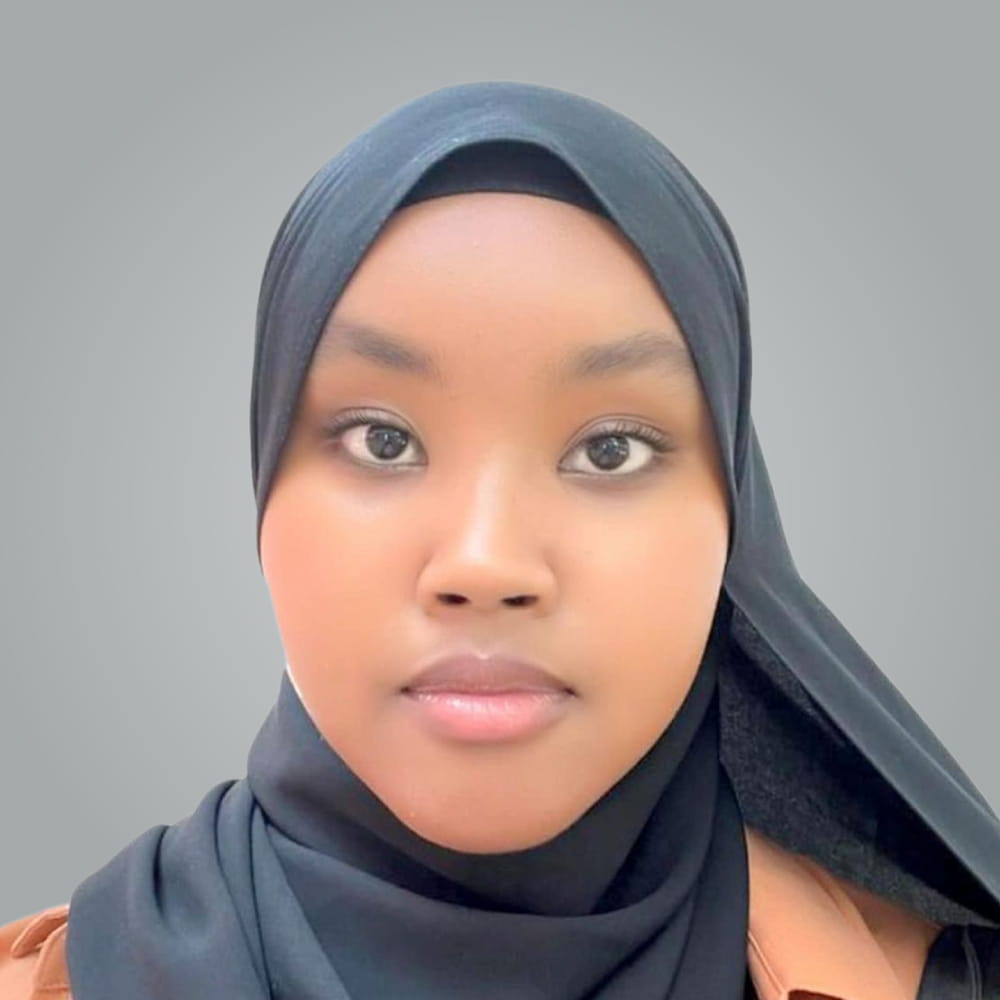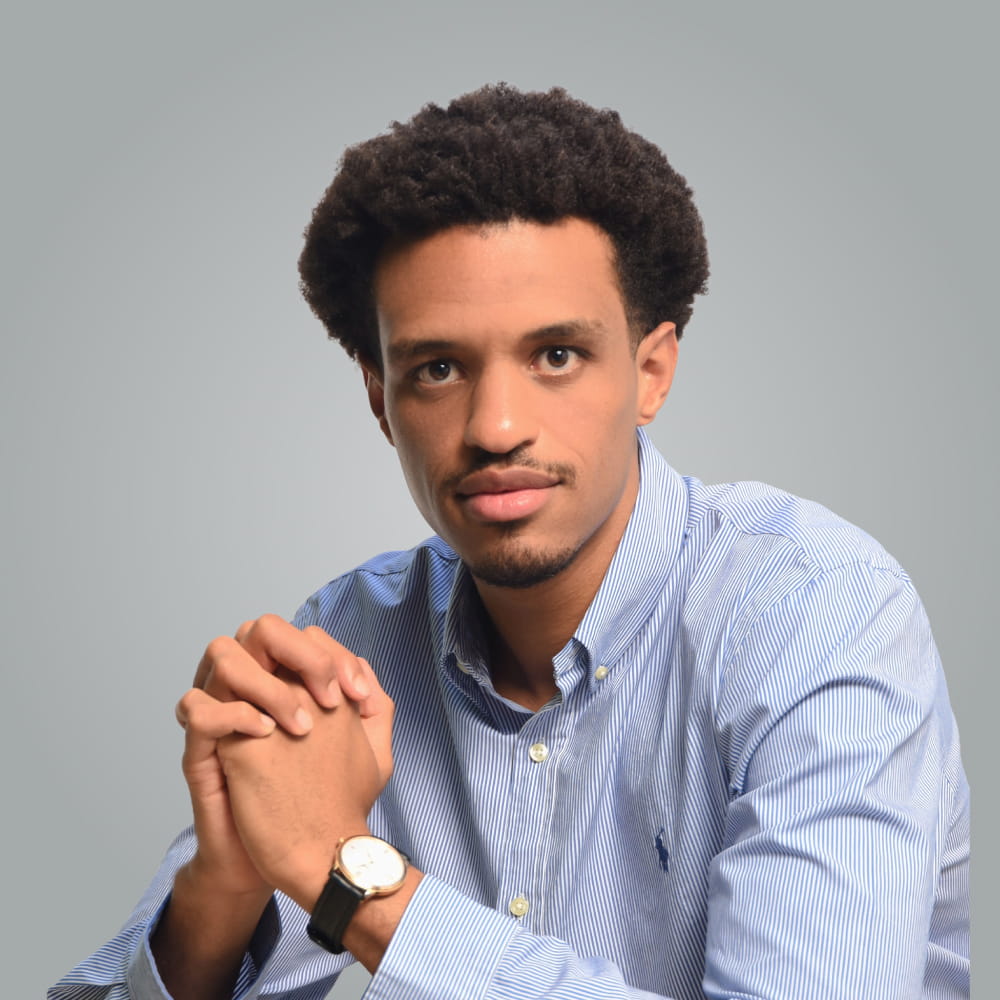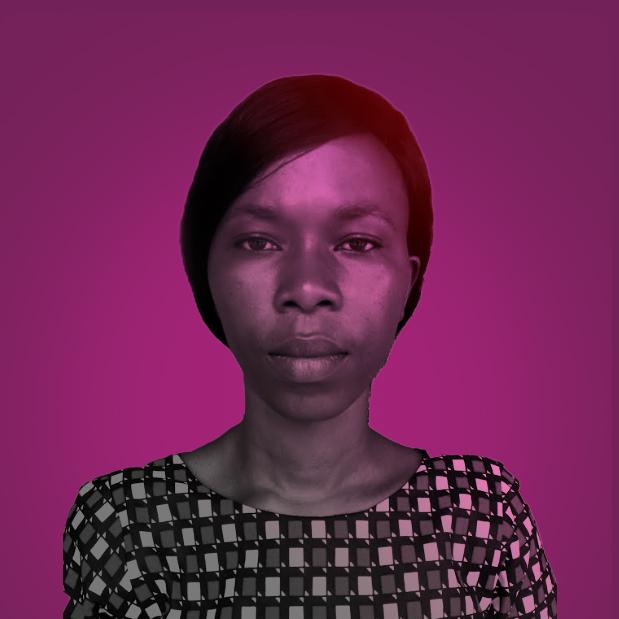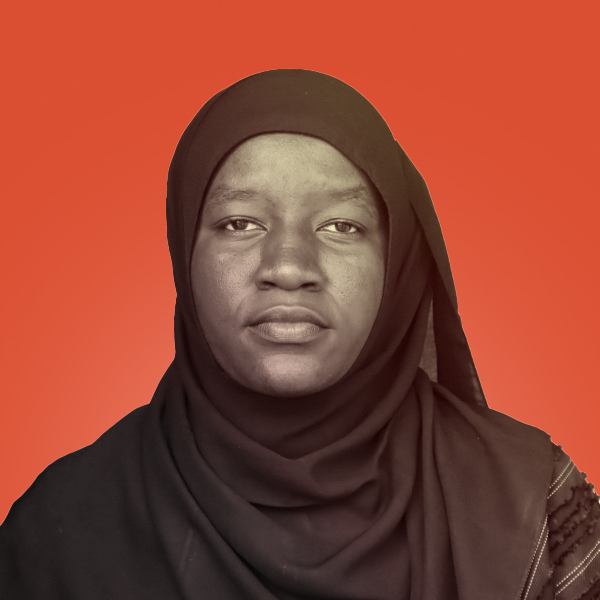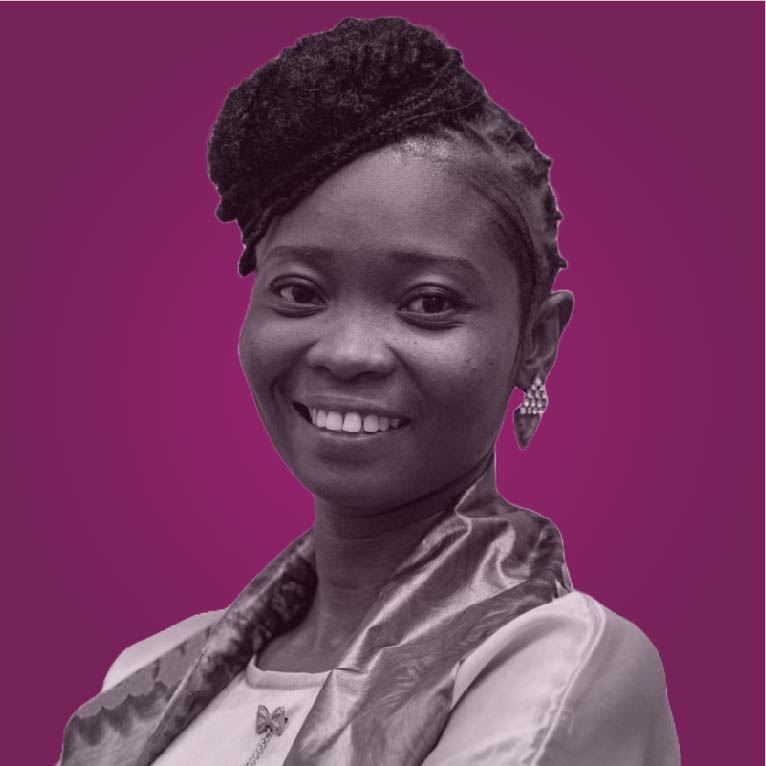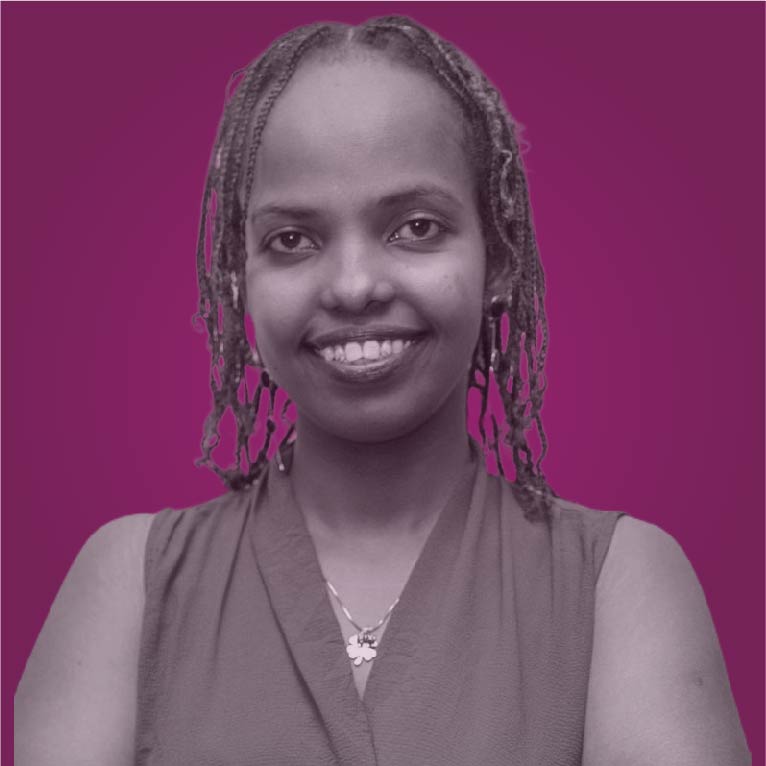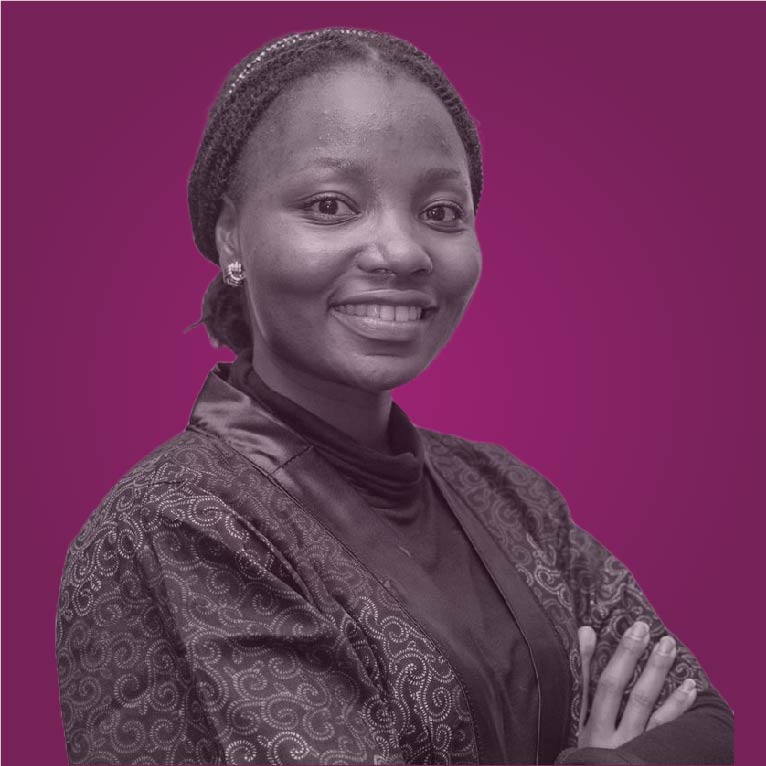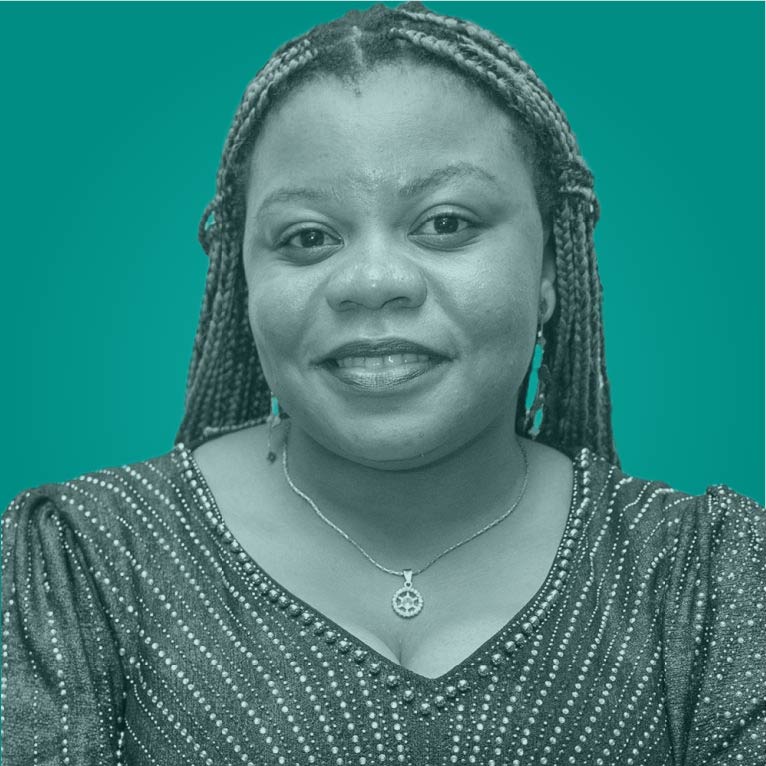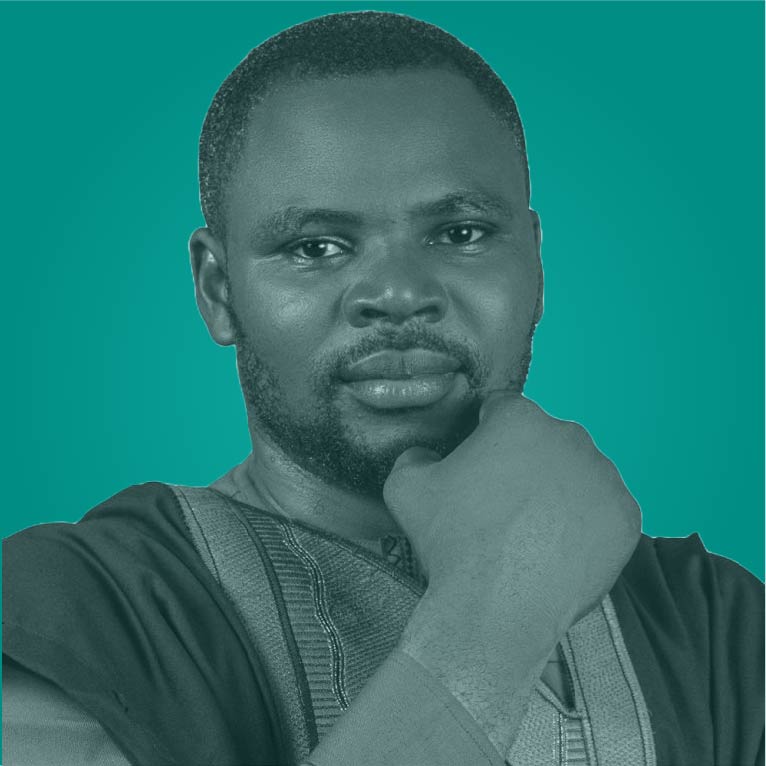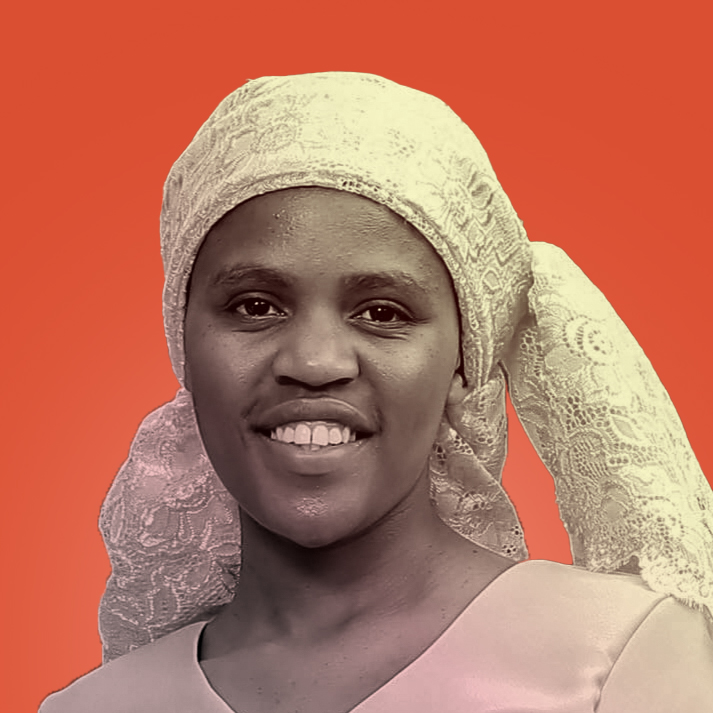
For Bawili, a single mother of four living in Kenya’s Kakuma Refugee Camp, financial independence once seemed a distant prospect. Without marketable skills, she depended on humanitarian assistance that could amount to as little as KSh 530 a month.
These days, life looks different. She earns an income through tailoring, provides for her children and can even afford the occasional family outing. It’s a welcome turn in her fortunes.
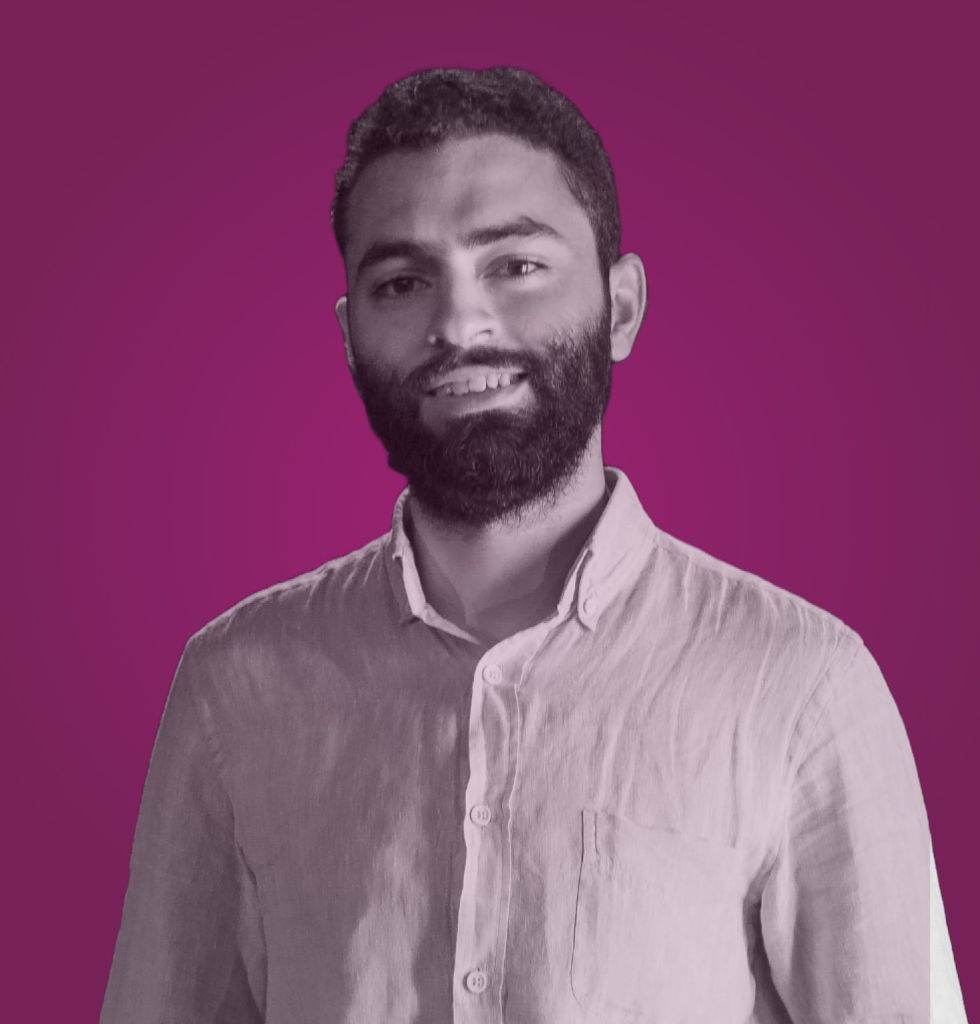
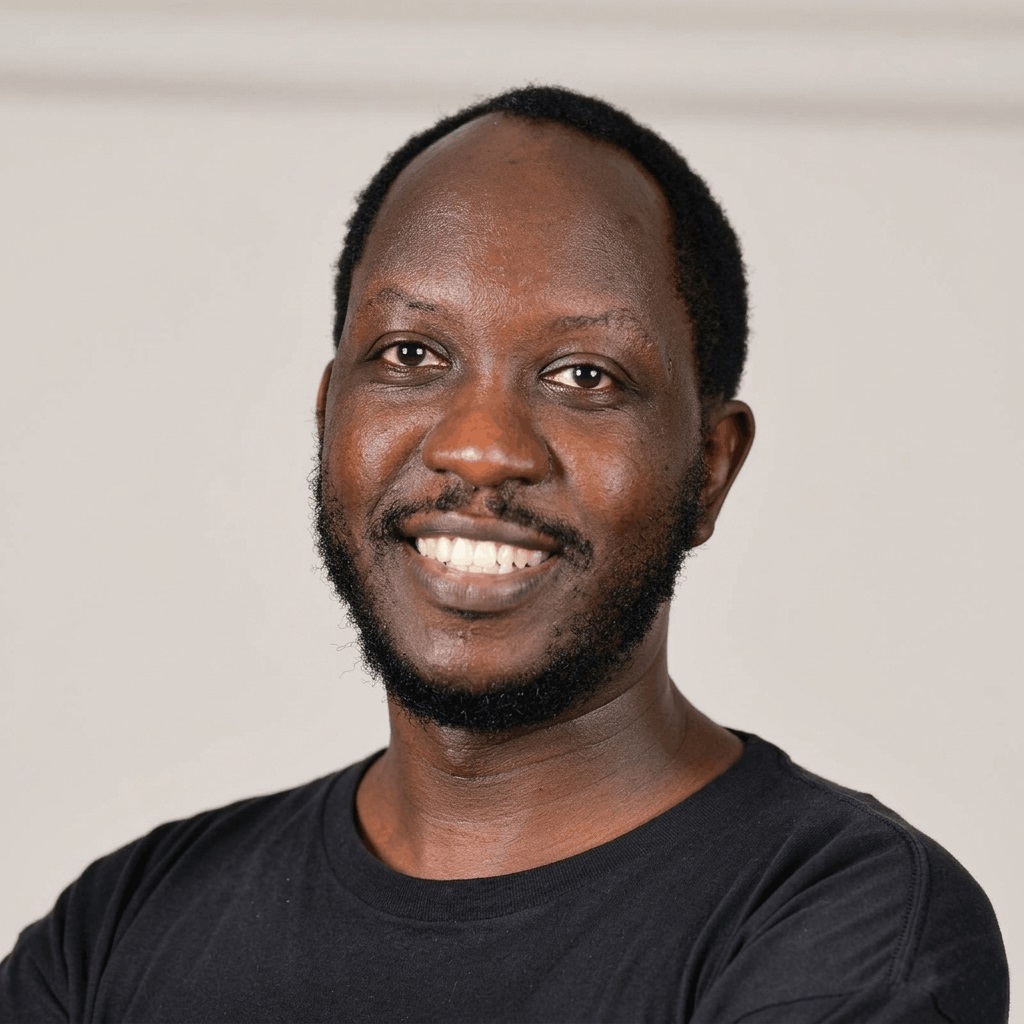
Bawili is among the women supported by Defying Violence Against Women (DEVIOW), a refugee-led social enterprise founded by Byaombe Lumona in 2020. The organisation combines vocational training, financial education and entrepreneurship support to help displaced women participate fully in the local economy.
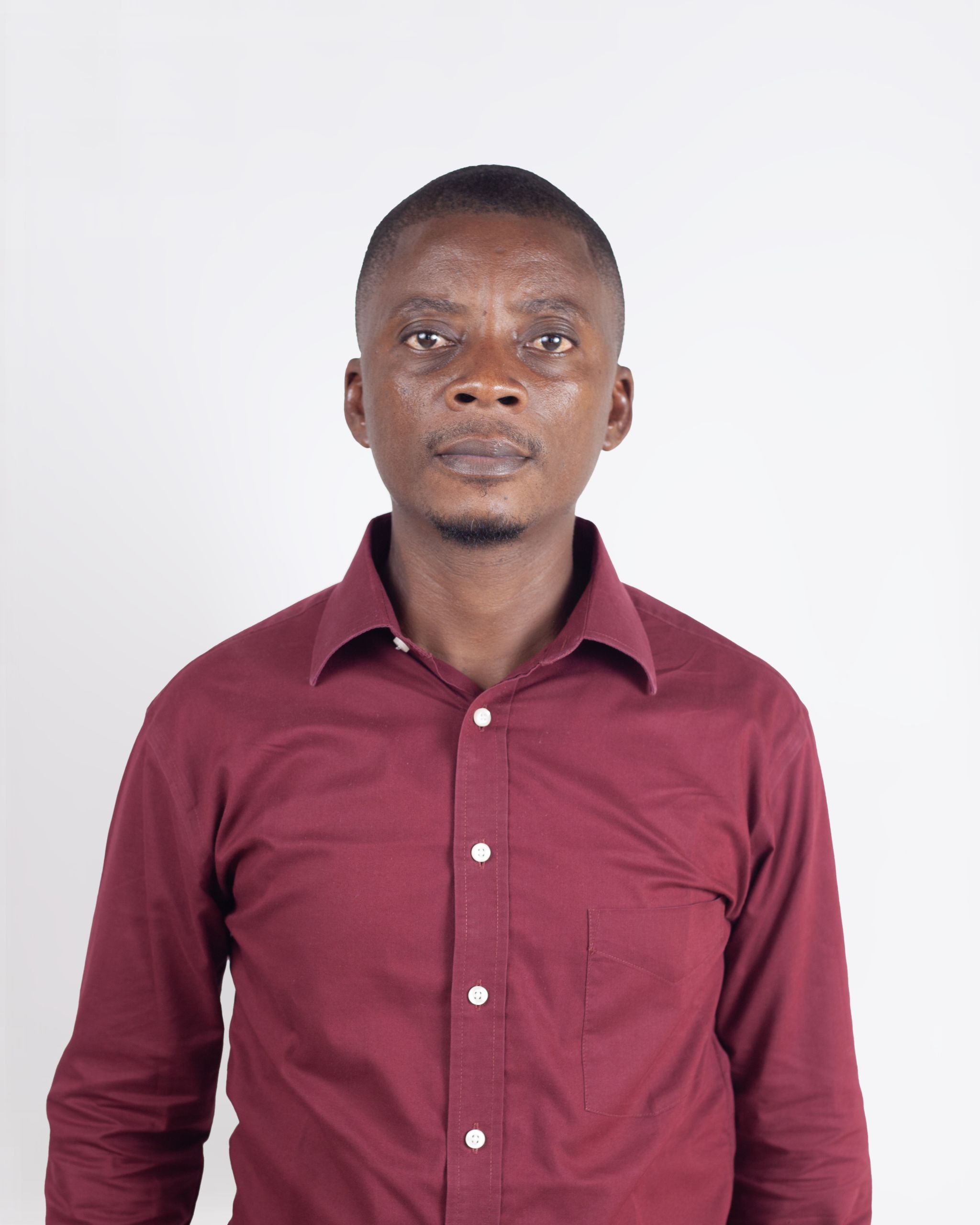
How His Mother's Experience Inspired a Mission in Kakuma
Originally from Kinshasa in the Democratic Republic of Congo, Lumona has spent nearly 12 years living in Kenya. But his commitment to women’s economic independence has its roots in a much earlier chapter of his life.
His mother raised three children amid domestic violence and considerable financial hardship. Even so, she managed to keep the family afloat and put Lumona and his siblings through school. Growing up, he saw how much rested on her ability to earn a living, and the experience left him with a lasting appreciation of what financial independence could mean for a family’s prospects. In 2020, he founded DEVIOW alongside four colleagues to raise awareness about gender-based violence and support women experiencing abuse in Kakuma. With little money and no permanent office, they began visiting local primary schools and asking for a few minutes to speak with pupils.
But as the work progressed, Lumona began to question what happened once those conversations ended.
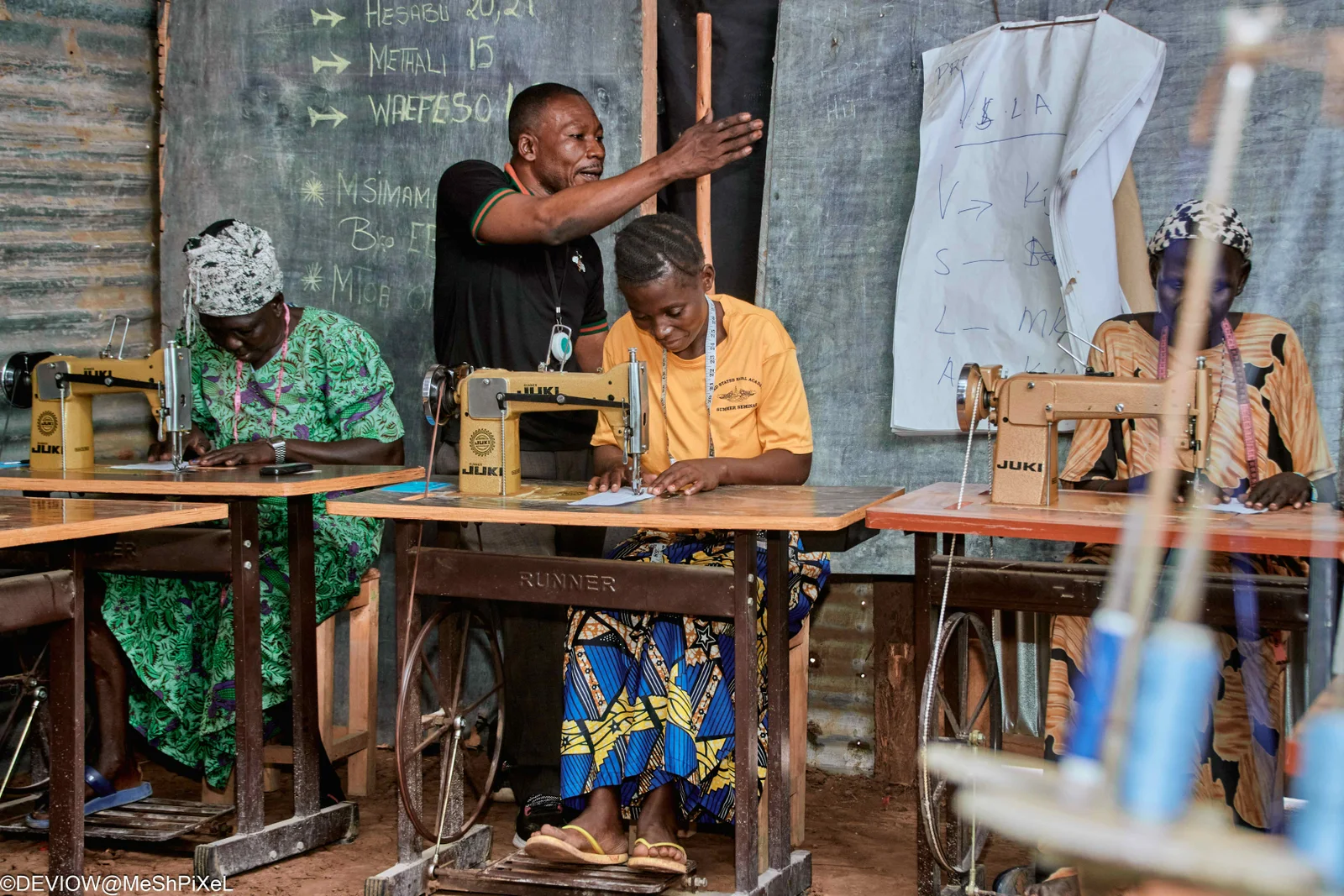
It was a pertinent question in Kakuma, where employment opportunities are limited and many households depend on humanitarian assistance. He and his colleagues decided to pool savings to purchase three sewing machines and opened a small dressmaking programme. Three women enrolled, then five, then fifteen. As interest grew, DEVIOW secured dedicated premises and began developing opportunities for graduates to earn from their new skills.
Apart from creating awareness, apart from doing some training on gender-based violence, what else can we do to support women to be self-reliant?, he recalls asking.
It was a pertinent question in Kakuma, where employment opportunities are limited and many households depend on humanitarian assistance. He and his colleagues decided to pool savings to purchase three sewing machines and opened a small dressmaking programme. Three women enrolled, then five, then fifteen. As interest grew, DEVIOW secured dedicated premises and began developing opportunities for graduates to earn from their new skills.
From Skills Training to Paying Work
Six years on, DEVIOW has grown into a social enterprise combining vocational training with financial education and business support. Its aim is to give women a viable route into employment or entrepreneurship, rather than leave them to navigate the job market armed with a certificate and little else.
Tailoring remains DEVIOW’s principal trade for several reasons. For starters, it requires relatively little capital. In fact, the three sewing machines Lumona and his colleagues pooled their savings to purchase are still in use today.
The trade also offers a fairly direct route to earning. A skirt or pair of trousers can fetch between KSh 500 and KSh 800, with each worker keeping a monthly record of her earnings. And the benefits carry over into the household. Bawili, for instance, now makes the school uniforms she once had to buy for her four children.
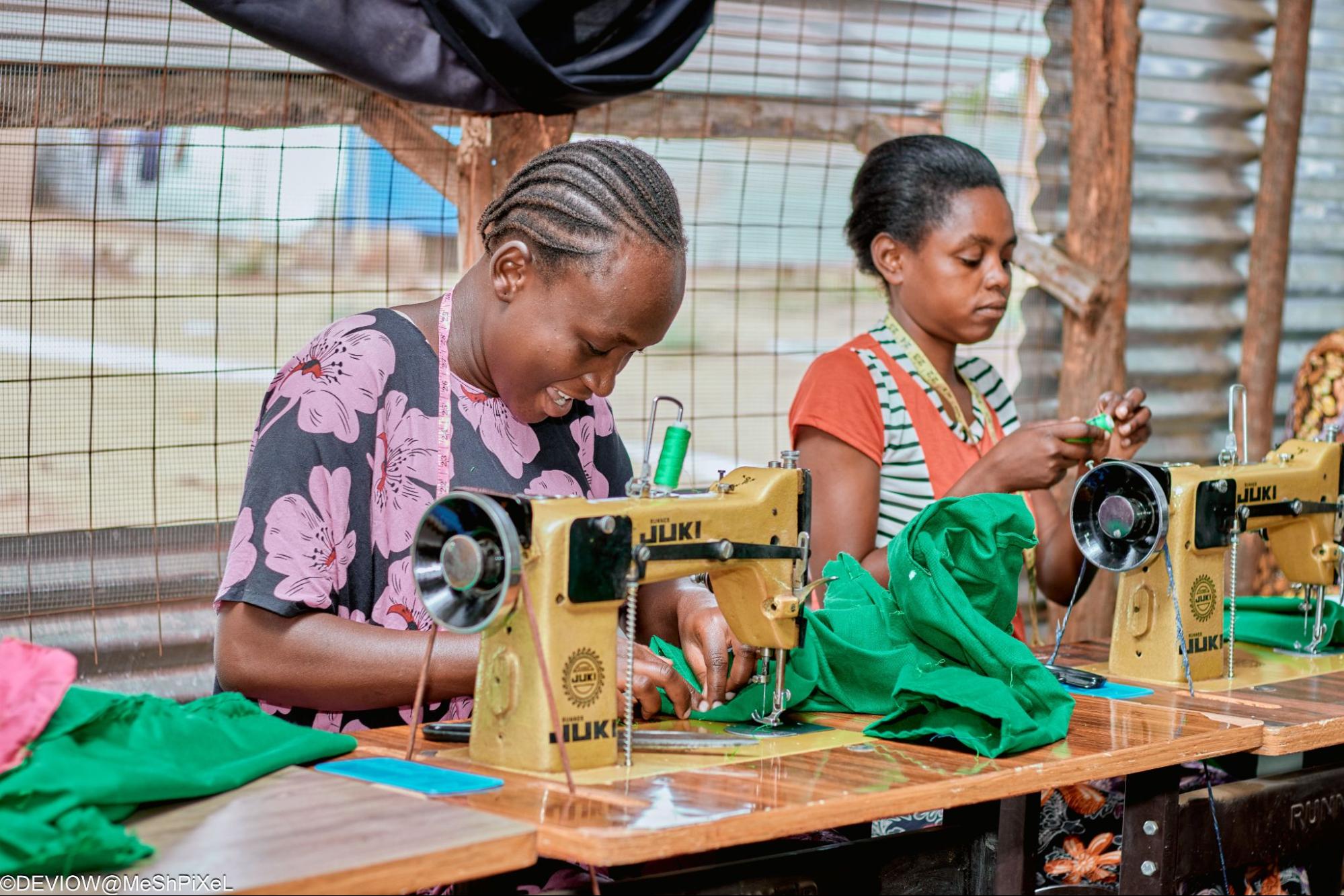
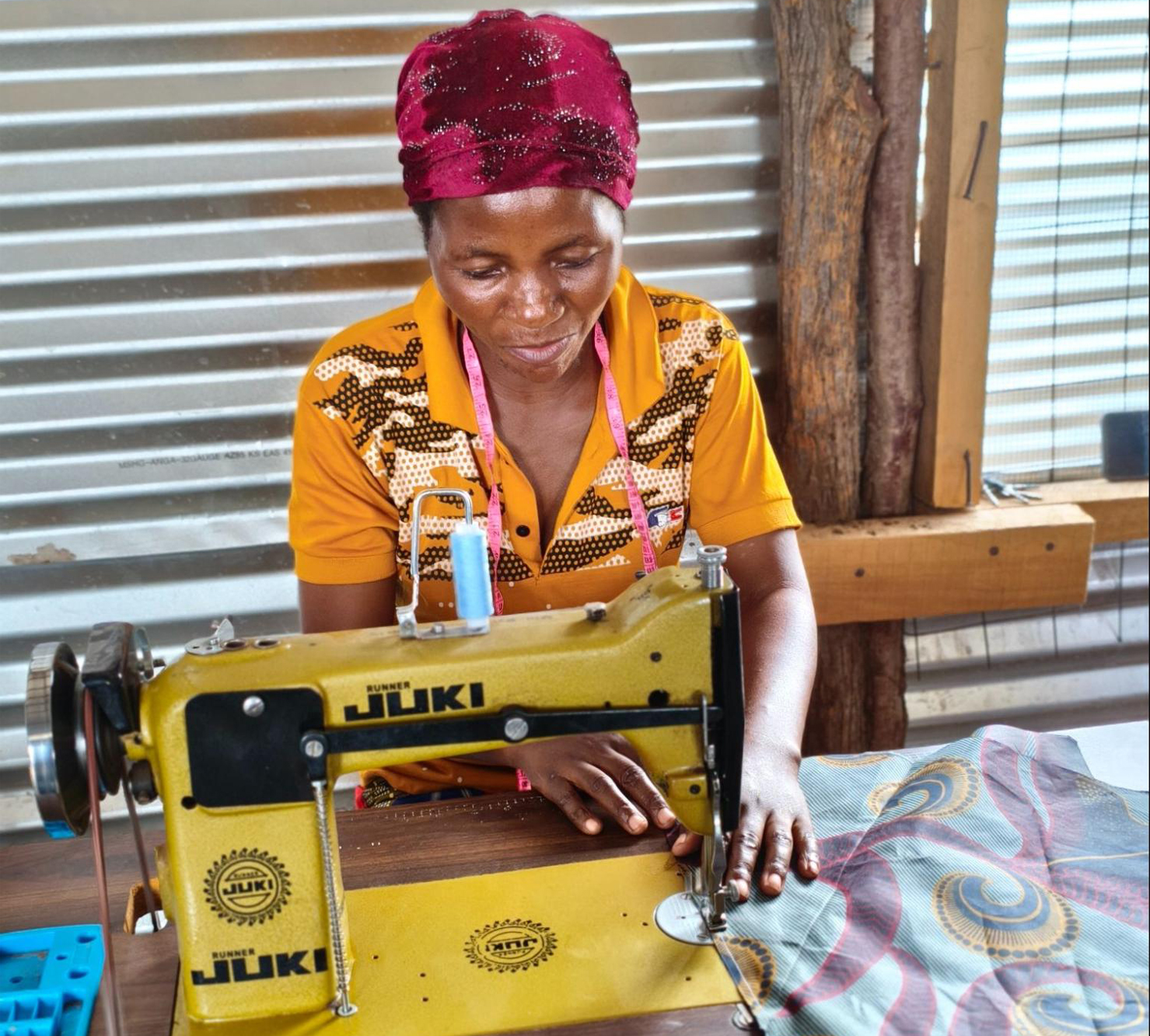
The programme is beginning to produce tangible results. Of the 17 women who have graduated from an initial cohort, eight now earn an income at DEVIOW’s centre, while another 19 are undergoing training.
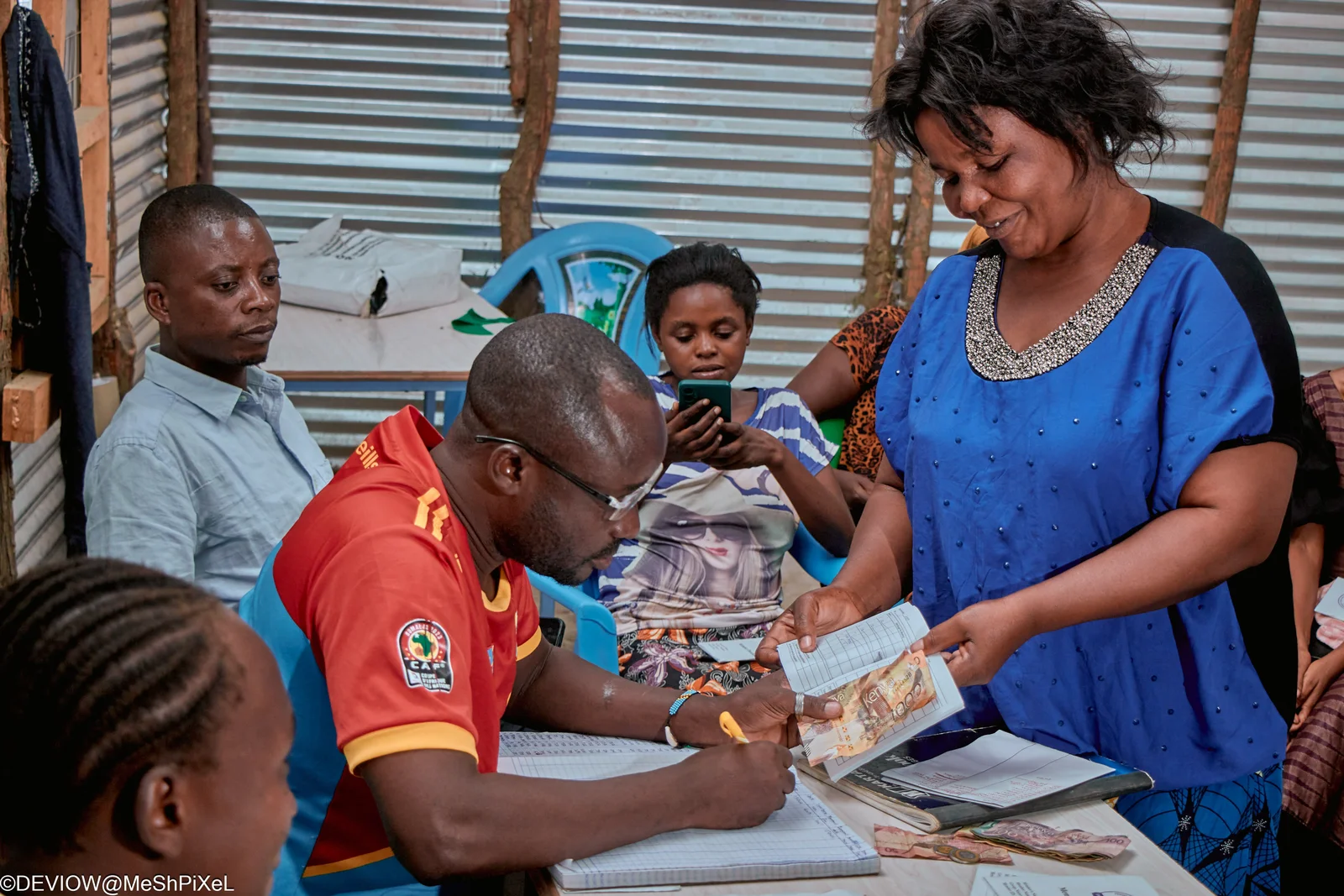
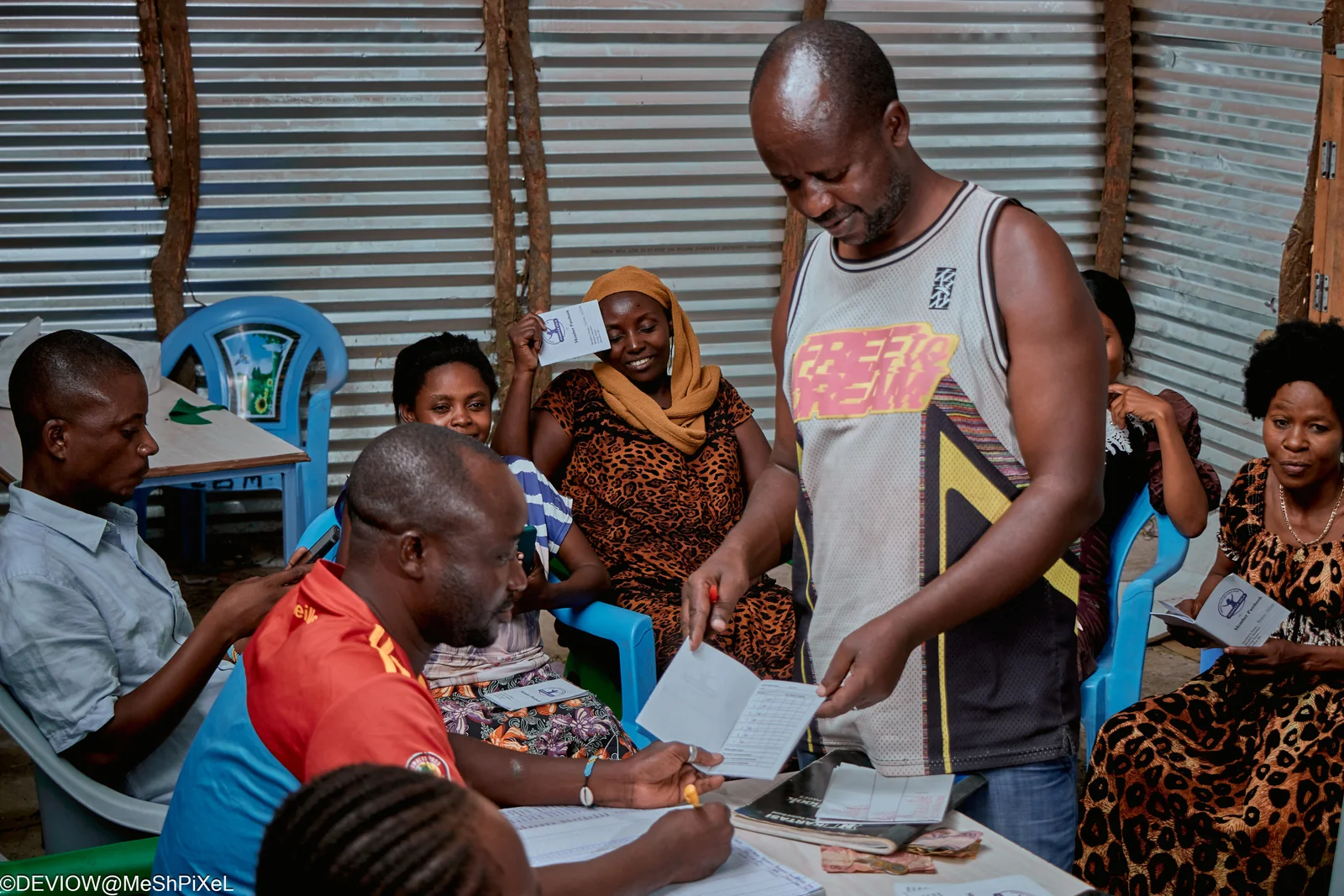
And because earning money is only part of the equation, DEVIOW has trained 90 women in financial literacy and established four Village Savings and Loan Association groups. Members save collectively and can borrow from the pooled funds to finance their businesses.
The organisation has also considered the practical demands of motherhood. Its Play and Grow programme engages children while their mothers attend training, and teenage mothers receive mentorship to help them resume their education.
Community trust has been just as important to its growth. Before opening its centre in Kakuma 2, DEVIOW held meetings with residents to understand their priorities and concerns.
“Getting to understand the women better was the most important thing I did,” Lumona says.
Its awareness programmes have since reached approximately 708 people, while Lumona has mobilised around 40 men from different nationalities to champion its work within their communities.
Financing the Next Chapter
Keeping DEVIOW running has required Lumona to become a resourceful fundraiser. In the early days, members contributed KSh 200 each month to cover expenses. But as the organisation grew, he began approaching potential partners and making the case for its work.
The Amahoro Fellowship provided DEVIOW with its first external funding, helping equip its office with three laptops. Equally valuable was the mentorship Lumona received, particularly in learning how to present his ideas and persuade prospective funders to invest in them.
“Even the laptop I’m using here is from Amahoro Coalition’s funding,” he says. “We didn’t have a laptop before.”
There is a deeper purpose to that ambition. DEVIOW began as an organisation addressing violence against women, but Lumona’s experience has convinced him that economic security has an important role to play in prevention.
“ A woman with an independent income has more options when deciding how to support herself, provide for her children or leave an unsafe situation.”
It is a conviction he first developed watching his mother work to secure a future for her children, and one that now informs his plans for DEVIOW.
From Three Sewing Machines to an Ambition of 500 Jobs
Lumona’s long-term ambition is to establish a cottage industry employing more than 500 displaced women in Kakuma. It is an ambitious leap from an enterprise that began with three sewing machines. But getting there will require more capital, a larger customer base and the commercial capacity to turn training into sustained employment.
“What I want to be remembered for is creating opportunities, creating jobs,” he says.
The Fellowship also changed how he evaluates opportunities.
“You cannot come to Lumona and convince Lumona easily,” he says. “You have to prove that what you are doing can bring something positive into our lives or the lives of others.”
His fundraising efforts subsequently secured grants from VSO in 2025 and 2026, helping DEVIOW purchase additional equipment and establish a shop selling tailoring materials.
The shop is part of Lumona’s plan to build a more commercially sustainable enterprise. He wants DEVIOW to generate enough revenue to finance more of its activities independently, reducing its reliance on grants.