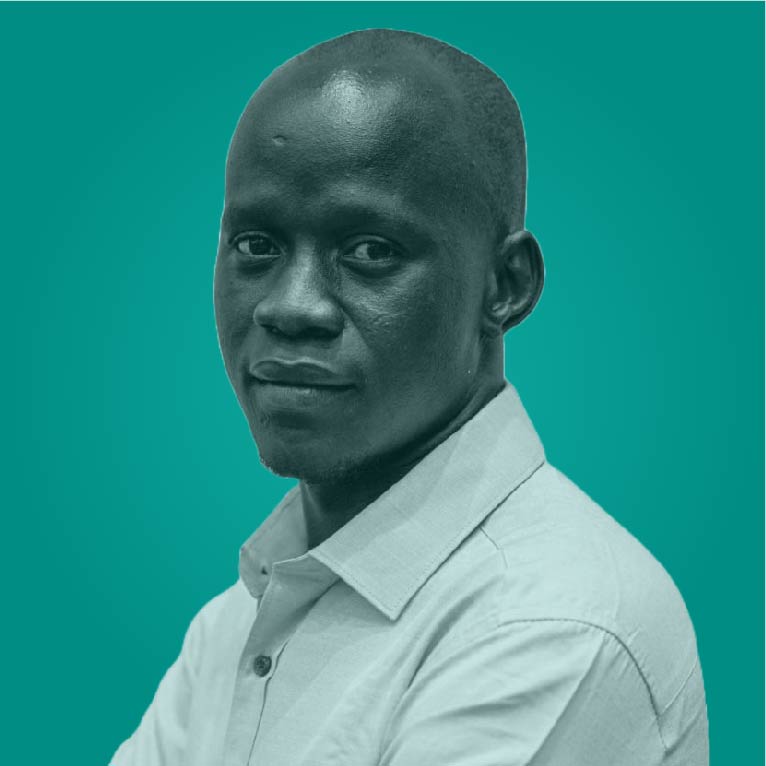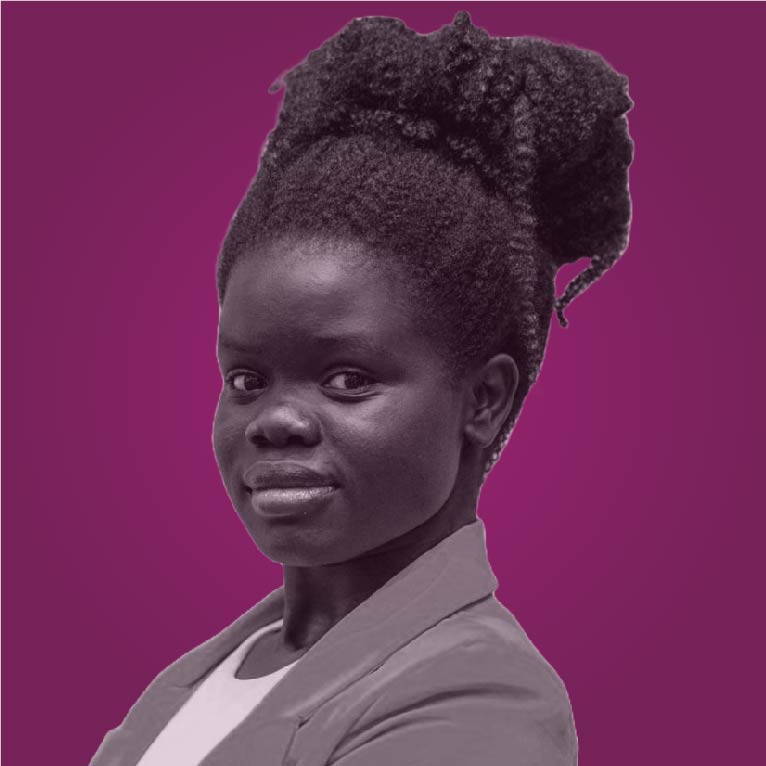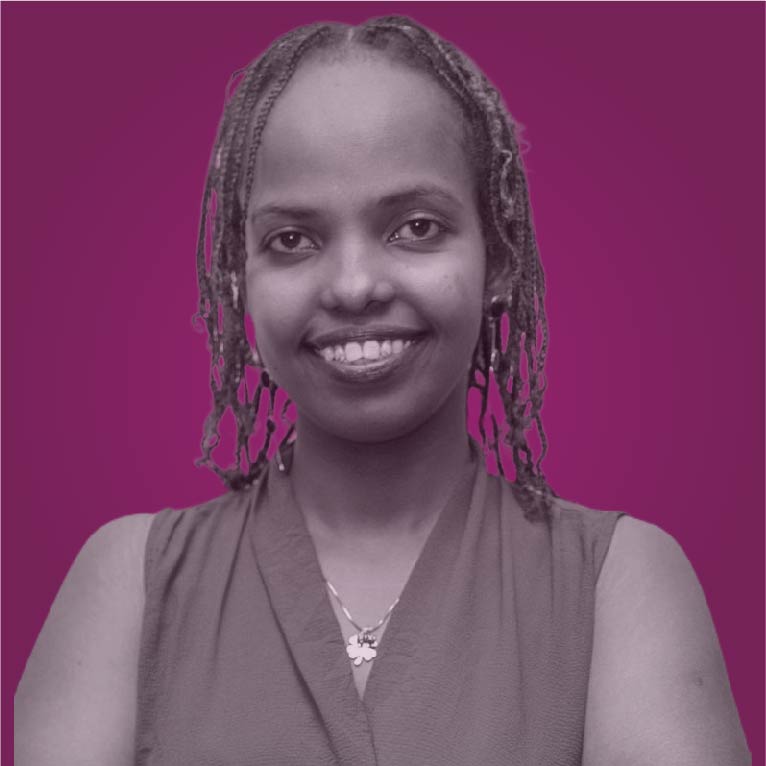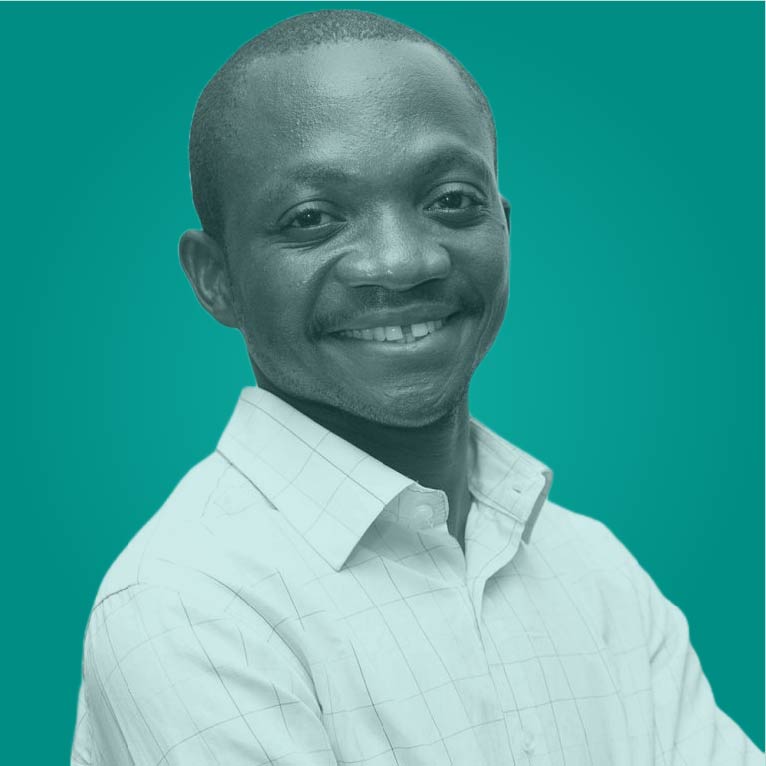
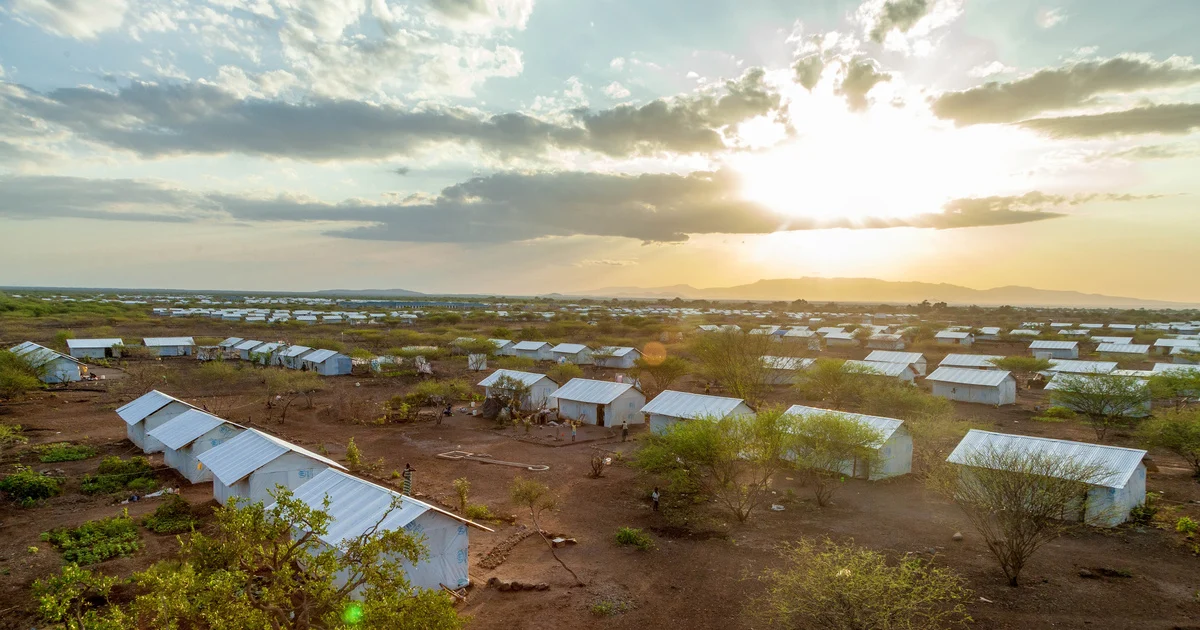
Kakuma is often described through the language of aid. That tells only part of the story. For more than thirty years, the camp has brought together nearly 300,000 people from over twenty countries.
Among them are engineers, teachers, entrepreneurs, athletes, health workers, coders, and artisans. Over time, trade has taken root and enterprise has followed. What exists today is a working market shaped by talent, demand, and necessity. Its momentum is already visible.
Among them are engineers, teachers, entrepreneurs, athletes, health workers, coders, and artisans. Over time, trade has taken root and enterprise has followed. What exists today is a working market shaped by talent, demand, and necessity. Its momentum is already visible.
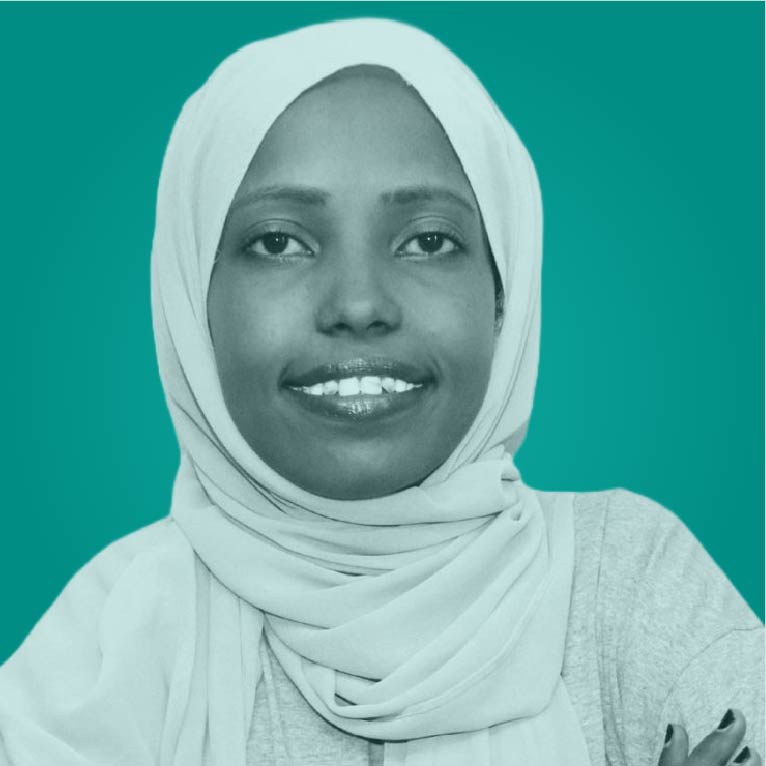
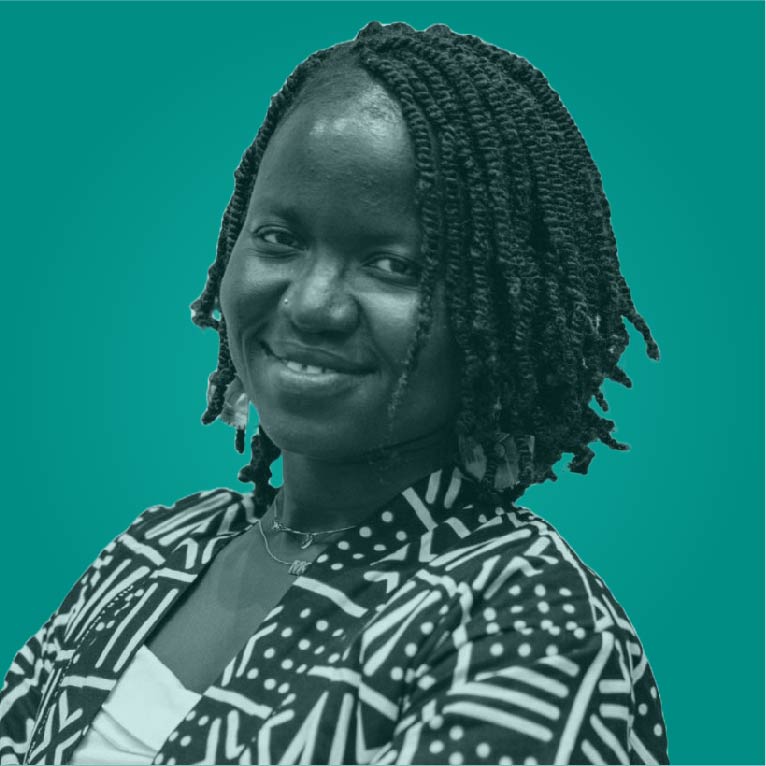
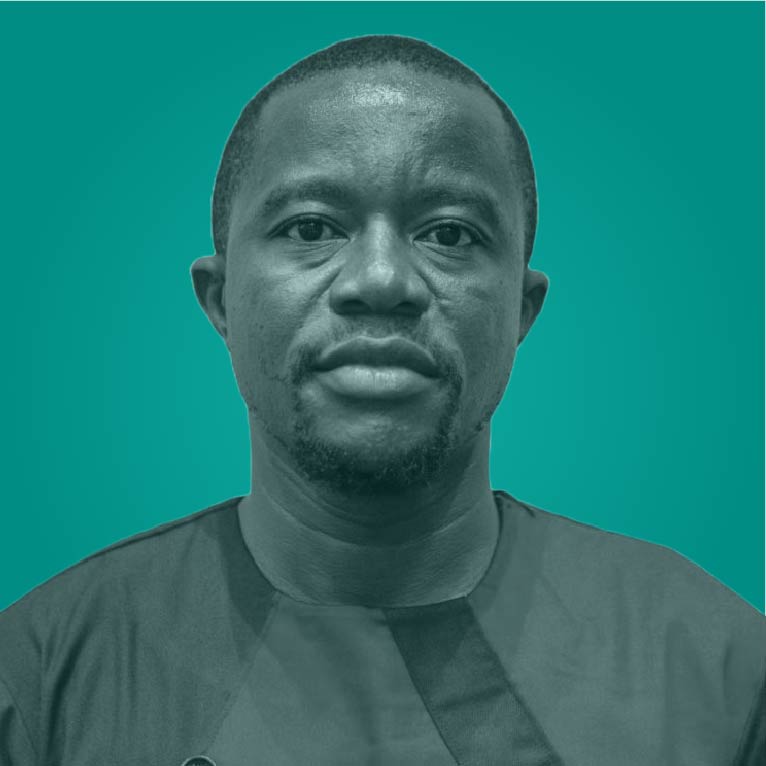
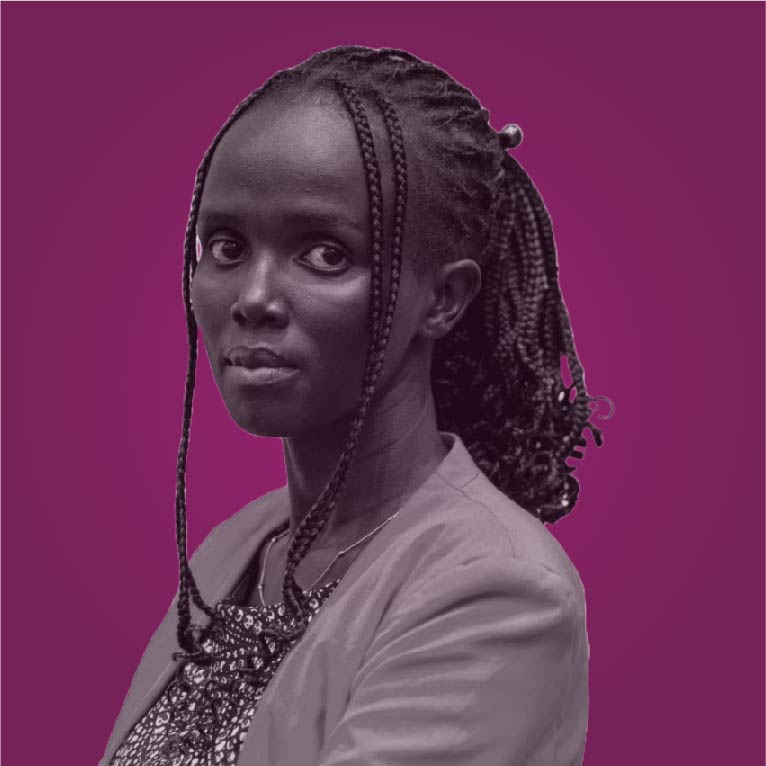
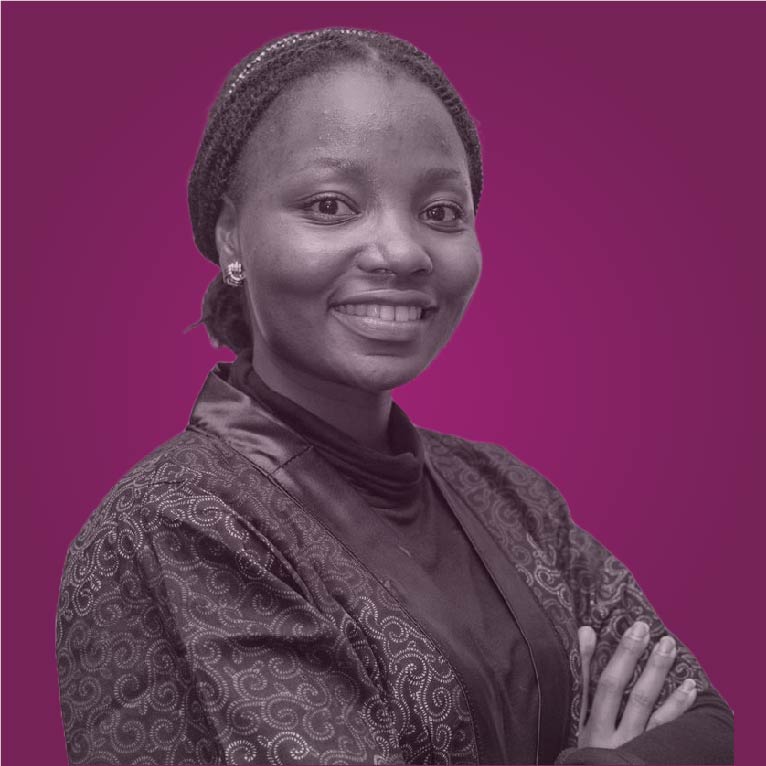
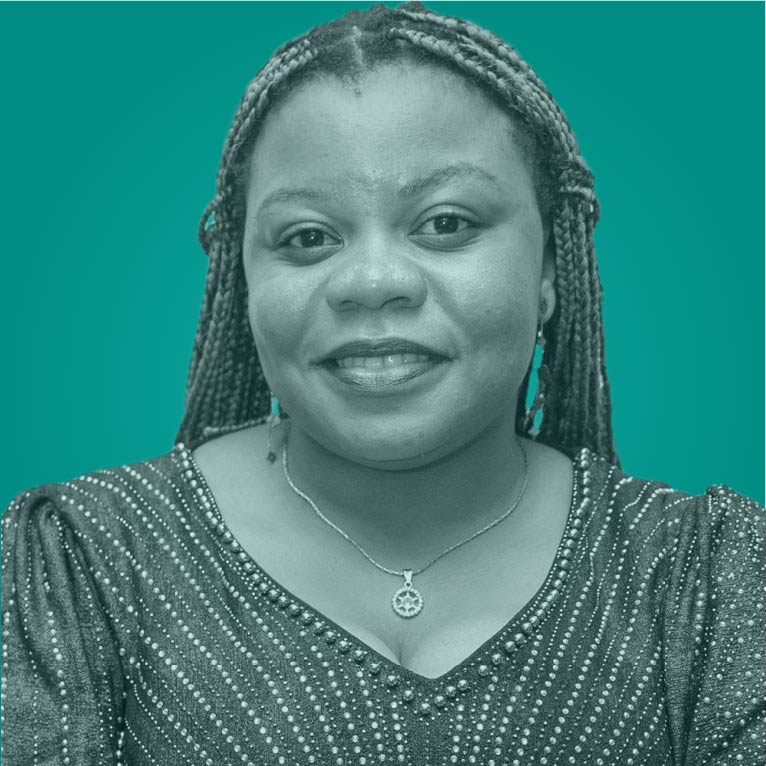
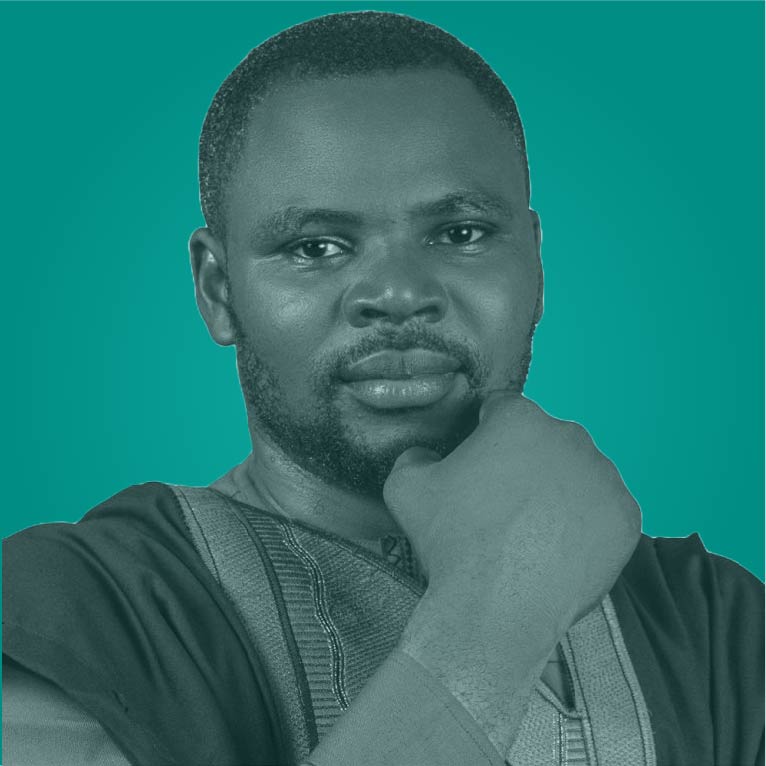
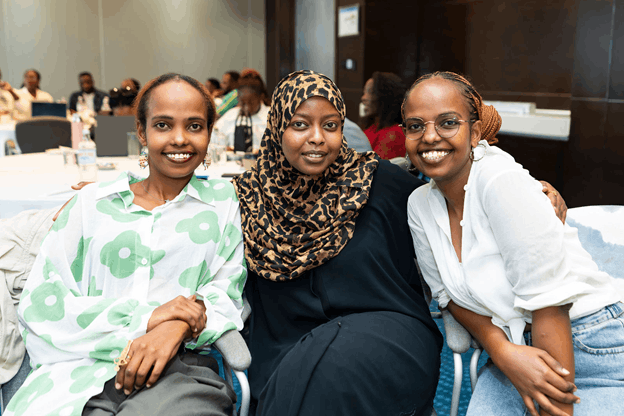
Across Kakuma, nineteen Amahoro Coalition fellows are building ventures across seven sectors, including technology, wellness, education, media, sport, health, and civic infrastructure. Together, they have created 117 jobs.
Talent Was Never the Constraint
Kakuma demonstrates how much productive capacity exists within displaced communities.
Talent Was Never the Constraint
Kakuma demonstrates how much productive capacity exists within displaced communities.
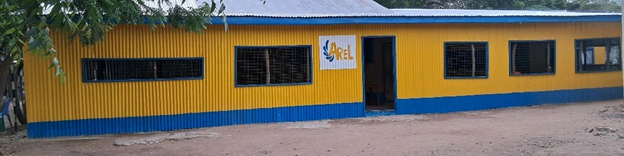
Take Kiza Mauridi, founder of Action for Refugee Life (AReL). He recognised that global demand for digital skills was growing, and that Kakuma already had people capable of meeting it.
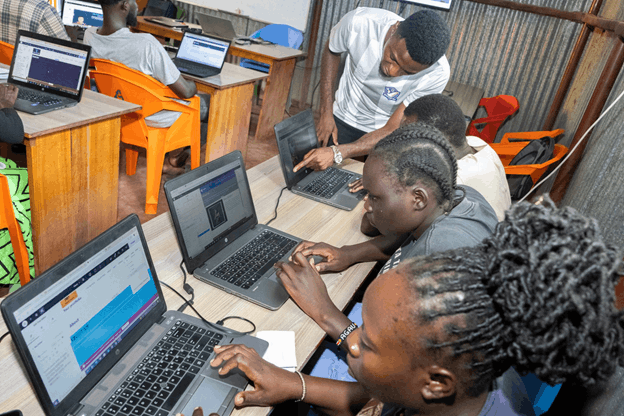
Today, AReL trains more than 140 students per cohort in digital marketing, data analysis, cybersecurity, and full-stack development. It has created 38 jobs, with graduates working under contract for companies in the Netherlands, Canada, Uganda, and Australia and earning between €400 and $500 a month.
Today, AReL trains more than 140 students per cohort in digital marketing, data analysis, cybersecurity, and full-stack development. It has created 38 jobs, with graduates working under contract for companies in the Netherlands, Canada, Uganda, and Australia and earning between €400 and $500 a month.
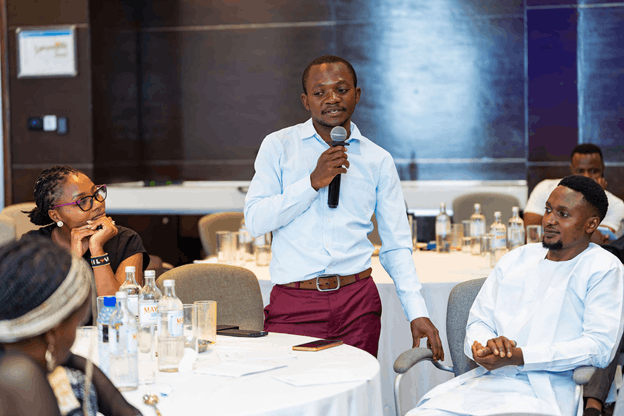
Others are building the same bridge. Saido Omar’s TechniKam is training more than 50 women in digital skills while creating 10 jobs, and Byaombe Lumona’s PRODEVIOW is strengthening vocational and financial capacity among women and has created eight jobs so far.
The talent is present, but what remains thinner are the systems that recognise it at scale, including credentials, hiring pathways, and access to cross-border work.
The talent is present, but what remains thinner are the systems that recognise it at scale, including credentials, hiring pathways, and access to cross-border work.
Demand Is Already on the Ground
Kakuma already functions as an economy, even if it is rarely described that way.
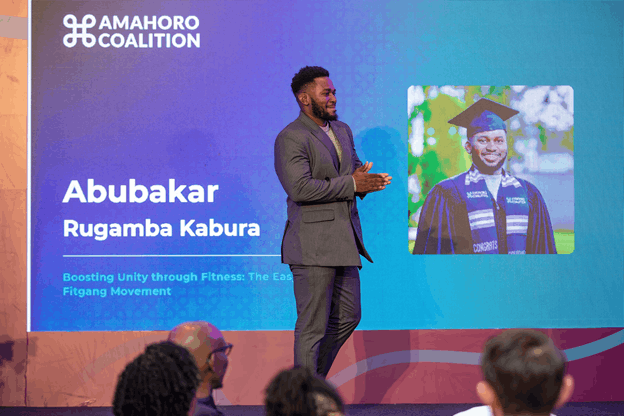
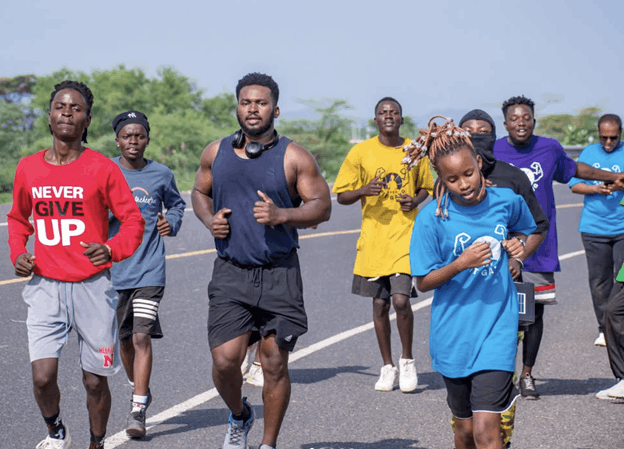
Abubakar Rugamba Kabura’s EasyFit Gang has created 31 jobs through a wellness business built around fitness and artistic expression, while Rita Namurembe Brown’s yoga programme has reached more than 200 community members, bringing physical and mental wellbeing into everyday life.
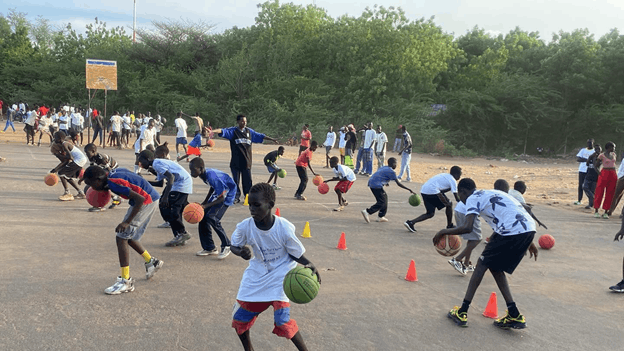
Sport is creating value too. Lich Gatkoi Puok’s Global Refugee Basketball has created 14 jobs while using sport to build leadership, confidence, and community ties.
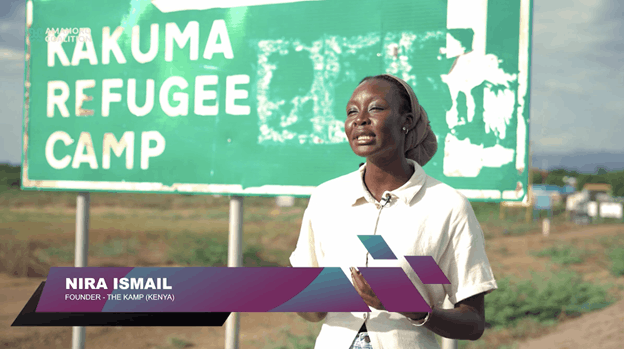
Nira Ismail’s The Kamp is training refugee creatives in storytelling and production, while Baobab Christian Mukanirwa’s Refugee Uplift Network is producing professional content from inside the camp itself.
life.
These are not side projects but responses to real demand, built by people who understand the market because they live inside it.
These are not side projects but responses to real demand, built by people who understand the market because they live inside it.

The next layer is scale. Some ventures are already reaching beyond the camp.
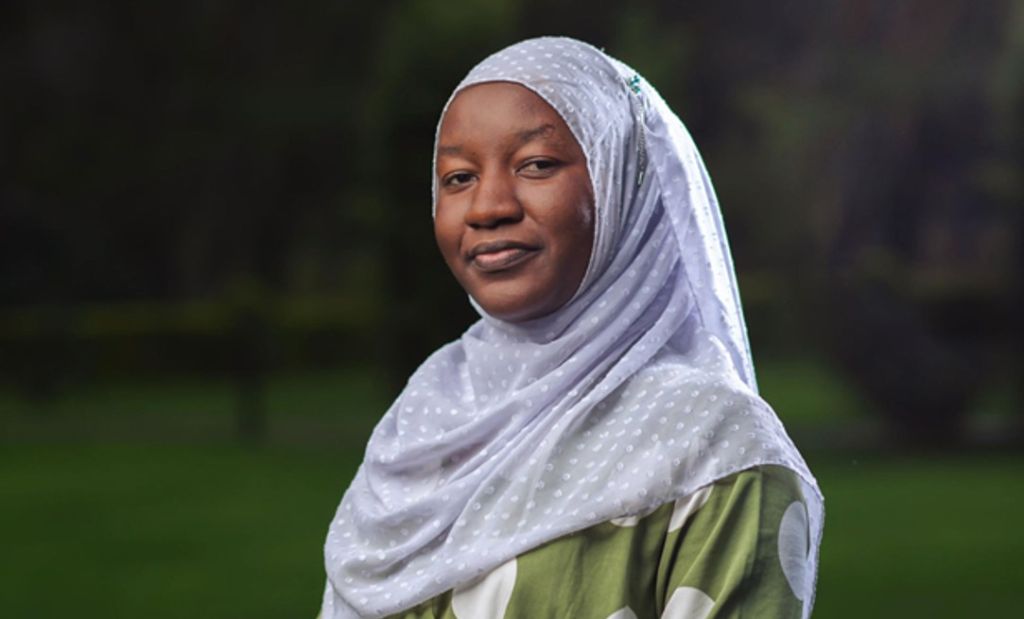
Khaltom Abakar Abdallar and Manahil Yagoub Musa’s Blossoms of Hope Initiative is developing ethically crafted products for international luxury markets, and Bashiri Juma Omari’s Panadol Garage is building another essential layer of any functioning economy through mechanics, repairs, and enterprise training.
Elsewhere, founders are tackling barriers that shape participation itself. Sudi Noor’s Girl Power Action Initiative has created 17 jobs through reusable sanitary pad production, addressing a barrier that directly affects both education and workforce participation, while Conzana Cornelius Mangati’s Saidia Community has reached more than 2,000 people through sexual and reproductive health programmes.
Pascal Bahati’s Action pour le Progrès has created seven jobs through education, research, and advocacy. Its work helps communities play a stronger role in local decision-making.
Binja Cimanuka Samuel’s Kalobeyei Initiative for Better Life is expanding access to education through school development.
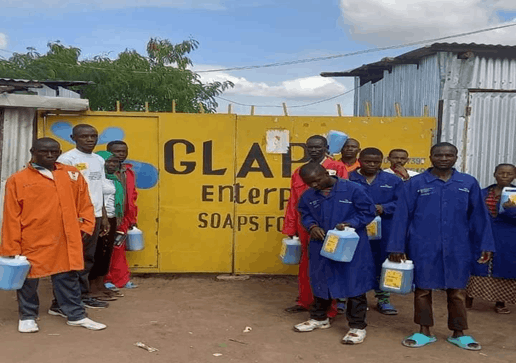
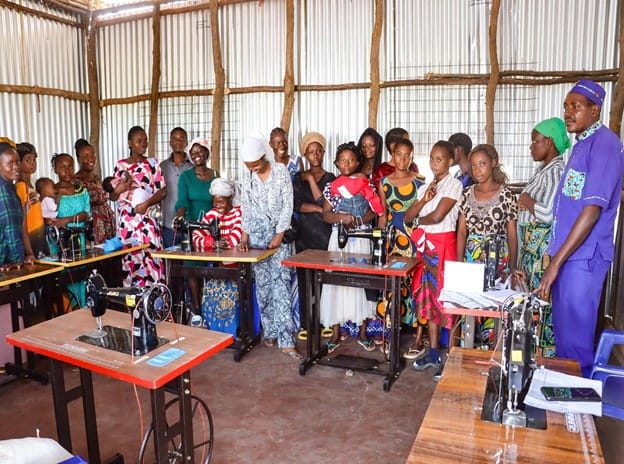
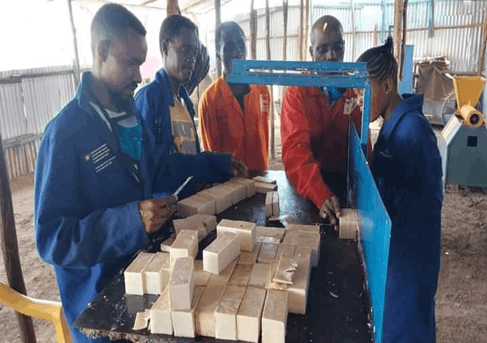
Elizabeth Biunjwe Ebila’s Beauty and Art Hub is turning creative skills into income. Nduwimana Joseph Ismael’s Discovery Organization and Innocent Havyarimana Domitien’s GLAP Enterprises are strengthening livelihoods through skills training and better sanitation.
Each venture tackles a different constraint. Together, they are helping build the foundations of a working economy.

A Market Already in Operation
One hundred and seventeen jobs, nineteen ventures, and even sectors.
Inside the massive refugee camp, these businesses are hiring, training, exporting, repairing, producing, coaching, coding, and selling. The more accurate question is no longer whether enterprise can emerge in Kakuma because it already has.
The next question is whether infrastructure, investment, and cross-border systems can catch up with what entrepreneurs have already built, and that is where Amahoro Coalition is focused, connecting ventures that are already in motion to the markets, capital, and networks that allow them to grow.
The next question is whether infrastructure, investment, and cross-border systems can catch up with what entrepreneurs have already built, and that is where Amahoro Coalition is focused, connecting ventures that are already in motion to the markets, capital, and networks that allow them to grow.