By Daisy Bartlett
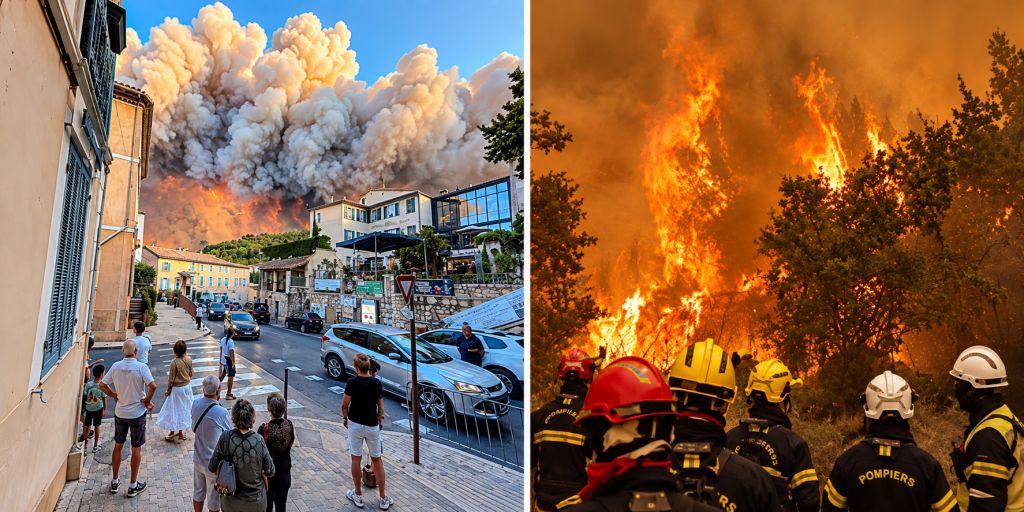
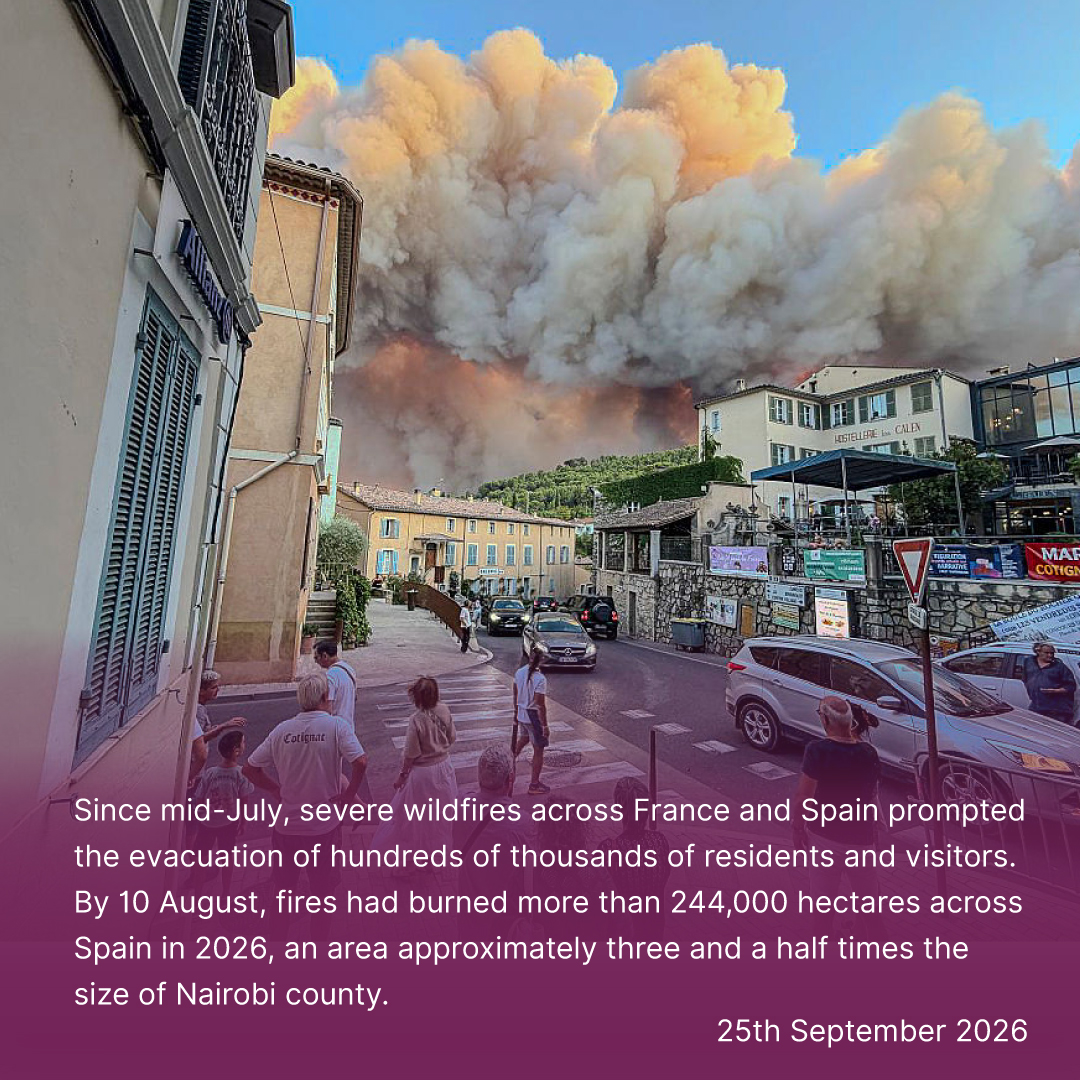
Since mid-July, severe wildfires across France and Spain prompted the evacuation of hundreds of thousands of residents and visitors. By 10 August, fires had burned more than 244,000 hectares across Spain in 2026, an area approximately three and a half times the size of Nairobi county. I have called both countries home, and I’ve been following the news daily from my current home in Nairobi.
Through my work at Amahoro Coalition, I support people affected by forced displacement to access economic opportunities. So when the headlines about the European fires started to use the term ‘displaced’, I found myself wondering why despite the situation being “the most painful expression of a climate emergency” according to Spain’s Prime Minister Pedro Sanchez, I don’t know why I know, but I just know that those affected will not find themselves in a protracted turmoil like those displaced by floods or drought we work with. So, I found myself asking, what prevents a temporary climate disaster from becoming prolonged economic displacement?
Something I had not fully understood before joining Amahoro Coalition is just how long displacement can last. Despite the common assumption that a ‘refugee’ is temporary, families can spend years, even generations, unable to return home or properly rebuild their lives elsewhere. In France and Spain, most articles describe people as ‘evacuees’ rather than ‘displaced’.
The word itself seems to carry an expectation of those affected going home. So what makes it possible for someone’s life to go back to ‘normal’ after ‘Apocalyptic wildfires drive them from their homes’?
The obvious answer seemed to me that both countries are wealthier and have stronger public infrastructure. Once disaster strikes a series of public/private mechanisms tick into place to support the ‘displaced’. For example, the Madrid regional government announced an initial €30 million package, including rent support for up to 12 months for people who cannot return home and grants to repair damaged properties. In France, insurers agreed to ‘cover temporary accommodation for evacuated residents for up to three weeks, even when their homes had not been damaged, and extended the deadline for submitting insurance claims’.
But as I read further, I was reminded that being able to go home is not only about whether your house is still standing and you retrieve your belongings. It is also about whether you still have an income, a job or a business to return to.
According to the Bordeaux-Gironde Chamber of Commerce and Industry, around ‘40,000 businesses have been directly or indirectly affected by the fires in the region alone and evacuation orders, representing approximately 200,000 jobs.’
After reading this, I contacted a friend who lives and owns a company on the outskirts of Bordeaux to check up on him, it’s actually this exchange that sparked my desire to write this piece.
He was safe, phew. His co-founder had been evacuated and they couldn’t access their company premises or obviously receive stock or send orders. Yet, they expected things to be more or less back to ‘normal’ by next week. He was in the midst of checking whether their insurance would cover their ‘lost activity’ and ‘stock disruption’. He also told me that their employees were “sorted”. What does he mean by sorted?
On 27 July, France opened its ‘activité partielle’, commonly known as ‘chômage partiel’, to businesses affected directly or indirectly by the fires. If a company has to ‘suspend operations’, ‘employees will receive approximately 72% of their usual net hourly wage’.
Spain has a similar system. Workers can receive ‘up to four days of paid leave when restrictions, extreme weather or imminent danger make getting to work impossible’. If the disruption continues, employers can use an ‘ERTE’, a temporary employment regulation scheme, through which workers receive public unemployment benefits and employers may receive exemptions from social-security contributions.
This means that for the ‘displaced’ French and Spaniards, losing access to their workplace does not necessarily mean losing their whole income and for business owners, suspended operations does not necessarily lead to the collapse of their business.
Before researching this, I knew vaguely that governments and companies protected citizens and employees, but I had never really understood how. I now see how different players absorb different parts of the shock. That does not mean everyone is protected, or that displacement does not cause suffering to its victims. Insurance claims are not always successful, support can be delayed and, as elsewhere, many people work informally so unprotected. The difference is that mechanisms exist to prevent the natural disaster becoming an economic one for employees, businesses and the country as a whole. For citizens of such countries, I also believe there is an inherent knowledge that you will be more or less ‘sorted’, life as you know it does not completely disappear into flames.
A few things to note, wildfire evacuation and displacement caused by a ‘temporary’ climate disaster cannot be compared to displacement caused by conflict or persecution. From my past work experience in the climate-tech space, I know that early detection technologies and preventive systems have a role to play in some cases, but I was interested in a narrower comparison:
When people are displaced by a climate disaster, what determines whether they can go home?
Displacement does not become protracted because people lack resilience. It becomes protracted when the systems needed to preserve income, rights, assets and opportunity are not in place.
It’s pretty common knowledge that about 80% of employment in Africa is informal which one can assume makes the social systems in France and Spain harder to implement. If a business and its workers are informal, if its premises are destroyed or inaccessible, and activity suspended or stock shortage occurs there is no insurance to claim or income-replacement scheme that automatically kicks in to protect the business, its workers or the families that depend on it.
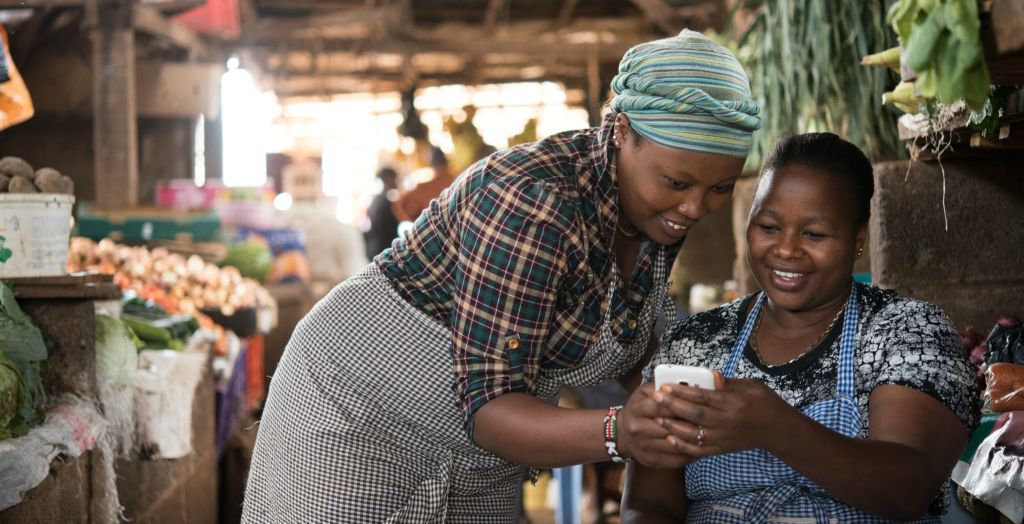
However, cash transfers which are easily disbursed on the continent thanks to its remarkable mobile money systems, something we lack in Europe, are common in times of crisis. At the community level, sophisticated village savings groups, often led by women, provide emergency loans to support members in times of hardship but such initiatives are limited when an entire community is hit at once.
Researching the formal systems in place on the African continent that come into play in such times, the only paid leave equivalent I found was South Africa’s Temporary Employer/Employee Relief Scheme. At the continent level, The African Risk Capacity (ARC) Group under the Africa Union, a ‘specialized agency created to help member states improve their capacity to plan, prepare, and respond to extreme weather events, natural disasters’. Various programs also cover emergencies like floods and drought including African Development Bank’s Africa Disaster Risk Financing (ADRiFi) program which supports fund insurance premiums, and secure rapid payouts’, Kenya’s Hunger Safety Net Programme under which ‘vulnerable registered households in targeted arid counties receive regular and emergency stipends.’ Similar initiative exists in Ethiopia, the Productive Safety Nets Program (PSNP). There are also a growing number of crop and livestock insurance schemes across the continent. Many of the above came to be following the numerous disasters and increased displacement across the continent.
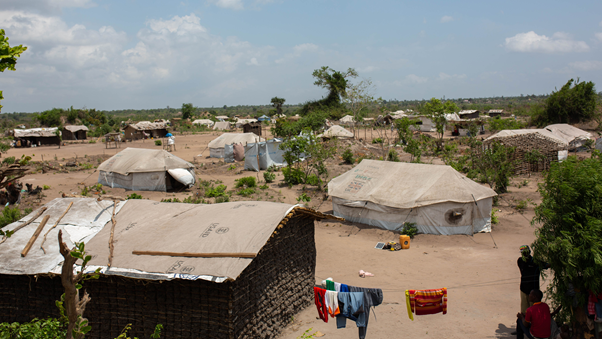
However, I struggled to find a tangible example of what was working/had worked to prevent long-term displacement. I discovered that, after Cyclone Idai struck Mozambique in 2019, tens of thousands of people were evacuated from high-risk areas into resettlement sites but no livelihood planning was integrated into the emergency response. Two years later, articles shared that 100,000 people were still living in resettlement sites and accommodation centres. Since then, Mozambique ‘has strengthened its early-warning systems’, and World Bank-backed recovery programmes have ‘combined climate-resilient housing and infrastructure with cash grants enabling informal businesses to replace lost assets and resume operations’. Reports state that these investments produced ‘tangible results, particularly for heavily affected businesses’.
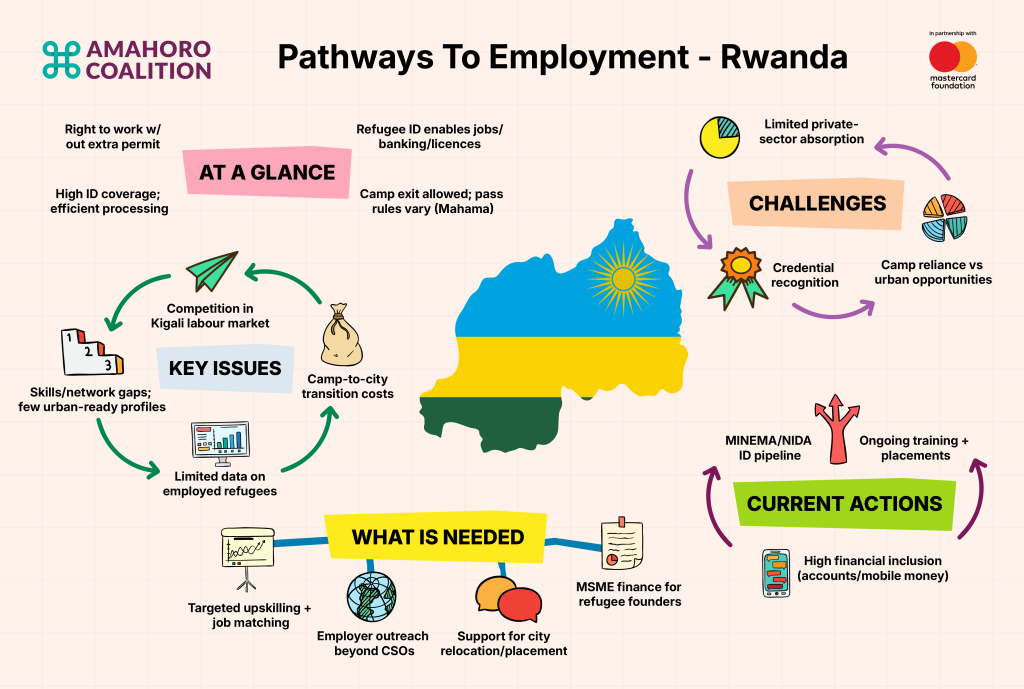
In Rwanda, following the May 2023 floods and landslides which destroyed thousands of homes in Rwanda’s Western Province, the government rapidly built 904 houses and launched a World Bank-backed emergency programme to deliver thousands more as-well as introducing long-term flood mitigation projects. Such initiatives hopefully avoid prolonged displacement for many in the future.
Progress is being made across the continent, but we remain far from functioning shock-response social systems and public/pricate insurance mechanisms that truly protect people’s homes, assets and incomes. The deeper I explored this issue, the clearer it became that most well-oiled protection systems depend on robust businesses and workers contributing to public and private mechanisms through taxes, social-security contributions and insurance premiums.
When national economic performance is at risk, governments have a stronger incentive to act to protect businesses survival and ensure economic stability for its citizens.
This is why the private sector must be part of the displacement conversation. Not simply as a corporate sociable responsibility contributor, a program donor or a source of emergency funding, but as a partner in providing mutually beneficial economic opportunities. At Amahoro Coalition, we work hand in hand with businesses to explore strategies that not only create economic opportunities for displaced people and host communities but that make business sense. As African businesses grow, I would like to believe that thanks to their investment, infrastructure and influence, the systems that protect jobs and livelihoods, support affected enterprises across value chains to recover and avoid long term turmoil grow with them.
As I continue to write this the headlines in Europe are now onto ‘Out of capacity’: EU warns wildfires are pushing response systems to the limit’ . As climate shocks like these increase globally, it is essential to build more shock-resistant economies in which people can recover without being pushed further into poverty or displacement. It’s no longer the ‘good thing to do’ but the only logical way forward for the global economy, businesses, workers and communities alike.